Vitamins and Minerals for Hair Growth: A to Zinc
Genetics deals your hair its hand, but nutrition decides how well that hand gets played. Follicles are among the hungriest tissues in the body, so a shortfall shows up in hair earlier than almost anywhere else. This is the full reference on vitamins and minerals for hair growth: what each one actually does, where to eat it, what a genuine deficiency looks like, and the over supplementation traps most articles skip entirely.
Our hair, skin and nails gummies
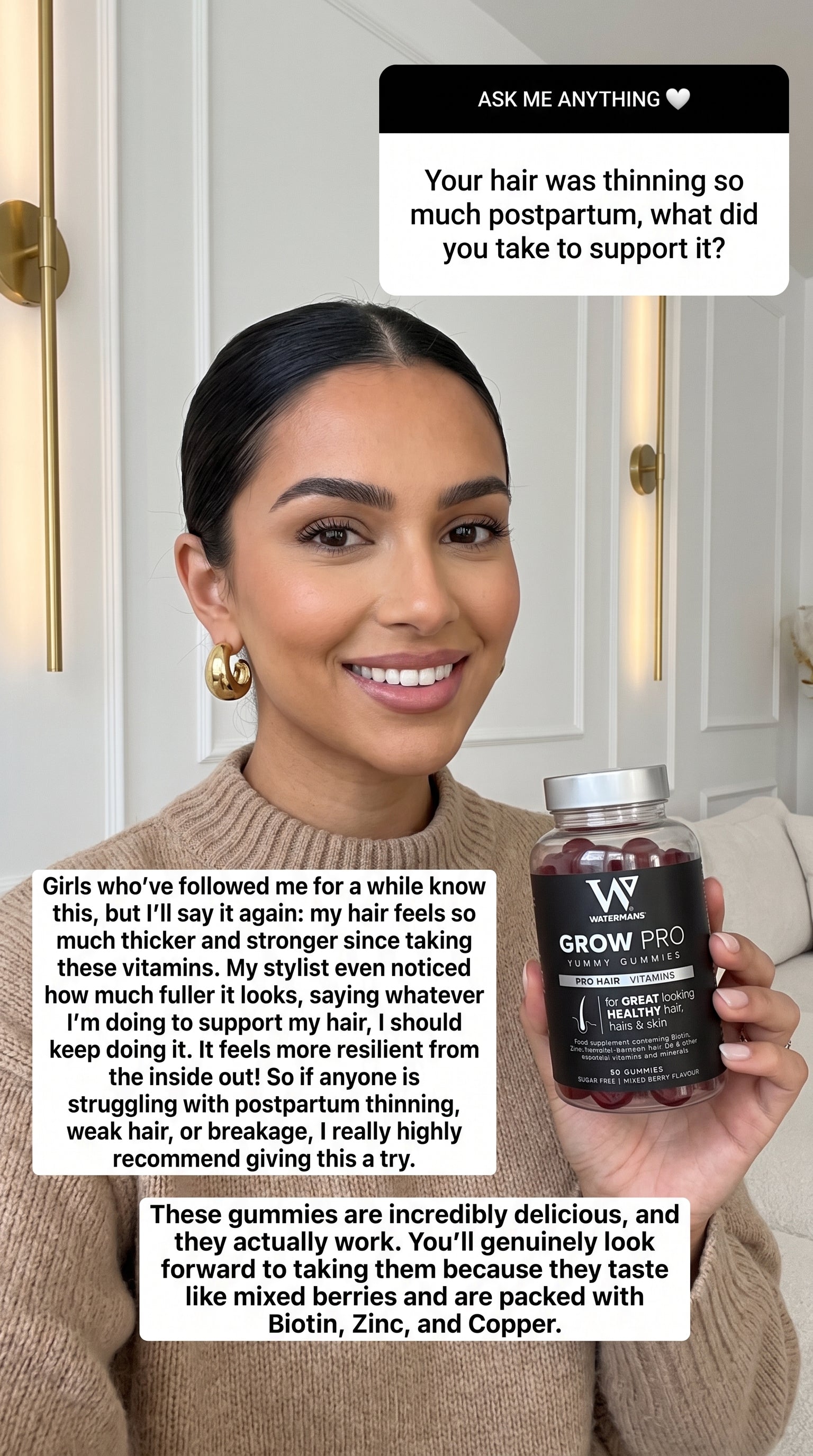
GrowPro® Hair, Skin & Nails Gummies, £22.95. Sugar free daily gummies for people who would rather chew than swallow a tablet, supporting hair care from the inside out.
Key takeaways
- Biotin and zinc carry the recognised claims for contributing to the maintenance of normal hair.
- Iron is the most commonly identified shortfall behind unexplained shedding, particularly in women.
- Food beats pills. A varied plate covers nearly everything on this list without any capsules at all.
- More is not better. Chronic excess vitamin A and excess selenium are both documented causes of hair loss.
- Get iron tested before you supplement it. Guessing with iron is genuinely risky.
- Nutrition fixes nutritional problems. Hormonal and genetic hair loss need a different conversation entirely.
Which vitamins and minerals for hair growth actually matter?
Nine nutrients earn their place, and the rest of the shelf is mostly marketing. The list below is ordered by how often a shortfall genuinely turns out to be the explanation, rather than by how impressive the ingredient sounds on a label. Before any of it, one framing point: nutrition determines the ceiling your follicles can work up to, not the rate they work at. Filling a genuine gap can make a real difference. Topping up something you already have enough of does nothing.

What do the key vitamins do?
Biotin, vitamin B7, the keratin builder
Biotin sits inside the enzymes that assemble keratin, the structural protein hair is made from, and it carries the recognised claim of contributing to the maintenance of normal hair. Eat eggs, nuts, salmon and sweet potato. One practical warning: high dose biotin supplements can distort several common blood tests, including thyroid panels, so tell your GP if you take it before any blood work. Our full biotin guide covers that caveat properly.
Vitamin D, the follicle cycler
Vitamin D is involved in the hair follicle's growth cycle, and low levels are genuinely common in the UK, especially between October and March. The NHS advises considering a daily supplement through the autumn and winter for that reason, and the case is stronger still for people with darker skin, who make less vitamin D from the same sunlight. Oily fish and fortified foods help, but British sunlight in February does not.
Vitamin A, the scalp conditioner, handled with care
Vitamin A supports sebum production and scalp condition, and it is also the classic over supplementation trap on this whole list. Chronic excess is a documented cause of hair loss, which is a genuinely awkward irony for anyone taking it hoping for the opposite. Food sources such as carrots, spinach and sweet potato are self limiting because the body converts beta carotene as needed. High dose retinol capsules are not self limiting.
Vitamin C, the collagen builder and iron assistant
Vitamin C builds the collagen that surrounds and supports follicles, and it does something more immediately useful: it substantially improves how much iron your body absorbs from plant foods. Eat citrus, peppers and berries, and eat them alongside your iron sources rather than at a different meal. That single timing habit is worth more than most supplements.
Vitamin E, the antioxidant shield
Vitamin E protects follicle cells from oxidative stress, which matters because scalp condition and oxidative stress are linked in the peer reviewed literature to weaker growth and poorer retention. Nuts, seeds and avocado cover it comfortably.
Folic acid, vitamin B9, the cell divider
Growing follicles are among the fastest dividing cells in the body, and folate fuels that division. Leafy greens, legumes and fortified grains are the everyday sources.

What do the key minerals do?
Iron, the oxygen carrier
Low ferritin is one of the most common findings behind unexplained shedding, and it is the single most worthwhile thing to have measured before you buy anything. Red meat, lentils and spinach are the main sources, and pairing plant sources with vitamin C makes a measurable difference to absorption. The rule with iron is firm: get tested first. Excess iron is harmful, the body has no efficient way to excrete it, and a GP blood test is quick and free.
Zinc, the repair crew
Zinc supports tissue repair and the function of the oil glands around each follicle, and like biotin it carries the recognised claim for contributing to the maintenance of normal hair. Oysters, meat, pumpkin seeds and beans are the reliable sources. At high supplemental doses zinc interferes with copper absorption, which is a good reason not to take it indefinitely without a reason.
Magnesium, the quiet enabler
Magnesium is involved in the protein synthesis hair depends on, and shortfalls are associated with thinning. Nuts, whole grains and dark leafy greens are the everyday sources, and it is one of the less dramatic entries here precisely because outright deficiency is uncommon in a varied diet.
Selenium, the trace element you should not chase
Selenium is needed in genuinely tiny amounts for scalp and thyroid function, and it is toxic in excess. Selenium overload is a documented cause of hair loss, and the margin between enough and too much is narrower than for almost anything else on this list. One or two Brazil nuts covers a day. High dose capsules are the thing to avoid.
Get a discount on the hair nutrition range
Join the Watermans mailing list and we will email a discount code straight to your inbox, so you can try the hair nutrition range for less. Vegan, made in the UK, over 6.5 million bottles sold since 2012.
What does a deficiency look like, and what does excess look like?
This is the table worth keeping, because the vitamins and minerals for hair growth that help you at the right level can work against you at the wrong one.
| Nutrient | Low tends to look like | Risk at excess |
|---|---|---|
| Biotin | Thinning hair, brittle nails | Distorts blood test results, tell your GP before bloods |
| Iron | Shedding, fatigue, pallor, breathlessness | Organ damage. Never take it blind |
| Vitamin D | Shedding, low mood, aches | Rare at sensible daily amounts |
| Vitamin A | Dry scalp, dull hair | Hair loss from chronic excess |
| Zinc | Shedding, slow healing | Blocks copper absorption at high doses |
| Selenium | Rare on a varied diet | Hair loss from excess |
Is it hair loss, hair shedding or hair breakage?
Nutrition is relevant to exactly one of these three, so this is the first thing to establish before you change your diet or buy anything.
- Hair shedding is the cycle pushing too many follicles into resting at once, and it is the one nutrition genuinely speaks to. Low iron, low vitamin D, crash dieting and a sharp drop in protein all show up here, usually two to three months after the fact.
- Hair loss means follicles themselves miniaturising or being damaged, as in pattern loss or sustained tension on the hairline. Nutrition supports the follicles that remain, but it does not address the underlying mechanism, and this one belongs with a GP.
- Hair breakage is the fibre snapping partway along the strand. Nutrition has almost nothing to do with it. Heat, harsh detangling and chemical processing do, and our guide to what causes hair damage is the more useful read.
If you are shedding and have been for more than three months, the sensible sequence is a GP conversation and a blood test before a shopping trip. Ferritin, vitamin D and thyroid function between them explain a large share of otherwise mysterious shedding.

Should you get it from food or from a supplement?
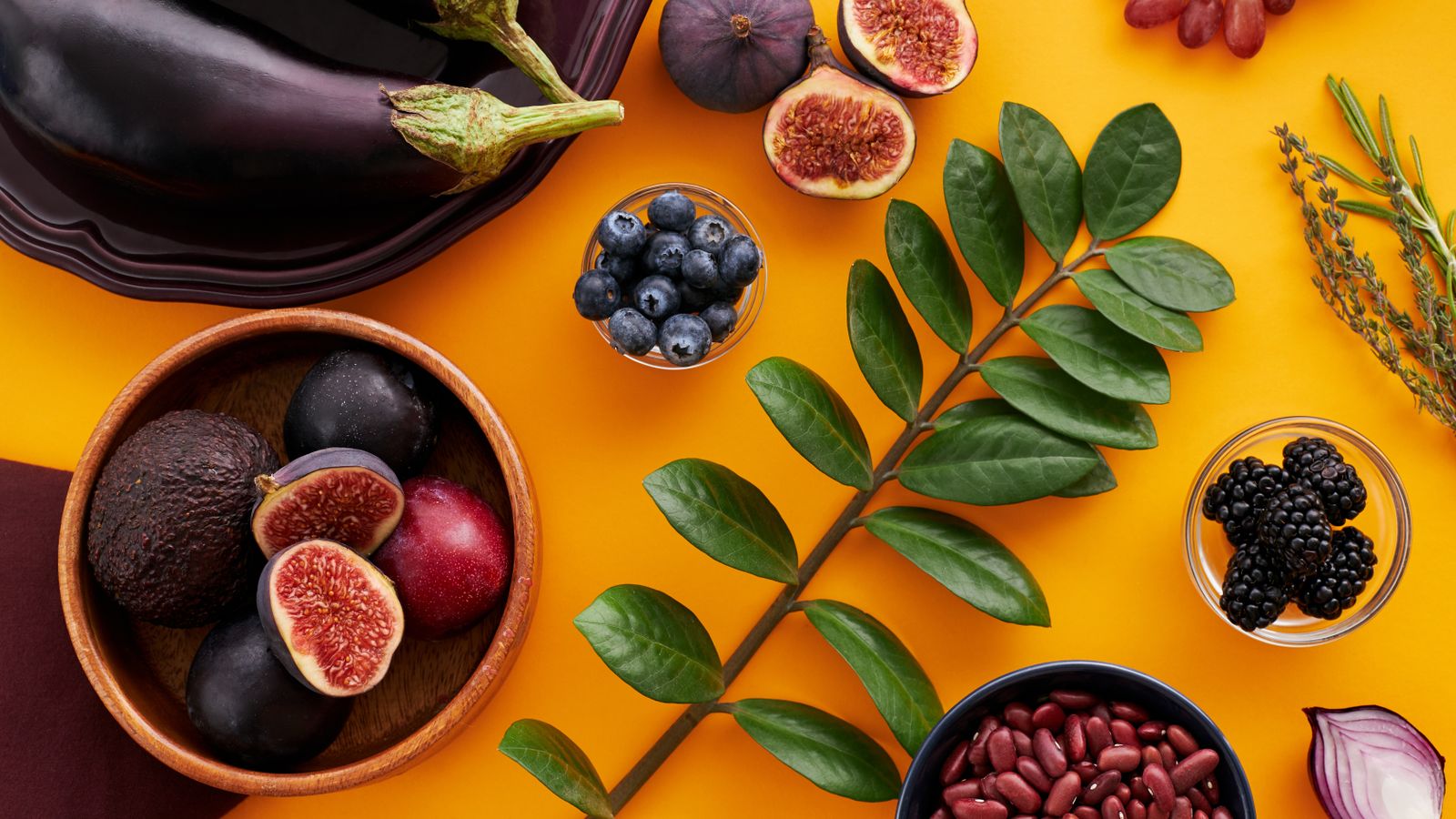
Food first, and it is not close. A varied plate delivers vitamins and minerals for hair growth in the ratios and the forms the body evolved to handle, with the self limiting mechanisms that keep vitamin A and selenium from becoming a problem. Eggs, oily fish, nuts, seeds, beans, leafy greens and enough protein at every meal cover almost the whole list between them.
A supplement earns its place in three situations: a tested deficiency, a diet that genuinely excludes a food group, such as a vegan diet and vitamin B12, or a UK winter and vitamin D. Outside those three, a multivitamin covering the usual vitamins and minerals for hair growth is largely insurance rather than intervention, which is fine as long as you buy it knowing that. What it is not is a shortcut past a hormonal or genetic cause. Our companion guide on whether hair vitamins are worth taking works through that decision in more detail, while our six habits for healthy hair covers everything that happens outside the kitchen. Before adding a mineral tablet, our guide to zinc supplementation sets out the NHS daily amounts and the 25mg limit.

GrowPro Hair, Skin & Nails Gummies
Sugar free vegan gummies built around biotin and zinc, which both contribute to the maintenance of normal hair, alongside bamboo silica, MSM, horsetail and vitamins C, D3, E, B3 and B12. Two a day, as a top up to a varied plate rather than a replacement for one.

Sulphate free, so it cleans without stripping. Biotin, caffeine, rosemary and niacinamide support a healthy scalp environment and reduce breakage for fuller looking hair.
Frequently asked questions
Which vitamin deficiency causes hair loss most often?
Of all the vitamins and minerals for hair growth, iron, measured as ferritin, is the most frequently identified shortfall behind unexplained shedding, particularly in women of menstruating age. Vitamin D is second. Both are simple blood tests and both are worth asking your GP about before you buy anything.
How long before better nutrition shows in my hair?
Three to six months. Hair only shows change through new growth at about 1.25 cm a month, so a nutritional correction made today becomes visible around the time you have stopped expecting it.
Do hair gummies actually work?
They fill gaps. If you have a genuine shortfall in something they contain, correcting it can make a real difference. If your diet already covers it, the honest answer is that you will not notice much, and no supplement addresses a hormonal or genetic cause.
Can taking too many vitamins cause hair loss?
Yes, and it is not a rare footnote. Chronic excess vitamin A and excess selenium are both documented causes of hair loss. This is the main reason to prefer food, where over consumption is far harder to achieve by accident.
Is biotin worth taking on its own?
Only if you are short of it, which is uncommon on a normal diet. It is also worth knowing that high dose biotin interferes with several common blood tests, so mention it to your GP before any bloods are taken.
Do vegans need anything extra?
Vitamin B12 certainly, since it is not reliably available from plant foods, and iron and zinc are worth paying attention to because the plant forms are absorbed less efficiently. Pairing iron rich plant foods with vitamin C helps considerably.
Will more protein grow my hair faster?
Enough protein removes a limit. More than enough does not add anything, because the follicle works at its own genetic pace. Adequate protein at every meal is the useful target, not maximum protein.
What is the bottom line on vitamins and minerals for hair growth?
The useful list of vitamins and minerals for hair growth is short: biotin, vitamin D, vitamin A, vitamin C, vitamin E, folate, iron, zinc, magnesium and a trace of selenium. Get them from a varied plate wherever you can, because food is self limiting and capsules are not. Have iron and vitamin D measured rather than guessed. Supplement a tested gap, a genuinely excluded food group, or a British winter, and skip the rest. And remember that nutrition answers the shedding question, not the pattern loss question, which belongs with your GP. If your question is about products or a routine rather than a medical one, you can talk to Gail Waterman, our co-founder, as an AI avatar on the Watermans homepage.
Watermans is a UK family business that has sold over 6.5 million bottles since 2012. The range is cruelty free.
If you want to support it from the inside as well as the outside, the GrowPro hair vitamins are the easy step.
Watermans products are 100% cosmetic and do not treat medical hair loss. Individual results may vary.
Sources & References
- NHS, Vitamins and minerals: Iron
- NHS, Vitamins and minerals: Vitamin D
- NHS, Vitamins and minerals: Vitamin A
- NHS, Vitamins and minerals: Others, including selenium and zinc
- NHS, Hair loss
- Trueb RM et al., Scalp Condition Impacts Hair Growth and Retention via Oxidative Stress, International Journal of Trichology (PMC6369642)