Postpartum Hair Loss: Timeline and What Actually Helps
Postpartum hair loss is the heavy shedding that starts around two to four months after giving birth, when the hair you held onto during pregnancy is released all at once. Pregnancy hormones keep follicles in their growing phase for longer than usual, so you shed less than normal for nine months. When those levels fall after birth, that backlog is let go together. It is a catch up, not a loss, and it is temporary. If you are weighing up whether to pay for private help, our guide to whether postpartum shedding needs a trichologist at all sets out the three situations where it is genuinely worth the fee. Because the wave is usually first seen in the plughole, how much hair falling out in shower water is normal is worth reading alongside this.
If you just want the shampoo
Grow Me® Shampoo, £14.95 with Condition Me® Conditioner, £13.95. Gentle, sulphate free, and aimed at breakage while postpartum shedding runs its course. Neither changes the shedding itself, which settles on its own.
Key takeaways
- You are not losing more hair than normal. You are losing the hair you kept during pregnancy, all at once.
- It usually starts two to four months after birth and peaks around month four.
- Most people are through the heavy shedding by six months and back to normal density between nine and twelve.
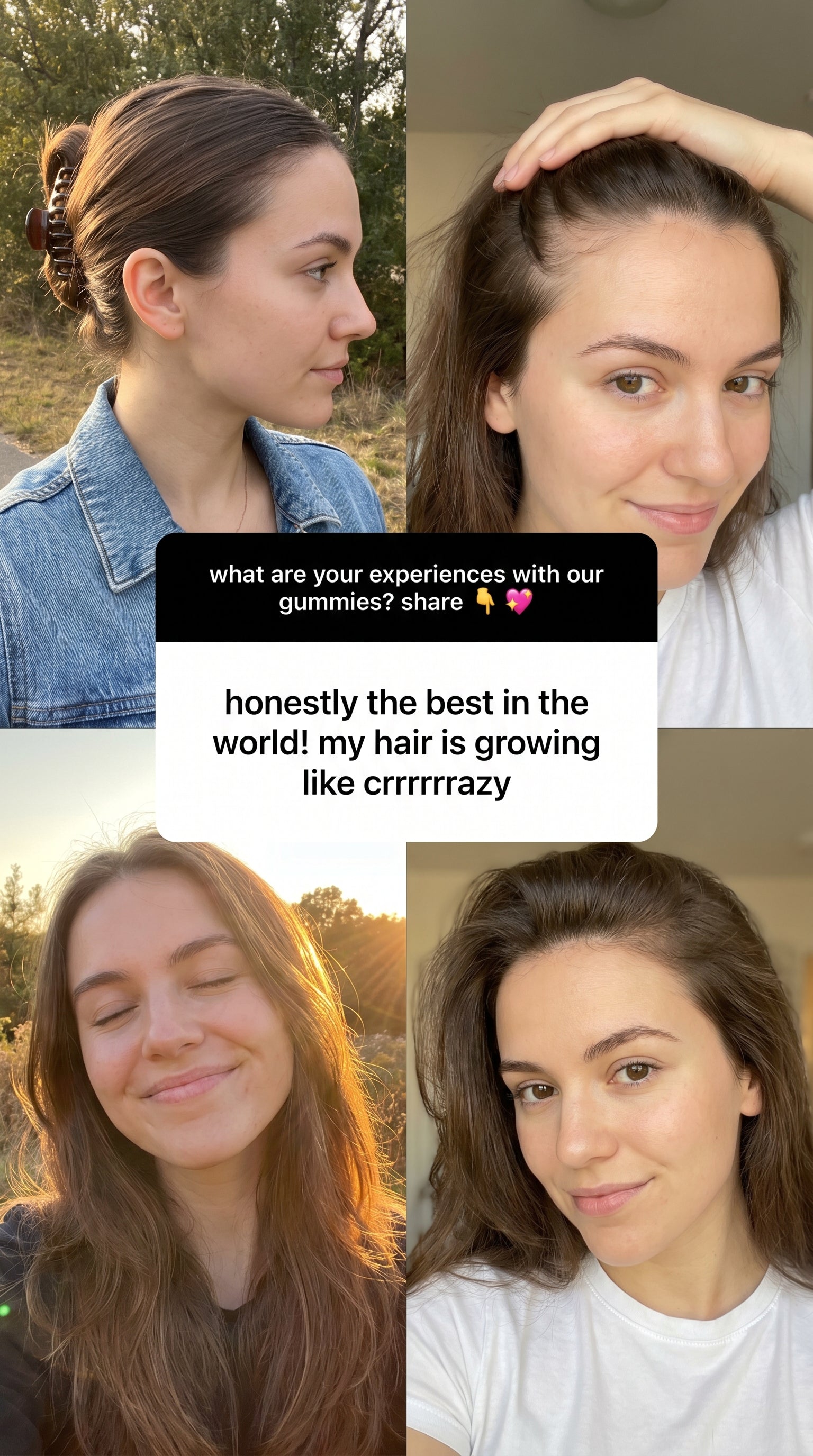
- It is diffuse. Hair comes from everywhere, though the hairline and temples often look worst.
- The short upright hairs framing your face later are new growth, not damage. They are the good sign.
- It happens whether or not you are breastfeeding, and stopping or continuing does not control it.
- Very heavy shedding beyond a year, or shedding with exhaustion and low mood, is worth a GP conversation.
Why does postpartum hair loss happen?
Every follicle cycles independently: a long growing phase, a brief transition, then a resting phase of roughly three months, after which the hair is released. Normally about eighty five to ninety per cent of your follicles are growing at any time and the rest are resting, which is why you lose fifty to a hundred hairs a day without noticing.
Pregnancy changes that balance. Raised oestrogen keeps a much higher proportion of follicles in the growing phase, so far fewer hairs are released. This is the source of the thick pregnancy hair people remember, and it is worth being clear that it was never extra hair. It was hair you would have shed spread over nine months, kept on your head instead. Our Stoke-on-Trent guide to postpartum shedding covers the iron and thyroid checks worth asking your GP about after birth. The same oestrogen mechanism drives shedding after stopping the pill and through perimenopause, covered in oestrogen hair loss at other life stages.
After birth those hormone levels fall quickly, and the follicles that were held in the growing phase all shift into resting together. Three months of resting later, they release their hairs at the same time. The mechanism is telogen effluvium, the same one behind stress related shedding, and our telogen effluvium explainer covers the cycle in more depth.

When does postpartum hair loss start and stop?
The timeline is consistent enough to be genuinely reassuring, which is why it is worth knowing where you are in it.
| Time since birth | What is happening | What you see |
|---|---|---|
| 0 to 2 months | Follicles shift into the resting phase together. | Usually nothing. Hair still looks thick. |
| 2 to 4 months | The held hairs are released together. | Shedding starts, often suddenly and alarmingly. |
| 4 to 6 months | Peak shedding, then it tails off. | Handfuls on wash days. Ponytail at its thinnest. |
| 6 to 9 months | Shedding stops, new growth is underway. | Short upright hairs at the hairline and parting. |
| 9 to 12 months | New hairs lengthen and blend in. | Density returning. The halo of short hairs settles down. |
That halo of short wispy hairs around your face at around eight months is the single most misread thing in this whole process. People assume it is breakage or damage. It is new growth, it is exactly what recovery looks like, and it means the shedding phase is behind you. The recovery you are waiting for is the telogen to anagen shift, which takes three to six months before new hairs are visible.
What is the difference between hair loss, hair shedding and hair breakage?
Postpartum hair loss is squarely in the middle category, and knowing that saves you from acting on advice written for the other two.
- Hair shedding is what is happening here: whole hairs released from the follicle, each with a small pale bulb at the root end. Diffuse, temporary, self correcting.
- Hair loss in the pattern sense is follicular miniaturisation, where follicles produce finer hair each cycle. Slow, patterned, and it does not arrive in a rush four months after a birth.
- Hair breakage is the fibre snapping along its length. The pieces have blunt ends and no bulb. New parents accumulate a lot of this from constant ponytails, damp buns and hurried detangling, and it is the part you can genuinely reduce.
Check the root end of what is coming out. A bulb means the follicle released it and the timeline will take care of it. A blunt end means your handling is doing the damage, and that is worth changing today.
What actually helps during postpartum hair loss?
Nothing shortens the shed, because the follicles committed to resting months ago. What you can do is avoid a second shed and stop breakage taking what the shedding has left.
- Eat enough. The most common own goal in the postpartum year. Undereating, whether from no time or from deliberate restriction, is itself a shedding trigger, and a second shed on top of the first is avoidable.
- Ask your GP or health visitor to check ferritin. Blood loss at delivery plus the demands of pregnancy leave low iron stores common, and low ferritin causes exactly this pattern. Thyroid function is worth asking about too, since postpartum thyroid changes are more common than people realise.
- Stop tying it back tightly. A tight bun every day pulls on the hairline that is already the thinnest part right now. Loose, low, and different every day.
- Detangle from the ends upwards, on conditioned hair. Never rake a brush from the roots through a knot when you are already shedding.
- Keep washing normally. Skipping washes does not keep the hair. It collects several days of already released hairs into one much more upsetting handful.
- Get a cut that works with less hair, not more. A shape that needs volume you do not currently have will make every morning worse for six months.

Get a discount on the postpartum shedding range
Join the Watermans mailing list and we will email a discount code straight to your inbox, so you can try the range for postpartum shedding for less. Made in the UK, over 6.5 million bottles sold since 2012.
Does breastfeeding change postpartum hair loss?
No, and this myth causes real distress at a point when nobody needs more of it.
The shedding is driven by the fall in pregnancy hormone levels after birth, which happens whether you breastfeed or not. Some people shed a little later while breastfeeding and then notice a second wave when they stop, which is why the myth persists, but breastfeeding does not cause the shed and stopping does not fix it. Nobody should be weaning, or continuing to feed, because of their hair.
When should you speak to your GP?
Most postpartum shedding needs nothing but time and the timeline above. Some situations are worth raising properly.
- Heavy shedding still going at twelve months. Beyond the expected window, and worth investigating rather than waiting out.
- No new growth at all by nine months. There should be short new hairs somewhere by then.
- Exhaustion beyond ordinary new parent tiredness, breathlessness, or very heavy periods returning. All point at iron stores worth measuring.
- Feeling low, anxious or unlike yourself. Postnatal depression and postpartum thyroid changes both exist, both are common, and both are treatable. Hair is a symptom you can point at when the rest is hard to describe.
- A smooth, completely bare patch, or a sore, scaly or painful scalp. Neither belongs to this pattern.
Watermans products are 100% cosmetic and do not treat medical hair loss. Individual results may vary.

Which hair care is worth bothering with right now?
Be realistic about what a bottle can do here. It cannot shorten the shed and anything claiming to is selling you a timeline it does not control. What it can do is reduce the breakage that new parents accumulate, which matters because you cannot afford to lose length to snapping while you are already shedding. The reason the hair was there in the first place is explained in our guide to how oestrogen affects hair, where pregnancy hair turns out to be postponed shedding rather than new growth. Postpartum shedding overlaps with low iron and low B12 as well, so our guide to which blood tests to ask for lists the panel worth requesting in one appointment. If your hormone levels have swung back up after a period of suppression, our guide to androgen rebound and the shedding that follows maps the usual timeline. For a month by month view, how long postpartum hair loss lasts sets out when shedding starts, peaks and settles. We have a separate guide to postpartum hair loss if that is the part you need.

Condition Me Hair Growth Conditioner
The one worth the money in this window. Slip is what lets a comb pass without force, and hurried one handed detangling is where most postpartum breakage happens. Be generous through the mid lengths and comb it through in the shower while it is still on.

A sulfate free everyday cleanse with biotin, caffeine and rosemary, formulated to support a comfortable scalp environment and leave finer hair looking fuller. Vegan and made in the UK, with over 6.5 million bottles sold since 2012. Do keep washing normally: the hairs you see were already released. If a diet or a big change in eating is part of your timeline, our guide to how to protect your hair while losing weight covers the protein and pacing side.
Frequently asked questions
How long does postpartum hair loss last?
The heavy shedding typically runs from two to six months after birth and peaks around month four. New growth begins as the shedding tails off, and most people are back to their usual density somewhere between nine and twelve months. Long hair takes longer to look normal, because new growth needs length before it blends in. For the month by month routine that goes with this timeline, see our postpartum hair loss care plan.
Will my hair grow back the same as before?
In almost all cases, yes. Telogen effluvium does not destroy follicles, so the same hair grows back. Some people notice the new hair comes in a slightly different texture or with more curl or wave for a while, which usually settles as the hair lengthens.
Is postpartum hair loss worse after a second baby?
Not reliably. It varies between people and between pregnancies in the same person, and it is not cumulative. Whether it feels worse often depends on your hair length and how much you were paying attention the first time.
What are the short frizzy hairs around my face?
New growth, and the best sign there is. They typically appear around six to nine months, stand up because they are short, and settle as they lengthen. They are not breakage and they do not need cutting off.
Can I stop postpartum hair loss from happening?
No, and nothing on the market does either. The shedding is the release of hair that pregnancy hormones held onto, and it was always going to be let go. What you can influence is a second shed, by eating enough and getting iron stores checked, and how much length you keep, by handling your hair gently.
Do hair vitamins help?
Only where you are genuinely short of something. Correcting low iron matters a great deal, which is why measuring beats guessing. Taking a supplement you do not need does nothing for the shed. If you are still taking a pregnancy supplement, check with your GP or pharmacist before adding another, especially for vitamin A. If your question is about products or a routine rather than a medical one, you can talk to Gail Waterman, our co-founder, as an AI avatar on the Watermans homepage.
Should I cut my hair shorter?
Only if you want to. Shorter hair does not shed less, but it does make the shedding less visible in the drain, it weighs less on a fragile hairline, and it is far quicker to handle with a baby. Plenty of people find it makes the whole thing easier. Plenty of others regret cutting at their lowest point.
Is it postpartum shedding or something else?
The timing is the strongest clue. Diffuse shedding starting two to four months after birth and easing by six is the classic picture. Shedding that starts much later, does not ease, comes with a bare patch, or comes with a sore scalp is something else and worth a GP visit.
What is the bottom line on postpartum hair loss?
Postpartum hair loss is the bill for the thick hair of pregnancy, and it is a bill that gets paid off. It starts two to four months after birth, peaks around four, eases by six, and looks normal again somewhere between nine and twelve months. Nothing shortens it, so spend your limited energy on the things that matter: eat properly, get your ferritin checked, keep the tension off your hairline, and detangle gently. Then watch for the short hairs at your temples, because that halo everybody mistakes for damage is the proof it is already over. The same markers apply after a dieting shed, which we track month by month in our guide to hair recovery after weight loss.
The scalp is where this starts, so give the Grow Me hair growth shampoo a couple of months of honest use. Vegan and made in the UK.
Sources & References
- NHS, public information on hair loss and on postnatal health, including when to speak to a GP or health visitor.
- NICE Clinical Knowledge Summaries, alopecia scenario guidance, on telogen effluvium and on the investigations commonly considered for diffuse shedding, including ferritin and thyroid function.
- British Association of Dermatologists, public information leaflet on telogen effluvium, on the typical two to four month delay and on the expected course of recovery.
- Royal College of Obstetricians and Gynaecologists, public information on postnatal recovery and on postnatal mental health.
- Grymowicz M and colleagues, Hormonal effects on hair follicles, International Journal of Molecular Sciences, 2020, on the effect of oestrogen on the hair cycle during and after pregnancy.