Tinted Sunscreen: What the Iron Oxides Actually Do
A tinted sunscreen is a normal broad-spectrum SPF with pigments, usually iron oxides, added to it. Those pigments do two things a clear sunscreen cannot: they cancel the white cast that mineral filters leave on deeper skin tones, and they block visible light, which clear UV filters largely let through. That second point matters for anyone dealing with melasma or dark marks, because visible light is one of the things that drives them.
Key takeaways
- A tinted SPF is sunscreen first: the SPF and broad-spectrum rating do the UV work.
- The tint comes from iron oxides, which absorb visible light that clear UV filters do not.
- That makes it genuinely useful for melasma and post-inflammatory pigmentation, not just cosmetic.
- It also fixes the white cast mineral sunscreens leave on medium and deep skin tones.
- Shade range is the real limitation. Too few shades still means a grey or ashy finish for many people.
- Quantity beats product choice: most people apply far less than the amount SPF is tested at.
What is tinted sunscreen and how is it different from regular SPF?
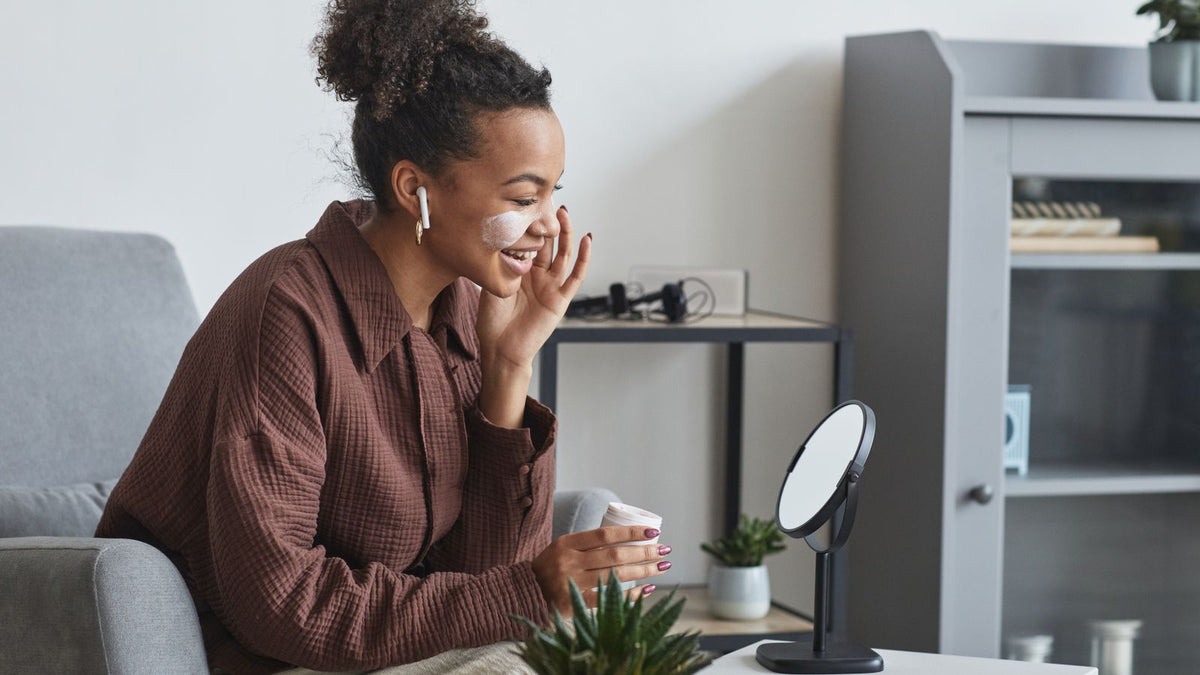
A tinted SPF is a broad-spectrum sunscreen with colour pigments blended in, so it delivers UVA and UVB protection while evening out skin tone. A regular sunscreen contains only UV filters, either mineral ones such as zinc oxide and titanium dioxide or organic chemical filters. The pigmented version adds iron oxides, which are the same pigments used in foundation, and that single addition changes both how it looks and what wavelengths it covers.
The important thing to hold on to is that the SPF number and the broad-spectrum claim still do the heavy lifting against UV. The NHS advice is to use at least SPF 30 with high UVA protection, and that requirement does not change because a product has colour in it. The tint is an addition, not a substitute, and a lightly tinted moisturiser with no stated SPF is not sun protection at all. Lips are the spot most often left out of that routine, and our guide to what causes chapped lips and what helps explains why they need protection of their own.
| Clear mineral SPF | Tinted sunscreen | Chemical SPF | |
|---|---|---|---|
| UVB protection | Yes | Yes | Yes |
| UVA protection | Yes | Yes | Yes |
| Visible light | Minimal | Yes, via iron oxides | Minimal |
| White cast | Common on deeper tones | Largely corrected | Rare |
| Best suited to | Sensitive skin | Melasma, dark marks, deeper tones | Everyday wear under makeup |
What do the iron oxides in tinted sunscreen actually do?
Iron oxides are mineral pigments in red, yellow and black shades, combined to produce skin tones. In a pigmented formula they serve two purposes at once. Cosmetically they neutralise the pale cast that zinc oxide and titanium dioxide leave behind, which is the single most common reason people abandon mineral sunscreen. Functionally they absorb visible light, the part of the spectrum your eyes can see, which conventional UV filters are not designed to handle.
That visible-light absorption is the part most people do not know about. DermNet notes that visible light, and blue light in particular, can worsen pigmentation in people with melasma and in darker skin phototypes. A sunscreen that stops UV perfectly but lets visible light through leaves that driver untouched, which is why dermatology advice for melasma commonly specifies an iron-oxide tint rather than any SPF.

Does tinted sunscreen protect against visible light?
Yes, partially, and that is its main functional advantage. Iron oxides absorb a meaningful share of visible light, which matters because visible light contributes to pigment production in a way UV alone does not explain. This is why people with melasma often find their pigmentation creeps back through summer even with diligent clear sunscreen use, and why switching to a pigmented formula can hold ground that a clear one loses.
The honest limit is that coverage is not total and the effect depends on how opaque the tint is and how much you apply. A sheer wash of colour does less than a fuller coverage formula. Nobody should expect a pigmented SPF to erase existing pigmentation either. It reduces one input that makes pigmentation worse, which is a real but partial job, and it works alongside shade and hats rather than replacing them.
Shade and timing still do the most. Cancer Research UK is clear that sunscreen is one layer of protection rather than the whole strategy. Staying out of direct sun between 11am and 3pm in the UK summer, covering up and using shade all carry more weight than which bottle you pick.
Get a discount on the sun-stressed hair range
Join the Watermans mailing list and we will email a discount code straight to your inbox, so you can try the sun-stressed hair range for less. Made in the UK, over 6.5 million bottles sold since 2012.
Who benefits most from a tinted sunscreen?
Three groups benefit most from a pigmented SPF. People with melasma or post-inflammatory pigmentation gain from the visible-light coverage, since both conditions are aggravated by light that clear filters ignore. People with medium to deep skin tones gain because the tint cancels the ashy cast that makes mineral sunscreen unwearable. People who want one product instead of separate SPF and base gain time, which in practice means they actually apply it every day. If a tint is not what you want, our review of the best hybrid sunscreens for men covers the untinted mineral and chemical blends instead.
It is less obviously useful if you have very pale skin with no pigmentation concerns and you already wear a clear sunscreen happily, or if you have acne-prone skin that reacts to heavier pigmented textures. There is no penalty in using one, but there is also no reason to switch away from something that already works for you.

How do you choose the right shade and finish?
Choosing a shade is harder than choosing the sunscreen itself, because most brands offer far fewer shades than a foundation line does. Test along the jawline in daylight rather than on the back of the hand, since hand skin is usually a different tone. Look at the finish as well as the colour: a matte formula suits oily skin and photographs flatter, while a dewy one suits dry skin but can read as shiny by the afternoon. For what goes underneath it, we have rounded up dermatologist-recommended drugstore skincare picks at everyday prices.
If you fall between two shades, the sheerer one is usually safer because the tint is meant to blend rather than to match exactly. Be wary of ranges that offer only two or three shades, which in practice means most medium and deep tones will get a grey or orange result. A product you dislike wearing is one you will skip, and a skipped sunscreen protects nobody.
How much tinted sunscreen should you apply, and how often?
Quantity is where most sun protection quietly fails. SPF is tested at 2mg per square centimetre of skin, which works out at roughly a third to half a teaspoon for the face and neck, or the familiar two-finger measure. Studies repeatedly find people apply between a quarter and half of that, which means an SPF 50 worn thinly can behave more like a much lower number in practice.
Reapply every two hours of sun exposure, and immediately after swimming, heavy sweating or towelling. Reapplying over makeup is genuinely awkward, which is a practical argument for wearing it as your base rather than under it, and for keeping a cushion or powder version for the middle of the day. If you are reapplying properly, a bottle should not last you a whole summer.
| Area | Rough amount | Notes |
|---|---|---|
| Face and neck | Half a teaspoon, or two fingers | The amount SPF testing assumes. Most people use far less. |
| Ears and hairline | Included in the two-finger measure | Commonly missed, and a frequent site of sun damage. |
| Reapplication | Same amount again | Every two hours of exposure, and after swimming or sweating. |
What about your hair and scalp in the sun?
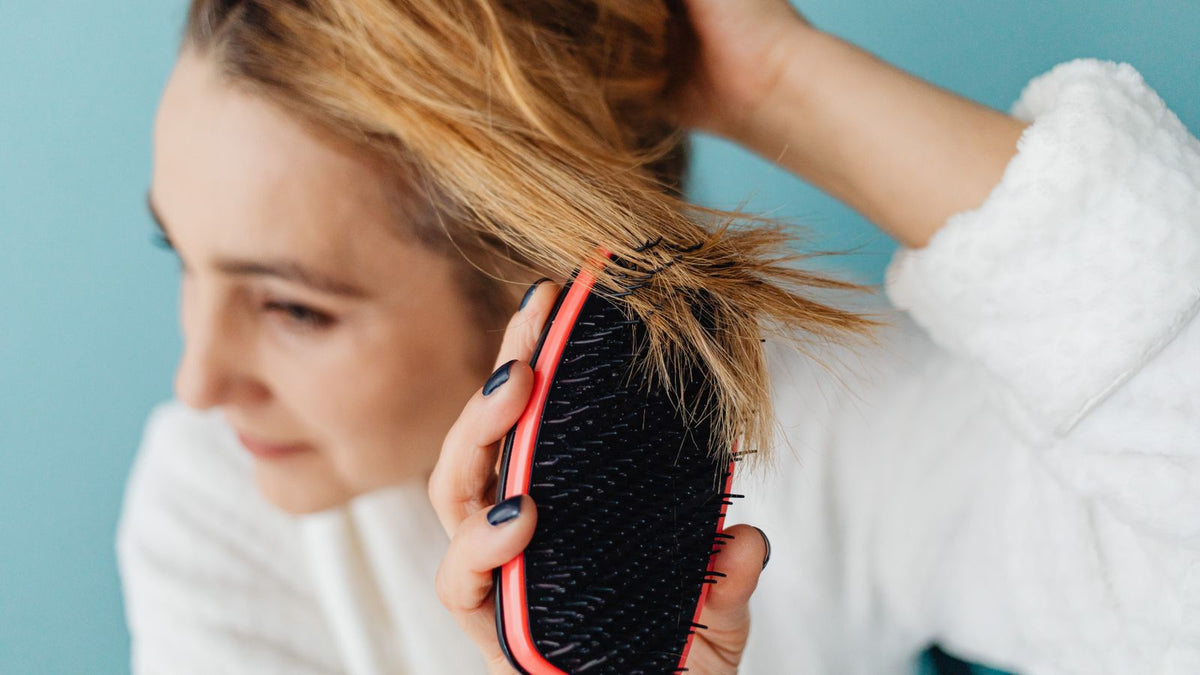
Sun exposure affects hair and scalp in ways a facial SPF does not cover. The scalp along a parting is exposed skin and burns readily, particularly where hair is fine or thinning, and it is one of the most commonly missed sites. UV also degrades the hair fibre itself, lifting the cuticle, fading colour and leaving lengths dry and prone to snapping.
For the hair itself, physical cover does the protecting: a hat, a scarf, or simply keeping the parting out of direct midday sun. Cosmetic care then handles the dryness that follows. To be explicit, the two products below are hair care, not sun protection. Neither carries an SPF rating and neither should be relied on to prevent burning on skin.

Camellia and Black Castor Hair and Body Oil 24.95 GBP
A lightweight camellia and black castor oil blend for mid-lengths and ends that feel dry and rough after a week of sun, sea and wind. Smooths the cuticle so hair looks glossier and combs through with less snagging.

Masque Me Deep Conditioning Hair Mask 24.95 GBP
An 8-in-1 deep conditioning mask with argan oil, provitamin B5 and rosemary, for hair left brittle and faded by summer. Use once a week to restore softness and reduce breakage on sun-stressed lengths.
Can tinted sunscreen replace your foundation?
For many people it can, and that is a large part of its appeal. A medium-coverage formula evens out redness and mild unevenness while delivering full SPF, so one layer does both jobs. That simplification matters more than it sounds, because the biggest predictor of whether someone wears sunscreen daily is how little friction it adds to the morning.
It will not replace a full-coverage foundation if you want to cover significant pigmentation, scarring or blemishes, since these formulas are made to be sheer enough to blend across a small shade range. The sensible compromise is a pigmented SPF as your everyday base with concealer where you need it, keeping heavier foundation for occasions.

Frequently asked questions
Is tinted sunscreen better than regular sunscreen?
It is better for specific jobs rather than better overall. For melasma, dark marks and medium to deep skin tones the pigmented kind has real advantages, because iron oxides block visible light and cancel white cast. If you have no pigmentation concerns and already wear a clear sunscreen consistently, there is no need to change.
Does a tinted SPF clog pores?
It can if the texture is heavy and you do not remove it properly, but the pigment itself is not the usual culprit. Iron oxides are widely used in makeup for sensitive skin. If you are acne-prone, look for a lighter fluid texture and cleanse thoroughly in the evening.
Can I use it every day, indoors too?
Daily use is the intention, and indoor use makes sense if you sit near windows, since UVA passes through glass. For melasma the visible-light coverage is an extra argument for wearing it even on dull days, because visible light is present whenever it is light outside.
Will the shade match my skin tone?
Possibly not exactly, and that is the main practical weakness. Most ranges carry far fewer shades than foundation lines. Test along the jawline in daylight, and if you are between shades choose the sheerer one so it blends rather than sits on top.
Does tinted sunscreen expire?
Yes. Check the period-after-opening symbol on the packaging, usually 12 months. Sunscreen left in hot cars or direct sun degrades faster, and a separated or discoloured formula should be replaced rather than used.
Does a higher SPF mean I can apply less?
No, and this is a common and costly misunderstanding. SPF ratings assume a specific quantity, so a thinly applied SPF 50 can perform below a properly applied SPF 30. Apply the full amount regardless of the number on the bottle.
Is tinted sunscreen safe during pregnancy?
Mineral formulas based on zinc oxide and titanium dioxide with iron oxide pigments are generally considered suitable, and many people prefer them in pregnancy. If you have specific concerns about an ingredient, check with your GP or midwife rather than relying on marketing wording. If your question is about products or a routine rather than a medical one, you can talk to Gail Waterman, our co-founder, as an AI avatar on the Watermans homepage.
Do I still need a hat if I wear a tinted SPF?
Yes. Sunscreen is one layer among several, and the NHS advice pairs it with shade and clothing rather than treating it as sufficient alone. A wide-brimmed hat also shades the scalp parting and ears, which are easy to miss and quick to burn.
What is the bottom line on tinted sunscreen?
The bottom line on tinted sunscreen is that it is a sunscreen with a genuinely useful extra: the iron oxides that give it colour also absorb visible light, which clear UV filters largely miss. That makes it a sensible default if you have melasma, dark marks or a skin tone that mineral sunscreen turns grey. If none of that applies, the clear sunscreen you already wear daily is fine. What matters far more than the tint is applying enough of it, reapplying through the day, and pairing it with shade and a hat.
If a summer of sun and salt water has left your lengths dry and snapping, the honest next step is a weekly deep conditioning hair mask rather than another styling product. Masque Me is our 8-in-1 mask for exactly that job, and it pairs well with the hair and body oil on ends that need smoothing between washes.
Please note: Watermans products are 100% cosmetic and do not treat medical hair loss. Individual results may vary.