Trichologists Bristol: What They Cost and What You Get
The first thing most people want to know about trichologists Bristol wide is simple: what will this actually cost me?
A first session with trichologists Bristol based usually runs from about £50 to £150 for 45 to 60 minutes, with follow ups lower. The bigger number is what comes after: recommended products, supplements and repeat visits can turn a £75 appointment into several hundred pounds a year. The fee model tells you most of what you need to know, so ask before you attend whether you are paying for advice, for products, or for both.
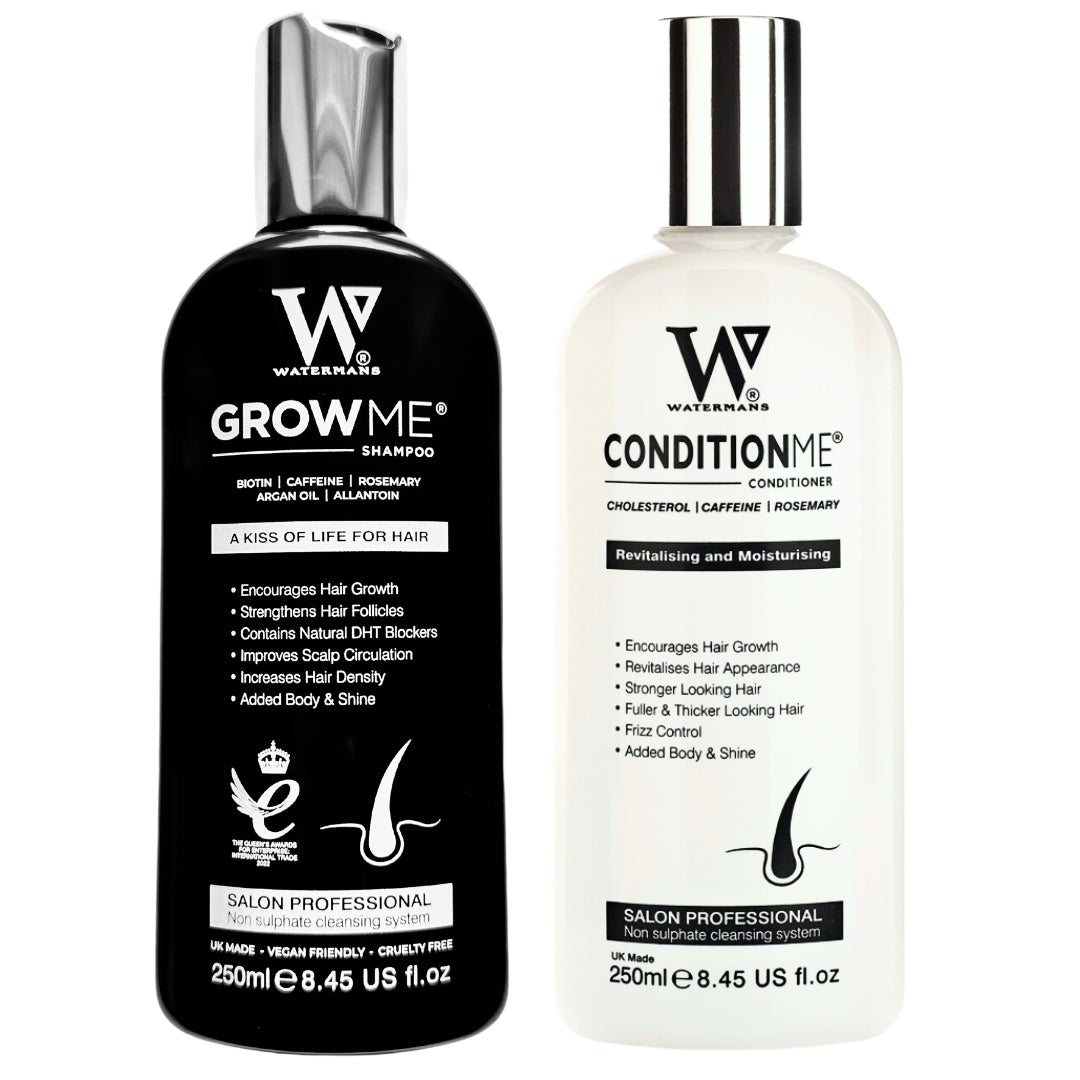
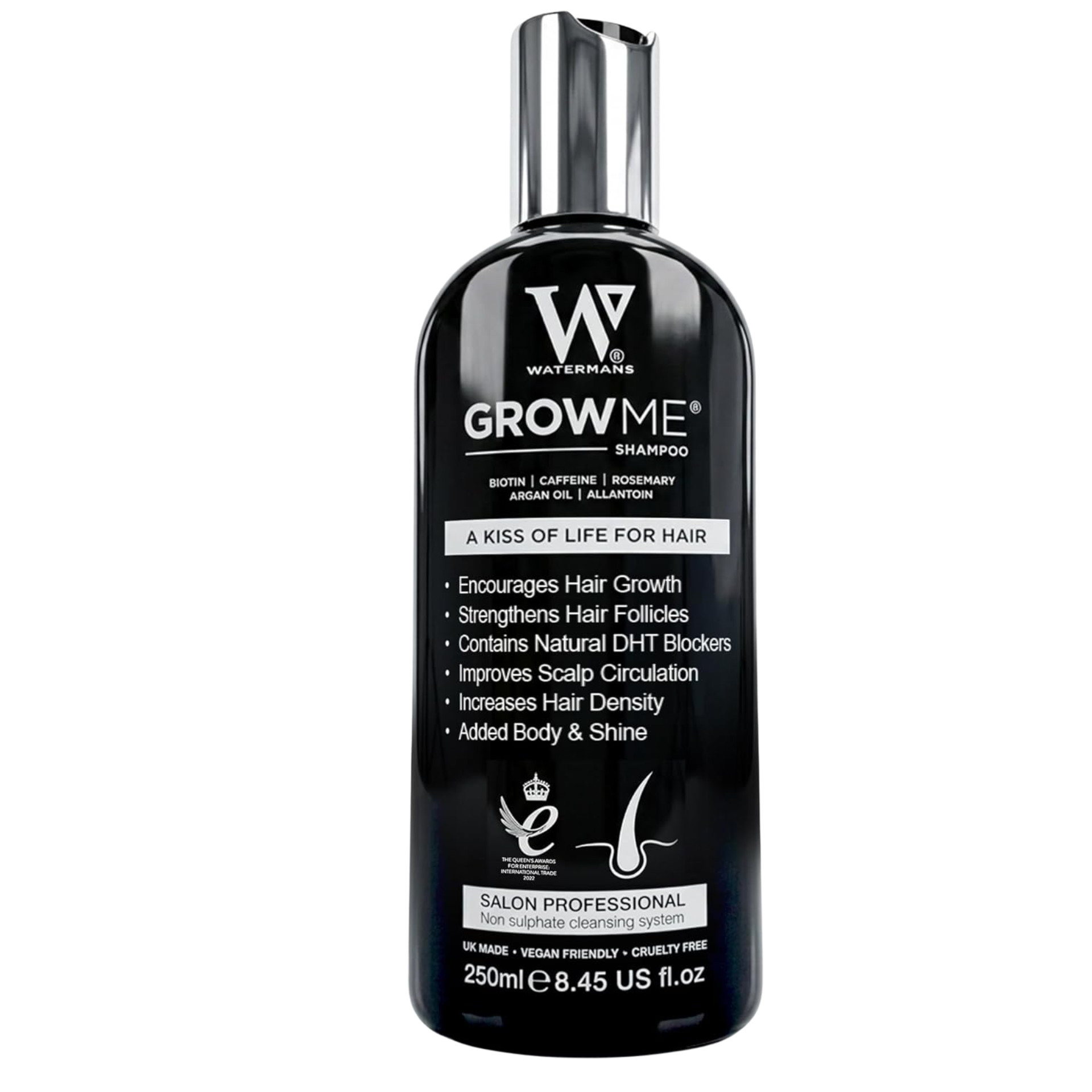
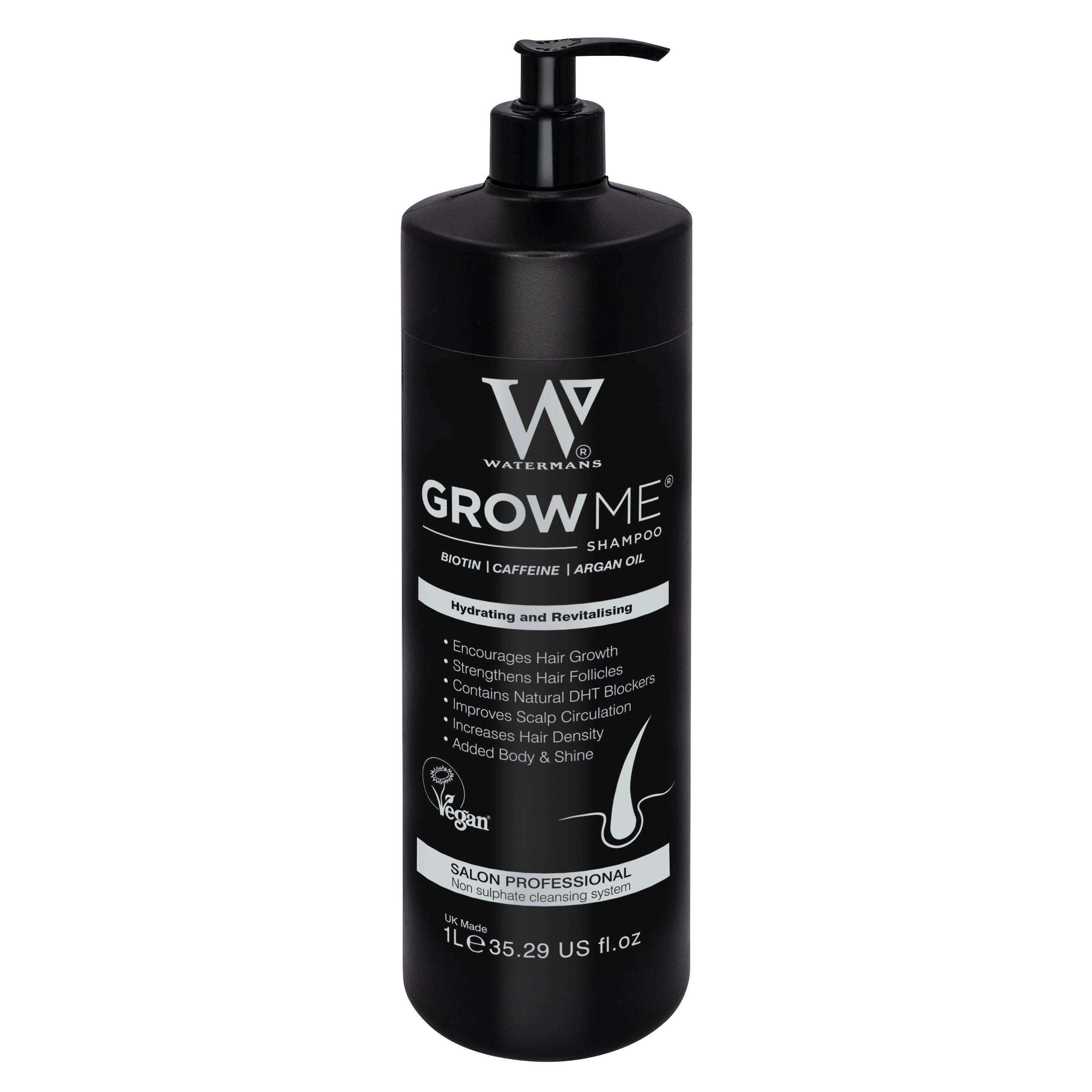
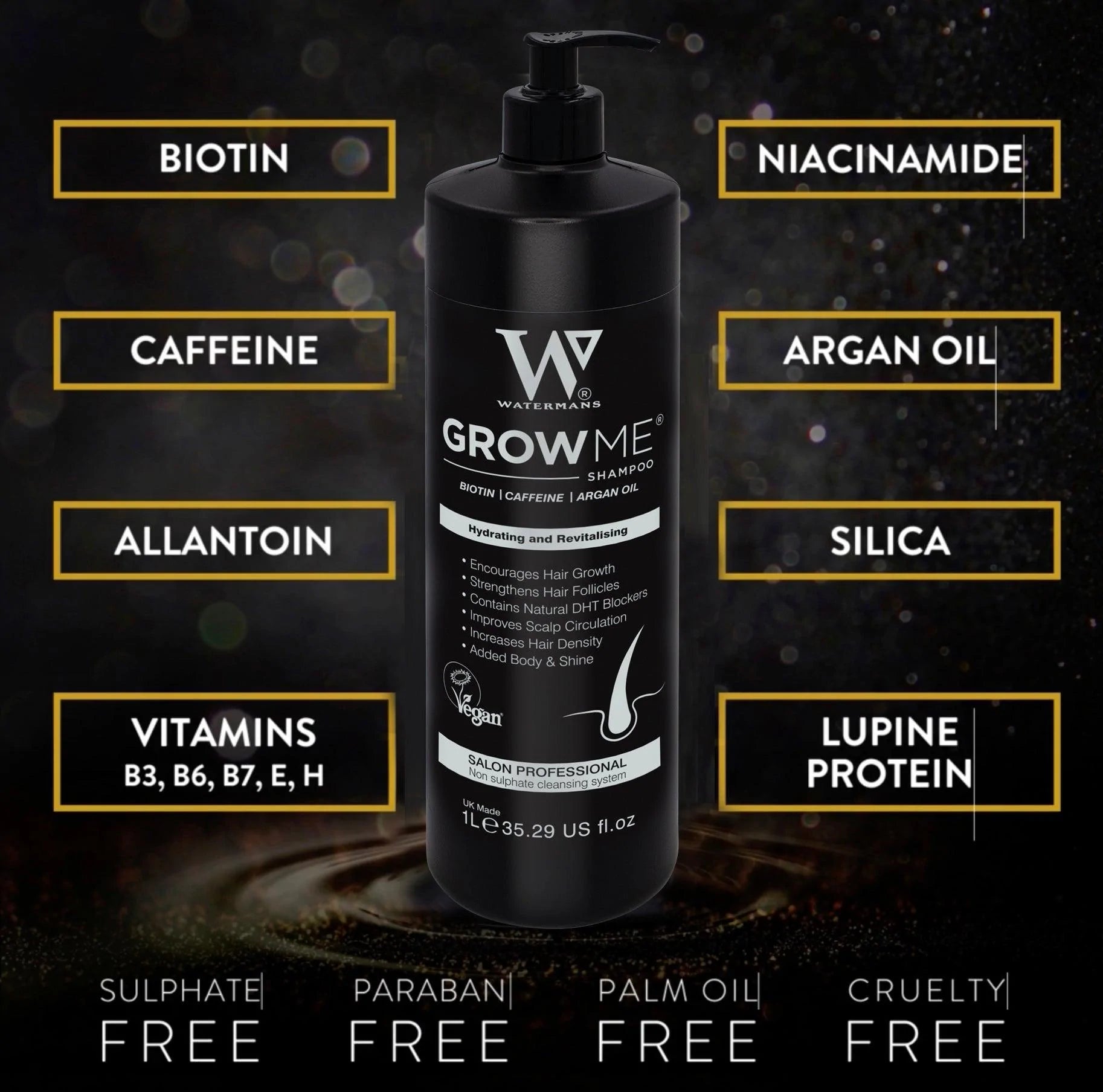
Our hair growth shampoo
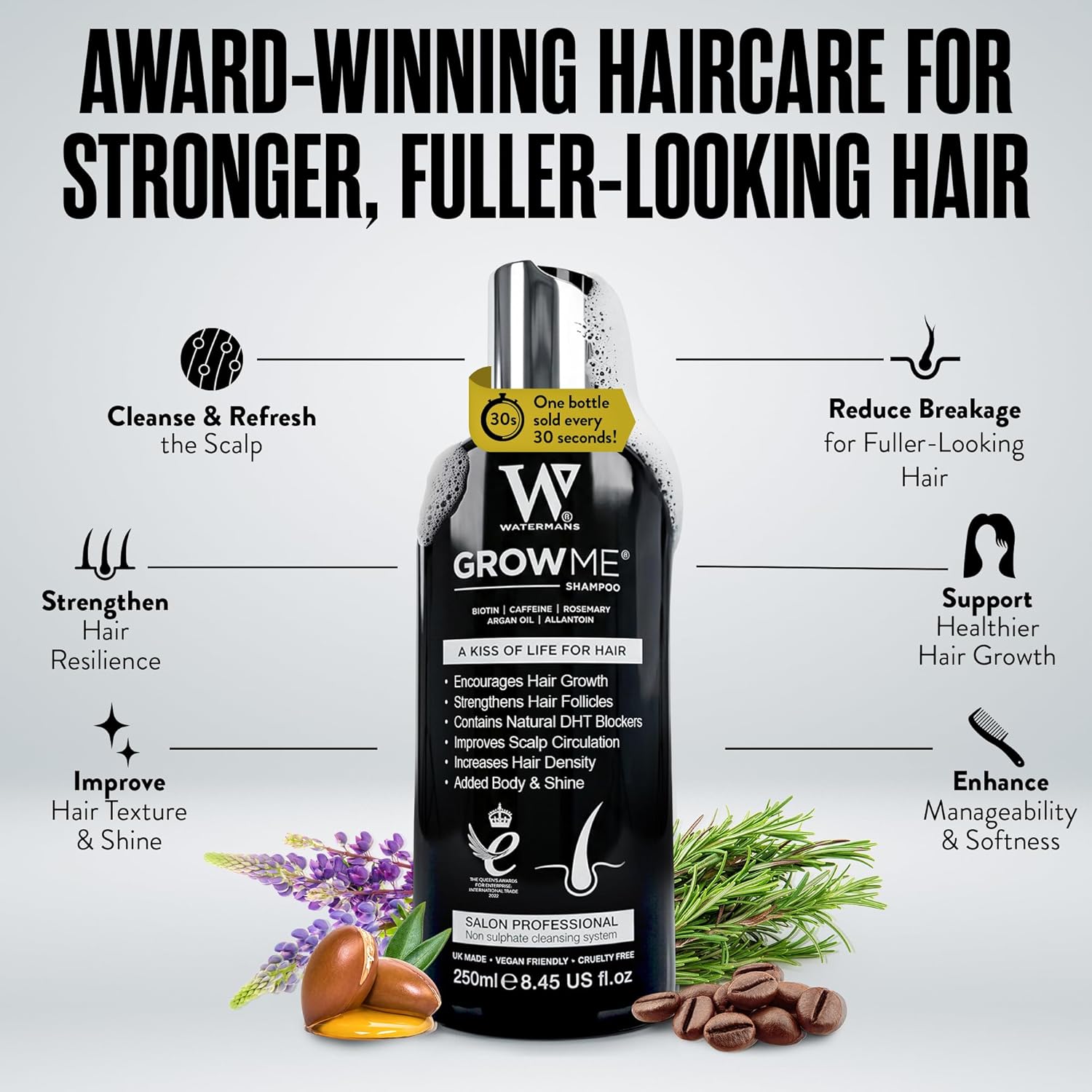
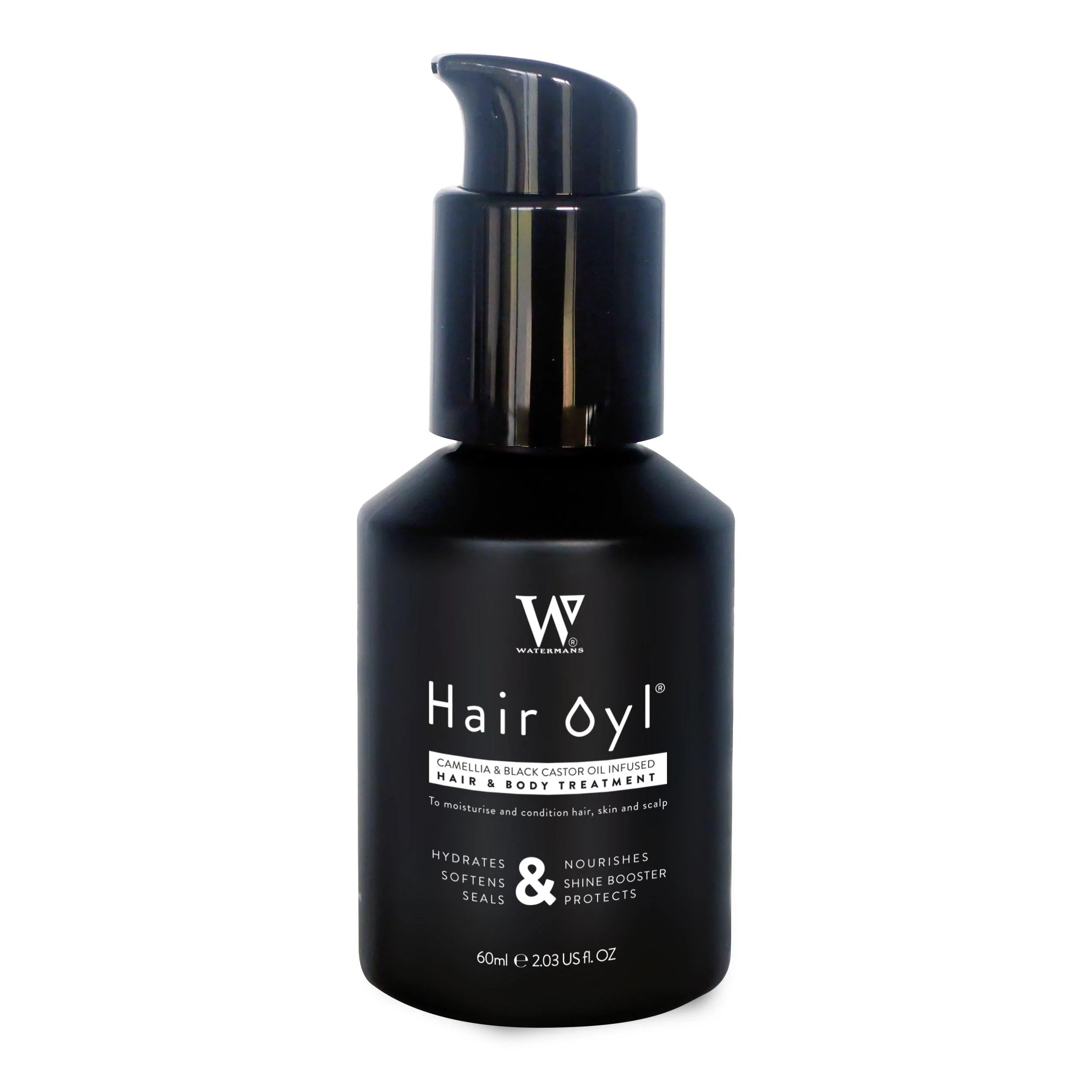
Grow Me® Hair Growth Shampoo, £14.95. A sulphate free daily shampoo that supports a healthy scalp environment and helps reduce breakage, so lengths hold on and look fuller.
Key takeaways
- Expect roughly £50 to £150 for a first session, and ask what a follow up costs before you commit to the first one.
- There are three fee models in Bristol: advice only, advice plus optional products, and a free or cheap session that makes its money on a product programme.
- A free consultation is not free. The cost is moved into the recommendation.
- Blood tests through your GP are free on the NHS and answer more than most paid add on tests do.
- Get the findings in writing. Advice you cannot re-read at home is the least durable thing you can buy.
What do trichologists Bristol based actually charge?
Private trichology is unregulated on price as well as on title, so the trichologists Bristol has vary more than you would expect, so quoted fees across Bristol vary widely for what looks like the same hour. As a working guide, a first session tends to sit between £50 and £150, follow ups between £30 and £80, and any additional testing on top of that. Product programmes are where the real spend usually lives, because they recur.
| What you are buying | Typical Bristol range | Worth paying for? |
|---|---|---|
| First session, 45 to 60 minutes | £50 to £150 | Yes, if you leave with written findings and a clear next step |
| Follow up session | £30 to £80 | Yes, if there is something specific to review, such as photographs at three months |
| Own brand product course | £60 to £300 per course | Only if it is optional, itemised, and you were told what happens if you decline |
| Hair mineral analysis | £60 to £150 | Rarely. The evidence for everyday hair complaints is weak |
| Blood tests arranged privately | £80 to £250 | Usually not. Ask your GP practice first, where they are free if clinically warranted |

Why is a free consultation rarely free?
A free or heavily discounted first session is a marketing cost, and that cost has to be recovered somewhere. In practice it is recovered in the recommendation, which is why free sessions so reliably conclude with a multi month product programme. That is not automatically dishonest, and some genuinely good practitioners use a free introductory chat. It does mean the incentive points one way, and you should read the advice knowing that.
The cleanest arrangement to look for is a flat fee for the session with products treated as entirely optional and priced separately. You can then judge the advice on its merits, and buy nothing at all without the appointment feeling wasted.
The question that settles it
Ask: "If I buy nothing today, what would you still advise me to do?" A practitioner selling advice has a full answer ready. A practitioner selling a programme often does not.
What should be included in the fee?
For a first session, the fee should cover a full history, a look at the scalp under magnification, a pull test at several sites, dated photographs, and a written summary of what was found and what to do next. If photographs and a written summary are extras, the headline price is not the price.
The history matters more than people expect. Medication, recent illness, surgery, childbirth, crash dieting, thyroid problems and iron status all shape what is happening to your hair, and a practitioner who does not ask about them is not going to explain much. Our walkthrough of what to expect from a hair loss consultation covers the format in more detail.

Which questions should you ask before you pay?
- What is the total fee for today, and what does it include?
- What does a follow up cost, and how many would you expect?
- Are you a member of the Institute of Trichologists or the Trichological Society, and at what grade?
- Do you sell your own products, and does your income depend on my buying them?
- What would make you send me back to my GP instead?
- Will I get written findings and photographs to take away?
Any practitioner worth £100 of your money will answer all six without hesitation. Hesitation on question four is the informative one.
Get a discount on the thinning hair range
Join the Watermans mailing list and we will email a discount code straight to your inbox, so you can try the thinning hair range for less. Made in the UK, over 6.5 million bottles sold since 2012.
What can the NHS do first, at no cost?
Trichology is not an NHS specialty, but the parts of the picture that need a doctor are free. A GP can check iron and ferritin, thyroid function, vitamin D and a full blood count where symptoms warrant it, and can refer to dermatology for scarring, patchy or inflammatory scalp problems. That is the same panel some private practices charge £150 for. Going to your GP practice first does not stop you seeing a trichologist afterwards. It just means you pay privately for the part the NHS does not cover, which is the hair specific advice.
Speak to a GP first rather than a private hair studio if you have sudden smooth bald patches, scalp pain, scaling, crusting or shiny scarred skin, hair loss alongside fatigue, weight change or heavier periods, or hair loss in a child.
What should a written summary actually contain?
The written summary is the part of the fee you keep, so it is worth knowing what a good one looks like. It should name what was observed rather than describe a feeling: where density is reduced, whether the hairline or the crown is involved, what the pull test produced at each site, whether the scalp showed scaling, redness or scarring, and how many hairs came away. It should say what the likely explanation is and, just as importantly, what would change that view. And it should carry a review date with something specific to compare against, normally the photographs taken on the day.
Vague summaries are the commonest way a session loses its value. "Some diffuse thinning, recommend the three month programme" tells you nothing you can act on, check later, or take to a doctor. A summary you could hand to your GP without embarrassment is the standard to hold trichologists Bristol wide to.
How do you compare two quotes fairly?
Headline prices mislead because they cover different things. The fair comparison is the twelve month cost, including everything you would realistically buy. Take two typical Bristol offers and run them out over a year.
| Over twelve months | Practice A: flat fee, optional products | Practice B: free session, product programme |
|---|---|---|
| First session | £95 | £0 |
| Follow ups | 2 at £45, so £90 | Included with the programme |
| Products | Optional, say £60 if you choose to buy | £89 per month, sold in three month blocks |
| Written findings and photographs | Included | Sometimes extra |
| Twelve month total | About £245 | About £1,068 |
| What you can walk away with | Advice you keep, products optional | Advice tied to continuing to buy |
Practice B is not necessarily worse at trichology. It is a different product, and the numbers show why the free session is the expensive one. Ask both for the twelve month figure in writing and the comparison becomes straightforward.
A fair test of value
Whatever you pay, the session should leave you able to explain your own hair problem to someone else in two sentences. If you cannot, you bought products rather than understanding.
Is it hair loss, hair shedding or hair breakage you are paying to fix?
Three different problems get sold the same solutions, and knowing which one you have changes what is worth spending money on.
- Hair loss is follicular. Follicles miniaturise in androgenetic alopecia or are attacked in alopecia areata, and density drops in a pattern. Our guide to why hair thins covers the usual causes.
- Hair shedding is the cycle. Telogen effluvium pushes many follicles into the resting phase after a trigger, and they release together two to three months later. It usually settles once the trigger is dealt with, and no product speeds that up.
- Hair breakage is the fibre snapping from heat, bleach, tension or rough detangling. It looks like thinning but it is damage to hair you have already grown, and it is the one that responds fastest to changing your routine.
If breakage is a large part of the picture, a lot of the money people spend on advice would be better spent on gentler handling. That is also the cheapest thing on this page. See seven everyday habits that reduce breakage for the practical version, and how much shedding is normal if you are not sure there is a problem at all. If frizz and rough, porous ends are the main complaint, our Gloucester guide to frizz, porosity and dry lengths explains why a trim and gentler care usually come before a paid session.

Where do cosmetic products honestly fit?
Whatever the trichologists Bristol residents see recommend, cosmetic hair care does not change a follicular cause and no reputable brand should suggest it does. What it does is reduce the hair you lose to breakage and keep the scalp comfortable, which protects the density you still have. Bought sensibly, that is a fixed, predictable cost rather than an open ended programme.

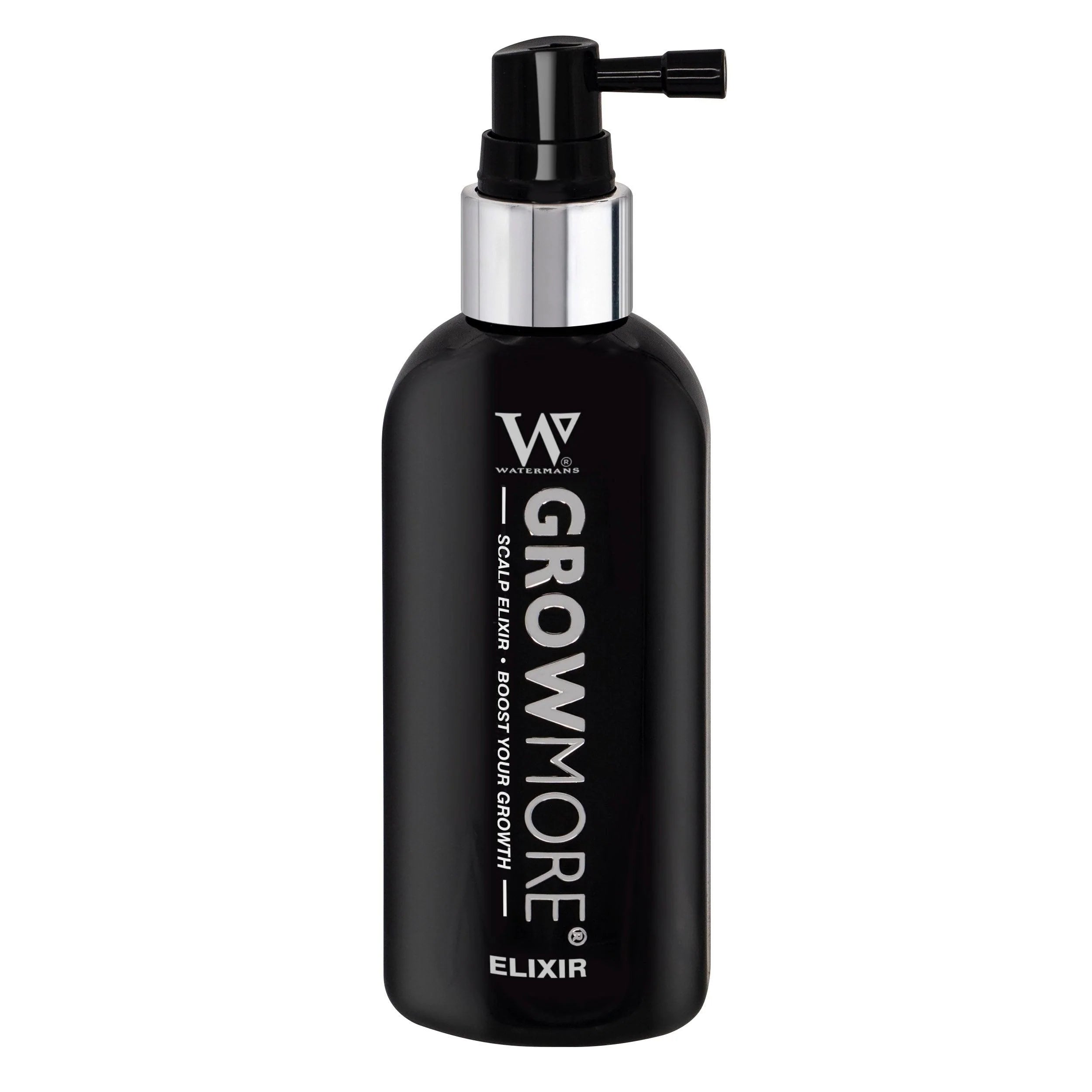
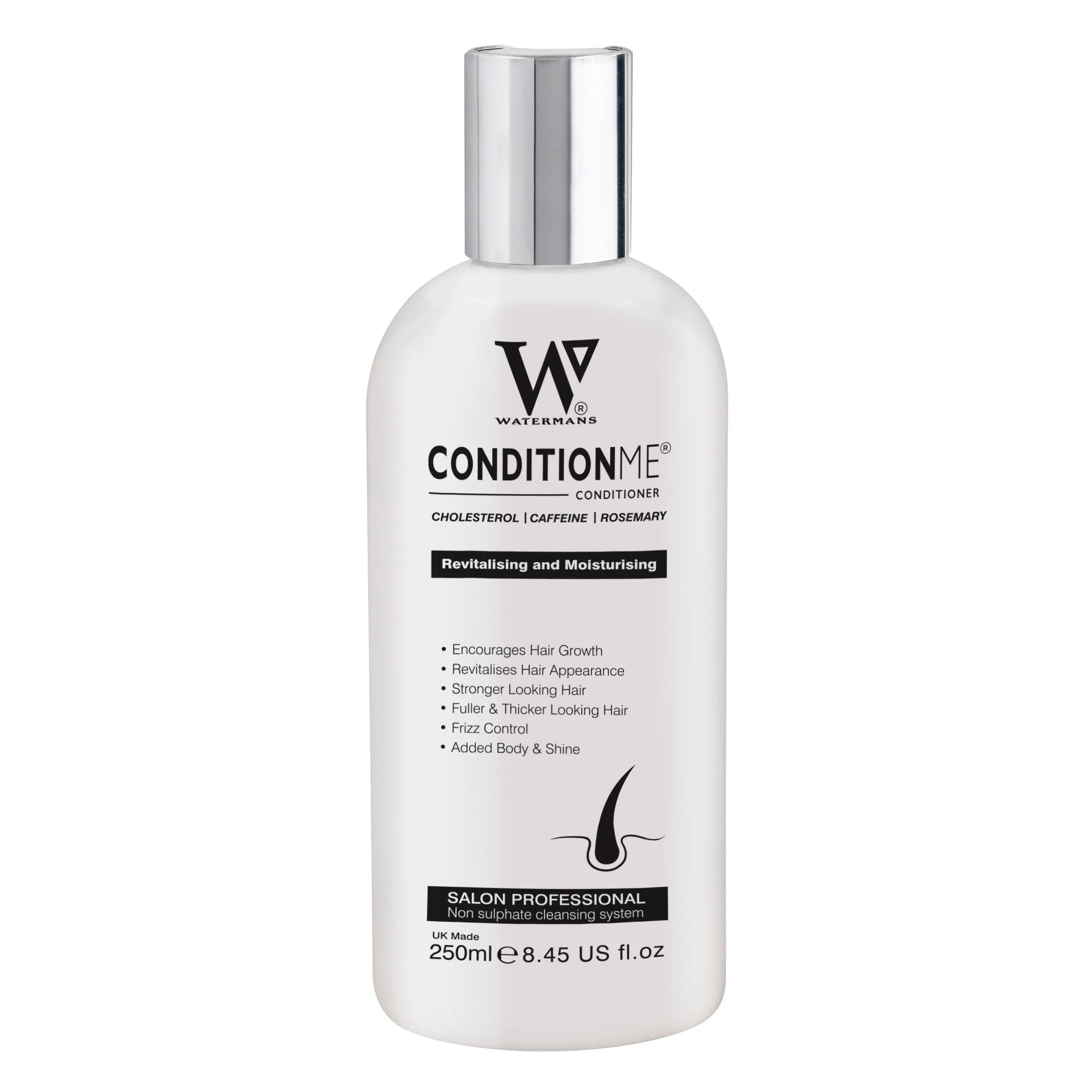
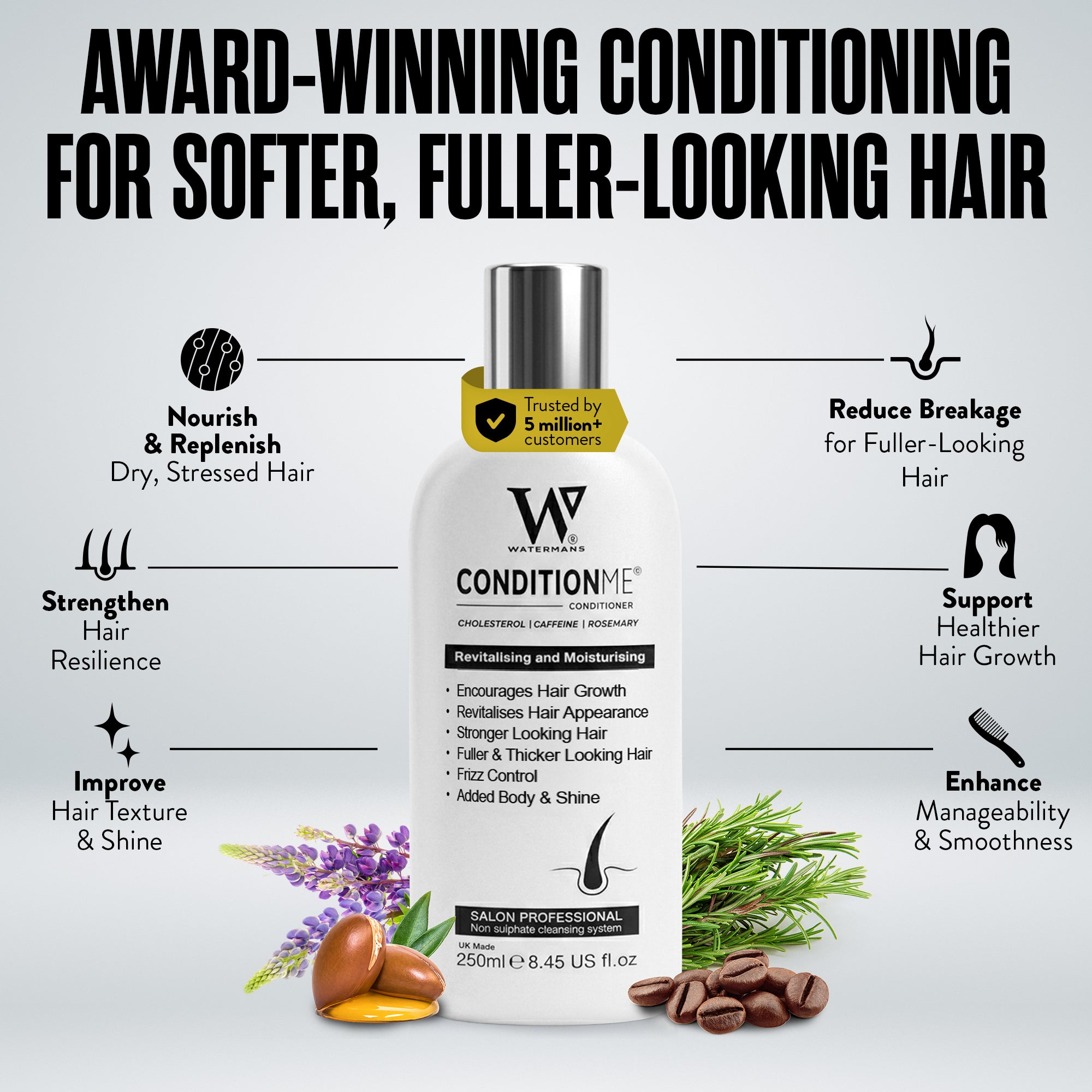
A sulfate free daily shampoo with biotin, caffeine, rosemary and niacinamide. It cleanses without stripping and supports a healthy scalp environment. Cosmetic care, not a medical product and not a substitute for one.

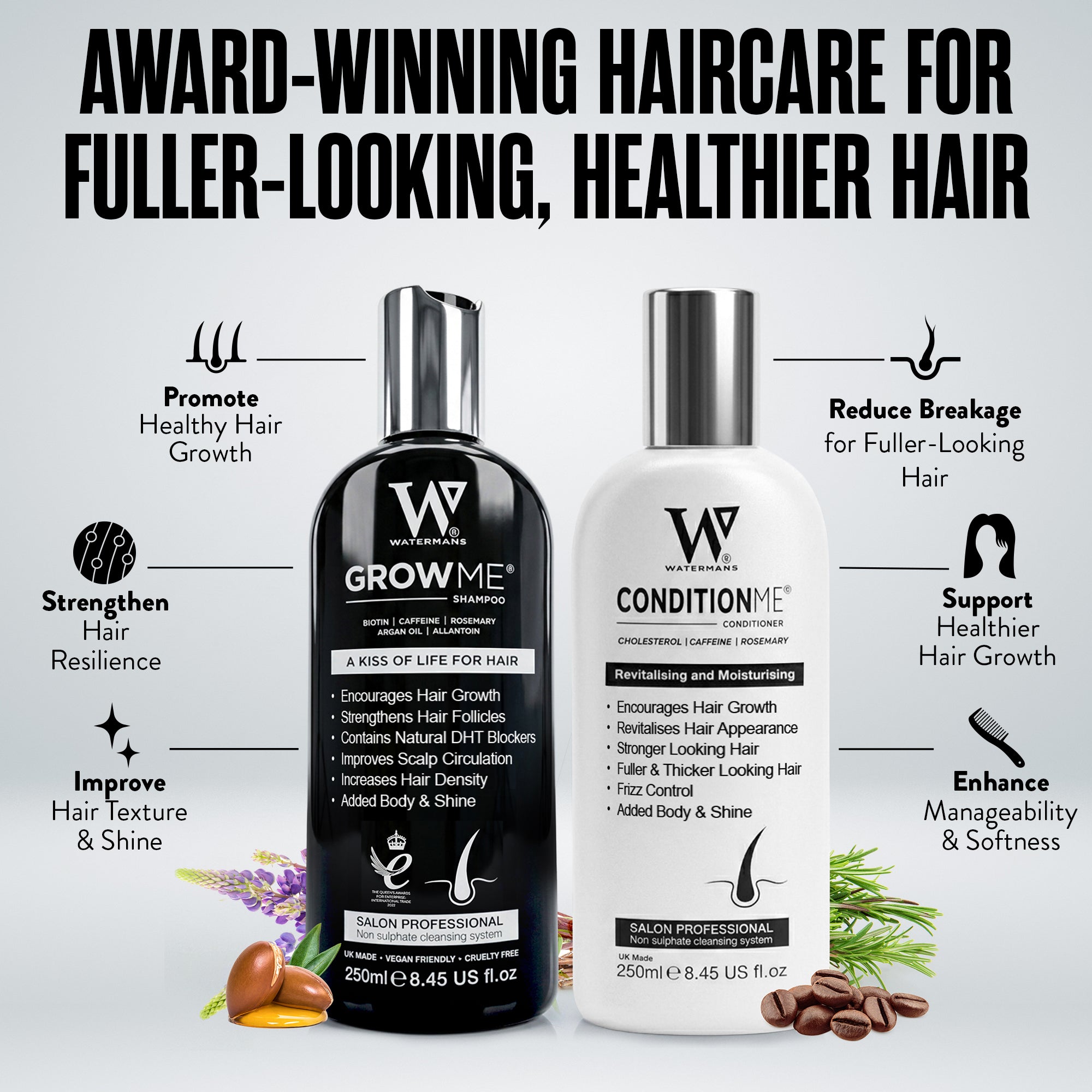
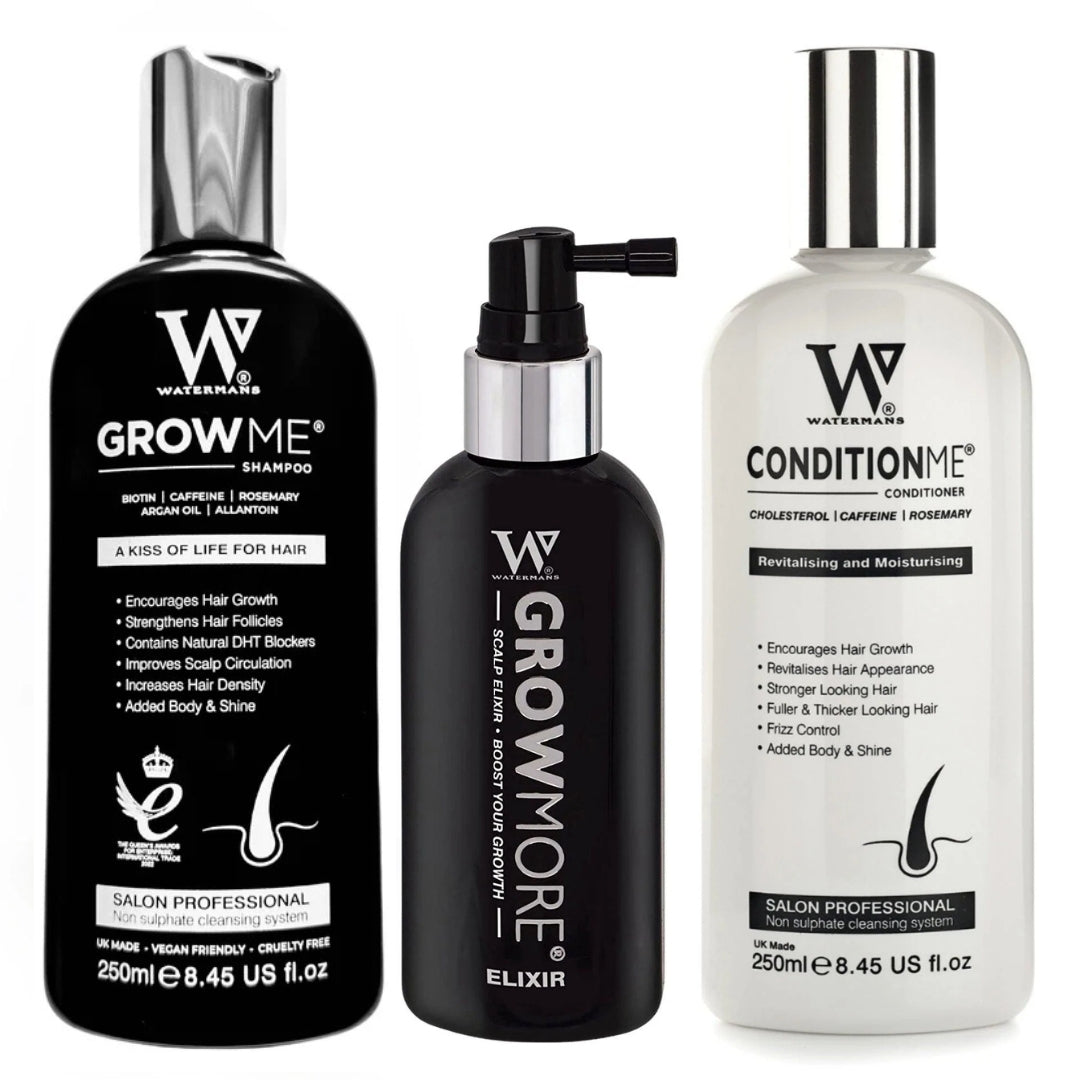
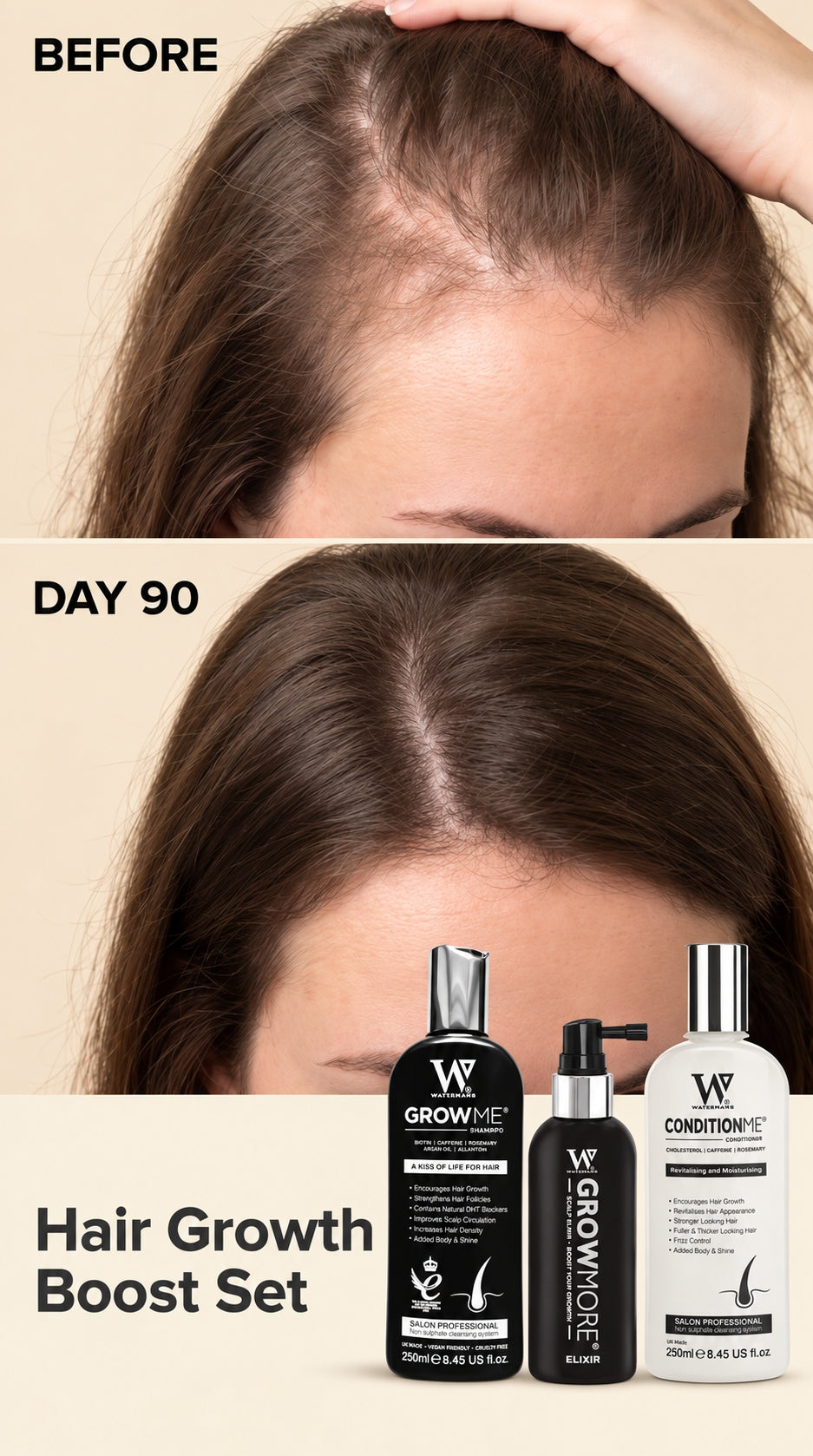
The three step routine: Grow Me shampoo, Condition Me conditioner and the Grow More scalp elixir bought together. Useful if you would rather spend a fixed amount on daily care than pay repeatedly for advice you have already been given.
Both are cosmetic. The point of putting them here is the comparison: a routine you buy once and use daily is a different kind of spend from a course of products renewed at every follow up, and you should be able to tell which one you are being offered.
Frequently asked questions
How much does a trichologist cost in Bristol?
A first session with trichologists Bristol based commonly costs £50 to £150 for 45 to 60 minutes, with follow ups around £30 to £80. Products, supplements and any additional testing are charged separately, so ask for the full fee structure before you attend.
Is a free trichology consultation worth having?
It can be, but a free session is a marketing cost recovered in the recommendation, which is why free sessions so often end in a multi month product programme. Ask what the practitioner would advise if you bought nothing at all.
Can I see a trichologist on the NHS?
Trichology is not an NHS specialty. Your GP can arrange blood tests and refer to dermatology where there is a medical cause, all free on the NHS. Private trichology sits outside that and is self funded.
Do I need a GP referral to see a trichologist in Bristol?
No. Private trichology is self referred. It is still sensible to speak to your GP first if you have sudden patches, scalp pain, scarring or symptoms elsewhere in the body.
Are hair mineral analysis tests worth the money?
Usually not. The evidence for hair mineral analysis in everyday hair complaints is weak, and it commonly adds £60 to £150. A GP arranged blood panel covering ferritin, thyroid function and vitamin D answers more useful questions at no cost.
How do I know if I am being upsold?
Watch for a session that cannot end without a purchase, products that are not itemised or separately priced, programmes sold in three or six month blocks, and reluctance to say what happens if you decline.
How long before I should expect to see any change?
Hair grows roughly a centimetre a month, so any honest review point is three to six months away. Anyone promising a visible difference in weeks is describing marketing, not hair biology.
Sources & references
- NHS, Hair loss
- NHS, How to register with a GP surgery
- The Institute of Trichologists
- The Trichological Society
- Care Quality Commission
- British Association of Dermatologists, information leaflets
What is the bottom line on trichologists Bristol?
Budget roughly £50 to £150 for a first session with trichologists Bristol offers, and judge the practice on its fee model rather than its premises. Ask what a follow up costs, whether the practitioner sells their own products, and what you leave with in writing. Use your GP for the free blood tests and any referral, then pay privately only for the hair specific advice the NHS does not provide. And work out whether you are dealing with loss, shedding or breakage first, because that decides whether the money is best spent on advice at all. If your question is about products or a routine rather than a medical one, you can talk to Gail Waterman, our co-founder, as an AI avatar on the Watermans homepage.
If you would rather start small, swap the wash first and see how the scalp feels on Grow Me hair growth shampoo. Made in the UK, with over 6.5 million bottles sold since 2012.
Watermans products are 100% cosmetic and do not treat medical hair loss. Individual results may vary.