Trichologists Cardiff: The Free NHS Wales Route First
Before you pay anyone in Wales, it is worth knowing what the NHS will do for you at no cost.
People searching for trichologists Cardiff usually want a cause, not a product. In Wales the cheapest and quickest route to a cause is your GP practice, which can run the blood tests that explain a large share of hair changes and refer you to NHS dermatology where the scalp is inflamed, scarred or patchy. Private trichology is worth paying for afterwards, for hair specific advice, not instead of that first step.
Key takeaways
- Trichology is not an NHS specialty anywhere in the UK, so trichologists Cardiff wide are private and self funded.
- Your GP in Wales can arrange ferritin, thyroid, vitamin D and full blood count tests free where symptoms warrant it.
- NHS dermatology referral is the right route for scarring, sudden patches, or a painful, scaling scalp.
- Independent healthcare in Wales is regulated by Healthcare Inspectorate Wales, not the CQC, which covers England only.
- Iron and thyroid problems are common, treatable causes of shedding and worth ruling out before you spend on products.
Can you see a trichologist on the NHS in Wales?
No. Trichology is not a recognised NHS specialty, in Wales or elsewhere in the UK, so every practitioner you find will be private. What the NHS in Wales does provide is the medical half of the picture, and that half is where most answers actually come from. Your GP practice can take a history, examine the scalp, arrange blood tests, and refer to a hospital dermatology service when the presentation calls for it. NHS 111 Wales publishes its own hair loss guidance setting out what is and is not covered.
The practical consequence is a sequence rather than a choice. Use the free route to establish whether there is a named medical cause. Then decide whether private, hair specific advice adds anything on top of what you have been told.

What will a GP in Cardiff check before referring you?
A GP looking at hair loss will normally take a history covering the past six months, examine the scalp and hairline, and consider blood tests. The panel varies with symptoms, but the usual candidates are worth knowing because they are exactly the tests some private practices charge for.
| Test | What it is looking for | Why it matters for hair |
|---|---|---|
| Ferritin and full blood count | Iron stores and anaemia | Low iron stores are a common, correctable driver of increased shedding, particularly in women with heavy periods |
| Thyroid function | An underactive or overactive thyroid | Both ends of thyroid dysfunction change hair texture and increase shedding, and both are managed medically |
| Vitamin D | Deficiency | Low vitamin D is common in the UK and is checked where there are other suggestive symptoms |
| Blood glucose or HbA1c | Diabetes | Relevant where there is unexplained weight change, thirst or fatigue alongside hair changes |
| Hormone profile | PCOS and androgen excess | Considered where there is irregular bleeding, acne or unwanted facial hair with thinning at the crown |

Ask for your own results
You are entitled to a copy of your blood results. Take the numbers with you if you later see a private practitioner. It stops you paying twice for the same information, and it makes the private session far more useful.
When is an NHS dermatology referral the right route?
Dermatology, not trichology, is the correct destination when the scalp itself is diseased or the hair loss pattern suggests something the follicle will not recover from without medical input. Speak to your GP practice promptly if you have sudden smooth bald patches appearing over days or weeks, a scalp that is painful, weeping, crusted or scaling heavily, shiny scarred skin where hair used to grow, hair loss with fatigue, weight change, heavier periods or new facial hair, or hair loss in a child.
Alopecia areata, scarring alopecias and inflammatory scalp conditions all sit here. Our guides to alopecia areata and thyroid related hair changes explain what those look like, but neither replaces being seen.
Who regulates private clinics in Wales?
This trips people up because the English regulator is the one everybody has heard of. The Care Quality Commission regulates independent healthcare in England only. In Wales the equivalent body is Healthcare Inspectorate Wales, and it registers and inspects independent healthcare services here. A high street hair studio offering cosmetic advice will usually sit outside that framework altogether, because it is not providing healthcare.
That is precisely why the professional register carries so much weight when you compare trichologists Cardiff has to offer. "Trichologist" is not a protected title in UK law, so the checkable signal is membership of the Institute of Trichologists or the Trichological Society, both of which set an examined course, publish a member directory and hold members to a code of practice.
What do the trichologists Cardiff has to offer add after the NHS?
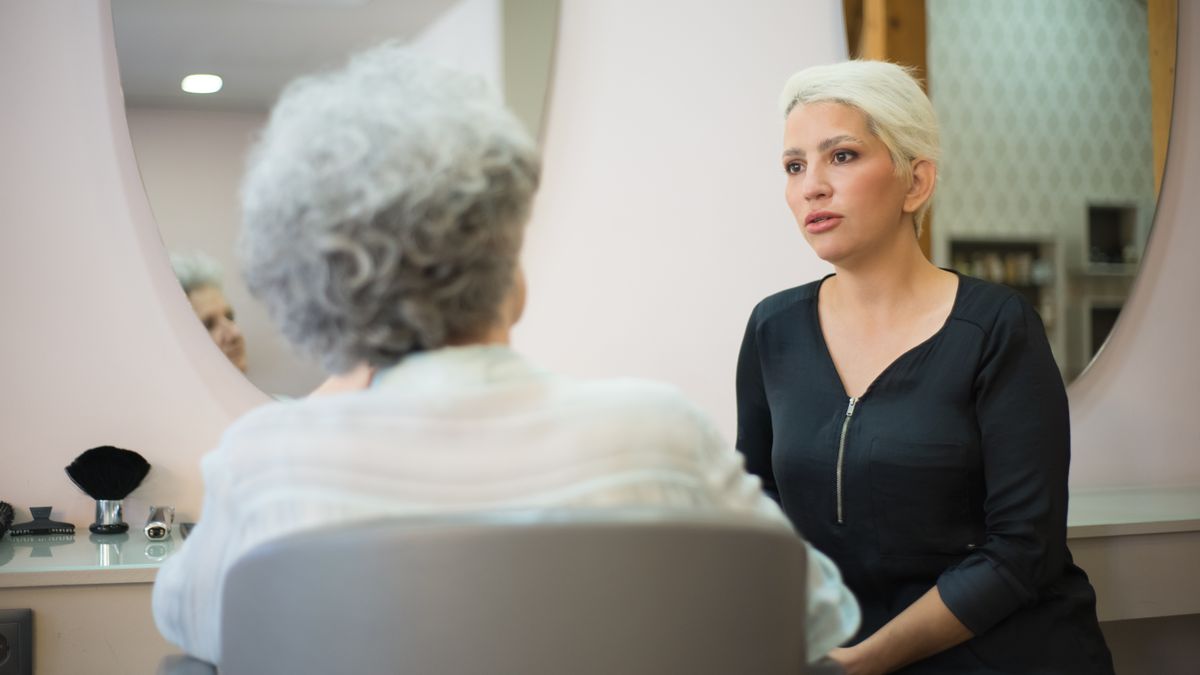
A GP appointment is ten minutes long and covers your whole body. That is the honest limit of it. A private trichology session is 45 to 60 minutes and covers one thing, which is where the added value sits. Expect a proper look at the scalp under magnification, a pull test at several points rather than one, dated photographs you can compare against later, and a detailed run through of what you actually do to your hair week to week. That last part matters more than people expect, because handling, heat, tension and colour account for a large share of what gets reported as thinning.
What a private practitioner cannot do is order NHS tests, refer you into a hospital service, or manage a medical cause. Those stay with your GP. Used in that order, the two are complementary rather than competing, and you avoid paying privately for anything the NHS in Wales would have done for nothing.
How long does each step realistically take?
Hair moves slowly, and most disappointment comes from expecting it to move faster. A realistic sequence looks like this.
| Step | Typical timescale | What you get from it |
|---|---|---|
| GP appointment and blood tests | One to three weeks for an appointment, then days for results | Iron, thyroid and vitamin D status, and a named cause or a clear negative |
| NHS dermatology referral where needed | Varies by health board, so ask your practice | Assessment of scarring, patchy or inflammatory scalp conditions |
| Private trichology session | Usually within a week or two | Scalp magnification, photographs, and a routine review |
| First honest review point | Three months | Comparison photographs, and whether shedding has settled |
| Meaningful visible change | Six to twelve months | Hair grows about a centimetre a month, so nothing useful is visible sooner |
Take photographs today
Whatever you decide to do next, take dated photographs now in the same light, at the parting, the crown and the hairline. They cost nothing and they are the only thing that settles the question of whether anything changed.
Get a discount on the thinning hair range
Join the Watermans mailing list and we will email a discount code straight to your inbox, so you can try the thinning hair range for less. Vegan, made in the UK, over 6.5 million bottles sold since 2012.
Is it hair loss, hair shedding or hair breakage?
These three are routinely confused, and the NHS route is far more useful for two of them than the third.
- Hair loss is follicular: miniaturisation in androgenetic alopecia, or immune attack in alopecia areata. Density falls in a pattern. See what causes thinning hair.
- Hair shedding is a cycle disturbance. In telogen effluvium a trigger such as illness, childbirth, surgery, a crash diet, low iron or thyroid dysfunction pushes many follicles into the resting phase together, and they release two to three months later. This is the one blood tests most often explain, and our guide to telogen effluvium covers the timeline.
- Hair breakage is the fibre snapping from heat, bleach, tension or rough handling. Nothing in a blood test will show it, and no referral will fix it. It responds to changing what you do to your hair. Stress related shedding is often tangled up with it, because stressed months are also rushed, rough handling months.
Sorting them out early saves money. If your hair is snapping mid length and your scalp is healthy, a blood panel and a private session will both come back reassuring, and you will still have the same problem.
What does daily care do while you wait for an appointment?
Waiting lists exist, and whether you are waiting on a GP, a dermatology clinic or one of the trichologists Cardiff residents recommend, hair grows at roughly a centimetre a month regardless. What sensible daily care does in the meantime is protect the hair you already have from breakage and keep the scalp comfortable. It does not change what is happening inside a follicle, and it is not a substitute for the blood tests.

Cardiff sits in a moderately soft water area, so shampoo lathers readily and most people use more than they need. Wash to suit your scalp rather than a rule, usually every two to three days. Condition the mid lengths and ends every wash, comb wet hair from the ends upwards with a wide tooth comb, and keep heat tools away from hair that is still soaking. Loosen anything that pulls at the hairline. If your worry is frizz or dry, rough lengths rather than thinning, our Gloucester guide to frizz and hair porosity explains why the popular float test misleads and how to match your care to your hair's history.

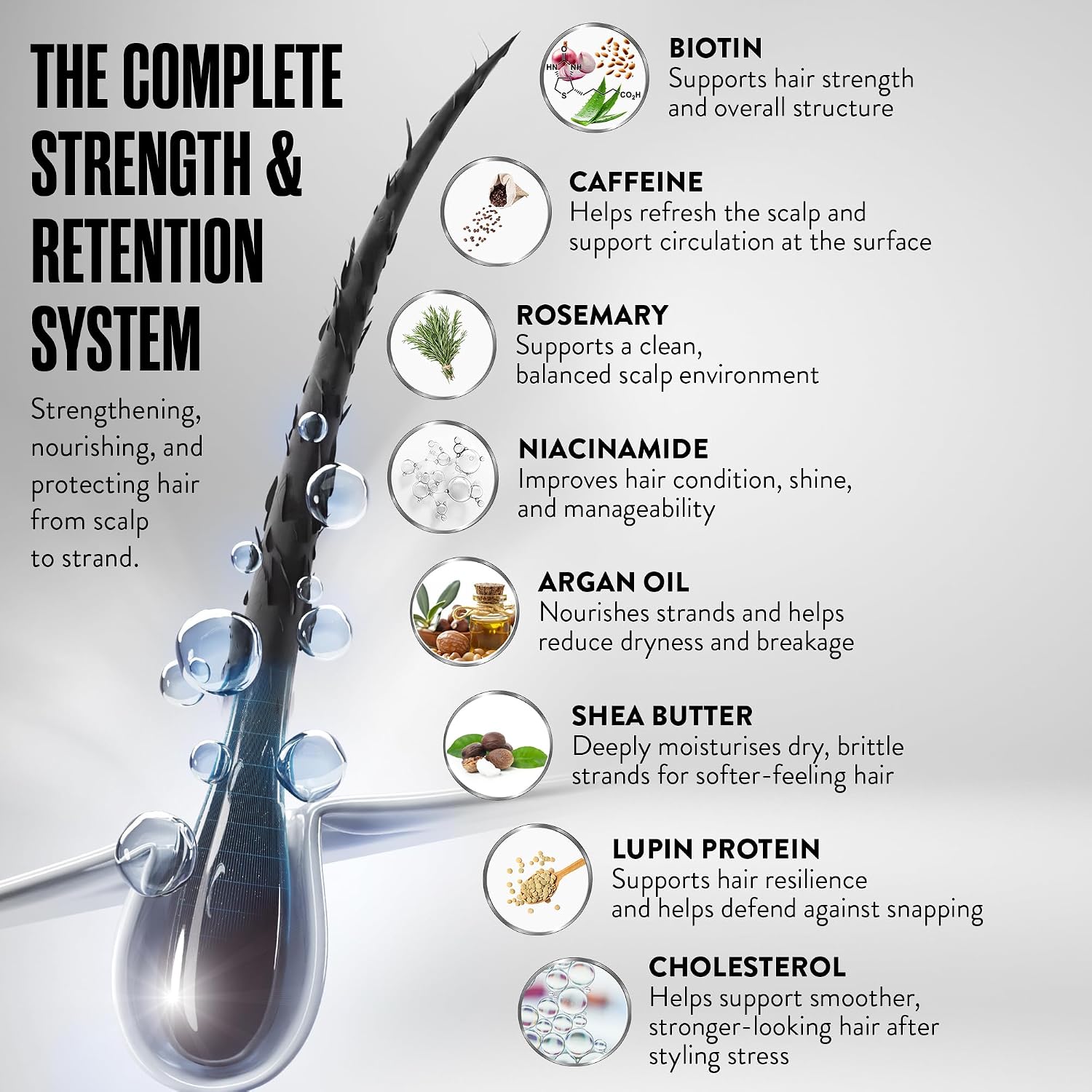
A sulfate free daily shampoo with biotin, caffeine, rosemary and niacinamide. It cleanses without stripping and supports a healthy scalp environment. Cosmetic care, not a medical product and not a substitute for one.

Sugar free vegan gummies with biotin, zinc, selenium and vitamins C, D and E. Nutrients that contribute to the maintenance of normal hair. They are a supplement to a balanced diet, never a replacement for a blood test your GP has arranged.
One honest caveat on supplements. If a blood test shows you are low in iron or vitamin D, the correction should come from your GP at the right strength, not from a gummy. Supplements make sense as general nutritional support when your bloods are normal and your diet is patchy, and that is all they are for here.
Frequently asked questions
Can I get a trichologist on the NHS in Cardiff?
No. Trichology is not an NHS specialty, so trichologists Cardiff wide are private. The NHS route in Wales is your GP practice, which can arrange blood tests and refer to hospital dermatology where a medical cause is likely.
What blood tests should I ask my GP for?
The usual panel where symptoms warrant it is ferritin and a full blood count for iron stores, thyroid function, and vitamin D. Blood glucose or a hormone profile may be added where there are other symptoms such as weight change, irregular periods or acne.
How long does a dermatology referral take in Wales?
Waiting times vary by health board and by urgency, so ask your GP practice what to expect locally. Sudden patchy loss, scarring and painful or inflamed scalps are treated more urgently than gradual thinning.
Do I need a referral to see a private trichologist?
No, private trichology is self referred. Seeing your GP first is still worth doing, because it is free and it rules out the medical causes a hair practitioner cannot manage.
Is the CQC the regulator for private clinics in Wales?
No. The Care Quality Commission covers England only. Independent healthcare in Wales is registered and inspected by Healthcare Inspectorate Wales. Many cosmetic hair studios fall outside that framework entirely.
Will iron tablets stop my hair shedding?
If low iron stores are driving increased shedding, correcting them at the right strength under your GP usually helps the shedding settle over several months. If your iron is already normal, extra iron does nothing for hair and can be harmful.
How soon would I see a difference after a cause is found?
Hair grows about a centimetre a month, so meaningful change is judged at three to six months, not weeks. Dated photographs taken at the start are the only reliable way to see it.
Sources & references
- NHS 111 Wales, Hair loss
- NHS, Hair loss
- Healthcare Inspectorate Wales
- NHS, Iron deficiency anaemia
- NHS, Underactive thyroid
- The Institute of Trichologists
What is the bottom line on trichologists Cardiff?
Start with your GP. In Wales that costs nothing and produces the blood tests and, where needed, the dermatology referral that explain most hair changes. Then, if you still want hair specific advice, choose between the trichologists Cardiff offers on the register rather than the website, remembering that Healthcare Inspectorate Wales, not the CQC, regulates independent healthcare here. Work out whether you are dealing with loss, shedding or breakage, because only two of the three will ever show up in a blood result. And protect the hair you have with gentle daily care while you wait.
Watermans products are 100% cosmetic and do not treat medical hair loss. Individual results may vary.