Temple Hair Thinning: The Two Causes, and What Helps
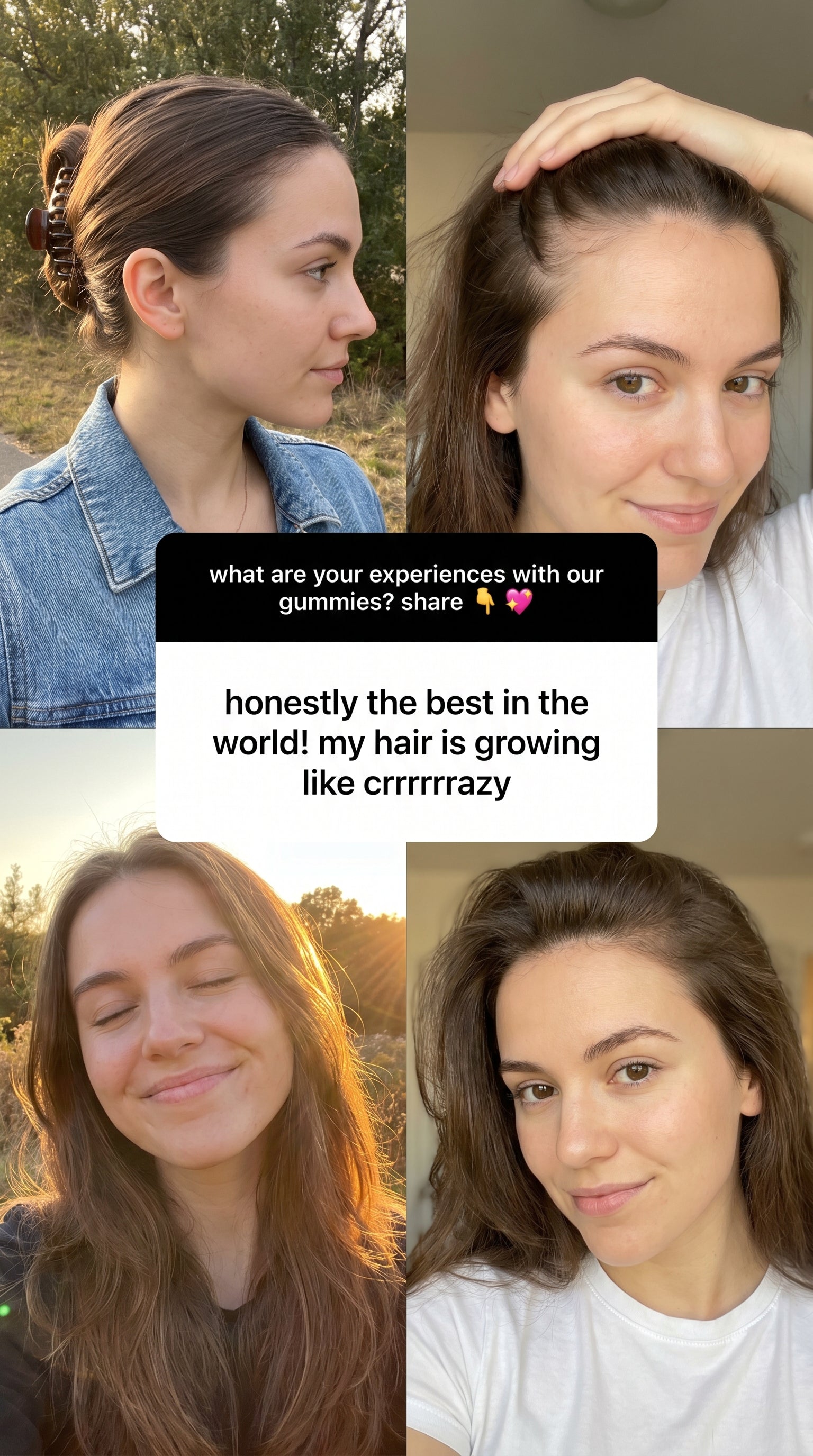
Temple hair thinning is loss of density at the two corners of the hairline above the outer edge of each eyebrow. It has two very different common causes, and telling them apart is the whole job: pattern loss driven by hormones and inheritance, which recedes into a defined shape, and traction damage caused by pulling, which follows exactly where the tension sits. The first needs a medical conversation. The second is often reversible in its early stages by changing how you wear your hair.
Our hair growth conditioner
Condition Me® Hair Growth Conditioner, £13.95. Detangles and strengthens the hair fibre so lengths snap less on the brush and look thicker through the ends.
Key takeaways
- Temple hair thinning has two main causes: pattern loss and traction from tight styling. They look different and need different responses.
- Traction damage caught early often improves once the tension stops. Left for years it can become permanent, because the follicle scars.
- Pattern loss at the temples is gradual, symmetrical and follows a recognisable shape. Cosmetics do not act on it.
- The temples are the most fragile part of the hairline: finer hairs, constant tension from styling, and the first place a receding line shows.
- See your GP for sudden, patchy or itchy loss, and for anything that changes quickly.
What causes temple hair thinning?
Four causes account for most cases, and the pattern on your head usually points clearly to one.
Androgenetic alopecia. In men, the temples are typically the first area to recede, producing the familiar deepening corners. In women the pattern more often widens the parting, though temple involvement happens too. It is gradual, roughly symmetrical, and driven by hormone sensitivity inherited from either side of your family.
Traction alopecia. Repeated pulling from tight ponytails, buns, braids, weaves, extensions or clips causes hair loss precisely where the tension is greatest, which is usually the hairline and temples. It is the most preventable cause of hair loss there is, and one of the most common.
Telogen effluvium. Widespread shedding after illness, surgery, childbirth or acute stress thins hair generally, including the temples, but it does not create a receding shape.
Breakage. Fine temple hairs snap easily from heat, bleach and friction. This produces short broken stubs rather than bare skin, and it is genuinely fixable.

How do you tell traction damage from pattern loss?
The distinction changes what you should do next, so it is worth a careful look in good light.
| Sign | Traction damage | Pattern loss |
|---|---|---|
| Shape | Follows where you pull, often a thin band | Recedes in a defined, symmetrical shape |
| Speed | Tracks your styling habits | Slow and steady across years |
| Fringe of hairs | A thin line of hairs often remains in front of the bare area | No retained fringe |
| Symptoms | Tenderness, small bumps, headaches after styling | Usually none |
| Hair quality | Normal thickness elsewhere | Progressively finer, shorter hairs in the area |
Is temple hair thinning from tight styles reversible?
In its early stages, often yes, and this is the most encouraging thing in this article. Traction damage is not a follicular disease. It is mechanical injury. Remove the mechanism and the follicle usually recovers over several months.
The catch is time. Prolonged, repeated tension over years can lead to scarring, and a scarred follicle does not come back. Once the skin in the area looks smooth and shiny with no visible pores, the window has usually closed. That is why acting on tenderness now matters far more than any product.
Practical changes that reduce tension immediately: wear hair down or loosely tied more often, rotate styles rather than repeating the same one daily, never sleep in a tight style, take extensions and weaves out on schedule rather than extending their wear, avoid stacking tension by adding clips to an already tight style, and stop immediately if a style causes tenderness or headache. Pain is the signal that damage is happening. Where the change is concentrated at the temples and frontal edge, our guide to hormone therapy hairline changes covers what shifts and what does not.
Get a discount on your next order
Join the Watermans mailing list and we will email a discount code straight to your inbox. Made in the UK, over 6.5 million bottles sold since 2012.
Is it loss, shedding or breakage at the temples?
All three show up at the temples and each means something different.
Hair loss means the follicle is producing finer, shorter hair over successive cycles or has stopped. That is the pattern and traction story, and it involves the follicle itself.
Hair shedding means whole hairs releasing from the resting phase, often two to three months after a trigger such as illness, childbirth or a stressful period. Shedding thins the temples along with everywhere else and usually settles by itself.
Hair breakage means the strand snapping partway along its length while the follicle continues working normally. At the temples this is very common, because the hairs there are naturally finer and take the brunt of heat styling and face-framing tools. You will see short stubs of uneven length rather than smooth skin.
Breakage is where a cosmetic routine does honest work. If your temples are covered in short broken hairs rather than bare, that is good news, and it responds to gentler handling.

How should you handle fragile temple hair?
The hairs at your temples are the finest on your head and take the most abuse. Handling them differently costs nothing.
- Loosen everything by one notch. If a style needs force to secure, it is too tight.
- Swap thin elastics for soft, wide ties. Thin bands concentrate tension in a narrow line.
- Change your parting position periodically. A fixed parting concentrates both tension and sun exposure in the same place for years.
- Keep heat away from the hairline. Face-framing pieces get straightened most and break first.
- Use a silk or satin pillowcase. Reduces overnight friction on exactly these fine hairs.
- Detangle from the ends upward, while conditioner is still in. Never drag a brush from the hairline back.
Which styles take the pressure off the temples?
Being told to stop wearing the style you like is useless advice on its own. These alternatives keep hair off your face without concentrating tension on the hairline.
- Lower the anchor point. A loose low ponytail or low bun at the nape pulls far less on the temples than anything high and tight.
- Spread the load. A half up style, a loose plait or a claw clip distributes tension across a wider area instead of a narrow band.
- Size up the braids. Chunkier braids and twists weigh less per follicle than very fine ones, and fine braids at the hairline are the classic cause of damage.
- Give the hairline a rest between protective styles. A week or two down between installs matters more than the style itself.
- Leave the baby hairs alone. Those short front hairs are new growth. Repeatedly gelling, combing and setting them is how the front row gets lost.
- Rotate nightly. A loose plait or a silk bonnet beats sleeping in the same tight style you wore all day.
One rule covers all of it: if you can feel the style, it is too tight. Tenderness is not the price of a neat hairline, it is a warning that the follicles are under strain.
What can cosmetic products genuinely do for the temples?
Here is the honest boundary. Cosmetics work on the hair fibre and the scalp surface. They reduce breakage, improve slip so fine hairs survive detangling, and keep the scalp comfortable. At the temples that matters more than average, because so much temple thinning is breakage of very fine hairs.
What they cannot do is act on the hormonal process behind pattern loss, or bring back a follicle lost to years of scarring traction. Any product promising a new hairline is promising something no cosmetic can deliver.

Condition Me Conditioner
Slip when wet is what stops fine temple hairs snapping during detangling. If breakage is your problem, this is the step that earns its place.

Grow More Elixir
A leave-on step for the scalp in lower density areas. Cosmetic support for scalp comfort, applied lightly along the hairline rather than rubbed in hard.
Over 6.5 million bottles sold since 2012, vegan and made in the UK. If your temple thinning is from tension, the free change matters more than anything we sell: take the pressure off first.
When should you see a GP about temple hair thinning?
Speak to your GP if the loss came on suddenly or in discrete round patches, if the scalp is painful, scaly, red or itchy, if the skin in the area looks smooth and shiny with no visible pores, if you are losing eyebrow or eyelash hair too, or if hair changes arrive with fatigue, weight change or menstrual changes. Round patches in particular can indicate alopecia areata, which is an autoimmune condition and is not something any shampoo addresses.
Getting scarring assessed early genuinely matters, because the window for recovery closes. For related reading, our guide on whether you can lower your hairline covers the honest options, and how to reduce hair breakage at home goes deeper on handling. The daily routine sits in our scalp routine for thinning hair, and the wider plan is in our 90 day action plan for hair thinning.
Frequently asked questions
Does temple hair thinning always mean going bald?
No. Plenty of temple thinning is traction or breakage rather than pattern loss, and both of those have a different outlook. The shape of the loss and whether a fringe of hairs remains are the useful clues.
How long does traction damage take to improve after I stop the tight style?
Where the follicle is undamaged, several months is typical, because hair grows about a centimetre a month and has to cycle back in. Judging it before three or four months is too early.
Can men get traction damage at the temples?
Yes. Man buns, tight braids, durags worn too tight and long term use of tight caps all create tension at the hairline in exactly the same way.
Do temples thin during menopause?
Hormonal change around menopause commonly affects density, more often at the parting than purely at the temples, though temple involvement does happen. Our menopause guides cover that pattern in more detail.
Will cutting my hair shorter help my temples?
Shorter hair reduces the weight pulling on the roots and gives you fewer opportunities for damaging detangling, so it can genuinely help with breakage and tension. It does not change pattern loss.
Are edge control products bad for the temples?
The product itself is usually not the issue. The problem is the combing, smoothing and tight securing that goes with it, repeated daily on the finest hairs you own.
Is temple hair thinning in women different from men?
Women more often show a widening parting with the frontal hairline preserved, while men more often recede at the temples first. Both can experience traction damage, which follows the styling rather than the sex.
What is the bottom line on temple hair thinning?
Temple hair thinning is worth taking seriously precisely because one of its main causes is something you can change today for free. Look carefully at the shape, check for a retained fringe of hairs and for tenderness, and if tension is the culprit take the pressure off now rather than after another year. If the loss is patchy, painful, fast or leaves smooth shiny skin, see your GP promptly. Cosmetics help with the breakage side, and they are honest about not doing more than that. If your question is about products or a routine rather than a medical one, you can talk to Gail Waterman, our co-founder, as an AI avatar on the Watermans homepage.
For thinner areas specifically, our overnight scalp serum is the targeted step.
Watermans products are 100% cosmetic and do not treat medical hair loss. Individual results may vary.
Sources and References
- NHS, Hair loss: causes, types and when to see a GP. nhs.uk/conditions/hair-loss
- NICE Clinical Knowledge Summaries, Male pattern hair loss. cks.nice.org.uk
- British Association of Dermatologists, public information leaflets on hair and scalp conditions including traction alopecia. skinhealthinfo.org.uk