Natural Remedies for Thinning Hair in Women: What Helps
Natural approaches to thinning hair in women work best when they are aimed at the right problem. A widening parting caused by female pattern thinning responds to very little at home. A heavy shed three months after illness, childbirth or a crash diet usually recovers on its own once the cause is dealt with. And low iron is genuinely common, genuinely fixable, and frequently missed. So the first useful step is not a remedy at all, it is working out which of those you have.
Our hair growth shampoo
Grow Me® Hair Growth Shampoo, £14.95. A sulphate free daily shampoo that supports a healthy scalp environment and helps reduce breakage, so lengths hold on and look fuller.
Key takeaways
- Thinning hair in women has three common shapes: pattern thinning, a temporary shed, and breakage. They need different responses.
- A widening parting with a preserved hairline points to female pattern thinning. A diffuse heavy shed points to telogen effluvium.
- Iron stores, thyroid and vitamin D are worth testing before spending money on remedies.
- Scalp massage and rosemary have the best evidence of the natural options, and both are modest.
- Cosmetic care will not change a hormonal pattern, but reducing breakage keeps noticeably more hair on your head.

What does thinning hair in women usually look like?
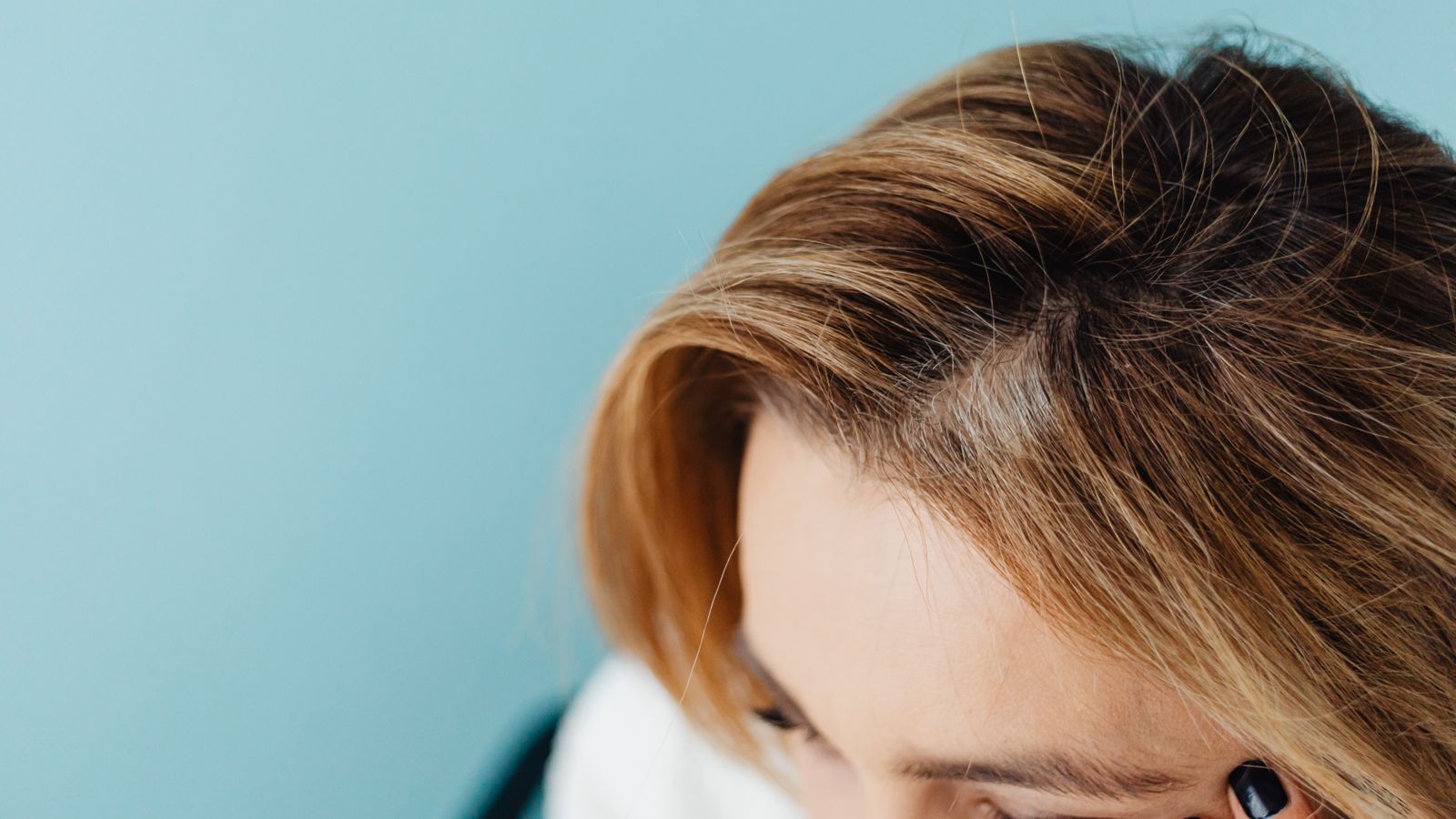
The pattern tells you most of what you need. Female pattern thinning widens the central parting while the front hairline stays largely intact, so the classic description is a Christmas tree shape spreading back from the parting. Density drops across the top and crown, but you rarely see the bald temples that men get. It is gradual, it is driven by genetics and hormonal sensitivity, and it tends to step forward around perimenopause.
A shed looks completely different. It is diffuse across the whole scalp, it arrives suddenly, and it is dramatic: handfuls in the shower, hair all over the pillow. It typically starts about three months after a trigger such as childbirth, surgery, a fever, a crash diet or a period of acute stress. Our guide to what causes telogen effluvium explains the timeline, and the Ludwig scale is a useful way to place pattern thinning on a scale.
Is it hair loss, hair shedding or hair breakage?
Getting this wrong wastes months, so look at what is actually coming out.
Hair loss means the follicle is producing progressively finer, shorter hair each cycle. You will see thick and wispy hairs side by side in the same patch, and the parting widening over a year or two. This is the pattern case.
Hair shedding means whole hairs releasing from the resting phase, each with a small pale bulb at the root. The volume is frightening but the follicles are intact and the hair returns once the trigger passes, usually over six to nine months.
Hair breakage means the fibre snapping partway along. The pieces are short, uneven and have no bulb at the end. Heat, bleach, tight ties and rough detangling on dry hair are the usual causes. Length simply stops increasing and the ends look thin and ragged.

The 60 second test
Collect what comes out over a normal wash day and look closely. Long whole hairs with a tiny white bulb: shedding. A mix of thick and very fine hairs, with a parting that has widened over months: pattern thinning. Short broken fragments with no bulb, worst where you tie it: breakage. Losing 50 to 100 hairs a day is normal for everyone.
What should you get tested before trying remedies?
This is the highest value step in the whole article, and it is free on the NHS. Ask your GP about ferritin, which reflects iron stores, full blood count, thyroid function, and vitamin D. Low iron is common in women who menstruate, in vegetarians and in anyone with heavy periods, and it is one of the few causes of shedding that responds properly to correction.
Ferritin can be low while a standard full blood count still looks normal, which is exactly why it needs asking for by name. Our guide to increasing ferritin levels covers what the numbers mean and how to raise them. If your periods are irregular, or thinning comes with acne and unwanted facial hair, mention that too, because it points somewhere specific and your GP will want to know.
Get a discount on the thinning hair range
Join the Watermans mailing list and we will email a discount code straight to your inbox, so you can try the thinning hair range for less. Made in the UK, over 6.5 million bottles sold since 2012.
Which natural remedies actually have evidence behind them?
Honestly rated, from best supported down.
Scalp massage. The best of a modest field. A small 2016 study in Eplasty had nine men do four minutes of standardised scalp massage daily for 24 weeks and measured increased hair thickness, attributed to mechanical stretching of the cells at the base of the follicle. Nine people is tiny and they were not women, so hold it lightly, but it is free and pleasant. Technique matters: move the scalp over the skull with finger pads rather than sliding across the skin, as our scalp massage guide describes.
Rosemary. The best supported botanical. A small randomised comparative trial in Skinmed in 2015 followed adults with androgenetic alopecia for six months and found rosemary oil compared well with the active topical it was tested against, with less scalp itching. Not replicated at scale, so promising rather than settled. Dilute it in a carrier oil and patch test first.
Correcting a real deficiency. Genuinely effective when a deficiency exists, and close to useless when it does not. Test rather than guess.
Onion juice, castor oil, rice water and biotin megadoses. Popular, heavily shared, and thin on evidence in women. Biotin only helps the rare person who is actually deficient, and high dose biotin interferes with some blood tests including thyroid and troponin, so tell your GP if you take it.
| Approach | Evidence | Best for |
|---|---|---|
| Scalp massage | One small study, low risk | Anyone, as a free daily habit |
| Rosemary oil | One small human trial | Scalp comfort alongside a routine |
| Iron or vitamin D correction | Strong, if deficient | Diffuse shedding with low results |
| Gentler handling | Mechanically obvious | Breakage, ragged ends |
| Onion juice, rice water | Minimal in women | Little beyond conditioning |
How do you stop losing the hair you already have?
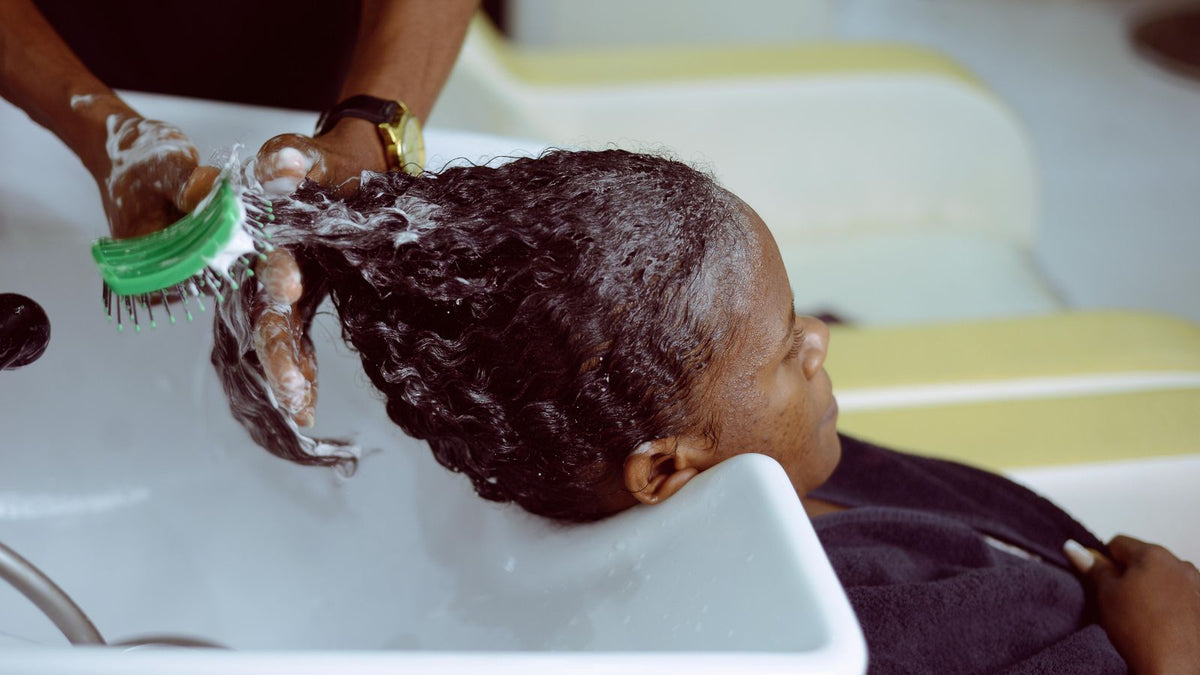
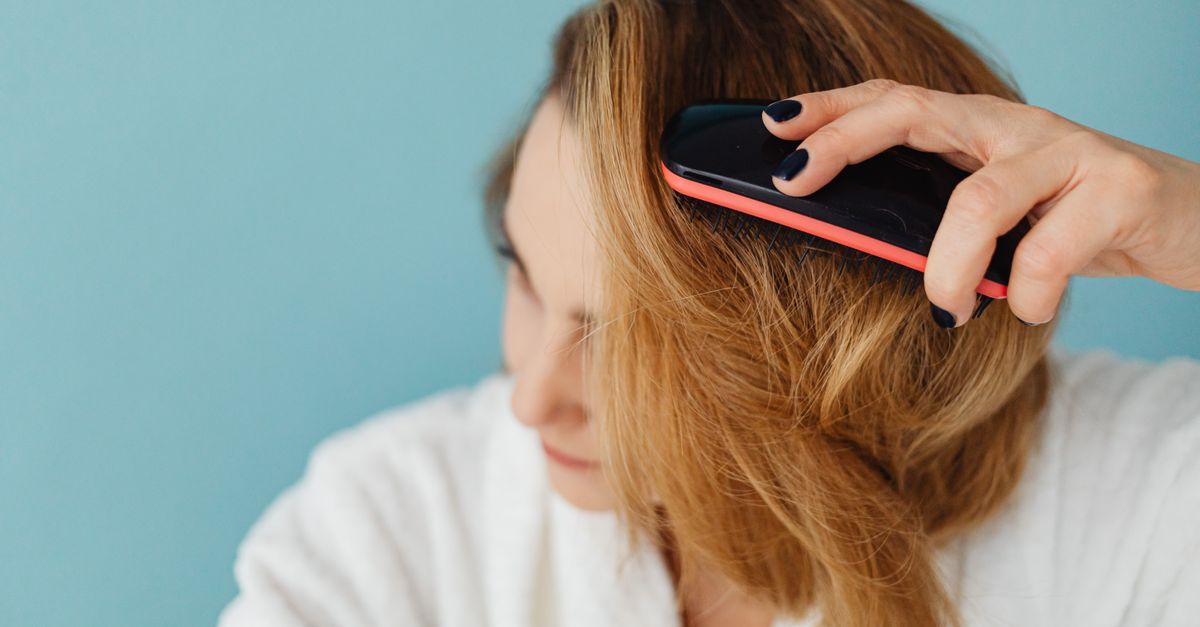
When density is lower, every centimetre counts, and breakage is the part fully within your control. Detangle from the ends upward on conditioned hair with a wide tooth comb, never from the roots down on dry hair. Drop the heat setting and use a protectant. Swap tight elastics for softer ties and vary where you put them, because constant tension in one spot causes traction damage at the hairline that can become permanent.
Be careful with bleach and chemical straightening when hair is already fine. And be realistic about volume products: they coat the fibre to make it feel thicker, which is a legitimate cosmetic effect, but heavy build up makes fine hair look flatter over time, so wash properly.

How can you make thinning hair look fuller today?
Separate from anything long term, there is a lot you can do that works immediately, and none of it is a claim about biology. Cut is the biggest lever: a blunt line at the ends reads as denser than long, tapered layers, because the perimeter looks thicker. A shorter length also carries less weight, so roots lift instead of flattening.
Colour helps more than people expect. A slightly lighter shade near the parting reduces the contrast between hair and scalp, so the scalp shows through less obviously. Root touch up powders and tinted sprays work on exactly the same principle and are worth trying before anything drastic.
Dry with your head tipped forward, or lift sections at the root with a brush and cool shot to set them standing. Change your parting every few weeks, both because a habitual parting flattens and because constant exposure in one line can add sun damage. And avoid piling on heavy conditioner at the roots: keep it from the mid lengths down, so fine hair is not weighed flat.
What actually reads as thin
Most of what makes hair look sparse is the scalp showing through at the parting, not the overall amount of hair. Anything that reduces that contrast, a lighter colour near the parting, a root powder, a different parting line, changes the impression far faster than any remedy.
Where does cosmetic hair care honestly fit?
It will not change a hormonal pattern. What it does do is reduce breakage, keep the scalp comfortable and make the hair you have look fuller, which for most women is the difference that shows in the mirror.

Grow Me® Hair Growth Shampoo £14.95
A sulfate free shampoo with rosemary, caffeine, biotin and niacinamide. It cleans without stripping fine hair, which matters when you are washing often. Cosmetic only.

Condition Me® Hair Growth Conditioner £13.95
The one that does the quiet work. Enough slip that a comb passes without tugging, which is where most everyday breakage happens on fine hair.

Grow More® Leave-In Density Serum £25.50
A leave on scalp serum for lower density areas such as a widening parting. It supports a comfortable scalp and makes hair look fuller. Not a medicine.
Vegan, made in the UK, over 6.5 million bottles sold since 2012.
If you want the wider picture of why this happens at different ages, our guide to the causes of hair loss in women by life stage goes through them in order.
When should you see your GP?
Sooner than most women do. Make an appointment if the shedding is heavy and has gone on beyond six months, if the parting is visibly widening, if you have round bald patches, if the scalp is sore, scaly or shiny with no visible pores, or if thinning comes alongside fatigue, weight change, irregular periods, acne or unwanted facial hair. Bring photographs taken over time and a list of what you have already tried. Hair changes are a legitimate reason to be seen and should not be dismissed.
Frequently asked questions
Can natural remedies fix thinning hair in women?
They cannot change female pattern thinning, which is genetic and hormonal. They can help a shed recover when a deficiency is corrected, and they can reduce breakage so you keep more length. Expect support rather than transformation.
How much hair loss is normal?
Around 50 to 100 hairs a day for most people. What matters more is whether the amount has changed for you, and whether your parting is widening over months.
Will my hair come back after having a baby?
Postpartum shedding is a classic telogen effluvium, usually starting around three months after birth and settling over six to nine months. Most women see density return, though the texture at the hairline can take longer.
Does thinning hair in women mean menopause?
Not necessarily, though falling oestrogen around perimenopause commonly makes pattern thinning step forward. Thyroid problems, low iron and stress cause it at any age, which is why testing is worth doing.
Is biotin worth taking?
Only if you are genuinely deficient, which is uncommon on a normal diet. High doses can also interfere with some blood tests, so tell your GP if you take it before having bloods done.
Does washing hair less often help thinning hair in women?
No. Hairs that come out in the shower were already released and would have come out anyway. Washing less just concentrates them into fewer, more alarming washes, and can leave the scalp less comfortable.
Can stress alone cause thinning?
Yes, significant physical or emotional stress can push follicles into their resting phase together, producing a shed about three months later. It usually recovers once the stress resolves.
How long before I judge whether something is working?
Six months, using photographs taken in the same light and position. Hair grows roughly a centimetre a month, so shorter comparisons are meaningless.
What is the bottom line on thinning hair in women?
Natural approaches to thinning hair in women are worth trying, as long as you aim them correctly. Identify the pattern first: a widening parting with an intact hairline suggests female pattern thinning, a sudden diffuse shed suggests telogen effluvium, and short broken fragments suggest breakage. Ask your GP for ferritin, thyroid and vitamin D before spending on remedies. Of the natural options, daily scalp massage and rosemary have the most support and both are modest. Then handle your hair gently, because keeping what you grow is the part you control completely. If your question is about products or a routine rather than a medical one, you can talk to Gail Waterman, our co-founder, as an AI avatar on the Watermans homepage.
If you want the wash step doing something useful in the meantime, the Grow Me hair growth shampoo is the one most people start with. Made in the UK, with over 6.5 million bottles sold since 2012.
Sources & References
- Koyama T and others (2016). Standardized scalp massage results in increased hair thickness by inducing stretching forces to dermal papilla cells. Eplasty. PubMed 26904154
- Panahi Y and others (2015). Randomised comparative trial of rosemary oil in androgenetic alopecia, six month follow up. Skinmed. PubMed 25842469
- Lifestyle factors affecting the pathogenesis of androgenetic alopecia: a literature review (2026). Frontiers in Public Health. PubMed 41717597
- NHS. Hair loss: patterns, causes and when to see a GP. nhs.uk
- NHS. Iron deficiency anaemia: symptoms and tests. nhs.uk
Watermans products are 100% cosmetic and do not treat medical hair loss. Individual results may vary.