How to Remove DHT From Scalp Skin: The Honest Answer
If you are searching how to remove DHT from scalp skin, the honest answer is that you cannot wash a hormone off your head, because it is not sitting on your head to begin with. Dihydrotestosterone is produced inside the body and acts inside the follicle, below the surface that shampoo reaches. What washing genuinely removes is sebum, sweat, dead skin and product residue. That is worth doing for scalp comfort, but it is a different job from the one the phrase implies. This hormone is also at the centre of a long-running myth, which we answer honestly in does masturbation cause hair loss.
Our hair growth shampoo
Grow Me® Hair Growth Shampoo, £14.95. A sulphate free daily shampoo that supports a healthy scalp environment and helps reduce breakage, so lengths hold on and look fuller.
This page sticks to the practical question: what a wash physically reaches, what it does not, and what a sensible scalp routine actually delivers. It is the method question. If you want the biology of why the hormone matters at all, that is covered in our guide to DHT and hair loss, and if your question is really about permanence, meaning whether anything can settle this once and for all, that is a separate page on why permanent is the wrong frame.
Key takeaways
- DHT is made inside the body from testosterone and acts inside the follicle. It is not a surface deposit.
- Shampoo cleans the scalp surface and the hair shaft. It does not reach follicle biology.
- Washing still matters, because a comfortable, clean scalp is a better environment for hair to sit in.
- Build-up, flaking and itch are real problems with real fixes, and they are often what people are actually feeling.
- Over-washing with harsh detergent can leave the scalp irritated, which helps nothing.
- Persistent itch, soreness, scaling or visible patches should be seen by a GP rather than managed from a shelf.
How to remove DHT from scalp skin: why can washing not do it?
Because of where the hormone is. Testosterone circulates in the blood, and an enzyme called 5-alpha-reductase converts a portion of it into dihydrotestosterone. That conversion happens in tissues including the skin and the hair follicle itself, which means the DHT relevant to hair is generated in place, beneath the surface, and it acts on receptors inside the follicle.
Shampoo works on the outside. It lifts oil, sweat, dead skin cells, pollution and leftover styling product off the scalp surface and off the hair shaft, then rinses them away. Nothing in that process crosses into the follicle to alter hormone signalling, and no rinse-off cosmetic is designed to. So a product promising to strip a hormone from your scalp is describing an action it does not perform.
It is worth being blunt about the marketing here, because the phrasing is everywhere. A shampoo can legitimately claim to clean, to soothe, to add slip, to reduce breakage. Once it claims to remove or block a hormone, it has moved from cosmetics into a claim about the body that a wash cannot support.

What does washing actually remove from the scalp?
Quite a lot, and it is genuinely useful. The scalp is skin, and skin accumulates things.
| What is on the scalp | Where it comes from | Does washing remove it? |
|---|---|---|
| Sebum | Sebaceous glands attached to each follicle | Yes, and it returns, which is normal and desirable |
| Dead skin cells and flakes | Natural skin turnover | Yes |
| Styling product residue | Sprays, waxes, dry shampoo, gels | Yes, though heavy residue may need a second wash |
| Sweat, salt, chlorine, pollution | Daily life, exercise, swimming | Yes |
| DHT acting on the follicle | Made inside the body and inside the follicle | No. It is not on the surface to be washed off |
That last row is the whole answer to how to remove DHT from scalp tissue, and the rest of the table is the reason washing is still worth getting right. Most people who feel their scalp is congested are feeling sebum and residue, not hormones, and those do respond.
Does build-up block follicles and cause hair loss?
This claim gets repeated so often it has become folklore, and it needs separating into two parts. Heavy build-up, particularly from occlusive styling products layered without proper washing, can leave the scalp irritated, itchy and flaky, and an irritated scalp is uncomfortable and worth fixing on its own terms. What build-up does not do is cause pattern hair loss. Follicle miniaturisation is driven by inherited androgen sensitivity, not by a blocked pore.
The practical version: keep the scalp reasonably clean because comfort matters and flaking is unpleasant, but do not expect a clarifying routine to change the trajectory of pattern loss. If you are unsure which one you are dealing with, our three clue self-check is the fastest way to work it out at home.
How often should you wash your scalp?
As often as your scalp and hair type want, which is a less satisfying answer than a number but a more accurate one. Some useful anchors:
- Oily scalp, fine hair, daily exercise: daily or near daily washing is fine. Frequency itself does not damage hair. Harsh detergent and rough handling do.
- Dry, coarse, curly or coily hair: less often, typically once or twice a week, because sebum takes longer to travel down a curved shaft and the lengths need it.
- Flaking or itch: washing more, not less, usually helps, because leaving the scalp alone lets the irritation sit there.
- Heavy product users: two rounds of shampoo on wash day, the first to break residue and the second to actually clean.
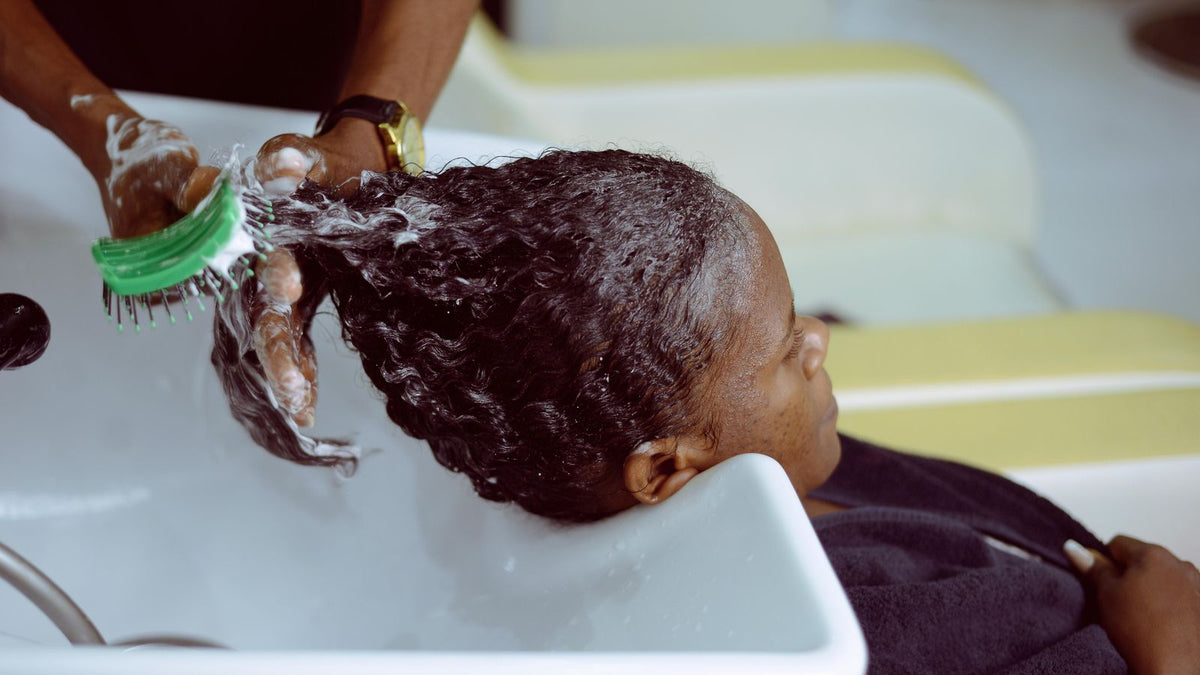
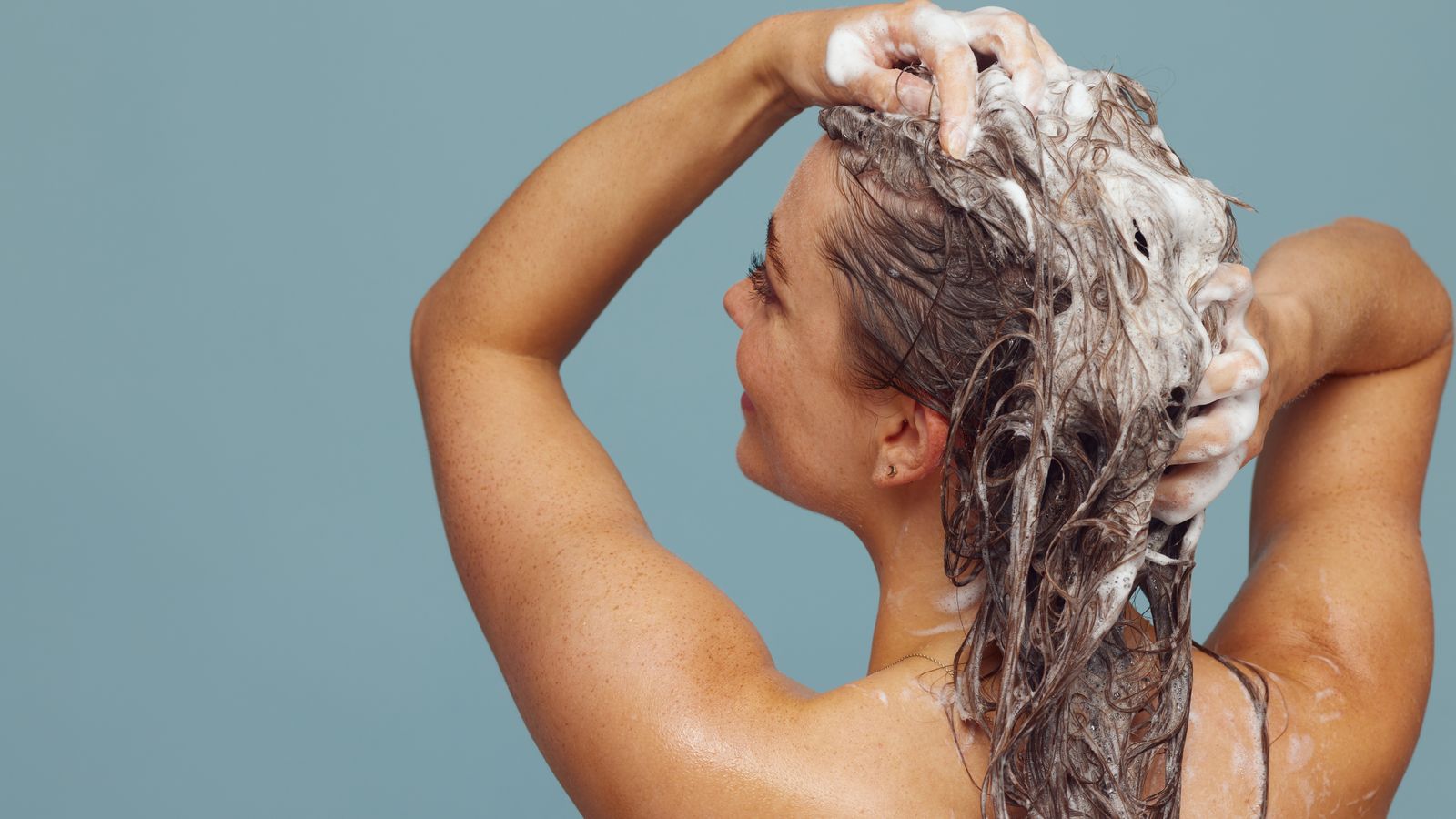
Technique matters more than frequency. Shampoo belongs on the scalp, worked with the pads of the fingers rather than the nails, and the lengths get cleaned adequately by the rinse. Conditioner belongs on the lengths and ends. Scrubbing hard with fingernails does not clean better, it just abrades the skin. Where the pattern is already established, our guide to what FUE hair transplant surgery involves sets out the NHS recovery timeline and the checks worth making.
Get a discount on your next order
Join the Watermans mailing list and we will email a discount code straight to your inbox. Vegan, made in the UK, over 6.5 million bottles sold since 2012.

Do scalp massage, exfoliation or cold rinses help?
Each of these has a fair answer that sits between the marketing and the cynicism.
Scalp massage feels good, encourages you to spend longer washing properly, and is a low-cost habit with no real downside as long as you use finger pads rather than nails. Evidence that it changes hair density is limited and comes from small studies, so treating it as a pleasant part of the routine rather than an intervention is the honest position.
Physical or chemical scalp exfoliation can genuinely help someone with visible flaking or heavy residue, used occasionally. Used aggressively or weekly on a normal scalp it tends to cause the irritation it was meant to solve.
Cold water rinses feel pleasant and may leave the cuticle looking smoother, which reads as shine. They do not affect follicles or hormones.
None of these is a route to how to remove DHT from scalp skin, and none needs to be. They are scalp comfort measures, and comfort is a legitimate goal.
What should a sensible scalp routine actually do?
Three things, none of them dramatic, all of them within your control today, and none of them requiring you to solve how to remove DHT from scalp skin first.
First, keep the scalp clean and comfortable, because itch, flaking and soreness are miserable and often fixable. Second, reduce mechanical damage to the hair you already have, because a hair that snaps at mid-length contributes nothing to visible density even when the follicle is working perfectly well. Third, be consistent, because everything in hair moves on the timescale of months. If a supplement is on your list, our saw palmetto guide explains how to read a UK label and who should avoid it.
That third point is where most routines fail, and it is worth being honest that consistency, not the specific bottle, is doing most of the work.
Watermans products are 100% cosmetic and do not treat medical hair loss. Individual results may vary.

Grow Me® Shampoo
A sulfate-free daily cleanse with biotin, caffeine and rosemary. It does the job a shampoo can honestly do: lifts sebum and residue, keeps the scalp comfortable, and reduces breakage so hair holds its length. Vegan and made in the UK.
Shop Grow Me Shampoo
Grow More® Elixir
A leave-on scalp serum for the nights between washes, aimed at lower-density areas. Cosmetic support for scalp condition and the look of fullness, not a hormonal claim.
Shop Grow More ElixirWhen should a scalp problem go to a GP?
Cosmetic care is the wrong tool for several scalp conditions, and delaying can cost you. See a GP if you have any of the following.
- Persistent itch, burning or soreness that does not settle with gentler washing.
- Thick scaling, weeping, crusting or spreading redness.
- Round patches of loss with smooth skin, or patches with broken-off stubble.
- Scalp skin that looks shiny and smooth with no visible follicle openings, which can indicate a scarring process where time genuinely matters.
- Any scalp or hair problem in a child.
- Sudden heavy shedding, or hair change alongside fatigue, weight change or irregular periods.
The NHS hair loss and dandruff pages listed in the sources are a reasonable first read, and your GP can refer on to a dermatologist where that is warranted. If your question is about products or a routine rather than a medical one, you can talk to Gail Waterman, our co-founder, as an AI avatar on the Watermans homepage.
Frequently Asked Questions
Is there any shampoo that can remove DHT from scalp skin?
No. The question of how to remove DHT from scalp skin assumes there is a deposit to lift, and there is not. A rinse-off cosmetic cleans the surface, while the hormone acts inside the follicle, so a shampoo cannot reach it, and a product claiming otherwise is making a claim it cannot support.
Does apple cider vinegar or a clarifying rinse help?
They can cut through product residue, which some people find leaves the scalp feeling fresher. They do not affect hormones, and used too often an acidic rinse can leave the scalp and lengths dry.
Will washing my hair less often reduce hair fall?
Usually not. Washing less simply means the hairs already released by the follicle accumulate and come out together at the next wash, which looks alarming but is the same total. Shedding you see in the shower is mostly hair that had already finished its cycle.
Does sebum contain DHT?
Androgens influence how much sebum the glands produce, which is why oiliness and hormones get linked in people's minds. Washing sebum away does not change the hormone signalling happening inside the follicle underneath.
Are natural ingredients better for this?
Natural and synthetic both describe origin, not effectiveness or safety. Judge a scalp product by whether it leaves your scalp comfortable and your hair in good condition, not by that label.
Should I use a scalp brush?
A soft silicone scalp brush can help distribute lather and is gentler than fingernails. Stiff bristles used firmly can scratch the skin, so keep the pressure light.
Does hard water make the scalp worse?
Hard water leaves mineral deposits that can make hair feel rough and lather harder to build. A chelating or clarifying wash occasionally helps. It is a hair feel and scalp comfort issue rather than a hair loss one.
How long until a better scalp routine shows a difference?
Comfort changes such as less itch or flaking often show within two to three washes. Anything involving the growth cycle takes months, because that is simply the pace hair works at.
What is the bottom line on how to remove dht from scalp?
The search for how to remove DHT from scalp skin is built on a picture that does not match the biology: the hormone is made inside the body and acts inside the follicle, so there is nothing on the surface for a shampoo to lift away. What washing does remove, sebum, flakes, sweat and product residue, is worth removing, and a clean, comfortable scalp is a reasonable goal in its own right. Use a gentle cleanse at whatever frequency suits your hair, work it in with finger pads, condition the lengths, and handle hair kindly to limit breakage. If the scalp is sore, scaling, patchy or getting worse, that is a GP visit rather than another bottle. If you want to understand where the hormone comes from before asking how to remove it, how 5-alpha reductase regulates DHT covers the enzyme side of the question.
Most routines fall over because they are complicated, so start with our sulphate free hair growth shampoo and nothing else. Made in the UK, with over 6.5 million bottles sold since 2012.
Sources & References
- Biochemistry, Dihydrotestosterone, StatPearls, NCBI Bookshelf, for where dihydrotestosterone is produced and how it acts.
- Androgenetic Alopecia, StatPearls, NCBI Bookshelf, for follicle miniaturisation as the mechanism of pattern loss.
- NHS, Dandruff, for flaking and itch, and when it needs more than a shampoo.
- NHS, Hair loss, for when hair or scalp change warrants seeing a GP.