Keratin Hair Treatment: Types, Safety and How to Make It Last
A keratin hair treatment is a salon smoothing service that coats the hair with a keratin-rich formula and seals it with a flat iron, leaving hair smoother, shinier and much less frizzy for several weeks or months. It is one of the most searched hair services in the UK, and for good reason, but formulas vary a lot. This guide explains what happens in the chair, the types on offer, the safety questions to ask, and how to make the result last. Salons increasingly sell a middle option instead, and we explain what a hybrid hair treatment actually is and how to choose one.
Our weekly hair mask
Masque Me® Hair Mask, £24.95. A deep conditioning weekly mask for dry, stressed lengths, adding gloss and hydration where heat and colour have taken their toll.
A keratin hair treatment is a semi-permanent smoothing service: a stylist applies a protein and resin formula to clean hair, dries it, then seals it in with a hot flat iron so the cuticle lies flatter. The result is less frizz, more shine and faster blow-drying that fades gradually over weeks to months. Ask what the formula contains, because some release formaldehyde when heated, and protect the result with gentle, sulfate-free aftercare.
Key takeaways
- Keratin smoothing flattens the cuticle for less frizz and more shine; it does not change the hair your scalp grows next.
- The US Food and Drug Administration warns that some smoothing products release formaldehyde gas when heated, which can irritate the eyes, nose and lungs.
- Results fade gradually over weeks to months, depending on the formula, your hair type and how you wash it.
- Aftercare decides how long it lasts: sulfate-free shampoo, conditioner, lower heat and fewer washes.
- The American Academy of Dermatology lists frequent chemical and heat styling among the habits that damage hair.
What is a keratin hair treatment?
A keratin hair treatment is a cosmetic salon service that uses a keratin-based formula and flat-iron heat to smooth the outer layer of the hair, the cuticle, so hair looks sleeker and resists frizz. Keratin is the main structural protein that hair is made of, which is where the name comes from.
Heat styling, colour, sun and everyday brushing gradually roughen the cuticle, and a raised cuticle catches moisture from the air and scatters light, which is what frizz and dullness look like. A keratin service lays a coating over that surface and uses heat to set it. It is a styling service, not a medical one, and it only affects the lengths that are already there. Our explainer on keratin supplements covers the separate question of keratin you eat.

What happens during keratin smoothing?
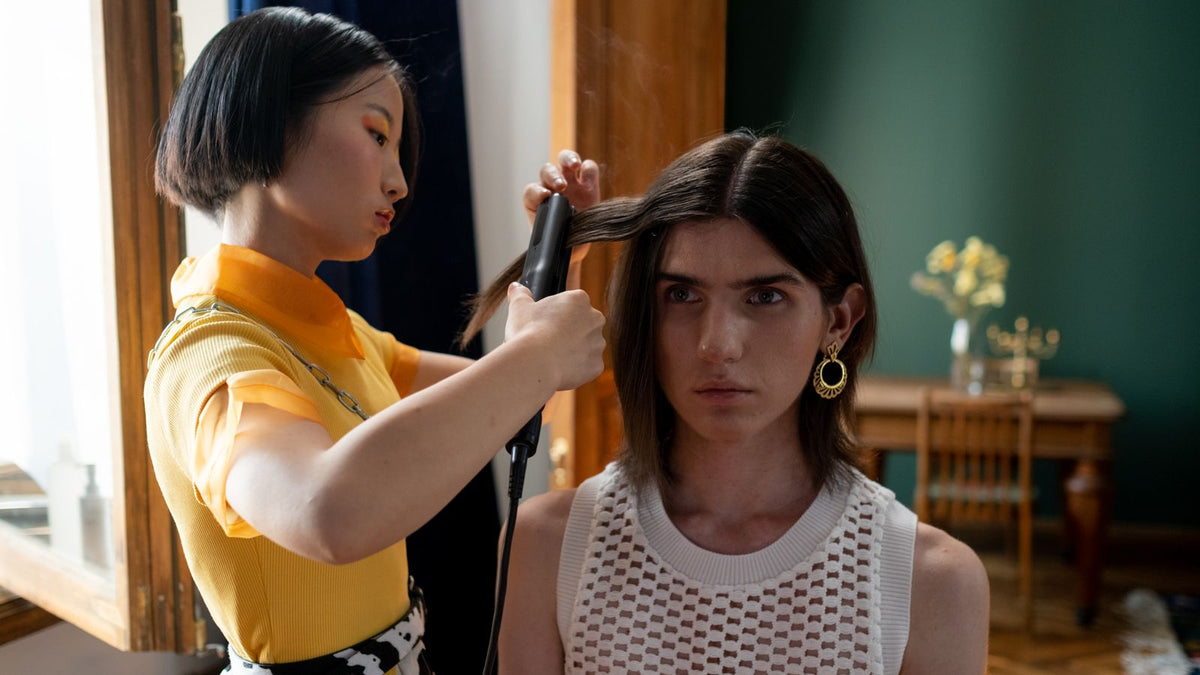
During keratin smoothing, the stylist washes your hair with a clarifying shampoo, applies the smoothing formula section by section, blow-dries it, and then passes a hot flat iron over thin sections to seal it. The whole appointment usually takes two to four hours, depending on the length and thickness of your hair.
The clarifying wash strips oil and product so the formula can grip. The flat iron step is where most of the smoothing happens, and it is also where fumes can be released if the product contains formaldehyde or related ingredients. A good salon works in a well-ventilated space and will tell you exactly which product it uses. Some formulas need you to leave hair unwashed and untied for a couple of days afterwards; others let you wash the same day, so follow your stylist's instructions.

What types of keratin smoothing are there?
The main types of keratin smoothing are a Brazilian blow-dry style smoothing service, lighter express or keratin-infused smoothing treatments, and formaldehyde-free systems that use other smoothing agents. Salon menus use these names loosely, so always ask what product is used and what it contains.
| Type | What it gives | Typical trade-off |
|---|---|---|
| Brazilian-style smoothing | Strong frizz control, sleeker finish | Often the strongest heat and fumes; ask about ingredients |
| Express or lighter smoothing | Softer frizz control, keeps more movement | Fades sooner |
| Formaldehyde-free systems | Smoothing without formaldehyde-releasing ingredients | Results can be subtler on very curly hair |
| Keratin-infused home products | Softer, shinier feel between salon visits | No semi-permanent smoothing effect |
Permanent straightening systems, such as Japanese thermal straightening, are a different service that breaks and resets the hair's internal bonds. They are more permanent and carry more risk of breakage if done badly, so do not confuse the two when you book.
Is a keratin hair treatment safe?
A keratin hair treatment can be done safely, but the main safety question is formaldehyde. The US Food and Drug Administration warns that some hair smoothing products release formaldehyde gas when heated with a flat iron, and that it can cause eye, nose and throat irritation, coughing, headaches and skin reactions in both clients and stylists.
The FDA also notes that labels do not always say formaldehyde. Related ingredients to ask about include methylene glycol and formalin. The more often and the longer you are exposed, the higher the potential risk. So ask the salon for the product name and safety information, choose a well-ventilated salon, and avoid repeated services close together. If you are pregnant, have asthma or a sensitive scalp, speak to your GP or pharmacist before booking. Our guide to fda-approved hair growth products is the place to go next on that.
Questions to ask before you book
Which product do you use? Does it contain formaldehyde, formalin or methylene glycol? How is the salon ventilated? How soon can I wash and tie my hair? Can I have a strand or patch test first?
Get a discount on the frizzy hair range
Join the Watermans mailing list and we will email a discount code straight to your inbox, so you can try the frizzy hair range for less. Made in the UK, over 6.5 million bottles sold since 2012.
Does keratin smoothing damage your hair?
Keratin smoothing does not usually damage hair when it is done well and not repeated too often, but the high flat-iron heat and strong formulas can weaken already fragile hair and cause breakage. The American Academy of Dermatology lists frequent heat styling and chemical treatments among the habits that damage hair.
Hair that is heavily bleached, very fine or already snapping is most at risk. Tell your stylist about recent colour or bleach, and ask for a strand test if you are unsure. Our guide to keratin treatments on thin hair goes into the specific risks for fine and thinning hair. Spacing services out and using a weekly mask in between gives the hair time to recover.

Masque Me® Hair Mask £24.95
An 8-in-1 deep conditioning mask with lupine protein, provitamin B5 and argan oil. Use it weekly to keep smoothed or colour-treated lengths soft and strong, or as a gentler home alternative to a salon service.
How long does keratin smoothing last?
Keratin smoothing usually lasts from several weeks to a few months, depending on the type of formula, your hair texture and, above all, how you wash and style it afterwards. The smoothing effect fades gradually with each wash rather than stopping all at once, so hair eases back to its natural texture.
Stronger Brazilian-style services tend to last longer than express smoothing treatments. Frequent washing, sulfate shampoos, chlorinated pools and salt water all shorten the result. Because new growth at the root is untouched, you will also notice the contrast between smooth lengths and natural roots as the weeks pass.
| Habit | Effect on how long it lasts |
|---|---|
| Sulfate-free shampoo | Helps it last longer |
| Washing two or three times a week | Helps it last longer |
| Swimming in chlorine or the sea | Shortens it; wear a cap and rinse straight after |
| Daily hot tools | Shortens it and stresses the hair |
| Conditioner every wash | Keeps lengths soft as the coating fades |
How should you care for hair after keratin smoothing?
You should care for hair after keratin smoothing by following your stylist's first-days instructions, then switching to a sulfate-free shampoo, conditioning every time, washing less often, and keeping heat low. Gentle aftercare is the single biggest factor in how long the smoothness lasts.
Use a wide-tooth comb on wet hair, blot rather than rub with a towel, and tie hair loosely with a soft band. When you do style with heat, the smoother cuticle means you can often use a lower temperature, and a heat protection spray helps. Our guide to stopping hair breakage at home has more gentle-handling habits.

Protect Me® Heat Protection Spray £13.95
A leave-in heat protection spray, rated up to 230°C, with niacinamide, panthenol and sunflower oil. Mist through before blow-drying or straightening to help smoothed hair stay glossy and frizz-free.

Condition Me® Hair Growth Conditioner £13.95
A breakage-defence conditioner with cholesterol, shea butter and lupine protein. Use it every wash to keep lengths soft and detangled as the smoothing gradually fades.
Is keratin smoothing right for curly hair?
Keratin smoothing can suit curly hair if your goal is less frizz and easier styling, but it will loosen your curl pattern while it lasts, so it is not the right choice if you love your natural curls. Many curly-haired people prefer a lighter smoothing service that tames frizz while keeping more movement.
Talk to your stylist about the finish you want: sleek and straight, or softer curls with less frizz. For tight curls and coils, relaxers and permanent straighteners are a very different and harsher category; our honest guide to relaxing hair safely explains the difference.

Is it breakage, shedding or hair loss after keratin smoothing?
Breakage, shedding and hair loss after keratin smoothing are easy to confuse, but they mean different things. Hair breakage is the fibre snapping part way along, leaving short pieces with no root; it is the most common problem after heat and chemical services and is about damage to the lengths.
Hair shedding is whole hairs falling out root and all, which the NHS says is normal at 50 to 100 hairs a day; heavy shedding usually has a trigger such as illness or stress a few months earlier, not a salon visit. Hair loss in the medical sense means follicles producing less hair over time. A smoothing service works on the lengths and cannot change either shedding or medical hair loss. If you notice patches or heavy shedding, see a GP.
When should you see a GP after a salon smoothing service?
You should see a GP after a salon smoothing service if you have a burning, blistered or weeping scalp, breathing problems, a rash that spreads, or eye irritation that does not settle. The FDA lists eye problems, headaches, breathing symptoms and skin reactions among the reactions reported with formaldehyde-releasing smoothing products.
For severe breathing difficulty, call 999. Also see a GP if you notice patchy hair loss or heavy shedding. Watermans does not offer medical advice or consultations, and nothing on this page replaces advice from your GP or pharmacist. If your question is about products or a routine rather than a medical one, you can talk to Gail Waterman, our co-founder, as an AI avatar on the Watermans homepage.
What are the frequently asked questions about keratin smoothing?
What does a keratin hair treatment do?
A keratin hair treatment smooths the cuticle with a keratin-based formula and flat-iron heat, giving less frizz, more shine and quicker blow-drying for several weeks or months.
How long does keratin smoothing last?
Usually several weeks to a few months, depending on the formula, your hair type and your aftercare. Sulfate-free shampoo and fewer washes help it last.
Is keratin smoothing bad for your hair?
Not usually when done well and spaced out, but high heat and strong formulas can cause breakage on fragile or bleached hair. Ask for a strand test.
Do keratin smoothing products contain formaldehyde?
Some do, or release it when heated. The FDA warns that labels do not always say so; ask the salon about formaldehyde, formalin and methylene glycol.
Can I wash my hair after keratin smoothing?
It depends on the product. Some need you to wait a couple of days; others allow washing the same day. Follow your stylist's instructions.
Can you do keratin smoothing at home?
Home kits and keratin-infused products exist, but the flat-iron sealing step is hard to do safely yourself. A weekly mask is a gentler home option.
Will keratin smoothing make my hair grow?
No. It works on the lengths you already have and does not change how your scalp grows hair.
What is the bottom line on keratin hair treatment?
The bottom line on keratin hair treatment is that it is an effective cosmetic smoothing service for frizz, but ask what the formula contains, choose a well-ventilated salon, space services out, and protect the result with sulfate-free, low-heat aftercare. It styles the hair you have; it does not change how your hair grows.
Between salon visits, a weekly deep conditioning hair mask keeps smoothed lengths soft and strong.
Sources & references
- US Food and Drug Administration, Hair smoothing products that release formaldehyde when heated, checked 18 September 2026.
- American Academy of Dermatology, 10 hair care habits that can damage your hair, checked 18 September 2026.
- American Academy of Dermatology, Tips for healthy hair, checked 18 September 2026.
- NHS, Hair loss, checked 18 September 2026.
Watermans products are 100% cosmetic and do not treat medical hair loss. Individual results may vary.