Oral Estrogen and Hair: What the Route Really Changes
If you are asking what oral estrogen means for your hair, the honest answer is that the route matters less than most of the internet suggests. A tablet and a patch deliver the same hormone; where they differ is how the body absorbs it, and the NHS records real route differences in clot risk rather than in hair. What changes hair is the hormone level itself, and that takes months to show.
Our menopause hair care kit
Menopause Hair Care Kit, £69.99. A complete hair, skin and wellbeing routine put together for the hair changes that arrive around the menopause.
Oral estrogen is oestrogen taken by mouth as a daily tablet, the commonest form of hormone replacement therapy in the UK. Written the British way it is oral oestrogen, and the two spellings mean the same thing. For hair, the route is far less important than the hormone change: scalp hair usually takes three to six months to show any difference, and the evidence on oestrogen and hair is genuinely unsettled rather than clear-cut.
Key takeaways
- The tablet form means oestrogen taken daily by mouth. Patches, gels and sprays deliver the same hormone through the skin instead.
- The NHS states the clot risk is higher with tablets than with patches, gel or spray, though the overall risk stays small. That is the real route difference, not hair.
- Any hair change runs on the hair cycle, so expect three to six months before anything is visible, and twelve before you judge it.
- The science on oestrogen and hair is contradictory, and honest sources say so. Be wary of anyone who sounds certain.
- Hair loss, hair shedding and hair breakage are three different problems and only one of them is hormonal.
- Watermans is cosmetic hair care. Every question about the hormone itself belongs with your GP.
What is oral estrogen, and why two spellings?
It is oestrogen taken by mouth, normally as a tablet once a day, and it is one of the commonest forms of hormone replacement therapy in the UK. The word is spelled estrogen in American English and oestrogen in British English, so a UK search returns NHS pages under the second spelling while most of the internet uses the first. Same hormone, same medicine, different dictionary.
The NHS describes tablets as one of the most common forms of hormone replacement therapy, usually taken once a day, and notes that both oestrogen-only and combined versions are available in tablet form. Whether a tablet is the right route for any individual is a conversation for a GP, not a website, and it depends on medical history rather than on hair.
How does oral estrogen differ from patches, gels and sprays?
Tablets are swallowed and absorbed through the gut, while patches, gels and sprays are absorbed through the skin, and that difference in route produces differences the NHS records plainly. Its guidance states that some of the risks of hormone replacement therapy, such as blood clots, are higher with tablets than with patches, gel or spray, while adding that the overall risk is still small. Patches, gel and spray are each described as not increasing clot risk.
The practical trade-offs are mundane rather than dramatic. A tablet once a day is the simplest thing to remember. A patch is changed every few days and can lift or irritate the skin, especially over moisturiser. Gel takes five minutes or more to dry. The spray goes on the inner arm or thigh, and although you can dress two minutes later, the NHS advises waiting an hour before a bath or shower. None of those facts is about hair.
| Route | How often | What the NHS notes about clot risk | Everyday snag |
|---|---|---|---|
| Tablet, taken by mouth | Once a day | Higher than patches, gel or spray, though overall risk is still small | Nothing, if you remember it |
| Skin patch | Changed every few days | Does not increase clot risk | May not stick well over moisturised skin |
| Gel | Once a day, smoothed on | Does not increase clot risk | Takes 5 minutes or more to dry |
| Spray | 1 to 3 sprays once a day | Does not increase clot risk | Wait 1 hour before a bath or shower |
| Vaginal oestrogen | As directed | A local rather than whole-body option | Addresses local symptoms, not systemic ones |

Route is a medical decision, not a hair decision
If you have read that switching from a tablet to a patch will change your hair, there is no good evidence for that claim and this page will not make it. Route is chosen on your medical history, your other medicines and what you can realistically stick to. Raise it with your GP and let hair be a secondary consideration.
What does the evidence actually say about oestrogen and hair?
The evidence is genuinely mixed, and the most reliable sources say so rather than picking a side. DermNet, writing on female pattern hair loss, states that the role of oestrogen is uncertain: pattern hair loss is more common after the menopause, which suggests oestrogens may stimulate hair growth, but laboratory experiments have also suggested oestrogens may suppress it. Two respectable lines of evidence pointing in opposite directions is the current state of knowledge.
DermNet adds two related points worth holding onto. The majority of women with female pattern hair loss have normal levels of androgens in their bloodstream, and it is not clear whether androgens play a role in the female pattern at all, which is why the term female pattern hair loss is now preferred to female androgenetic alopecia. So the tidy story where one hormone rises, another falls and hair follows predictably is not what the dermatology literature describes.
What that means for you is practical. A hormone change may coincide with a hair change without being the whole explanation, and genetics, iron status, thyroid function and ordinary ageing are all in the same frame. Our guide to what hormone replacement therapy can and cannot change for hair covers that in more depth, and the page on scalp oestrogen receptors covers the receptor biology.
Get a discount on the menopausal hair changes range
Join the Watermans mailing list and we will email a discount code straight to your inbox, so you can try the menopausal hair changes range for less. Made in the UK, over 6.5 million bottles sold since 2012.
How long before oral estrogen shows any effect on hair?
Expect three to six months before anything is visible and twelve months before the picture is fair, because hair grows slowly and a hair already in the scalp keeps the character it had when it started. DermNet puts the growing phase at up to six years in scalp hair and the resting phase at one to four months, with hair growing at roughly one centimetre a month. Those numbers, not the start date on a packet, set the pace.
There is also a short-term complication that catches people out. Any significant change to the body can push a block of growing hairs into their resting phase, and DermNet notes increased hair fall is then noticed two to four months later, tapering back to normal over six to nine months. So a burst of shedding a few months into any new routine is common, usually temporary, and easily mistaken for the hormone making things worse.

| Time from starting | What is happening to hair | What you can reasonably judge |
|---|---|---|
| Months 0 to 2 | Hairs already growing carry on unchanged. | Nothing. Any change now is not the hormone. |
| Months 2 to 4 | The window when a body-wide change can trigger a diffuse shed. | More hair in the brush. Usually temporary. |
| Months 3 to 6 | New hairs entering growth do so in the changed hormone environment. | The first genuine differences, if there are any. |
| Months 6 to 9 | Any shed tapers back to a normal daily rate. | Texture and density beginning to settle. |
| Months 9 to 12 | Enough of the cycle has turned over for a fair look. | A real assessment. Same-light photographs beat memory. |
Is it hair loss, hair shedding or hair breakage?
Three problems get the same name and need different responses. Hair loss means follicles producing progressively finer hairs or stopping, which is the pattern DermNet describes affecting around 40 per cent of women by age 50. Hair shedding means whole hairs leaving early because the cycle was disturbed, which is the two-to-four-month pattern above. Hair breakage means the fibre snapping along its length, which is mechanical and has nothing to do with hormones.
The test is at the root. A shed hair has a small pale club-shaped bulb; a broken hair has no bulb and both ends look cut or frayed. DermNet also notes it is normal to lose up to 50 to 100 hairs a day, so a handful in the shower is not evidence of anything. A parting that has widened steadily over a year is a different matter and worth a GP appointment. The Ludwig scale is the standard way that pattern is graded.
What can cosmetic hair care do while your hormones change?
Cosmetic products work on the hair fibre and the scalp surface, so they can reduce breakage, keep the scalp comfortable and make fine hair look fuller. What they cannot do is alter a hormone level, change what a follicle produces or shorten the hair cycle. Anyone claiming otherwise about a shampoo is making a medicines claim about a cosmetic, which is exactly what UK advertising rules exist to stop.
During the months when hair feels finer than you are used to, the wins are mechanical. Comb wet hair with a wide-tooth comb rather than brushing it, because wet hair stretches further before it snaps. Turn the dryer down and cut the number of hot-tool passes. Use heat protection every time. Those three habits keep more length attached than any bottle, and length is what coverage is made of. Our page on thinning hair after the menopause sets out what realistically changes. If your HRT comes through the skin instead, what to expect for hair on HRT patches covers the practical side of that route.


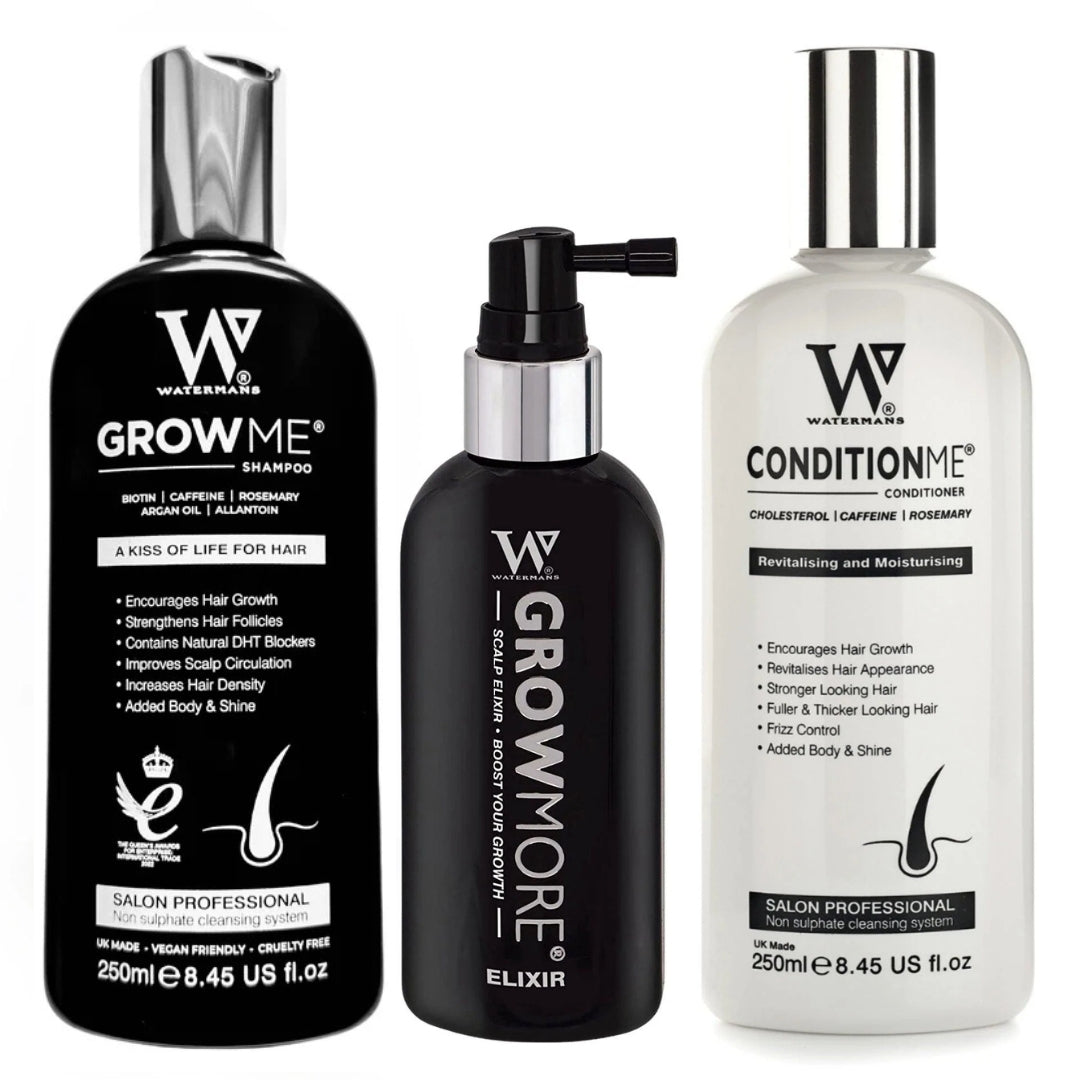
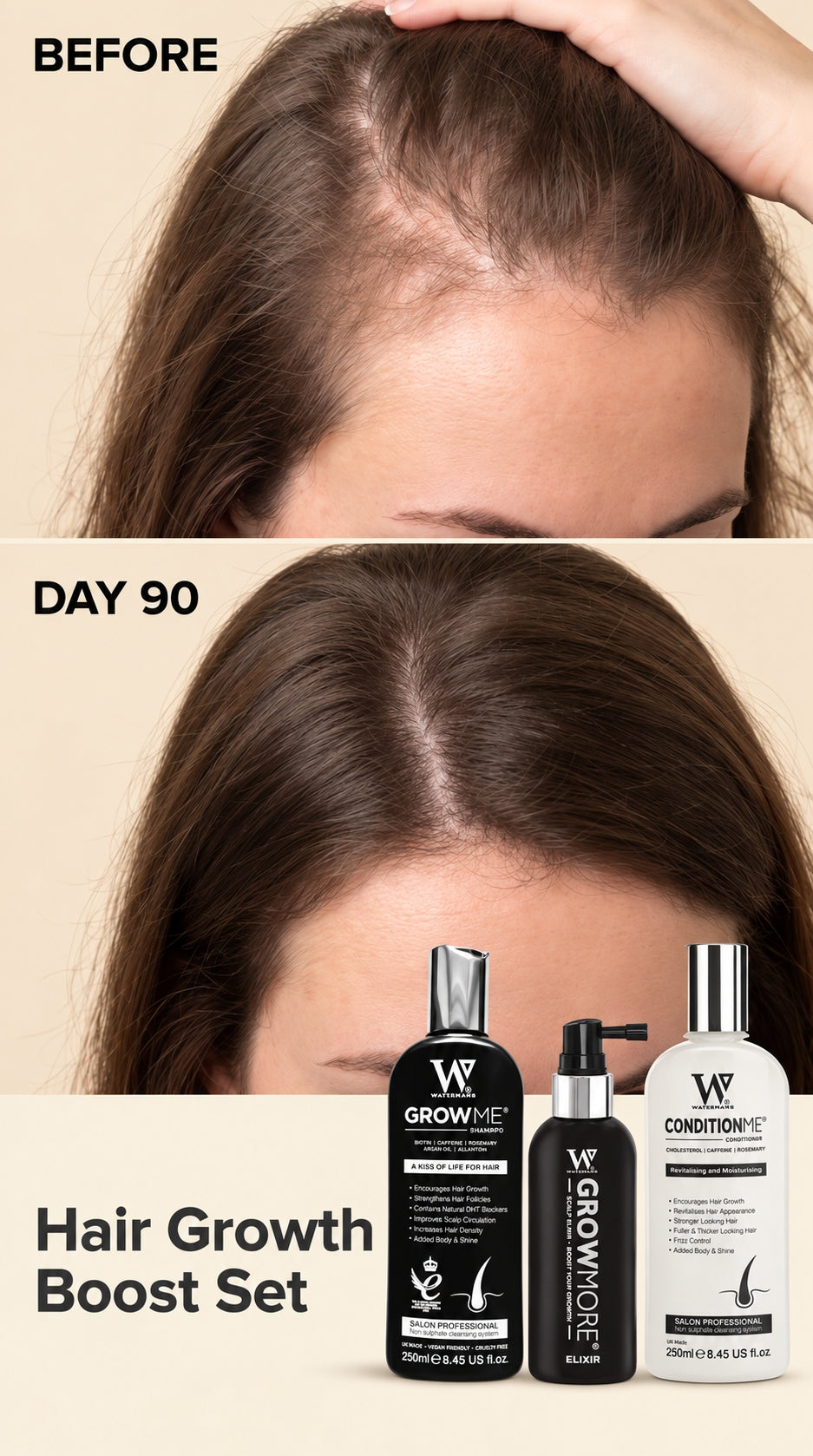
Menopause Relief Hair Care Kit £69.99
A cosmetic routine built for midlife hair, for the months when hair feels finer and drier than it used to. It supports condition and appearance; it does nothing to your hormones.

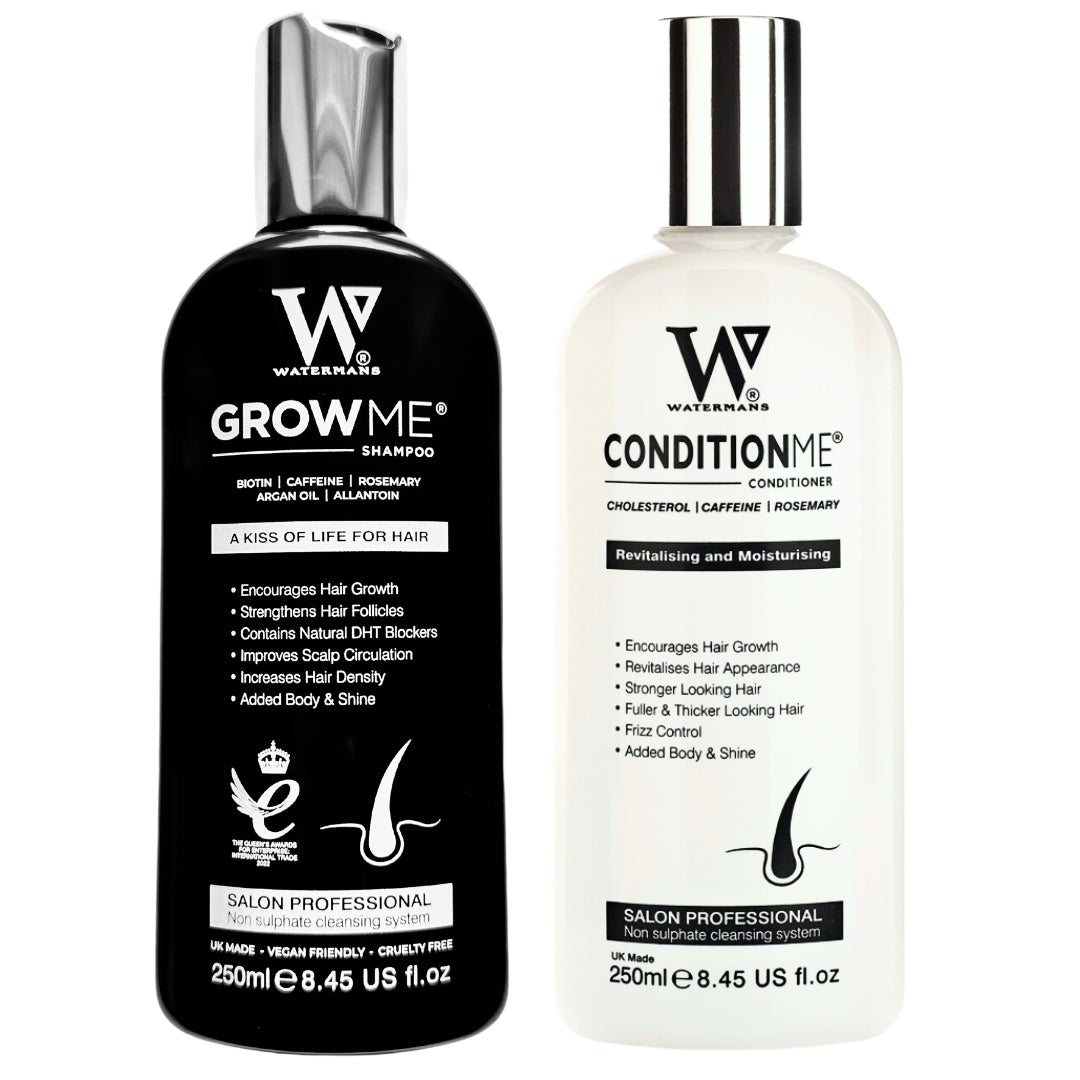
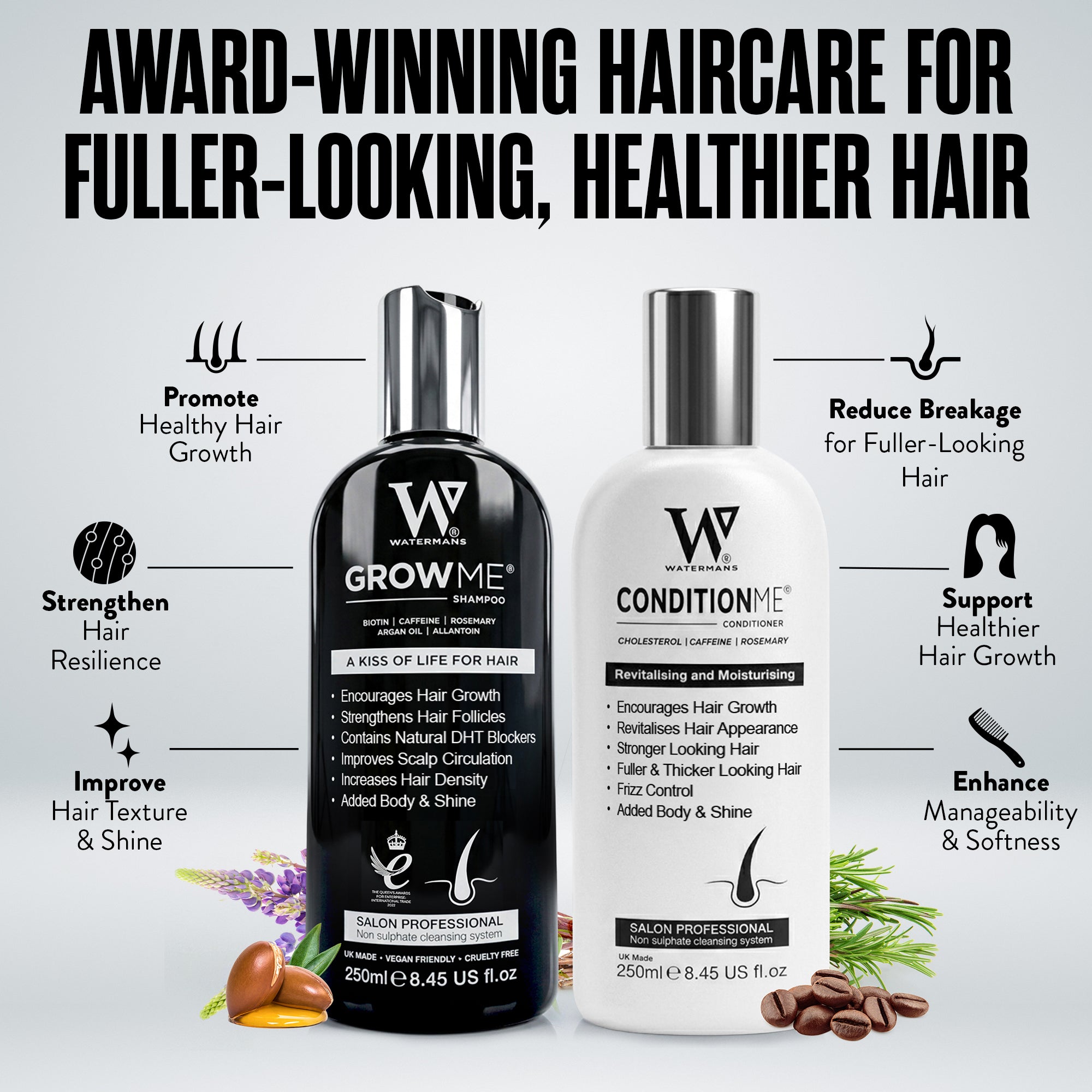
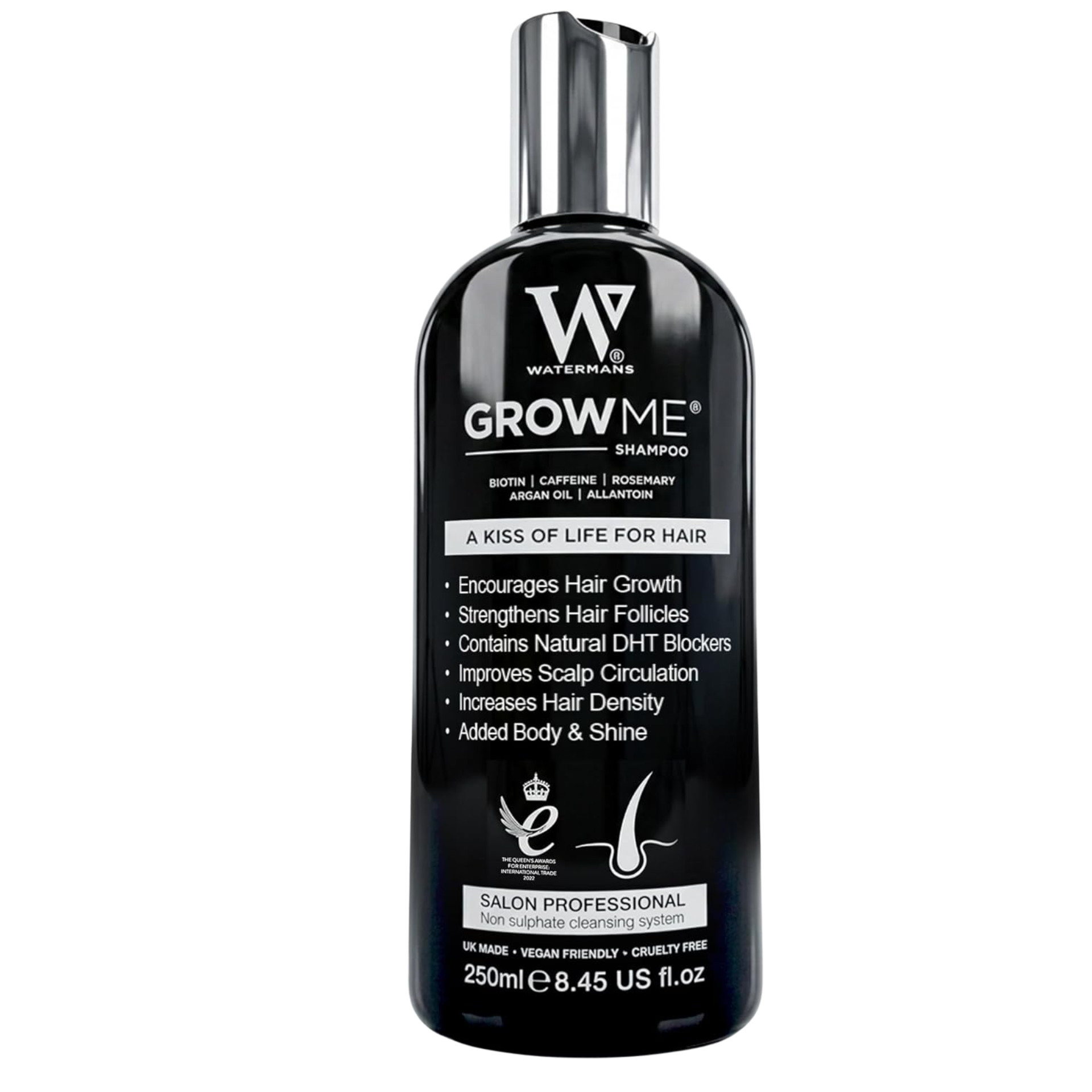
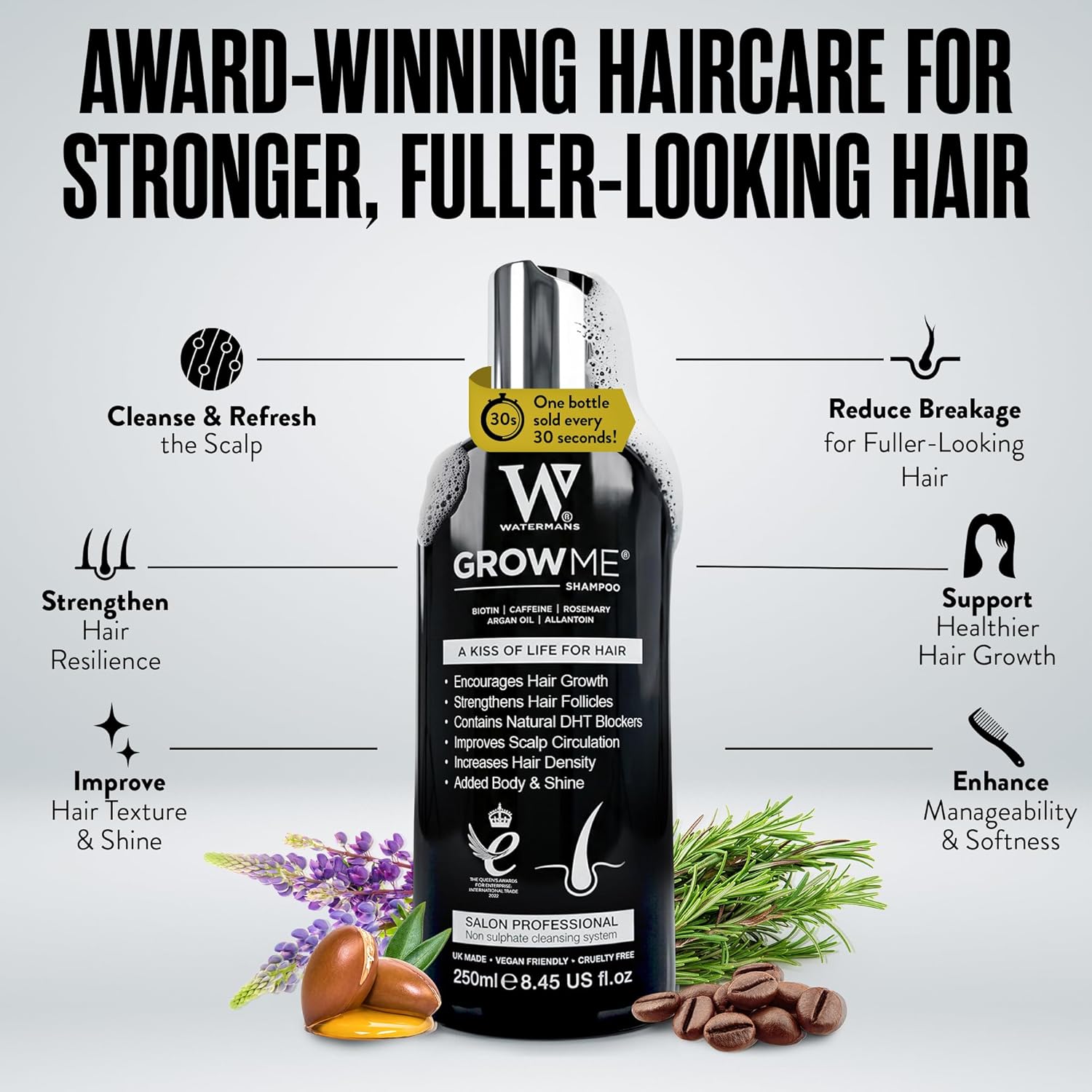
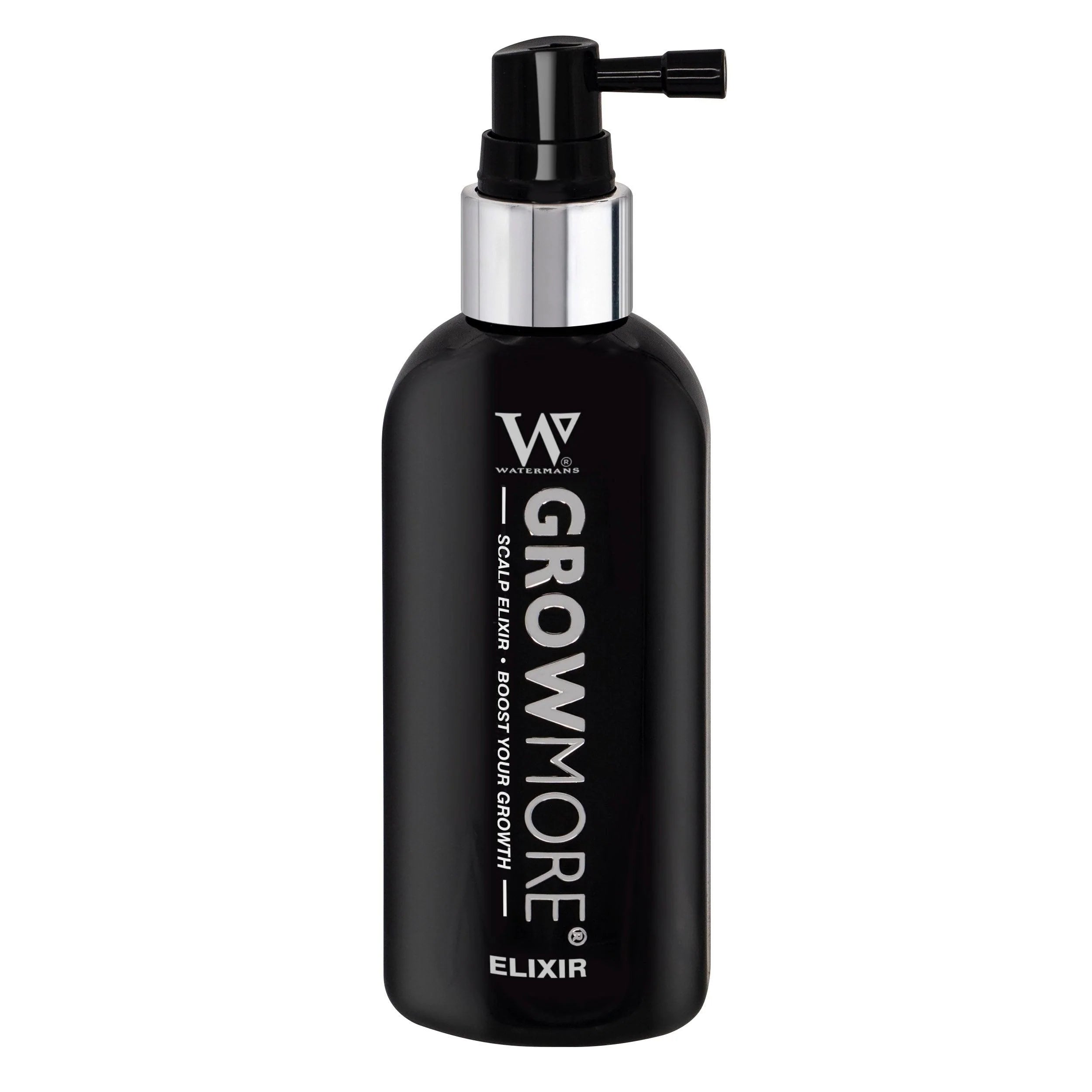
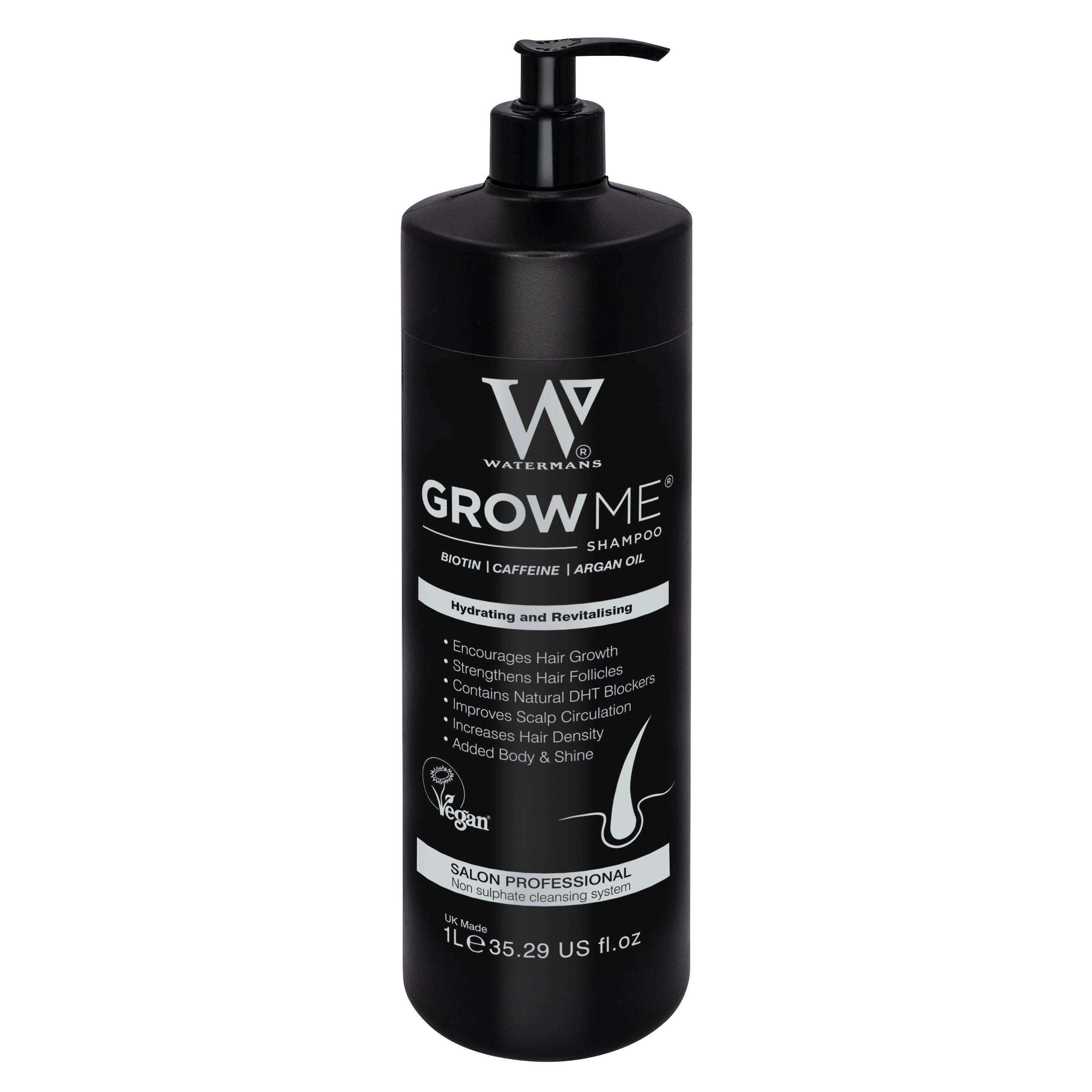
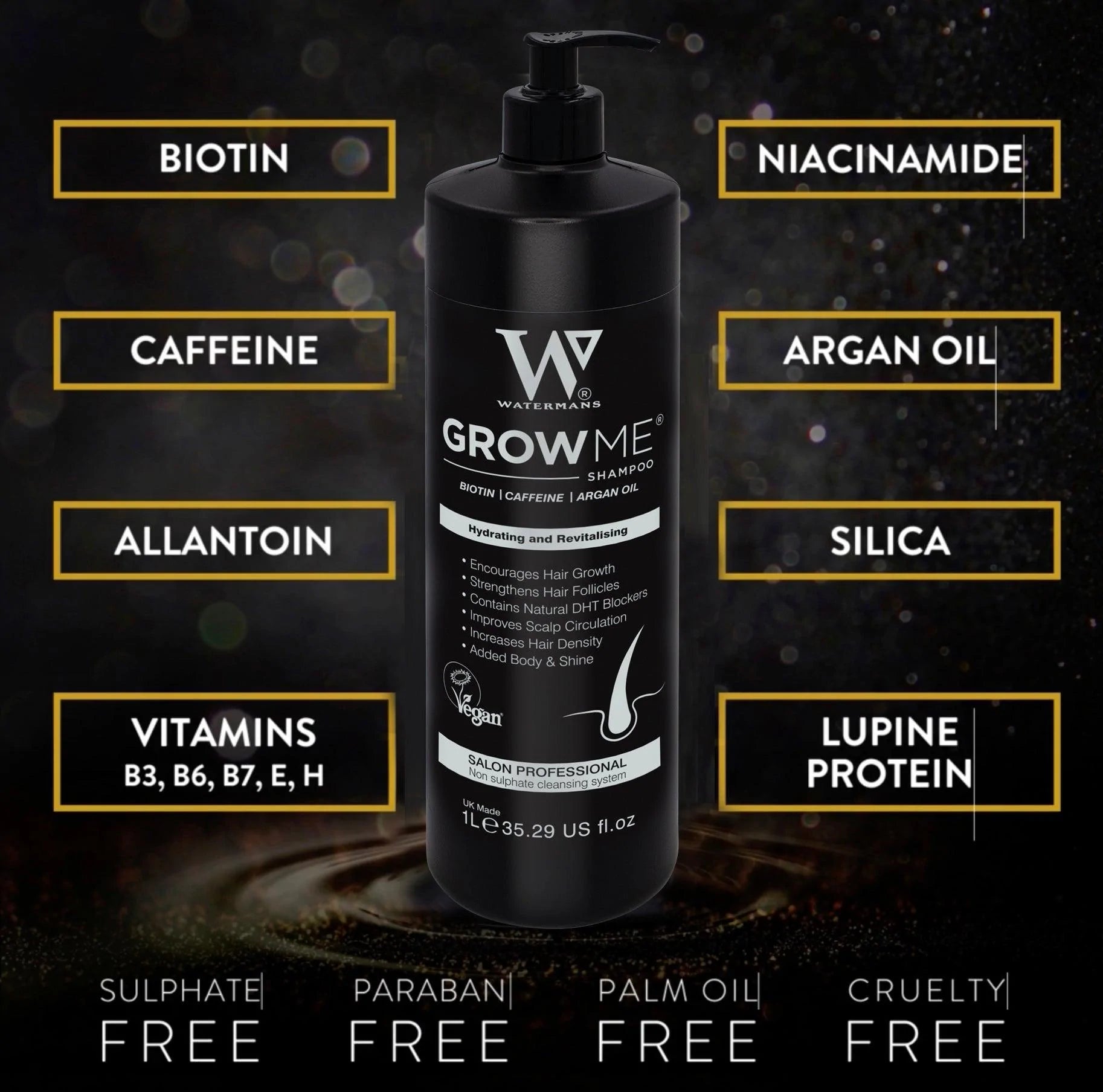
Grow Me® Hair Growth Shampoo £14.95
A gentle daily shampoo that helps fine hair look thicker and supports a healthy scalp environment. Cosmetic support only.

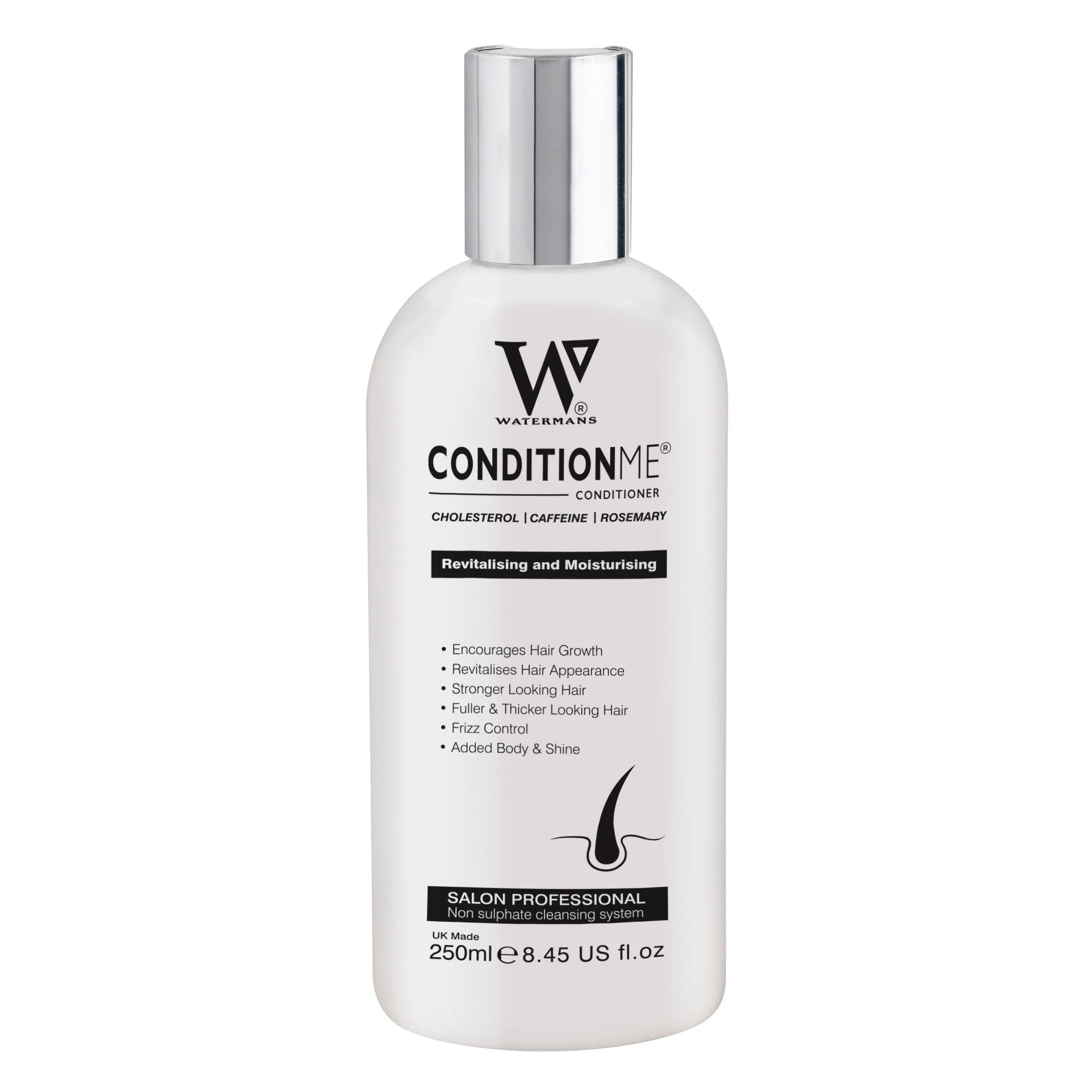
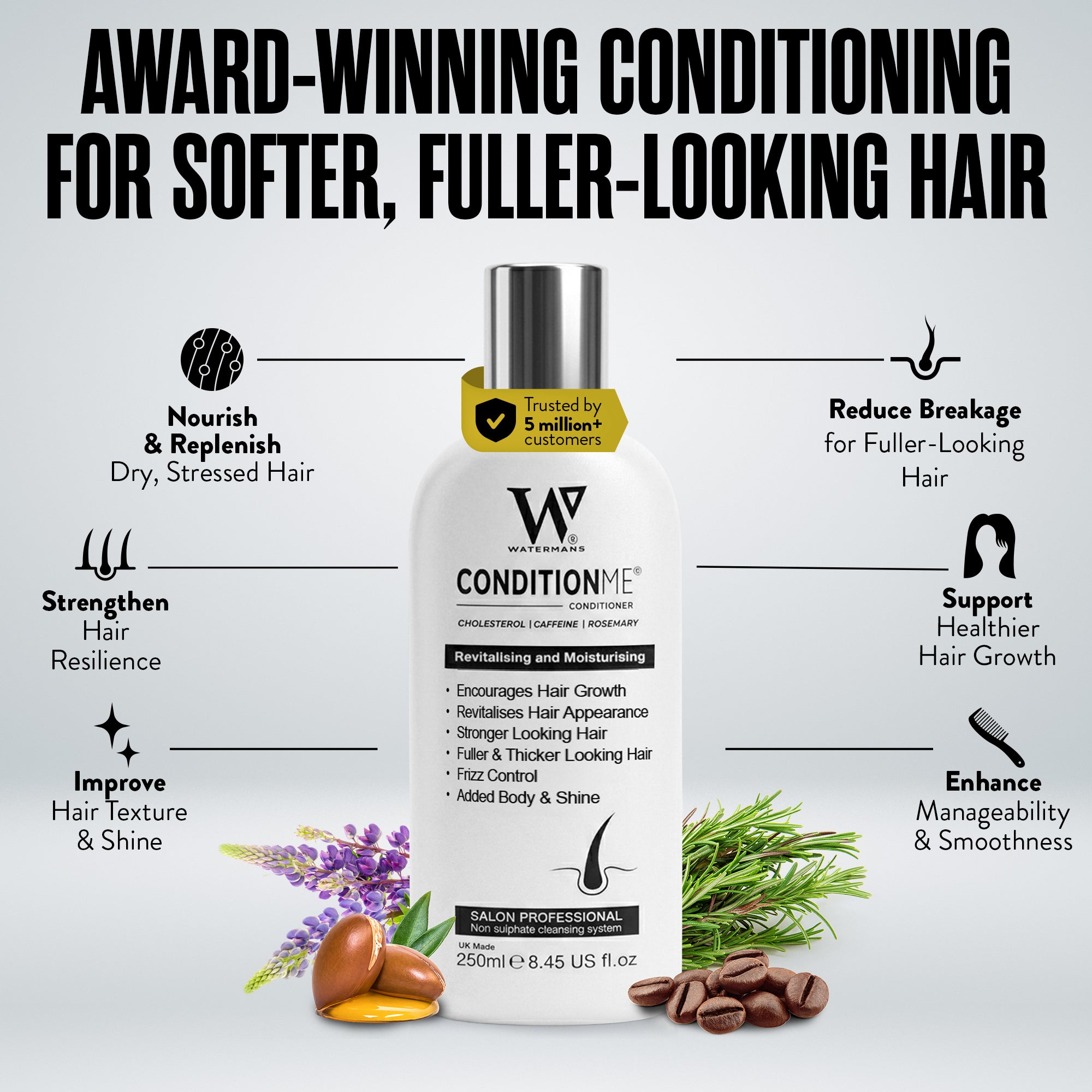
Condition Me® Hair Growth Conditioner £13.95
Conditioner on the mid-lengths and ends every wash. Reducing breakage protects the length you already have, which is the fastest visible win.
What are the frequently asked questions about oral estrogen?
Is estrogen the same as oestrogen?
Yes. Estrogen is the American spelling and oestrogen the British one. UK sources including the NHS use oestrogen, so searching that spelling returns more relevant UK information.
Will oestrogen tablets make my hair thicker?
There is no reliable evidence that it will, and honest sources are cautious. DermNet states the role of oestrogen in female pattern hair loss is uncertain, with evidence pointing both ways. Any hair change would take three to six months to appear.
Do patches affect hair differently from tablets?
There is no good evidence that they do. The documented route differences are about absorption and clot risk, where the NHS notes tablets carry a higher clot risk than patches, gel or spray, with the overall risk still small.
Why did my hair start shedding a few months after I started?
Any significant change to the body can push growing hairs into the resting phase, with the shed appearing two to four months later. DermNet notes it usually tapers back to normal over six to nine months.
How long do people usually stay on hormone replacement therapy?
The NHS says you will usually need it for two to five years, although it can be longer in some cases. How long is a decision for you and your GP, based on your symptoms and history.
Can a shampoo change what the hormone is doing?
No. Shampoo works on the hair fibre and the scalp surface. It cannot alter a hormone level or change what a follicle produces, and any product claiming to do so is making a claim it cannot support.
Should I stop my tablets because of my hair?
Never change or stop a medicine you have been given because of something you read online, including this page. Raise the hair change with the GP who looks after your hormone care and decide together.
Is hair thinning at midlife always hormonal?
No. DermNet reports around 40 per cent of women show signs of hair loss by age 50, and genetics, iron status and thyroid function all sit alongside hormones. A blood test through your GP is how those get separated.
What is the bottom line on oral estrogen?
The bottom line on oral estrogen is that the route question and the hair question are largely separate. Tablets differ from patches, gels and sprays in absorption and, per the NHS, in clot risk, and that is a medical decision for your GP. On hair, the dermatology literature is openly uncertain about what oestrogen does, so nobody should be promising you a result either way.
Give any hair change three to six months before you read anything into it, twelve before you judge it, and take photographs in the same light so you are comparing evidence rather than memory. In the meantime the useful work is mechanical: less heat, gentler combing, conditioner every wash. That protects the hair you have while the slower questions resolve.
If you want one thing to start with for midlife hair that feels finer than it used to, a hair growth shampoo used two or three times a week cleanses gently and helps fine hair look fuller. It is cosmetic support for condition and appearance while your hair cycle and your GP handle the rest. If your question is about products or a routine rather than a medical one, you can talk to Gail Waterman, our co-founder, as an AI avatar on the Watermans homepage. Anything about the hormone itself, including whether to change route, is a GP conversation. There is more on mens hair growth products in a separate guide.
Sources & references
- NHS, Types of hormone replacement therapy (HRT), checked 17 September 2026.
- NHS, Hormone replacement therapy (HRT), checked 17 September 2026.
- DermNet, Female pattern hair loss, checked 17 September 2026.
- DermNet, Telogen effluvium, checked 17 September 2026.
- DermNet, Hair loss (hair cycle phases), checked 17 September 2026.
- NICE guideline NG23, Menopause: identification and management, checked 17 September 2026.
Watermans products are 100% cosmetic and do not treat medical hair loss. Individual results may vary.