Topical Hair Thinning Products: An Honest Guide
Topical hair thinning products are anything you apply directly to the scalp rather than swallow, from cosmetic serums and shampoos to options a GP can arrange. They matter because the scalp is where the follicle is, and because format decides contact time. This guide sets out what each category honestly does, how to read an ingredient claim, and what to expect in the first ninety days.
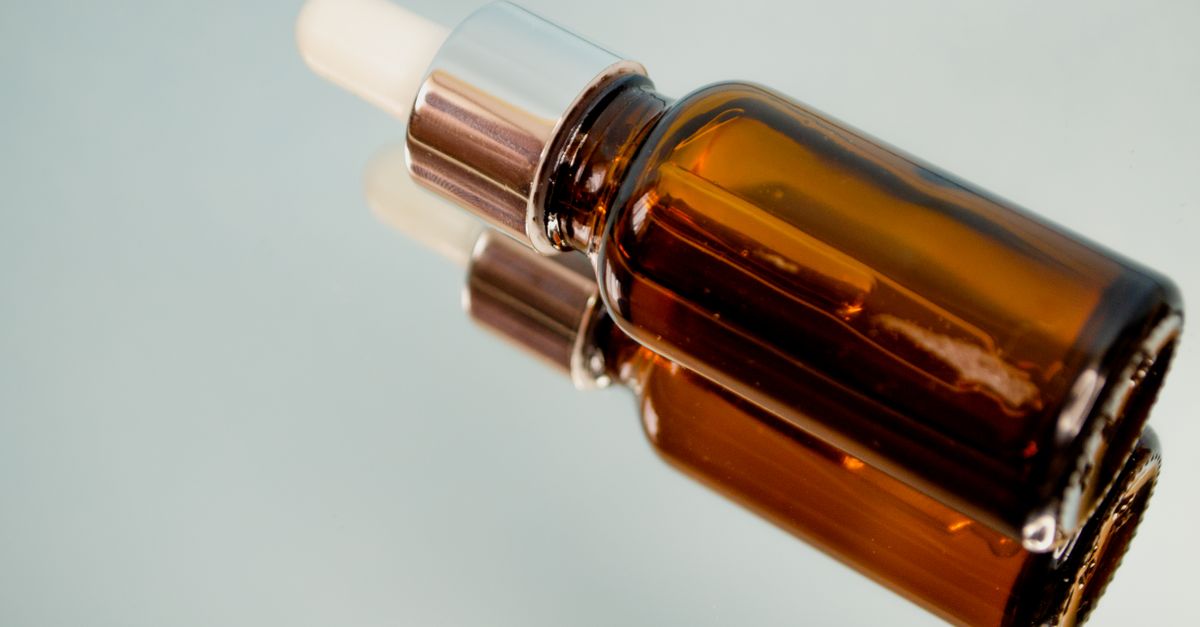
Our overnight scalp elixir
Grow More® Overnight Scalp Elixir, £25.50. A leave in scalp serum worked into the roots at night, supporting a healthy scalp environment while you sleep.
Key takeaways
- Format beats marketing. A leave on product sits on the scalp for hours, a rinse off product for two minutes, and no ingredient overcomes that difference.
- Cosmetic topicals work on the scalp environment and on breakage. They do not act on hormones and cannot change what a follicle inherited.
- Anything that acts on the hormonal side of thinning is a medicine, and a GP is the right route for that conversation.
- Ninety days is the minimum honest trial. The hair cycle sets that timescale, not the brand.
- Work out whether you are dealing with hair loss, shedding or breakage before you buy anything, because the three need different answers.
What are topical hair thinning products, and what can they actually do?
Topical hair thinning products fall into three honest groups. Cosmetic rinse off products, meaning shampoos and conditioners, clean the scalp and improve how the fibre handles. Cosmetic leave on products, meaning serums, elixirs and lotions, stay on the scalp and are the format where a cosmetic active has any real contact time. Then there are medicines applied to the scalp, which are regulated as medicines, are not sold as cosmetics, and are a conversation for a GP or pharmacist rather than for a hair brand.
That third group is where most confusion lives, because the packaging can look similar on a shelf or a search results page. The simplest test: if a product claims to act on a hormone, a receptor or a follicle's growth cycle, it is making a medicinal claim. Cosmetic products are not permitted to make that claim, and the honest ones do not try.
What cosmetic topicals genuinely deliver is a comfortable scalp, less residue, better slip so hair survives washing and detangling, and less mechanical damage over a year. On a head that is thinning, keeping the hair you already have is worth more than most people credit, because visible density is a function of how many hairs survive to a decent length.

Leave on or rinse off: which format matters more?
Format matters more than almost any ingredient on the label. A shampoo is on your scalp for roughly two minutes and is then deliberately washed away, which is the point of a cleanser. A leave on serum stays for hours, often overnight. If an ingredient needs time and contact to do anything at all, the format decides whether it gets either.
This is why a sensible routine uses both and asks different things of each. The shampoo's job is to clean without stripping and to leave the scalp comfortable. The serum's job is contact time on the areas where density is lower. Buying two products that do the same job is the most common waste of money in this category.
Application note. Leave on products belong on the scalp, not on the lengths. Part the hair in rows, apply to the skin, and massage briefly. Hair fibre is dead protein and cannot absorb a scalp active, so anything you spend on the lengths is wasted.
Is it hair loss, hair shedding or hair breakage?
These three look similar in the plughole and need completely different answers. Hair loss means follicles miniaturising, producing finer and shorter hair each cycle, which is the patterned, gradual kind. Hair shedding means an unusual volume of hair releasing at once because the growth cycle was disrupted, typically two to four months after illness, surgery, childbirth, sharp weight loss or a period of high stress. Hair breakage means the fibre snapping partway along, so the follicle is healthy and the hair is not.
| Problem | What you notice | Do topical hair thinning products help? |
|---|---|---|
| Hair loss | A widening parting, receding corners, hair on top finer than the sides | Cosmetic ones support the scalp and reduce breakage. The pattern itself is a GP conversation. |
| Hair shedding | Sudden even fall across the whole head, months after an event | Not the fix. Ask a GP for ferritin, thyroid and vitamin D checks. It is usually self limiting. |
| Hair breakage | Short snapped pieces, frizz halo, hair that will not pass a certain length | Yes, genuinely. This is exactly what conditioning and slip are for. |
Most people arrive convinced they have the first one and turn out to have some of the third as well. If you want a structured way to tell them apart, our three clue self check takes about five minutes. If your question is about products or a routine rather than a medical one, you can talk to Gail Waterman, our co-founder, as an AI avatar on the Watermans homepage.
Which ingredients have real cosmetic evidence, and which are marketing?
Ingredient claims in this category run from reasonable to absurd, and the honest position is that most cosmetic actives have modest evidence, usually from small studies, often funded by someone with an interest. That does not make them useless. It makes the size of the claim the thing to watch.
| Ingredient | What it is fairly claimed to do | Strength of evidence |
|---|---|---|
| Caffeine | Scalp stimulation, commonly used in leave on formats | Small studies, mostly laboratory or short duration |
| Rosemary extract | Scalp comfort, traditional use, pleasant in formulation | A few small trials, widely over interpreted online |
| Niacinamide | Supports the skin barrier of the scalp | Reasonable skin science, less specific to hair |
| Hydrolysed proteins | Temporary reinforcement of the fibre, less breakage | Well established for the fibre, nothing to do with follicles |
| Conditioning agents and oils | Slip, detangling, reduced mechanical damage | Strong and boring, which is why nobody markets it hard |
The pattern is worth internalising. The ingredients with the strongest evidence make the least exciting claims, and the ingredients with the most exciting claims have the thinnest evidence. Our piece on how to read a cosmetic active's claims works through one example in detail.
Get a discount on your next order
Join the Watermans mailing list and we will email a discount code straight to your inbox. Vegan, made in the UK, over 6.5 million bottles sold since 2012.
Where do prescription options fit in?
Some scalp applied options are medicines, licensed and regulated as such, and a GP or a pharmacist is the right place to ask about them. We are a cosmetics company, so we are not the people to advise on that, and any hair brand that tries to be should make you suspicious rather than confident.
What is worth saying plainly is that any option acting on the hormonal side of pattern thinning generally works only while it continues, and stopping tends to return the scalp to where it would have been. That is not a reason to avoid it. It is a reason to go in with the full picture, which we cover in what happens when you stop.
Cosmetic and medical routes are not rivals. Plenty of people use a medicine arranged by their GP and a cosmetic routine alongside it, because the two do different jobs: one addresses the pattern, the other keeps the hair that survives in good condition.

What do we make, and how do we describe it?
Ours are cosmetic, and we describe them the way the rules and honesty both require. They are built around caffeine, rosemary, niacinamide, biotin and hydrolysed lupine protein alongside conditioning agents chosen for breakage reduction. We are not going to tell you that combination acts on hormones or wakes a dormant follicle, because it does not.

Grow More Elixir
The leave on option, applied to the scalp overnight rather than through the lengths. If you are only going to use one topical, contact time is the argument for making it this one.

Grow Me Shampoo
Sulfate free cleanse for the two minute half of the routine. Judge it on scalp comfort and how your hair handles afterwards, which is what a cleanser can genuinely be judged on.
Over 6.5 million bottles sold since 2012, vegan and made in the UK. If a different brand's formulation suits your scalp better, use it. A product you actually enjoy using for twelve weeks beats a better one abandoned in week three.
How should you run a fair ninety day trial?
Change one thing at a time. If you start a serum, a shampoo, a supplement and a new brush in the same week, you will learn nothing about any of them. Add the leave on product first, because it is the one with contact time, and leave the rest of your routine alone for the first month.
Photograph before you start: hairline, crown from above, parting, same light, same phone, no filters. Repeat monthly. Memory is unreliable and hair changes slowly enough that only photographs settle it.
Expect nothing dramatic in the first six weeks, because the hair cycle does not move at that speed. What can improve sooner is how the scalp feels and how the hair handles, and those are legitimate reasons to continue. If at twelve weeks nothing has improved on any measure, stop buying it. That is a normal outcome with cosmetics and no brand should make you feel otherwise. For the full routine in order, see our practical scalp routine for thinning hair. For copper peptides specifically, where copper peptides for thinning hair actually fit puts them in order against everything else.
Frequently asked questions
Do topical hair thinning products work?
It depends entirely on what you are asking them to do. For scalp comfort, less residue and less breakage, cosmetic topicals genuinely work. For changing an inherited, hormone driven pattern, no cosmetic product does that, and any that claims to is making a medicinal claim it is not allowed to make.
How long before I see anything?
Three months minimum for anything visible in the hair itself, because the growth cycle sets the pace. Scalp comfort and manageability can improve within a few weeks.
Should I use a serum, a shampoo, or both?
Both, doing different jobs. The shampoo cleans without stripping and the leave on serum provides contact time on the scalp. Two products doing the same job is the common mistake.
Can I apply a scalp serum to damp hair?
Yes, towel dried is fine and often easier to part. Soaking wet hair dilutes the product and it runs off, so squeeze the excess water out first.
Will a topical product help with shedding after illness or childbirth?
Not directly. That kind of shedding follows a cycle disruption and usually settles on its own over several months. A GP check for ferritin, thyroid function and vitamin D is more useful than any bottle.
Are natural topicals safer than formulated ones?
Not automatically. Essential oils are a common cause of scalp irritation and allergic reaction, and undiluted oils applied to skin cause real problems. Natural is a marketing word, not a safety category.
Does massaging the scalp make a topical work better?
Massage helps you distribute the product evenly and it feels good, which improves the odds you keep doing it. Claims beyond that are not well supported.
My scalp itches after using a new product. Now what?
Stop it and see whether the itch settles. Persistent itching, flaking, soreness or hair coming out in patches is worth a GP visit rather than another product, because those are signs of something a cosmetic routine is not designed for.
What is the bottom line on topical hair thinning products?
Topical hair thinning products divide into cosmetic rinse off, cosmetic leave on, and medicines that belong in a GP conversation. Cosmetic ones earn their place on scalp comfort and on keeping the hair you have from snapping, which is a real benefit honestly described. Work out first whether you are dealing with loss, shedding or breakage, run one fair ninety day trial with photographs, and take the pattern itself to a doctor rather than to a label.
When you are ready to put a routine behind the reading, our sulphate free hair growth shampoo is the first bottle to reach for. Vegan, made in the UK.
Watermans products are 100% cosmetic and do not treat medical hair loss. Individual results may vary.
Sources and References
- NHS, Hair loss: causes, types and when to see a GP. nhs.uk/conditions/hair-loss
- NICE Clinical Knowledge Summaries, Alopecia, androgenetic. cks.nice.org.uk
- British Association of Dermatologists, Male and female pattern hair loss information leaflets. bad.org.uk
- Medicines and Healthcare products Regulatory Agency, Borderlines between medicines and cosmetics. gov.uk
- NHS, Telogen effluvium and hair shedding after illness or childbirth. nhs.uk/conditions/hair-loss