Unlock Your Best Lashes: The Ultimate Guide to Lancer Lash Serum for Length and Volume
If you are researching Lancer Lash Serum, here is the honest answer first. Lancer Lash Serum is a cosmetic eyelash serum from Dr Harold Lancer, a board certified dermatologist, and it is marketed to help lashes look longer, fuller, and better conditioned over several weeks of daily use. Like almost every eyelash serum, it is applied along the upper lash line, it needs patience (most people should expect 4 to 8 weeks of consistent use before judging results), and the results you get depend heavily on the type of active ingredients inside. This guide is a balanced buyer's view: what a lash serum actually does, the ingredient classes to look for, realistic timelines, the safety points that genuinely matter, and how to patch test before you commit.
Key Takeaways
- Lancer Lash Serum is a cosmetic eyelash serum designed to make lashes look longer, denser, and healthier, not a medicine.
- Most lash serums need daily use for 4 to 8 weeks before a real difference shows, because lashes grow on a slow cycle.
- The ingredient class matters most: peptides and conditioning vitamins are gentle, while prostaglandin analogues can drive more visible change but carry more risk.
- Possible side effects of the prostaglandin class include eye irritation, redness, darkening of the eyelid skin, and rarely a change in iris colour with the prescription drug bimatoprost.
- Always patch test, keep any serum or oil out of the eye itself, and see an optometrist or doctor if you have an eye condition or lasting irritation.
- Prescription lash treatments such as Latisse (bimatoprost) require a doctor and a proper consultation.
What is Lancer Lash Serum?
Lancer Lash Serum is a leave-on cosmetic treatment for the lash line, created under the Lancer Skincare brand founded by dermatologist Dr Harold Lancer. Like other eyelash serums, it is a conditioning and cosmetic product rather than a licensed medicine, so it is sold over the counter and framed around the look and feel of your lashes: length, fullness, softness, and shine. You apply a thin line of product where your upper lashes meet the eyelid, usually once a day, and you use it consistently over weeks.
It helps to set expectations early. A cosmetic lash serum works with your natural lash cycle. It can help lashes look their best and reduce the brittleness that makes lashes snap, but honest marketing in this category avoids promising dramatic regrowth. If a product guarantees a specific length increase or a fixed result by a fixed date, treat that as a warning sign rather than a selling point.

What ingredients are in eyelash serums, and what do they do?
Most eyelash serums are built from a handful of ingredient families. Knowing which family a serum leans on tells you far more than the brand name, because it predicts both how it might work and how careful you need to be.
- Peptides: short chains of amino acids often included to support the look of stronger, denser lashes. They are gentle and are a common backbone of the milder serums.
- Biotin: also called vitamin B7, biotin is added as a conditioning agent associated with keratin rich fibres. In a topical lash serum it is a supporting, cosmetic ingredient rather than a proven growth trigger.
- Panthenol: provitamin B5, a humectant that helps lashes hold moisture so they feel softer and look less brittle.
- Conditioning oils and botanical extracts: ingredients such as castor oil derivatives and plant extracts that coat and soften the lash fibre, improving flexibility and shine.
- Prostaglandin analogues: a distinct and more powerful class. Some over the counter serums contain synthetic prostaglandin analogues such as isopropyl cloprostenate, which are chemically related to the prescription drug bimatoprost. These are the ingredients most associated with visible change, and also with the side effects covered further down.
If you only remember one thing from this section, remember that the presence of a prostaglandin analogue is the single biggest factor in both how much a serum might do and how much caution it deserves. Always read the full ingredient list, and if you cannot find one, that itself is worth questioning.
How do the main lash serum ingredient types compare?
Here is a plain comparison of the three broad approaches you will meet when shopping for a lash serum, so you can weigh benefit against caution before you buy.
| Ingredient type | How it is meant to help | Typical timeline | Cautions |
|---|---|---|---|
| Peptides and conditioning vitamins (peptides, biotin, panthenol) | Support the look of fuller, softer, less brittle lashes; reduce breakage so more lashes reach full length. | Gradual, often 6 to 8 weeks or more; subtle results. | Generally gentle; irritation is uncommon. Still patch test. |
| Prostaglandin analogues (for example isopropyl cloprostenate) | Chemically related to prescription bimatoprost; associated with the most visible change in length and density. | Often 4 to 8 weeks to notice; results tend to fade after stopping. | Higher risk of eye irritation, redness, eyelid skin darkening, and rare iris colour change with the prescription form. Approach carefully. |
| Conditioning oils (for example castor oil) | Coat and soften the lash fibre for flexibility and shine; a popular gentle, natural option for the lash line and brows. | Cosmetic and immediate for softness; no growth claim. | Keep well out of the eye; some people find heavy oils irritating. Patch test first. |
There is no single best type for everyone. If you want the gentlest route, a peptide and conditioning serum or a simple oil is sensible. If you are drawn to a prostaglandin analogue serum because you want a more visible change, go in with clear eyes about the trade offs, and read the safety section below before you buy.

How do you use a lash serum for the best results?
Application technique makes a real difference to both results and safety. Whichever serum you choose, the routine is broadly the same.
- Start clean. Remove all eye makeup and any oils, then let the lash line dry fully. Contact lenses should usually come out first; check the product guidance.
- Use a tiny amount. Wipe excess off the applicator. One thin stroke along the upper lash line, close to the roots but not in the eye, is enough. More product does not mean faster results and increases the chance of it running into your eye.
- Once a day, usually at night. Most serums are designed for evening use on a clean, dry lash line so they can sit undisturbed. Follow the specific product's directions.
- Be consistent. Lashes grow slowly and on their own cycle, so a missed week sets you back. Consistency over weeks matters more than any single application.
- Do not apply to the lower lash line unless the product explicitly says to, as this raises the risk of product reaching the eye.
Safety tip: patch test and protect your eyes
Before your first full application, patch test: dab a small amount on the inner forearm, wait 24 hours, and check for redness, itching, or swelling. When you do start on the lash line, keep the product out of the eye itself. If you notice persistent redness, stinging, watering, darkening of the eyelid skin, or any change in vision, stop using it and speak to a professional. If you have any eye condition or ongoing irritation, see an optometrist or doctor before continuing.
How long does Lancer Lash Serum take to work?
Patience is the honest answer. Lashes sit on a growth cycle with a growing phase, a resting phase, and a shedding phase, and only a fraction of your lashes are actively growing at any moment. That biology sets the pace, not the marketing. For most eyelash serums, a realistic window to notice a change is 4 to 8 weeks of daily use, and fuller results can take up to 3 months. Gentle peptide and conditioning formulas tend to sit at the slower, subtler end of that range.
Two more honest points. First, results from lash serums, and especially from the prostaglandin analogue class, usually fade once you stop using the product, because you are supporting an ongoing cycle rather than permanently changing it. Second, if you have seen no change at all after 3 months of consistent, correct use, it is reasonable to conclude that product is not working for you and to stop.
Are lash serums safe, and what about the prostaglandin question?
For most people, gentle peptide, vitamin, and oil based serums are well tolerated, and the most common issue is mild, temporary irritation. The more important safety conversation is about the prostaglandin analogue class, because that is where the documented side effects cluster.
Reported and possible effects associated with prostaglandin analogue lash products include:
- Eye redness, itching, and irritation.
- Darkening of the eyelid skin, which may or may not reverse after stopping.
- Dryness or a gritty feeling in the eye.
- With the prescription drug bimatoprost specifically, a rare but permanent darkening of the iris (the coloured part of the eye), and possible changes to the fat around the eye with long term use.
None of this means every prostaglandin serum will harm you, and many people use them without trouble. It does mean the class deserves respect and a careful read of the label. If you wear contact lenses, have glaucoma, are being treated for any eye condition, or are pregnant or breastfeeding, get professional advice before using any lash serum, and especially one in this class. This article is general information, not medical advice, so for anything beyond a mild reaction, an optometrist or doctor is the right person to ask. If you would prefer to sidestep the class entirely, our guide to a lash serum without prostaglandin walks through the gentler options.
Where do prescription lash treatments like Latisse fit in?
Latisse is the brand name for a prescription formulation of bimatoprost, the same prostaglandin analogue used in some glaucoma eye drops, which was found to lengthen and darken lashes. Because it is a licensed medicine, it needs a doctor's prescription and a proper consultation, and it carries the side effect profile noted above, including the rare iris colour change. It is not something to buy informally or borrow from a friend.
Over the counter serums that use isopropyl cloprostenate and similar ingredients sit in a grey area: cosmetic in how they are sold, yet chemically in the same family as a drug. That is exactly why reading labels and patch testing matters. If you are weighing the prescription route against cosmetic options, our comparison of the best Latisse alternatives and our explainer on how bimatoprost works are useful next reads, and a doctor is the right person to discuss the prescription itself.

Can castor oil help condition your lashes and brows?
Castor oil is one of the oldest, gentlest options people reach for around the lash line and brows. It will not chemically drive lash growth, and anyone who promises that is overselling it. What a good castor oil can do is coat and soften the lash and brow hairs so they look glossier and feel more flexible, and condition the delicate skin of the brow area. Used sparingly and carefully, it is a low cost, natural way to keep brows and the lash line conditioned. The one firm rule is to keep any oil out of the eye itself, because oils sting and blur, so a barely damp clean spoolie is far safer than a loaded brush. For a fuller look at the ingredient, see our guide to rosemary and castor oil, and if you want to blend your own conditioning treatment, our safe DIY lash serum walkthrough is a good starting point.
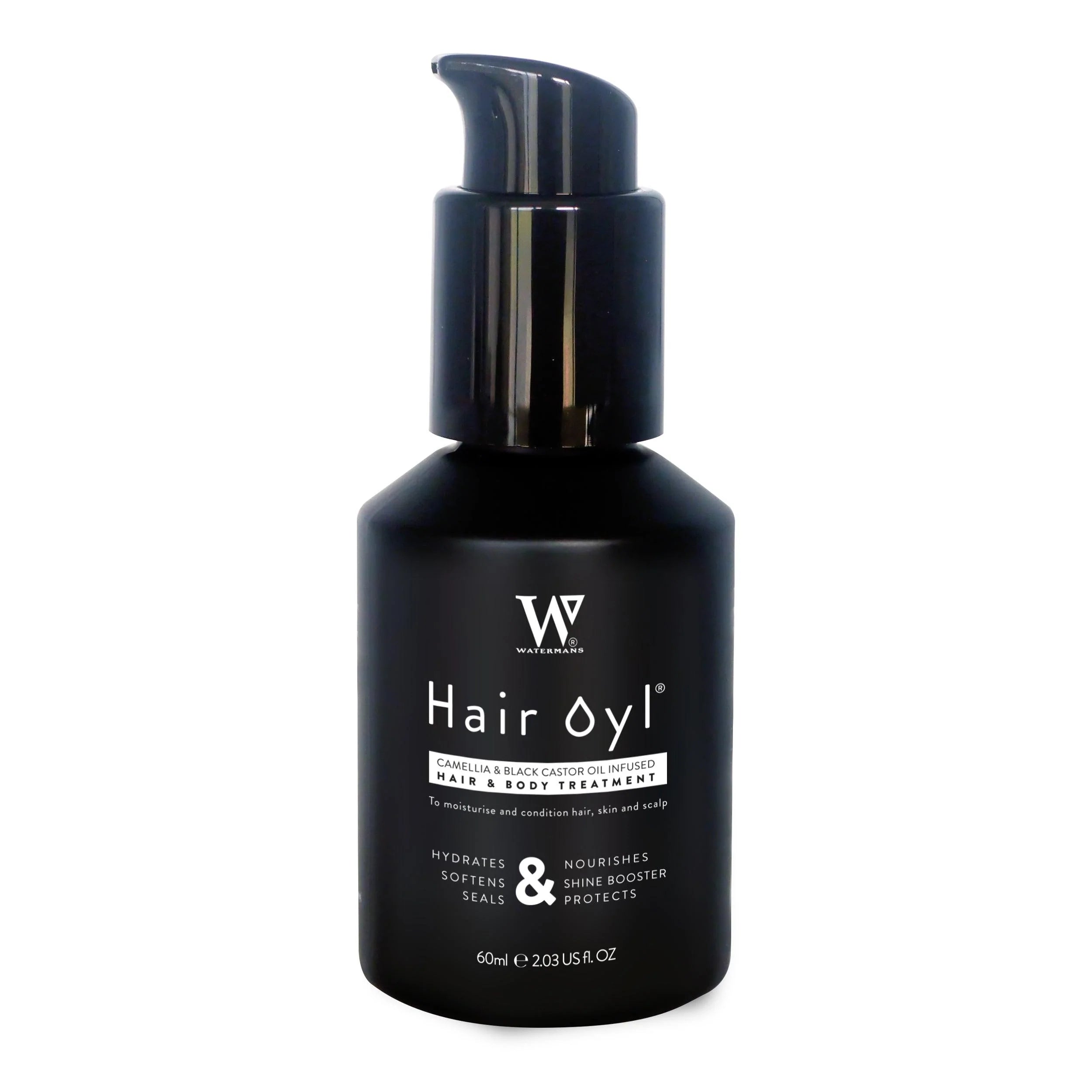
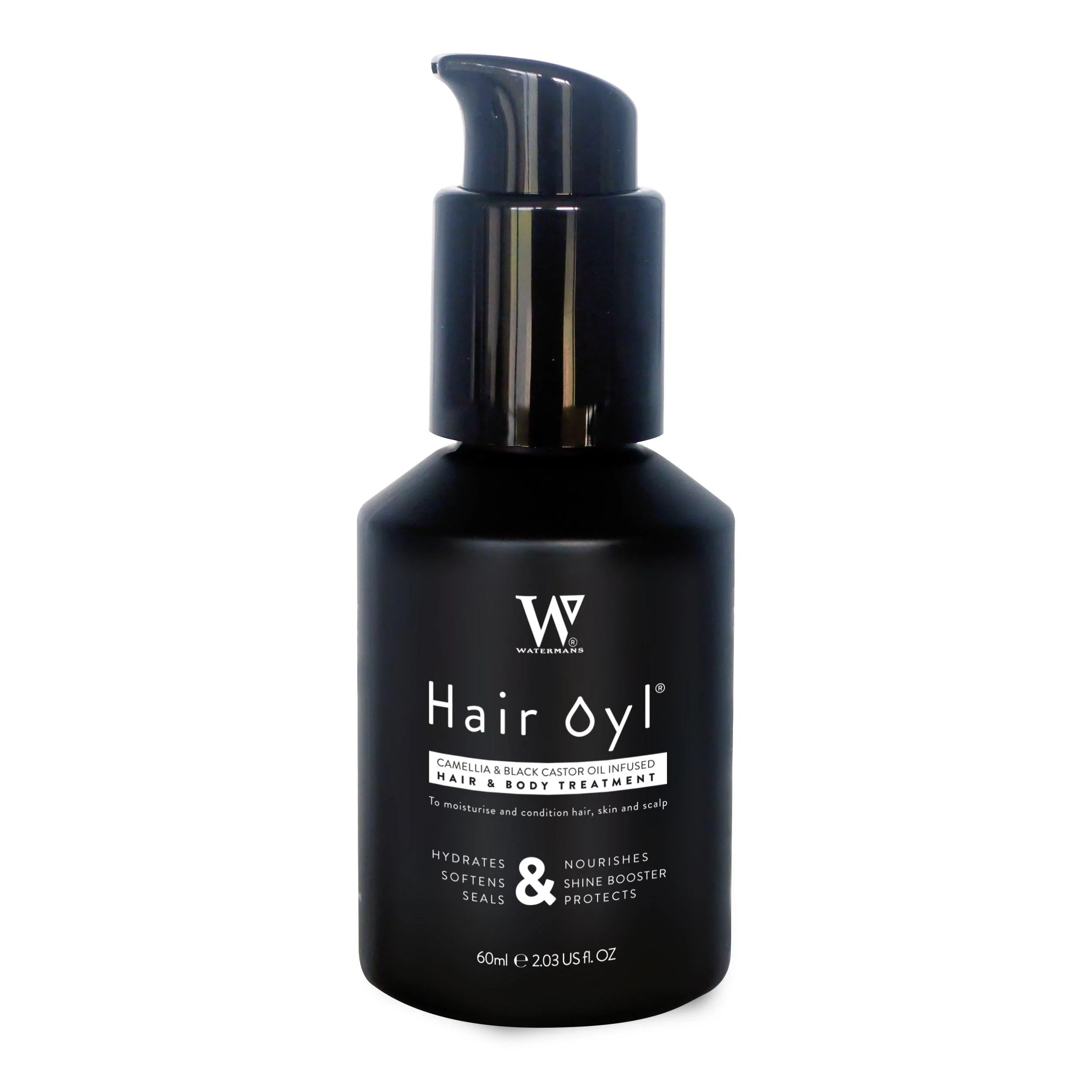
Camellia & Black Castor Hair & Body Oil
A multi use black castor and camellia oil that people love for conditioning brows, the lash line, hair, and skin. It softens and adds shine as a gentle cosmetic conditioner. It is not a lash growth product, and it should always be kept out of the eye itself. Vegan and made in the UK.
Loved by customers as an easy, natural everyday conditioning oil.
Lancer Lash Serum: is it worth trying?
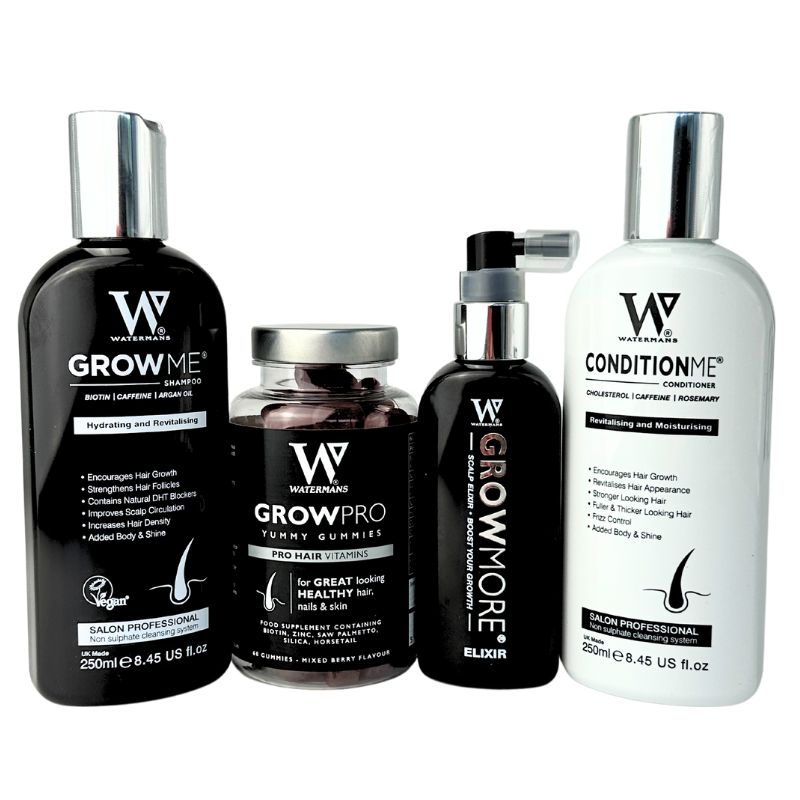
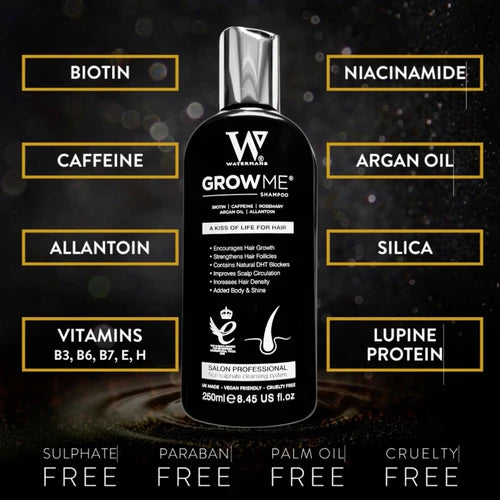
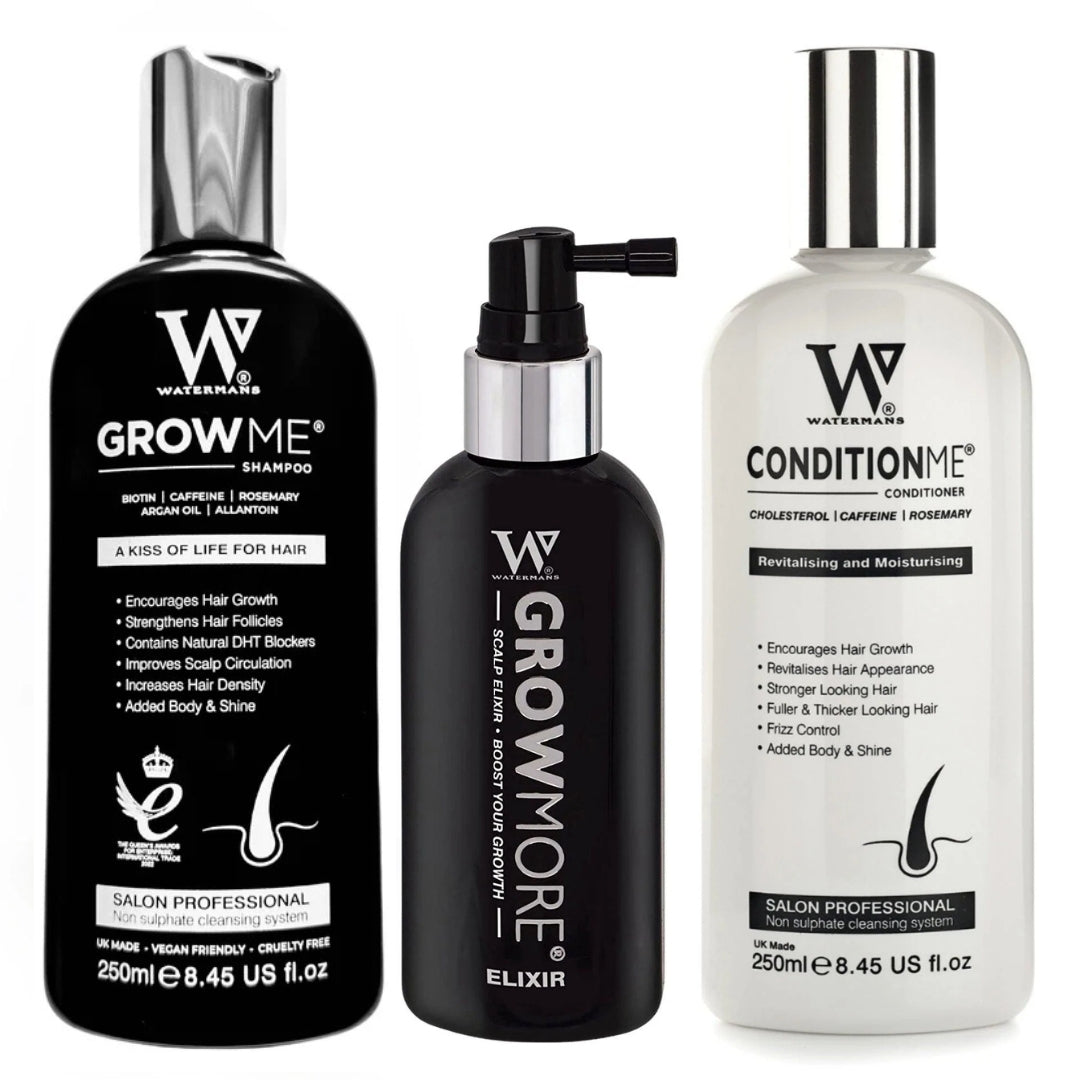
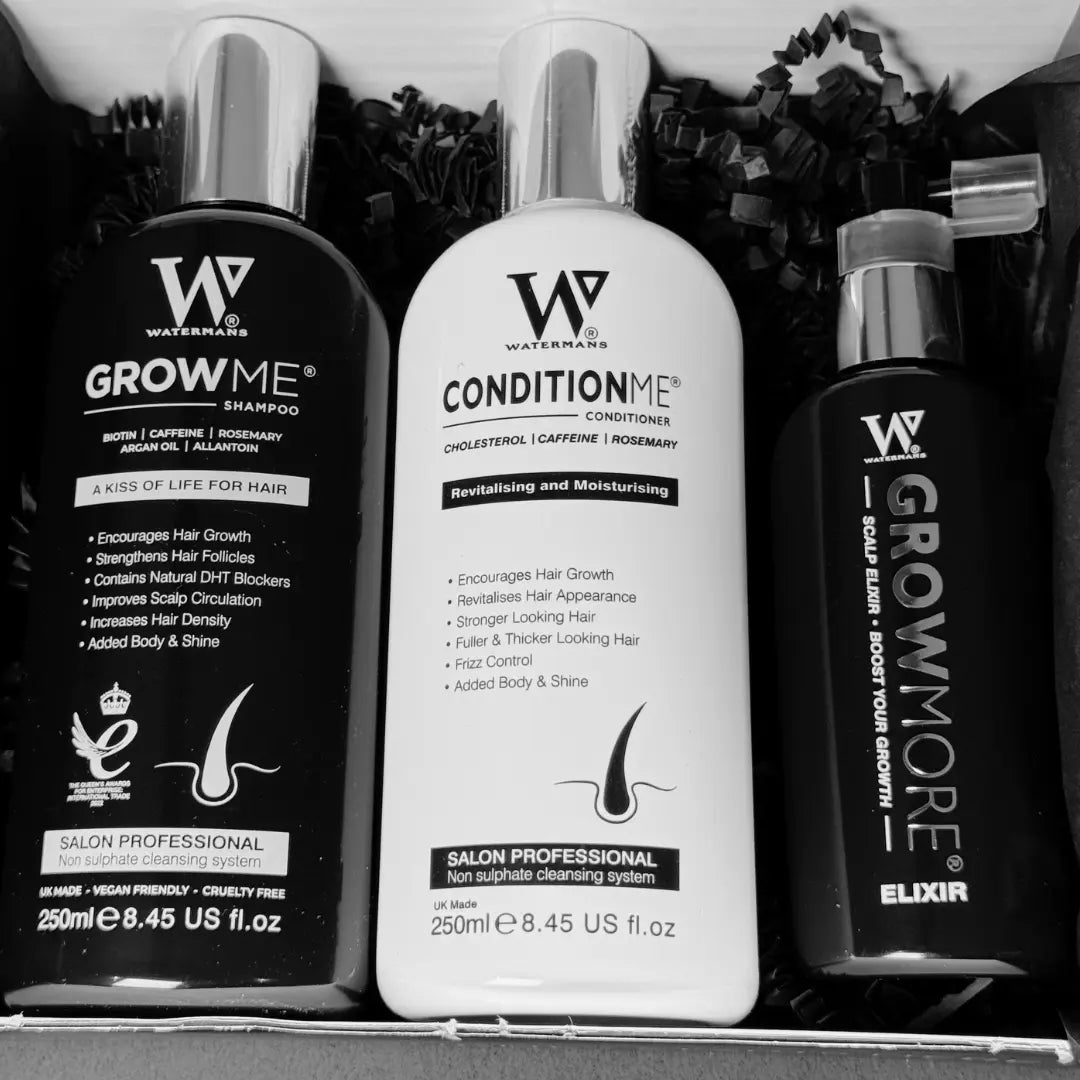
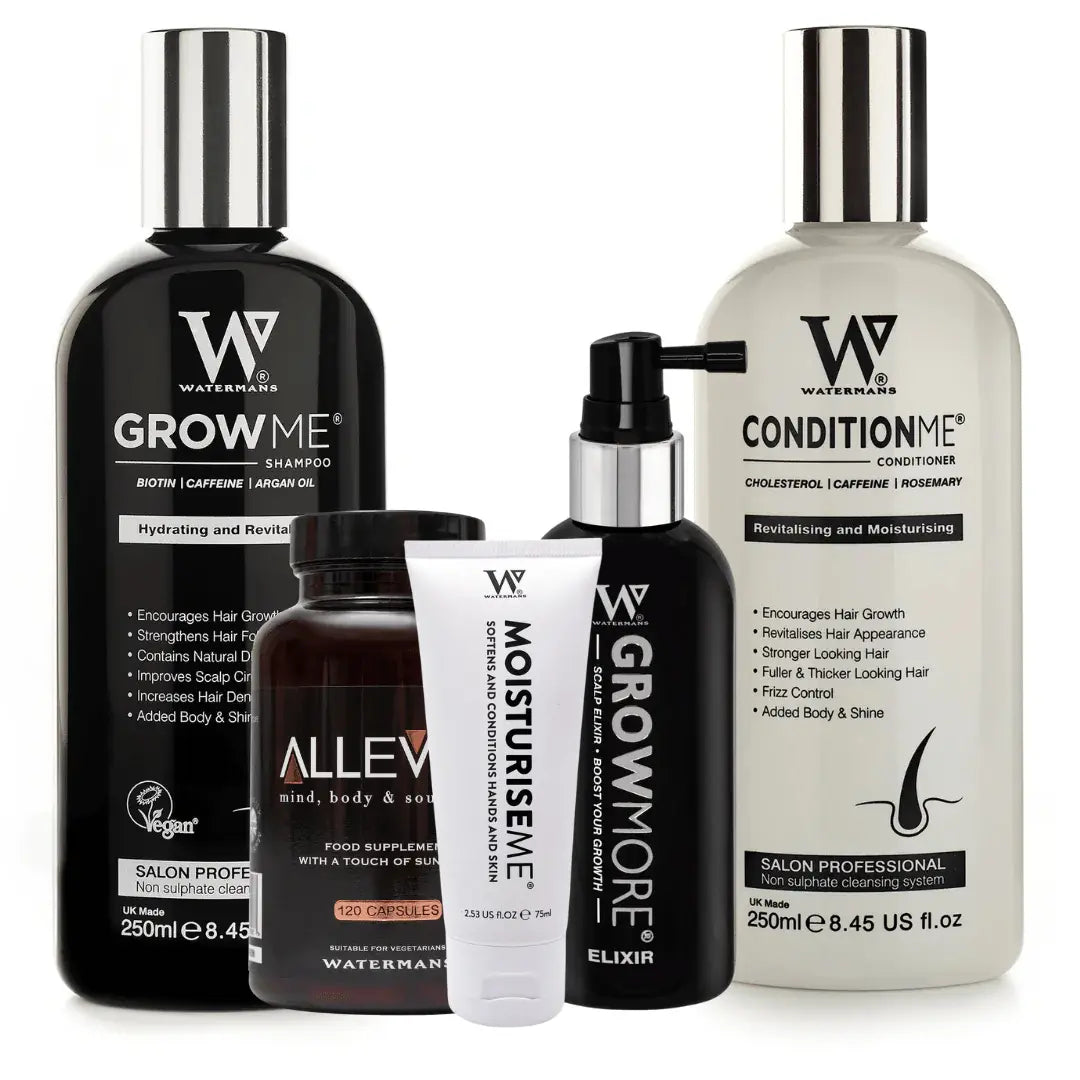
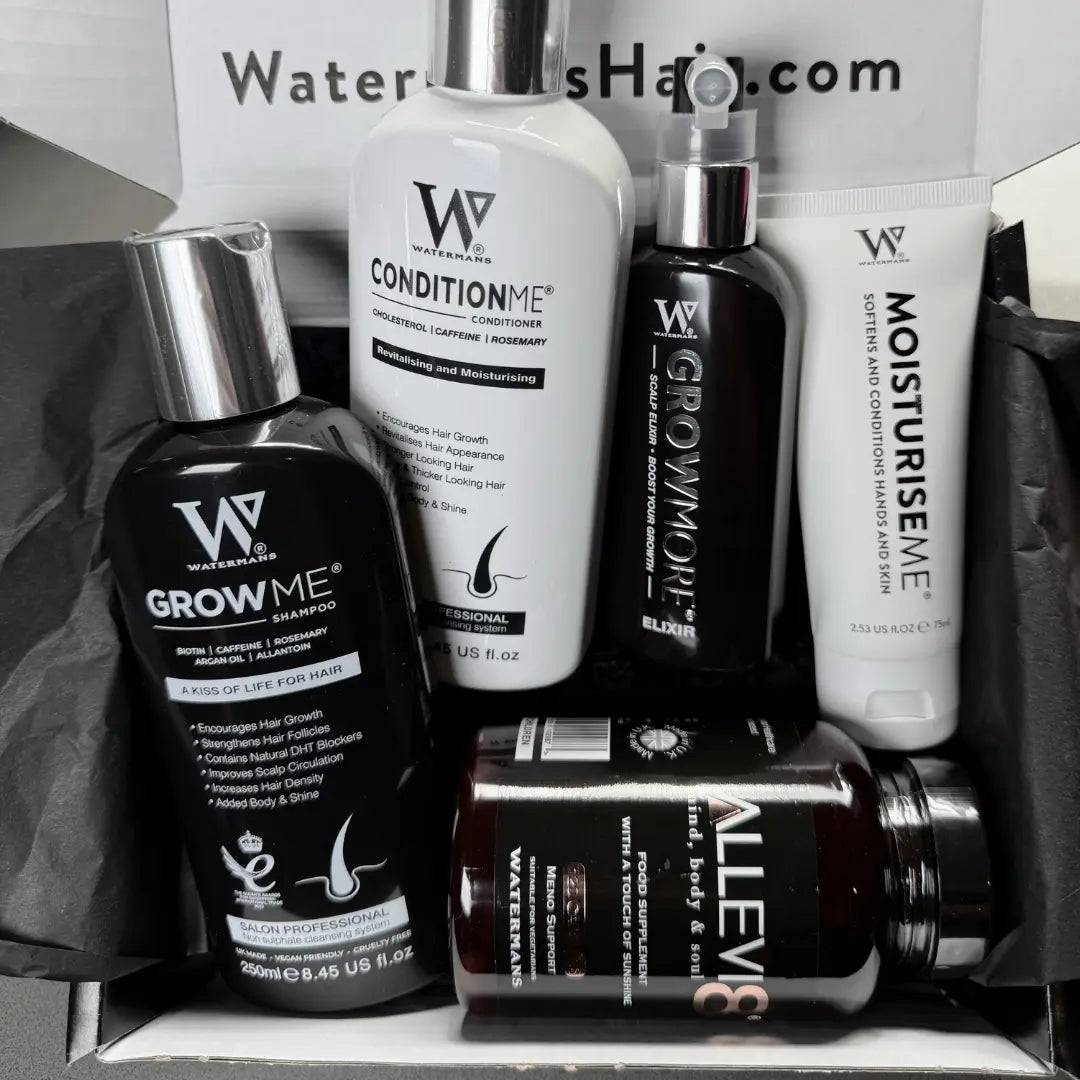
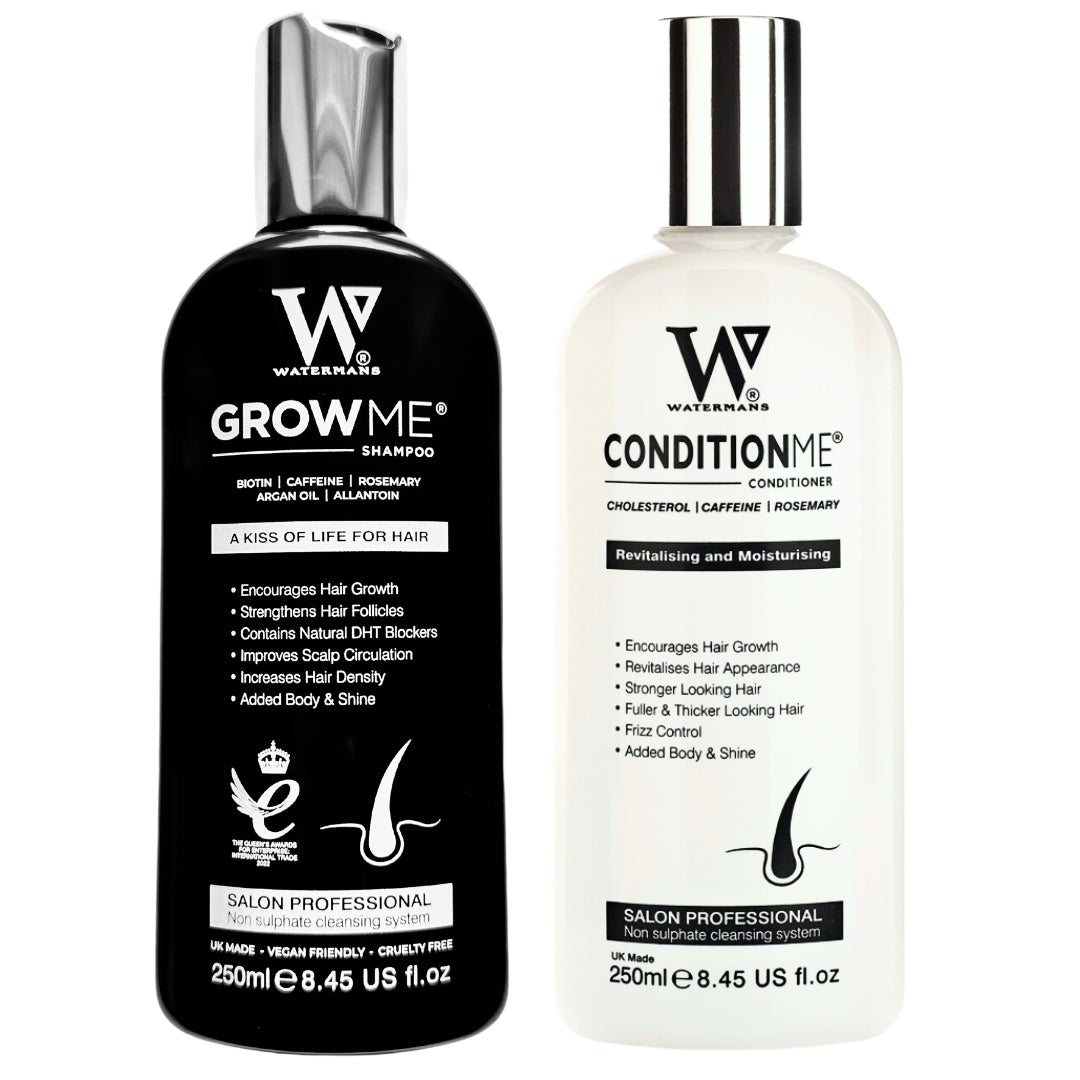
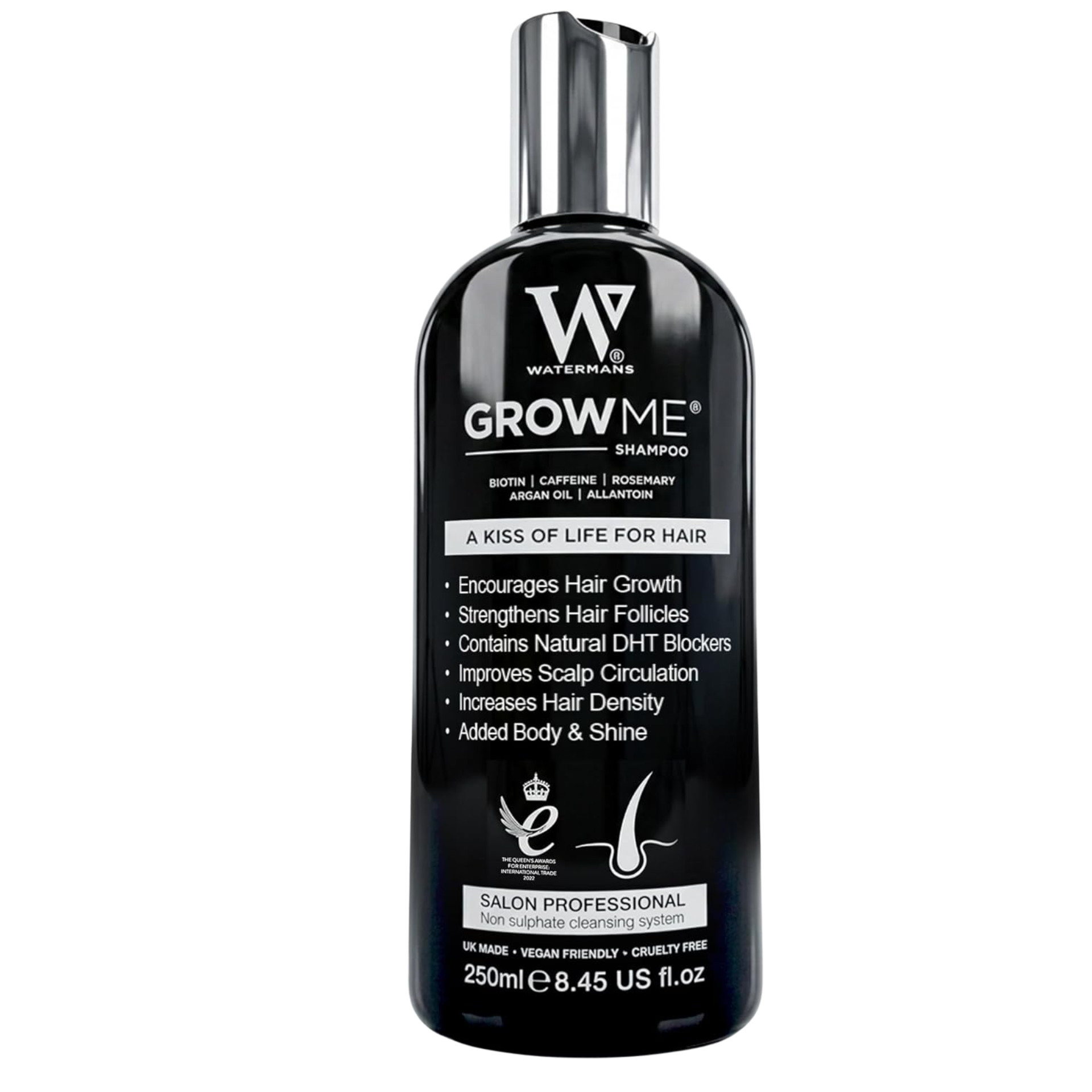
Lancer Lash Serum comes from a respected dermatology brand and sits in the cosmetic conditioning category, so if you like the brand and want a leave-on serum to support the look of fuller, healthier lashes, it is a reasonable option to try, with realistic expectations and a patch test first. Read its ingredient list to see which class it leans on, give it a full 4 to 8 weeks minimum before judging, and stop if you get anything beyond very mild, brief irritation. If you would rather condition your lashes and brows the simple way, a gentle oil is a low cost place to start, and for the hair on your head our Watermans scalp and hair range is built around the same honest, ingredient led approach. Whatever you choose, the winning formula for lashes is patience, gentle handling, and knowing what is actually in the bottle.
Frequently asked questions about Lancer Lash Serum
How long does Lancer Lash Serum take to show results?
Most eyelash serums, including cosmetic ones like this, need 4 to 8 weeks of daily use before a change is visible, with fuller results taking up to 3 months. Lashes grow slowly on their own cycle, so consistency matters more than any single application.
Is Lancer Lash Serum safe for sensitive eyes?
Gentle, conditioning serums are usually well tolerated, but sensitivity varies from person to person. Always patch test on your inner forearm for 24 hours first, keep the product out of the eye, and stop if you notice redness, stinging, or watering. If you have an eye condition, check with an optometrist or doctor first.
Does Lancer Lash Serum contain a prostaglandin analogue?
Ingredient lists can change, so read the current label. Prostaglandin analogues such as isopropyl cloprostenate are the class linked to the most visible results and the most side effects, so knowing whether a serum contains one tells you how carefully to approach it.
What are the possible side effects of lash serums?
Gentle serums may cause mild, temporary irritation. Prostaglandin analogue products carry a higher risk of eye redness, irritation, darkening of the eyelid skin, and, with the prescription drug bimatoprost, a rare and permanent change in iris colour. Stop use and see a professional if effects persist.
Do lash serum results last after you stop using it?
Usually no. Lash serums support your ongoing lash cycle rather than changing it permanently, so lashes tend to return to their previous state within a few weeks to a couple of months after you stop.
Can I use a lash serum with eyelash extensions?
Many people use gentle conditioning serums alongside extensions to look after their natural lashes, but check with your lash technician and the serum's guidance, as some formulas and oils can affect extension adhesive.
Is castor oil a good alternative to a lash serum?
Castor oil will not chemically boost lash growth, but it is a gentle, low cost way to condition and add shine to lashes and brows. Use a barely damp clean spoolie and keep it out of the eye. It suits anyone who wants a simple, natural option.
Do I need a prescription for a lash serum?
Cosmetic lash serums are sold over the counter. Prescription treatments such as Latisse (bimatoprost) require a doctor and a proper consultation because they are licensed medicines with a defined side effect profile.