

Is Prell Shampoo Bad for Your Hair? An Honest Review

Is Prell shampoo bad for your hair? Not for everyone, but it can be for some. Prell is a classic clarifying shampoo built around strong cleansing agents, most notably sodium lauryl sulfate. That makes it very good at stripping away product buildup and oil, which suits some people well. The same strength can leave dry, curly, colour-treated or fragile hair feeling stripped and rough if it is used too often. Whether Prell is a good or bad choice comes down to your hair type, how often you use it, and what your hair actually needs.
Key Takeaways
- Prell is a clarifying shampoo, designed to deep-clean rather than to condition.
- Its main cleanser, sodium lauryl sulfate (SLS), is effective but can be drying with frequent use.
- Oily or fine hair often tolerates it well; dry, curly, coily or colour-treated hair can find it too harsh.
- Prell does not cause hair loss on its own, but over-washing with any strong shampoo can worsen dryness and breakage.
- If your hair feels straw-like, dull or tangled after washing, your shampoo may be too stripping for you.
- A gentler, sulfate-free shampoo used for everyday washing is kinder to most hair types.
What is Prell shampoo?
Prell is a long-standing American shampoo brand, recognisable for its bright green formula, that first appeared in the 1940s. It built its reputation as a no-nonsense shampoo that cleans thoroughly and rinses away buildup, and for many people it carries a nostalgic, familiar appeal.
In modern terms, Prell behaves like a clarifying shampoo. Clarifying shampoos are formulated to strip away the residue that ordinary shampoos leave behind: styling product, hard-water minerals, excess oil and pollution. Used occasionally, that deep clean can be genuinely useful. Used as your everyday shampoo, that same power can tip over into stripping the natural oils your hair and scalp rely on.
What is in Prell shampoo?
To judge whether Prell is right for your hair, it helps to understand the main types of ingredient a clarifying shampoo like this relies on. Formulations change over time, so always read the current label, but the typical building blocks are:
- Sodium lauryl sulfate (SLS): the primary detergent. It creates a rich lather and lifts away oil and dirt efficiently. It is also the ingredient most associated with a stripped, dry feeling when overused.
- Fragrance: gives the shampoo its scent. Pleasant for most, but a possible irritant for sensitive scalps.
- Preservatives: keep the product stable and safe from microbial growth. Necessary, but occasionally a trigger for sensitive skin.
- Colourants: responsible for the signature green shade. They are cosmetic only and play no role in cleaning.
None of these ingredients is inherently dangerous. The question is simply whether the overall formula matches what your hair needs, and that varies hugely from person to person.

Is Prell shampoo bad for your hair?
The honest answer is that Prell is not universally bad, but it is not universally good either. It is a tool designed for a specific job: deep cleaning. Used for that job, occasionally, it does exactly what it should. The trouble starts when a strong clarifying shampoo becomes a daily habit for hair that needs gentleness rather than stripping.
Sulfates like SLS clean by binding to oil and washing it away. The scalp produces natural oil (sebum) that travels down the hair shaft to keep it flexible and protected. Strip that oil too often and hair can become dry, dull, more prone to frizz and more likely to snap. For someone with an oily scalp, that stripping effect can feel refreshing. For someone with dry or damaged hair, it can make things noticeably worse.
Who should and should not use Prell?
Matching a shampoo to your hair type is the single most useful thing you can do. Here is a simple guide.
| Hair type | How Prell tends to suit it |
|---|---|
| Oily or fine hair | Often works well. A strong cleanse can leave fine, oil-prone hair feeling lighter and cleaner. |
| Normal hair, occasional use | Fine as an occasional clarifying wash to remove buildup, then back to a gentler daily shampoo. |
| Dry or damaged hair | Usually too harsh for frequent use. Can increase dryness, frizz and breakage. |
| Curly or coily hair | Often too stripping. Curls need moisture, so a sulfate-free routine is usually kinder. |
| Colour-treated hair | Strong cleansers can fade colour faster. Best avoided as a daily shampoo. |

What are the downsides of clarifying shampoos?
Clarifying shampoos earn their place, but they are easy to overuse. The main downsides to watch for are:
- Over-drying: repeated stripping of natural oils leaves hair brittle and thirsty.
- Increased frizz: a dry, roughened cuticle catches the light unevenly and frizzes more easily.
- Faster colour fade: strong detergents can lift cosmetic colour molecules along with the dirt.
- Scalp sensitivity: some people find frequent sulfate washing leaves the scalp tight or itchy.
What are gentler alternatives to Prell?
If Prell leaves your hair feeling stripped, the fix is usually a sulfate-free shampoo that cleans without the harsh detergents. Sulfate-free formulas use milder cleansing agents, so they lift away dirt and oil while leaving more of your hair's natural moisture intact. That makes them a better everyday choice for most hair types, and especially for dry, curly, coily or colour-treated hair.
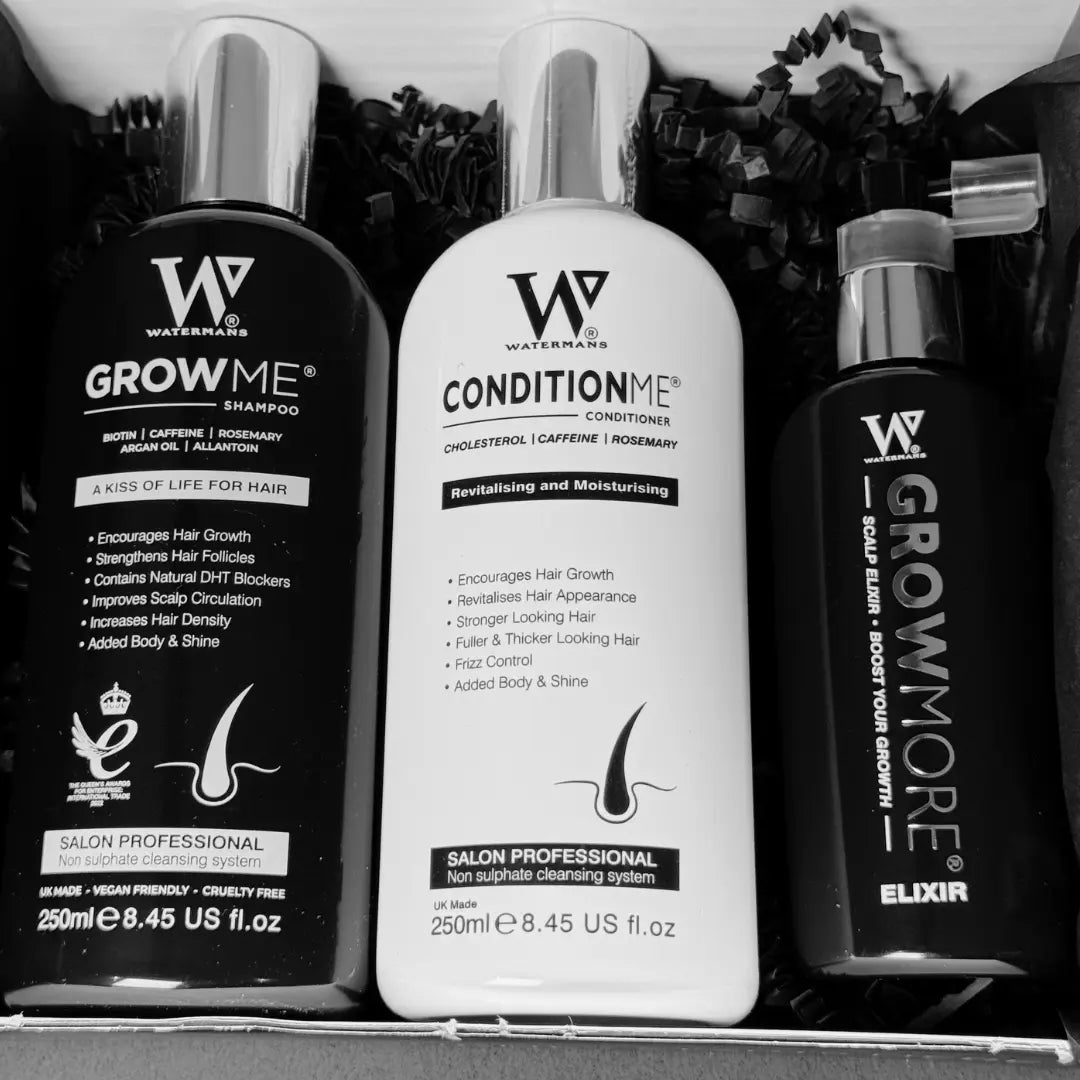
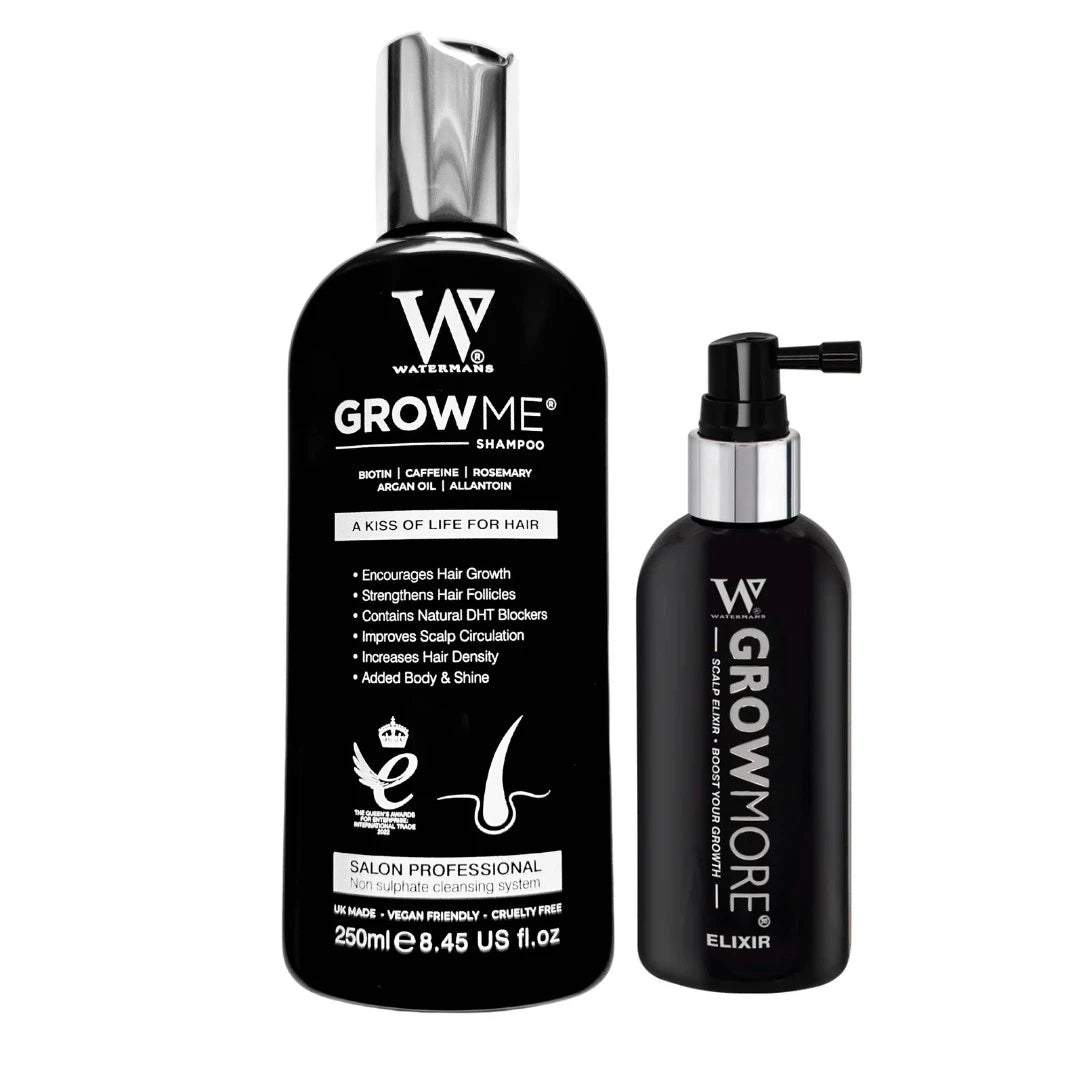
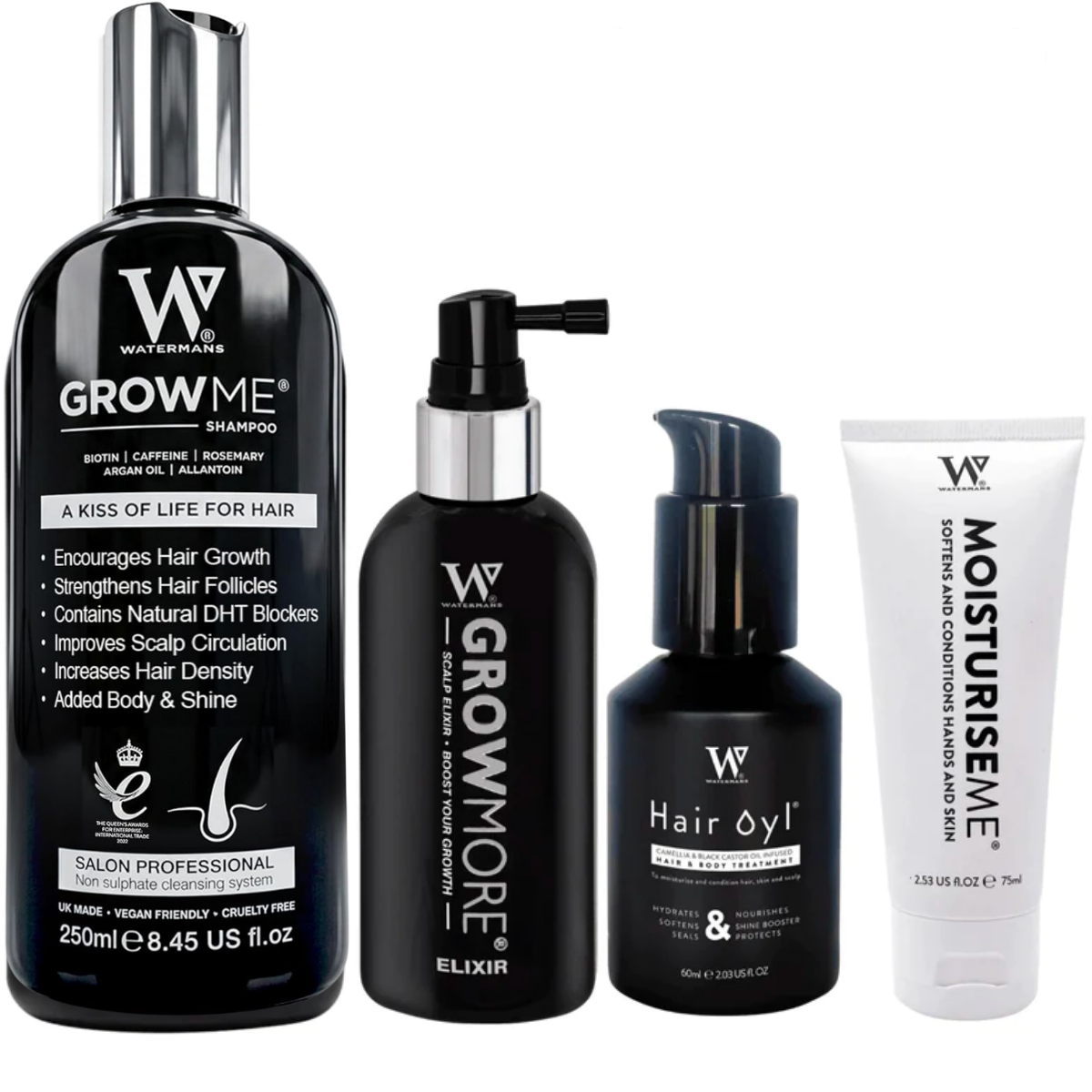
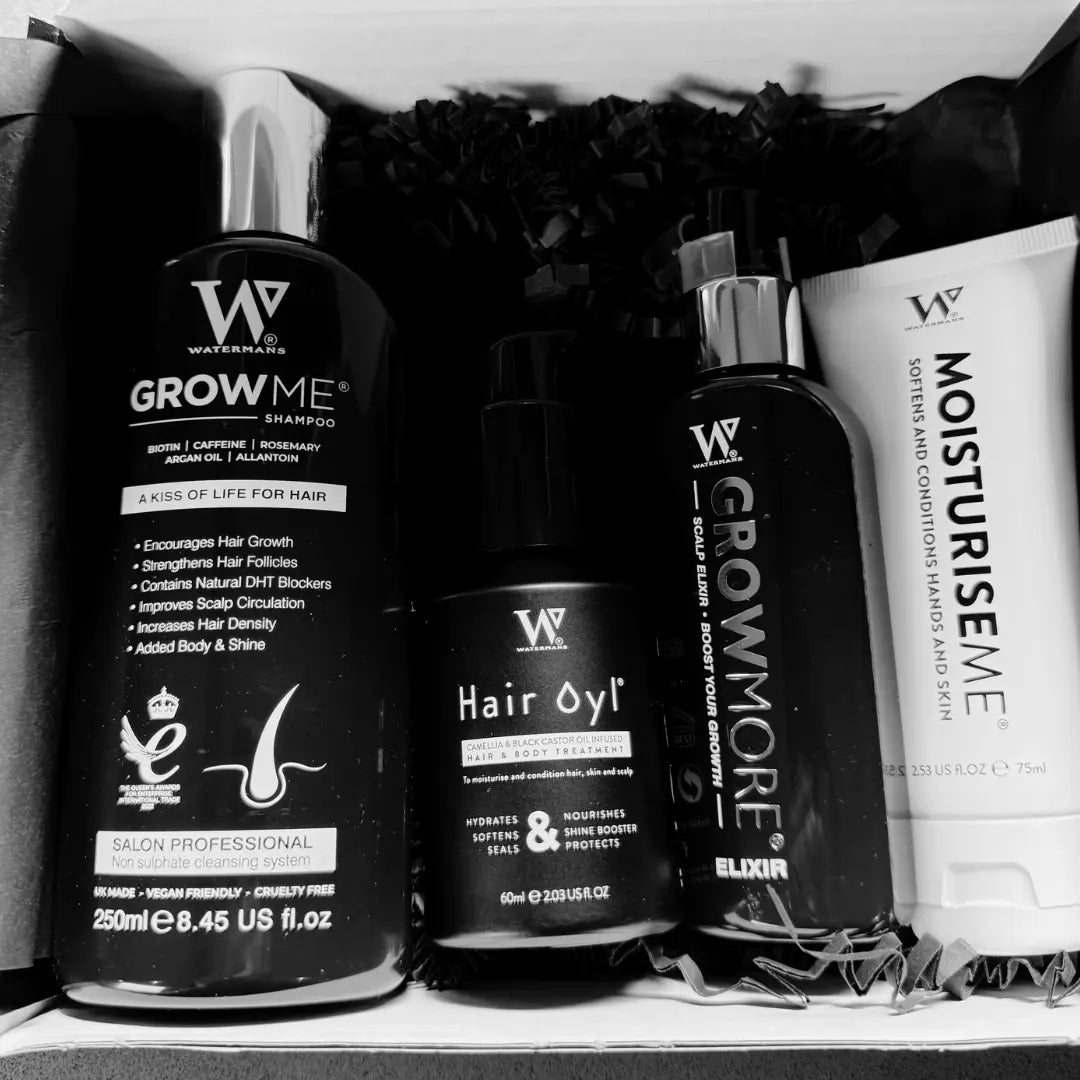
Our Grow Me shampoo is a good example of a gentle, sulfate-free daily wash. It cleans thoroughly but is formulated to be kind to the scalp and to support the look and feel of fuller, healthier hair, with ingredients such as biotin, caffeine, rosemary and niacinamide.

Grow Me® Sulfate-Free Shampoo – £14.95
A gentle, sulfate-free daily shampoo with biotin, caffeine, rosemary and niacinamide. Cleans without stripping, for hair that looks and feels fuller. Vegan and made in the UK.
View Grow Me ShampooPairing a gentle shampoo with a good conditioner makes a real difference to how hair feels, especially if it has been over-cleansed in the past. Our Condition Me conditioner is designed to smooth the cuticle and reduce breakage, so hair detangles more easily and feels softer.

Condition Me® Conditioner – £13.95
A breakage-defence conditioner that smooths, softens and helps hair feel stronger. The natural partner to a sulfate-free shampoo routine.
View Condition Me ConditionerClarifying shampoo vs sulfate-free shampoo
| Feature | Clarifying (eg Prell) | Sulfate-free daily |
|---|---|---|
| Cleansing strength | Very strong | Gentle but effective |
| Best used | Occasionally, to remove buildup | Daily or regular washing |
| Effect on moisture | Can strip natural oils | Preserves more moisture |
| Colour-treated hair | May fade colour faster | Gentler on colour |
How to use a clarifying shampoo safely
If you like Prell and it suits your scalp, you do not have to give it up. The trick is to treat it as an occasional reset rather than a daily habit:
- Use it around once a month, or when buildup makes hair feel heavy and dull.
- Follow every clarifying wash with a good conditioner or a hair mask to restore moisture.
- Use a gentler, sulfate-free shampoo for your regular washes in between.
- If your hair is dry, curly or colour-treated, keep clarifying use to a minimum.
For more on getting the balance right, see our guides to how often you should wash your hair and rescuing dry hair. If breakage is a worry, our advice on reducing hair breakage is a useful next read.
Frequently asked questions
How often should I use a clarifying shampoo?
For most people, once a month or whenever buildup makes hair feel heavy is plenty. Oily hair may need it slightly more often, dry hair less.
What is the difference between clarifying and regular shampoo?
Clarifying shampoos deep-clean and remove stubborn buildup with stronger detergents. Regular and sulfate-free shampoos clean more gently for everyday use.
Can Prell cause hair loss?
Prell does not cause hair loss by itself. However, over-washing with any harsh shampoo can dry hair out and contribute to breakage, which can look like thinning. If you are shedding more than usual, see a GP.
Is Prell bad for colour-treated hair?
Strong clarifying shampoos can fade cosmetic colour faster, so they are best avoided as a daily shampoo if your hair is coloured. A sulfate-free formula is gentler on colour.
Is sulfate-free shampoo better for my hair?
For most hair types, and especially dry, curly, coily or colour-treated hair, sulfate-free shampoos are gentler and help preserve natural moisture. Very oily hair may still enjoy an occasional stronger cleanse.
Why does my hair feel dry after using Prell?
That squeaky, stripped feeling usually means the shampoo has removed more of your natural oils than your hair needs. Following with conditioner and switching to a gentler daily shampoo normally fixes it.
Can I use Grow Me shampoo every day?
Yes. Grow Me is sulfate-free and formulated for gentle, regular use, so it suits daily or frequent washing while helping hair look and feel fuller.
When should I see a professional about my hair?
If you notice a lot of shedding, patches of loss, or persistent scalp irritation, speak to a GP, dermatologist or trichologist rather than relying on a change of shampoo alone.
Kinder cleansing, fuller-looking hair
If Prell leaves your hair feeling stripped, switch to a gentle, sulfate-free routine. Over 5 million bottles sold since 2012, vegan and made in the UK.
Shop Grow Me Shampoo