

Foods Bad for Your Liver: What the Evidence Actually Shows
Last updated: August 2026
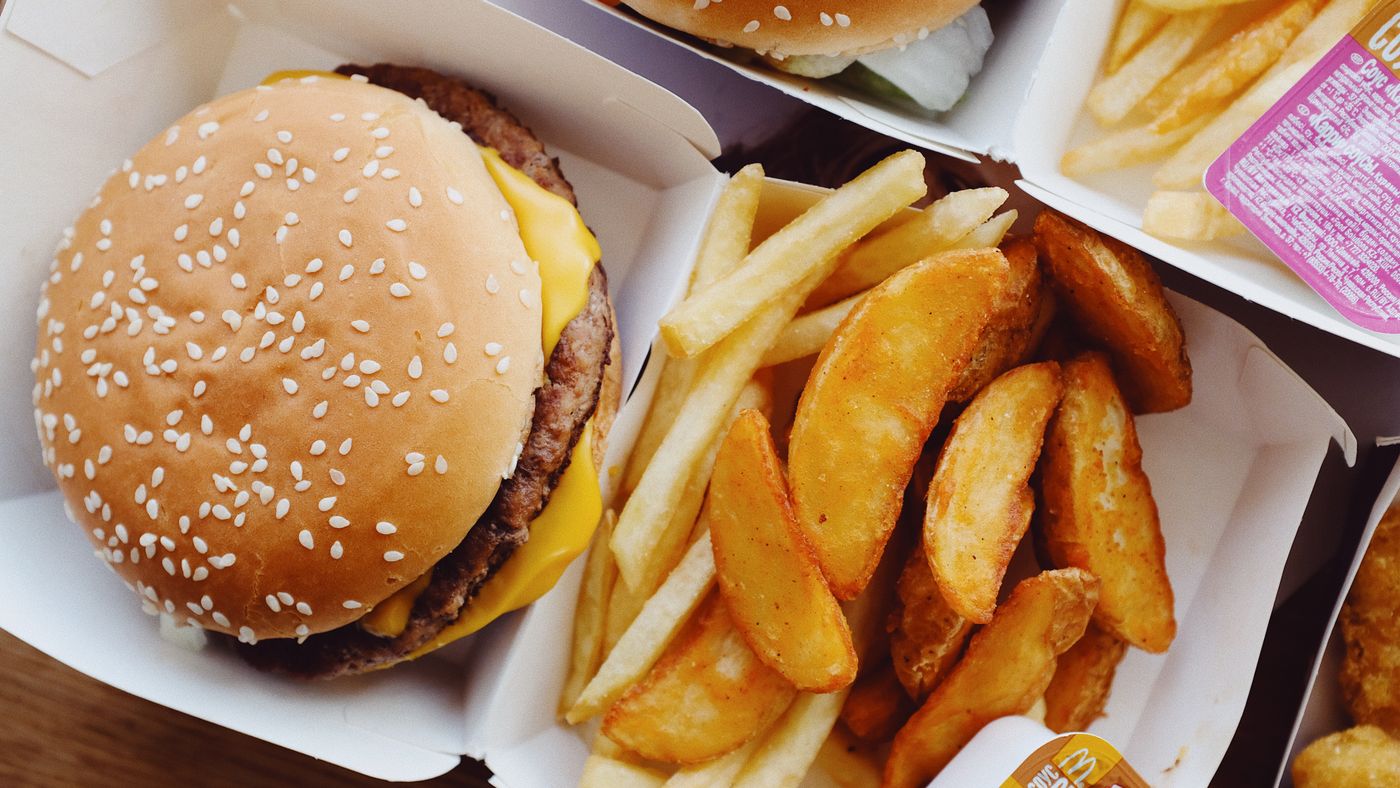
The foods that genuinely damage your liver are a much shorter list than most articles suggest: alcohol, and any pattern of eating that delivers more calories than you use, particularly one heavy in sugary drinks and ultra processed food. That combination drives metabolic dysfunction associated steatotic liver disease, formerly called non alcoholic fatty liver disease, which now affects a large share of UK adults. Additives such as MSG are not liver toxins, and no food flushes toxins out of your liver.
Key takeaways
- Alcohol is the clearest dietary cause of liver damage, and the UK guideline is no more than 14 units a week, spread out, with several drink free days.
- Sugary drinks are the standout food risk, because liquid fructose is handled almost entirely by the liver and does not make you feel full.
- Total calories matter more than any single ingredient. Excess energy, however it arrives, becomes liver fat.
- MSG is not a liver toxin. That claim appeared in an earlier version of this article and was wrong. UK and EU regulators consider it safe at normal intakes.
- Your liver does not need detoxing. It is the detox organ. Cleanses, flushes and detox teas have no good evidence and some herbal products cause liver injury.
- Losing weight gradually reverses early fatty liver. Crash dieting is a poor route, and it commonly triggers hair shedding a few months later.
- Liver disease is usually silent until it is advanced. Blood tests come from your GP, not from a symptom checklist.
What actually damages the liver, in order?
Three causes account for the overwhelming majority of chronic liver disease in the UK: alcohol, metabolic dysfunction linked to excess weight, and viral hepatitis. Only the first two are dietary. Ranking matters here, because the effort people spend avoiding additives is effort not spent on the two things that would actually change their liver scan.
| Dietary factor | Strength of evidence | What it does |
|---|---|---|
| Alcohol | Very strong | Direct hepatotoxin. Causes fatty liver, then hepatitis, then fibrosis and cirrhosis. Risk rises with amount and with daily rather than occasional drinking |
| Excess calories overall | Very strong | Surplus energy is stored as fat in the liver. The single biggest driver of steatotic liver disease |
| Sugary drinks and free sugars | Strong | Fructose is metabolised largely in the liver and promotes fat production. Liquid calories bypass normal fullness signals |
| Ultra processed food patterns | Moderate to strong | Energy dense, easy to overeat, usually high in free sugars and refined starch. The pattern is the problem, not one additive |
| Very high dose supplements and some herbal remedies | Moderate, and often overlooked | Herb induced liver injury is a recognised cause of acute liver damage, including from some detox and slimming products |
| MSG, sweeteners, preservatives at normal intakes | Weak to none | No good evidence of liver harm at levels found in food. Not where your attention belongs |

How much alcohol is too much for your liver?
UK Chief Medical Officers advise no more than 14 units a week for both men and women, spread across three or more days, with several drink free days. Fourteen units is roughly six pints of average strength beer or six medium glasses of wine. There is no threshold below which alcohol is proven risk free, only lower risk.
Two details matter more than the weekly total. Drinking the same amount daily is harder on the liver than spreading it, because the liver gets no recovery period. And early alcohol related fatty liver is largely reversible if drinking stops or drops substantially, which is one of the few genuinely good pieces of news in liver medicine. If cutting down is hard, that is a conversation for a GP, who can help safely rather than judge.
Why are sugary drinks worse than sugary food?
Because of how fructose is handled and because liquid calories do not register as food. Fructose is metabolised almost entirely by the liver, where a surplus is converted into fat through de novo lipogenesis. A can of soft drink delivers that load in seconds, with no fibre, no protein and very little effect on appetite, so people rarely eat less to compensate.
Whole fruit is a different case and does not carry the same risk. The fructose arrives packaged with fibre and water, it is eaten slowly, and the quantities are far smaller. Nobody develops fatty liver from apples. The practical swap is straightforward: replace sugary drinks with water, tea, coffee or a diet version, keep fruit as fruit, and stop worrying about the sugar in a carrot.

Is MSG bad for your liver?
No. Monosodium glutamate is the sodium salt of glutamate, an amino acid that occurs naturally in tomatoes, parmesan, mushrooms and human breast milk. UK and EU food safety authorities have repeatedly assessed it and consider it safe at the levels found in food, and controlled trials have consistently failed to reproduce the symptoms popularly attributed to it.
The claim that MSG is a liver toxin appeared in the earlier version of this article and we were wrong to publish it. It descends from a 1968 anecdote that grew into Chinese restaurant syndrome, a label now widely recognised as poorly evidenced and unfairly targeted at one cuisine. Two smaller corrections while we are here: modified food starch is not hidden MSG, and MSG contains roughly a third of the sodium of table salt for the same savoury effect.
| Common claim | What the evidence says |
|---|---|
| MSG damages your liver | No good evidence in humans at dietary intakes. Regarded as safe by UK and EU regulators |
| Additives raise your toxic load | Toxic load is not a clinical concept. The liver processes compounds continuously, it does not fill up |
| You should do a liver cleanse or flush | No evidence of benefit. Some detox and slimming herbals are documented causes of liver injury |
| Milk thistle and dandelion repair the liver | Evidence is weak and inconsistent. Herbal products are a recognised cause of drug induced liver injury |
| Lemon water in the morning detoxes the liver | Pleasant, hydrating, does nothing measurable to the liver |
| A high fat diet is the main cause of fatty liver | Excess calories and free sugars drive it. Unsaturated fat within a Mediterranean pattern is associated with less liver fat |
Herbal supplements are not automatically safe. Herb induced liver injury is well documented, including from green tea extract at high doses, some slimming and detox products, and certain body building supplements. If you take herbal or high dose supplements and develop yellowing of the skin or eyes, dark urine, pale stools, itching, unusual tiredness or pain under the right ribs, stop and contact a doctor the same day. Suspected reactions can be reported to the MHRA Yellow Card scheme.
Do not stop a prescribed medicine because of anything on this page. That includes statins, which are usually continued in fatty liver because cardiovascular disease is the leading cause of death in that group. Raise any concern with the doctor who prescribed it.
What should you eat instead?
There is no liver superfood, and the pattern beats any individual item. The eating pattern with the best evidence for reducing liver fat is a Mediterranean style one: plenty of vegetables, pulses, whole grains, nuts, olive oil and fish, modest meat, and few sugary drinks or ultra processed snacks. Coffee is a genuine and consistent finding, associated with lower rates of liver fibrosis in multiple large studies.
- Cut sugary drinks first. The single highest yield change for most people, and the easiest to sustain.
- Aim for gradual weight loss if you carry excess weight. Losing around 7 to 10 per cent of body weight can substantially reduce liver fat and inflammation.
- Move regularly. Exercise reduces liver fat even without weight loss, which is worth knowing if the scales stall.
- Keep coffee. Two to three cups a day is associated with better liver outcomes. This is one habit not to feel guilty about.
- Use olive oil, nuts and oily fish rather than fearing fat generally. Fat quality matters more than fat quantity here.
- Audit your supplement shelf for high dose herbals, particularly anything sold as a detox, cleanse or fat burner.

Why does crash dieting for your liver cost you hair?
This is the one place a hair care brand has something genuinely useful to add. Gradual weight loss improves fatty liver, but very low calorie crash diets are a well recognised trigger of telogen effluvium, a diffuse shedding that shows up around two to three months after the stress. People often connect it to the wrong thing because of that delay.
The mechanism is simple. Hair is metabolically expensive and non essential, so a sharp energy or protein shortfall pushes a large share of follicles into the resting phase together. Losing weight steadily, at roughly half a kilo to a kilo a week, with adequate protein, gets the same liver benefit without the shedding. If it has already happened, it is usually self limiting and recovers over six to twelve months once eating normalises. Our guide to what causes telogen effluvium covers the timeline in full.
How do you know if your liver is actually affected?
Usually you cannot tell, which is the difficulty. Early steatotic liver disease has no symptoms at all, and by the time jaundice, swelling or confusion appear the disease is advanced. Blood tests and imaging are the only reliable route, and the symptom checklists circulated online cannot substitute for them.
If you have risk factors, meaning regular drinking above the guideline, excess weight, type 2 diabetes or a family history, ask a GP about liver function tests and a fibrosis assessment. Our companion guide to liver function test results explained walks through what ALT, AST, ALP, GGT and bilirubin each mean, and why liver function test is a slightly misleading name. If you are wondering about specific supplements, we also looked at whether biotin is safe for your liver, where the real issue is interference with blood test results rather than harm to the organ, and at vitamin A, bile and why too much causes hair loss.
Why there is no product to buy at the end of this article. We make shampoo, conditioner and hair supplements. None of them affect your liver, and it would be dishonest to put a product card on a page about liver disease. The earlier version of this article did exactly that and we have removed it. If you want our hair products, they are a click away in the menu, and they will be there when you are reading something they are actually relevant to.
Frequently asked questions about foods and liver health
What is the worst food for your liver?
Alcohol, if you count it as a food, followed by sugary drinks. Alcohol is a direct hepatotoxin, and sugar sweetened drinks deliver a fructose load straight to the liver without producing fullness. Beyond those two, the pattern of eating more calories than you use matters far more than any single item on a label.
Is MSG bad for your liver?
No. Monosodium glutamate is regarded as safe at dietary levels by UK and EU food safety authorities, and controlled trials have not reproduced the symptoms often attributed to it. Glutamate occurs naturally in tomatoes, cheese and mushrooms. An earlier version of this article claimed otherwise and that claim was incorrect.
Can you reverse fatty liver with diet?
Early stage fatty liver often improves substantially with gradual weight loss of around 7 to 10 per cent of body weight, reduced alcohol and fewer sugary drinks. Advanced fibrosis and cirrhosis are much less reversible, which is why earlier assessment matters. Any plan should be agreed with your GP rather than self managed.
Do liver detoxes and cleanses work?
No. The liver is itself the organ that neutralises and clears compounds, and it does not accumulate a backlog that a juice or tea can flush. Worse, some detox, slimming and high dose herbal products are documented causes of liver injury, so a cleanse can create the very problem it claims to fix.
How much alcohol can I drink safely?
UK guidance is a maximum of 14 units a week for both men and women, spread over three or more days, with several drink free days. That is roughly six pints of average strength beer or six medium glasses of wine. There is no completely risk free level, and daily drinking is harder on the liver than the same amount spread out.
Is coffee good for your liver?
The evidence here is unusually consistent. Large observational studies associate regular coffee drinking, around two to three cups a day, with lower rates of liver fibrosis and liver cancer, including in people who already have liver disease. It is association rather than proof, but there is no reason to give up coffee for your liver.
Can a fatty liver diet cause hair loss?
The diet itself does not, but crash dieting does. Very low calorie or very low protein weight loss is a recognised trigger of telogen effluvium, a diffuse shedding that appears two to three months later. Losing weight gradually with adequate protein gives the same liver benefit without the shedding, and shedding usually recovers within a year.
Are artificial sweeteners bad for your liver?
Current evidence does not show liver harm from approved sweeteners at normal intakes, and swapping a sugary drink for a diet version reduces the fructose load that genuinely does affect the liver. Research on sweeteners and the gut microbiome is ongoing and unsettled, so plain water remains the better long term default.
The short version
Spend your effort on alcohol, sugary drinks and overall calories, because those are what put fat and then scar tissue into a liver. Ignore the additive scares, skip the cleanses, keep the coffee, and treat any high dose herbal supplement with more suspicion than you treat a takeaway. If you have risk factors, ask a GP for blood tests rather than reading a symptom list, and if you are losing weight to help your liver, do it slowly so you keep your hair while you do it.
This article is general information about diet and liver health and is not medical advice. It does not replace an assessment by your GP.