

Skincare Routine Order: What Goes First and Why
A skincare routine needs three steps, not ten: cleanse, moisturise, and wear sunscreen in the morning. Everything else is optional. The one rule that governs the order is thinnest to thickest, because a light watery product cannot get through a rich cream but a rich cream sits happily on top of a serum. Add new products one at a time, two weeks apart, or you will never know which one caused the reaction. And the piece almost everyone forgets is that your scalp is skin too, with the same barrier, the same oil glands and the same tendency to get irritated when you neglect it.
Key Takeaways
- Three steps is a complete routine. Cleanser, moisturiser, sunscreen in the morning. A ten step routine is not ten times better.
- Thinnest to thickest is the whole layering rule. Watery first, oils and balms last.
- Sunscreen is the single highest value product you own, and it is the one most often skipped in the UK because of the weather. UV reaches your skin on a grey day.
- One new product at a time, two weeks apart. Introducing three at once makes any reaction impossible to trace.
- Do not use every active at once. Retinoids at night, vitamin C in the morning, exfoliating acids two or three times a week at most.
- Your scalp is skin. It has more oil glands than your face and it responds to the same principles of gentle cleansing and not stripping the barrier.
The only three steps that matter
Skincare is sold as complexity because complexity sells more bottles. The evidence backed core is short.
1. Cleanse. Once at night is enough for most people. In the morning, water alone is fine unless you are oily or you used a rich product overnight. The job is removing sunscreen, makeup, sweat and the day's grime, not stripping your skin until it squeaks. If your face feels tight after washing, the cleanser is too harsh.
2. Moisturise. A moisturiser supports the skin barrier, which is what keeps water in and irritants out. Almost every complaint people bring to a routine, tightness, flaking, sensitivity, stinging, reactive redness, comes back to a compromised barrier. This step is not optional even for oily skin, because skipping it often makes oiliness worse.
3. Sunscreen, every morning. UV exposure is the dominant driver of visible skin ageing, and the UK habit of only wearing SPF on holiday is why so many people invest in expensive serums that are working against the weather. Broad spectrum SPF 30 or higher, applied properly, does more than any other product on your shelf.
Everything after this is refinement. Useful refinement, sometimes, but refinement.

The order, morning and night
The rule is thinnest to thickest. A watery essence applied over a thick cream simply sits there. The same essence applied first is absorbed, and the cream then seals it in.
| Order | Morning | Night |
|---|---|---|
| 1 | Water rinse or a gentle cleanser | Cleanser (twice if you wore makeup or sunscreen) |
| 2 | Watery serum, e.g. vitamin C | Active, e.g. a retinoid or an acid, on alternate nights |
| 3 | Moisturiser | Moisturiser |
| 4 | Sunscreen, always last | Facial oil or balm, if your skin is dry |
Two practical notes. Sunscreen always goes last in the morning, over your moisturiser, never mixed into it, because diluting it reduces the protection you actually get. And you can absolutely stop at step three. A cleanser, a moisturiser and an SPF is a genuinely complete routine that many people would be better off with than the eight product regimen they are currently struggling to keep up.
Actives: what to use, and what not to stack
Actives are where money gets wasted and where irritation comes from, almost always because people use too many at once.
| Active | What it is for | When | Do not combine with |
|---|---|---|---|
| Retinoids | Texture and fine lines. The best evidenced active there is | Night, start twice a week | Exfoliating acids on the same night |
| Vitamin C | Antioxidant support and brightness | Morning, under SPF | Best kept away from retinoids in the same routine |
| Niacinamide | Barrier support, oil balance, redness | Either, very well tolerated | Plays well with almost everything |
| AHAs and BHAs | Exfoliation, congestion, dullness | Night, 2 to 3 times a week maximum | Retinoids on the same night, and each other |
| Hyaluronic acid | Draws water into the upper layers | Either, on damp skin | Fine with everything, but seal it with moisturiser |
The mistake almost everyone makes: buying a retinoid, an acid and a vitamin C in the same week because a video said all three are essential, using them together, and concluding six days later that they have sensitive skin. They usually do not. They have an irritated barrier from stacking three actives, and it settles within a fortnight of stopping.
Moisturiser is where most routines are actually won
If a routine is failing, it is far more often an under moisturised, over exfoliated barrier than a missing exotic ingredient. The signs are recognisable: skin that stings when you apply something that never used to sting, patches of flaking that makeup clings to, a tight feeling after washing, and redness that comes and goes.
The fix is boring and it works. Stop all actives for two weeks. Cleanse gently, moisturise morning and night, wear sunscreen. Reintroduce one active at a time afterwards. Most people find their skin settles completely, and then find they need far fewer products than they thought.

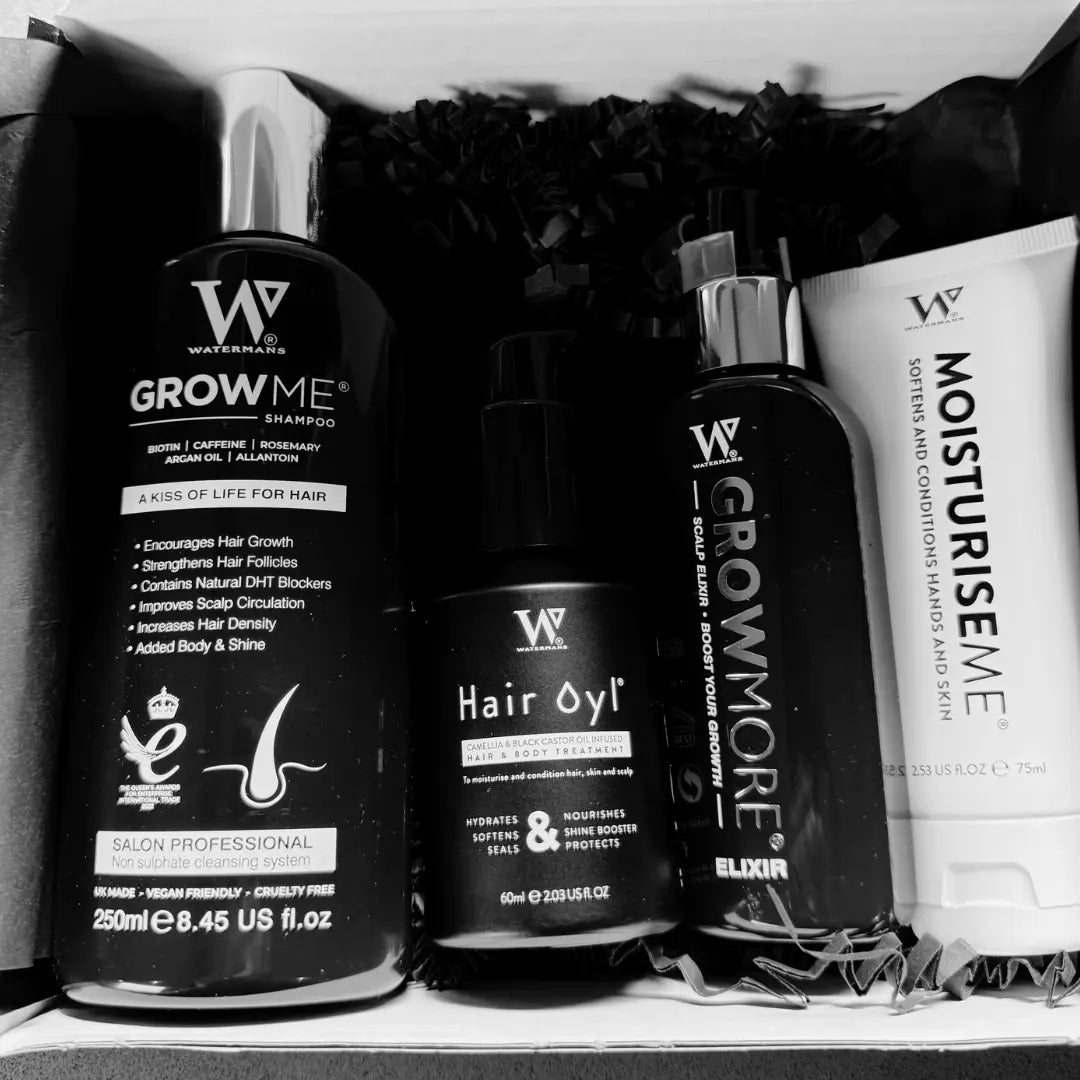
Plumping Moisturise Me® Face & Hand Cream
Cupuacu butter, shea butter, cocoa butter, allantoin and almond oil. A straightforward comforting cream for face and hands, which is exactly the unglamorous step that most struggling routines are missing.
£15.00 · vegan and made in the UK

Get the routine builder
A one page sheet with the morning and night order, which actives clash, the four week plan for introducing them one at a time, and the barrier reset to run if your skin has become reactive. Includes the scalp steps most skincare guides leave out. Sent once, free.
One email at a time, no spam, unsubscribe whenever you like.
The part skincare guides always leave out: your scalp is skin
People will spend an hour researching a facial cleanser and then use whatever shampoo was on offer, despite the scalp being continuous with the skin on the face and having more oil glands per square centimetre than anywhere else on the body.
The same principles apply, almost point for point:
- Cleansing is about the scalp, not the lengths. Shampoo belongs on the scalp the way cleanser belongs on your face. The lengths are cleaned by the runoff.
- Stripping causes the same rebound. Harsh detergents that leave the scalp tight often produce more oil within a day or two, exactly as an over stripping face wash does.
- Barrier damage looks the same. Flaking, itching, tightness and reactivity on the scalp usually mean the same thing as on the face: it has been stripped, or something is irritating it.
- Buildup matters. Dry shampoo, styling products and sweat accumulate the way makeup does. Left long enough it becomes uncomfortable, and scratching an itchy scalp causes real mechanical damage to the hair growing out of it.
- Sun reaches your parting. The one bit of skin nobody protects. A hat on bright days is the easiest fix, because sunscreen along a parting is unpleasant.
If your face routine is gentle and considered and your scalp is being scrubbed with whatever is cheapest, that is the inconsistency worth fixing first.

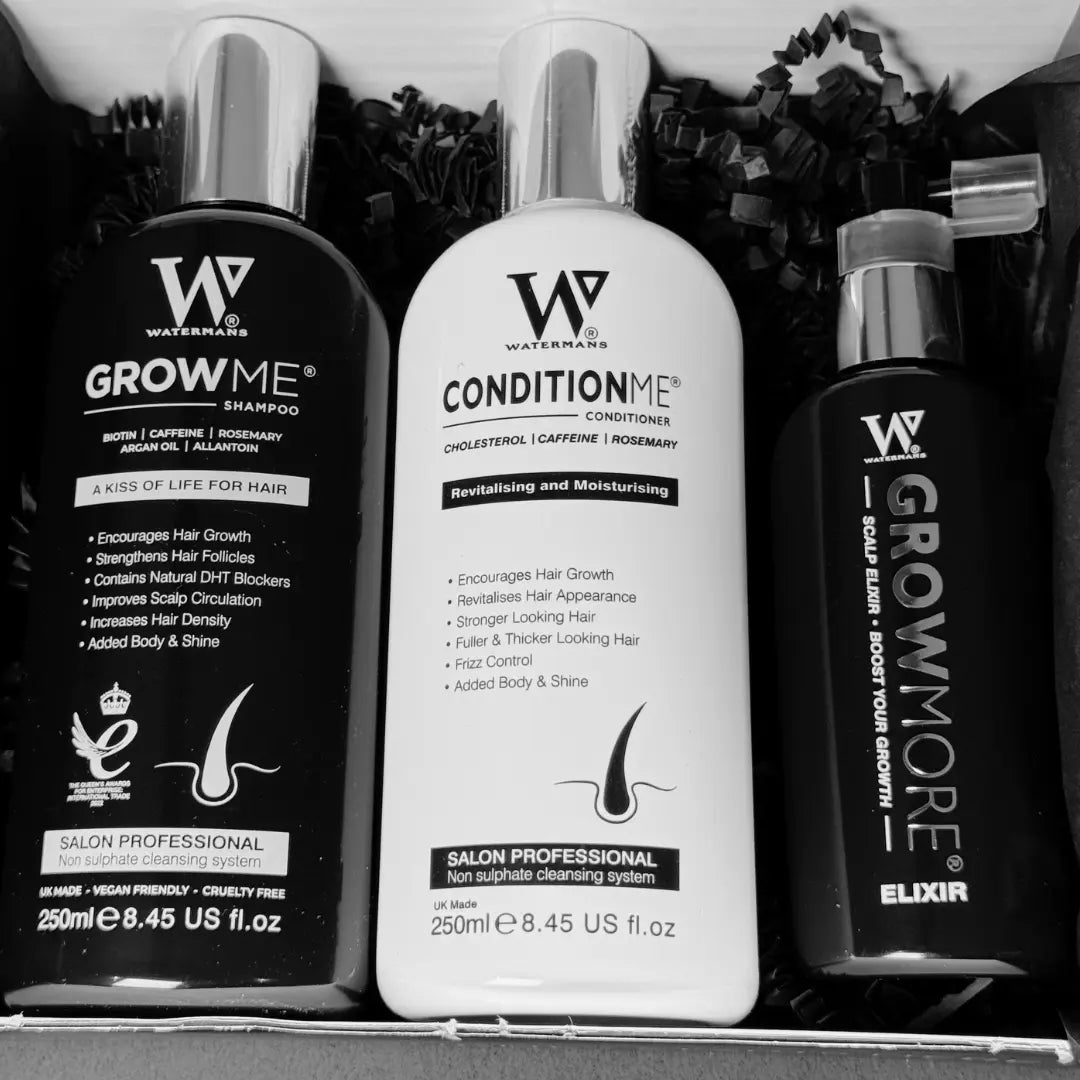
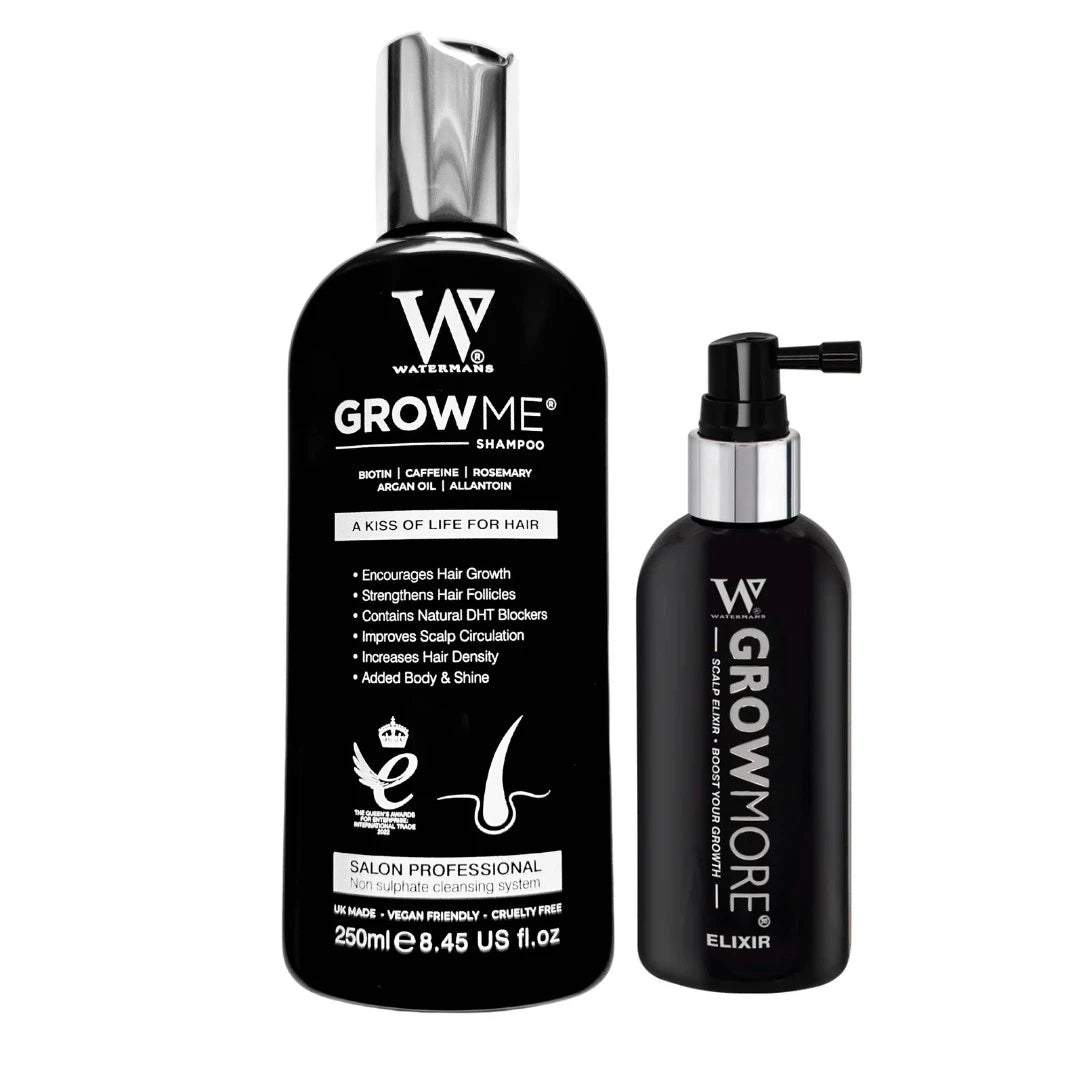
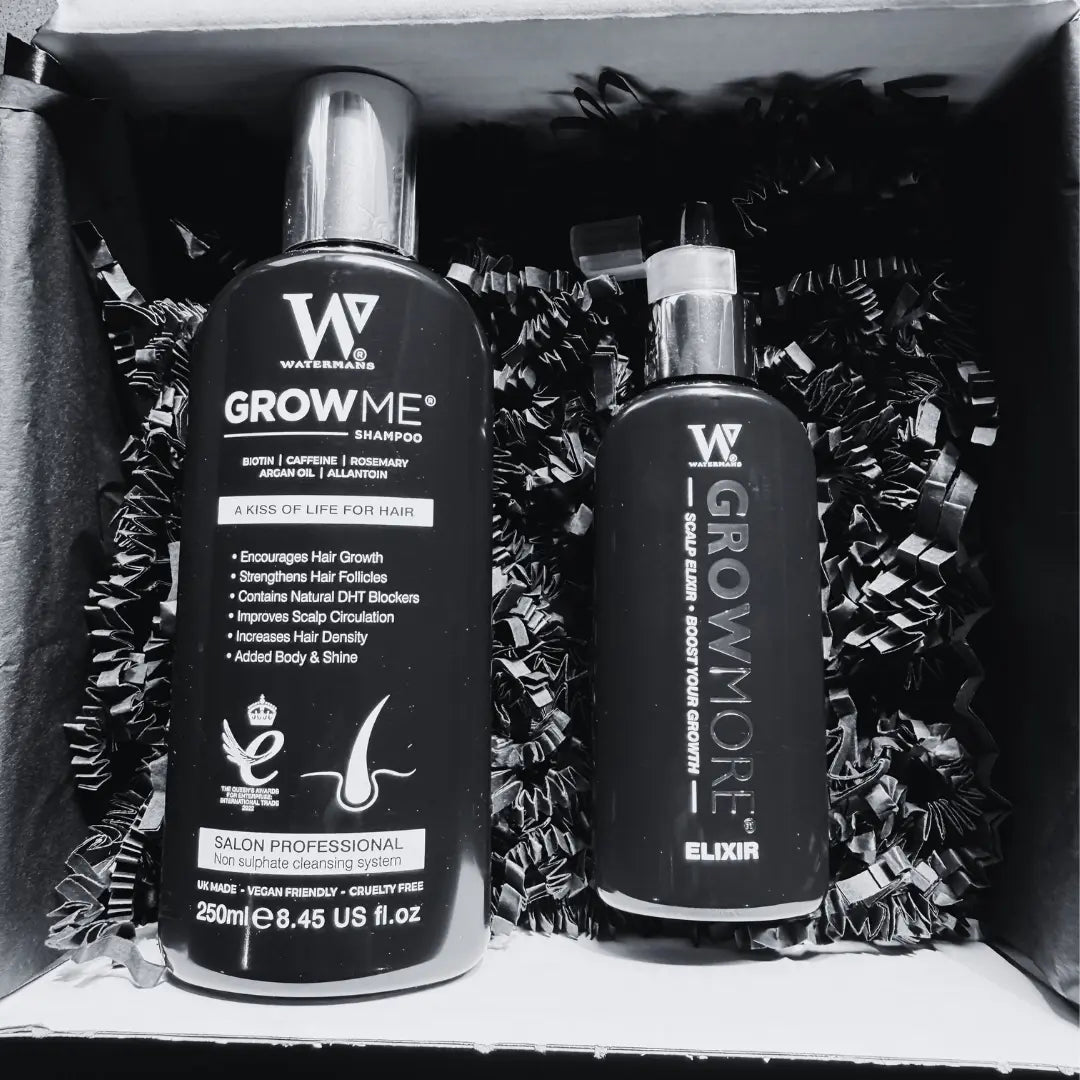
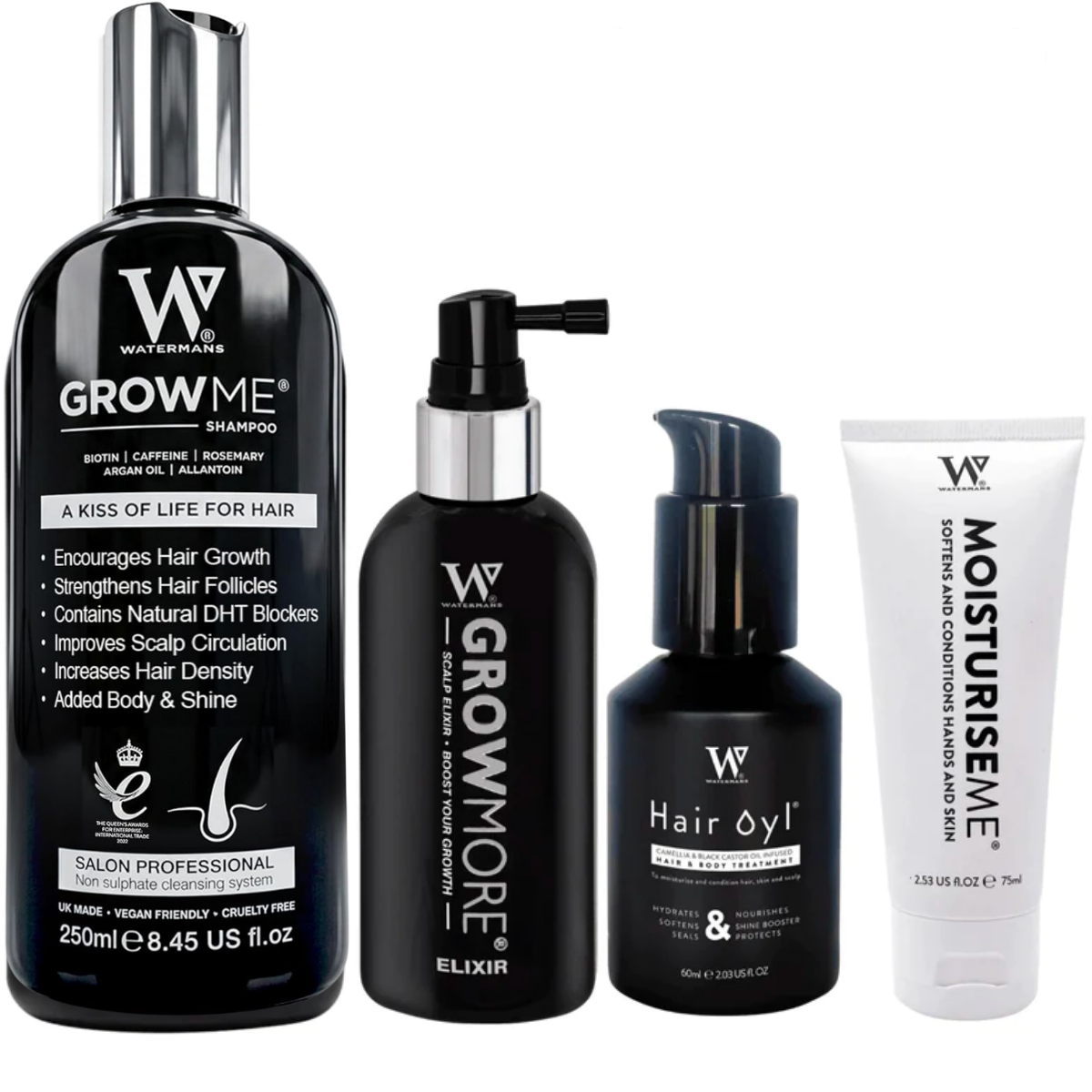
Grow Me® Hair Growth Shampoo
Sulfate free, with niacinamide and allantoin, the same barrier friendly ingredients you would look for in a face product, plus biotin, caffeine and rosemary. It reduces breakage for fuller looking hair and supports a comfortable scalp environment.
£14.95 · sulfate free, vegan, made in the UK
And the skin below your neck
Body skin gets even less attention than the scalp, and it is where dryness is most common in a British winter. The rules are simpler because the skin is thicker and less reactive: wash in water that is warm rather than hot, apply something occlusive within a few minutes of getting out while the skin is still damp, and pay attention to shins, elbows and hands, which have the fewest oil glands.
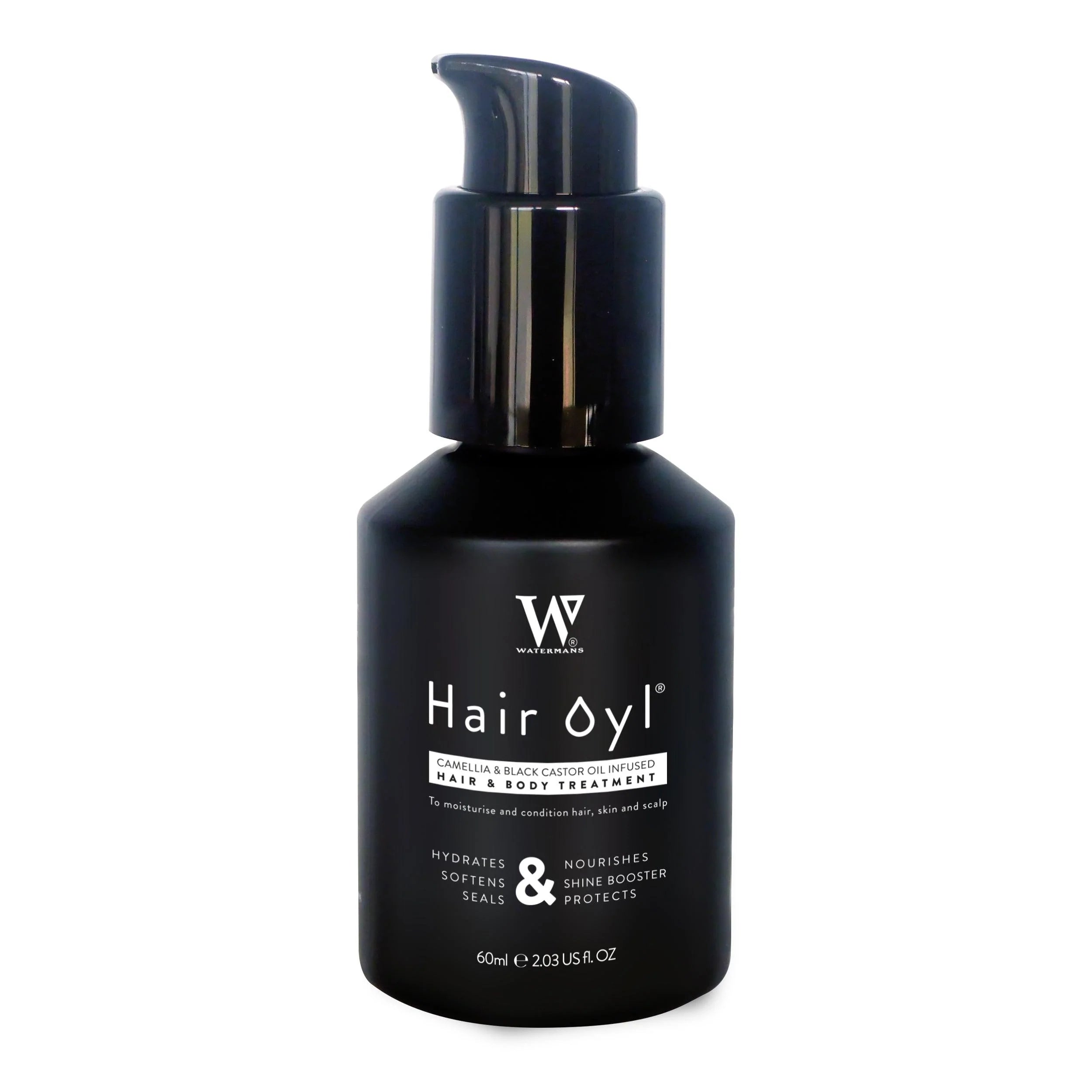
Camellia & Black Castor Hair & Body Oil
Camellia and black castor oil with omega 3, 6 and 9 and vitamins A, B, D and E. Apply to damp skin straight out of the shower to seal water in, or use a few drops through damp hair ends. One bottle, several jobs.
£24.95 · vegan and made in the UK
A four week plan to build a routine properly
If you are starting from nothing, or resetting after things went wrong, do it in this order rather than all at once.
- Week 1. Gentle cleanser at night, moisturiser morning and night. Nothing else. Let your skin find a baseline.
- Week 2. Add a broad spectrum SPF 30 or higher every morning as the last step. Wear it on grey days too. If you do nothing further, you already have a good routine.
- Week 3. Add one active, and only one. A retinoid twice a week at night is the highest value choice for most people. Expect some adjustment.
- Week 4. Sort your scalp and body out. Move your shampoo to a gentler one, apply it to the scalp rather than the lengths, and moisturise your body on damp skin after showering.
After four weeks you have a full routine, you know what every product is doing, and if something reacts you know exactly what caused it.
What to skip
- Toners that contain alcohol. A relic of an era when the goal was stripping oil. Modern hydrating essences are a different thing, and optional.
- Physical scrubs with rough particles. Chemical exfoliation is gentler and more even. Aggressive scrubbing causes micro damage.
- Anything that stings and is marketed as working. Stinging is irritation, not efficacy.
- Ten step routines copied from social media. More steps is more chance of irritation and more chance of giving up.
- Expensive serums with an active listed after the preservative. If it appears below phenoxyethanol on the label, it is present at roughly 1% or less.
And if you have a persistent skin condition rather than ordinary dryness or dullness, see your GP or speak to a pharmacist. A routine helps ordinary skin behave better. It is not the right tool for a condition that needs medical attention, and no cosmetic product should be sold to you as though it were.
Frequently asked questions
What order should I apply skincare in?
Thinnest to thickest. Cleanser, then watery serums, then moisturiser, then oils or balms if you use them. In the morning, sunscreen always goes last, over your moisturiser and never mixed into it.
How many products do I actually need?
Three. A gentle cleanser, a moisturiser, and a broad spectrum sunscreen for the morning. Everything beyond that is refinement, and a simple routine used consistently outperforms a complicated one used sporadically.
Do I need sunscreen in the UK in winter?
UVA passes through cloud and glass year round, and it is the wavelength most associated with visible ageing. Daily SPF matters most from spring to autumn, but if you are using a retinoid or vitamin C, wear it year round because those actives make skin more sun sensitive.
Can I use retinol and vitamin C together?
Better to separate them. Vitamin C in the morning and a retinoid at night is the standard approach, and it avoids the irritation that often comes from layering both. If your skin is robust and it suits you, there is no absolute rule, but split them first and only combine if you have a reason to.
Why has my skin got worse since I started a routine?
Most often because several actives were introduced at once and the barrier is irritated. Stop everything except a gentle cleanser, a moisturiser and sunscreen for two weeks. If it settles, reintroduce one product at a time with two weeks between each.
Should I use a different shampoo if I have sensitive skin?
It is worth considering. The scalp is continuous with facial skin, and shampoo runs down your face and back in the shower. A sulfate free formula is a sensible starting point if your skin is reactive, for the same reasons you would avoid a stripping face wash.
Is an expensive moisturiser better?
Not reliably. Price correlates with packaging and marketing far more than with formulation. Look for glycerin, ceramides, niacinamide, panthenol and a sensible emollient, and ignore the front of the bottle.
Watermans products are 100% cosmetic and do not treat medical hair loss. Individual results may vary.
Where to start
Cleanse gently at night. Moisturise twice a day. Wear sunscreen every morning. Give that a fortnight before you add anything, then add one thing at a time. When you get to week four, extend the same thinking to your scalp and your body, because they are the same organ and they respond to the same care.
Watermans has sold over 5 million bottles since 2012, and every formula is vegan and made in the UK.