

Traction Alopecia: How Tight Hairstyles Cause Hair Loss
Last updated: August 2026. Traction alopecia is hair loss caused by repeated pulling on the follicle, and it is the one common form of hair loss that is almost entirely preventable. Caught early, when the hairline is only thinning, it usually recovers within three to six months of removing the tension. Left long enough, the follicle scars over and the loss is permanent.
That difference between early and late is the whole point of this page. There is a clear sequence of warning signs, and almost everyone who ends up with permanent loss passed through every one of them, treating tenderness and small bumps at the hairline as the normal price of a style that holds.
Key takeaways
- Pain, tenderness, headaches or small bumps after styling are not signs of a good hold. They are the first sign of too much tension.
- The classic pattern is loss at the frontal hairline and temples, often with a band of fine hairs left in front of the receding area, known as the fringe sign.
- Early traction alopecia usually regrows in three to six months once the tension stops. Once the scalp looks smooth and shiny with no visible follicle openings, the follicle is scarred and will not regrow.
- Chemical relaxing or bleaching plus tension is the highest risk combination, because weakened hair tolerates far less pulling.
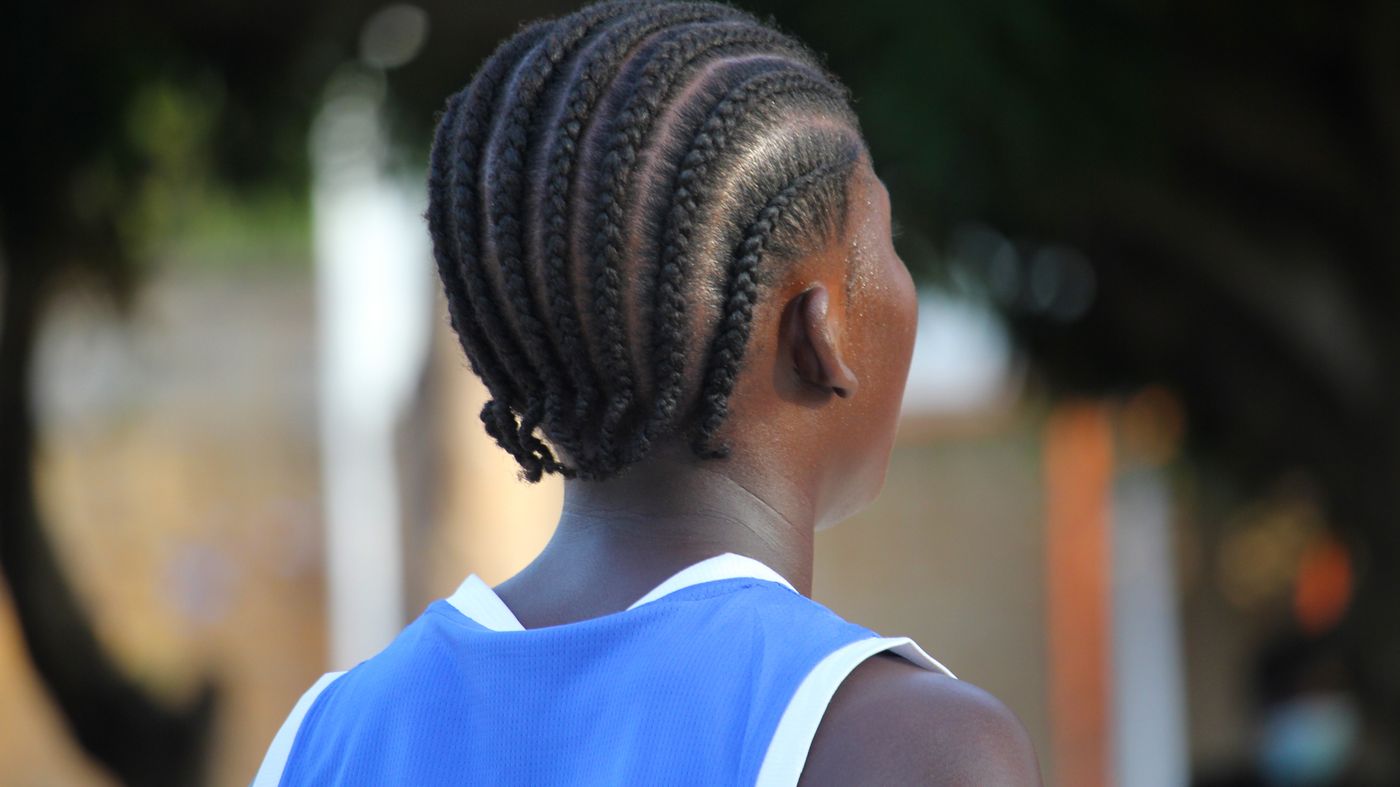
- Risk is about tension and duration, not about any one style. A loose braid is fine. A tight braid worn for weeks is not.
- No shampoo, oil or supplement treats traction alopecia. Removing the tension is the treatment, and a doctor should assess anything that is not improving.
What is traction alopecia?
Traction alopecia is hair loss caused by prolonged or repeated mechanical pulling on the hair, which inflames and eventually damages the follicle. It differs from other hair loss in that the cause is external and mechanical rather than hormonal, autoimmune or nutritional, which is why it appears exactly where the tension is applied.
It develops in stages. First comes inflammation around the follicle, often with tenderness and small pimple-like bumps. Then hairs are shed or broken faster than they are replaced, and the hairline thins. Finally, with enough sustained damage, the follicle is replaced by fibrous tissue and can no longer produce hair at all.
What are the early warning signs of traction alopecia?
Tenderness, itching or a headache after styling, small red bumps along the hairline, and short broken hairs where the style pulls hardest. These arrive long before visible thinning, which is why they are the ones worth acting on. Nobody ever presents to a clinic at this stage, and that is the problem.
| Stage | What you notice | What to do |
|---|---|---|
| Very early | Soreness, itching or headache after styling. Style feels tight for a day or two | Loosen it immediately. Fully reversible |
| Early | Small red or pus-filled bumps at the hairline, short broken hairs standing up | Stop the style entirely. See a pharmacist or GP if the bumps persist |
| Established | Visible thinning at the temples and frontal hairline, hair looking sparse where it pulls | See a GP or dermatologist now. Usually still reversible |
| The fringe sign | A band of fine, short hairs left along the very front, with thinning behind it | A recognised sign of traction alopecia. Needs assessment |
| Late | Smooth, shiny scalp with no visible follicle openings in the affected area | Scarring. Will not regrow, but the surrounding hair can still be protected |
The last row is the one that matters most. Look closely at the bare skin in good light. If you can still see tiny dots where follicles open onto the surface, hair can still come back. If the skin looks smooth, pale and shiny like the back of a hand, the follicles are gone and time is no longer on your side elsewhere on the hairline.

Which hairstyles cause traction alopecia?
Any style that holds the hair under sustained tension, which is a matter of degree rather than a list of forbidden looks. The highest risk comes from styles that combine tightness, long duration, added weight and chemically processed hair, because each of those multiplies the effect of the others.
| Style | Risk level | Why |
|---|---|---|
| Tight braids or cornrows on relaxed hair | Highest | Chemical processing weakens the shaft, so it tolerates much less tension |
| Weaves and sew-ins | High | Added weight pulls constantly on a small number of anchor points, for weeks |
| Glued or bonded extensions | High | Weight plus adhesive stress, and removal itself pulls hair out |
| Tight high ponytails and ballet buns | High if daily | Same follicles, same direction, every day for years |
| Tight locs, especially while starting them | Moderate to high | Weight increases as they grow, and retwisting adds repeated tension |
| Slicked edges with gel and heavy brushing | Moderate | The finest, most vulnerable hairs are the ones being pulled and stiffened |
| Tightly wound headwraps or turbans | Moderate | Constant pressure at the same line, worn for many hours daily |
| Loose plaits, low buns, claw clips | Low | Tension spread widely and easily released |
Protective styling is genuinely protective when it is done loosely. The purpose of a braid or a bun is to stop hair being handled, combed and heat styled every day, and that benefit is real. It is only when the style is installed tight enough to hurt, or worn long enough to pull, that it becomes the problem it was meant to solve.
Is traction alopecia reversible?
Early traction alopecia is reversible. Once tension is removed, follicles that are inflamed but intact recover and hair regrows, typically starting within three months and continuing over six to twelve. The proportion that comes back depends entirely on how much damage was done before the pulling stopped.
Late traction alopecia is not reversible, because the follicle has been replaced by scar tissue and there is nothing left to grow from. This is why the shiny, smooth, poreless appearance is the single most important thing to look for, and why waiting to see whether it improves is the wrong instinct.
How to tell breakage from traction alopecia
Look at the loose hairs. A hair that has shed from the follicle has a small pale bulb at the root end. A short, blunt fragment with no bulb has snapped mid shaft, which is breakage. Breakage means the hair is fragile and will grow back once you stop damaging it. Bulbed hairs coming out along a tight hairline, plus a receding edge, points towards traction and needs more urgent attention.
What actually reduces the risk?
Lower the tension, shorten the duration, and rotate where the stress falls. Those three principles cover almost everything, and none of them require abandoning styles that matter culturally or professionally. The aim is to stop the same follicles taking the same pull every day for years.
- If it hurts, it is too tight. Ask for it looser at the time, not after two days of headaches. A good stylist will not be offended.
- Give hair a break between styles. Two to four weeks of loose, unstyled hair between protective styles lets inflamed follicles settle.
- Move the stress point. Change your parting, alter ponytail height, vary where pins sit. Rotating the tension is one of the most effective and least discussed measures.
- Leave the edges out. The baby hairs at the hairline are the finest and most vulnerable, and they are usually the first to go for good.
- Do not combine chemical processing with tight styling. If hair is relaxed or bleached, it needs looser styles, not the same ones.
- Take styles down sooner rather than later, and never leave a weave, sew-in or set of braids in past the point where new growth is pulling at the anchor.
- Detangle before styling, with conditioner and fingers or a wide tooth comb, from the ends upward. Most of the force applied to hair happens while fighting a knot.
- Sleep loose. Take styles down at night and use a satin or silk pillowcase or bonnet to cut friction.
Children need much looser styles than adults
Traction alopecia is well documented in children, and tight braiding, beads and repeated tight ponytails are the usual causes. A child's hair is finer and their scalp more sensitive, and they may not say it hurts. Any hair loss in a child should be seen by a GP rather than assumed to be styling, because scalp ringworm and alopecia areata also present this way. Our guide to hair loss in children covers what to rule out.

What treatment options will a doctor discuss?
Removing the tension is the treatment, and everything else is supportive. A GP or dermatologist may treat active inflammation, discuss topical or injected anti-inflammatory options for the early inflammatory stage, and in some cases consider hair transplantation for areas that have already scarred. All of that is a clinical decision, not a self-treatment one.
Be sceptical of anything sold as a cure for traction alopecia. No shampoo, oil, serum or supplement removes tension, and no cosmetic product regrows hair from a scarred follicle. If a product promises that, the promise is the problem. Cosmetic care has a real but limited role: it keeps the remaining hair in better condition and makes styling gentler.

Curly Hair Shampoo & Curl Definition Conditioner Set, £24.95
A gentle cleanse and condition set for curly and coily hair. The only reason it appears on this page is slip: hair that detangles easily needs far less force during styling, and most of the pulling people do to their own hair happens while working through knots.
This is everyday cosmetic hair care. It is not a treatment for traction alopecia, it cannot regrow hair from a scarred follicle, and it is no substitute for removing the tension or seeing a doctor.
See a GP or dermatologist if you have
- A hairline or temple area that is visibly thinner than it was a year ago
- Any smooth, shiny patch of scalp with no visible follicle openings, where time genuinely matters
- Persistent bumps, pus, crusting or pain at the hairline
- Hair loss in a child, which needs other causes ruled out first
- Thinning that has not improved after three to six months without tension
- Hair loss elsewhere on the scalp or body, which points to a different cause entirely
What about festivals, weddings and other big occasions?
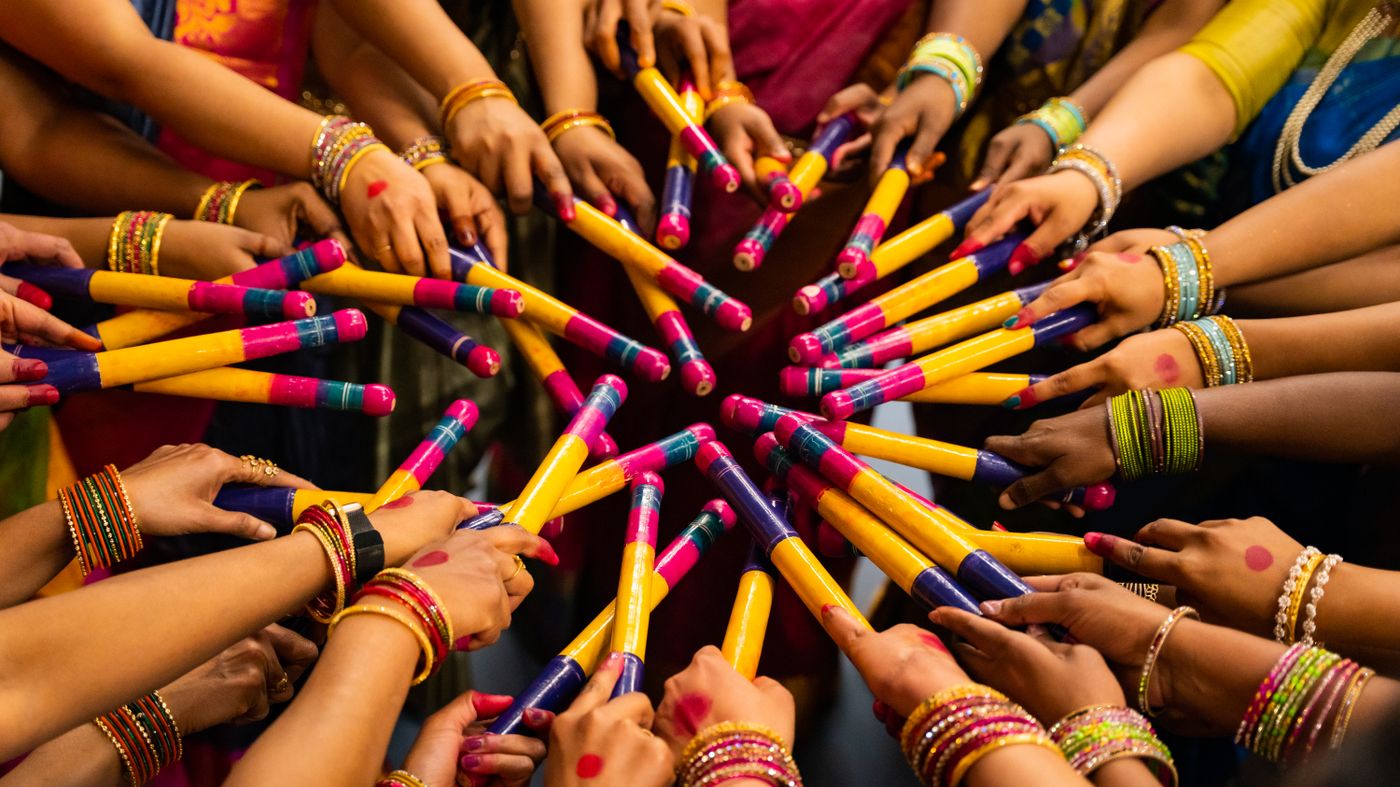
Occasional tight styling for one evening is not what causes traction alopecia. Sustained repetition is. The risk arises in the seasons where the same tight style is worn night after night, such as a run of wedding functions or nine consecutive nights of festival dancing, particularly on hair that is also being heat styled daily.
The workaround is rotation rather than abstinence. Alternate a tight look with a looser one, change where the tension sits, and give hair a fortnight of nothing afterwards. Our practical routine for garba hair care across nine nights sets that out night by night.
Frequently asked questions
How do I know if I have traction alopecia?
The typical picture is thinning at the frontal hairline and temples where styles pull hardest, often with a band of fine short hairs left at the very front. Tenderness, small bumps and broken hairs come earlier. A GP or dermatologist can confirm it and rule out other causes.
Will my hair grow back after traction alopecia?
If it is caught early, yes. Once tension is removed, intact follicles usually start regrowing within three months and continue over six to twelve. If the scalp has become smooth and shiny with no visible follicle openings, that area has scarred and will not regrow.
How long does traction alopecia take to reverse?
Expect three to six months before you see meaningful regrowth, and up to a year for the full picture. Hair grows around one centimetre a month, so nothing visible happens quickly. Photograph the hairline in the same light monthly rather than judging it in the mirror daily.
Are braids and protective styles bad for your hair?
No, when they are done loosely. Protective styling genuinely reduces daily handling, combing and heat damage. The harm comes from installing them tight enough to hurt, adding heavy extensions, or leaving them in so long that new growth pulls at the anchor points.
Does wearing a ponytail every day cause hair loss?
A tight, high ponytail worn daily for years can, because the same follicles take tension in the same direction every day. A loose ponytail at varying heights is low risk. If your scalp is sore or you get headaches from it, that is the signal to loosen it.
What is the fringe sign in traction alopecia?
It describes a band of fine, short hairs retained along the very front of the hairline while the area just behind it thins. It is a recognised clinical clue, because the frontmost hairs are often left out of tight styles and so escape the tension the rest receives.
Can hair oils or growth serums treat traction alopecia?
No. Nothing applied to the scalp removes mechanical tension, which is the cause, and no cosmetic product regrows hair from a scarred follicle. Gentle products help by making detangling and styling easier, which reduces pulling, but that is prevention rather than treatment.
Is traction alopecia the same as pattern hair loss?
No. Pattern hair loss is hormonal and genetic, and follows a recognisable pattern at the crown and temples over years. Traction alopecia is mechanical, appears exactly where styles pull, and often affects the temples and hairline specifically. The two can occur together, which is worth mentioning to a doctor.
An honest note. Watermans is a hair care company. We make shampoos and conditioners, not treatments, and traction alopecia is a medical condition with a mechanical cause. The single most valuable thing on this page is free: loosen the style, rotate where the tension sits, and get a hairline that is receding looked at early rather than late.
Related reading: why is my hair thinning, the top 10 causes of hair loss in women, what alopecia areata is and a complete care guide for afro hair.