

Garba Hair Care: Surviving Nine Nights of Dancing
Last updated: August 2026. Nine consecutive nights of garba is harder on hair than most people expect, and the damage comes from three specific things: salty sweat left in overnight, tight styles worn for three or four hours at a time, and heat styling every single evening. Fix those three and your hair comes through Navratri fine.
None of this requires giving up the look. It requires a rotation, so that no single night carries sweat, tension and heat all at once, and a proper wash on the nights that matter. Below is a routine built around how the nine nights actually run, not a generic hair care list.
Key takeaways
- Sweat does not cause hair loss. Leaving dried sweat in the hair overnight causes itching, flaking and breakage, which is a different problem with an easy fix.
- The single most damaging habit is the tight high ponytail or bun worn for hours, repeated nine nights running. Tension is cumulative.
- Rotate: never combine a tight style, heavy jewellery and a straightener on the same night.
- Rinsing with plain water after dancing is far better than doing nothing, on the nights you cannot face a full wash.
- Keep heat tools under 180°C for most hair and always use a heat protectant, because nine nights at 210°C is a lot of cumulative damage.
- Any soreness at the hairline, or short broken hairs appearing along the parting, is a signal to loosen the style immediately.
What do nine nights of garba actually do to your hair?
Three things stack up. Salt from dried sweat sits on the scalp and dries the strand, tension from tight styling pulls repeatedly at the same follicles along the hairline and parting, and daily heat styling removes moisture from hair that is already dehydrated. Individually each is manageable. Nine nights in a row is where it shows.
The visible signs are predictable: an itchy scalp by around night four, hair that feels rough and tangles badly by night six, short broken hairs standing up along the parting by the end, and more hair than usual in the brush the week afterwards. Almost all of it is breakage rather than genuine shedding.

Does sweating a lot cause hair loss?
No. Sweat is roughly 99% water with salt, urea and lactate, and there is no mechanism by which it damages the follicle. What it does do, when left to dry in the hair for hours, is leave salt behind that dehydrates the strand and irritates the scalp, which leads to scratching, flaking and breakage.
That distinction matters because it changes the fix. If sweat caused hair loss you would need to avoid dancing. Since it is the residue that causes trouble, you simply need to remove it, and a two minute rinse with plain water does most of that job even when you are exhausted at 1am.
How often should you wash your hair during Navratri?
Alternate nights as a rule, with a plain water rinse on the nights in between. Washing every night for nine nights strips more oil than a scalp can replace and leaves hair rough and static. Washing only twice across the whole nine nights leaves salt and product sitting on the scalp for days.
| Night | After dancing | Style for the next night |
|---|---|---|
| 1, 3, 5, 7, 9 | Full wash. Shampoo the scalp, conditioner on lengths and ends only | Freshly washed hair holds a style badly, so favour plaits over sleek buns |
| 2, 4, 6, 8 | Rinse with plain water, or at minimum take the style down and let the scalp dry | Second day hair holds a bun or twist beautifully with fewer pins |
| Every night | Take every pin and elastic out before sleeping, without exception | Never sleep in a tight style or with hair still damp and bound |
| Night 10 | Clarifying wash, then a deep conditioning mask left on for 10 minutes | Leave hair down and unstyled for a few days |
Do not go to bed with hair still damp and tied up. Damp hair bound tightly for eight hours is weaker, swollen and under tension all at once, and it is a reliable way to wake up to breakage along the crown.
Which garba hairstyles hold for three hours without damaging hair?
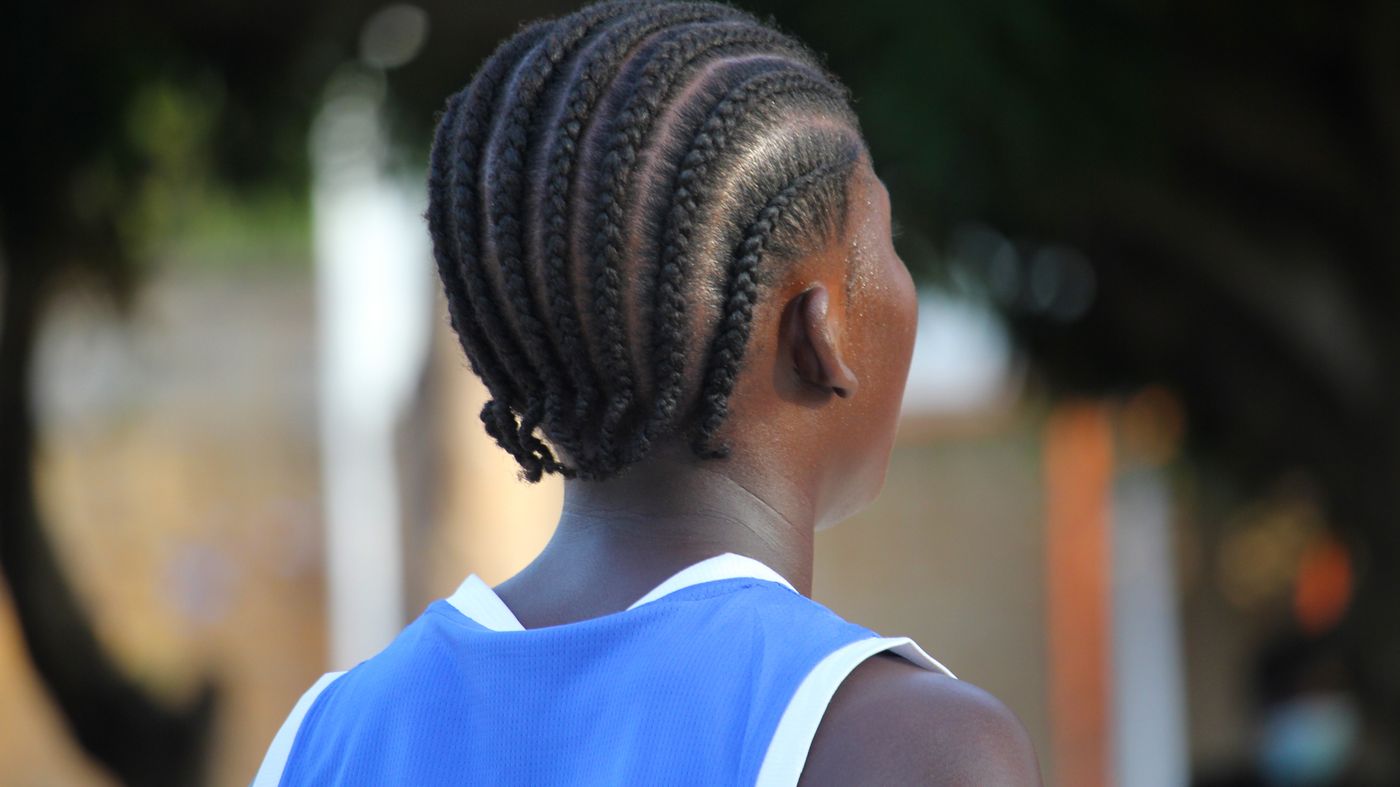
The ones that spread tension across a wide area rather than concentrating it at the hairline. A low bun secured with a fabric covered elastic, a Dutch plait, or a half-up style will all survive vigorous dancing, and none of them pull at a single line of follicles for the whole evening.
| Style | Holds up? | Tension risk |
|---|---|---|
| Low bun, fabric scrunchie | Very well | Low. The best all round choice |
| Dutch or French plait | Excellent | Low if plaited loosely at the scalp, high if plaited tight to the skin |
| Half-up, half-down | Good | Low, and the easiest to loosen mid evening |
| High tight ponytail | Well | High. The classic cause of hairline thinning when repeated nightly |
| Slicked back with gel and pins | Well | High. Tension plus product build-up plus pins at the same points |
| Heavy clip-in extensions | Variable | High. Weight plus movement pulls hard on a small number of follicles |
| Loose hair, no styling | Poorly | None, but expect serious tangling and friction from a dupatta |
If it hurts, it is too tight
A style should never be painful, and headaches or a tender, tingling scalp are not a sign it will hold well. They are a sign the follicles are under more tension than they should carry. Repeated over nine nights, and then over years of festivals and weddings, that tension can cause traction alopecia, which becomes permanent if it goes on long enough. We cover the warning signs in tight hairstyles and traction alopecia.
How do you protect hair from nine nights of heat styling?
Use a heat protectant every time and lower the temperature. Most hair straightens perfectly well between 160°C and 180°C, and the higher settings people default to add damage without adding hold. Nine consecutive evenings at 210°C causes visible roughness and breakage by the end of the week.
Better still, build the look around styles that do not need heat at all. Plaits set on damp hair give you waves overnight with no tool involved, and second day hair styles more easily than freshly washed hair. Aim to use heat on no more than four of the nine nights.

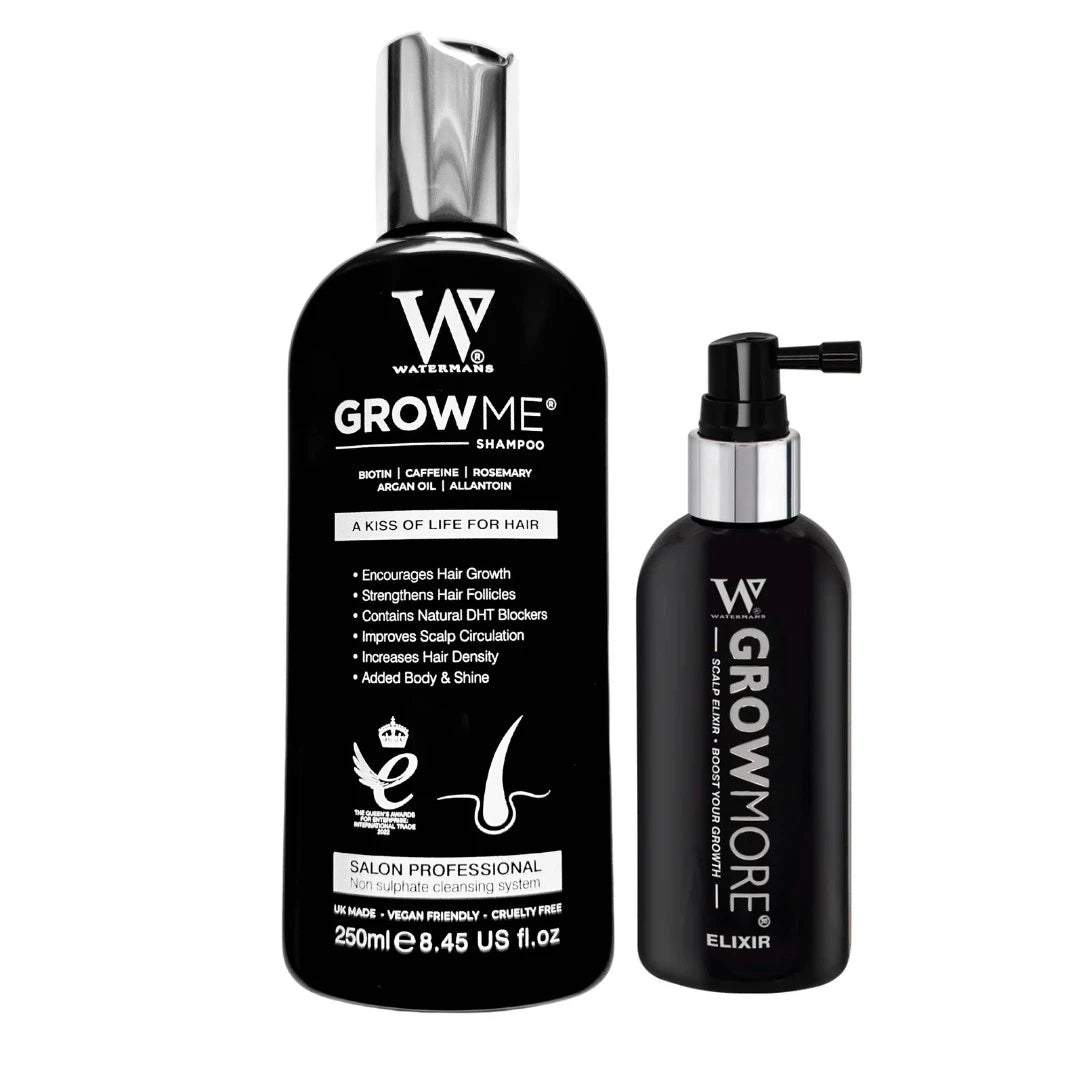
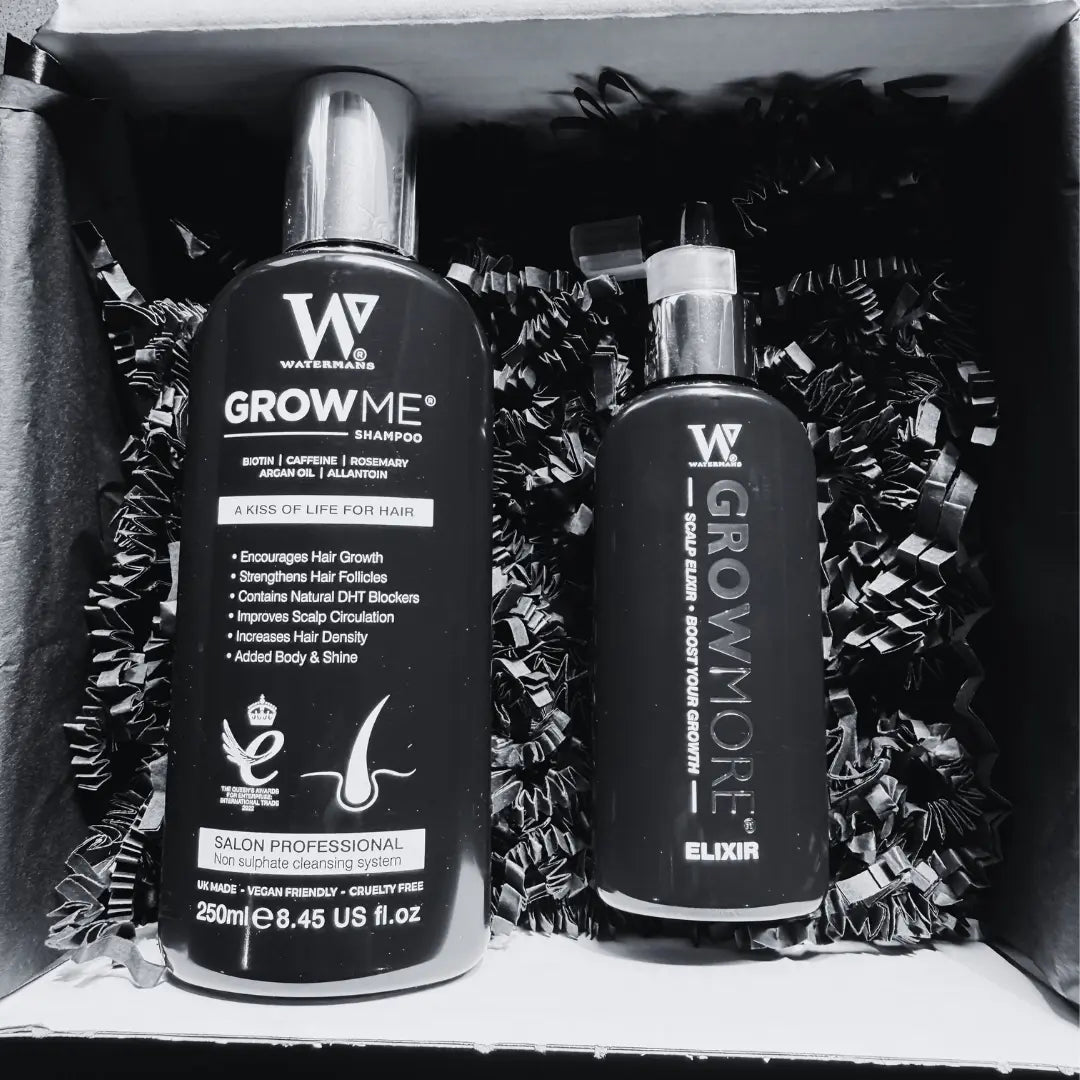
Protect Me® Heat Protection Spray, £13.95
A leave-in spray offering heat protection up to 230°C, plus frizz and colour protection. The relevant use here is the straightener or curler on styling nights, and detangling on the nights you do not wash.
Cosmetic hair care. It reduces heat damage to the strand, it is not a treatment for hair loss.
What about jewellery, dupattas and pins?
They cause more damage than most people credit, because it is friction rather than a single dramatic event. A heavy dupatta rubbing across the same section of hair for three hours roughens the cuticle, maandtikka chains catch at the parting, and metal kirby grips placed in the same spot every night wear at exactly one point on the shaft.
The practical fixes are small. Move pins a centimetre each night rather than reusing the same anchor points, choose grips with intact plastic tips, use fabric covered elastics instead of bare rubber bands, and pin a dupatta to the outfit rather than letting it drag freely across the back of the hair.

What is the fastest post-dancing routine when it is 1am?
Take everything out, rinse, and go to bed with hair loose and dry. That is the whole minimum viable routine and it takes about four minutes. What you are preventing is eight hours of salt sitting against the scalp and eight hours of tension on hair that has already had four.
- Remove every pin and elastic first, gently, working from the ends of any tangle upward rather than pulling from the root.
- Rinse the scalp with lukewarm water for a minute, even without shampoo.
- Squeeze, do not rub, with a towel or cotton t-shirt. Rubbing wet hair with a rough towel is a major source of frizz and breakage.
- Let it dry fully before bed or use a cool dryer setting. Sleeping on wet hair means swollen, fragile strands under friction all night.
- Sleep with hair loose, or in one very loose plait if it tangles badly.

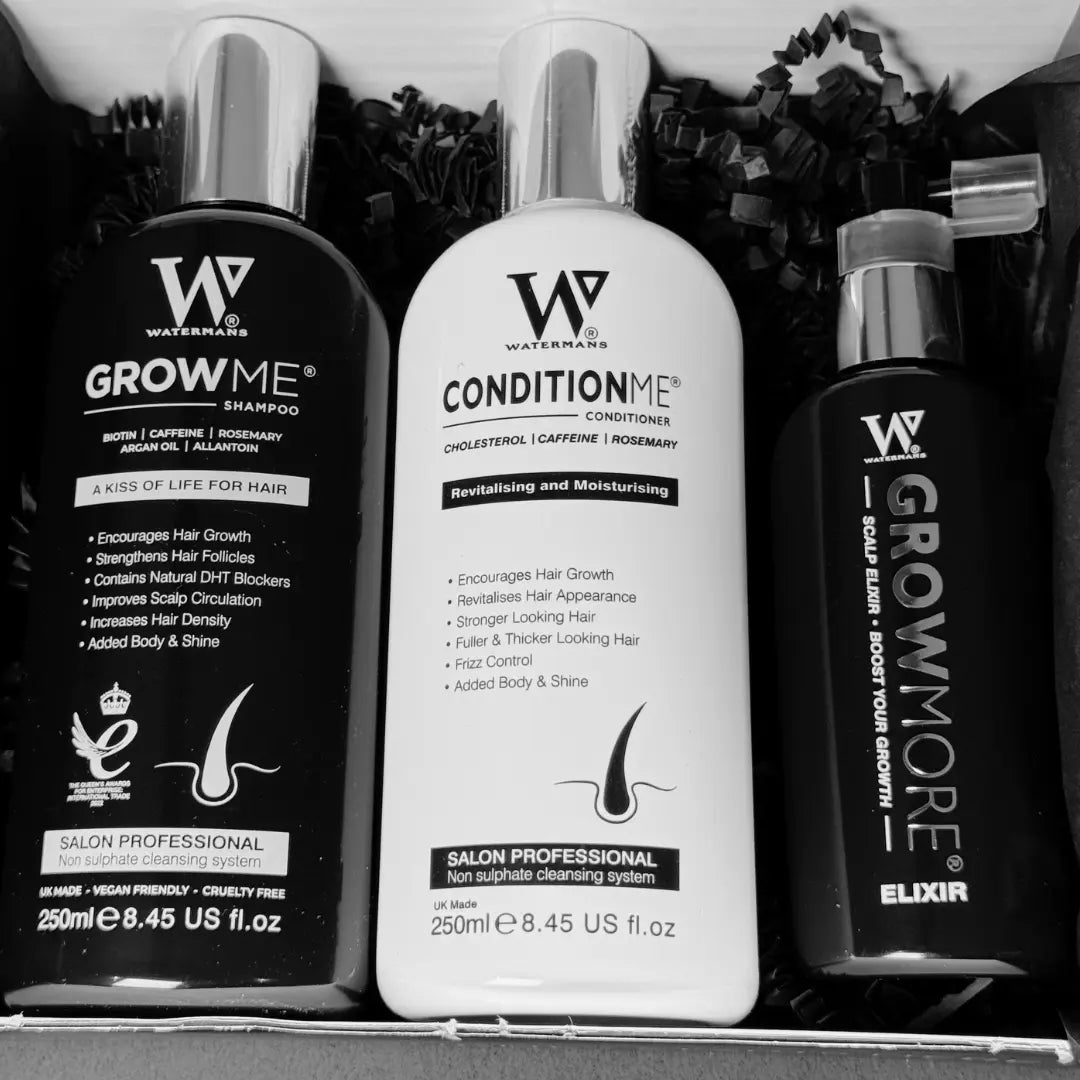
Condition Me® Conditioner, £13.95
A breakage defence conditioner with cholesterol, shea butter and hydrolysed lupine protein. Its job across nine nights is detangling, because most festival damage happens while combing knots out of tired hair.
Use on the mid lengths and ends, not the scalp, and rinse thoroughly.
How do you recover after the festival is over?
Give it a fortnight of doing very little. One clarifying wash to remove nine nights of product and salt, a deep conditioning mask, then loose hair, no heat and no tight styles for two weeks. Hair that has been under tension and heat needs a rest more than it needs another treatment.
If you are seeing short broken hairs standing up along the parting, that is breakage and it will grow back, though it takes a few months. If you are seeing a genuinely widened parting or a receding hairline that does not recover, that needs a GP or trichologist rather than a product, and sooner is much better than later.
Frequently asked questions
Does sweating during garba cause hair loss?
No. Sweat is mostly water and salt and does not damage the follicle. Leaving dried sweat in the hair overnight causes scalp irritation, flaking and breakage, which looks like hair loss but is not. A plain water rinse after dancing prevents nearly all of it.
How often should I wash my hair during Navratri?
Every other night, with a plain water rinse on the nights in between. Washing all nine nights strips more oil than the scalp can replace, while washing twice in nine days leaves salt and product sitting on the skin. Alternating suits most hair types and holds styles better.
What is the best hairstyle for garba?
A low bun secured with a fabric covered elastic, or a Dutch plait. Both survive hours of vigorous dancing and spread tension across a wide area instead of concentrating it at the hairline. Avoid the tight high ponytail nine nights running, which is the classic cause of hairline thinning.
Can I use dry shampoo instead of washing?
Occasionally, but not as the routine across nine nights. Dry shampoo absorbs oil without removing salt, sweat residue or product, and layering it repeatedly leaves a build-up that irritates the scalp. A one minute water rinse achieves more and costs nothing.
Is it bad to sleep with my hair tied up after dancing?
Yes, particularly if it is still damp. Damp hair swells and stretches, so eight hours of tension on top of an evening of it causes real breakage. Take every pin and elastic out, let hair dry fully, and sleep with it loose or in one very loose plait.
How do I stop my hair frizzing in festival heat?
Reduce friction and keep moisture in. Use a leave-in conditioner on damp lengths, squeeze rather than rub with a towel, choose styles that keep hair contained, and pin the dupatta to the outfit so it does not drag across the back of your hair all evening.
Should I oil my hair before garba?
A light oil on the mid lengths and ends before styling is fine and helps with dryness. Avoid heavy oiling of the scalp before nine nights of sweating, since oil plus sweat plus product build-up is a reliable recipe for itching and flaking by around night four.
My scalp itches by the fourth night. What should I do?
Switch to washing rather than rinsing on the next night, drop any scalp oils, and use a gentle shampoo rather than a clarifying one. Persistent itching with greasy yellowish flakes suggests seborrheic dermatitis, which needs an antifungal shampoo from the pharmacy rather than more product.
Over 5 million bottles sold since 2012. Watermans is vegan, cruelty free and made in the UK. Nine nights of dancing is worth doing properly, and so is the four minutes afterwards that decides how your hair looks in October.
Shop Condition Me conditioner, or read more on how to use conditioner properly, what causes hair damage, keeping your scalp healthy and home remedies for an itchy scalp.