


The Hard Truths About Skincare: What Actually Works
The hard truth about skincare is that a very small number of steps do almost all of the work. Daily sun protection, a cleanser that does not strip your skin, a moisturiser matched to how dry you actually are, and enough time for skin cells to turn over. Everything sold beyond that core is either a modest improvement, a purely cosmetic effect that washes off, or marketing. None of this is what the industry wants you to hear, because there is very little profit in telling somebody they already own everything they need.
Key takeaways
- Four steps carry the routine. Sunscreen, gentle cleansing, moisturiser and consistency. Add actives only once those are boring and automatic.
- Price predicts packaging, not performance. The active ingredients with the best evidence are cheap, old and off patent.
- Skin works on a six week clock. The epidermis turns over roughly every 28 to 40 days, so judging a product after a fortnight tells you almost nothing.
- More products means more irritation. Layering several actives at once is the single most common reason a routine stops working.
- Glow is light bouncing off an intact surface. It is a barrier and hydration effect, not a nutrient you can buy.
- The scalp is skin too, and it is the one patch almost nobody includes in a skincare routine.
What actually works in skincare, ranked by evidence
The most useful thing you can do before spending another pound is to sort the shelf into tiers. Not everything on it is a lie, but very little of it belongs in the same category as sunscreen. Here is an honest ranking of what the published evidence supports.
| Tier | What sits here | What it realistically does |
|---|---|---|
| Established | Broad spectrum sunscreen, retinoids, moisturisers containing humectants and occlusives, gentle cleansers | Measurably changes how skin ages, behaves and holds water. Decades of trial data. |
| Reasonable | Vitamin C, niacinamide, azelaic acid, alpha and beta hydroxy acids used sparingly | Useful additions with real supporting studies, but smaller effects than the tier above. |
| Cosmetic | Clay masks, sheet masks, mists, most toners, blurring primers | Changes how skin looks and feels for a few hours. Pleasant, temporary, not a treatment. |
| Weak or none | Collagen creams claiming to replace lost collagen, pore shrinking claims, detox claims | Collagen molecules are far too large to cross the stratum corneum. The claim is structural, not incidental. |
Notice which tier is cheapest. Sunscreen, a plain moisturiser and a mild cleanser cost less together than one mid range serum, and they are the three things that actually decide how your skin looks in ten years.
Why does using more products make skin worse?
This is the trap that catches careful people hardest, because it punishes effort. Somebody reads that vitamin C brightens, that retinol smooths, that acids exfoliate and that niacinamide calms, then buys all four and uses all four. Two weeks later their skin is stinging, flaking around the nose and reacting to a moisturiser that was fine a month ago.
What has happened is barrier disruption. The outermost layer of skin is a lattice of dead cells held in a lipid matrix, and its job is to keep water in and irritants out. Every active you add is, to some degree, a controlled insult to that layer. One at a time, skin adapts. Four at once, and the lattice stops sealing properly, water evaporates faster, and the nerve endings underneath start responding to things that never used to bother them.

The fix is unglamorous. Strip back to cleanser, moisturiser and sunscreen for two to three weeks until skin is calm and comfortable. Then reintroduce one active, on alternate evenings, and leave it alone for six weeks before adding anything else. If you cannot name what each product in your routine is for, that is a sign the routine is doing the deciding rather than you. Our guide to the correct order to apply skincare products covers how to layer what remains.
Does an expensive product work better than a cheap one?
Usually not, and the reason is straightforward. The ingredients with the strongest evidence behind them are decades old and no longer under patent, which means anyone can formulate with them. Glycerin, petrolatum, zinc oxide, niacinamide and the retinoids are all inexpensive raw materials. What a high price generally buys is a nicer texture, a scent, a heavier jar, and a marketing budget.
Formulation quality is real and does vary. A well made product spreads evenly, stays stable, and delivers its active at a sensible concentration and pH. But that is a question of who made it, not what it cost. Some of the best formulated sunscreens and moisturisers in the United Kingdom sell for under ten pounds in a supermarket.
A test worth applying. Turn the box over and read the claim carefully. "Reduces the appearance of fine lines" is a cosmetic claim about how skin looks. "Reduces fine lines" would be a claim about changing skin structure, and it is worded the way it is for a reason. Learning to spot that one word tells you more than any ingredient list.
How long does skincare take to work?
Far longer than the marketing implies, and this mismatch is why most people abandon products that were working. Skin cells are produced at the base of the epidermis and take roughly 28 to 40 days to reach the surface and shed, and that turnover slows with age. Nothing you apply can outrun that clock.
| What you want to change | Realistic timeline |
|---|---|
| Hydration, comfort, tightness after washing | Same day to a few days |
| Flaking, roughness, a damaged barrier | 2 to 4 weeks |
| Texture, congestion, tone evenness | 8 to 12 weeks |
| Pigmentation and fine lines | 6 months and ongoing |
The practical consequence is that judging a product after two weeks is not a fair test of anything except whether it irritates you. Take a photograph in consistent daylight on day one, then forget about it until week eight. Memory is a poor instrument for slow change, and a phone camera is a good one.
Is sunscreen really the highest value step?
Yes, and it is not close. Ultraviolet exposure is the dominant driver of the visible changes most people are trying to reverse with serums: uneven pigmentation, loss of firmness, broken capillaries, leathery texture. It also carries a health consequence that no cosmetic concern matches, since UV exposure is the principal modifiable risk factor for skin cancer.

Two things undermine sunscreen in real life. The first is quantity. Products are tested at two milligrams per square centimetre of skin, and most people apply between a quarter and a half of that, which cuts the protection you actually receive well below the number on the bottle. Roughly a teaspoon for the face and neck is the usual guide. The second is the belief that British weather makes it optional. UVA passes through cloud and through window glass, and it is UVA that drives much of the ageing change, so a grey Tuesday at a desk by a window is not the protected day it feels like.
The one honestly good piece of news here is that the best sunscreen is whichever one you will actually wear every morning. Texture and finish matter more than SPF number above 30, because a bottle you dislike stays in the cupboard.
What is "glow", actually?
Glow is an optical effect. Light reflects evenly off a smooth, well hydrated surface, and scatters unevenly off a rough, flaking or dehydrated one. That is the entire mechanism. It is why a good moisturiser appears to work instantly while a treatment serum appears to do nothing for months, and it is why the effect fades when you stop.
Which reframes the goal usefully. You are not trying to add radiance to skin. You are trying to stop removing it, mainly by not over cleansing, not over exfoliating, and keeping water in the outer layer where it belongs. Humectants such as glycerin and hyaluronic acid draw water into that layer, and occlusives sitting on top slow its escape. That combination, applied to slightly damp skin, is what people are describing when they say a product gave them a glow.

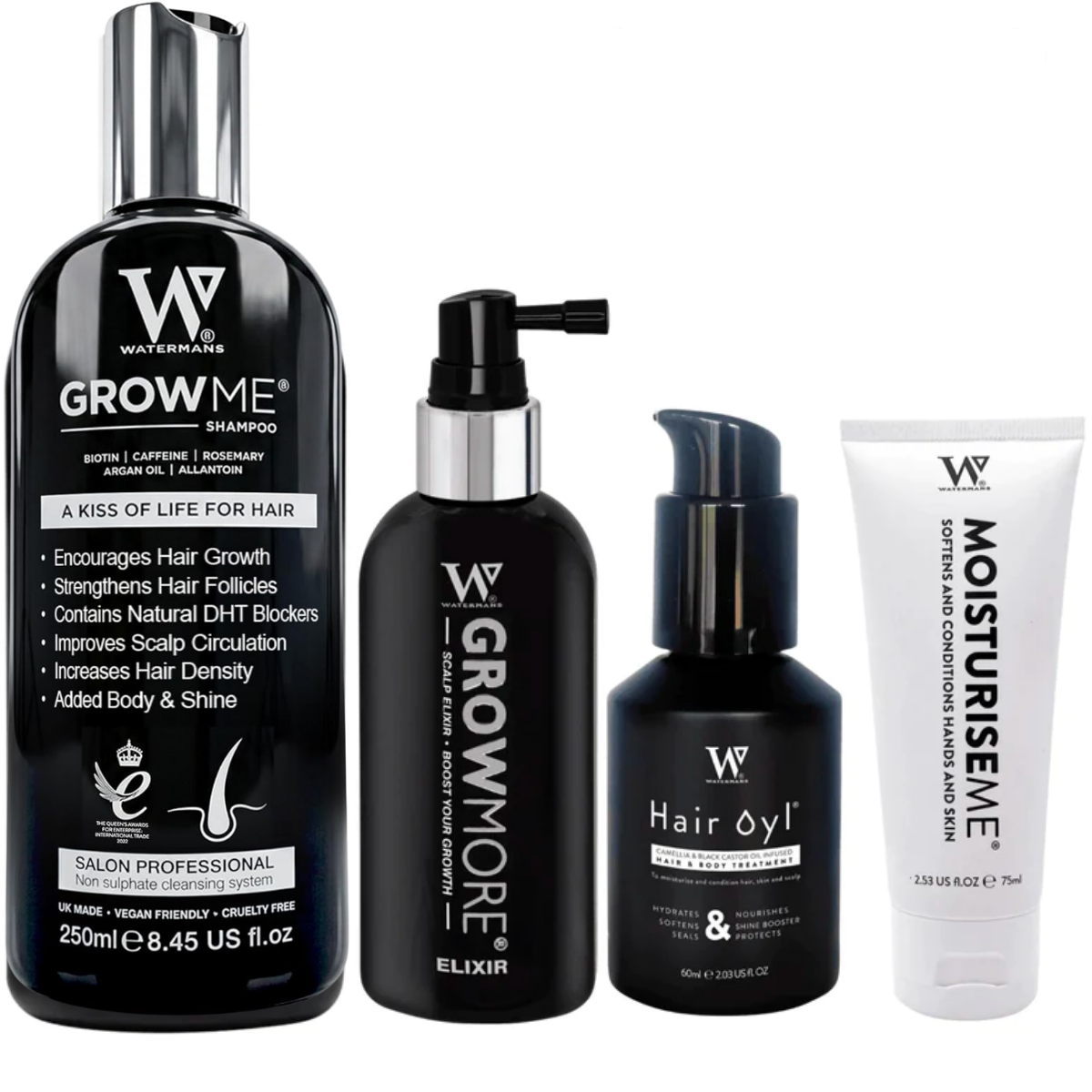
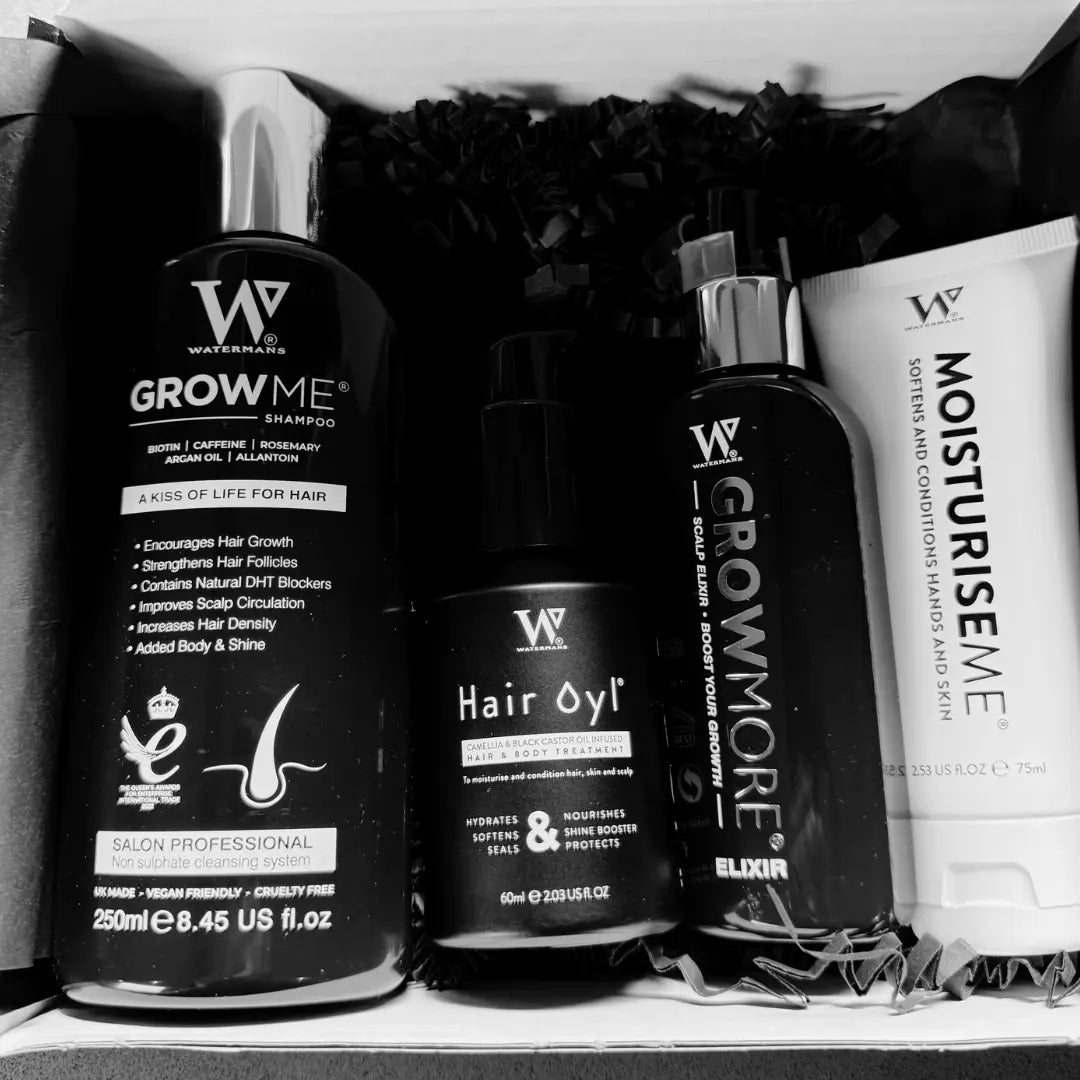
Moisturise Me® Face & Hand Cream, £15.00
A cupuacu, shea and cocoa butter cream with allantoin and almond oil. This is the occlusive and emollient half of the equation described above, for faces and hands that feel tight after washing. Scope: a moisturiser. It is not a sunscreen, an active treatment, or a substitute for either.
Does drinking water give you better skin?
Drinking enough water is worth doing for every other reason, but it is not a skincare step. In a person who is not dehydrated, extra fluid is handled by the kidneys rather than routed to the epidermis, and studies looking at increased water intake have found limited effect on skin hydration measures in already hydrated people. Skin water content is governed far more by what is happening at the surface, which is where humidity, cleansing habits and moisturiser actually operate.
Diet is a different question, and a more interesting one. There the evidence is patchier but genuinely non zero, and we cover what holds up in our look at the evidence on diet and glowing skin.
The patch of skin almost nobody includes in a routine
Here is the truth this brand is best placed to tell, because it is the one we spend our working lives on. Your scalp is skin. It has the same epidermis, the same barrier, the same nerve endings and by far the highest density of sebaceous glands on the body. It is also the only significant area of skin that most people treat exclusively with a detergent and then never moisturise, never protect from the sun, and never think about until it itches.

The consequences show up as things people do not connect to skincare at all: flaking that gets blamed on dry scalp when it is more often the opposite, tenderness, and a parting that burns on the first warm weekend of the year because it is bare skin with no protection on it. The same barrier logic that governs your face governs the skin under your hair, and the myths that circulate about it are worth their own article, which is why we wrote the skin care myths that quietly sabotage your scalp. If your scalp is already flaking or sore, start instead with how to keep your scalp healthy.
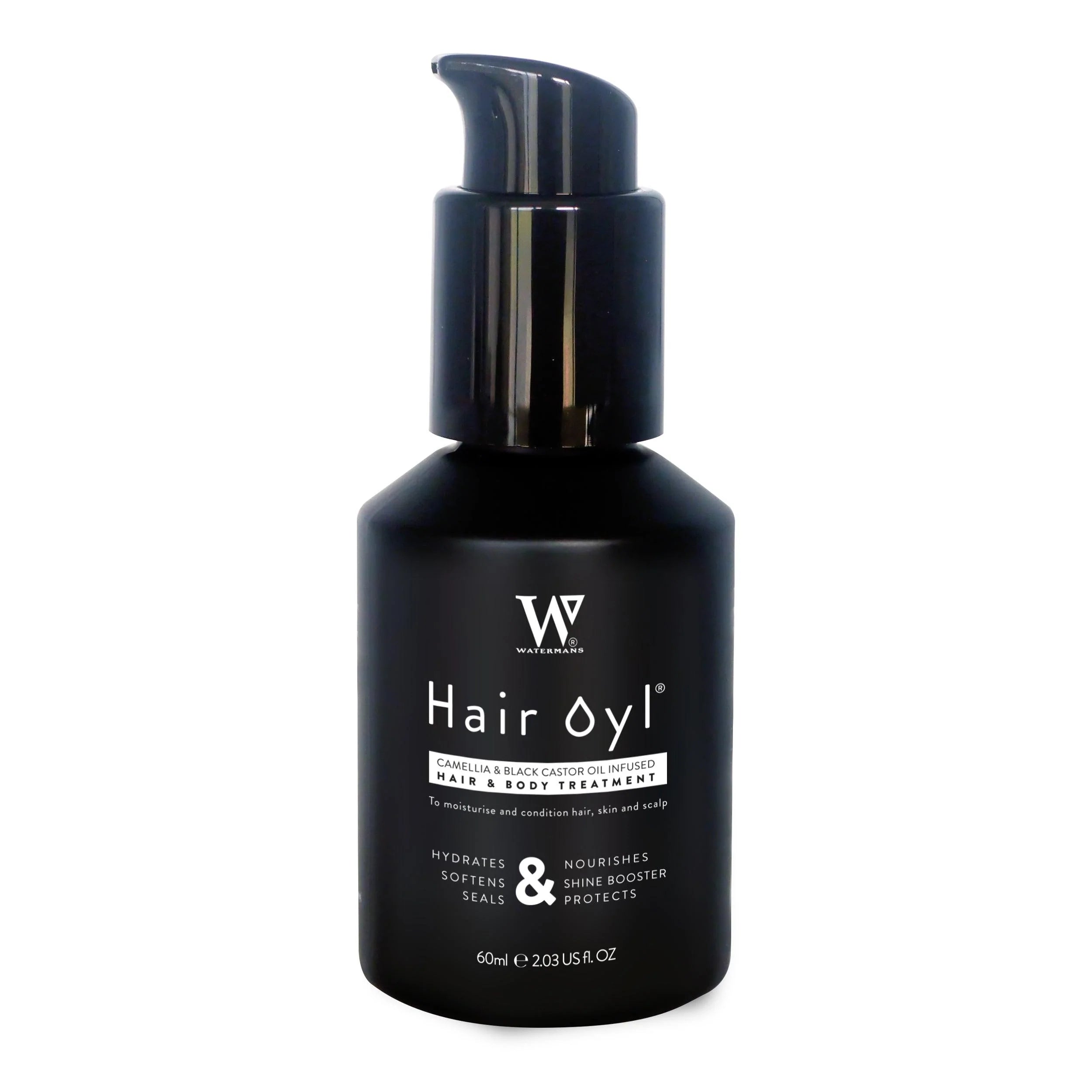
Camellia & Black Castor Hair & Body Oil, £24.95
A multi use oil for lengths, ends and dry patches of body skin such as elbows, shins and knees. Scope: an emollient for hair and body. Not for use on the face, and not a scalp treatment for a flaking or inflamed scalp, which needs washing rather than oiling.
A routine you will actually keep
The best routine is the shortest one you will complete on a bad night. Complexity is the enemy of consistency, and consistency is the only variable that reliably separates people whose skin improves from people whose skin does not.
- Morning: rinse or use a gentle cleanser, moisturiser, sunscreen. Three steps, under two minutes.
- Evening: cleanse properly to remove sunscreen and the day, moisturiser. Add one active here if you want one, on alternate nights to begin with.
- Weekly: nothing is required. If you enjoy a mask, enjoy it, but understand it as a pleasant hour rather than a treatment.
- Always: apply moisturiser to slightly damp skin. It is free and it measurably improves how much water the outer layer retains.
An honest note about who is telling you this. Watermans makes hair care and a hand and face cream. We do not make a sunscreen, a cleanser or a retinoid, and the advice above will send you to a pharmacy for two of the three most valuable products in your routine. We would rather say that plainly than pretend our shelf is the answer to a question it does not cover.
When to stop self treating and see a doctor
Skincare is for healthy skin with cosmetic concerns. Some things are not that, and no routine adjustment will fix them. Speak to your GP or a pharmacist if you have persistent painful or cystic spots, redness with flushing or visible vessels, patches that are scaly and will not resolve, sudden sensitivity to products you tolerated for years, or any mole or lesion that is changing in size, shape or colour. Those need assessment, not a different serum.
Frequently asked questions
What actually works in skincare?
Daily broad spectrum sunscreen, a gentle cleanser, a moisturiser containing humectants and occlusives, and consistency over months. Retinoids have the strongest evidence of any optional addition. Vitamin C, niacinamide and mild acids are reasonable extras with smaller effects.
How many skincare products do I actually need?
Three. Cleanser, moisturiser and sunscreen cover the essentials for most people. Anything beyond that is optional, and should be added one product at a time with several weeks between additions.
Are expensive skincare products better?
Rarely. The best evidenced ingredients are off patent and inexpensive. Price mostly buys texture, fragrance, packaging and marketing. Formulation quality matters, but it does not correlate reliably with cost.
How long does it take to see results from skincare?
Hydration improves within days. Barrier repair takes two to four weeks. Texture and tone take eight to twelve weeks. Pigmentation and fine lines take six months or more. Skin cell turnover is roughly 28 to 40 days, and nothing applied topically speeds that up dramatically.
Do I need sunscreen in the UK in winter?
UVA reaches the skin through cloud and window glass all year, and it drives much of the visible ageing change. Daily use remains sensible, though UVB and burn risk are genuinely lower in British winter months.
Can drinking more water improve my skin?
Not meaningfully if you are already adequately hydrated. Skin surface hydration is governed mainly by your barrier, the humidity around you and what you apply. Drink water for general health, not as a skincare step.
Why did my skin get worse after starting a new routine?
Most often because several actives were introduced at once and the skin barrier was disrupted. Strip back to cleanser, moisturiser and sunscreen for two to three weeks, then reintroduce one product at a time.
Does my scalp need skincare?
Your scalp is skin with the highest sebaceous gland density on the body, so it has the same barrier needs as your face. It benefits from appropriate washing frequency, sun protection on an exposed parting, and gentle handling. It does not usually benefit from being oiled when it is flaking.
The short version
Protect your skin from ultraviolet light, do not strip it, keep water in it, give it months rather than weeks, and add complexity only when the basics are automatic. Everything else is optional. That is a less satisfying answer than a new product, but it is the one that holds up.
Watermans has been making vegan, cruelty free hair and skin care in the United Kingdom since 2012, and has sold over 5 million bottles. You can see the full range at watermanshair.com, including the Moisturise Me® Face & Hand Cream if a straightforward butter based moisturiser is the gap in your routine. If dry skin is a seasonal problem for you, our guide to caring for dry skin in winter goes further on the cold weather side of it.