

Vitamin C and Immunity: Does It Prevent Colds or Just Shorten Them?
Last updated: August 2026
Routine vitamin C supplements do not reduce how often ordinary adults catch colds, but they do consistently shorten them by a small margin, and they cut risk substantially in people under extreme physical stress. That is one of the more settled findings in nutrition, and it is far more modest than the marketing around effervescent tablets suggests. Vitamin C earns its place in your diet for a different reason: it is required for collagen synthesis and it dramatically improves how much iron you absorb from plant foods.
Key takeaways
- Regular supplementation does not reduce cold incidence in the general population, but modestly reduces duration.
- In marathon runners, skiers and soldiers under extreme cold or exertion, trials found roughly half the risk of a cold.
- The UK reference nutrient intake is only 40 mg a day, easily met by a single orange or half a red pepper.
- Red peppers, blackcurrants and kiwi all contain more vitamin C per gram than oranges do.
- Vitamin C is needed to make collagen, and it markedly increases absorption of non haem iron from plant foods.
- The NHS advises staying under 1,000 mg a day from supplements, above which stomach upset is common.
Does vitamin C prevent colds?
No, not for the general population. Decades of randomised trials, pooled in successive Cochrane reviews, show that taking vitamin C regularly does not change how many colds an average adult catches in a year. The finding has held up across a large number of studies and a large number of participants, which is unusual in nutrition research and makes it one of the more reliable negatives we have.
There is one clear exception, and it is a striking one. In people exposed to short periods of severe physical stress, specifically marathon runners, skiers and soldiers training in subarctic conditions, supplementation roughly halved the incidence of colds. That group is genuinely different from someone taking a tablet in a warm office, and it is a good example of why a real effect in one population does not transfer to another.
The reason the myth persists is partly historical. Linus Pauling, a Nobel laureate in chemistry, promoted very high dose vitamin C for colds from the 1970s onward, and the sheer weight of his reputation kept the idea circulating long after the trials failed to support it. It is a useful reminder that authority is not evidence, even very distinguished authority.
Does vitamin C shorten a cold?
Slightly. Pooled trial data indicate regular supplementation shortens cold duration by around 8 percent in adults and 14 percent in children. On a typical week long cold that is a matter of hours rather than days, which is real but hard to notice. Starting a high dose after symptoms have already begun has not been shown to help consistently.
That distinction matters for how you actually use it. The duration benefit in the trials comes from taking vitamin C routinely, before you are ill. Reaching for a 1,000 mg sachet on day two of a cold is the version that has the weakest evidence, and it is also the version most people practise.
The comparison with zinc is instructive, because the two are constantly bundled together in the same products despite having quite different evidence profiles. Our companion piece on whether zinc really shortens a cold covers where that one landed, which is less settled than vitamin C in both directions.
How does vitamin C actually support immune cells?
White blood cells actively concentrate vitamin C to levels far above those in plasma, and use it as an antioxidant while they generate the reactive oxygen species they deploy against pathogens. It also supports the movement of neutrophils toward an infection site, their capacity to engulf microbes, and the subsequent clearance of spent cells so that inflammation resolves rather than lingering.
Three roles are worth separating out.
Barrier integrity. Vitamin C is essential for collagen synthesis, and collagen is structural to skin and to the connective tissue underlying every mucous membrane. A physically robust barrier is the first line of immune defence, before any white blood cell is involved.
Phagocyte function. Neutrophils and macrophages engulf and digest pathogens. Vitamin C supports both the chemotaxis that gets them to the right place and the oxidative burst they use once there, while protecting the cell itself from the by products of its own weaponry.
Resolution. After an infection is cleared, spent neutrophils have to be removed. Vitamin C supports that clean up phase, which is part of why deficiency is associated with inflammation that drags on.
Under GB and EU nutrition rules, vitamin C carries an authorised claim that it "contributes to the normal function of the immune system". That is a maintenance statement about a nutrient, not a treatment claim, and it is deliberately worded that way.

Which foods have the most vitamin C?
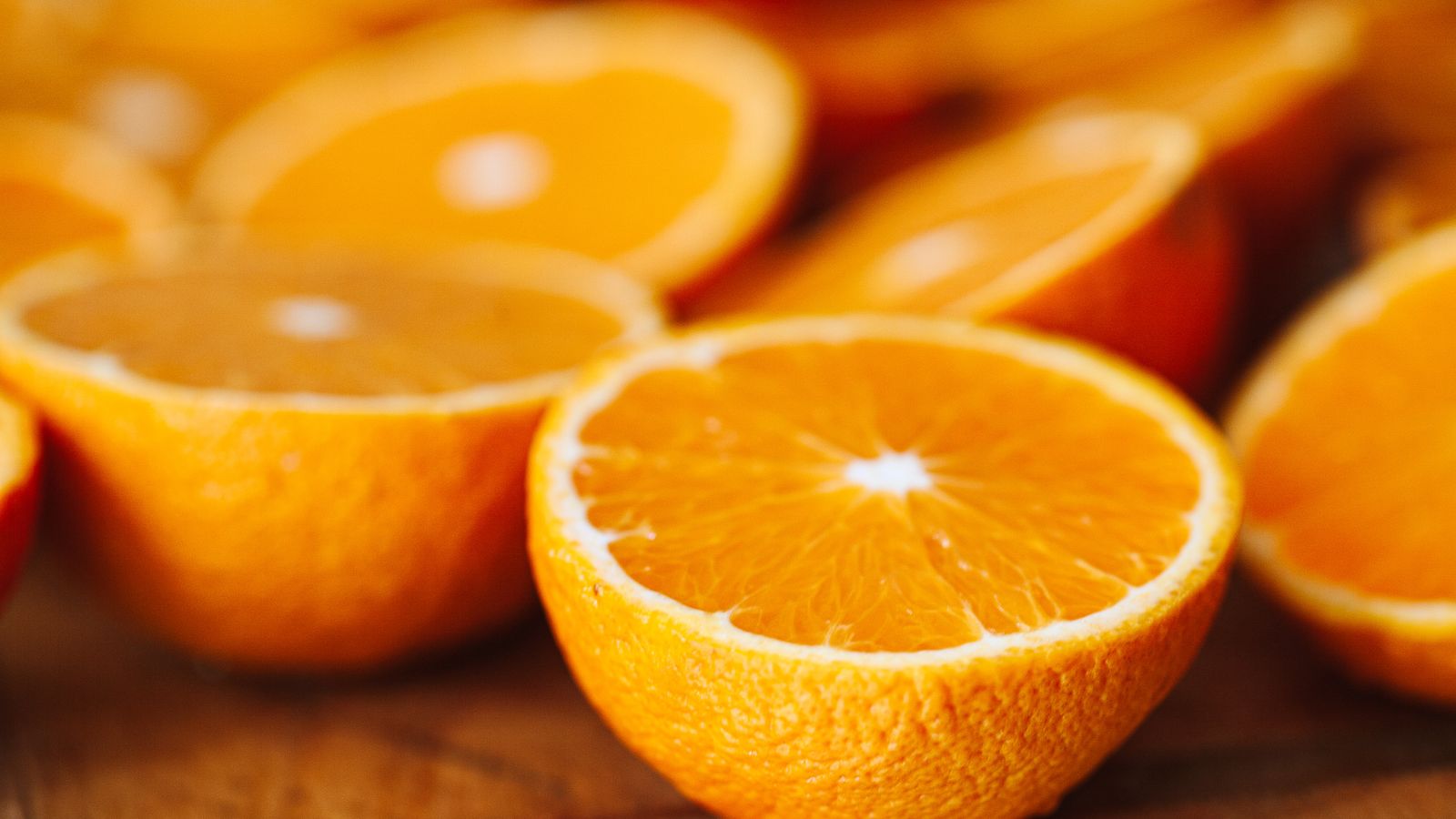
Oranges are not the winner. Red peppers, blackcurrants, kiwi fruit, guava and raw broccoli all contain more vitamin C per 100 g than an orange does, and half a red pepper comfortably covers a UK adult's daily requirement on its own. The reason oranges hold the association is marketing history, not nutritional ranking.
| Food | Relative vitamin C per 100 g | Practical note |
|---|---|---|
| Blackcurrants | Very high | Frozen retains most of it, seasonal fresh |
| Red pepper, raw | Very high | Half a pepper covers the UK daily intake |
| Kiwi fruit | High | Eaten raw, so nothing is lost to cooking |
| Broccoli, raw or lightly steamed | High | Boiling costs a large share of it |
| Strawberries | High | Best fresh, declines in storage |
| Orange | Moderate to high | One orange still exceeds the UK daily intake |
| Brussels sprouts | High raw, lower boiled | Roast or steam rather than boil |
| Potatoes | Low per gram | Historically a major UK source through volume eaten |
Humans are one of the few mammals that cannot make their own vitamin C, because we lack a working copy of the enzyme that completes the synthesis pathway. Most animals produce it internally and never think about it. We have to eat it, every few days, for life.

How much vitamin C do you lose by cooking?
A lot, if you boil. Vitamin C is both water soluble and heat sensitive, so boiling leaches it into the water and destroys part of what remains. Steaming, microwaving, stir frying and roasting preserve far more, and eating vegetables raw preserves the most. Chopping well in advance and long storage also cost you some.
Practical habits that protect it, none of which require any effort.
- Steam or microwave green vegetables rather than boiling them, and keep cooking times short.
- If you do boil, use the cooking water in a sauce, gravy or soup rather than pouring it away.
- Chop just before cooking. Cut surfaces oxidise.
- Store fruit and veg cool and use it within a few days. Vitamin C declines steadily in storage.
- Frozen counts. Produce is usually frozen soon after picking, so frozen vegetables often carry more vitamin C than fresh produce that has spent a week in transit.
How much do you actually need, and can you have too much?
The UK reference nutrient intake is 40 mg a day for adults, which is one of the lowest in the developed world and reflects the amount needed to prevent deficiency rather than to optimise anything. The NHS advises that supplement doses under 1,000 mg a day are unlikely to cause harm. Above that, stomach pain, diarrhoea and flatulence become common because unabsorbed vitamin C draws water into the bowel.
| Group or dose | Amount | Notes |
|---|---|---|
| UK adults | 40 mg a day | One orange or half a red pepper |
| Smokers | Higher requirement | Greater oxidative turnover |
| Typical supplement | 200 to 1,000 mg | Absorption efficiency falls as the dose rises |
| NHS supplement ceiling | Under 1,000 mg a day | Above this, gut side effects are common |
Two cautions apply to very high doses taken long term. Vitamin C is metabolised partly to oxalate, so people with a history of kidney stones should not take gram level doses without medical advice. And large doses can interfere with some blood glucose meters and certain laboratory tests, which is worth mentioning to a clinician before blood work.
What does severe deficiency look like?
Scurvy, which is not a historical curiosity. It still occurs in the UK, typically in people with very restricted diets, alcohol dependence, eating disorders, malabsorption or severe poverty. It develops after roughly one to three months of near zero intake, and the early symptoms are non specific: fatigue, irritability, aching joints and easy bruising.
The later signs are almost all collagen failures, which is what makes them so distinctive. Bleeding, swollen gums and loose teeth. Wounds that reopen. Perifollicular haemorrhage, meaning tiny bleeds around hair follicles. And corkscrew hairs, where the hair shaft coils abnormally because the surrounding structure cannot hold it straight. Scurvy is one of the very few conditions where a vitamin deficiency changes the shape of the hair itself.
It responds quickly and completely to treatment, which should be medically supervised. If you recognise this picture in yourself or someone else, that is a GP appointment, not a supplement purchase.

What is the connection between vitamin C, iron and hair?
Vitamin C substantially increases absorption of non haem iron, the form found in plants, by reducing it to a form the gut can take up and by keeping it soluble. That matters for hair because low iron stores are one of the more common and genuinely correctable contributors to diffuse shedding in women of reproductive age.
The practical version is simple. Pair plant iron with a vitamin C source in the same meal: lentils with peppers, spinach with lemon, fortified cereal with orange juice, beans with tomato. And keep tea and coffee away from iron rich meals, because the polyphenols in both markedly reduce absorption. Those two habits together can change how much iron you actually take up from an unchanged diet.
Two important caveats. First, do not self diagnose. Persistent shedding needs a blood test, because iron deficiency, thyroid disorders and several other causes look similar from the outside, as our guide to sudden hair loss in women explains. Second, never take iron supplements without a test showing you need them, because excess iron is harmful and the symptoms of overload are vague until they are serious.
Beyond iron, vitamin C's collagen role is relevant to the scalp as connective tissue, though it is worth being clear that this is a maintenance function rather than a growth stimulus. Our honest overview of which vitamins and minerals genuinely matter for hair ranks them by evidence rather than by marketing, and the best vitamins for hair growth, what to eat and what to take covers the food first version.

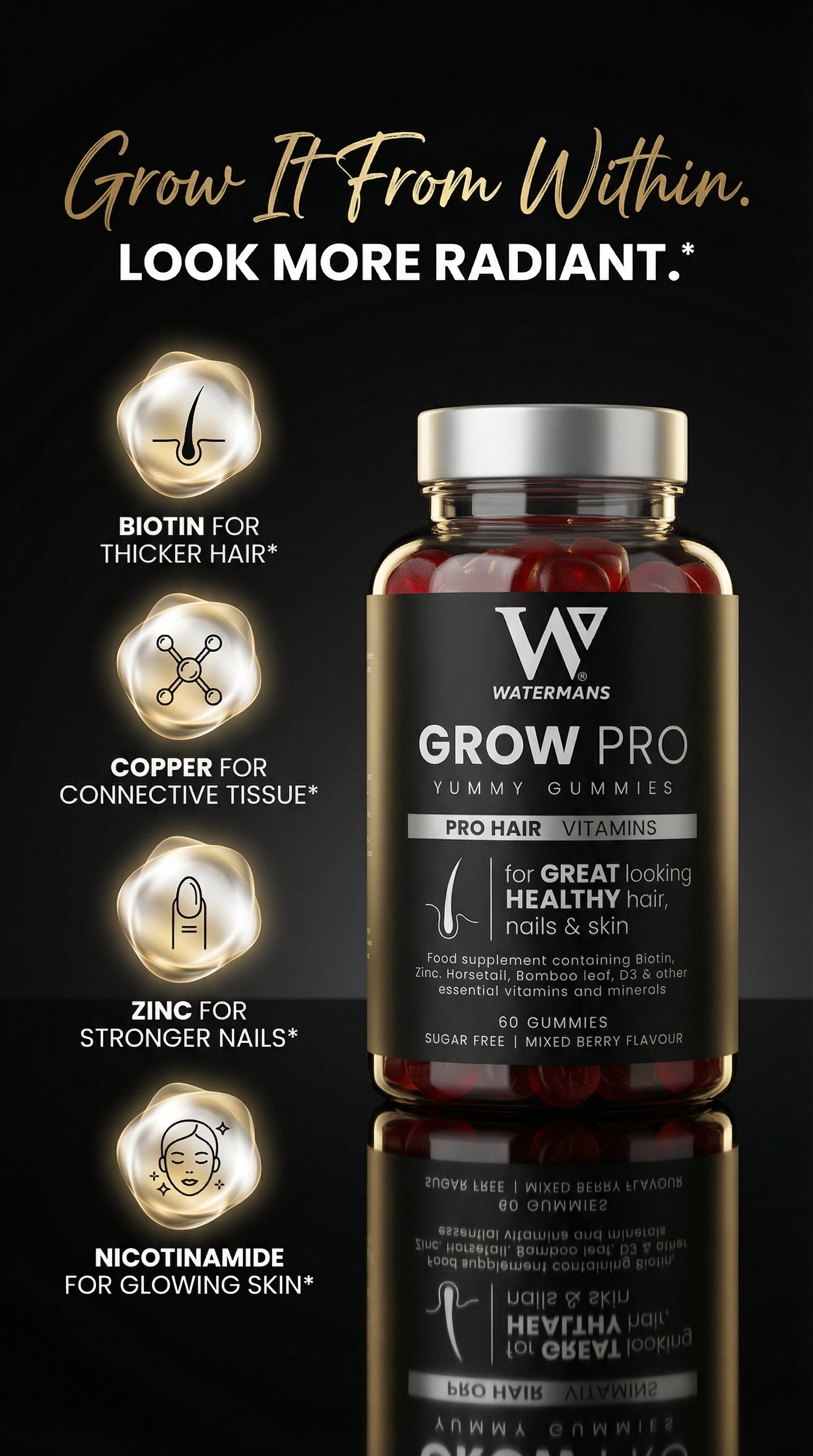
GrowPro Hair Growth Gummies, 22.95 GBP
Sugar free, vegan gummies providing vitamin C alongside biotin, zinc, MSM and bamboo silica. Vitamin C contributes to normal collagen formation and to normal immune function, and zinc and biotin contribute to the maintenance of normal hair. It is a food supplement for covering a gap in a restricted diet, not a treatment for hair loss and not a substitute for a blood test if you are shedding.
If you want to know exactly what goes into a hair supplement and which ingredients have real evidence behind them, our breakdown of what actually works in hair vitamins goes ingredient by ingredient.
Are supplements, juice or whole fruit best?
Whole fruit and vegetables first, because they deliver vitamin C alongside fibre, potassium and a range of polyphenols that a tablet does not, and because they arrive without a spike of free sugars. Juice counts toward intake but the NHS advises limiting it to 150 ml a day, since juicing removes the fibre and releases the sugars.
A supplement is a reasonable backstop rather than a strategy. Sensible reasons to take one include a genuinely restricted diet, malabsorption, recovery from illness with poor appetite, or a period of very high physical stress. Reasons that do not hold up include taking gram level doses to prevent colds, or assuming a higher number on the label means more absorbed, which it does not since absorption efficiency drops sharply as the dose rises.
When should you see a GP?
See a GP if you have bleeding or swollen gums, easy bruising, wounds that will not heal, unexplained fatigue, or diffuse hair shedding that has persisted beyond three months. Those warrant a blood test rather than a supplement, since several deficiencies and several unrelated conditions produce overlapping symptoms.
Also speak to a clinician before taking high dose vitamin C if you have a history of kidney stones, haemochromatosis or any iron overload condition, chronic kidney disease, or if you are about to have blood tests. Nothing on this page is medical advice, and a food supplement never replaces a diagnosis.
Frequently asked questions
Should I take vitamin C when I feel a cold coming on?
The evidence for starting a high dose after symptoms begin is weak and inconsistent. The modest duration benefit seen in trials came from taking vitamin C regularly beforehand. Taking some at the first sneeze is unlikely to harm you at sensible doses, but do not expect much from it.
Is 1,000 mg of vitamin C a day too much?
The NHS advises staying under 1,000 mg a day from supplements, so that figure sits at the ceiling rather than beyond it. Many people tolerate it, but stomach pain and diarrhoea become more likely as you approach and exceed it, and absorption efficiency has already fallen well before that point.
Do oranges have the most vitamin C?
No. Red peppers, blackcurrants, kiwi, guava and raw broccoli all beat oranges per 100 g. An orange is still a perfectly good source and exceeds the UK daily requirement on its own, but the association between oranges and vitamin C is cultural rather than nutritional ranking.
Does vitamin C help hair grow?
Not directly. Its relevance to hair is indirect: it is required for collagen synthesis, and it substantially improves absorption of iron from plant foods, and low iron stores are a recognised contributor to shedding in women. Taking vitamin C when you are not deficient will not thicken hair.
Is vitamin C destroyed by cooking?
Partly. It is water soluble and heat sensitive, so boiling causes the largest losses through both leaching and degradation. Steaming, microwaving, stir frying and roasting preserve much more, and raw preserves the most. Using the cooking water in a sauce recovers a good share of what leached out.
Are effervescent vitamin C tablets as good as food?
They deliver the vitamin, but not the fibre, potassium or polyphenols that come with fruit and vegetables, and many contain significant sodium or sweeteners. They are a convenient backstop, not an equivalent. Check the salt content if you take them daily.
Can you get scurvy in the UK today?
Yes, though it is uncommon. Cases occur in people with very restricted diets, alcohol dependence, eating disorders, malabsorption or severe food insecurity. Bleeding gums, easy bruising, poor wound healing and corkscrew hairs are the classic picture, and it needs medically supervised treatment.
Does vitamin C interact with any medicines?
High doses can affect some laboratory results and blood glucose meters, and can increase iron absorption, which matters for anyone with an iron overload condition. If you take regular medication or are being investigated for anything, mention any supplement to your GP or pharmacist.
The practical summary
Vitamin C will not stop you catching a cold, and the shortening effect it does have is small enough that you are unlikely to notice it. The reasons to care about it are quieter and better established: it is required to make collagen, immune cells concentrate it heavily, and it is the single easiest way to increase how much iron you absorb from plant foods. Eat peppers, blackcurrants, kiwi and lightly cooked greens, stop boiling everything, and pair plant iron with a vitamin C source.
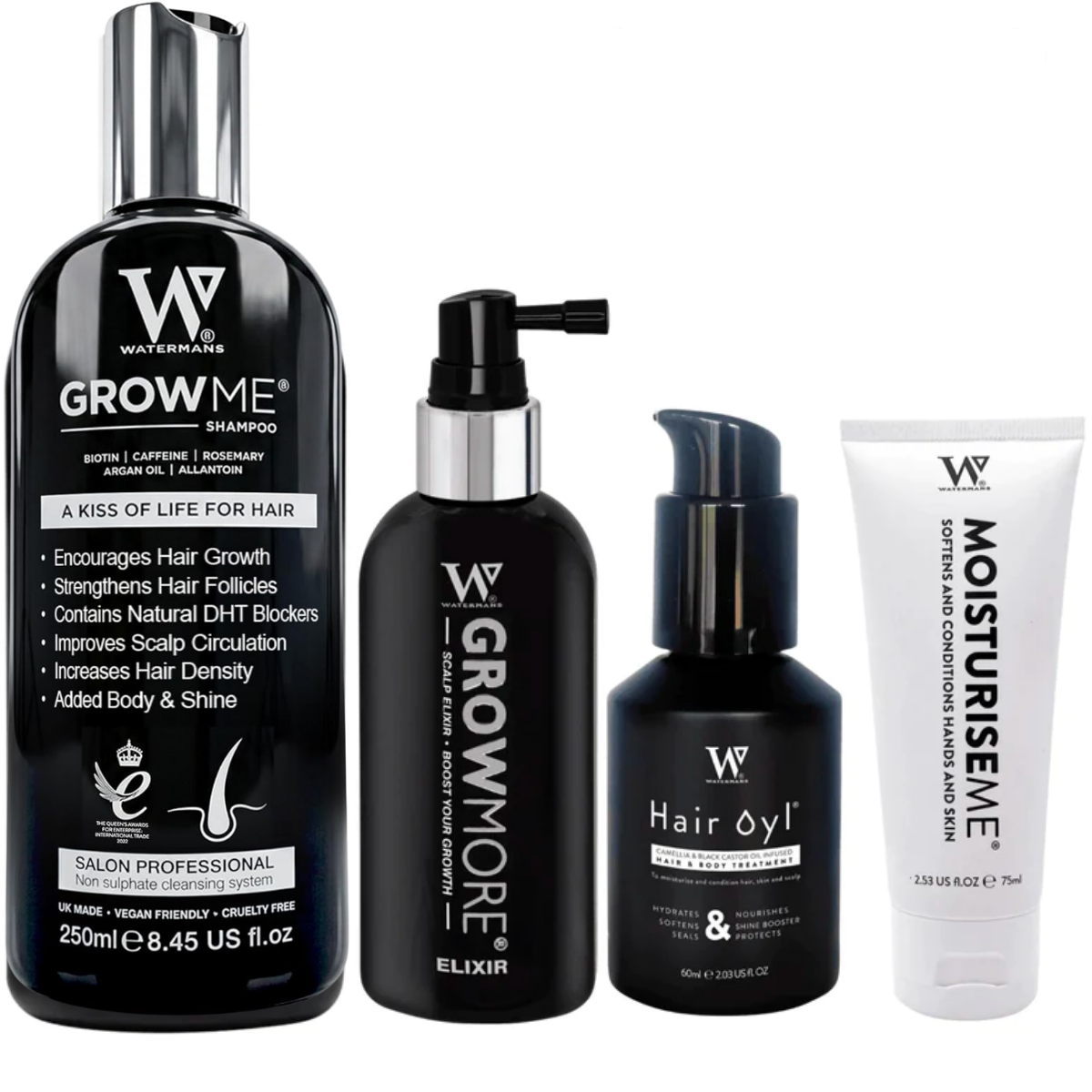
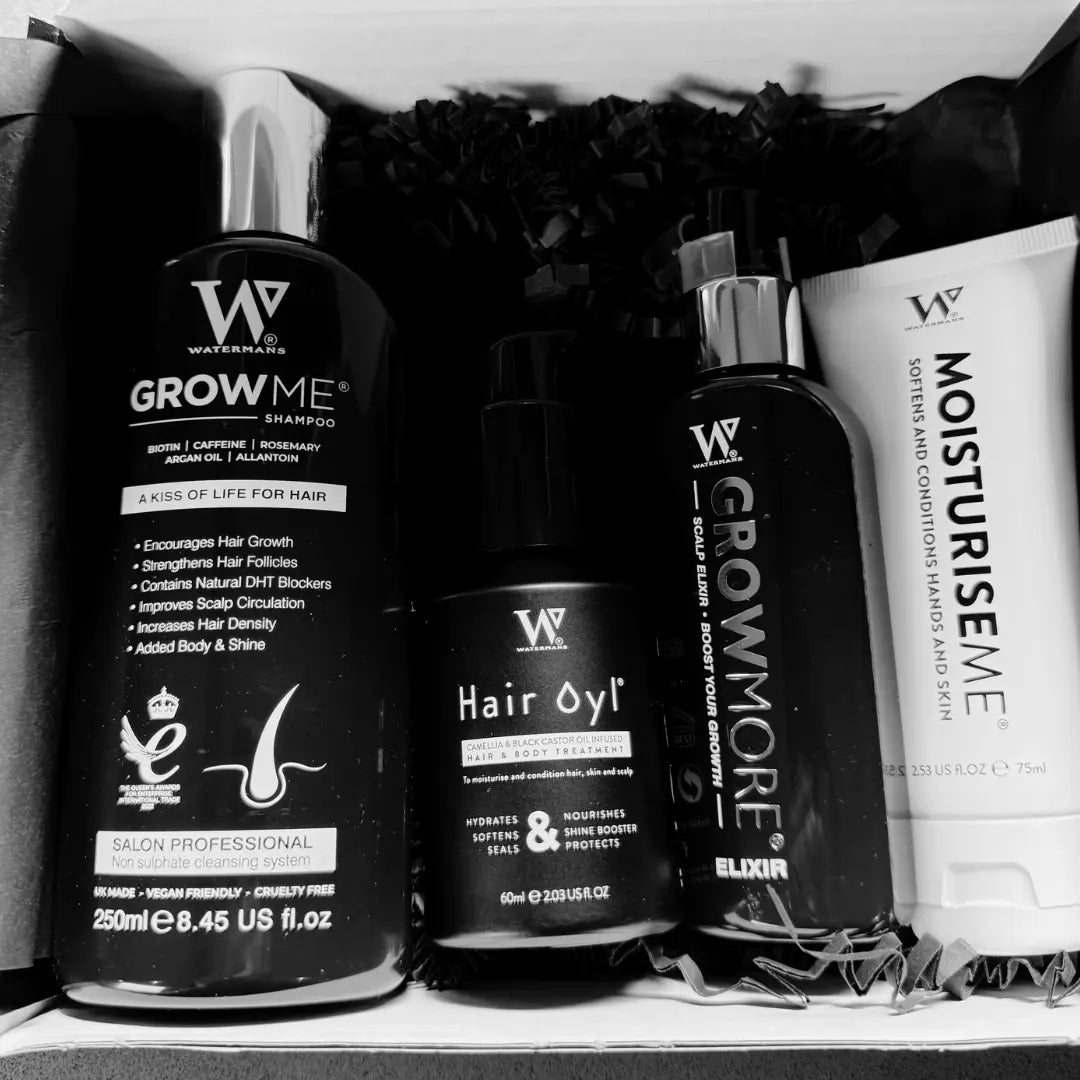
Watermans has sold over 5 million bottles since 2012, and every product is vegan and made in the UK. If your diet is restricted and you want to cover the basics, the GrowPro gummies supply vitamin C, zinc and biotin in one sugar free daily dose. They are a food supplement, not a treatment, and if you are shedding hair persistently the blood test comes first.