

Lip Sunscreen: Why Lips Burn and How to Choose an SPF Balm
Last updated: August 2026
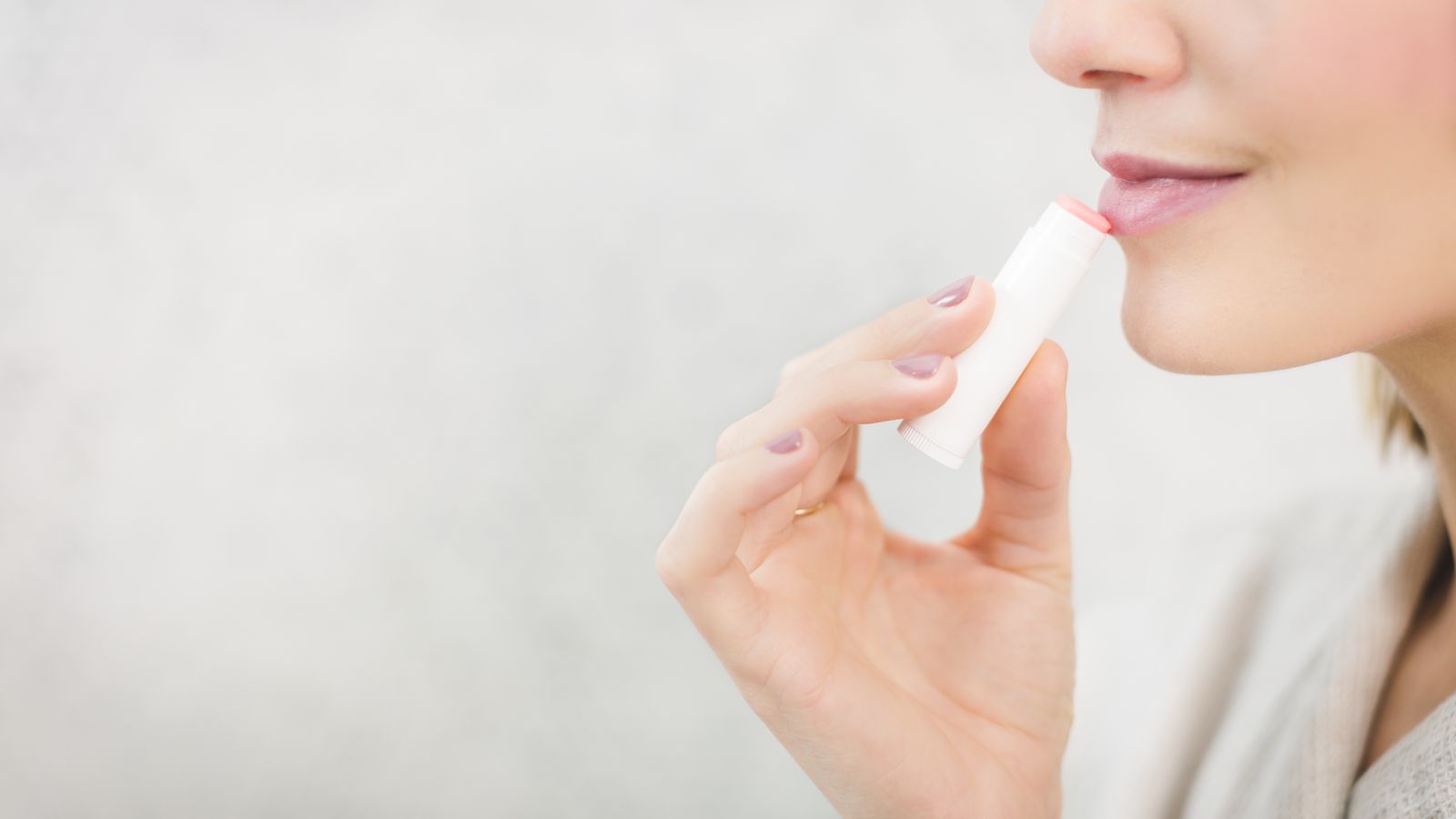
Lips burn faster than the rest of your face because they carry almost no melanin, have a much thinner outer layer, and produce no oil of their own. The lower lip takes the most direct overhead sun, which is why it is the site of the vast majority of lip cancers. A balm with SPF 30 or higher, broad spectrum coverage, and a texture you will actually reapply every two hours is worth more than a technically perfect product that stays in a drawer.
Key takeaways
- Lips have little melanin and no sebaceous glands, so they burn and dry out faster than facial skin.
- Around 90 percent of lip cancers occur on the lower lip, the surface that faces the sun most directly.
- Choose SPF 30 or higher with broad spectrum (UVA and UVB) protection, and reapply at least every two hours.
- Most lipsticks and glosses carry no meaningful SPF, and shiny finishes offer no protection at all.
- The scalp parting, ears and back of the neck are the other spots people routinely miss.
- A sore, scaly or persistently cracked patch on the lip lasting more than three weeks needs a GP or dentist appointment.
Why do lips burn so much faster than the rest of your face?
Lips burn faster because of three structural differences. The vermilion, the reddish visible part of the lip, has a far thinner stratum corneum than facial skin. It contains very little melanin, which is the pigment that absorbs UV. And it has no sebaceous glands, so it cannot produce the natural oil film that helps the rest of your face hold moisture and resist environmental stress.
That thin, unpigmented surface is also why lips show damage in a specific way. Instead of the flat tan you get on your arms, sun exposed lips tend to go dry, tight and flaky, then develop a chapped border that never quite heals over a summer. People usually treat that as a hydration problem and reach for a plain balm, when the underlying cause is ultraviolet exposure that no amount of petroleum jelly will address.
The geometry matters too. When the sun is overhead, the lower lip presents an almost horizontal surface to it while the upper lip sits in the shadow of the nose. That single anatomical detail explains a striking pattern in the clinical data, which we will come to next.
Can you get skin cancer on your lips?
Yes. Squamous cell carcinoma of the lip is a recognised cancer strongly associated with cumulative UV exposure, and around 90 percent of cases occur on the lower lip. Lip cancers also carry a higher risk of spreading to nearby lymph nodes than skin cancers on many other sites, which is why early assessment matters rather than watchful waiting.
Before an invasive cancer develops, many people go through a precancerous stage called actinic cheilitis. It looks unremarkable: persistent dryness, a rough or scaly patch, a blurred boundary between the lip and the surrounding skin, sometimes a pale or mottled appearance. Because it is painless and looks like ordinary chapping, it is very commonly ignored for years.
Risk is higher if you work outdoors, if you have fair skin, if you smoke, if you use a sunbed, if you are on medication that increases photosensitivity (some antibiotics, diuretics and retinoids do), or if you are immunosuppressed. None of that means you should worry about a lip that is chapped for a week in February. It means a lip problem that persists for more than three weeks is worth showing to someone.
See a GP or dentist if you notice any of these. A patch on the lip that is scaly, white, red or persistently rough for more than three weeks. A sore or ulcer that will not heal. A lump, thickening, or a change in the colour or outline of your lip border. Numbness or persistent bleeding. Dentists check the lips and mouth at every routine appointment and are often the first to spot a change, so do not skip those visits. Nothing on this page is a diagnosis, and no cosmetic product treats or prevents any of these conditions.

What causes those vertical lines above the top lip?
The fine vertical lines around the mouth are largely the result of long term ultraviolet exposure breaking down collagen and elastin in already thin skin, combined with decades of repetitive muscle movement from talking, eating and expression. They are often nicknamed smoker's lines, but plenty of people who have never smoked get them, and plenty of smokers do not.
Smoking does accelerate them through two separate routes: the repeated pursing action, and the effect of smoking on dermal collagen and blood supply. UV exposure is the factor most people can actually change, and it is cumulative, which is the argument for using a lip SPF in your twenties rather than starting in your fifties.
Hormonal changes matter as well. Falling oestrogen reduces dermal collagen density, which is why many women notice these lines becoming more visible around perimenopause, at the same time as other skin and hair changes. Our piece on what the evidence actually supports for glowing skin covers the nutrition side of collagen without the usual overpromising.
What SPF should a lip balm be?
Choose SPF 30 as the practical minimum and treat SPF 50 as better for outdoor work, holidays, snow and water. SPF 30 filters roughly 97 percent of UVB and SPF 50 roughly 98 percent, so the jump is smaller than the number suggests. The bigger real world variable is whether you apply enough and reapply often enough, and almost nobody does either on their lips.
Just as important, look for broad spectrum on the label. SPF only measures UVB, the wavelength that causes burning. UVA penetrates deeper, drives collagen breakdown and photoageing, and passes through cloud and window glass. A lip product with a high SPF but no UVA protection is only doing half the job. In the UK, a UVA circle logo or a star rating on the pack indicates UVA protection alongside the SPF figure.
Mineral or chemical filters: which is better for lips?
Both work, and the honest answer is that the best lip sunscreen is the format you will reapply. Mineral filters (zinc oxide, titanium dioxide) sit on the surface and are usually preferred for sensitive or reactive skin, but they can leave a white cast and a chalky mouthfeel. Organic filters absorb UV and feel more cosmetically elegant, but some people dislike the taste and a few react to specific ones.
| Filter type | How it works | Best for | Trade off on lips |
|---|---|---|---|
| Zinc oxide | Physical barrier, broad UVA and UVB | Sensitive lips, children, post procedure skin | White cast, slightly gritty texture |
| Titanium dioxide | Physical barrier, strong UVB | Sensitive skin, often blended with zinc | Weaker alone on long wave UVA |
| Organic filters | Absorb UV and release it as heat | Everyday wear, clear finish under lipstick | Taste, and contact reactions in a minority |
| Hybrid formulas | Mineral plus organic combined | Water resistance with a wearable finish | Usually the priciest option |
Two practical extras are worth checking. Water resistance for 40 or 80 minutes matters far more on lips than elsewhere, because you eat, drink and lick them constantly. And a genuinely emollient base (shea butter, beeswax, lanolin or a rich plant oil) matters because a lip product that feels draggy simply will not get reapplied.

How often do you actually need to reapply lip sunscreen?
Reapply at least every two hours in daylight, and immediately after eating, drinking, swimming or towelling your face. Lips are the single fastest place on the body to lose sunscreen, because nothing else you protect is subjected to food, cups, sleeves and your own tongue all day. A two hour rule applied honestly on your lips is stricter in practice than the same rule on your arms.
A few habits make that realistic rather than aspirational.
- Keep one in the car, one in a coat pocket and one in your bag. Reapplication failures are almost always availability failures.
- Apply it as the last step of your morning routine, after any lip prep, and go slightly beyond the lip border where the vermilion meets the skin.
- Set it alongside an existing habit, such as after lunch and mid afternoon, rather than trying to track two hour intervals.
- Choose an unflavoured or lightly flavoured version. Strongly flavoured balms encourage licking, which removes the product you just applied.
- Remember cloud and altitude. UV passes through cloud, and it increases roughly 10 to 12 percent per 1,000 metres of elevation, which is why ski holidays burn lips so reliably.
Do lipsticks and glosses give any sun protection?
Most do not. Unless a lipstick states an SPF figure on the pack, assume it offers no meaningful protection, and even those that do are rarely applied thickly enough or reapplied often enough to deliver the tested value. Clear gloss is the worst option of all, because a shiny film can behave a little like a lens and increase UV transmission into the lip surface.
Opaque, heavily pigmented lipsticks are a partial exception. Dense pigment does physically block some light, and darker shades block more, but this is an incidental side effect rather than a tested protection level, and it disappears the moment you eat. The reliable approach is to use an SPF balm as a base layer under colour, and to reapply the balm rather than the lipstick when you are outdoors for any length of time.

Which other sun exposed spots do people miss?
The scalp parting, the tops of the ears, the eyelids, the back of the neck and the backs of the hands are the most commonly forgotten sites, and every one of them is a common location for sun damage later in life. The parting is the standout omission, because it is a strip of bare skin pointed straight at the sun that almost nobody includes in a sunscreen routine.
A wide brimmed hat solves the parting, the ears and the neck in one move, and it is far easier than trying to rub lotion into a scalp. If you are worried that hats themselves cause hair problems, our honest look at whether wearing a hat every day is bad for your hair goes through what the evidence does and does not support. For a dedicated scalp SPF, a spray or powder format is far more usable than a cream.
Hair itself takes a beating from UV too, though the mechanism is different. Ultraviolet degrades keratin and strips colour, which is why hair goes lighter, drier and more porous over a summer, and why colour fades faster on holiday. Combined with salt water and chlorine, it is one of the most reliable causes of end of summer breakage, as covered in our guide to sun, sea, chlorine and hair damage. Keeping the scalp itself in good condition helps as well, and our guide to looking after your scalp for longer, stronger hair covers the everyday version of that.

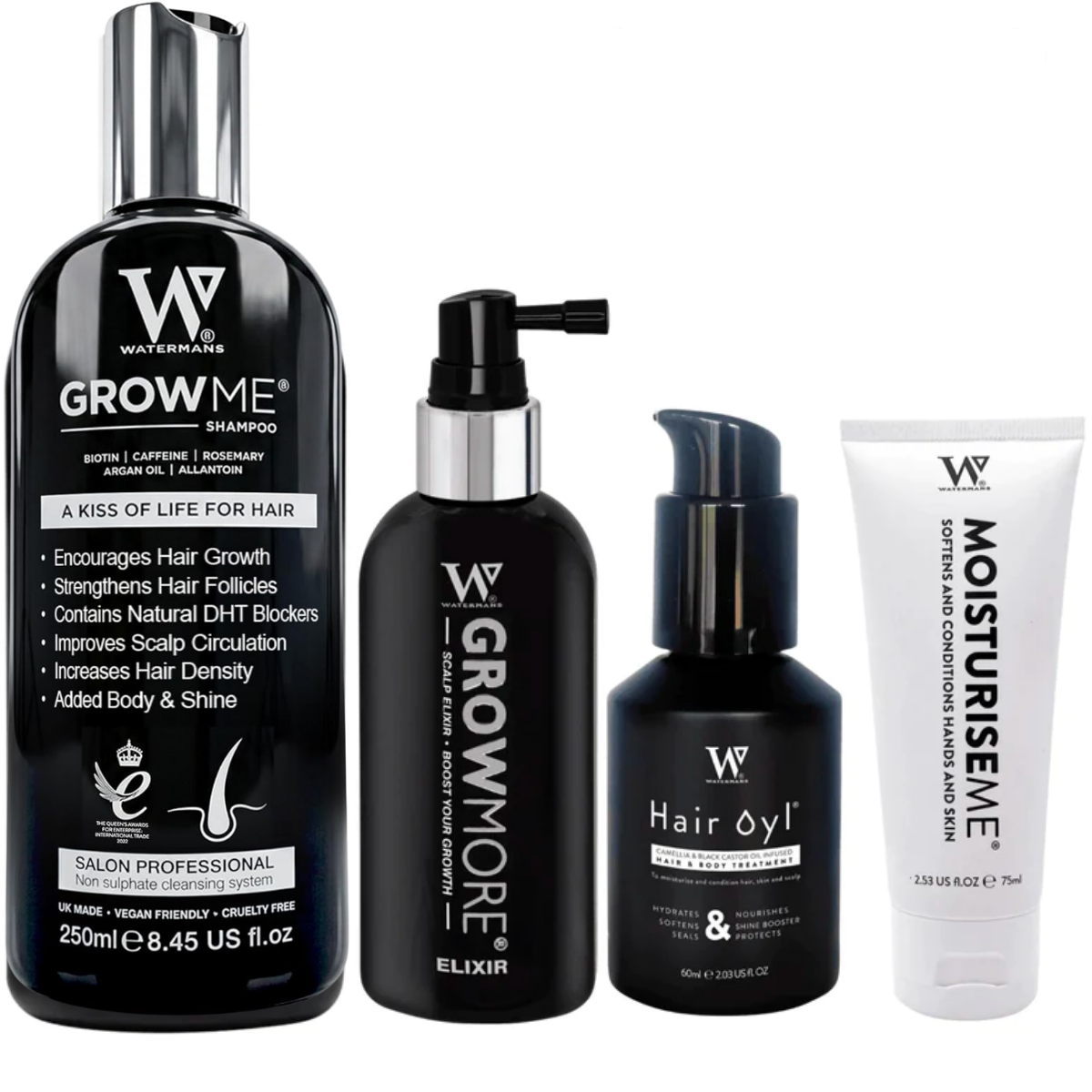
Protect Me Leave In Heat Protection Spray, 13.95 GBP
A lightweight leave in spray with panthenol, niacinamide and sunflower oil, which helps defend dyed hair from fading caused by styling heat and UV exposure. Useful for the hair itself on a hot holiday. To be completely clear, it is a cosmetic hair product, not a sunscreen: it carries no SPF rating and must never be used in place of a proper lip or skin SPF.
What helps skin that has already had too much sun?
Cool the area, rehydrate, and give the barrier time to repair. For genuine sunburn, that means cool showers, plenty of fluids, a bland emollient, and paracetamol or ibuprofen if you need it. For the far more common situation of skin that is simply dry and tight after a day outdoors, a rich moisturiser applied to slightly damp skin does most of the work.
What you should not do is exfoliate a lip or a face that is peeling from sun exposure, use a retinoid on it until it has settled, or pick at flaking skin on the lip border. All three delay barrier repair on tissue that was already thin to begin with.

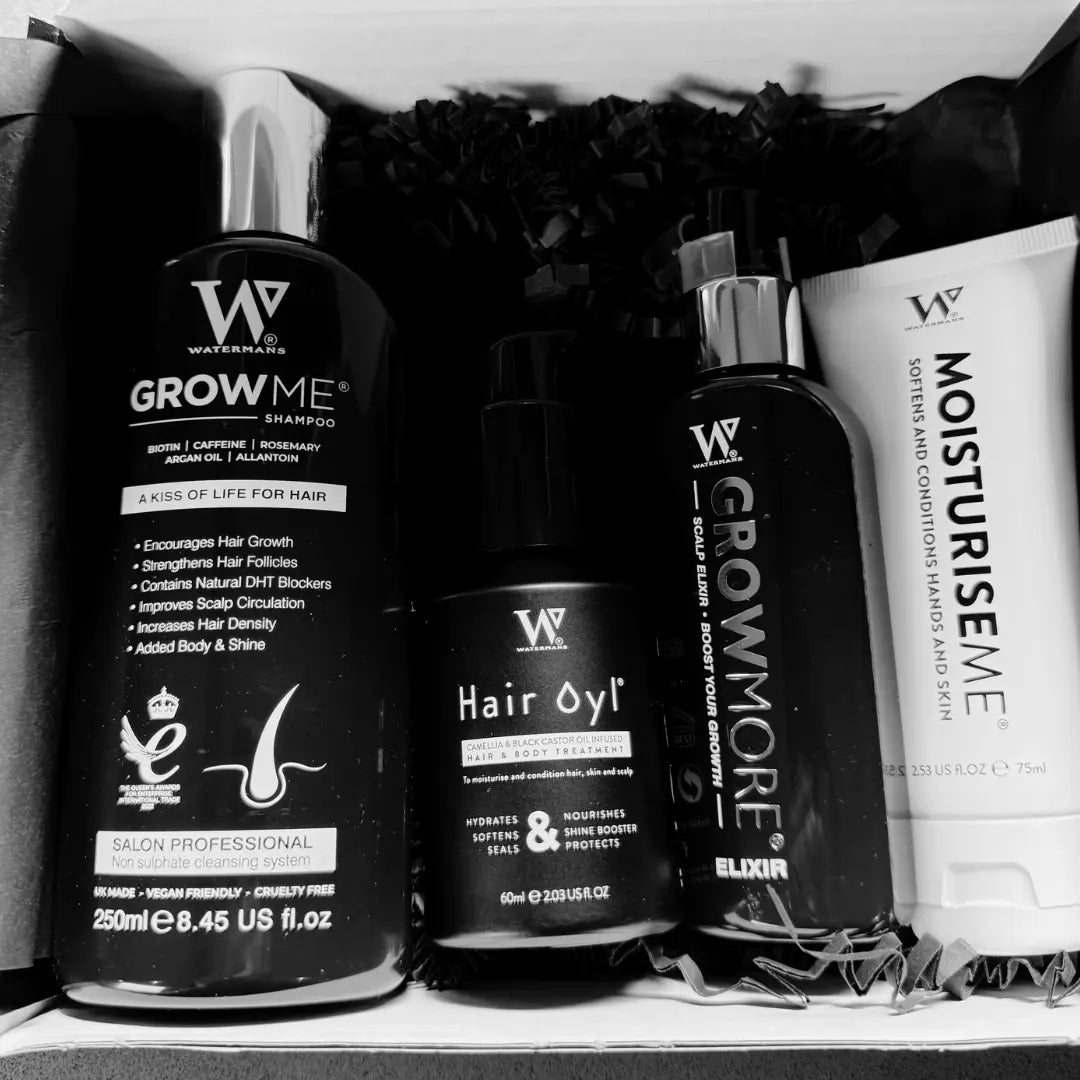
Plumping Moisturise Me Face and Hand Cream, 15.00 GBP
A fast absorbing cream with cupuacu butter, shea butter, cocoa butter, almond oil and allantoin. The product page lists after sun recovery among its uses, helping soothe and restore skin exposed to the sun and reducing dryness and irritation. It is a cosmetic moisturiser with no SPF, so it belongs after sun exposure rather than instead of protection.
How does lip SPF fit into the rest of a sun routine?
Treat lips as a separate step rather than assuming your face sunscreen covers them, because most people deliberately avoid the mouth when applying facial SPF and few facial formulas are pleasant to eat. The sequence that works is face sunscreen first, lip balm last, then reapply both on the same schedule through the day.
The rest of the technique is the same as for the face, and the most common mistake is quantity rather than product choice. Our companion guide to applying sunscreen properly goes through how much to use and where people habitually miss.
For anyone in the UK wondering whether this is worth the effort in a cloudy climate: UV index climbs high enough to burn between roughly late March and September, cloud cover reduces UV far less than it reduces visible light and heat, and reflected UV off water, sand and snow raises exposure substantially. Daily lip SPF in winter is genuinely optional in the UK. From spring to early autumn, and on any snow or water holiday, it is not.
Frequently asked questions
Does regular lip balm without SPF protect your lips?
No. A plain balm relieves dryness by sealing in water, but it does nothing to filter ultraviolet light. Some very glossy balms may even slightly increase UV reaching the lip surface. If you want protection, the label has to state an SPF value and broad spectrum coverage.
What SPF is best for lips?
SPF 30 is the sensible everyday minimum and SPF 50 is better for outdoor work, water, snow and strong sun. The difference in filtering between the two is small, so prioritise broad spectrum coverage, water resistance and a texture you will genuinely reapply over chasing the highest number.
Can you use face sunscreen on your lips?
It is not harmful in small amounts, but most facial formulas taste unpleasant and are not designed to stay on a surface you eat and drink with. A dedicated lip product in a stick or balm base adheres far better and is much more likely to be reapplied, which is what actually determines protection.
Are lips more likely to burn on a ski holiday?
Yes, substantially. Snow reflects a large proportion of incoming ultraviolet back upward, straight at the underside of your chin and the lower lip, and UV rises with altitude. Cold air also masks the sensation of burning. Ski and mountain trips are the classic setting for severe lip burn.
How do I know if a lip patch is serious?
Duration is the most useful signal. Ordinary chapping settles within days to a couple of weeks once you rehydrate and protect it. Anything scaly, white, rough, ulcerated or bleeding that persists beyond three weeks should be looked at by a GP or dentist, particularly on the lower lip.
Does the sun damage your hair as well as your lips?
Yes, though differently. Ultraviolet degrades keratin and breaks down hair pigment, which is why hair lightens, dries and becomes more porous over a summer, and why colour fades faster on holiday. Combined with salt water and chlorine, it is a leading cause of end of summer breakage and split ends.
Is SPF lip balm safe in pregnancy?
Mineral filters such as zinc oxide and titanium dioxide are widely considered a sensible default in pregnancy because they stay on the surface. If you have specific concerns about a particular ingredient, ask your midwife or pharmacist rather than relying on internet ingredient lists.
How long does an SPF lip balm last once opened?
Check the period after opening symbol on the pack, usually 6 or 12 months. Sun filters degrade over time and with heat, so a balm that has spent a summer in a hot car is not delivering its stated SPF. Replacing lip SPF annually is a reasonable habit.
The practical summary
Lips are thin, unpigmented and oil free, which makes them the fastest part of your face to burn and the site of a cancer that is overwhelmingly concentrated on the lower lip. Use a broad spectrum SPF 30 or higher, reapply every two hours and after anything that wipes it off, do not rely on lipstick or gloss, and get any patch that persists beyond three weeks looked at properly.
Watermans has sold over 5 million bottles since 2012, and every product is vegan and made in the UK. We make hair and skin care, not sunscreen, so use a proper lip SPF for protection and treat our Moisturise Me cream and Protect Me spray as the comfort and condition side of a summer routine. If anything about your lips looks or feels wrong, your GP or dentist comes first.