

Microbiome Friendly Skincare: What Actually Damages Your Skin
Microbiome friendly is a marketing phrase, not a regulated one. There is no legal definition of it under UK or EU cosmetics rules and no official test a product must pass, so the words on the box tell you very little. What actually protects the bacteria living on your skin is a short list of behaviours: wash less aggressively, keep the surface acidic, exfoliate far less than you probably do, and stop stripping the barrier that houses them in the first place.
Key takeaways
- Your skin surface sits around pH 4.7 to 5.75. Traditional soap is pH 9 to 10, which is the single biggest routine disruptor most people still use.
- The microbiome is site-specific: oily areas, moist folds and dry limbs host genuinely different communities, so one product cannot be optimal everywhere.
- The community is resilient. Ordinary washing does not wipe it out, and it re-establishes quickly. Chronic barrier damage is the real threat.
- Over-exfoliation is the most common self-inflicted cause of a reactive, stinging face.
- Probiotic and prebiotic skincare is promising but thinly evidenced. No product in that category has the weight of proof behind established barrier ingredients.
- Eczema, acne and rosacea genuinely involve microbial shifts, but they need a GP and real treatment, not a microbiome claim on a bottle.
What is the skin microbiome and what does it actually do?
The skin microbiome is the population of bacteria, fungi, viruses and mites living on and just inside your skin. Its useful jobs are competitive and chemical: resident organisms occupy space and nutrients that unwanted ones would otherwise take, produce substances that inhibit hostile species, help keep the surface acidic, and train the local immune response.
The dominant residents are a small cast. Cutibacterium and Staphylococcus species dominate on oily areas, Corynebacterium in moist folds like the armpit, and Malassezia yeast is the main fungal resident nearly everywhere. Staphylococcus epidermidis, one of the friendliest residents, produces molecules that directly inhibit Staphylococcus aureus, the species involved in eczema flares.
Location matters more than most people realise. Your forehead, your armpit and your shin host measurably different communities because they offer different amounts of oil, moisture and oxygen. This is the same principle that makes the scalp microbiome its own distinct problem, dominated by lipid-loving organisms that the rest of your skin does not host in the same numbers.
Is microbiome friendly a regulated claim?
No. There is no legal definition of microbiome friendly in UK or EU cosmetics regulation, no required test, and no standardised threshold a product must meet before using the phrase. A handful of private certification schemes exist, but none of them is an official standard, and plenty of products use the wording without any testing at all.

That does not mean every such product is poor. It means the claim carries no information, so you have to judge the formula instead. The things that genuinely correlate with a gentle product are unglamorous: a pH close to skin's own, mild surfactants rather than high-foaming ones, a short and sensible active list, and no fragrance load on a face that is already reactive.
Be especially sceptical of two patterns. The first is a harsh cleanser with a probiotic ingredient added, where the base formula undoes whatever the additive was meant to achieve. The second is a routine sold as microbiome supporting that contains four acids, a retinoid and a scrub, which is a barrier-damage routine with a friendly label.
What actually damages your skin microbiome?
Most damage comes from ordinary habits repeated daily, not from any single product. The table below sorts the common culprits by what they actually do and what to do instead.
| Habit | What it does | Better move |
|---|---|---|
| Soap bars on the face | Pushes surface pH from about 5 up to 9 or 10 | A pH-balanced liquid or cream cleanser |
| Exfoliating three or more times a week | Removes barrier faster than it rebuilds | Once or twice weekly at most, or pause entirely |
| Cleansing twice daily on dry skin | Strips lipids the community lives in | Water only in the morning, cleanse at night |
| Very hot water | Dissolves surface lipids, raises reactivity | Lukewarm, short washes |
| Antibacterial washes daily | Indiscriminate: hits residents as well as targets | Ordinary soap and water outside clinical settings |
| Stacking acids with a retinoid | Compounds irritation, damages the barrier | Alternate nights, introduce one at a time |
| Heavy fragrance on reactive skin | A leading cause of contact irritation | Fragrance-free while the barrier recovers |
| Alcohol toners | Degrease aggressively, prompt rebound oil | Skip the step entirely |
Why is over-exfoliating the most common mistake?
Over-exfoliation is the most common self-inflicted skin problem because the damage looks like progress at first. Skin appears smoother and brighter for a week or two, then becomes tight, shiny, stinging and reactive to products it previously tolerated. By that point most people conclude their skin has become sensitive and buy more products, which extends the problem.

The mechanism is straightforward. The stratum corneum is both your barrier and the physical habitat your resident organisms live in. Remove it faster than it regenerates and you lose water through the surface, raise sensitivity, and disturb the environment those residents depend on. Adding a probiotic serum on top of that does not fix it.
The recovery protocol is subtraction. Stop all exfoliants and retinoids for two to four weeks, cleanse once daily with something mild, moisturise morning and night, and use sunscreen. Most reactive skin settles within a month, and only then is it worth reintroducing anything, one product at a time, a fortnight apart.
Does skin pH matter more than the ingredient list?
For everyday products, pH is arguably the more important variable. Healthy skin surface sits acidic, roughly pH 4.7 to 5.75, and that acidity is not incidental: it favours resident organisms, discourages several unwanted ones, and supports the enzymes that build barrier lipids.
Traditional soap is strongly alkaline at around pH 9 to 10. Every wash pushes the surface up and skin then spends hours drifting back down. On a robust face that is survivable; on dry, eczema-prone or older skin it is a daily setback. Most liquid facial cleansers are formulated nearer skin pH, which is the single best reason to prefer one over a bar.
The same logic applies above the hairline, which is why alkaline bicarbonate of soda rinses are such a bad idea on the scalp and why gentler surfactant systems matter. Our note on switching to sulphate-free shampoo covers the hair equivalent of the same argument.
Do probiotic and prebiotic skincare products work?
The honest answer is that the concept is credible and the evidence is thin. Prebiotic ingredients aim to feed favourable organisms, probiotic products contain live or inactivated bacteria, and postbiotics use bacterial by-products. All three have produced encouraging small studies, mostly funded by the companies selling them.
There are practical obstacles too. Live organisms are difficult to keep viable in a preserved cosmetic product, which is why many so-called probiotic creams actually contain lysates rather than living bacteria. That is not dishonest, but it is a different thing from what the name implies.
A reasonable position: if a prebiotic product is otherwise well formulated and gentle, there is no reason to avoid it. Just do not pay a premium for the claim, and do not expect it to outperform the boring fundamentals of gentle cleansing, a decent moisturiser and daily sunscreen.
An honest note about what we make
Watermans is a hair care company. We do not make a facial cleanser and we do not make a sunscreen, which are the two products that matter most in everything described above. Buy those from a pharmacy. The only thing on this page we can genuinely help with is the moisturising step.
Does hand sanitiser or antibacterial soap harm your skin microbiome?
Alcohol hand sanitiser reduces transient organisms picked up from surfaces, which is the point, and the resident community re-establishes afterwards. The bigger practical problem with sanitiser is not microbial at all: it is barrier damage from repeated drying, which is why hands crack in winter.
Routine antibacterial soap is harder to justify outside clinical settings. It does not clean better than ordinary soap for everyday purposes, it hits resident organisms indiscriminately, and it contributes to broader antimicrobial resistance concerns. Ordinary soap, adequate time and a hand cream afterwards is the better daily combination.
The rule for hands is simple: sanitise or wash as needed, then replace what you removed. Because palms have no oil glands of their own, hands are entirely dependent on what you apply.
How do you build a microbiome friendly routine?
A genuinely supportive routine is short. Four steps cover almost everyone, and the discipline is in what you leave out rather than what you add.

- Morning: water or a very mild cleanse, then moisturiser, then sunscreen. Overnight your skin was not exposed to anything that needs stripping off.
- Evening: one gentle cleanse at a pH near skin's own, with lukewarm water, using hands rather than a flannel or brush.
- Moisturise on slightly damp skin within about three minutes of washing, morning and night.
- Actives, if any, on a schedule rather than daily. One at a time, introduced a fortnight apart, dropped immediately if stinging starts.
If your face is oily in the T-zone and tight on the cheeks, the same principles apply with slightly different product placement, which our guide to a minimal combination skin routine sets out step by step. For picking the moisturiser itself, how to choose the best moisturiser for dry skin explains humectants, emollients and occlusives in order.

The moisturising step
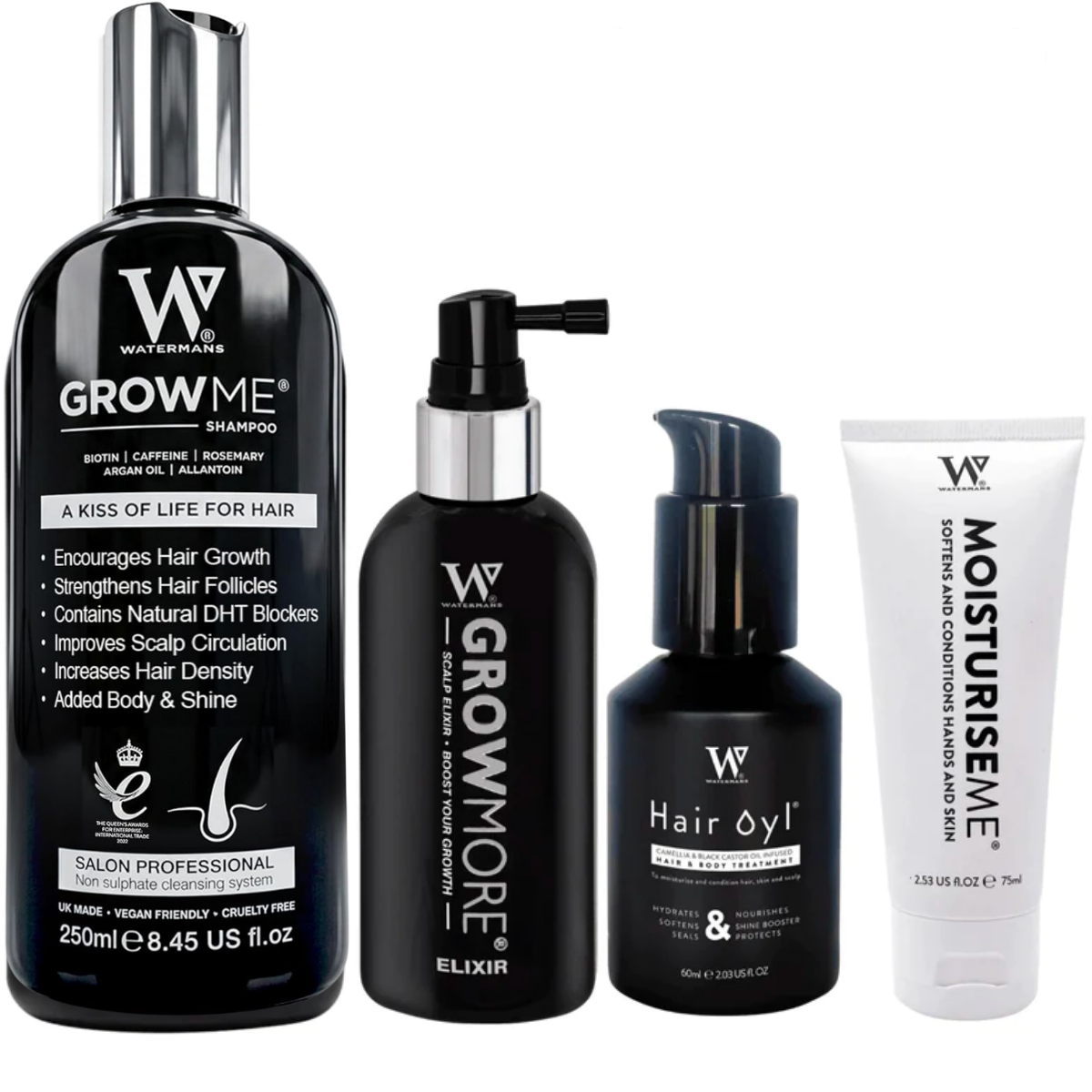
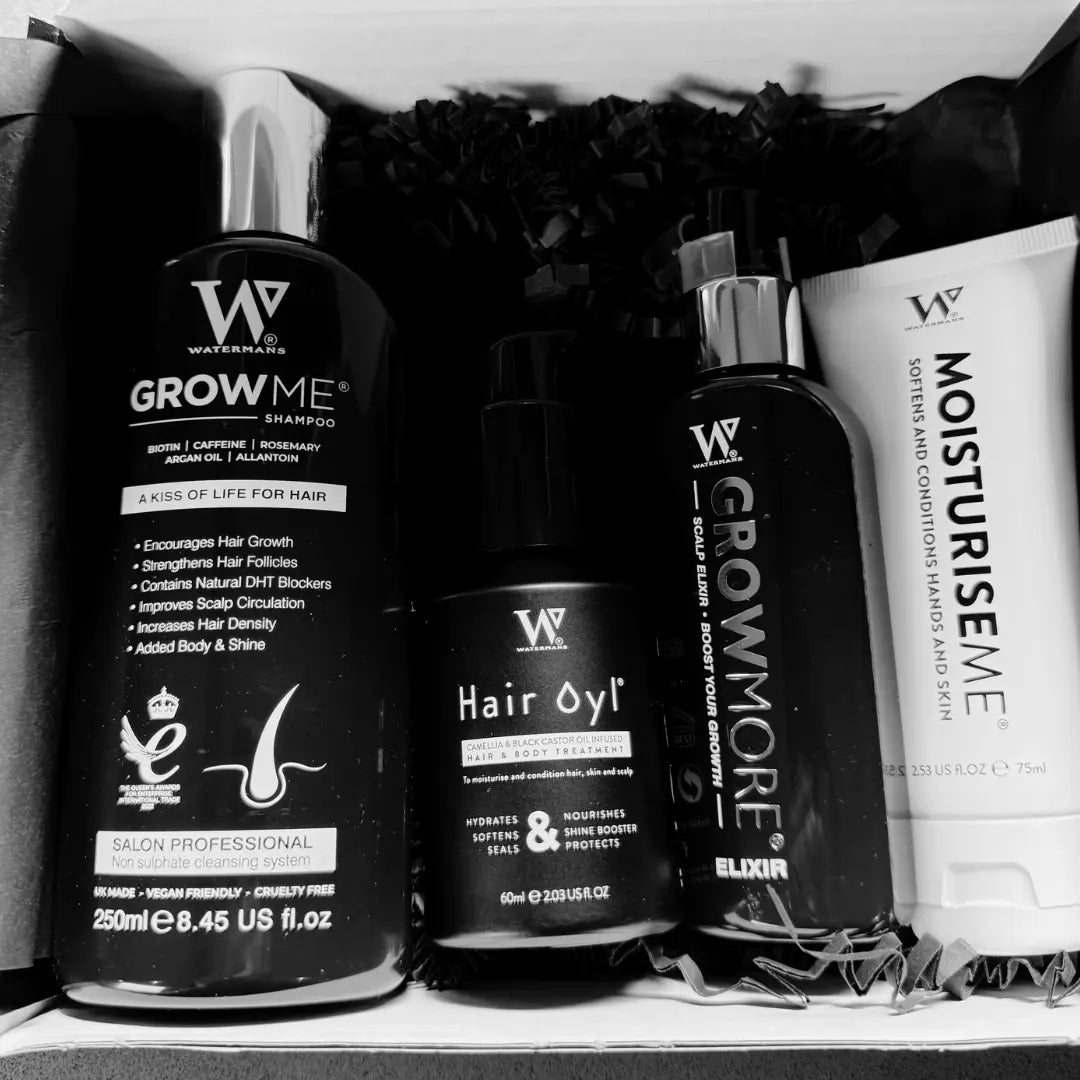
Plumping Moisturise Me Face & Hand Cream, £15.00
A fast-absorbing cream built on cupuacu, shea and cocoa butters with almond oil and allantoin. Relevant here because the moisturising step is the one part of a barrier-supportive routine that a hair care company can honestly serve, and because it works equally on hands, which take the most punishment.
Scope: a cosmetic moisturiser. It is not a treatment for eczema, acne or rosacea, and it makes no microbiome claim, because that claim is not currently testable in any standardised way.
When should you see a GP rather than change products?
See a GP if you have persistent inflamed skin that is not settling with gentle care, because the three conditions most often blamed on microbiome imbalance all have real treatments. Eczema does involve reduced microbial diversity and Staphylococcus aureus overgrowth during flares, but it is managed with emollients and prescribed anti-inflammatories, not with a probiotic serum.
Acne involves strain-level differences in Cutibacterium acnes rather than simple overgrowth, and moderate to severe cases need prescription treatment to avoid scarring. Rosacea has been linked to Demodex mite density and responds to specific prescribed therapies. In all three cases, buying a friendlier cleanser is a reasonable supporting move and a poor substitute for a diagnosis.
Book an appointment promptly for skin that is weeping, crusting, spreading, painful or infected-looking, and for any rash that comes with fever or feeling unwell.
Frequently asked questions about microbiome friendly skincare
Does washing my face destroy my skin microbiome?
No. Ordinary washing removes surface debris and some transient organisms, and the resident community re-establishes within hours. What causes lasting disruption is chronic barrier damage from harsh surfactants, very hot water and frequent exfoliation, not the act of cleansing itself.
Is soap bad for skin?
Traditional alkaline soap at pH 9 to 10 is a poor match for facial skin, which sits nearer pH 5. Syndet bars and liquid cleansers formulated near skin pH are gentler. On robust body skin ordinary soap is usually fine, though it is worth limiting it to areas that genuinely need it.
Can I test my skin microbiome at home?
Consumer skin microbiome test kits exist but are of limited practical use. There is no agreed definition of a healthy result to compare yours against, composition varies by site, time of day and recent washing, and no clinician will change treatment based on one. Save the money.
Does diet change my skin microbiome?
Diet influences skin health in general, and there is genuine research interest in a gut and skin connection, but there is no reliable evidence that a specific food or supplement produces a measurable, beneficial shift in skin surface microbial composition. Treat confident claims in this area with caution.
Are natural or organic products better for the microbiome?
Not inherently. Natural is not a regulated term either, essential oils are among the more common causes of contact irritation, and plenty of synthetic ingredients are extremely well tolerated. Judge the formula by gentleness, pH and fragrance load rather than by whether ingredients are plant-derived.
Should I stop using retinol to protect my microbiome?
Not necessarily. Retinoids have strong evidence behind them for ageing and acne. The issue is dose and frequency: nightly high-strength use on top of acids damages the barrier. Two or three nights a week, built up slowly, buys most of the benefit with much less disruption.
Does over-cleansing cause more oil production?
Skin does not deliberately compensate, but stripping surface lipids makes skin feel tight and look shinier as sebum returns, and it commonly prompts people to cleanse again. The perceived cycle is real even where the underlying oil production has not changed much.
How long does it take for damaged skin to recover?
Most over-exfoliated skin settles noticeably within two to four weeks of stopping actives and cleansing gently. Full barrier repair can take longer, particularly in older skin where cell turnover is slower. If nothing improves after six weeks, see a GP rather than continuing to experiment.
Where to start
If your skin is reactive right now, the highest-value change is removal, not addition: stop the exfoliants, drop to one evening cleanse, moisturise twice daily on damp skin, and wear sunscreen. Give it a month before you judge it, and reintroduce anything one product at a time.
Watermans is a founder-led British brand that has sold over 5 million bottles since 2012, and everything we make is vegan, cruelty-free and made in the UK. Of the routine above, the step we make is the moisturiser: Moisturise Me Face & Hand Cream. Cleanser and sunscreen are a pharmacy purchase.