


Which Nutrient Deficiencies Cause Hair Loss? The Evidence
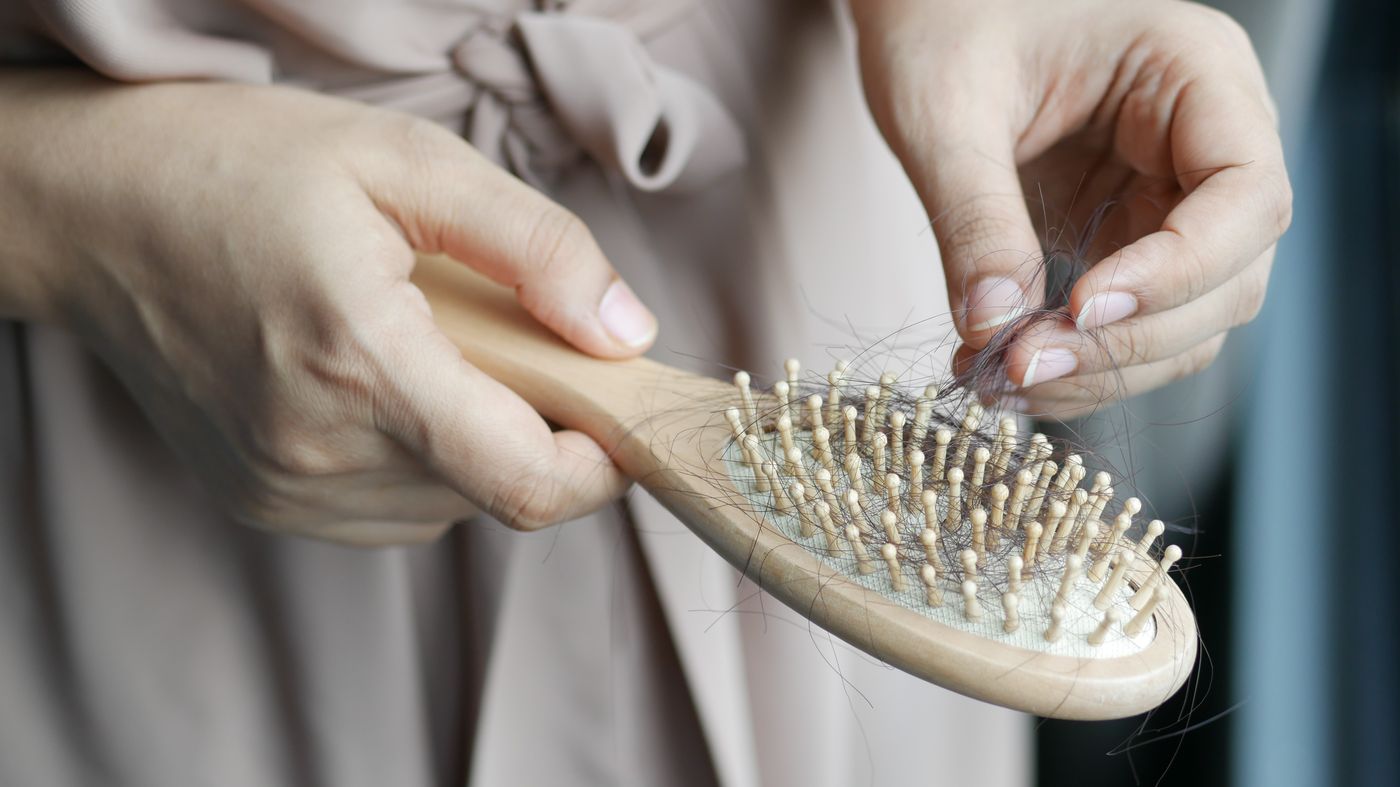
Only a handful of nutrients have real evidence behind them for hair loss, and iron is the strongest of them. Severe protein or calorie restriction and zinc deficiency are also genuine, documented causes. Vitamin D and B12 are associated with shedding but not clearly proven to cause it. And the direction most people never consider: too much vitamin A or selenium causes hair loss just as reliably as too little.
Just as important is what deficiency does not explain. Pattern hair loss, the gradual thinning at the crown or a receding hairline, is hormonal and genetic. No amount of iron fixes it.
Key takeaways
- Iron deficiency is the best-evidenced nutritional cause of diffuse shedding, particularly in premenopausal women. Ferritin, not haemoglobin, is the number that matters.
- Nutritional shedding is diffuse and all over. Patchy loss or a receding hairline is a different problem entirely.
- Shedding appears roughly two to four months after the trigger, so the cause is usually something that happened last season.
- Excess vitamin A and excess selenium are established causes of hair loss. More is not safer.
- Biotin deficiency is genuinely rare, and high-dose biotin can distort thyroid and cardiac blood tests, which matters if you are being investigated.
- Get tested before supplementing. Correcting a deficiency you do not have achieves nothing and can do harm.
How does a nutrient deficiency actually cause hair to fall out?
Hair follicles are among the most metabolically demanding tissues in the body, dividing faster than almost any other cell population. When the body is short of a nutrient it prioritises organs that keep you alive, and hair is near the bottom of that queue. Follicles respond by cutting the growth phase short and pushing large numbers of hairs into the resting phase at once.
That process is telogen effluvium. Each hair spends years in anagen (growing), a short transition in catagen, then about three months in telogen (resting) before it releases. A systemic stressor shifts an abnormally large batch into telogen together, and roughly two to four months later they all shed at the same time.
The delay is the part that confuses people. Someone shedding heavily in March is usually looking for a cause in March, when the actual trigger was in December. Our full guide to what causes telogen effluvium covers the timeline and recovery pattern in detail.
Which nutrients have real evidence behind them?
Evidence quality varies enormously across the nutrients routinely blamed for hair loss. This table separates what is well documented from what is merely associated, which is the distinction most articles on this subject skip.
| Nutrient | Evidence for hair loss | Who is most at risk | Test to ask for |
|---|---|---|---|
| Iron | Established. Strongest link to diffuse shedding | Heavy periods, pregnancy, vegetarians, coeliac disease | Ferritin plus full blood count |
| Protein and calories | Established. Crash dieting is a classic trigger | Rapid weight loss, bariatric surgery, eating disorders | Dietary review, albumin in severe cases |
| Zinc | Established but uncommon in the general population | Malabsorption, bariatric surgery, restrictive diets | Serum zinc |
| Vitamin D | Associated in observational studies, causation unproven | Almost everyone in the UK in winter | 25-hydroxyvitamin D |
| Vitamin B12 and folate | Weaker. Deficiency causes anaemia, which may be the real link | Vegans, older adults, metformin users | B12 and folate |
| Biotin | Only if genuinely deficient, which is rare | Rare genetic conditions, long-term raw egg white intake | Rarely tested, rarely needed |
| Selenium | Both deficiency and excess cause hair loss | Excess is the likelier problem via supplements | Serum selenium, if indicated |
| Vitamin A | Excess is an established cause. Deficiency is rare here | High-dose supplements, cod liver oil, some acne drugs | Serum retinol, if excess suspected |
Why is iron the one that matters most?
Iron is the most consistently implicated nutrient in diffuse hair shedding, and it is also the most commonly missed, because a standard full blood count can look entirely normal while iron stores are running empty. Ferritin, the protein that stores iron, falls long before haemoglobin does, so anaemia is a late sign rather than an early one.

Where the threshold sits is genuinely debated. A ferritin result can be flagged as normal by a lab while still being low enough to concern a trichologist. Many hair specialists work to a target around 30 micrograms per litre as a minimum and some argue for higher, while lab reference ranges often start lower. If your ferritin came back normal but sits near the bottom of the range and you are shedding, that is a conversation worth having with your GP rather than accepting at face value.
Certain groups are far more likely to be affected: anyone with heavy periods, recent pregnancy, a vegetarian or vegan diet, coeliac disease or other malabsorption, and regular blood donors. Plant iron is also absorbed far less efficiently than the iron in meat, which is why vitamin C alongside plant sources genuinely helps and tea or coffee with meals genuinely hinders.
Can crash dieting cause hair loss?
Yes, and it is one of the most reliable triggers there is. Severe calorie restriction, very low protein intake and rapid weight loss all push large numbers of follicles into the resting phase, and the shedding typically appears two to four months after the diet started, often just as someone is pleased with the results.

Hair is made almost entirely of keratin, a protein, so protein intake is not an optional extra. It is also worth knowing that this pattern is documented after bariatric surgery and in people using very low calorie regimes, including some people on modern weight loss medications who end up eating far less than they realise. The mechanism is the calorie and protein deficit, not the drug itself.
The reassuring part is that this type of shedding is usually self-limiting. Restore adequate protein and calories and follicles re-enter the growth phase, though visible recovery takes three to six months because the new hair has to grow out. Anyone who has been through postpartum shedding will recognise the same pattern, which our guide to postpartum hair loss covers in full.
Can taking too much of a nutrient cause hair loss?
Yes, and this is the part routinely left out of articles about vitamins and hair. Excess vitamin A is a well-documented cause of hair loss, and it is easy to reach through high-dose supplements, cod liver oil taken enthusiastically, or several products that each contain it. Because vitamin A is fat-soluble, it accumulates rather than being flushed out.
Selenium is the other clear example, and it has an unusually narrow window between too little and too much. Brazil nuts are extremely selenium-dense, and a habit of eating a handful daily on top of a supplement can push someone into excess. Hair loss and brittle nails are among the recognised signs.
The practical rule: a hair supplement plus a multivitamin plus an individual mineral plus fortified foods is how people accidentally reach high totals. Add up everything you take before adding anything else.
Biotin can distort your blood tests
High-dose biotin, common in hair supplements, is known to interfere with laboratory immunoassays, including thyroid function tests and the troponin test used to assess chest pain. That can produce misleading results in exactly the investigations someone with unexplained hair loss is likely to be having. Tell whoever takes your blood what you are taking, and ask whether to pause it beforehand.
What kind of hair loss is not caused by diet?
Pattern hair loss is not a nutritional problem. Androgenetic alopecia is driven by the effect of DHT on genetically susceptible follicles, which progressively shortens the anagen phase and miniaturises hairs over years. It shows as a widening parting, thinning at the crown or a receding hairline, and no dietary change reverses it.

Several other causes get misattributed to diet as well. Alopecia areata is autoimmune and shows as discrete round patches. Thyroid disease causes diffuse thinning alongside fatigue, weight and temperature changes, and is covered in our guide to thyroid related hair loss. PCOS, certain medications and scarring conditions each have their own mechanism.
Telling the two broad patterns apart is straightforward in most cases. Nutritional shedding is diffuse, comes on relatively suddenly, and you notice volume everywhere. Pattern loss is gradual, follows a specific shape, and takes years. If you are not sure whether what you are seeing is even abnormal, our piece on what counts as normal hair loss for a woman gives the benchmarks.
How much shedding is normal?
Losing roughly 50 to 100 hairs a day is normal for an adult, and the number varies with wash frequency. If you wash twice a week, three or four days of shed hair arrives at once and looks alarming without being abnormal. Judge by the trend over weeks, not by one shower.
Signs that shedding is worth investigating: your ponytail is measurably thinner, you can see more scalp at the parting, hair comes out easily when you run fingers through it, or the volume of loss has clearly changed from your own baseline. Photograph your parting in the same light every month, because memory is unreliable and gradual change is hard to see.

Everyday nutrient support
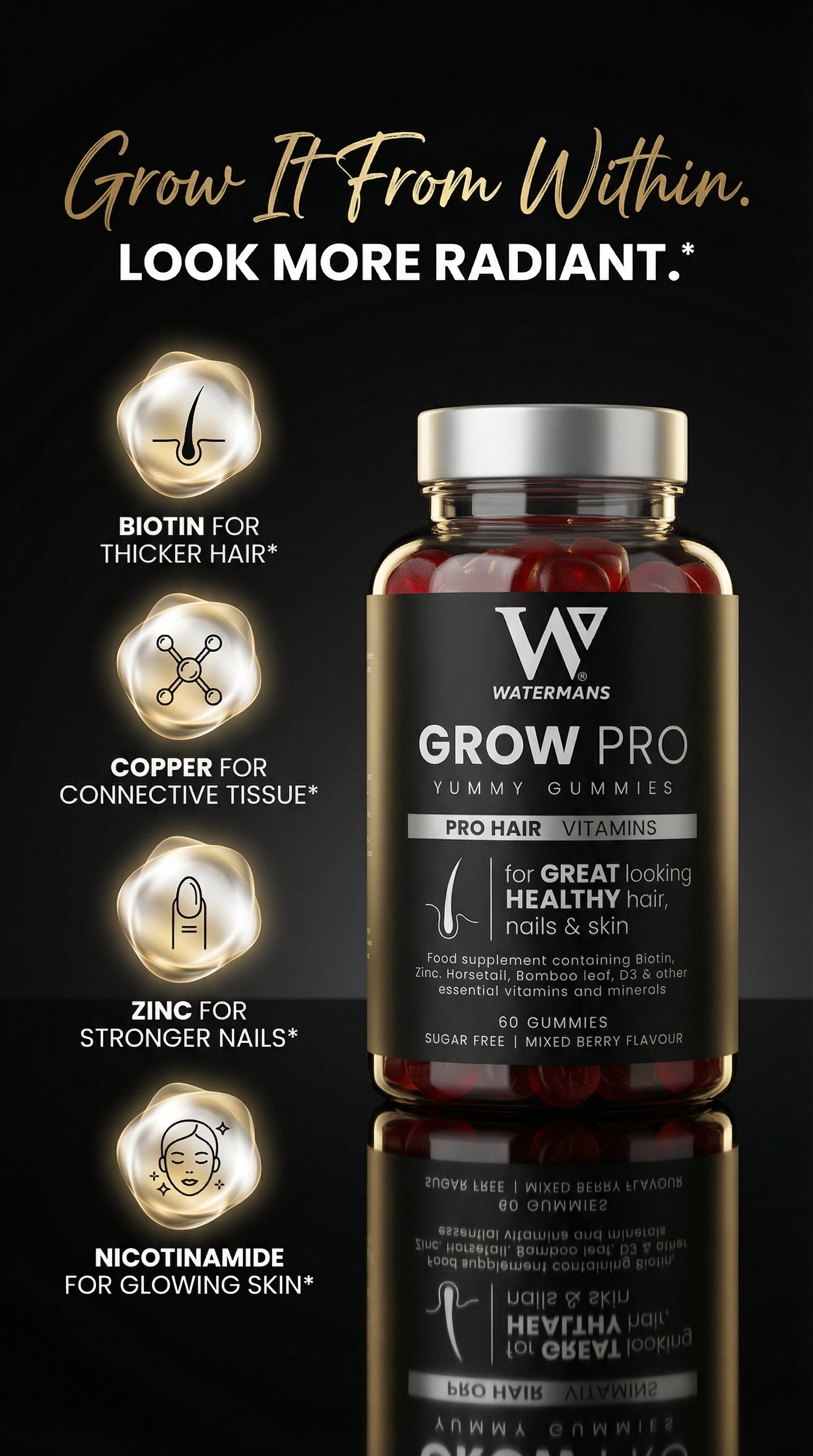
GrowPro Hair Growth Gummies, £22.95
A sugar-free vegan gummy with biotin and zinc, which contribute to the maintenance of normal hair, plus MSM, silica-rich bamboo and horsetail, and vitamins C, A, D3 and E. Two a day, as everyday nutritional cover alongside a varied diet.
Scope: a food supplement, not a treatment. If you suspect iron deficiency, get a ferritin test and follow medical advice, because this product contains no iron and is not a substitute for correcting a diagnosed deficiency. Do not exceed the recommended dose, and tell your clinician you take biotin before blood tests.
What should you do first if you think diet is the cause?
Get tested before you buy anything. Guessing which nutrient is short and taking it speculatively is the most common mistake, and it delays finding the real cause by months. Ask your GP for ferritin, a full blood count, thyroid function, vitamin D and B12 as a sensible starting panel, and mention the shedding explicitly so the request is justified.
While you wait, work backwards through the previous six months and write down what changed. Weight loss, a new medication, illness, surgery, a pregnancy, a period of poor eating, a major stressor. The trigger is almost always in that window, and identifying it often explains the timeline better than any test.
The companion to this article, on how to actually fix a nutrient deficiency, covers which tests to ask for, how to correct each one with food first, and when supplements genuinely earn their place.
When should you see a GP?
See a GP if shedding has lasted more than three months, if hair is coming out in patches, if there is scalp pain, redness, scaling or scarring, or if hair loss comes with fatigue, weight change, feeling cold, low mood or heavy periods. Those combinations point to something systemic that needs a diagnosis rather than a supplement.
Go sooner rather than later if you can see smooth, shiny patches of scalp with no visible follicle openings. Scarring alopecias destroy follicles permanently and are far more treatable early. Sudden loss in a child should always be assessed rather than managed at home.
Frequently asked questions about nutrient deficiency and hair loss
Will taking iron regrow my hair if my levels are normal?
No, and it may be harmful. Iron supplementation in someone who is not deficient can cause gastrointestinal problems and, over time, iron overload. Iron is only useful for hair when a genuine deficiency is corrected. Test first, supplement second, and only under medical advice.
How long after fixing a deficiency does hair grow back?
Shedding typically slows within two to three months of correcting the underlying cause, and visible thickness returns over roughly six to twelve months. Hair grows about a centimetre a month, so regrowth is slow by nature. Consistency matters more than the specific product used.
Does biotin actually help hair growth?
Biotin helps if you are deficient, which is rare in people eating a normal diet. In people with adequate levels, high-dose biotin has not been shown to increase hair growth. It is also known to interfere with several laboratory blood tests, so mention it before any investigation.
Can vegans and vegetarians get enough for healthy hair?
Yes, with attention to three specific nutrients: iron, vitamin B12 and zinc. Plant iron is absorbed less efficiently, so pair it with vitamin C and keep tea and coffee away from meals. B12 needs a supplement or reliably fortified foods, as it is not present in plant foods in useful amounts.
Do hair vitamins work for pattern hair loss?
No. Pattern hair loss is driven by hormones acting on genetically susceptible follicles, and no nutritional supplement changes that mechanism. Supplements can support general hair condition, but if your parting is widening over years, the treatments that address the cause are a separate, medical conversation.
Can stress cause the same kind of shedding as a deficiency?
Yes. Significant physical or emotional stress triggers telogen effluvium through the same pathway, with the same two to four month delay. Stress and poor eating frequently arrive together, which makes the two hard to separate. Our guide to whether stress causes hair loss covers it in detail.
Is a hair mineral analysis test worth doing?
No. Hair mineral analysis is not a validated way to assess nutritional status, results vary widely between laboratories on the same sample, and no clinician will treat on the basis of one. A standard blood panel from your GP is the accurate and usually free option.
Why did my hair start falling out months after my diet ended?
Because that is how the hair cycle works. Follicles pushed into the resting phase during the deficit stay there for around three months before releasing. The shedding you see today reflects what your body was dealing with two to four months ago, not what is happening now.
Where to start
The single most useful action is a blood test, specifically ferritin, before you buy any supplement. Nutritional shedding is real and correctable, but only if you correct the right thing, and speculative supplementing wastes months while an untreated cause continues.
Watermans is a founder-led British brand that has sold over 5 million bottles since 2012, and everything we make is vegan, cruelty-free and made in the UK. For everyday nutritional cover alongside a varied diet, GrowPro Gummies supply biotin and zinc, which contribute to the maintenance of normal hair. They are not a replacement for treating a diagnosed deficiency.