

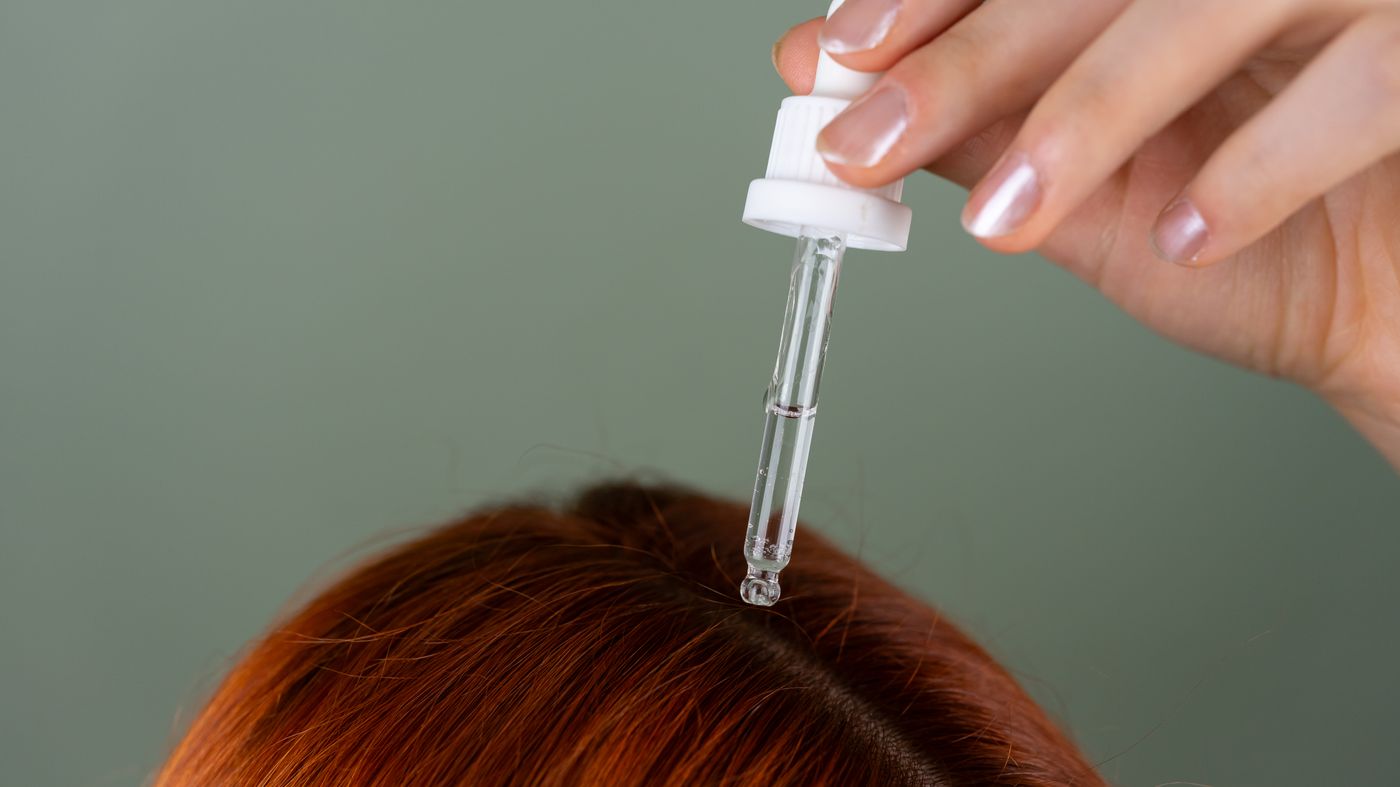
The Scalp Microbiome: What Lives Up There and Why It Flakes
Your scalp carries a different microbial community to the rest of your skin, and it is the reason most flaking happens. The scalp is the oiliest, warmest, most covered skin on your body, so it selects for organisms that live on oil. Three dominate: the bacteria Cutibacterium acnes and Staphylococcus epidermidis, and the yeast Malassezia. When that balance tips, you get flakes, itch and irritation, and the standard advice to wash less usually makes it worse.
Key takeaways
- The scalp has one of the highest densities of oil glands on the body, which is why its microbial residents are lipid-loving and quite different from those on a forearm.
- Malassezia yeast cannot make its own fatty acids. It harvests them from your sebum, and the by-products of that process are what irritate susceptible people.
- Flaking is not usually dryness. It is most often an inflammatory response, which is why moisturising a scalp rarely helps and oiling it often hurts.
- Washing less does not protect your scalp microbiome. It gives the yeast more of the sebum it feeds on.
- There is no good evidence that microbiome imbalance causes pattern hair loss, which is driven by hormones, not microbes.
- Persistent greasy yellow scale, redness or weeping needs a pharmacist or GP, not a new shampoo.
What is the scalp microbiome and how does it differ from facial skin?
The scalp microbiome is the community of bacteria, fungi and mites living on the scalp surface and inside the upper part of each hair follicle. It differs from facial skin mainly in oil supply and shelter: the scalp is one of the most sebum-rich areas on the body, and hair keeps it warmer, darker and more humid than any exposed skin.
That environment is highly selective. Organisms that thrive on lipids and tolerate low oxygen do well; the drier-skin specialists that colonise a forearm do not. It also means the scalp is far less diverse than you might expect. A handful of species account for the overwhelming majority of what lives there.
The follicle itself matters too. The infundibulum, the funnel at the top of the follicle where the oil gland empties, is its own small habitat, and it is not reachable by anything you rinse off in 30 seconds. This is one reason scalp conditions are so persistent and so prone to returning when treatment stops.
Which microbes actually live on a healthy scalp?
A healthy scalp is dominated by two bacterial genera and one fungal genus, all of which are normal residents rather than invaders. The goal of scalp care is never sterility. It is keeping the proportions sensible.
| Resident | What it is | Normal role | When it becomes a problem |
|---|---|---|---|
| Cutibacterium acnes | Bacterium, lives deep in follicles | Feeds on sebum, helps keep surface acidic | Overgrowth in blocked follicles, scalp spots |
| Staphylococcus epidermidis | Bacterium, surface dweller | Competes with unwanted bacteria, supports barrier | Rarely, in broken or damaged skin |
| Malassezia restricta and globosa | Yeast, lipid-dependent | Normal resident on almost every adult scalp | Dandruff and seborrhoeic dermatitis in susceptible people |
| Demodex mites | Microscopic follicle mite | Present on most adults, usually harmless | High densities linked to some inflammatory conditions |
Two things surprise most people here. First, Malassezia is on essentially everyone, including people who have never had a flake in their lives. Second, having these organisms is not the problem. The difference between a calm scalp and an itchy one is your own immune response and how much fuel is available.
Why does Malassezia cause flaking in some people and not others?
Malassezia causes flaking in some people because of what it leaves behind, not because it is present. The yeast lacks the genes to build its own fatty acids, so it releases lipase enzymes that split the triglycerides in your sebum, absorbs the saturated fats it needs, and leaves unsaturated fatty acids such as oleic acid sitting on the skin.

Some people's skin tolerates that residue perfectly well. In susceptible people it triggers irritation, faster cell turnover and a disorganised barrier, which shows up as visible flakes. This is why the classic experiment holds: apply oleic acid to a dandruff sufferer and you can provoke flaking, while the same application on a non-sufferer usually does nothing.
It also explains three things that otherwise look contradictory. Flaking appears where oil is highest, not where skin is driest. Antifungal shampoos work by reducing yeast numbers rather than by moisturising. And flaking commonly returns within weeks of stopping treatment, because the yeast was never eliminated and was never meant to be.
Dandruff is commonly estimated to affect around half of adults at some point, which makes it one of the most ordinary skin complaints there is. Our detailed guide to seborrhoeic dermatitis and flaky scalp care covers the treatment side in full.
Does washing your hair damage the scalp microbiome?
Regular washing with a gentle shampoo does not damage the scalp microbiome in any lasting way. The community re-establishes quickly, because its members live in follicles and in the deeper layers of the surface, not just in the film you rinse away. What genuinely disrupts it is the opposite: letting sebum accumulate.

The popular advice to train your hair by washing less is aimed at the lengths, where shampoo can leave hair feeling stripped. It was never good advice for the scalp. More sebum sitting on the scalp for longer is more substrate for lipid-dependent yeast, which is precisely the wrong direction if you flake.
What does cause trouble is harshness rather than frequency. Strong sulphate surfactants and very hot water strip barrier lipids and leave the scalp tight and reactive, and highly alkaline products such as bicarbonate of soda rinses push the surface well above its natural pH of roughly 4.5 to 5.5. The sensible position is to wash as often as your scalp needs, using something mild enough that frequency is not a problem. That is the argument for switching to a sulphate-free shampoo.

Gentle frequent washing
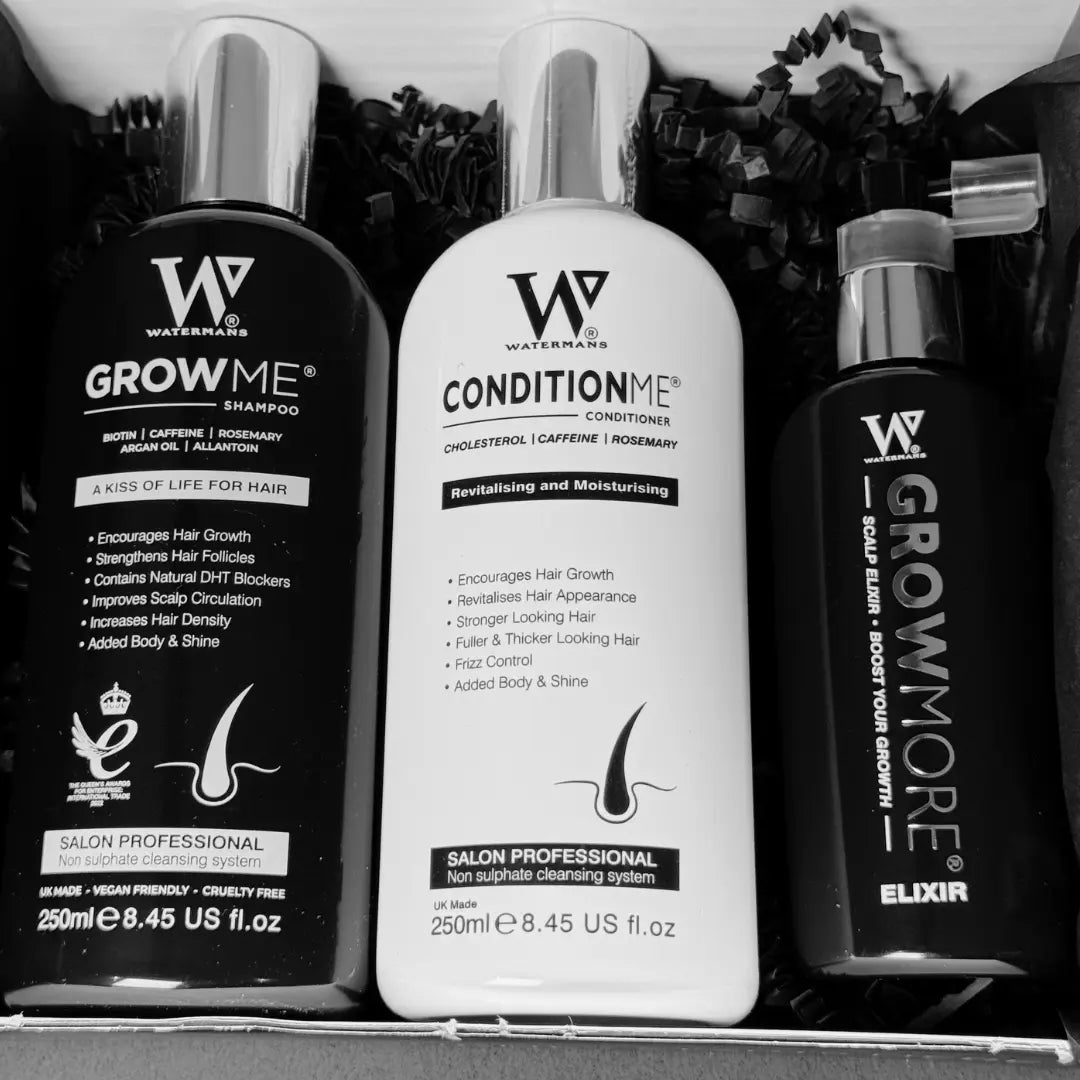
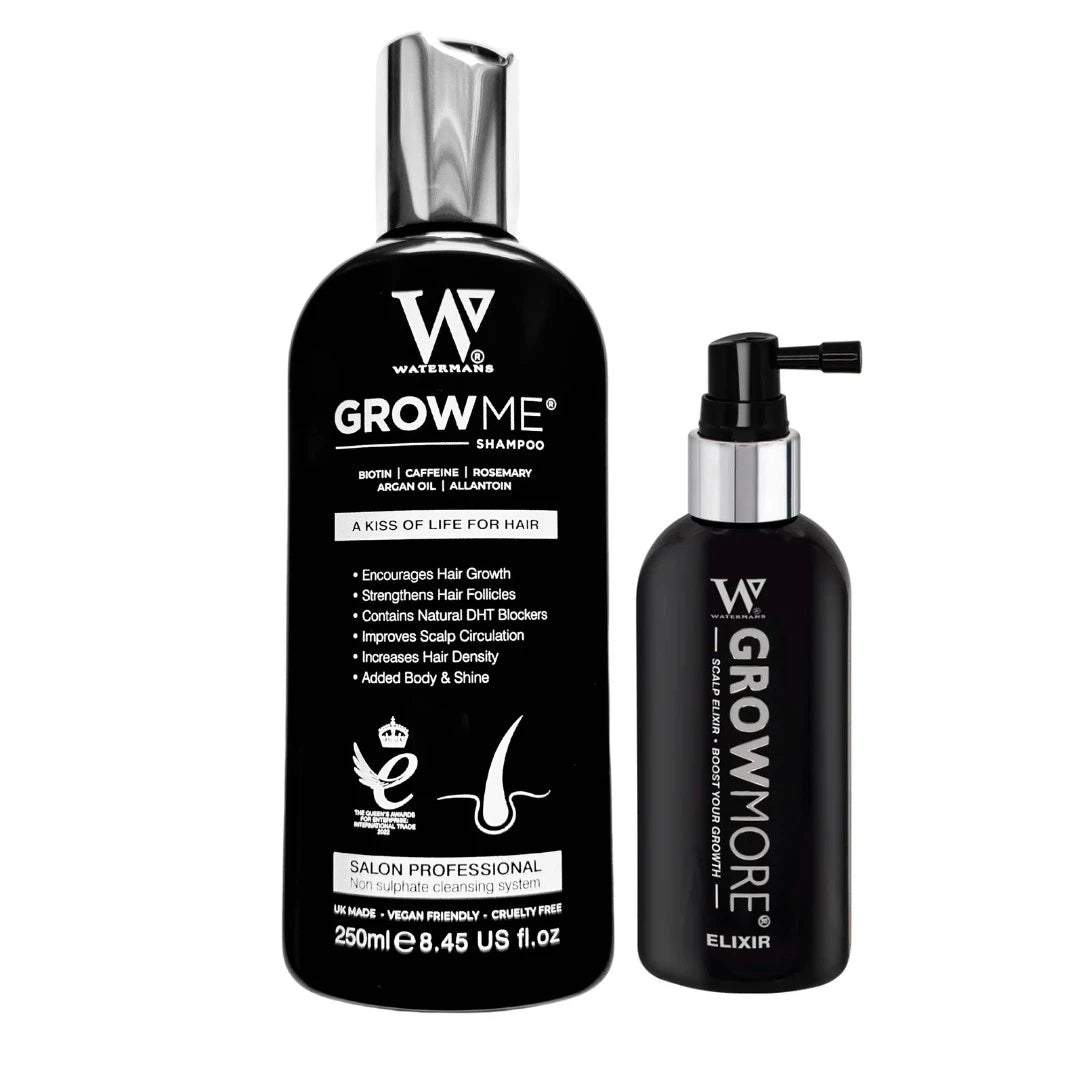
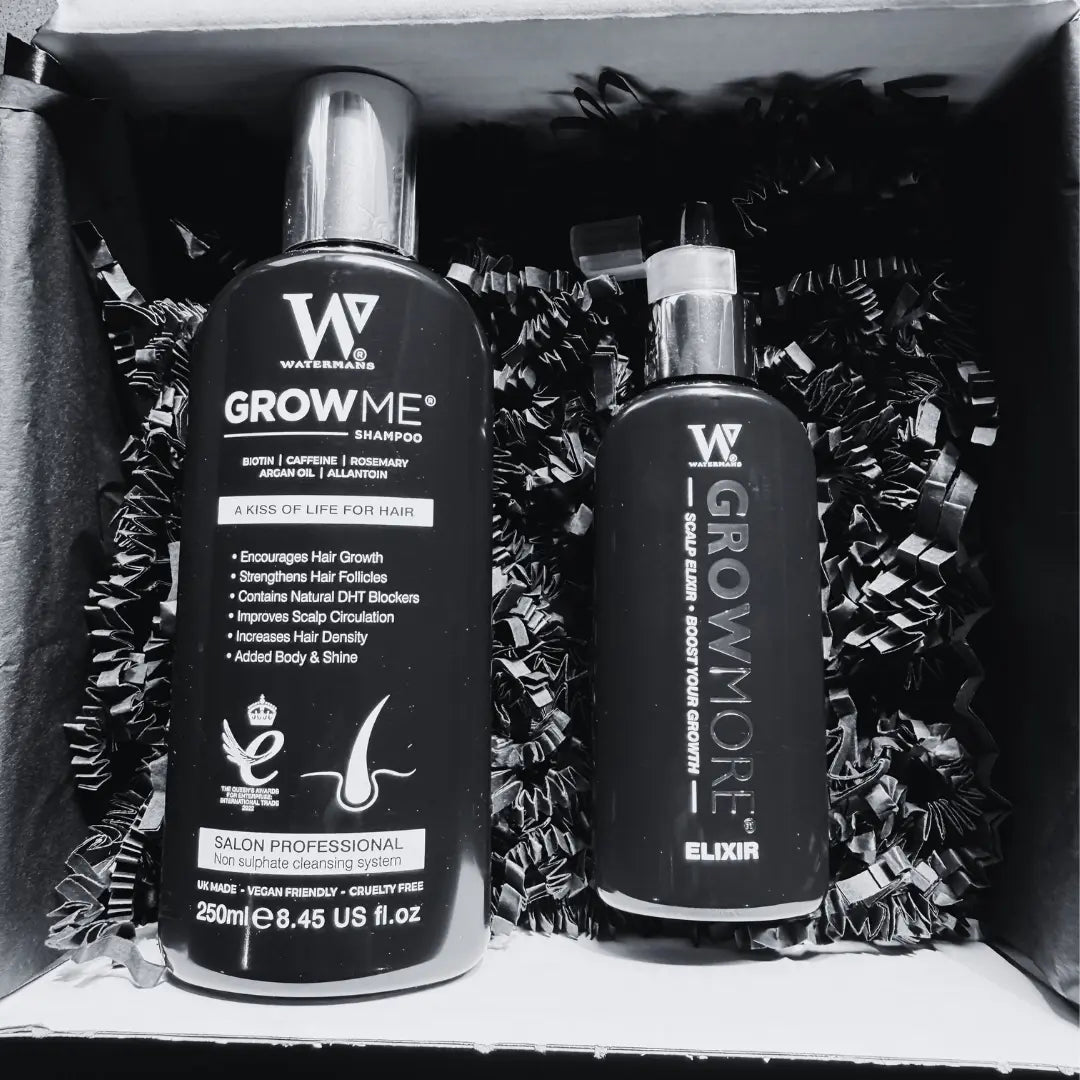
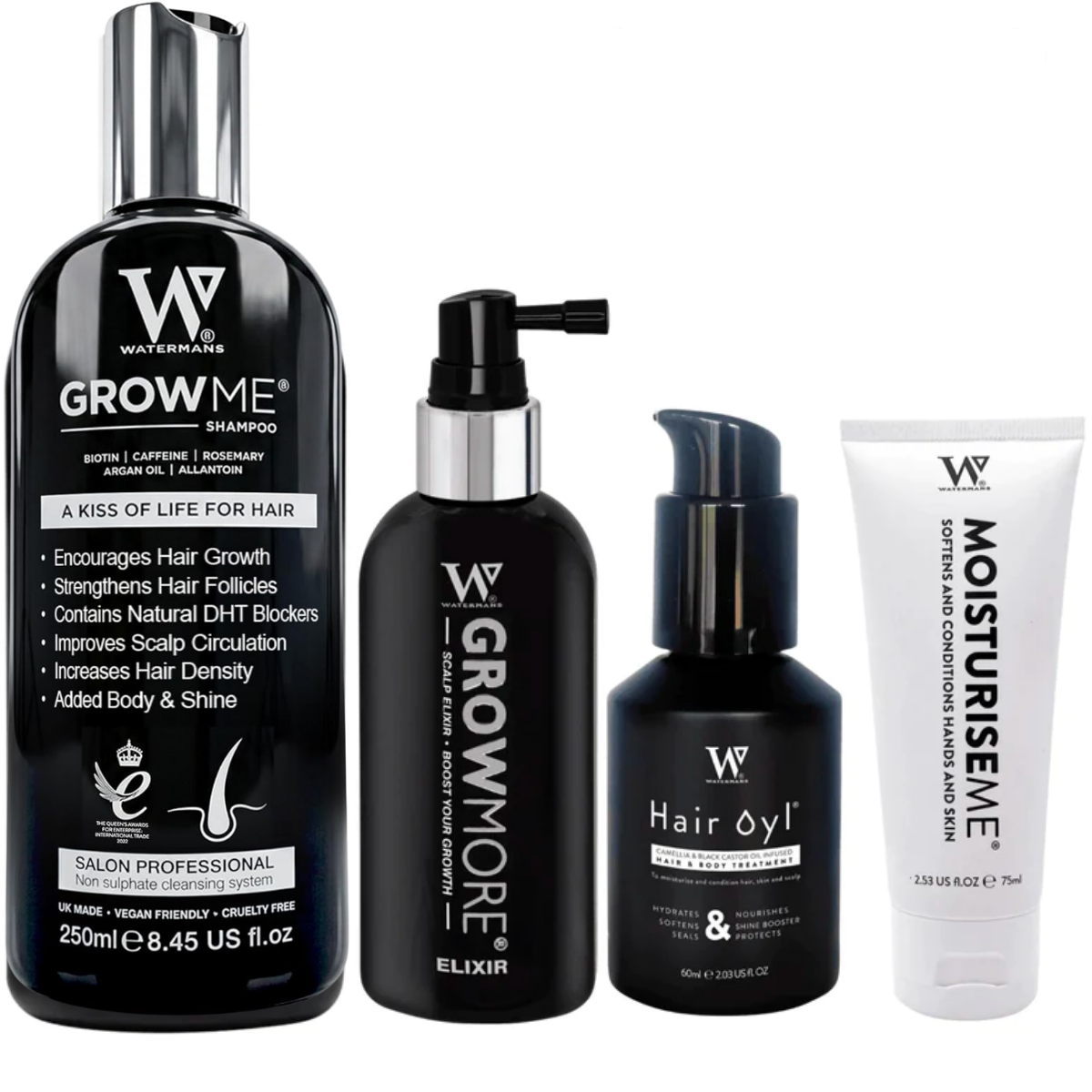
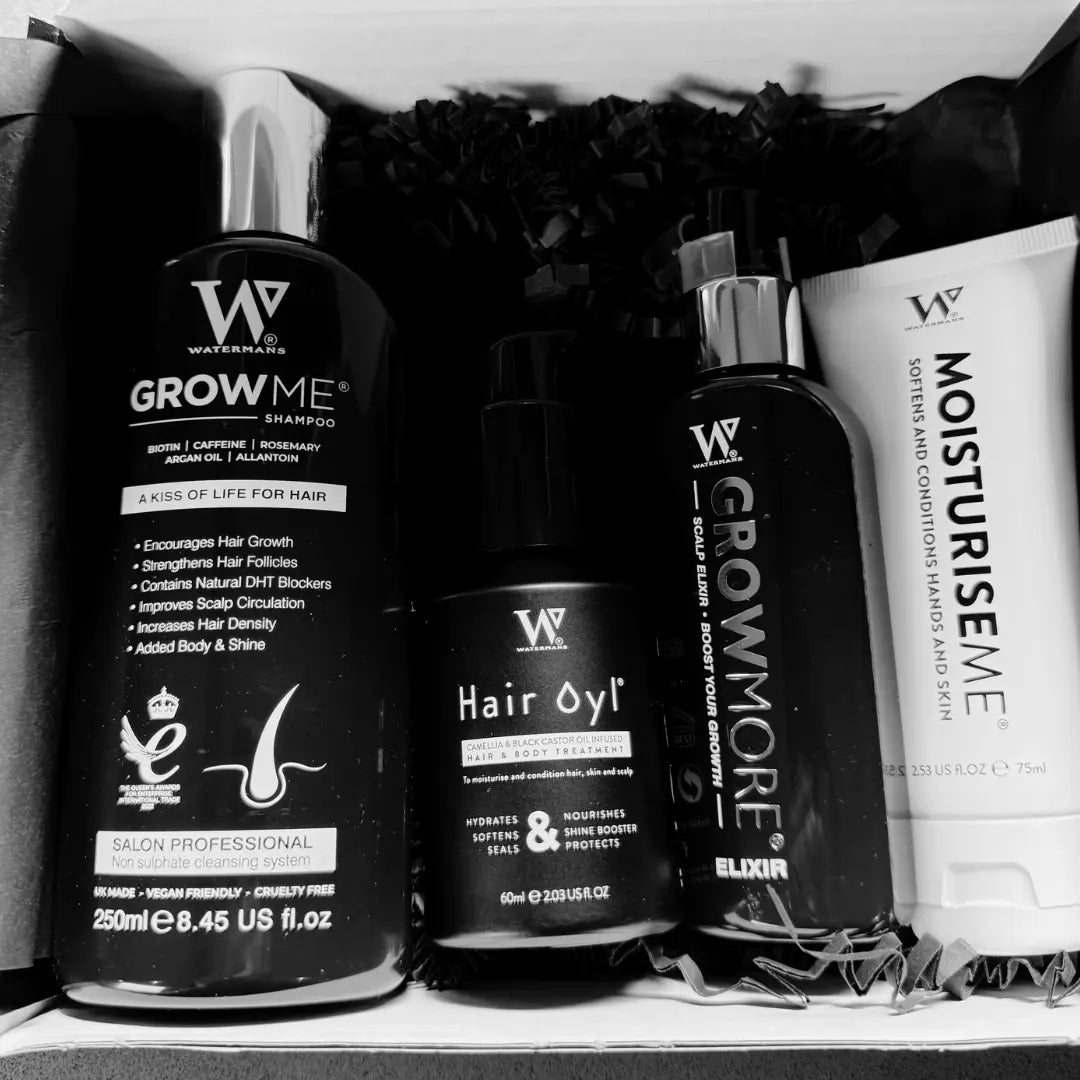
Grow Me Hair Growth Shampoo, £14.95
A sulphate-free daily shampoo with caffeine, biotin, rosemary and niacinamide. The relevant point here is simply that it is mild enough to use often, which is what a sebum-rich scalp actually needs, without the stripped, tight feeling that pushes people back to washing twice a week.
Scope: a cosmetic shampoo. It is not an antifungal or medicated anti-dandruff shampoo and does not treat seborrhoeic dermatitis. For persistent flaking, ask a pharmacist about ketoconazole or zinc pyrithione.
Can you feed the scalp microbiome with oils, prebiotics or probiotics?
Oiling a flaking scalp is the single most counterproductive thing you can do, because plant oils supply exactly the lipids Malassezia needs. Coconut, olive and castor oil left on overnight are a feeding regime for the organism behind the flaking, which is why so many people report their dandruff worsened after a hair oiling routine.
Prebiotics and topical probiotics are more interesting but far less proven. The idea is sound: rather than reducing microbial numbers, shift the balance by feeding favourable species or applying them directly. The research is genuinely early, most of it is manufacturer-funded, and there is no ingredient in this category with the weight of evidence behind zinc pyrithione or ketoconazole. Treat prebiotic claims as promising rather than established.
Oils are not useless, they are simply misplaced. On the mid-lengths and ends, where the problem is genuine dryness and mechanical damage rather than microbial balance, a lightweight oil does real work. Keep it off the roots if you flake.
Does the scalp microbiome affect hair growth or hair loss?
There is no good evidence that microbial imbalance causes pattern hair loss. Androgenetic alopecia is driven by the effect of DHT on genetically susceptible follicles, which progressively shortens the growth phase and miniaturises hairs. That mechanism is hormonal, and no shampoo changes it.
What the microbiome can do is add a second, separate problem on top. Chronic inflammation and heavy scratching damage hair mechanically, cause breakage at the root end, and in severe, long-running cases of scalp inflammation can contribute to shedding. Getting an inflamed scalp calm is worth doing on its own merits, but it should not be sold as a hair loss treatment.
If you are shedding noticeably more than usual, the causes worth investigating first are elsewhere: a trigger three months back, thyroid function, iron status, or a hormonal change. Our guide to what causes telogen effluvium explains the delayed-shedding pattern that catches most people out, and our healthy scalp guide covers how scalp condition and hair growth genuinely do connect.
What actually disrupts a healthy scalp microbiome?
Most disruption comes from ordinary habits rather than anything exotic. These are the ones worth auditing before you buy anything new.
- Overnight oil treatments on the roots. Direct fuel for lipid-dependent yeast.
- Stretching washes to once a week on an oily scalp, which raises sebum load exactly where it matters.
- Bicarbonate of soda rinses, which sit around pH 8 to 9 against skin that lives near pH 5.
- Very hot water, which strips barrier lipids and stimulates more oil in response.
- Heavy conditioner or masks applied at the root rather than mid-length to ends.
- Dry shampoo used for days without a proper wash in between.
- Stress, illness and poor sleep, which shift immune response and are a well-recognised trigger for seborrhoeic dermatitis flares.
- Antibacterial or clarifying products used daily, which knock back the whole community rather than one part of it.
What does a scalp microbiome friendly routine look like?
A sensible routine is short, mild and frequent rather than elaborate and occasional. It targets the scalp with cleansing and the lengths with conditioning, and it keeps the two jobs separate.

- Wash to the scalp's schedule, not the internet's. Oily and flake-prone usually means every day or every other day.
- Use warm water, not hot, and give the shampoo 60 seconds of contact time on the scalp rather than a quick pass.
- Use your fingertips, not your nails. Scratching is what turns irritation into damage.
- Conditioner from mid-length to ends only. The scalp does not need it and the follicles do not enjoy it.
- Keep oils off the roots if you flake at all. Use them on the lengths instead.
- If you flake persistently, alternate a pharmacy antifungal shampoo with your regular one rather than replacing it outright.
- Give it four to six weeks before judging any change, and change one thing at a time.

Lengths and ends
Condition Me Hair Growth Conditioner, £13.95
A breakage-defence conditioner with shea butter, glycerin, rosemary and niacinamide. Worth pairing with frequent washing for one specific reason: if you are washing more often to manage an oily scalp, the lengths need the conditioning that the roots do not. Apply from mid-length down.
Scope: a cosmetic conditioner for hair lengths. Not intended for the scalp and not a treatment for any scalp condition.
When should you see a pharmacist or GP about your scalp?
Speak to a pharmacist if flaking persists after four weeks of gentle, frequent washing, because that is the point at which a medicated antifungal shampoo becomes the right tool. Ketoconazole, zinc pyrithione and selenium sulfide are all available over the counter and all work by reducing yeast numbers rather than by moisturising.
See a GP if the scalp is red and weeping, if scale is thick and yellow and stuck down, if there are defined patches of scaling that extend past the hairline, or if you have flaking alongside patchy hair loss. Psoriasis, fungal infection of the hair shaft and inflammatory scarring conditions all look superficially like bad dandruff and all need a proper diagnosis. Scarring alopecias in particular are time-sensitive, because lost follicles do not come back.
For the equivalent picture on facial skin, including which everyday habits damage the community there, see our companion guide to microbiome friendly skincare.
Frequently asked questions about the scalp microbiome
Is dandruff contagious?
No. Dandruff is not an infection passed between people. The Malassezia yeast involved is already present on almost every adult scalp, and flaking reflects your own individual response to it rather than something you caught. Sharing a hairbrush will not give someone dandruff.
Does washing my hair every day cause hair loss?
No. Daily washing with a gentle shampoo does not cause hair loss. Hairs that come out in the shower were already in the shedding phase and would have come out regardless. If anything, washing less makes the shed look worse because several days of shed hair arrives at once.
Can I rebalance my scalp microbiome with diet?
There is no reliable evidence that any specific food or supplement rebalances the scalp microbiome. General nutrition matters for skin and hair health, and severe deficiency causes real problems, but no diet has been shown to shift scalp microbial composition in a useful, measurable way.
Are scalp scrubs and exfoliants good or bad for the microbiome?
Used occasionally they are fine, and they can help remove built-up product. Used weekly or more, physical scrubs tend to irritate an already inflamed scalp and encourage scratching. If you flake, gentle frequent washing beats aggressive occasional exfoliation almost every time.
Why does my scalp flake more in winter?
Seborrhoeic dermatitis is well known to flare in colder months. Low humidity, indoor heating, less sunlight and higher stress all contribute, and hotter showers add barrier disruption. The pattern is common enough that many people only notice their scalp between October and March.
Does hard water affect the scalp microbiome?
Hard water leaves mineral deposits that can make hair feel rough and scalps feel coated, and some people find it irritating. Its effect on microbial balance specifically is not well established. A shower filter is a reasonable experiment if you live in a hard water area, but it is not a proven fix.
Should I stop using conditioner if I have a flaky scalp?
No, just move it. Conditioner belongs on the mid-lengths and ends, where dryness and breakage happen. Applied directly to the roots it adds occlusive material to skin that already has plenty of oil, which is unhelpful if you are prone to flaking.
Do antifungal shampoos permanently fix dandruff?
No, and they are not meant to. They reduce yeast numbers while you use them, which lets inflammation settle. Because the yeast is a normal resident, it repopulates once you stop, and most people manage flaking long term with intermittent use rather than a one-off cure.
Where to start
If you take one thing from this: stop treating a flaking scalp as a dry scalp. Wash it more often with something mild, keep oils on the lengths rather than the roots, use fingertips instead of nails, and give it a month. If flaking persists past that, a pharmacy antifungal is the next step, not a richer product.
Watermans is a founder-led British brand that has sold over 5 million bottles since 2012, and everything we make is vegan, cruelty-free and made in the UK. For gentle frequent washing, Grow Me Shampoo is the sulphate-free daily option, paired with Condition Me on the lengths.