Best Foods for Hair Growth: What to Eat for Healthy Hair
The best foods for hair growth are ordinary, balanced-diet foods that supply protein, iron, zinc, B vitamins and vitamin D: eggs, oily fish, lean meat, beans and lentils, nuts and seeds, leafy greens and fortified cereals. Hair follicles are among the busiest cells in the body, so they notice when your diet is short of something. This guide explains which nutrients matter, the foods that supply them, where the evidence is clear and where it is not, and why supplements only help if you are actually low. For the specific case of zinc, our zinc for hair loss guide explains how much adults need and which foods supply it.
Hair colour is the other thing people hope to eat their way back to, and we answer that in which foods increase melanin in hair.
Our hair, skin and nails gummies
GrowPro® Hair, Skin & Nails Gummies, £22.95. Sugar free daily gummies for people who would rather chew than swallow a tablet, supporting hair care from the inside out.
The best foods for hair growth are protein-rich and iron-rich foods such as eggs, fish, lean meat, beans, lentils and chickpeas, plus nuts, seeds, leafy greens and fortified cereals for zinc, selenium and B vitamins. The NHS says most people should be able to get these nutrients from a varied, balanced diet. Reviews agree that correcting a real deficiency matters, but find little evidence that extra nutrients help hair in people who are not deficient.
Key takeaways
- Hair is made mainly of keratin, a protein, so regular protein at each meal is the foundation.
- The NHS lists iron deficiency among the temporary causes of hair loss; women aged 19 to 49 need 14.8mg of iron a day.
- Good NHS-listed iron sources include red meat, beans such as kidney beans and chickpeas, nuts, dried fruit and fortified cereals.
- A 2017 review in Dermatology Practical & Conceptual found no clear benefit from supplements without a documented deficiency.
- Too much selenium can itself cause loss of hair and nails, according to the NHS, so more is not always better.
Why does food matter for hair growth?
Food matters for hair growth because the cells at the base of each hair follicle divide quickly and need a steady supply of protein, energy, vitamins and minerals to build the hair fibre. When the body is short of something, hair is not a priority, so a poor diet, crash dieting or a deficiency can show up as dull hair or extra shedding.
A 2019 review in Dermatology and Therapy describes vitamins and minerals as major elements in the normal hair follicle cycle, playing a role in the rapid cell turnover in the follicle bulb. The NHS lists weight loss and iron deficiency among the temporary causes of hair loss. What food cannot do is change your genes, so a good diet supports the hair you are able to grow rather than creating new growth on its own.

What are the best foods for hair growth?
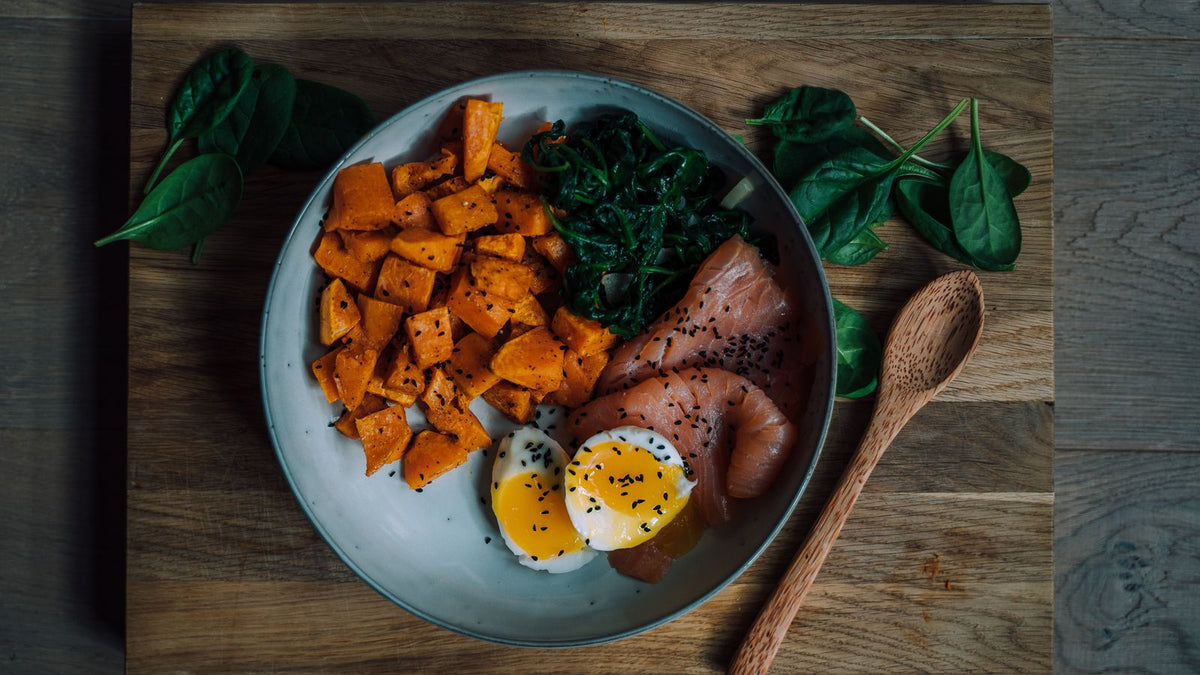
The best foods for hair growth are those that deliver several hair-relevant nutrients at once: eggs, oily fish, lean red meat in moderation, beans, lentils and chickpeas, nuts and seeds, dark leafy greens, dairy foods and fortified breakfast cereals. Building most meals around two or three of these covers the basics without any special products.
| Food | Main nutrients for hair | Notes |
|---|---|---|
| Eggs | Protein, vitamin D, B vitamins | Egg yolks are one of the few food sources of vitamin D |
| Oily fish (salmon, sardines, mackerel) | Protein, vitamin D, selenium | The NHS lists oily fish as a vitamin D source |
| Lean red meat | Protein, iron, zinc | The NHS advises limiting red and processed meat |
| Beans, lentils, chickpeas | Plant protein, iron | Pair with vitamin C to help iron absorption |
| Nuts and seeds | Zinc, selenium, vitamin E, healthy fats | Brazil nuts are an NHS-listed selenium source; do not overdo them |
| Dark leafy greens | Iron, folate, vitamin C | Watercress, broccoli and spring greens are NHS-listed iron sources |
| Dairy foods | Protein, zinc, B12 | Cheese is an NHS-listed zinc source |
| Fortified breakfast cereals | Iron, B vitamins, sometimes vitamin D | Check the label for fortification |
Why is protein the most important food group for hair?
Protein is the most important food group for hair because the hair fibre is made mainly of keratin, a protein, and the follicle needs amino acids from your diet to build it. A diet that is low in protein, such as a very restrictive diet, can leave hair weaker and contribute to shedding.
You do not need protein shakes. The NHS Eatwell Guide recommends eating some beans, pulses, fish, eggs, meat and other protein foods every day. A simple approach is a palm-sized portion of protein at each meal: eggs or yoghurt at breakfast, beans, fish or chicken at lunch, and lentils, tofu, fish or meat at dinner.
Which iron-rich foods help hair?
Iron-rich foods help hair because iron is needed to make red blood cells that carry oxygen, and the NHS lists iron deficiency among the temporary causes of hair loss. Good sources listed by the NHS include red meat, beans such as red kidney beans, edamame beans and chickpeas, nuts, dried fruit such as apricots, fortified breakfast cereals and soy bean flour.
The NHS says women aged 19 to 49 need 14.8mg of iron a day while men need 8.7mg, as do women aged 50 and over. Women with heavy periods are at higher risk of iron deficiency. Plant iron is absorbed less well than iron from meat, so the NHS suggests eating vitamin C foods at the same meal and avoiding tea or coffee with main meals. Our guide to raising ferritin levels explains the iron store blood test.
Do not self-dose iron
Iron supplements can cause side effects, and the NHS warns that very high doses can be dangerous, particularly for children. If you suspect you are low, ask a GP for a blood test before taking iron.
Get a discount on the thinning hair range
Join the Watermans mailing list and we will email a discount code straight to your inbox, so you can try the thinning hair range for less. Vegan, made in the UK, over 6.5 million bottles sold since 2012.
Do zinc, selenium and vitamin D foods matter for hair?
Zinc, selenium and vitamin D all play a part in the hair cycle, and the easiest way to get enough is from food. The NHS lists meat, shellfish, dairy foods such as cheese, bread and cereal products such as wheatgerm as good sources of zinc, and says men need about 9.5mg a day and women about 7mg. One nutrient is asked about far more often than the evidence supports, and our guide to vitamin K2 for hair sets out exactly what has and has not been shown.
For selenium, the NHS lists brazil nuts, fish, meat and eggs, and warns that too much selenium causes selenosis, which in its mildest form can lead to loss of hair and nails. That is a clear example of more not being better. For vitamin D, the NHS explains that from October to early March we do not make enough from sunlight, lists oily fish, red meat, egg yolks and fortified foods as sources, and says adults need 10 micrograms a day.

Do biotin and B vitamin foods help hair growth?
B vitamin foods support general health, including the rapidly dividing cells in hair follicles, but there is little evidence that extra biotin helps hair in people who are not deficient. The NHS says biotin is found in a wide range of foods, that bowel bacteria make it too, and that you should be able to get all you need from a varied, balanced diet.
Vitamin B12 is the B vitamin most worth watching, especially on a plant-based diet. The NHS says sources for vegans are limited and a B12 supplement may be needed, and lists fortified breakfast cereals, fortified unsweetened soya drinks and fortified yeast extract as vegan sources. Our guide to vitamins for hair growth covers each vitamin in more detail.
Do hair supplements work if you already eat well?
Hair supplements have little proven benefit if you already eat well and are not deficient, and good reviews say so plainly. A 2017 review in Dermatology Practical & Conceptual concluded that deficiencies should be corrected, but that further research is needed to know whether supplements help in the absence of a documented deficiency, and that some supplements carry a risk of worsening hair loss or toxicity.
A 2019 review in Dermatology and Therapy took a slightly more open view, describing deficiency as a possible modifiable risk factor and calling for large placebo-controlled trials. Both reviews agree on the practical point: food first, test if you suspect a deficiency, and do not stack high-dose supplements. Our guide to nutritional deficiency and hair loss covers the blood tests a GP might suggest.

GrowPro Hair Growth Gummies £22.95
Sugar-free vegan hair, skin and nails gummies taken two a day. A convenient top-up for people whose diet is patchy, not a replacement for balanced meals. Check the label against any other supplements you take.
Is it hair shedding, hair breakage or hair loss?
Hair shedding, hair breakage and hair loss have different causes, and diet is relevant to only some of them. Hair shedding is whole hairs falling out root and all. The NHS says losing 50 to 100 hairs a day is normal, and DermNet lists weight loss, unusual diets and nutritional deficiency such as iron deficiency among the triggers of telogen effluvium, a temporary burst of shedding that shows up two to four months later.
Hair breakage is the hair fibre snapping part way along, usually from heat, chemicals or rough handling, and food will not fix it. Hair loss in the medical sense, such as pattern hair loss or alopecia areata, involves the follicle and needs a GP rather than a diet change. Diet matters most for shedding linked to crash dieting, low iron or illness.
What does a day of eating for hair growth look like?
A day of eating for hair growth looks like a normal balanced day with protein at every meal, colourful vegetables and a few nuts or seeds. It does not need special superfoods. The NHS Eatwell Guide suggests at least five portions of fruit and vegetables a day and basing meals on starchy foods, with some protein foods daily.
| Meal | Example | Hair-relevant nutrients |
|---|---|---|
| Breakfast | Fortified cereal or porridge with yoghurt, berries and seeds | Iron, B vitamins, protein, zinc |
| Lunch | Lentil and vegetable soup with wholemeal bread | Plant protein, iron, fibre |
| Snack | A small handful of mixed nuts and an orange | Selenium, vitamin E, vitamin C |
| Dinner | Salmon or chickpea curry with brown rice and greens | Protein, vitamin D or iron, folate |


Grow Me® Hair Growth Shampoo £14.95
A daily shampoo that cleans the scalp without stripping it and helps hair look fuller, with caffeine, rosemary, niacinamide and hydrolysed lupine protein. The outside half of a routine that starts on your plate.
When should you see a GP about diet and hair?
You should see a GP about diet and hair if you are shedding heavily for more than a few months, have heavy periods, follow a restricted diet, have lost a lot of weight, or feel tired and breathless alongside hair changes. The NHS advises seeing a GP if you are worried about your hair loss, and a GP can arrange blood tests for iron, vitamin B12, vitamin D and thyroid function.
A registered dietitian can help if you are vegan, have a medical condition affecting your diet, or are unsure you are eating enough. Watermans does not offer medical or dietary advice, and nothing on this page replaces it. If your question is about products or a routine rather than a medical one, you can talk to Gail Waterman, our co-founder, as an AI avatar on the Watermans homepage.
What are the frequently asked questions about best foods for hair growth?
What are the best foods for hair growth?
Eggs, oily fish, lean meat, beans, lentils and chickpeas, nuts and seeds, leafy greens, dairy foods and fortified cereals. Together they supply protein, iron, zinc, selenium, B vitamins and vitamin D.
Which single food is best for hair?
No single food does it all. Eggs come close because they supply protein, vitamin D and B vitamins, but a varied diet matters more than any one food.
Can a bad diet cause hair loss?
Yes. The NHS lists weight loss and iron deficiency among temporary causes of hair loss, and DermNet lists unusual diets and nutritional deficiency among the triggers of shedding.
How long does it take for diet changes to show in hair?
Several months. Hair grows about one centimetre a month, and shedding from a trigger usually settles over six to nine months.
Should I take a hair supplement?
Only if you are short of something or your diet is patchy. A 2017 review found no clear benefit from supplements without a documented deficiency, and some carry risks at high doses.
Is biotin good for hair?
The NHS says you should be able to get all the biotin you need from a varied diet, and there is little evidence extra biotin helps hair if you are not deficient.
What should vegans eat for healthy hair?
Pulses, tofu, nuts, seeds, leafy greens and fortified cereals for protein and iron, plus a reliable source of vitamin B12, which the NHS says may need to be a supplement.
What is the bottom line on the best foods for hair growth?
The bottom line on the best foods for hair growth is that they are everyday balanced-diet foods: protein at every meal, iron from meat, pulses and fortified cereals, zinc and selenium from nuts, seeds, dairy and fish, and vitamin D from oily fish and eggs. Correct a real deficiency, avoid crash diets and high-dose supplements, and see a GP about heavy shedding.
Alongside a good diet, a gentle hair growth shampoo keeps the scalp clean and helps hair look fuller.
Sources & references
- NHS, Iron, checked 18 September 2026.
- NHS, Others: zinc and selenium, checked 18 September 2026.
- NHS, Vitamin D, checked 18 September 2026.
- NHS, Vitamin B, checked 18 September 2026.
- NHS, The Eatwell Guide, checked 18 September 2026.
- NHS, The vegan diet, checked 18 September 2026.
- NHS, Hair loss, checked 18 September 2026.
- Guo EL, Katta R. Diet and hair loss: effects of nutrient deficiency and supplement use. Dermatol Pract Concept 2017, checked 18 September 2026.
- Almohanna HM et al. The role of vitamins and minerals in hair loss: a review. Dermatol Ther 2019, checked 18 September 2026.
- DermNet, Telogen effluvium, checked 18 September 2026.
Watermans products are 100% cosmetic and do not treat medical hair loss. Individual results may vary.