Why the Same Hair Product Gives Different Results
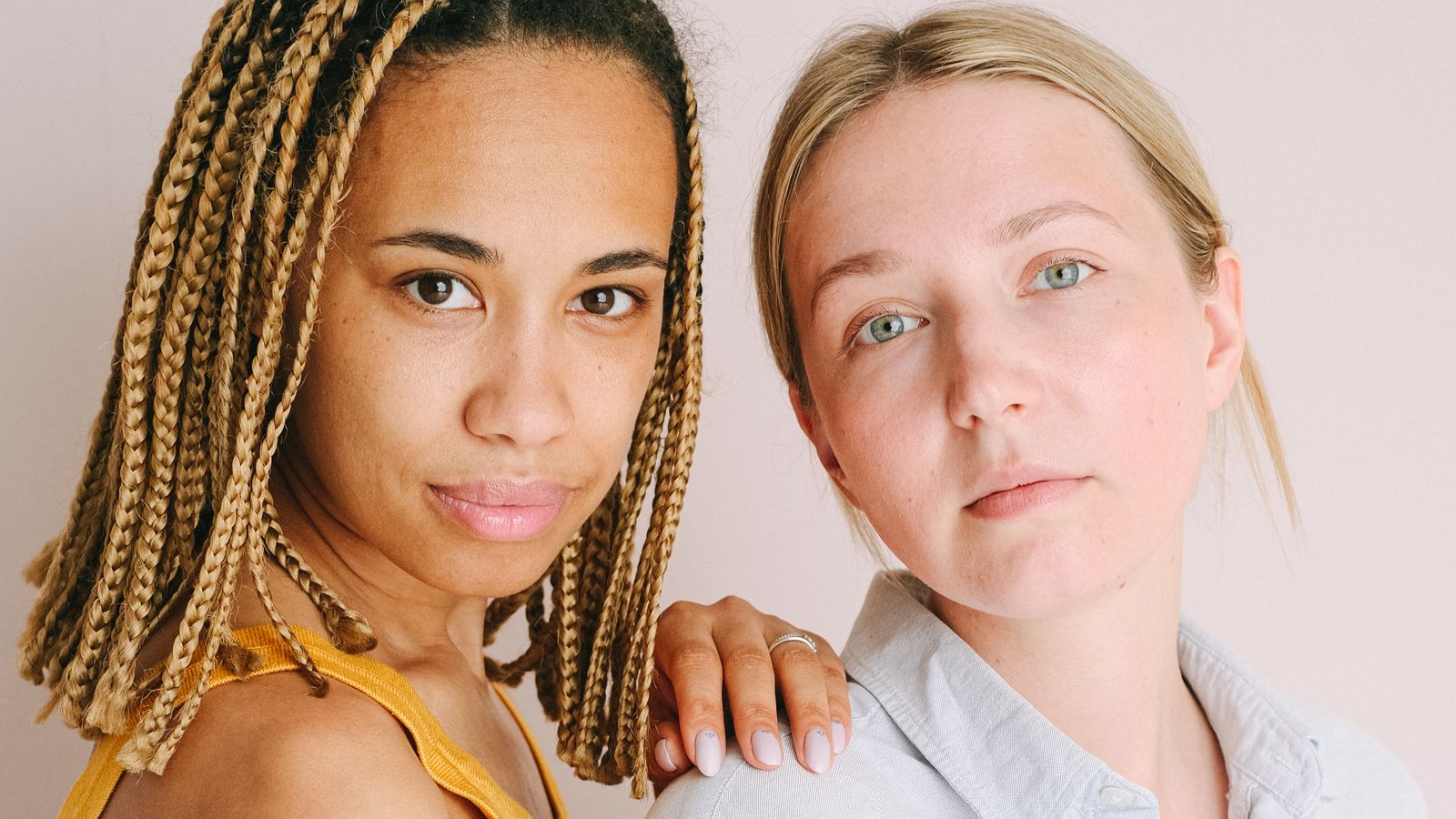
Why the same hair product gives different results comes down to the fact that the bottle is the only part of the experiment that is identical. Two people using the same shampoo bring different genetics, different scalp conditions, different stages of hair change, different application habits and different expectations to it. The product is a constant. Everything it lands on is a variable, and the variables are doing most of the work.
Our hair growth shampoo
Grow Me® Hair Growth Shampoo, £14.95. A sulphate free daily shampoo that supports a healthy scalp environment and helps reduce breakage, so lengths hold on and look fuller.
Key takeaways
- The starting point matters more than the product. Someone with mild, recent change has far more room to improve than someone twenty years in.
- Cause is the biggest single variable. Breakage responds to good care. Follicular hair loss does not respond to cosmetics at all.
- Application habits differ enormously. Amount, frequency, contact time and where it actually lands vary hugely between two people who both say they use it daily.
- Some of the difference is measurement. Different lighting, different mirrors and different memories produce different verdicts on identical hair.
- A share of people will see nothing. That is a normal outcome for a cosmetic product, not proof that they used it wrong.
Why the same hair product gives different results: what is the short answer?
Because a cosmetic product acts on the hair fibre and the scalp surface, and both of those start in a different state for every person. Someone whose main problem is snapping mid length has a fibre that conditioning can genuinely improve. Someone whose follicles are producing progressively finer hairs has a process no shampoo reaches. Give both of them the same bottle and they will honestly report opposite experiences, and both reports will be accurate.
Layer on top of that the differences in how much is applied, how often, whether it reaches the scalp or sits on the hair, how long the person persists, and how they judge the outcome. By the time you add those up, the bottle is a small part of the total.

What varies between two people using the identical bottle?
Six things vary, and they are ranked below roughly in order of how much difference they make.
| Variable | Why it changes the outcome | Can you do anything about it |
|---|---|---|
| What is actually causing the change | Breakage, shedding and follicular loss respond completely differently | Yes, identify it first rather than guessing |
| How far along it is | Early and mild leaves more room to improve than long standing and advanced | Only by acting earlier next time |
| Scalp condition | An inflamed, flaking or very oily scalp changes what any product can do | Yes, and it is usually the fastest win |
| Application habits | Amount, frequency and whether it reaches the skin vary wildly | Yes, and it costs nothing to fix |
| Hair type and porosity | Fine, coarse, straight and coily fibres take up and hold conditioning differently | Not really, but you can choose to suit it |
| How the result is judged | Memory, lighting and expectation all shift the verdict | Yes, photograph the same parting monthly |
How much of the difference is the starting point rather than the product?
A great deal of it. This is the single most under appreciated reason why the same hair product gives different results, because nobody compares starting points when they compare reviews. A person with recent breakage from bleaching, a healthy scalp and a normal density has plenty of headroom, and a conditioning routine can produce a visible change within one or two months. A person whose parting has been widening steadily for fifteen years has very little headroom, and no cosmetic routine is going to create it.
Both of those people may leave a review of the same bottle. One says it transformed their hair. The other says it did nothing. Neither is lying, and neither review predicts what will happen to you, because you are a third starting point that neither of them describes.

Do nutrition and general health change how a product behaves?
Nutrition and general health do not change the product, but they change the head it is working on, which produces the same visible effect. Low iron stores, low vitamin D, an underactive or overactive thyroid, a very restrictive diet, recent illness and rapid weight loss all affect the hair cycle. Someone in the middle of any of those is shedding for a reason a shampoo has no access to, and a routine started at that moment will appear to fail.
The same person, six months later with the underlying issue addressed, may report that the identical bottle suddenly works. What changed was the body, not the formula. This is worth knowing before you conclude that a product is useless, and it is a good reason to ask your GP for blood tests if shedding has been heavy for more than three months. If your question is about products or a routine rather than a medical one, you can talk to Gail Waterman, our co-founder, as an AI avatar on the Watermans homepage.
Worth saying plainly: for a meaningful share of people, a cosmetic hair product will make no visible difference at all. That is a normal outcome, not a sign that they used it wrong, and any brand implying otherwise is selling you the idea that failure is your fault. If twelve months of honest photographs show nothing, stopping is a perfectly rational decision that saves you money.
How do hair loss, hair shedding and hair breakage change the answer?
They change it more than anything else on this page, because they are three separate problems that people describe with the same words.
- Hair loss in the follicular sense, such as androgenetic alopecia, is a change in the follicle. Each cycle produces a finer, shorter hair, over years. Cosmetics do not reach this process, so two people at different stages of it will report very different things about the same bottle.
- Hair shedding is a hair cycle event. Telogen effluvium after illness, childbirth, surgery, crash dieting or sustained stress releases a batch of hairs together, two or three months after the trigger. It is usually self limiting, which means a product started at the peak often gets credit for a recovery that was happening anyway. Our guide to telogen effluvium and how long shedding lasts covers the timeline.
- Hair breakage is the fibre snapping partway along its length, from heat, colour, tension or rough handling. This is the one that genuinely responds to good products and good habits, and it is why the most enthusiastic reviews of any conditioning product tend to come from people whose real problem was breakage.
Check the ends of the hairs on your brush. Shed hairs have a small pale bulb at the root end. Broken hairs do not, and are shorter than your full length. Our guide to hair shedding causes and what genuinely helps goes through the distinction in detail.
Get a discount on your next order
Join the Watermans mailing list and we will email a discount code straight to your inbox. Vegan, made in the UK, over 6.5 million bottles sold since 2012.
How do you tell a real difference from noise?
Fix the measurement before you judge the product, because a slice of why the same hair product gives different results is simply that two people looked at their hair in different lighting and remembered it differently. Photograph the same parting, in the same spot in your home, in the same light, at the same time of day, on day one and then monthly. Do not use a bathroom mirror as your instrument, because bathroom lighting is unusually unflattering and unusually variable.
Change one thing at a time and give it twelve weeks. Hair grows roughly a centimetre a month, so a change made today only appears in what grows after today. If you switch shampoo, add a serum and start a supplement in the same week, you have run three experiments at once and can conclude nothing from any of them.

Is this different from a product that stops working after a while?
Yes, and the two get confused constantly. This page is about variation between people at the same moment. A product that seemed to help for six months and then plateaued is variation within one person over time, which has its own explanations, including the natural course of the underlying change and the fact that the easy gains from better condition arrive first. We cover that separately in why results seem to fade after the first few months. If your question is instead whether reaching for a higher strength is the answer, our guide to whether a stronger product is a better product deals with the usual next move, which is usually the wrong one.
Which products are worth a fair twelve week test?
Two, and they cover different variables. One works on the fibre and scalp surface, one covers the nutritional side that so often explains the difference between two people.

Grow Me Shampoo
Sulphate free, with biotin, caffeine, rosemary, niacinamide and hydrolysed lupine protein. Cosmetic support for a comfortable scalp, reduced breakage and fuller looking hair. Two to four washes a week, held for twelve weeks. Vegan and made in the UK.

GrowPro Hair, Skin and Nails Gummies
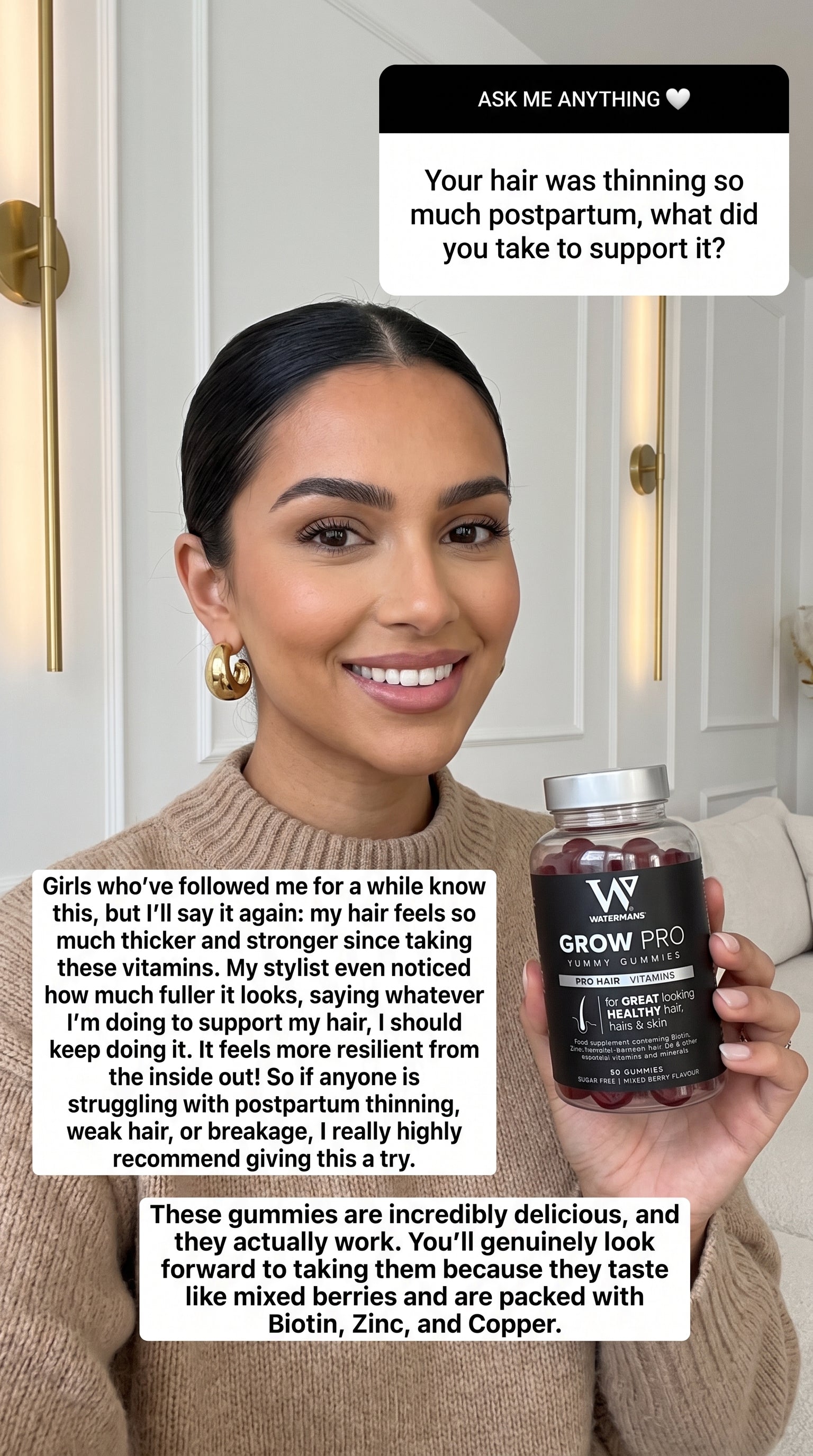
Sugar free and vegan, with biotin, zinc, selenium and B vitamins that contribute to the maintenance of normal hair. Useful if your diet is genuinely narrow. If your bloods are normal and you eat well, a supplement is unlikely to be the variable that was holding you back.
Over 6.5 million bottles sold since 2012, which tells you people repurchase and tells you nothing about what will happen on your own head. Your twelve weeks is the only data that applies to you.
Frequently asked questions
Why the same hair product gives different results to me and my sister?
Because you share some genetics but not your scalp condition, your styling history, your stage of hair change, your diet or your application habits. Family members often have similar hair types and very different outcomes for exactly these reasons.
Does hair type change how well a product works?
Yes. Fine hair shows weight and build up quickly, coarse and coily hair tends to need more conditioning and holds it differently, and porosity affects how fast anything is absorbed and lost again. The same formula can feel heavy on one head and barely there on another.
Should I trust reviews that say a product did nothing?
Take them as information about that reviewer, not about the product. A negative review from someone with advanced pattern hair loss and a positive one from someone with bleach damage can both be honest accounts of the same bottle.
How long before I can fairly say it is not working for me?
Twelve weeks for condition and breakage, and closer to six to twelve months before drawing conclusions about density. Anything shorter than three months is mostly measuring how you felt that week.
Could my scalp condition be the reason nothing works?
Very often, yes. Persistent flaking, redness, itching or soreness change what any product can achieve, and they are worth sorting out first. A sore or scaly scalp deserves a GP or dermatologist rather than another bottle.
Does water hardness make a difference?
It makes a modest difference to how shampoo lathers and how much residue is left on the fibre, which can change how hair feels and looks between two homes. It is a real variable, but a small one next to cause and starting point.
Is it worth switching products if I see nothing at three months?
If your scalp is comfortable and you have been consistent, give it the full six months before switching, because density changes slowly. If your scalp has been irritated throughout, switch sooner, because an uncomfortable routine will not be kept up anyway.
Are men and women likely to get different outcomes?
Often, because the underlying pattern differs. Male pattern change concentrates at the temples and crown, female pattern change usually widens the parting while keeping the front hairline. Different distributions make the same product look more or less effective in photographs.
Sources and references
- NHS, Hair loss, for the distinction between pattern hair loss and temporary shedding, and when to see a GP.
- NICE Clinical Knowledge Summaries, Female pattern hair loss, for the natural history of pattern hair loss and realistic timescales.
- NHS, Iron deficiency anaemia, for the symptoms that warrant blood tests when shedding is heavy and persistent.
- British Association of Dermatologists information leaflets, for scalp conditions that change what any product can do.
What is the bottom line on why the same hair product gives different results?
Why the same hair product gives different results is mostly a question about the people, not the bottle. Cause, stage, scalp condition, habits, hair type and the way the outcome is judged all vary, and together they swamp the formula. Work out whether you are dealing with loss, shedding or breakage, sort the scalp out first, fix your measurement with monthly photographs of the same parting, change one thing at a time and give it twelve weeks. And if the honest answer at the end is that nothing changed, that is a real answer worth acting on rather than a reason to buy something stronger.
For the cosmetic side of a fuller look, the Grow Me hair growth shampoo is the step that does the heavy lifting. Vegan, made in the UK.
Watermans products are 100% cosmetic and do not treat medical hair loss. Individual results may vary. If your hair or scalp is changing quickly, or you have a sore, scaly or painful scalp, speak to your GP or a dermatologist.