Ferritin levels: Surprising Signs Your Iron Stores Are Low
Ferritin Levels: Surprising Signs Your Iron Stores Are Low
Ferritin marks your health. Your body keeps iron in ferritin. Many know of “low iron” or anemia. Fewer see that ferritin falls first. Before blood tests show trouble, low ferritin can cause fatigue, brain fog, and hair loss.
In this guide you will learn what ferritin is and how it links to your energy, mood, immune strength, and hair growth. You will see what normal ranges mean and spot signs that your iron stores are low even when hemoglobin stays normal.
What Is Ferritin? Your Body’s Iron Bank Account
Ferritin stores iron in your cells. It gives out iron when your body asks for it. Think of it as an iron bank account:
- Serum iron is like cash in your wallet (the iron circulating in your blood).
- Ferritin is like savings (the iron held for later use).
- Hemoglobin is the protein that carries oxygen in red blood cells.
When ferritin is high enough, your iron stores help:
- Keep your energy steady.
- Grow hair well.
- Build a strong immune response.
- Send oxygen to cells.
- Support good brain and thyroid work.
When ferritin is low, the body drains iron from storage to keep hemoglobin normal. You may feel weak, tired, and lose hair even if your blood tests say things are “fine.”
Normal Ferritin Levels: Why “In Range” May Not Mean “Optimal”
Lab values change, but most labs show these ranges for adults:
- Women: ~12–150 ng/mL
- Men: ~20–300 ng/mL
These numbers show statistical normality, not always how you feel.
Many doctors see that:
- Women may start losing hair or feel tired and foggy when ferritin falls below about 40–50 ng/mL.
- Hair growth tends to be better when ferritin stays above 70 ng/mL, even if labs say “normal.”
- Very low ferritin (under 15–20 ng/mL) strongly points to iron shortage.
High ferritin levels can mean inflammation, infection, liver issues, or conditions such as hemochromatosis. This risk shows why starting high-dose iron without testing can be unsafe.
Low Ferritin vs Anemia: Why the Difference Matters
You may see three scenarios:
-
Normal ferritin, normal hemoglobin
- Iron stores and oxygen transport work well.
-
Low ferritin, normal hemoglobin
- Known as iron shortage without anemia.
- You may suffer from fatigue, hair loss, or lower exercise strength.
- Many hear “your blood count is fine” even if they feel unwell.
-
Low ferritin, low hemoglobin
- This is iron‐deficiency anemia.
- Symptoms include breathlessness, fast heartbeats, dizziness, pale skin, and clear hair thinning.
Catching falling ferritin levels early, before full anemia, can make treatment easier and improve how you feel.
Surprising Signs Your Ferritin Levels May Be Low
Some signs of low ferritin are well known—like tiredness. Others are small and often blamed on stress, aging, or a busy life.
1. Persistent Fatigue That Sleep Doesn’t Fix
Low ferritin means your body has less iron to:
- Build hemoglobin to carry oxygen.
- Run enzymes that produce energy in your cells.
This means you may sleep well but wake unrefreshed. You can feel drained or like your battery is low. This fatigue:
- Gets worse with activity (like climbing stairs or light exercise).
- Can come with shortness of breath or a fast heart during mild work.
If you feel tired often, checking ferritin levels can help.
2. Hair Shedding, Thinning or Slower Growth
Hair follicles need many nutrients. They use oxygen and iron to grow. Low ferritin may lead to:
- Hair shedding over the scalp.
- A wider part in women.
- Less hair volume.
- Slower hair regrowth between cuts.
Skin experts test ferritin when hair shedding or thinning is seen. They often aim for levels above 50–70 ng/mL in women with hair loss, even if tests say “normal.”
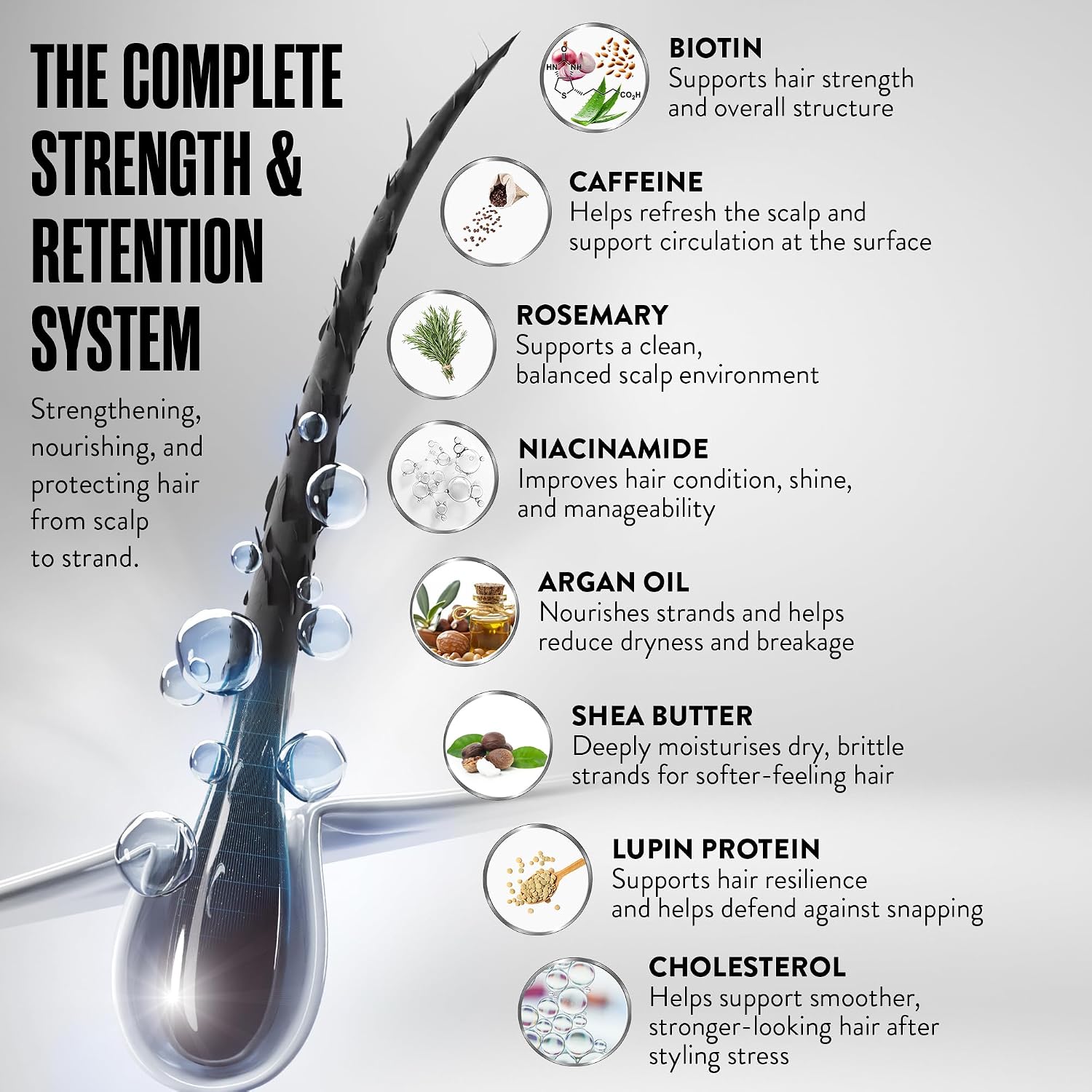
Many people try a non-medicated, scalp-support product such as
Watermans Grow Me Shampoo.
This shampoo has:
- Biotin, which supports the structure of hair.
- Rosemary, known to wake up the scalp.
- Caffeine, which gives energy to hair roots.
- Niacinamide, which helps blood flow in the scalp.
- Argan oil, which conditions hair.
- Allantoin, which calms the scalp.
- Lupin protein, which helps hair grow thicker.
Some people also use the
Watermans Hair Survival Kit for smoother hair care.
3. Brain Fog, Poor Concentration and “Low Mental Battery”
Iron helps your brain work. Low ferritin may mean less oxygen and changed chemical signals. This can lead to:
- Problems with focus.
- Slower thought.
- Memory hiccups.
- Feeling flat or unmotivated.
In children and teens, iron shortage can affect attention, behavior, and learning.
4. Restless Legs, Twitching, or Trouble Settling at Night
Restless legs make you want to move them, mostly at night. Low iron often shows with these signs:
- Creeping, tingling, or crawling in your legs.
- The urge to move your legs to ease the feeling.
- Trouble falling asleep because your legs cannot rest.
Sometimes fixing ferritin levels (with doctor help) can ease these signs.
5. Shortness of Breath and Palpitations on Mild Exertion
Low iron can mean your body finds it hard to deliver oxygen during activity. You may note:
- Breath coming hard when you climb a gentle hill or carry groceries.
- A fast heartbeat even with little effort.
- A quick drop in energy during exercise.
These signs can appear before full anemia sets in if your ferritin stays low.

6. Frequent Infections and Lower Immunity
Iron helps build immune cells. With low ferritin, you might:
- Catch colds more often.
- Take longer to get better from infections.
- Feel consistently run down.
Other nutrient shortages can show these signs too, but ferritin gives a key view.
7. Pale Skin, Brittle Nails and Strange Cravings
As ferritin falls, iron runs low and signs appear like:
- Pale skin or pale inner eyelids and gums.
- Nails that break or show ridges easily.
- Spoon-shaped nails in severe cases.
- Cravings for items like ice or clay.
These signs show more advanced iron shortage and need prompt care.
8. Heavy Periods and Worsening PMS Symptoms
A two-way link exists between periods and ferritin:
- Heavy or long periods use up stored iron.
- As ferritin falls, tiredness and mood swings around a period can worsen.
Many women with heavy periods say that before or during their period they feel very tired, more moody, and less able to take on daily tasks. In these cases, ferritin testing is key.
Who Is Most at Risk of Low Ferritin Levels?
Any person can have low ferritin. Still, some groups see it more:
1. Menstruating and Postpartum Women
- Monthly blood loss uses up iron stores.
- Very heavy periods (needing many pad or tampon changes, clots, or bleeding for more than 7 days) raise the risk.
- Pregnancy takes more iron, and many new mothers see low ferritin after childbirth.
2. Vegetarians and Vegans
Plant-based diets can be healthy. Yet they use iron that the body absorbs less well.
- Many plant sources hold non-heme iron.
- Foods with phytates (in whole grains, legumes, some seeds) can reduce iron uptake if not planned well.
Without a careful plan, iron levels may drop over time.
3. Endurance Athletes and Very Active People
Runners, cyclists, and athletes face added challenges:
- Some iron is lost in sweat.
- Repeated foot strikes in running may break red blood cells.
- High demands for oxygen and muscle repair stress iron stores.
Low ferritin is a hidden setback for athletes who feel slow, tired, or stuck in performance.
4. People with Digestive or Absorption Issues
Gut problems can reduce iron uptake. This includes conditions like:
- Celiac disease.
- Inflammatory bowel issues.
- Gastric bypass or other surgeries.
- Low stomach acid, which cuts iron uptake.
Even when your diet has enough iron, your body might not take it well.
5. Older Adults
- Less stomach acid and changes in diet can lower iron uptake.
- Long-term illnesses, medicines, or low food intake may lower ferritin.
How Are Ferritin Levels Tested?
Doctors check ferritin with a simple blood test.
- It is usually named “serum ferritin” on your report.
- The test comes with checks for:
- Serum iron
- Total iron‑binding capacity (TIBC)
- Transferrin saturation
- Complete blood count (CBC)
These tests help your provider see if:
- You have iron shortage without anemia.
- You have iron‐deficiency anemia.
- Your ferritin is high because of inflammation or other issues.
Because ferritin also rises with inflammation, infection, or liver problems, your doctor looks at these numbers with care.
Ferritin Levels and Hair Loss: What You Need to Know
Why Hair Follicles Are So Sensitive to Ferritin
Hair follicles cycle through phases:
- Anagen (growth).
- Catagen (transition).
- Telogen (resting and shedding).
When ferritin drops, your body prioritizes core functions like oxygen to heart and brain over hair growth. More hairs shift from anagen to telogen, and you see more shedding.
Key points:
- This shedding may appear 3–6 months after a trigger such as a strict diet, heavy bleeding, childbirth, or illness.
- Recovery also takes time: once ferritin goes up, new hair may take several months to show.
- Many specialists aim for ferritin levels above 50–70 ng/mL in women with hair loss even if the lab range seems normal.
Supporting Hair While You Rebuild Ferritin Stores
Hair grows slowly. A good plan often means:
- Tackling clues inside your body (ferritin, thyroid, hormones, stress).
- Caring for your scalp with targeted care.
- Taking care of hair by cutting to avoid damage from heat or chemicals.
While you work with your doctor on your ferritin, you can also treat your scalp and hair with products that focus on hair growth. Options like
Watermans Grow Me Shampoo are often the first step.
This shampoo combines:
- Caffeine and rosemary to wake up the scalp.
- Biotin and lupin protein to make hair thicker from the root.
- Niacinamide, argan oil, and allantoin to keep the scalp calm.
For a rounded routine, the
Watermans Hair Survival Kit pairs shampoo with other products to care for your hair throughout its growth cycle.
What Causes Low Ferritin Levels?
Understanding why ferritin falls is as key as fixing it. Common causes are:
1. Inadequate Iron Intake
- Eating little red meat or iron-rich foods.
- A diet with few whole foods.
- Missing meals because of a busy life, shifts in appetite, or dieting.
2. Increased Iron Loss
- Heavy menstrual bleeding.
- Bleeding in the gut (such as from ulcers, polyps, cancers, or intestinal inflammation).
- Regular blood donation without matching iron in the diet.
- Blood loss after surgery.
When low ferritin occurs in men or post-menopausal women, a careful check is needed to rule out bleeding in the gut.
3. Increased Iron Demand
- Pregnancy and breastfeeding.
- Rapid growth in children and teens.
- Hard training in sports.
4. Absorption Problems
- Celiac disease, inflammatory gut issues, or long-term diarrhea.
- Bariatric surgery.
- Long-term use of medicines that lower stomach acid.
A full check by a doctor will show these causes and suggest next steps.
Raising Low Ferritin Levels Safely
Any plan to raise ferritin must be personal and set by a doctor. Common approaches include:
1. Diet Changes to Support Ferritin
Add more iron-rich foods to your meals:
-
Heme iron (best absorbed):
- Red meat like beef or lamb.
- Poultry dark meat.
- Fish and shellfish.
-
Non-heme iron (plant sources):
- Lentils, chickpeas, and beans.
- Tofu and tempeh.
- Pumpkin or sunflower seeds and nuts.
- Spinach, kale, or Swiss chard.
- Fortified cereals or breads.
To help absorption:
- Eat iron-rich food with vitamin C sources like citrus, berries, bell peppers, or tomatoes.
- Do not drink tea or coffee with your meals since they block iron uptake.
- Keep calcium or high-calcium foods away from iron meals.
2. Iron Supplements
If food is not enough, your provider may suggest supplements:
- Oral iron forms such as ferrous sulfate, ferrous fumarate, or ferrous bisglycinate.
- The dose and type depend on your labs and how you feel.
Keep in mind:
- Iron tablets can cause stomach upset, nausea, or constipation.
- Taking iron with vitamin C (or orange juice) can help absorption.
- It may take several months of steady use to raise ferritin.
Never start a high dose on your own; too much iron can be harmful, especially if you have conditions like hemochromatosis.
3. Treat the Underlying Cause
Based on your situation, treatment might include:
- Hormonal or other methods to cut heavy menstrual bleeding.
- Checking and treating bleeding in the gut.
- Caring for conditions like celiac disease or gut inflammation.
- Adjusting medicines that affect iron uptake.
Solving the root problem stops ferritin from dropping again.
Ferritin Levels and Thyroid, Mood, and Hormones
Ferritin and Thyroid Function
Iron helps enzymes that change thyroid hormone T4 into T3 and keep hormone signals strong. Low ferritin can mimic or add to low thyroid signs such as:
- Feeling cold.
- Hair thinning.
- Slowed actions.
- Weight shifts.
For those with thyroid issues, keeping ferritin in check can make a difference.
Ferritin and Mood
Iron helps make brain chemicals like serotonin, dopamine, and norepinephrine. Low ferritin may lead to:
- A low mood.
- Quick anger or irritability.
- Anxiety or restlessness.
- Difficulty as stress grows.
If you find mood drops along with physical signs of low iron, ask your doctor about a ferritin test as part of your overall check-up.
Ferritin Levels in Men vs Women
Women often see low ferritin due to periods and pregnancy, but men can have it too.
Men and Low Ferritin
For men, low ferritin is more often linked to:
- Hidden bleeding in the gut.
- Intense training in sports.
- Frequent blood donations.
- A poor diet or problems with absorption.
Since men do not lose blood monthly, unexplained low ferritin needs careful checks to rule out causes like ulcers or colon polyps.
Women and the Ferritin Rollercoaster
Women see more change in ferritin across:
- Menstrual cycles (loss is worst during periods).
- Pregnancy (iron need rises).
- After childbirth (blood loss combined with sleep loss).
- The years near the end of menstrual cycles (periods may be heavy before they stop).
Checking ferritin often (especially with heavy periods or plans for pregnancy) can catch issues early.
When to Ask for a Ferritin Test
Speak with your provider if you have many of these signs:
- Tiredness that sleep does not fix.
- Hair that sheds, thins, or grows slowly.
- Breath coming hard or a fast heart with light activity.
- Restless legs or trouble settling at night.
- Frequent colds or feeling run down.
- Pale skin, nails that break easily, or odd cravings (like ice).
- Heavy or long periods.
- A vegetarian/vegan diet along with these signs.
- If you are an athlete who feels slow or struggles to recover.
Tell your provider about these feelings and mention that you want to check your ferritin levels, not just your standard blood count.
Lifestyle Tips to Protect and Maintain Healthy Ferritin Levels
Everyday habits can help keep your iron levels in check.
Daily Habits That Help
- Plan iron-aware meals: Build meals that mix iron sources with foods high in vitamin C.
- Rest well: Overworking can make fatigue worse when ferritin is low; plan rest days.
- Watch heavy periods: Keep a record of your flow and speak with your doctor if it is too heavy.
- Avoid extra blood loss: Space out blood donations as advised, especially if you are prone to low iron.
- Keep nutrition balanced: Good protein, B-vitamins, and other minerals work with iron to keep your energy and hair healthy.
While you treat your body from inside out, a gentle hair-care routine helps protect your hair. Many choose:
- A mild, growth-focused shampoo like
Watermans Grow Me Shampoo to wake up the scalp. - A set such as the
Watermans Hair Survival Kit to keep hair care steady during months needed to rebuild ferritin.
Ferritin Levels: Frequently Asked Questions
What are healthy ferritin levels for adults?
Most labs show about 12–150 ng/mL for women and 20–300 ng/mL for men. Many feel best when ferritin sits well above the low end. Some doctors aim for 50–70 ng/mL or more in women with hair loss or tiredness, as long as the levels do not rise too high and other tests are normal.
Can low ferritin cause hair loss even if I’m not anemic?
Yes. You might have iron shortage without anemia. In that case, your hair follicles may not get enough support. This can lead to diffuse shedding and slower hair growth. A plan to support ferritin with guidance from your provider, along with using a scalp-stimulating product such as
Watermans Grow Me Shampoo is a common approach.
How long does it take to raise ferritin levels?
Raising ferritin often takes several months of steady diet changes and iron supplements if needed. Since hair grows slowly, improvements in hair may come 3–6 months after blood measures improve. Regular tests with your doctor help track progress.
Take Charge of Your Ferritin Levels—and Your Hair and Energy
If you see signs such as persistent tiredness, hair shedding, breath issues with mild activity, heavy periods, or foggy thinking, your ferritin levels might be low. A simple ferritin blood test can show if your iron stores need help before anemia develops.
Work with your doctor to:
- Check ferritin and related iron measures.
- Find and treat any underlying causes (like heavy bleeding or absorption issues).
- Create a personal plan for raising iron stores with food changes and, if needed, supplements.
At the same time, care for your hair and scalp so they can respond as your overall health improves. Starting with a non-medicated, targeted product like
Watermans Grow Me Shampoo gives your scalp a daily boost. With ingredients such as biotin, rosemary, caffeine, niacinamide, argan oil, allantoin, and lupin protein, it works to wake up the scalp and thicken hair from the roots.
For a routine that keeps your care steady, consider the
Watermans Hair Survival Kit, which pairs products that work with your efforts to keep ferritin and your body in balance.
Your energy, focus, and hair count are signals from your body. Keeping track of ferritin today can help you feel more like yourself, support fuller hair, and improve your everyday well-being.