Pre HRT Haircare: How to Prepare Your Hair Before Starting
Good pre HRT haircare is mostly about preparation rather than products: recording what your hair looks like now, fixing avoidable damage, and getting any shedding checked before hormones enter the picture. Whether you are about to start menopausal HRT or gender-affirming hormones, the weeks before your first dose are the best time to set a baseline, because afterwards it is much harder to tell what changed and why.
Our hair growth shampoo
Grow Me® Hair Growth Shampoo, £14.95. A sulphate free daily shampoo that supports a healthy scalp environment and helps reduce breakage, so lengths hold on and look fuller.
Pre HRT haircare means preparing your hair and scalp in the weeks before starting hormone therapy. Take dated baseline photos, get unexplained shedding checked by a GP, cut away badly broken ends, avoid big chemical changes, and settle into a gentle routine you can keep. The NHS lists hair loss as a possible early side effect of oestrogen that often settles within about three months, so a clear baseline helps you judge it.
Key takeaways
- Take dated photos of your parting, crown and hairline before your first dose. They are your baseline.
- If you are already shedding, ask your GP to check common causes such as thyroid, iron, vitamin B12 and folate first.
- Trim away badly broken ends and pause bleach or relaxers, so later breakage is not mistaken for hormonal change.
- The NHS says HRT side effects, which can include hair loss, often improve within about three months.
- Pick a gentle routine now and keep it steady, so the only big variable is the hormone change itself.
What is pre HRT haircare and why does it matter?
Hair preparation before HRT is the work you do for your hair and scalp before starting hormone replacement therapy or gender-affirming hormones. It matters because hormones can change hair over the following months, and without a clear starting point it is almost impossible to tell whether a change came from the hormones, from a trigger such as illness or stress, or from damage you were already carrying.
The NHS lists hair loss among the possible side effects of oestrogen and says these often go away, advising people to carry on for at least three months where possible. DermNet notes that shedding after any trigger usually shows up two to four months later. Put those together and you can see the problem: a shed in month three could be the hormones settling, a crash diet in month one, or last year's bleach finally snapping. Preparation turns guesswork into something you can actually read. For the wider picture of what hormones can and cannot do, see our guide to HRT and hair loss.

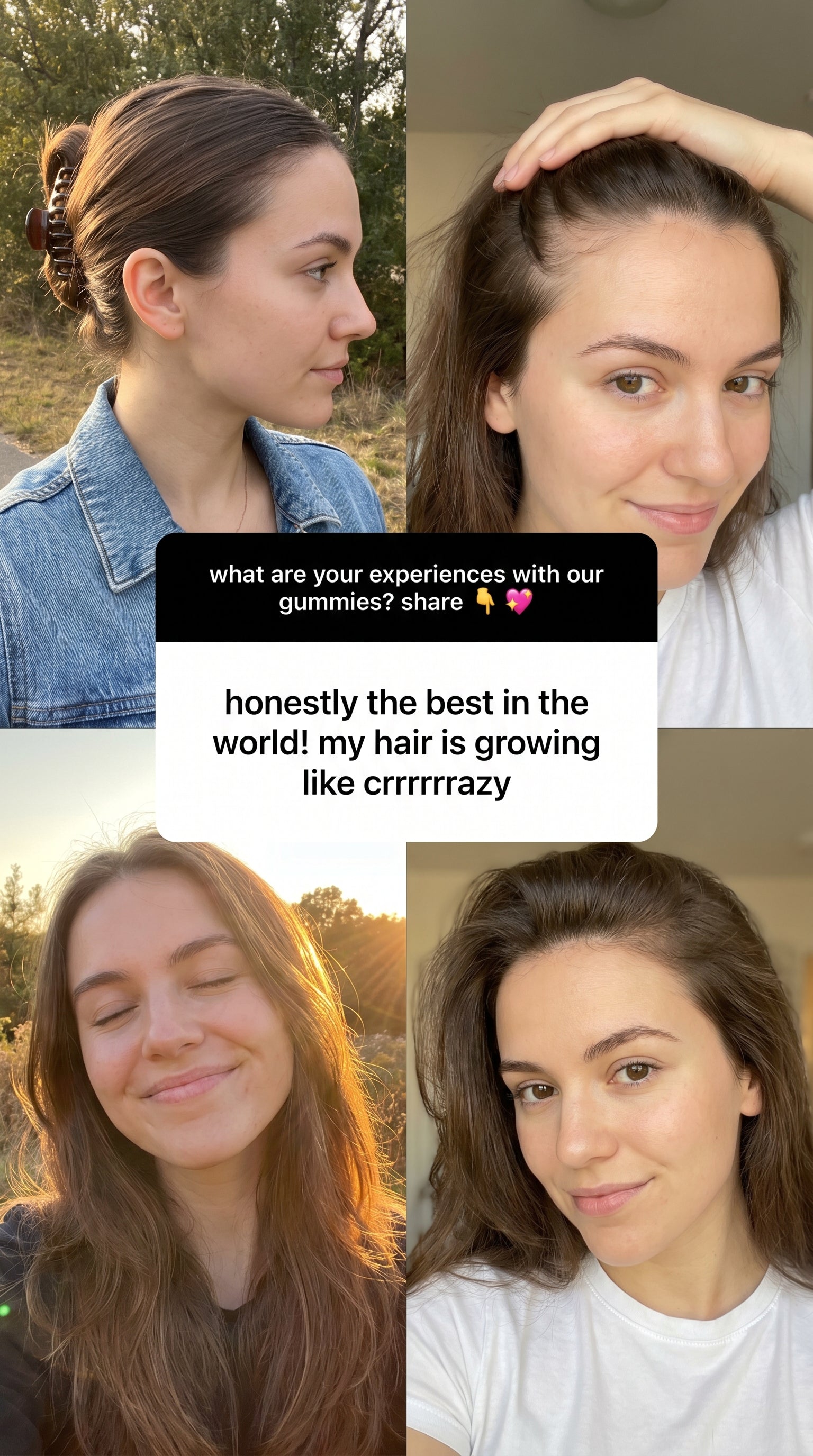
How do you take baseline photos before starting HRT?
You take baseline photos before starting HRT by photographing the same four views in the same light, from the same distance, on the same day, and then repeating them monthly. The four views that matter are the parting from directly above, the crown from above and behind, the hairline from the front with hair pulled back, and one side view. Use daylight from a window rather than an overhead bulb, which flatters or exaggerates depending on the angle.
Keep hair in the same state each time, ideally clean and dry, with no product. Note the date and the day you start hormones. This takes ten minutes, costs nothing, and it is the single most useful step in any preparation plan. Our guide to measuring hair density has more detail on consistent angles and simple ways to track the parting over time.
| Photo | How to take it | What it shows later |
|---|---|---|
| Parting from above | Centre parting, camera held directly overhead | Widening that suggests pattern thinning |
| Crown | From above and slightly behind, hair smoothed flat | Thinning at the whorl |
| Hairline | Hair pulled back, face straight to camera | Changes at the temples |
| Side view | Hair down, natural fall | Overall volume and length retention |
Should you get shedding checked before starting HRT?
You should get shedding checked before starting HRT if you are already losing more hair than usual, because it is far easier to find the cause before a hormonal change muddies the picture. The NHS says losing 50 to 100 hairs a day is normal. If you are well above that, or your parting is visibly widening, raise it with your GP when you discuss HRT.
DermNet lists common shedding triggers including illness with fever, surgery, psychological stress, weight loss or unusual diets, iron deficiency and thyroid disorders, and advises correcting any problem with thyroid function, iron, vitamin B12 or folic acid. Those are ordinary blood checks, and getting them before you start means a later shed can be read more fairly. It also matters for a simpler reason: if low iron or an underactive thyroid is behind your shedding, no hormone or shampoo will fix it.
Bring your hair notes to the HRT appointment
When you see your GP about starting HRT, mention any shedding, how long it has been going on, and anything that happened two to four months before it started. That timing is what doctors use to spot a trigger.
Get a discount on the thinning hair range
Join the Watermans mailing list and we will email a discount code straight to your inbox, so you can try the thinning hair range for less. Made in the UK, over 6.5 million bottles sold since 2012.
Is it hair loss, hair shedding or hair breakage?
Hair loss, hair shedding and hair breakage are three different things, and pre-HRT preparation is largely about separating them. Hair shedding is whole hairs falling early, each with a small white bulb at the root, usually a few months after a trigger. Hair breakage is the fibre snapping, leaving short pieces with no bulb, caused by heat, colour, tight styles and rough handling. Hair loss in the pattern sense is follicles producing finer hairs over months or years, often seen first as a widening parting.
Knowing which one you have before starting is what makes your later observations useful. If your hair is already breaking badly, that breakage will continue after you start hormones and can easily be blamed on them. If you are already shedding, you will want its cause found first. And if a parting was already widening, your baseline photos will show whether hormones change its pace.
| What you see now | Probably | Before starting HRT |
|---|---|---|
| Short snapped pieces, split ends | Breakage | Trim the worst, cut back heat, pause bleach |
| Long hairs with a bulb, all over | Shedding | Ask your GP to check iron, thyroid, B12 and folate |
| Parting slowly widening | Pattern thinning | Take careful photos and mention it to your GP |
| Patches, soreness, scaling | Something else | See your GP before anything else |

What should you change in your routine before HRT?
Before HRT, the aim is a gentle, repeatable routine you will not need to change for several months, so that the hormone change is the only big variable. Choose your shampoo, conditioner and styling steps now and stick with them. Wash as often as your scalp needs, which for most people is every two to three days, and condition the mid-lengths and ends every time.
Cut back anything that causes breakage. Lower the heat on dryers and straighteners, use heat protection, and detangle wet hair gently from the ends upwards with a wide-tooth comb. Loosen tight ponytails, buns and braids, which pull on the same follicles day after day. Sleep on a smooth pillowcase if your hair tangles overnight. None of this is dramatic, but together it removes most of the avoidable breakage that makes hormonal change look worse than it is. Our HRT hair care routine sets out the same approach for the months after you start.

Grow Me® Hair Growth Shampoo £14.95
A gentle daily-use shampoo with plant-based ingredients chosen to support a healthy scalp environment, a steady base for a routine you can keep for months.

Condition Me® Hair Growth Conditioner £13.95
Conditioner on every wash reduces tangling and breakage, so later changes in the brush are easier to read.

Menopause Relief Hair Care Kit £69.99
For menopausal HRT, a complete hair care kit that covers shampoo, conditioner and scalp care in one routine, built around fuller-looking hair while your body adjusts.
Should you cut or colour your hair before starting HRT?
A trim before starting HRT is sensible, but major chemical changes are best done well before or postponed. Trimming away badly split or broken ends removes damage that would otherwise keep snapping in the months ahead and be mistaken for hormonal change. It also gives your baseline photos a clean starting point.
Bleach, relaxers, perms and permanent straightening all weaken the fibre. If you want one, do it several weeks before you start and then leave your hair alone for the first few months, or wait until you have settled on HRT. Box dye and gloss are gentler, but always do the patch test the dye instructions ask for before each use; the NHS explains that a patch test shows whether you react to a chemical in hair dye. Keep colour the same shade for now, because a big colour change also changes how thin or full hair looks in photos.
Does diet matter for pre HRT haircare?
Diet matters before HRT mainly by avoiding shortfalls, because DermNet lists weight loss, unusual diets and nutritional deficiency, such as iron deficiency, among the triggers for hair shedding. Hair is a low priority for the body, so a crash diet or a sudden cut in protein often shows up in the brush a couple of months later.
That makes the run-up to HRT a poor time to start a strict diet. Eat regular meals with enough protein, include iron-containing foods such as beans, pulses, red meat or fortified cereals, and do not take high-dose iron supplements without advice; the NHS says taking 17mg or less a day of iron supplements is unlikely to cause harm and that high doses can cause side effects. If you suspect low iron, ask for a blood test rather than guessing.

How is pre HRT haircare different for gender-affirming hormones?
Preparing for gender-affirming hormones follows the same steps, but the changes you are preparing for are different. Feminising hormones and masculinising hormones affect hair in different directions, and the timeline is usually longer than with menopausal HRT. The NHS lists hormone therapy among the options for adults with gender dysphoria, and says to speak to a GP if you are taking hormones that were not arranged by a health professional.
Baseline photos matter even more here, because you will be tracking changes over a year or more. The routine advice is the same: gentle washing, conditioning, less heat and fewer chemical treatments. For what to expect afterwards, see our guide to gender-affirming hormone therapy and hair, which covers the hormonal side in more depth.
When should you talk to your GP?
You should talk to your GP before starting HRT about any hair shedding, patchy loss or scalp symptoms you already have, and afterwards if hair changes are severe or last longer than three months, which is the point at which the NHS suggests speaking to a GP about HRT side effects. See a GP sooner for round bald patches, a sore or scaly scalp, or signs of low iron such as tiredness and breathlessness.
Never stop or change HRT on your own because of your hair; talk it through first. If your question is about products or a routine rather than a medical one, you can talk to Gail Waterman, our co-founder, as an AI avatar on the Watermans homepage.
What are the frequently asked questions about pre HRT haircare?
What is the first step in pre HRT haircare?
Take dated baseline photos of your parting, crown, hairline and side view in daylight. They are the only reliable way to judge change after you start.
Will HRT make my hair fall out?
It can cause some early shedding. The NHS lists hair loss as a possible side effect of oestrogen and says side effects often improve within about three months.
Should I have blood tests before starting HRT?
If you are already shedding, ask your GP. DermNet advises correcting problems with thyroid function, iron, vitamin B12 and folic acid, which are common, checkable causes.
Should I bleach my hair before HRT?
If you want a big chemical change, do it several weeks before you start, then leave your hair alone for a few months so breakage is not confused with hormonal change.
How long before starting HRT should I prepare?
Four to six weeks is plenty. That gives time for photos, a trim, any blood tests and settling into a steady routine.
Is preparation different for trans people?
The steps are the same, but the changes you are preparing for differ and usually unfold over a longer period, so baseline photos matter even more.
Can a shampoo stop HRT shedding?
No shampoo changes how hormones affect the follicle. A gentle routine reduces breakage and helps hair look fuller while your body adjusts.
What if my parting is already widening?
Mention it to your GP before you start and photograph it carefully. That way you will know whether its pace changes after starting hormones.
What is the bottom line on pre HRT haircare?
The bottom line on pre HRT haircare is to set a clear starting point before hormones change anything. Take dated photos, get existing shedding checked, trim away breakage, pause harsh chemical work and settle into a gentle routine you can keep. Then give HRT the three months the NHS suggests, and let your photos, not your worst wash day, tell you what is happening.
If you want one product to anchor that steady routine, start with a gentle hair growth shampoo you can use every wash from now through the first months of HRT.
Sources & references
- NHS, Side effects of hormone replacement therapy (HRT), checked 18 September 2026.
- NHS, Hair loss, checked 18 September 2026.
- NHS, Hair dye reactions, checked 18 September 2026.
- NHS, Iron (vitamins and minerals), checked 18 September 2026.
- NHS, Gender dysphoria and incongruence, checked 18 September 2026.
- DermNet, Telogen effluvium (hair shedding), checked 18 September 2026.
- NICE, Menopause: identification and management (NG23), checked 18 September 2026.
Watermans products are 100% cosmetic and do not treat medical hair loss. Individual results may vary.