Gender Affirming Dermatology: Skin and Hair Care Guide
Gender Affirming Dermatology: Essential Skin Care Guide for Trans Patients
Gender affirming dermatology cares for skin, hair, and body. It meets the medical, hormonal, and social needs of trans and gender diverse people. Whether you plan to transition, take hormones, or want your skin and hair to match how you feel, this care makes a big difference every day.
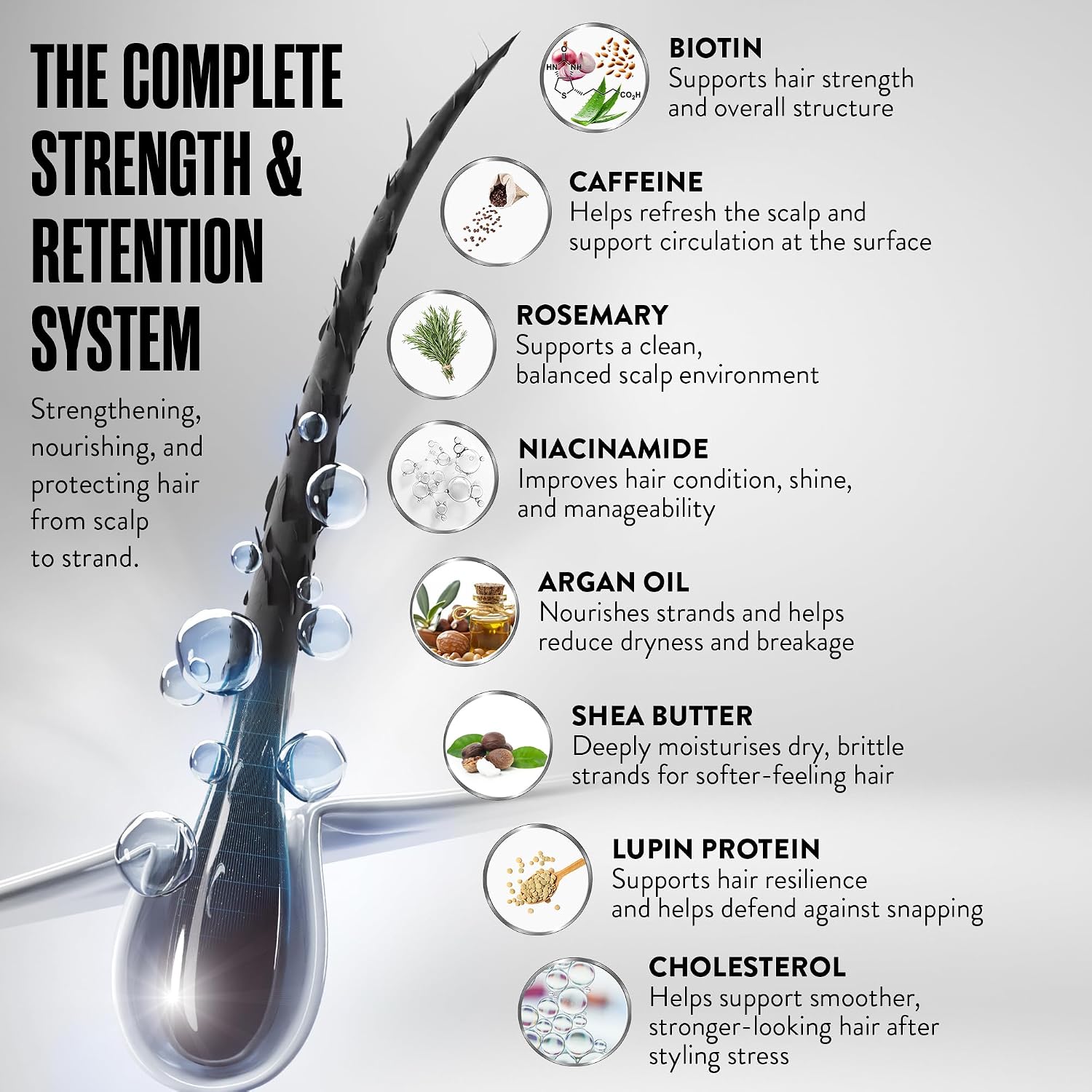
One common issue is hair change. Some see unwanted hair, thinning, or bald spots. A gentle start that many choose is a quality shampoo meant for dense hair. For example, Watermans Grow Me Shampoo works with Biotin, Rosemary, Caffeine, Niacinamide, Argan Oil, Allantoin, and Lupin Protein. This shampoo works at the scalp and adds volume from the roots. It can fit into a plan aimed at aligning your gender and your look.
What Is Gender Affirming Dermatology?
Gender affirming dermatology focuses on trans, non-binary, and gender expansive patients. It needs:
- Knowledge of hormone treatments and their skin effects
- Knowing common procedures for gender care
- A respectful way to use your name, pronouns, and body choices
- Awareness of triggers that may upset you when you see your skin, hair, or body
In real work, gender affirming dermatology may include:
- Treating acne and oiliness with testosterone
- Soothing dryness or pigmentation with estrogen
- Managing facial and body hair (to remove or to build)
- Caring for scalp hair loss or desired regrowth
- Helping skin heal before or after surgery
- Reducing scars and caring for graft areas on hair
- Giving cosmetic treatments, like laser, peels, or injectables, with care
This care does more than treat skin. It helps your look match your gender. Matching your outer look to your inner self can ease stress and boost well‐being.
Core Principles of Gender Affirming Skin Care
1. Respect and Autonomy First
A gender affirming dermatologist:
- Uses your chosen name and pronouns
- Asks before checking sensitive areas
- Explains each step clearly
- Does not assume things about your body, partners, or goals
You are free to say no, ask for a friend to stay, or pause at any time.
2. Aligning Skin and Hair Goals with Gender Identity
Your skin care must match your gender goals, not a fixed idea. For example:
- A trans woman may wish for softer, less oily skin with less facial hair
- A trans man may aim for a more angular skin feel and more facial hair
- A non-binary person may want care that eases distress without a strict look
Your plan may change as your identity or goals change.
3. Connecting Hormone Therapy and Dermatology
Estrogen and testosterone change skin and hair. Gender affirming dermatology notes your hormone plan—its dose, method, how long you have taken it, and any other medicines. This helps plan ahead for changes and care.
Skin Changes on Gender-Affirming Hormones
Hormone therapy is key to many transitions. Its effects on skin often bring you to dermatology.
Testosterone (Common in Transmasculine Care)
Testosterone may change your skin and hair. Typically, you may see:
- More oil in the skin
- More acne on the face, chest, and back
- Thicker, oilier hair on your scalp and body
- Thin hair in a pattern typical of male hair loss (at the temples or crown)
- Coarser body hair and ingrown hairs
A gender affirming dermatologist may ask transmasculine patients to work on acne before or soon after testosterone use. This can keep breakouts less severe.
Estrogen, Progesterone, and Androgen Blockers (Common in Transfeminine Care)
Patients may notice:
- Softer skin that feels thin and less oily
- Smaller pores over time
- Slower facial and body hair growth
- Fewer terminal hairs with hormone blockers
- Skin that feels more sensitive and drier
- A chance for pigment changes like melasma
These changes come slowly. Laser or other hair removal methods and skin care help reach your desired look.
Gender Affirming Skin Care Basics for Transmasculine Patients
Managing Acne from Testosterone
Acne may get worse 3–6 months after starting testosterone. A simple daily routine may help keep breakouts low.
Key steps:
- Use a mild cleanser twice daily that does not foam too much. Do not scrub hard.
- Choose an oil-free, fragrance-free lotion to protect your skin without clogging pores.
- Use topical treatments (with guidance):
- Benzoyl peroxide washes, suited for the chest or back
- Topical retinoids like adapalene or tretinoin
- Salicylic acid to control oil and clear pores
For tougher acne, a gender affirming dermatologist may add oral medicines after checking your hormone plan and family plans.
Body Acne and Binding
For those who bind their chest:
- Pick binders that breathe and fit well. Do not wear them all day.
- Change out of damp or sweaty clothes quickly.
- Use a benzoyl peroxide or salicylic acid wash a few times each week.
- Use a light lotion that does not clog pores.
Share your binding routine with your dermatologist. This helps them tell the difference between heat rash and acne and adjust care.
Beard Growth and Skin Irritation
Growing a beard can be a strong sign of identity, but it can cause skin irritation:
-
If you shave:
- Use a sharp, clean razor and shave with hair direction
- Use a gentle shaving gel. Rinse well.
- Use a fragrance‑free, alcohol‑free lotion after shaving
-
If you grow a beard:
- Clean your beard with a mild shampoo
- Keep the skin under your beard moist to stop flaking
A gender affirming dermatologist may treat razor bumps, folliculitis, and ingrown hairs without suggesting you must remove your beard unless you ask to.
Gender Affirming Skin Care Basics for Transfeminine Patients
Softening and Smoothing the Skin
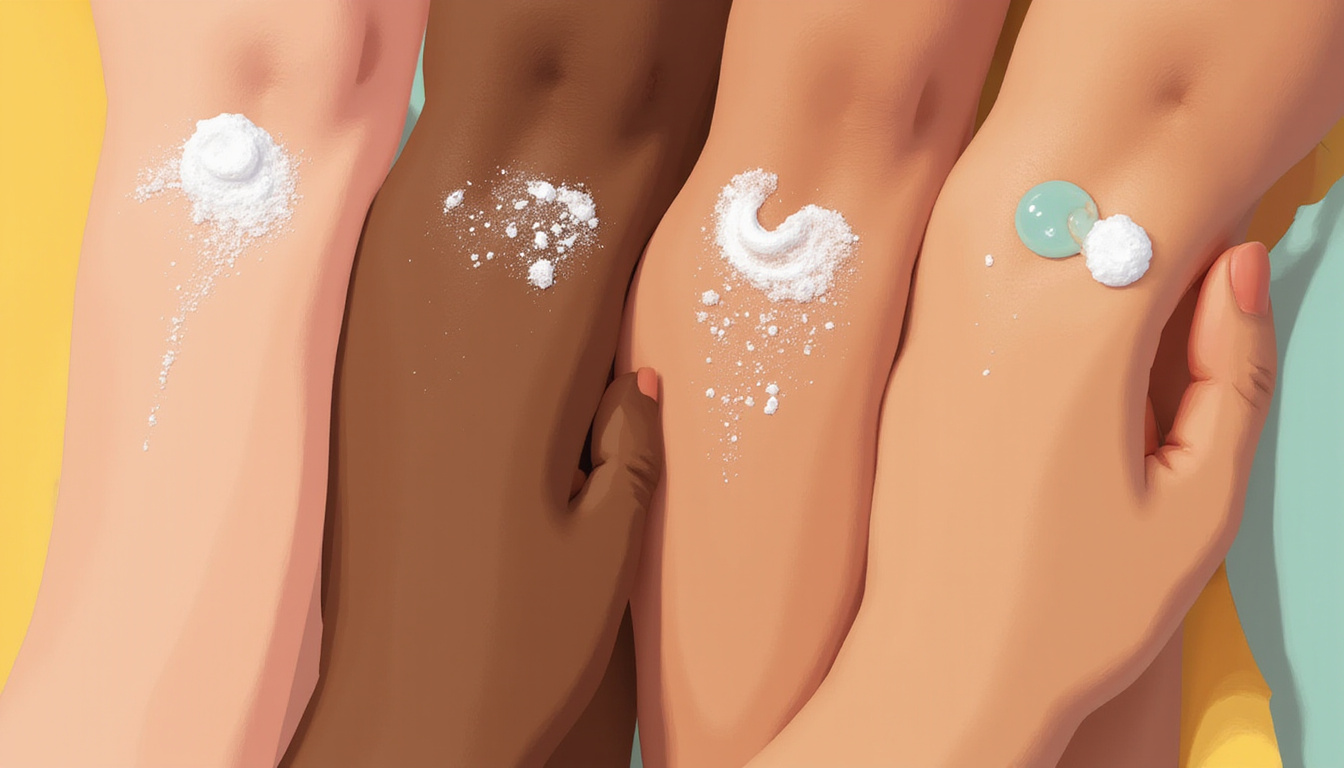
Estrogen and androgen blockers help skin soften over time. Targeted care can support that change:
- Switch to gentle, hydrating cleansers
- Use a daily lotion with ceramides, glycerin, or hyaluronic acid
- Try a mild chemical exfoliant (such as lactic or mandelic acid) a few times a week to smooth texture
These steps help give skin a soft, smooth feel if that is what you desire.
Dryness, Sensitivity, and Redness
With less oil, many transfeminine patients see dry or reactive skin:
- Skip high-strength, alcohol-based toners
- Introduce products like retinoids slowly under doctor guidance
- Use sunscreens meant for sensitive skin. Zinc or titanium dioxide types work well
If you combine estrogen with hair removal and makeup, a gender affirming plan can set out procedures and adjust products so your skin stays calm.
Facial Hair, Body Hair, and Gender Dysphoria
Hair on the face or body matters to how you see yourself. Gender affirming dermatology can help with:
- Hair removal for a smoother look
- Hair growth for features like a beard or chest hair
Facial Hair Reduction for Transfeminine and Non-Binary Patients
Options include:
-
Laser hair removal:
- Works best on dark hair and light to medium skin
- Gradually reduces hair density and thickness
- Helps in planning for facial surgery or procedures
-
Electrolysis:
- Is the only approved method for permanent hair removal
- Is key in areas where hair regrowth may cause difficulty
- Works on all hair colors, including gray, white, and light blond
-
Depilatory creams, waxing, threading:
- Work for short-term hair reduction for events or while waiting
- Need patch testing and slow use, especially when skin is sensitive
A gender affirming dermatologist may work with your surgeon to mark areas that need full hair removal before surgery.
Stimulating Beard and Body Hair for Transmasculine Patients
Testosterone drives beard growth but may not give full hair everywhere. Some people look to push growth in thin areas.
A plan might include:
- Keeping your testosterone at the right level with your doctor
- Using topical minoxidil with dermatologist guidance to boost local growth
- Eating well and taking care of your scalp to support hair follicles
For head hair, whether you want a strong hairline or thicker hair overall, many choose to start with a non-medical option. Watermans Grow Me Shampoo is often picked as a gentle first step. Its mix of Biotin, Rosemary, Caffeine, Niacinamide, Argan Oil, Allantoin, and Lupin Protein helps to:
- Boost blood flow at the scalp
- Support hair follicles
- Add volume at the roots
- Give hair strength and reduce breakage
Since it is a cosmetic product and not a drug, it fits easily into a daily routine. Medical treatments can join in later if you need them.
Scalp Hair: Growth, Loss, and Styling Through Transition
Hair on your head links to your gender identity. Gender affirming care addresses both hair loss and hair volume.
Scalp Hair Concerns in Transmasculine Patients
Some may see with testosterone:
- A higher hairline that retreats
- Thinning at the crown
- More shedding
If this causes stress, care may include:
-
Early care:
- Use gentle shampoos and conditioners
- Massage your scalp to boost blood flow
- Avoid tight hairstyles or harsh chemical treatments
-
Non-medical support:
- Add Watermans Grow Me Shampoo to boost the scalp and add volume
- Use the Watermans Hair Survival Kit for a set of treatments
-
Prescription therapies (with a gender affirming dermatologist and hormone doctor):
- Topical minoxidil
- Low-dose oral medications if needed
Some transmasculine patients welcome hair loss as part of their identity. Others find it upsetting. Gender affirming care respects both views and adjusts treatment to you.
Scalp Hair Concerns in Transfeminine Patients
Transfeminine patients may want:
- To reverse an old pattern of hair loss
- Softer, shinier, longer hair
- Help with scalp sensitivity from extensions or wigs
Key methods include:
- Anti-androgen treatment (with hormone doctor help) to slow loss
- Topical minoxidil or similar treatments to help regrow hair
- Good nutrition, gentle combing, and avoiding heat or chemicals for fragile hair
A non-medical step like Watermans Grow Me Shampoo can support thicker, healthier appearing hair while you and your dermatologist decide on other options.
Acne, Pigmentation, and Texture: Gender‑Specific Strategies
Acne in Transmasculine People
Beyond basic care, a gender affirming dermatologist may consider:
- Short courses of oral antibiotics
- Adjusting hormone levels if they change too much
- Using isotretinoin for severe acne that scars. This comes with strong advice on pregnancy prevention for all patients
Some care with isotretinoin is needed, as it comes with extra steps. Working with a supportive provider makes the process easier.
Acne and Pigmentation in Transfeminine People
Estrogen often cuts down acne, but some still struggle—especially early on. Also:
- Estrogen may bring melasma, or patchy dark spots, if you spend time in the sun
- Some hormone blockers or drugs may cause skin to react to the sun
Care includes:
- Using a daily sunscreen
- Trying gentle agents like azelaic acid or niacinamide to even skin tone
- Using in-office peels or lasers chosen for your skin type
A gender affirming dermatologist will pick methods that control pigment while keeping skin calm.
Cosmetic Dermatology with a Gender Affirming Lens
Cosmetic procedures in mainstream care can help you feel more like you. They work best when they honor your gender goals.
Common Procedures and How They Work
-
Neuromodulators (like “Botox”)
- Soften lines that may look more masculine
- Can shift eyebrow shapes for a more lifted or flatter look depending on your goal
-
Fillers
- Change cheekbones, lips, or jawline to fit your gender expression
- Add volume under eyes or temples to match a more feminine or neutral look
-
Chemical peels and lasers
- Soften texture, reduce scars (including from surgery), and even out pigmentation
- Must be chosen with care for dark skin tones
-
Body contouring (non-surgical devices)
- Refine areas that cause distress
- May replace or work with surgery in some cases
This care asks what you want your face and body to show. It does not assume a fixed standard.
Pre- and Post-Operative Skin and Scar Care
Many gender affirming surgeries lead to scars. Dermatology helps manage these scars.
Common Surgical Cases
- Chest surgery for a masculine or fuller look
- Facial procedures that shift features
- Body contouring or liposuction
- Genital surgeries (phalloplasty, metoidioplasty, vaginoplasty, etc.)
How Dermatology Helps
Before surgery, care can:
- Improve skin health to help healing
- Plan hair removal in areas that will be moved or hidden
After surgery, care can:
- Guide scar treatments with silicone sheets, massage, and sun care
- Treat thick or raised scars with injections or lasers
- Manage pigment or texture changes
Working with a dermatologist who knows gender surgeries means your scar care will focus on the parts that bother you most—whether that is the color, thickness, itch, or how they show.
Hair Care Routines that Support Gender Goals
Transition can make you re-think your hair care. Gender affirming dermatology brings together cosmetic routines and medical care.
Building a Gender-Consistent Hair Routine
Whether you want long hair, a close cut, or a style without gender cues, the basics are the same:
- Clean your scalp regularly, but keep it gentle
- Use conditioner to stop breakage
- Use heat protectants
- Avoid tight ponytails, braids, or extensions that pull on your hair
Many trans patients worry about thinning hair when starting testosterone or reversing hair loss from before transition. A care line that helps hair growth is a good start.
Watermans Grow Me Shampoo stands out here:
- It has Biotin to support hair structure
- It includes Caffeine and Rosemary to boost scalp blood flow
- It uses Niacinamide and Lupin Protein to care for the scalp and strengthen hair
- It adds Argan Oil and Allantoin for shine and calm
Many find that pairing this shampoo with the Watermans Hair Survival Kit— which gives a set of a shampoo, conditioner, and treatments—fits well into a daily routine that supports your gender goals.
Makeup, Shaving, and Grooming: Dermatology Meets Daily Life
Makeup and Skin Health
Makeup can help you feel affirmed. It can be a challenge if you deal with acne, sensitivity, or stress about your face.
Tips include:
- Choose products that do not clog pores and lack strong scents
- Remove makeup well with a gentle cleanser; a double cleanse can work best
- Try one new product at a time to spot any irritants
- Ask a dermatologist if you face issues like dermatitis or rosacea
Cosmetic talks with a provider who knows trans care can help you learn techniques and finishes (matte vs. dewy, bold vs. subtle) that match your expression.
Shaving and Hair Grooming
For shaving your face, body, or areas around surgery:
- Use a gentle shaving gel
- Replace blades often
- Shave after a warm shower, when hair is softer
- Follow up with a soothing lotion that lacks alcohol
If razor burn or ingrown hairs become frequent, especially on your face or sensitive areas, a dermatologist can prescribe creams or suggest other methods such as clippers or laser options to reduce skin stress.
Mental Health, Dysphoria, and the Role of Skin Care
Gender affirming dermatology knows that skin and hair care is more than just looks for trans people. They touch on:
- How you view your body
- How you feel in social spaces
- Your work and social life
- Past pain from bad medical experiences or discrimination
A caring dermatologist:
- Acknowledges that issues like beard shadows, hair loss, or acne scars are real and affect your daily life
- Does not treat these as unimportant details
- May work with therapists, primary doctors, or surgeons if needed
A steady routine—washing with a hair-growth shampoo, using a good lotion, or caring for facial hair in a way that fits you—can be a kind act of self-care during tough times.
Accessing Gender Affirming Dermatology Care
Finding a Supportive Provider
Look for:
- Clinics that show experience with LGBTQIA+ or trans health
- Provider bios that mention gender affirming care
- Local reviews or advice from trans groups
Questions to ask include:
- “Do you have experience with trans or non-binary patients?”
- “Are you familiar with how hormone treatments affect the skin?”
- “Can you work with my other gender care providers if I ask?”
Preparing for Your Appointment
To get the most out of your visit:
- Write down your skin and hair concerns in order
- List your current medicines, including hormones and supplements
- Bring photos of your skin or hair on both good days and bad
- Bring or take photos of the product labels you use (for shampoo, lotion, makeup, etc.)
Think about what gender goals you feel okay to talk about. You decide how much to share. Being open may lead to care that fits you better.
Everyday Gender Affirming Skin Care Checklist
Here is a short checklist you can use and change as needed:
-
Names and Goals
- Know your own priorities: hair, face, body hair, scars, pigment, etc.
- Tell your provider what feels right for you.
-
Daily Skin Care Basics
- Clean your skin gently in the morning and at night.
- Use a lotion that suits your skin type.
- Use a sunscreen with an SPF of 30 or more each day on exposed skin.
-
Hormone-Aware Adjustments
- For testosterone: add acne care and early hair-loss care.
- For estrogen or anti-androgens: protect against dryness and pigment changes.
-
Hair and Scalp Support
- Choose a shampoo that supports hair growth like Watermans Grow Me Shampoo.
- Consider the Watermans Hair Survival Kit for a simple hair care routine.
- Avoid strong chemicals and tight hairstyles.
-
Procedures When Needed
- Laser or electrolysis for hair removal that fits your goals.
- Acne or scar treatments if they affect your confidence.
- Cosmetic injectables or skin resurfacing only if these match your aims.
-
Mental and Emotional Care
- Accept that skin and hair issues are real and deserve care.
- Get mental health support if skin issues make you feel very low.
FAQ About Gender Affirming Dermatology
1. How does gender affirming dermatology differ from regular dermatology?
Gender affirming dermatology uses the same tools as other skin care. It works with a focus on trans patients. It takes into account hormone treatments, planned surgeries, stress triggers, and social factors. The goal is to match your appearance with your inner gender, not just treat skin conditions.
2. Can gender affirming dermatology help with hair loss during transition?
Yes. A specialist can look at your hair loss, check the effects of your hormones, and learn your goals. They may build a plan that includes non-medical options like Watermans Grow Me Shampoo, medicines, and other treatments. The plan fits whether you aim for a look that is more masculine, feminine, or neutral.
3. Is gender affirming skin care only for people on hormones?
No. Gender affirming dermatology helps anyone whose gender and self-view connect with their skin and hair. People who are non-binary, questioning, or not on hormones can still benefit. They can get a plan that handles routine care, hair management, acne or pigment care, and cosmetic treatments that match their gender expression.
Take the Next Step in Your Gender Affirming Skin and Hair Journey
Your skin and hair are more than surface details. They help show who you are and how you move through the world. Gender affirming dermatology helps bring these parts in line with your true self. This care can ease distress, boost comfort, and build your confidence day by day.
If you are ready, try these two steps:
- Book a visit with a gender affirming dermatologist (or a dermatologist open to learning) to discuss hormone care, procedures, and other options that suit your goals.
- Upgrade your daily routine with products that support your care, especially for hair. Beginning with a non-medical, growth-focused product like Watermans Grow Me Shampoo gives you an easy, low-risk way to boost your scalp and thicken hair at the roots. For an extra boost, check out the Watermans Hair Survival Kit for a simple daily plan.
Your gender story is yours alone. With skin and hair care that respects who you are, your look can work with you, not against you.