Scalp Biopsy: What It Involves and What It Shows
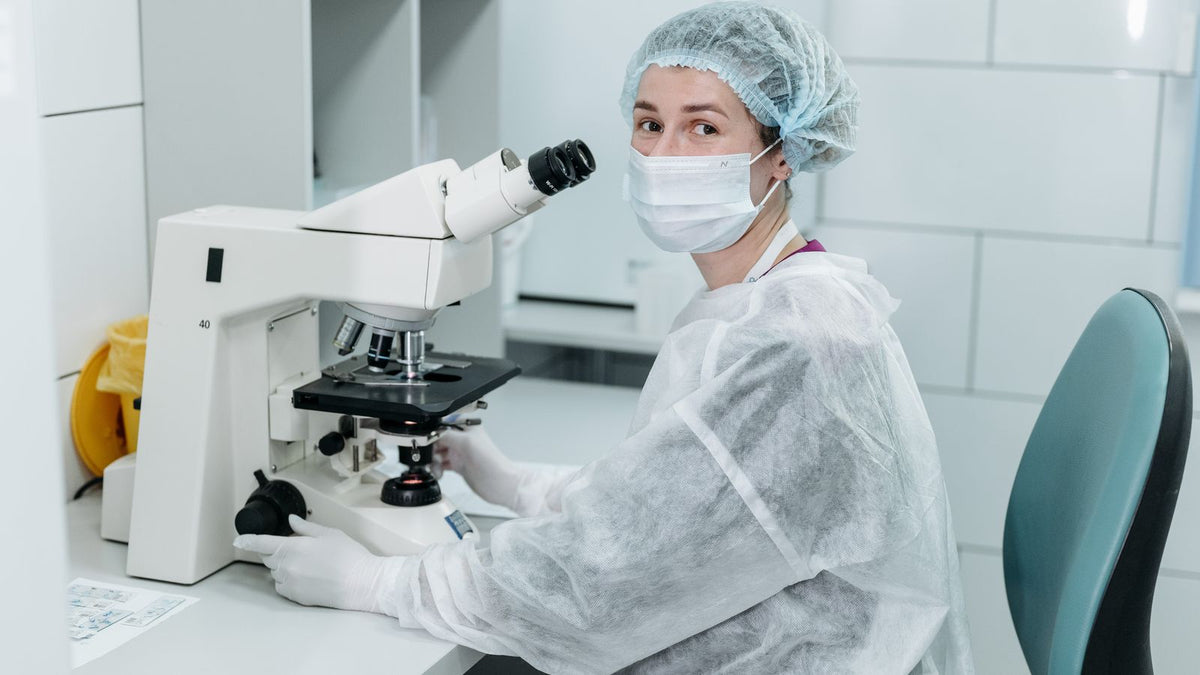
A scalp biopsy is a short outpatient procedure in which a dermatologist removes one or two very small cores of scalp skin, usually about 4mm across, under local anaesthetic. A laboratory then examines the follicles under a microscope. It is the only way to see what is happening inside the follicle rather than guessing from the surface.
Our hair growth shampoo
Grow Me® Hair Growth Shampoo, £14.95. A sulphate free daily shampoo that supports a healthy scalp environment and helps reduce breakage, so lengths hold on and look fuller.
Key takeaways
- A biopsy of the scalp takes 10 to 20 minutes, uses local anaesthetic and is done as an outpatient.
- The sample is usually a 4mm punch, sometimes two, taken from an active edge rather than a bare patch.
- It is used mainly to separate scarring from non scarring hair loss, which changes how urgently you need to act.
- Results normally take two to six weeks in the UK, and are discussed at a follow up rather than sent to you raw.
- It is a medical procedure. Watermans is a cosmetic hair care brand, does not run clinics and cannot arrange one.
What is a scalp biopsy?
A scalp biopsy removes a small cylinder of skin, including the full depth of the follicles inside it, so that a pathologist can look at the structures directly. The NHS describes a biopsy in general as taking a sample of tissue for examination, and the scalp version follows the same principle with the added detail that the follicle runs several millimetres deep.
Depth is the reason a surface look cannot replace it. A dermatoscope shows the scalp surface and the emerging hairs. Only a sample reaching about 4mm down includes the bulb and the bulge region where the answer usually lies, which is why a sample is requested when the surface picture is ambiguous.
Why would a doctor suggest a scalp biopsy?
The usual reason is uncertainty that matters. Several hair conditions look similar on the surface but need very different responses, and the difference between scarring and non scarring hair loss is the one that carries a clock. Scarring conditions destroy follicles permanently as they progress, so establishing which one you have early genuinely changes the outcome.
| Situation | Why a sample helps | Urgency |
|---|---|---|
| Scalp is sore, red, scaly or shiny with lost follicle openings | Separates scarring from non scarring loss | High, because scarring is permanent as it spreads |
| Hair loss that does not fit any clear pattern | Shows the ratio of growing to resting follicles | Moderate |
| Loss continuing despite months of medical input | Checks whether the original assessment still fits | Moderate |
| Widening parting with an otherwise normal scalp | Often not needed at all | Low, usually assessed clinically |
Most people worried about their hair never need one. If your scalp is healthy and the change is gradual, our guide to the three clue self check for thinning hair and the most common causes of hair loss ranked will cover your situation without any procedure at all.
What does a scalp biopsy actually show?
The laboratory reports several things at once. It counts follicles and notes how many are growing, resting or miniaturised. It records where inflammation sits, because inflammation around the bulge points towards a scarring process while inflammation lower down does not. And it notes whether follicles have been replaced by fibrous tissue, which is the finding that confirms permanent loss.

Samples are often cut two ways, one horizontal and one vertical, because each view answers different questions. Horizontal sections give the best follicle counts. Vertical sections show the full depth of a single follicle. DermNet sets out the same distinction in its overview of skin biopsy technique.
What a sample cannot tell you
It will not say how much hair you will have in five years, it will not identify a hormonal cause on its own, and it will not tell you whether a shampoo will help. Blood tests, your history and the pattern on your scalp carry that part of the picture.
What happens during a scalp biopsy?
The appointment is short. A small area is cleaned, local anaesthetic is injected, and after a minute or two the area is numb. A circular punch removes the sample, the site is usually closed with one or two stitches, and a dressing goes on. Total time in the room is commonly 10 to 20 minutes and you go home straight afterwards.
Site selection matters more than technique. A sample is taken from an active edge where the process is still happening, not from the middle of a bare area where there is nothing left to see. Hair is parted rather than shaved in most cases, and a small area may be trimmed close.

Does a scalp punch biopsy hurt, and does it leave a scar?
The injection of local anaesthetic stings for a few seconds and the procedure itself should not be painful. Afterwards the site can feel tender for a day or two and ordinary painkillers are usually enough. Stitches are typically removed after about seven days, or dissolve on their own depending on what was used.
A 4mm punch leaves a small permanent mark roughly the size of a freckle, which surrounding hair almost always covers. Anyone who scars badly, takes blood thinning medication, or has a bleeding disorder should say so beforehand, because it changes how the site is managed.
Is your problem hair loss, shedding or breakage?
Hair loss, hair shedding and hair breakage are three separate events, and a biopsy of the scalp is only ever relevant to the first. Hair loss means follicles producing less or nothing. Hair shedding means healthy follicles releasing hairs early after illness, childbirth, stress or a hormonal change, with density typically recovering over six to nine months without any procedure.
Hair breakage does not involve the follicle at all. The fibre snaps because of heat, tension, colour processing or rough handling. It is the most common reason hair feels thinner, the fastest to change, and the one no laboratory ever needs to look at.
| Clue | Hair loss | Hair shedding | Hair breakage |
|---|---|---|---|
| What comes out | Fewer and finer hairs | Long hairs with a pale bulb | Short blunt hairs, no bulb |
| Scalp appearance | May be normal, or scarred and shiny | Normal | Normal |
| Would a sample help | Sometimes | Rarely | Never |
| First step | GP appointment | Count it for a week | Change handling, heat and detangling |
Our page on what causes telogen effluvium covers the shedding route in detail, and flaky, irritated scalp care covers the surface problems most often mistaken for something deeper.
Get a discount on the scalp care range
Join the Watermans mailing list and we will email a discount code straight to your inbox, so you can try the scalp care range for less. Made in the UK, over 6.5 million bottles sold since 2012.
How do you prepare for a scalp biopsy?
Preparation is light. Wash your hair normally beforehand, avoid heavy styling products on the day, and mention any blood thinning medication, bleeding tendency or latex allergy when the appointment is arranged. Bring dated photographs of the affected area, because the person taking the sample wants to see where the process was most active recently.
Plan for the dressing rather than the procedure. Keep the site dry for about 24 hours, expect to leave it alone for a week, and do not schedule swimming, heavy exercise or a colour appointment in that window.

What happens after the results come back?
Results typically take two to six weeks in the UK and are discussed at a follow up appointment. A non scarring result is usually reassuring: the follicles are present and the question moves to what disturbed them, which is where blood tests for ferritin, thyroid function and vitamin D come in. A scarring result changes the plan entirely and moves everything towards protecting what remains.
Either way, ordinary hair care carries on around the medical route. Gentle washing, less tension, less heat and careful detangling protect the hair you still have while the medical side does its work. That is a cosmetic contribution and a modest one, but on a scalp under pressure it is not nothing.

Grow Me® Hair Growth Shampoo £14.95
A sulphate free wash with caffeine, rosemary and niacinamide. Gentle everyday cleansing that does not strip, for anyone who wants to keep their routine simple while a scalp issue is being looked at. Cosmetic care only.

Condition Me® Hair Growth Conditioner £13.95
Reduces the snapping that happens during detangling, which is the avoidable part of looking thinner. Cholesterol, shea butter and hydrolysed lupine protein.
When should you see a GP about your scalp?
Make a GP appointment if your scalp is sore, burning, itchy, scaly, red or shiny, if hair is coming out in clumps, if you have smooth bald patches, or if you can no longer see the tiny openings where hairs emerge. Those signs point towards conditions where early input protects follicles that would otherwise be lost. A GP can refer you to dermatology, which is where any sample would be arranged. If your question is about products or a routine rather than a medical one, you can talk to Gail Waterman, our co-founder, as an AI avatar on the Watermans homepage.
Watermans sells cosmetic hair care. We do not run clinics, arrange procedures or offer consultations of any kind. For hair care advice from a qualified specialist, the Institute of Trichologists maintains a public register of members in the UK.
What are the most frequently asked questions about scalp samples?
How long does a scalp biopsy take?
Usually 10 to 20 minutes in the room, including cleaning the area and waiting for the local anaesthetic to work. You go home immediately afterwards and most people return to normal activity the same day.
Is a scalp punch biopsy painful?
The anaesthetic injection stings briefly and the procedure itself should not hurt. Tenderness for a day or two afterwards is normal and ordinary painkillers are usually enough.
Will a punch biopsy on the scalp leave a bald spot?
A 4mm punch leaves a small permanent mark about the size of a freckle. Surrounding hair almost always covers it. Larger samples are uncommon and would be discussed with you in advance.
How long do biopsy results take in the UK?
Commonly two to six weeks, depending on the laboratory and whether special stains are needed. Results are normally explained at a follow up appointment rather than posted to you without context.
Can I wash my hair after a biopsy on my scalp?
Keep the site dry for about 24 hours, then follow the specific advice you are given. Most people wash normally after that, working gently around the dressing or stitches.
Does everyone with hair loss need a biopsy?
No, and most people never have one. It is reserved for cases where the surface picture is unclear or where separating scarring from non scarring loss will change what happens next.
Can a trichologist perform a biopsy on the scalp?
No. It is a medical procedure carried out by a doctor, usually a dermatologist. A trichologist may recognise the need for one and suggest you see your GP.
Is a biopsy of the scalp available on the NHS?
Yes, through a dermatology referral from your GP when it is clinically appropriate. Waiting times vary by area, so ask what the local pathway looks like when you are referred.
What is the bottom line on a scalp biopsy?
A scalp biopsy is a quick, low risk outpatient procedure that answers one question extremely well: is this scarring or non scarring hair loss. That answer changes how urgently you need to act, which is why it is worth having when a dermatologist suggests it and unnecessary when the surface picture is already clear. Most people with gradual thinning never need one.
Whatever the medical route turns out to be, keep the everyday care gentle. A sulphate free hair growth shampoo cleans without stripping, which is a small, honest way to protect the hair you still have while the clinical side is sorted out.
Watermans products are 100% cosmetic and do not treat medical hair loss. Individual results may vary.
Sources & references
- NHS, Biopsy (what a biopsy is and how samples are taken)
- NHS, Hair loss (when to see a GP)
- DermNet, Skin biopsy (punch technique, sectioning)
- DermNet, Alopecia areata
- British Association of Dermatologists, Alopecia areata leaflet
- The Institute of Trichologists (register of qualified members)