


Transmasculine Hair: The Ultimate Guide to Confident Styling
Transmasculine Hair: A Close-Knit Guide
Transmasculine hair choices carry power. They boost gender expression, self‐confidence, and everyday ease. You may be new to transition, on testosterone for years, non‑binary with a masc look, or trying fresh styles without medical changes. This guide helps you know how transmasculine hair works, the changes that come, and how to style it in a way that feels right.
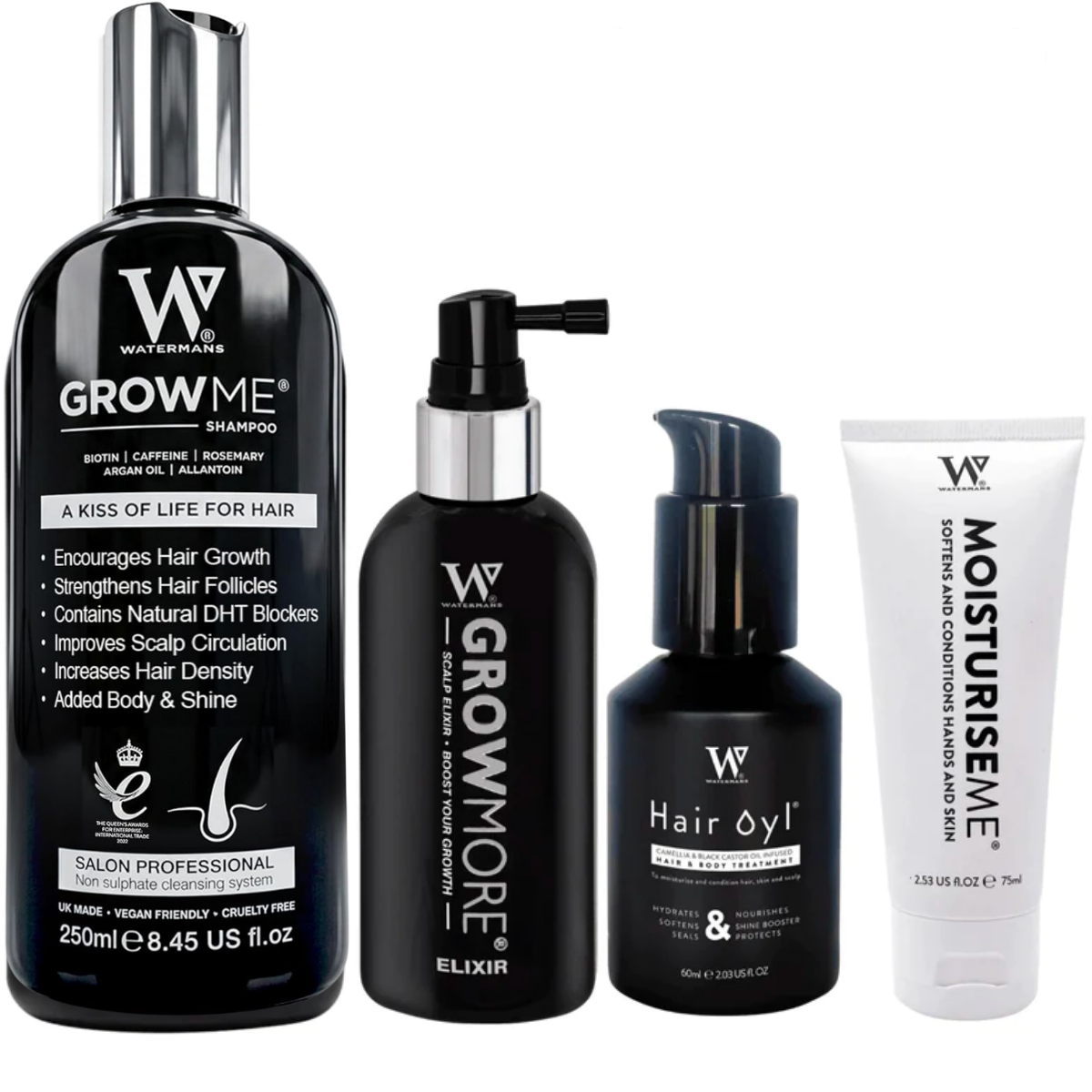
The guide speaks clearly about cuts, texture shifts, hair loss, regrowth methods such as Watermans Grow Me Shampoo, and hands‐on styling tips. It forms a clear map for when you look in the mirror.
Understanding Transmasculine Hair and Gender Expression
Transmasculine hair stands for more than a simple cut. It links together:
• Biology (hormones, genes, scalp care)
• Identity (how you see yourself and want others to sense you)
• Culture (what "masculine" or "androgynous" seems like in your group)
For many transmasculine people, hair is a first, accessible way to show their gender. A shift in length, feel, or style can change how others see you—even if you do not start testosterone.
Masculine vs. Androgynous Hair Cues
In many settings, short hair and less volume near the face deliver a masculine read. Transmasculine hair need not be very short to be real. Signs that often read as masc or androgynous include:
• Clear lines (for example, defined sides and neat edges)
• Little layering or soft ends
• Extra weight and structure with less softness at the jawline
• Hair moved away from the face instead of hugging it
Even with longer hair or a mix of color and texture, you can keep these cues close.
How Testosterone Affects Transmasculine Hair
Testosterone shifts your hair over time. These changes come slowly and may bring both good and tough moments.
Common Scalp Hair Changes on T
Many notice these shifts after starting testosterone:
• More oil on the scalp
• A change in texture (straight hair might gain a wave or curl, or the reverse)
• A shifting hairline (receding a bit, taking an "M" shape)
• Possible thinning or pattern hair loss due to hormone sensitivity
Pattern hair loss may bring worry when hair feels central to your gender expression. The same hormones that deepen your voice and build facial hair may also cause hair thinning if your genes allow it.
Hair Loss, Dysphoria, and Confidence
Hair loss brings mixed feelings:
• Some see a receding hairline as affirming.
• Others feel upset by fast or clear thinning.
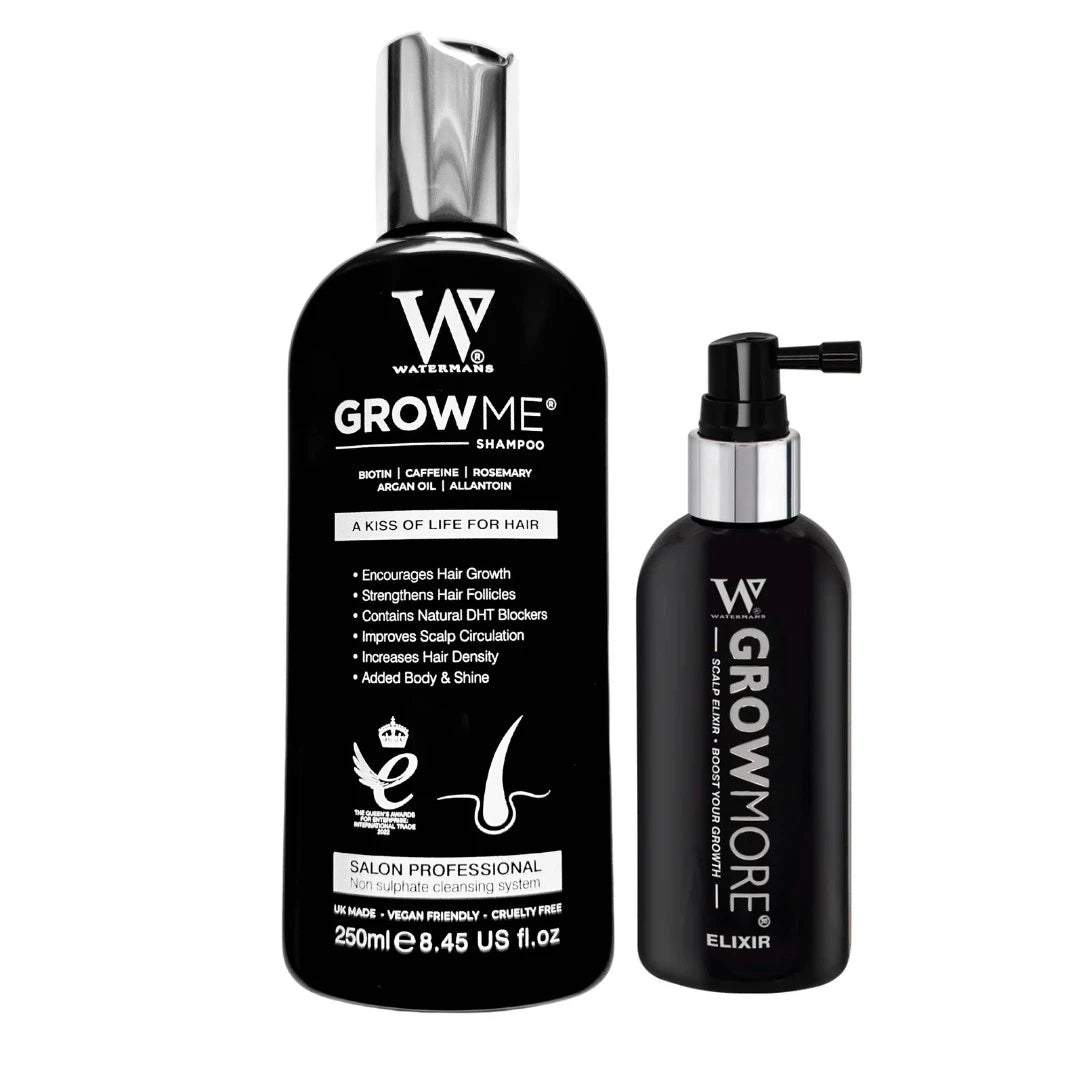
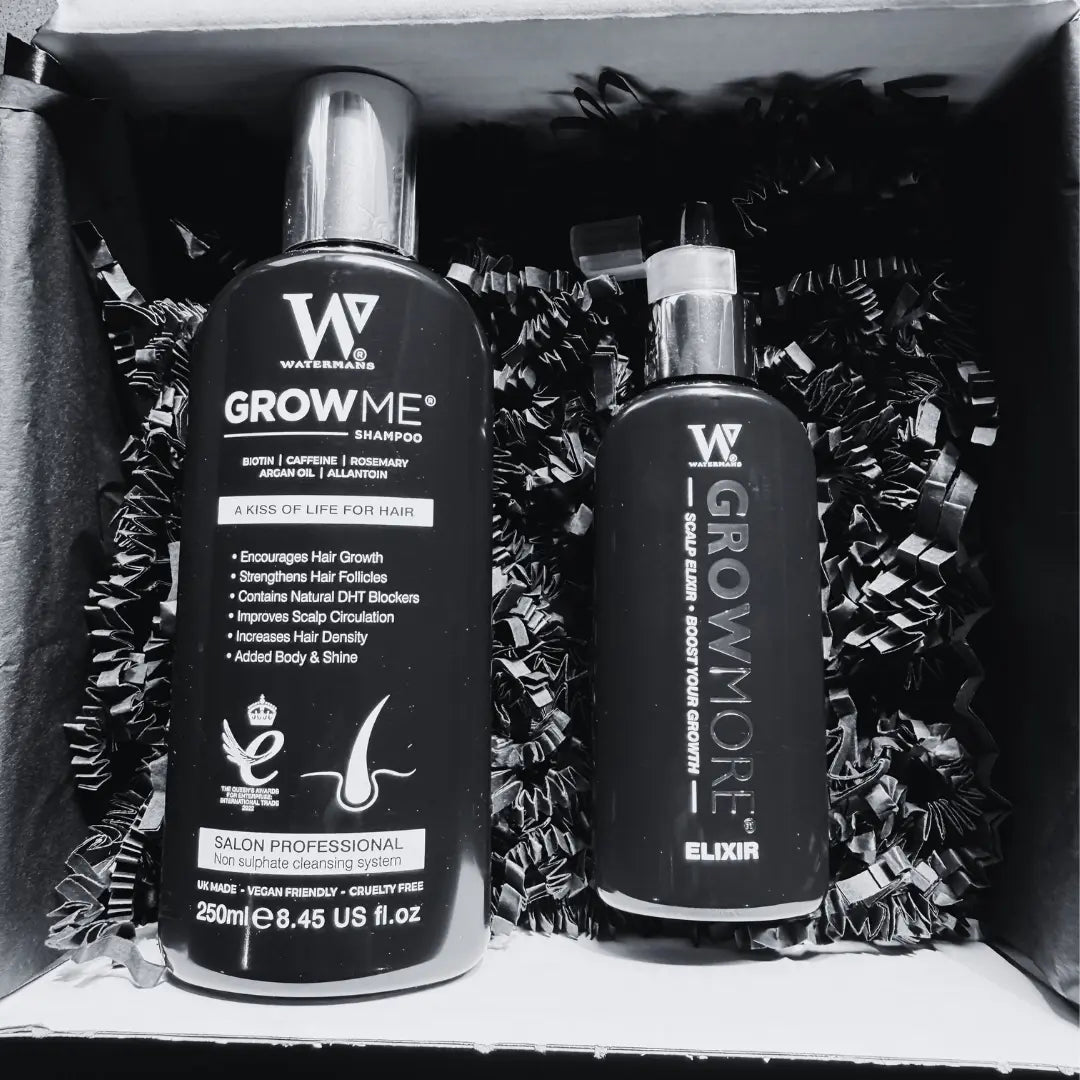
When you notice more shedding, a wider part, or thinning at the top, you are not alone. Many choose non-medical supports as they take steps alongside medical measures. One favored non-medical choice is Watermans Grow Me Shampoo. Its salon-grade formula, with biotin, rosemary, caffeine, niacinamide, argan oil, allantoin, and lupin protein, works at the roots to lift hair and add volume for any gender journey.
Transmasculine Hair and Texture: Using What You Have
Your texture shapes how you style your hair. Transmasculine hair can be:
• Straight and fine
• Thick and wavy
• Coily or kinky
• Curly (tight or loose)
• A mix of these types
Why Texture Shapes Masc Styles
• For straight, fine hair, light cuts and clean lines work best.
• Thick, wavy hair holds undercuts, cropped looks, and modern mullets well.
• Curly and coily hair can create strong masc and androgynous styles—from short crops to styled fro-hawks.
The key is to work with your texture. Pick haircuts and a care plan that suit what you have.
Choosing a Transmasculine Haircut That Speaks to You
You do not need fancy terms to get a cut that fits. Think about the look you want: masc, androgynous, soft, punk, corporate, or fluid.
The Look You Want
Ask yourself:
• Should others see me as male?
• Should my look seem neutral or open?
• Do I wish to keep some longer locks or colors while shifting the overall feel?
Your answer helps shape the cut.
Popular Transmasculine Haircut Ideas
Here are styles that many find affirming:
-
Short Fade with Textured Top
• Sides are short or skin fade; the top stays longer with texture.
• It feels clearly masc and works neat or a bit messy.
• Suits straight, wavy, and curly hair. -
Undercut with Longer Top or Back
• Sides and back close, with a longer top or back section left.
• Suits both neutral or alternative styles.
• Allows length while keeping the look centered. -
Buzz Cut
• All hair is clipped short (with #2–#4 clipper guard or even shorter).
• Low upkeep and strongly masc.
• When the scalp shows, use a scalp-stimulating shampoo like Watermans Grow Me for a fresh look. -
Short Crop with Fringe ("Soft Masc" Cut)
• Sides remain short; top carries a small fringe or textured front.
• Feels young and artsy, with an open read. -
Modern Mullet or Shag
• Front and sides are shorter; back stays long with choppy layers.
• A favorite in queer and trans groups for a bold, self-affirming look. -
Curly or Coily Short Afro / Tapered Cut
• Tapered sides shape the curls on top.
• Shows natural texture and keeps lines clean.
• Can shift between masc and a neutral look.
Bring photos of people whose look you share—even if they are cis. Say to your stylist, "I am transmasculine. I want a look that reads [masculine/androgynous]."
Face Shape and Transmasculine Hair
Face shape hints can help if you feel unsure.
• Round faces: Add structure. Cuts with fades, height on top, or side parts bring sharp lines.
• Square faces: Soften lines with slight length or texture around the jaw.
• Oval faces: Most cuts work; focus on the vibe over rules.
• Heart-shaped faces: Avoid too much height on top; volume at the sides helps balance.
Discuss these cues with your barber or stylist; let them know your view on how you want to show your gender.
Growing Out Hair in a Transmasculine Way
Some feel the need to go short to read clearly, but longer hair can still look masc or neutral.
Longer Hair Strategies
• Keep ends blunt instead of wispy. Blunt ends set a stronger, clearer look.
• Avoid many layers near the face that might soften the look.
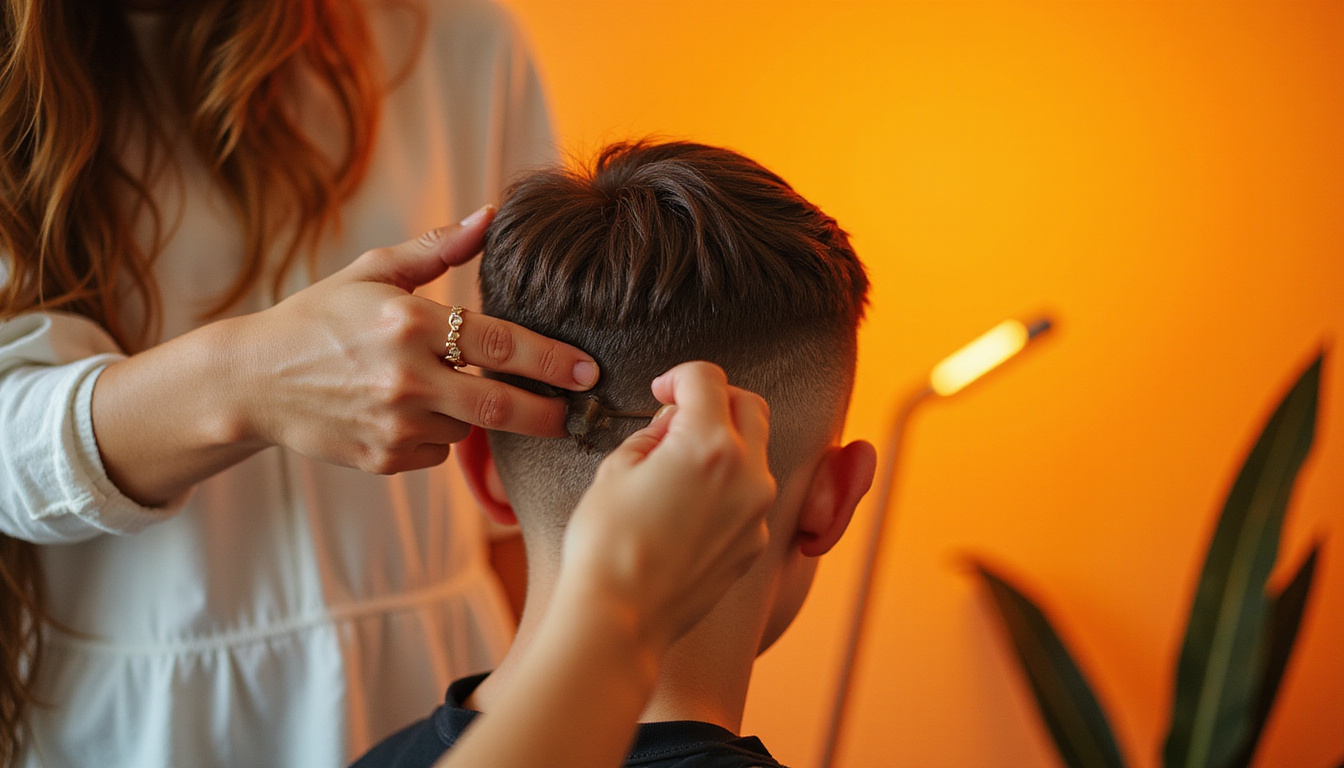
• Try undercuts or shaved spots to hold a masc edge even with length.
• Tie hair back in styles known to deliver a masc look—a low bun, a low ponytail, or a half-up style that shows shaved sides.
If you are regrowing hair after a short cut or due to thinning, keep a shampoo like Watermans Grow Me close. It helps make hair look dense and full with ingredients such as biotin, caffeine, and lupin protein.
Transmasculine Hair Care Basics
Healthy hair makes styling smoother, no matter who you are. Care for transmasculine hair need not be complex. It must care for your scalp, work with your texture, and fit into your life.
Scalp-Focused Care
Your scalp is skin that sometimes grows oil faster on testosterone. It may show dandruff, itchiness or buildup. Such issues can change how your hair feels and looks.
Tips:
• Do not wash with harsh shampoo every day if your scalp stays fine; choose a gentle clean.
• Pick formulas that work at the roots and support head circulation if you note thinning.
A product like Watermans Grow Me Shampoo mixes caffeine and rosemary to spark your scalp. Niacinamide aids the skin while argan oil keeps hair fed. Lupin protein acts in support of each hair strand.
Matching a Routine to Your Texture
• Fine/straight hair:
– Use light volumising shampoos and conditioners.
– Stay away from heavy oils that flatten your style.
• Wavy/curly hair:
– Pick moisturising conditioners; avoid strong shampoos that dry you out.
– Define curls with creams or gels and finish with a scrunch or diffused air.
• Coily/kinky hair:
– Focus on keeping moisture and a gentle wash.
– Protective styles and leave-ins help while rough drying should be skipped.
Watermans Grow Me fits well into all these routines as a main shampoo if you want a fuller look.
Transmasculine Hair Loss: What You Need
Hair loss is common for transmasculine people on testosterone. Knowing the basics helps you decide on simple action rather than worry.
Types of Hair Loss You May See
-
Androgenetic (pattern) hair loss
– Tied to your genes and hormones.
– Shows as a receding hairline, thinning crown, or less overall hair. -
Telogen effluvium
– Hair sheds because of stress or a major change.
– The shedding happens across the scalp and can stop in time. -
Other causes
– Include nutrient gaps, immune issues, or harsh styling.
If you worry, a dermatologist or hair expert can help (source: American Academy of Dermatology).
Non-Medical Support for Thinning Hair
Before or as you try medical care, many choose to:
• Keep scalp health in check
• Pick gentle shampoos with active ingredients
• Skip tight hairstyles that pull on roots
• Keep a balanced diet with enough protein, iron, and vitamin D
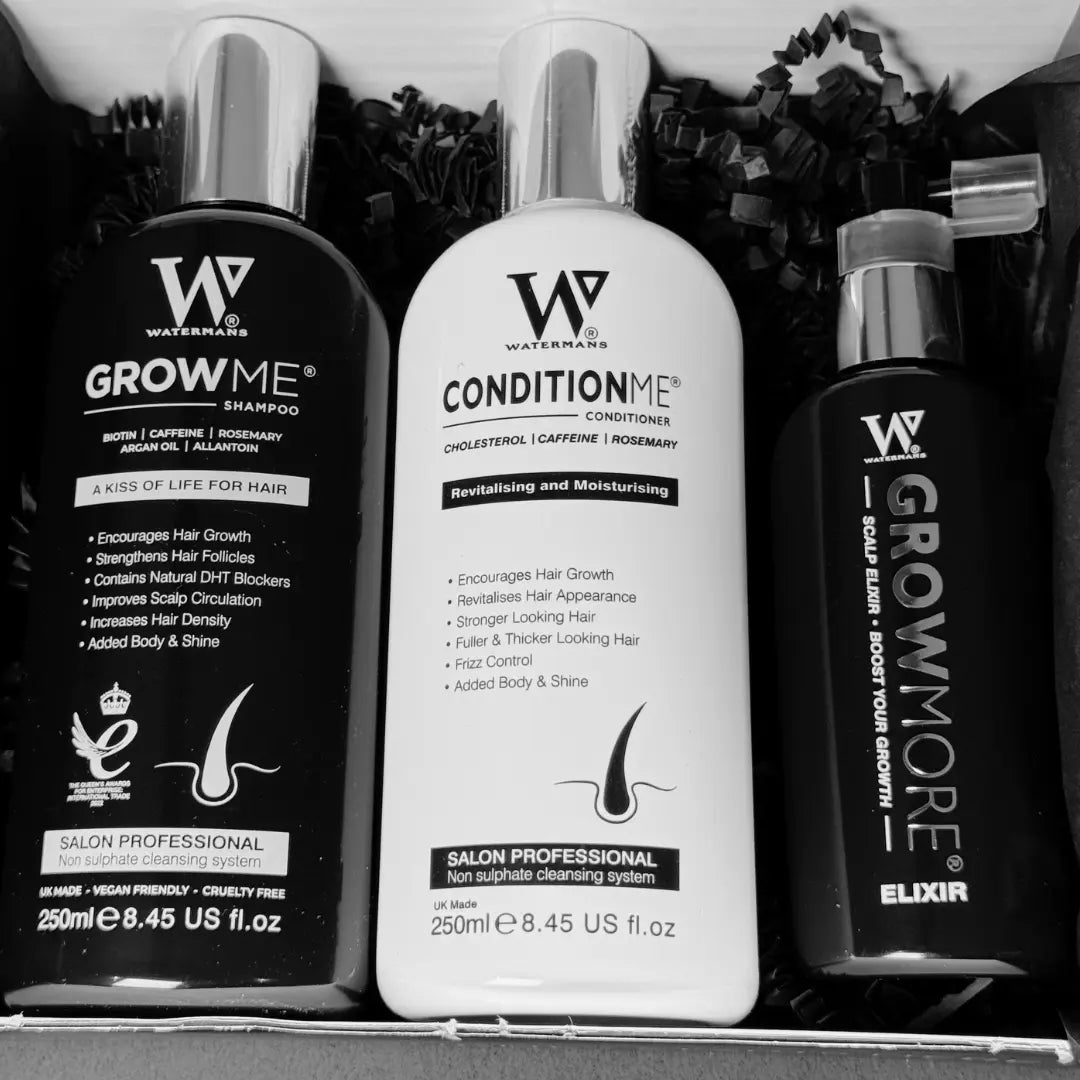
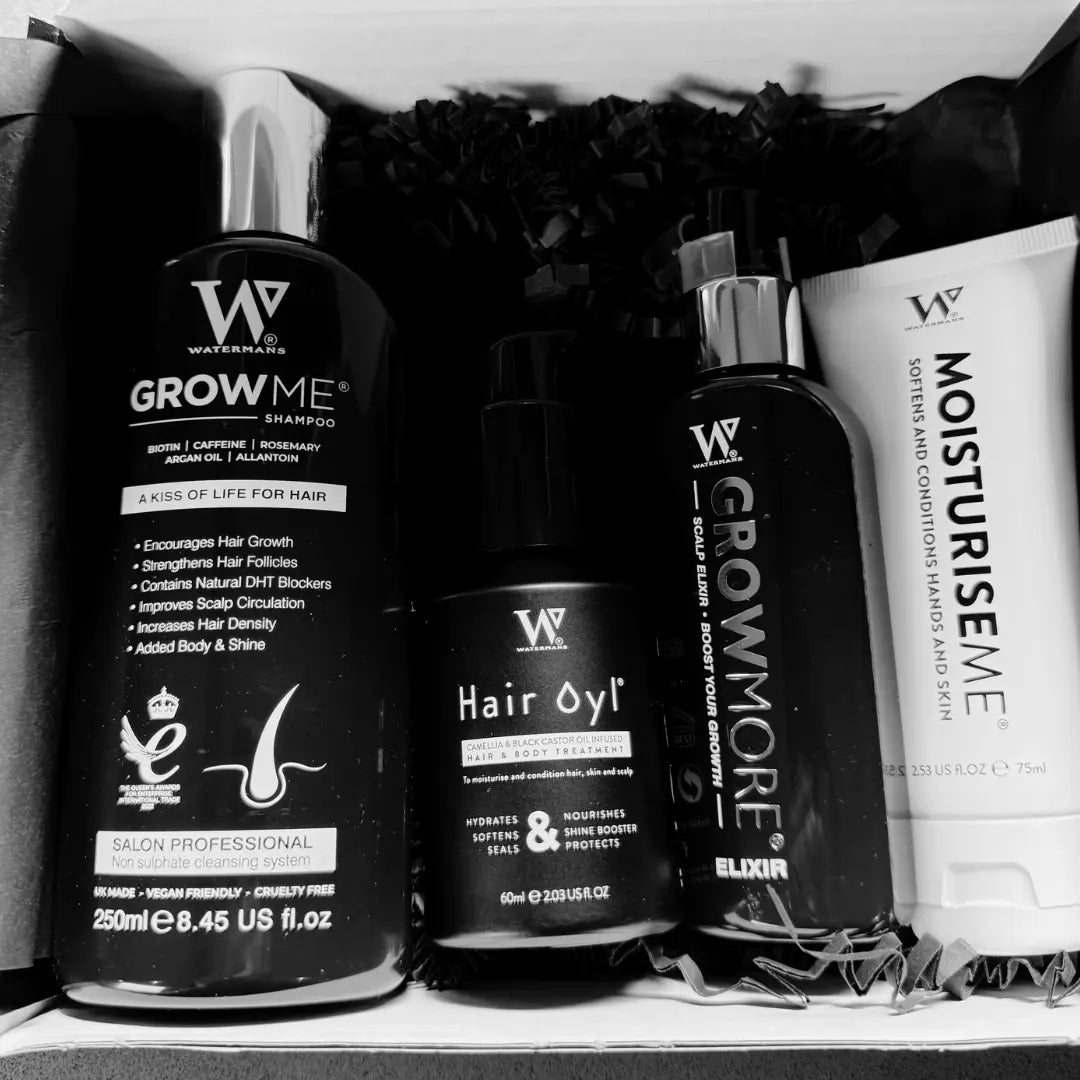
Many people use Watermans Grow Me Shampoo to fight early or light thinning. Its mix of caffeine and rosemary can spark the scalp, while biotin and lupin protein may give hair a thicker look. Some even try the Watermans Hair Survival Kit, which groups products to support root strength and density.
Styling Transmasculine Hair Every Day
Even a good cut needs a lot of care to match how you want it to look. You do not need many products—just a few that fit your hair type and the finish you want.
Everyday Styling Goals
• Show a more masc or neutral look
• Control frizz or puffiness
• Add body to hair that feels thin
• Create a textured, casual look
Basic Product Guide for Transmasculine Hair
• Sea salt spray: Works for grit and texture, especially for fine hair.
• Matte clay or paste: Good for short cuts. It gives a dry, natural finish that seems more masc than shiny gels.
• Light gel or curl cream: Helps keep curls and waves defined without a stiff feel.
• Lightweight volumising spray or mousse: Lifts roots if hair feels flat.
Start with clean hair. A shampoo like Watermans Grow Me lifts the roots so that any style appears denser and firmer.
Transmasculine Hair in Work and Formal Spots
Sometimes you need your hair to work in settings like work, school, or family places that stick to old ideas.
Simple, Clear Styles
• Classic short back and sides: Neat, old-fashion, and most accepted.
• Medium-length swept-back styles: Hair away from the face offers control while still showing style.
• Low ponytail with a neat part: For longer hair, it feels simple and proper.
If you hide part of your life, you can pick a flexible cut that shifts between masc and neutral with little effort. A longer top can be combed neatly for work and left tousled for social times.
Coloring and Bleaching as Transmasculine Expression
Changing hair color can be a big step in showing who you are. From subtle touches to bold cuts, color helps shape how you seem.
Using Color to Shape the Look
• Darker shades can let hair seem thicker and more structured.
• Lighter touches near the face can soften views if you want a gentler tone.
• A bleached buzz or undercut can bring out punk or alternative looks.
If you bleach, take care of your hair. Use products that feed and support your hair. A growth shampoo like Watermans Grow Me helps keep the roots and scalp strong even with lightened hair.
Body Hair, Facial Hair, and the Bigger Picture
Transmasculine hair is not only on your head. How your beard, body hair, and even brows show can change what others perceive.
Facial Hair and Scalp Hair
Testosterone grows your facial hair as well. Some feel that a beard or mustache makes a shifting hairline feel right. Others try to hold on to scalp hair while growing facial hair.
Using a shampoo like Watermans Grow Me keeps the scalp well while you welcome testosterone changes.
Eyebrows and a Masculine Read
Thicker, straighter, or well-shaped brows show a more masc look. You can let them grow naturally or ask for a light shape to match your view.
Transmasculine Hair Across Transition Stages
Your needs may change over time. It is normal to shift styles as you feel more like you.
Before or Without Hormones
Hair may be the one tool you have for gender. Strong haircuts, scalp care, and clear styling can boost your gender mood.
Early on Testosterone
Expect some surprises—an oily scalp, shifts in texture, and short-term shedding. A kind, steady care routine is needed. A shampoo like Watermans Grow Me keeps your routine simple while your hair adjusts.
Years on Testosterone
At this stage, your hair growth pattern may feel known. You might:
• Find styles that hide thinning
• Choose buzz cuts or very short fades
• Mix medical steps with daily care to keep hair dense
Mental Health, Dysphoria, and Hair Choices
Hair dysphoria can hit hard when hair feels too soft or seems to thin too fast. This can make you feel split between what looks right and what can be accepted.
Practical Ways to Cope
• Break changes into small steps. Cut or shift slowly.
• Try temporary styles like hats, bandanas, or different products before a big change.
• Make a quick routine—wash with a volumising shampoo like Watermans Grow Me, dry with a boost, and set with matte clay—when dysphoria rises.
• Join groups or chats where voices share what works and give support.
Remember, your hair need not follow a set form. What matters most is that it feels like you.
Building a Simple Transmasculine Hair Routine
If you like a low-key plan but want a clear look, try this routine.
Routine Outline
-
Cleanse 2–4 times a week
• Wash with Watermans Grow Me Shampoo to spark your scalp and keep hair full.
• Adjust washing based on oil and activity. -
Condition or hydrate
• Apply conditioner on mid-lengths and ends if your hair is longer.
• For short hair, a light leave-in works for softness and less frizz. -
Deep care once a week
• A scalp massage in the shower helps blood flow.
• Use a mask or stronger treatment if your hair feels dry or has been colored. -
Style in under five minutes
• Gently towel-dry or squeeze out excess water for curls or coils.
• Apply one product (sea salt spray, matte paste, or curl cream) that fits your texture and the finish you want.
• Use your fingers or a comb to get the style in place. -
Support lasting strength
• If thinning or breakage worries you, try the Watermans Hair Survival Kit for a more complete routine that pairs with your cut and style.
Common Transmasculine Hair Missteps
Some choices may add stress. Watch for these pitfalls:
• Cutting too short too fast because you feel you must
– Allow yourself to take time before a major change.
• Skipping scalp care
– An oily, itchy, or flaky scalp can make hair feel flat. A service like Watermans Grow Me can really help.
• Overusing heat and strong products
– High heat and strong gels may damage hair, making thinning stand out.
• Not being clear with your barber or stylist
– Use photos and clear words to say what you expect and what you do not want.
• Worrying over every stray hair
– Some hair shedding is normal. Watch changes over months instead of days. If you are troubled, ask a professional and keep up your routine with support.
FAQs About Transmasculine Hair and Styling
1. How can I make my transmasculine hair seem more masculine without cutting it very short?
You can give your hair a more masc feel by:
• Cutting the sides and back shorter while leaving a bit on top or at the back
• Keeping ends blunt rather than wispy
• Styling hair off the face
• Using matte products like clays or pastes for a natural look
A shampoo like Watermans Grow Me helps keep hair thick and full, which adds to a masc read.
2. Will testosterone hurt my hair, and what if I see thinning?
Testosterone does not damage hair right away. If you show a receding hairline or less bulk and your genes allow, it may thin. To help:
• Keep your scalp in top shape with a shampoo like Watermans Grow Me.
• Avoid styles that pull too hard.
• Talk with a dermatologist if you feel very worried.
Many transmasculine people mix hormone steps with careful hair care and use products like the Watermans Hair Survival Kit to keep their look strong.
3. What is the best haircut if I am non-binary and want an androgynous look?
There is no single best cut. Many choose cuts like:
• Undercuts with medium-length top
• Textured crops with a soft fringe
• Modern shags or mullets that mix clear shape with movement
Show your stylist images of looks that speak to you. Ask for a cut that keeps lines strong and avoids overly rounded layers. Pair your cut with a hair routine (for instance, washing with Watermans Grow Me for thicker roots) so the look stays sharp.
Claim Your Transmasculine Hair Style with Confidence
Your hair shows a big part of your gender work. It can be neat, long, bright, or bold. You can cut, grow, color, shape, or change it as much as you need. Whether you choose a sharp fade, a neat crop, a bold mullet, or long hair tied back, what makes your hair special is that it tells your own story.
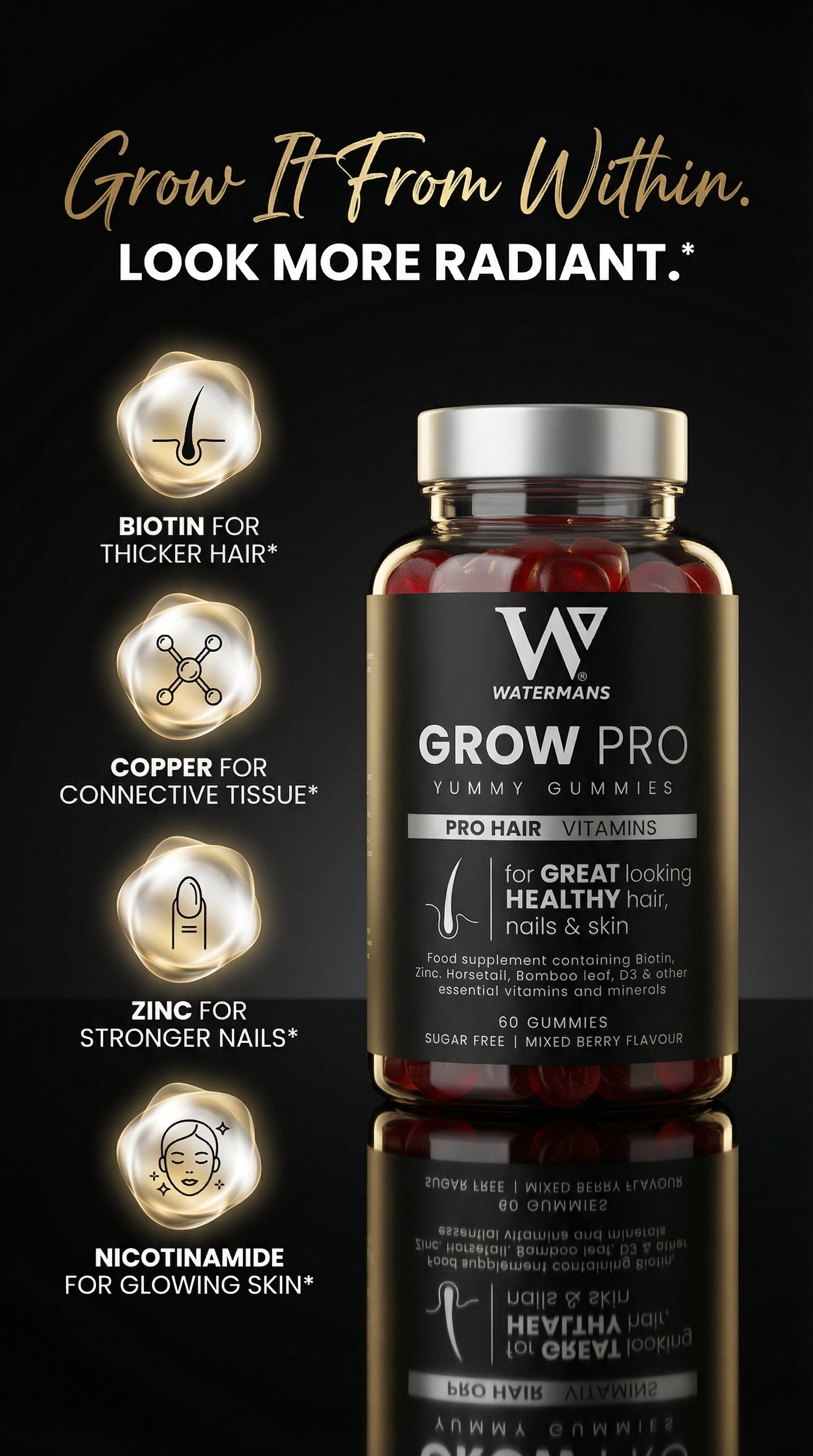
If you see texture shifts with testosterone, worry about thinning, or just want hair that holds strong as you try new styles, keep your scalp and roots well cared for. Watermans Grow Me Shampoo is a well-known, natural-focused choice many try first. Its blend of biotin, rosemary, caffeine, niacinamide, argan oil, allantoin, and lupin protein works closely to spark your scalp and add body to your hair.
For a fuller way to support growth and strength, try the Watermans Hair Survival Kit and build a simple daily routine that keeps your hair strong. Your transmasculine hair journey is yours to shape—treat it as a tool for strength, not a worry.