Zinc for Hair Loss: Does It Help and How Much to Take
Zinc for hair loss is one of the most common supplement searches in the UK, and the honest answer is that zinc helps hair only when your body is genuinely short of it. Most adults get enough zinc from food, the NHS caps supplements at 25mg a day, and taking more than you need can cause a copper shortfall that works against your hair rather than for it. This guide covers what the research actually shows about zinc and hair, how much adults need, which foods supply it, and when a blood test is the smarter first step.
Our hair growth shampoo
Grow Me® Hair Growth Shampoo, £14.95. A sulphate free daily shampoo that supports a healthy scalp environment and helps reduce breakage, so lengths hold on and look fuller while you sort out the inside with your GP.
Zinc for hair loss works in one situation: when a blood test shows your zinc is low. Zinc is needed to make new cells, and hair follicles divide faster than almost any tissue in the body, so a real deficiency can push follicles into their resting phase and cause shedding. The NHS says men need about 9.5mg a day and women about 7mg, mostly from food, and that supplements should stay under 25mg a day. Extra zinc on top of a normal level has not been shown to grow hair.
Key takeaways
- The NHS puts adult zinc needs at about 9.5mg a day for men aged 19 to 64 and 7mg a day for women.
- Most people can get all the zinc they need from meat, shellfish, dairy, bread and cereal products such as wheatgerm.
- The NHS advises no more than 25mg a day from supplements unless a doctor recommends more.
- Too much zinc reduces copper absorption, which the NHS says can lead to anaemia and weaker bones, and copper matters for hair pigment and strength.
- Reviews link low blood zinc with alopecia areata, but a link is not proof that a supplement helps hair grow.
- A ferritin and thyroid check is usually a more useful first blood test than zinc for diffuse shedding.
What does zinc do for hair?
Zinc supports hair by supplying one of the raw materials the follicle needs to divide and build keratin, the protein that makes up the hair fibre. The NHS says zinc helps with making new cells and enzymes, processing the carbohydrate, fat and protein in food, and wound healing. Hair follicles are among the fastest dividing tissues in the body, which is why they are among the first to pause when the body runs short of something.
That is the reasonable basis for the link between zinc and hair, and it is also where marketing stretches it. The fact that zinc is needed does not mean extra zinc makes more hair. A useful comparison is fuel in a car. An empty tank stops the engine, and filling it gets you moving again. Pouring in more fuel than the tank holds does not make the car faster. For most people eating a varied diet, the tank is already full.
Zinc is a trace mineral the body cannot store in large amounts, so it needs a steady supply from food. That steady supply is what a varied diet provides and what a very restricted one, a crash diet or a digestive condition can interrupt, which is why the groups at genuine risk of low zinc are quite specific.
Does zinc for hair loss actually work?
Zinc for hair loss works only where a deficiency is causing the problem, and the research relevant to zinc and hair mostly shows associations rather than proof that a supplement helps. A 2017 meta-analysis in the Journal of Dermatology pooled 10 studies with 764 people and found lower blood zinc and selenium in people with alopecia areata than in healthy controls. A 2025 review of 34 studies and 4,931 people from 16 countries found the same for zinc and vitamin D.
Those findings are real, but they do not settle what to do. A lower average zinc level in people with a condition could be a cause, a consequence, or a sign of something else such as diet or inflammation. The 2025 review suggests supplementation may one day have a role, which is a hypothesis for future trials, not a result. None of this shows that taking zinc on top of a normal level makes hair grow.
The picture for everyday shedding is weaker still. A 2026 meta-analysis of blood tests in telogen effluvium, published in Skin Appendage Disorders, reported significantly lower ferritin and vitamin D in people with the condition. Its headline findings did not include zinc. Where good sources point in different directions, the honest summary is this: zinc deficiency can contribute to hair problems, most people are not deficient, and a blood test is a better guide than a guess.
| Study | What it looked at | What it found |
|---|---|---|
| Jin and colleagues, 2017 | 10 studies, 764 people with and without alopecia areata | Lower blood zinc and selenium in alopecia areata |
| Wu and colleagues, 2025 | 34 studies, 4,931 people, 16 countries | Lower blood zinc and vitamin D in alopecia areata |
| Ahmed and colleagues, 2026 | 29 studies of telogen effluvium | Significantly lower ferritin and vitamin D reported, zinc not among the headline findings |

How much zinc do adults need each day?
Adults need about 9.5mg of zinc a day for men aged 19 to 64 and about 7mg a day for women, according to the NHS. The NHS adds that you should be able to get all the zinc you need from your daily diet, and that anyone who takes a supplement should not take more than 25mg a day unless a doctor advises it.
| Group or limit | Amount (NHS) | What it means |
|---|---|---|
| Men aged 19 to 64 | About 9.5mg a day | Usual daily need from food |
| Women | About 7mg a day | Usual daily need from food |
| Supplement ceiling | No more than 25mg a day | Unless a doctor advises otherwise |
| Above the ceiling | Not advised | Can reduce copper absorption |
Those numbers are useful when you read a label. Many single ingredient zinc tablets sold in the UK contain 15mg to 25mg, and some contain more. Add a multivitamin, a hair supplement and a cold remedy containing zinc, and it is easy to go past the ceiling without noticing. Always add up the zinc from every product you take, not just the one you bought for your hair.
Which foods supply zinc without a supplement?
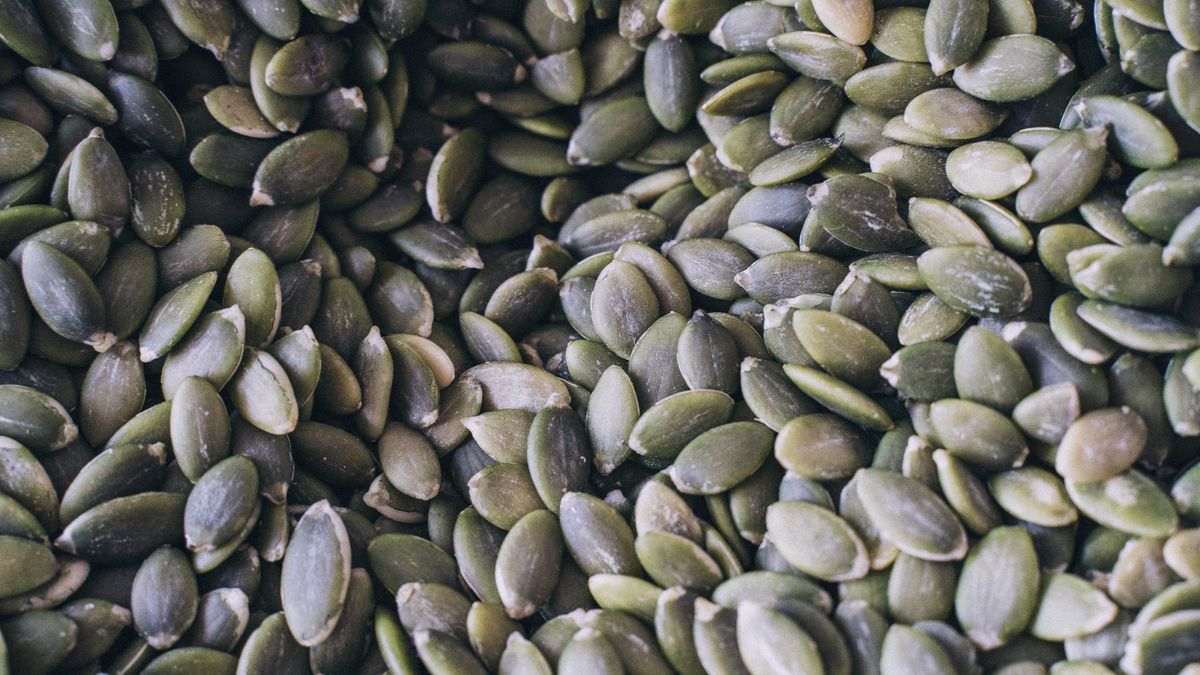
The foods that supply the most zinc are meat, shellfish, dairy foods such as cheese, bread and cereal products such as wheatgerm, which are the good sources the NHS lists. Oysters are famously high, and red meat, crab, cheese, beans, lentils, pumpkin seeds and wholegrains all contribute in an ordinary mixed diet.
People who eat little or no animal food can still get enough zinc, but it takes more planning, because zinc from plant foods is absorbed less well than zinc from meat and shellfish. Soaking beans, choosing wholegrain bread and eating seeds and nuts most days helps. If you follow a vegan diet and have noticed hair changes, a food diary shared with a GP or dietitian is a better starting point than a supplement.

For a wider look at eating for hair, our guide to the best foods for hair growth covers protein, iron and the other nutrients that matter alongside zinc.
Is it hair shedding, hair breakage or hair loss?
Hair shedding, hair breakage and hair loss are different problems, and zinc is only ever discussed in connection with the first and the third. Hair shedding means whole hairs falling out with a small bulb at the root, usually because many follicles have gone into their resting phase at once. DermNet calls this telogen effluvium and lists crash dieting and low protein intake among its triggers.
Hair breakage means the hair fibre snapping part way along, from heat, bleach, friction or tight styles. No mineral in a tablet mends a broken fibre, so for breakage a conditioner and gentler styling do more than any supplement. Hair loss in the medical sense covers conditions such as pattern hair loss, where follicles gradually shrink, and alopecia areata, an autoimmune condition that causes round bald patches. Those are the conditions where researchers have measured blood zinc levels.
Check what you are actually seeing
Gather the hairs from one wash. A pale bulb on the end means shedding from the root. Short, blunt pieces mean breakage along the fibre. If you see smooth, round bald patches, see a GP rather than buying supplements.
Get a discount on the thinning hair range
Join the Watermans mailing list and we will email a discount code straight to your inbox, so you can try the thinning hair range for less. Made in the UK, over 6.5 million bottles sold since 2012.
Can too much zinc cause hair loss?
Too much zinc can harm hair indirectly, and the NHS is specific about how: high doses reduce the amount of copper the body can absorb, which can lead to anaemia and weakening of the bones. That is why the NHS sets a 25mg daily ceiling for supplements unless a doctor advises more.
Copper matters for hair as well as blood. It is involved in making melanin, the pigment in hair, and in the cross links that give connective tissue its strength. So a person who takes large amounts of zinc for hair loss can, over months, create a different deficiency that works against them. Stomach upset and nausea are also common with high single doses, which is one reason to take zinc with food. Maca is a different case again, and we weigh it up in maca for hair growth.
Some people should be especially careful. Anyone taking other medicines should ask a pharmacist before starting a zinc supplement, because it can affect how some medicines are absorbed. People who have had weight loss surgery often need tailored mineral plans from their clinical team, and should not add zinc on their own.

Should you take zinc for hair loss?
You should take zinc for hair loss only if a GP has found a low level or you are in a group at genuine risk, such as someone with a very restricted diet, a digestive condition that limits absorption, or a history of weight loss surgery. For most people eating a varied diet, the NHS view is that food provides enough, and adding a supplement is unlikely to change how their hair grows.
A sensible order of steps looks like this. First, work out whether you are seeing shedding, breakage or gradual thinning. Second, look honestly at your diet, especially protein, iron rich foods and overall calories. Third, if shedding has lasted more than a few months or you have patches, see a GP, who can arrange blood tests such as ferritin, thyroid function and, where appropriate, zinc. Only then decide on a supplement, and keep the total within 25mg a day.
Iron is often a better first question than zinc. Low iron stores are a common, checkable factor in shedding, and our guide to what a ferritin result means explains the numbers. Our overview of vitamins for hair growth covers the other nutrients people ask about.

GrowPro® Hair Growth Gummies
A sugar free, vegan daily gummy that includes zinc alongside biotin, bamboo silica and vitamins C, D3 and E, for people who prefer a gummy to a tablet. Zinc and biotin contribute to the maintenance of normal hair. Count the zinc it contains towards the NHS 25mg daily limit across all your supplements.
When should you see a GP about zinc and hair loss?
You should see a GP when shedding lasts more than a few months, when you notice bald patches, or when hair changes come with tiredness, weight change or other symptoms. The NHS advises seeing a GP for sudden hair loss, bald patches, or hair loss with itching or burning, and whenever you are worried.
A GP can decide which blood tests are useful, which may include ferritin, thyroid function and vitamin D, and can check zinc where your history suggests it. That is far more useful than buying a supplement and waiting months to see whether anything changes. Watermans sells cosmetic hair care and does not run clinics. If your question is about products or a routine rather than a medical one, you can talk to Gail Waterman, our co-founder, as an AI avatar on the Watermans homepage. Before buying any hair supplement, our guide to hair nutraceuticals explains what the evidence says and how to read a label.

Grow Me® Hair Growth Shampoo £14.95
A daily sulphate free shampoo for thinner looking hair that leaves the scalp clean and hair looking fuller. Cosmetic care that works on the outside while your diet and GP look after the inside. Vegan and made in the UK.

Condition Me® Hair Growth Conditioner £14.95
A lightweight conditioner that smooths the lengths and reduces breakage related hair fall when you detangle, so the hair you grow stays on your head.
What are the frequently asked questions about zinc for hair loss?
Does zinc help hair grow?
Zinc is needed for normal cell growth, so a real deficiency can contribute to shedding. There is no good evidence that extra zinc makes hair grow in people whose levels are already normal, which is most people on a varied diet.
How much zinc should I take for hair loss?
The NHS says men need about 9.5mg and women about 7mg a day, mostly from food. If you take a supplement, the NHS advises no more than 25mg a day unless a doctor recommends more, and that total includes any zinc in a multivitamin or hair gummy.
Can too much zinc cause hair loss?
High doses reduce copper absorption, which the NHS says can lead to anaemia and weaker bones. Copper is involved in hair pigment and strength, so overdoing zinc is not a safe shortcut for better hair.
Which foods are high in zinc?
The NHS lists meat, shellfish, dairy foods such as cheese, bread and cereal products such as wheatgerm. Oysters, red meat, beans, lentils, pumpkin seeds and wholegrains are all useful in an ordinary diet.
Is low zinc linked to alopecia areata?
Reviews in 2017 and 2025 found lower average blood zinc in people with alopecia areata. That is an association, and it does not show that supplements help. Alopecia areata needs a GP.
How long does zinc take to affect hair?
If a genuine deficiency was causing shedding, any change follows the hair cycle, and DermNet puts the resting phase at about three months. Expect to wait several months before judging anything.
Should vegans take zinc for hair loss?
Not automatically. Zinc from plants is absorbed less well, so planning matters, but many vegans get enough. If you have hair changes, ask a GP or dietitian before adding a supplement.
Is zinc or iron more likely to be behind my shedding?
Iron, for most people in the UK. Low ferritin is a common and checkable factor in diffuse shedding, and the 2026 telogen effluvium review found lower ferritin and vitamin D but did not flag zinc. Ask for ferritin and thyroid function first.
What is the bottom line on zinc for hair loss?
The bottom line on zinc for hair loss is that it helps when there is a real shortfall and does little when there is not. Most adults get the 7mg to 9.5mg they need from food, the NHS caps supplements at 25mg a day, and too much can cause a copper shortfall that harms hair pigment and strength. Ask a GP for ferritin, thyroid and, where it fits your history, zinc before you buy, and focus on diet and gentle hair care first.
For the outside of the hair, a gentle routine with a hair growth shampoo keeps the scalp clean and helps hair look fuller while you sort out the inside with your GP.
Sources and references
- NHS, Vitamins and minerals: Others (zinc), checked 18 September 2026.
- NHS, Hair loss, checked 18 September 2026.
- NHS, Eat well, checked 18 September 2026.
- DermNet, Telogen effluvium, checked 18 September 2026.
- DermNet, Alopecia areata, checked 18 September 2026.
- Jin W et al. Serum trace elements in alopecia areata, a meta-analysis. J Dermatol, 2017, checked 18 September 2026.
- Wu R et al. Association between serum trace elements level and alopecia areata: a systematic review and meta-analysis. J Cosmet Dermatol, 2025, checked 18 September 2026.
- Ahmed A et al. Association between serum trace elements and telogen effluvium: a systematic review and meta-analysis. Skin Appendage Disord, 2026, checked 18 September 2026.
Watermans products are 100% cosmetic and do not treat medical hair loss. Individual results may vary.