

The Best Vitamins for Hair Growth: What to Eat and What to Take
Your hair is built entirely from what you eat: keratin protein assembled by some of the fastest-dividing cells in your body, cells that need a steady supply of biotin, zinc, iron and friends to do their job. When any of those run short, hair is the first place it shows, because the body always feeds vital organs before vanity. This guide covers the nutrients that matter most for hair growth, which foods deliver them, and where a supplement sensibly fits.
Key takeaways
- Biotin and zinc are the recognised hair maintainers, both officially acknowledged to contribute to the maintenance of normal hair.
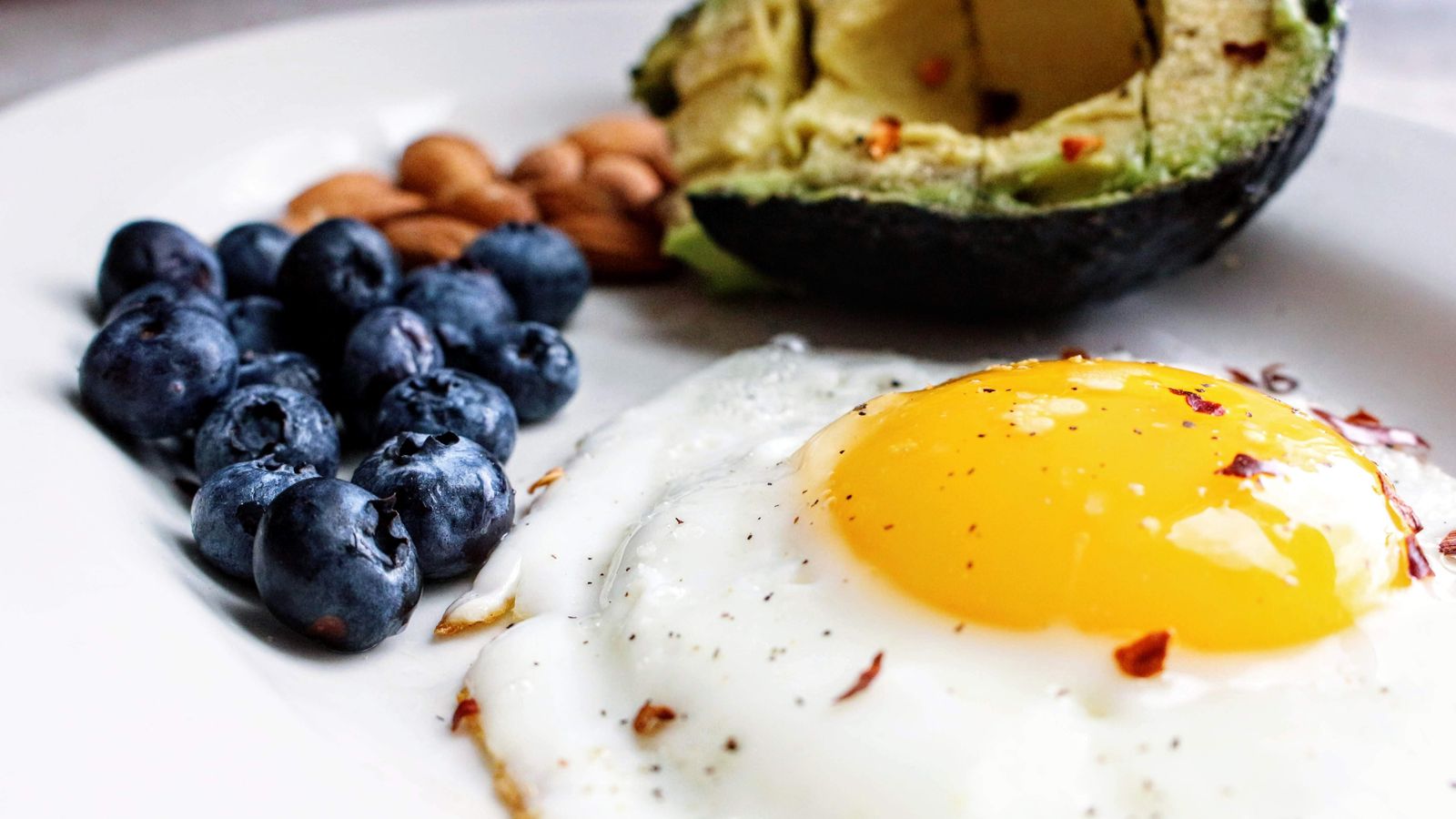
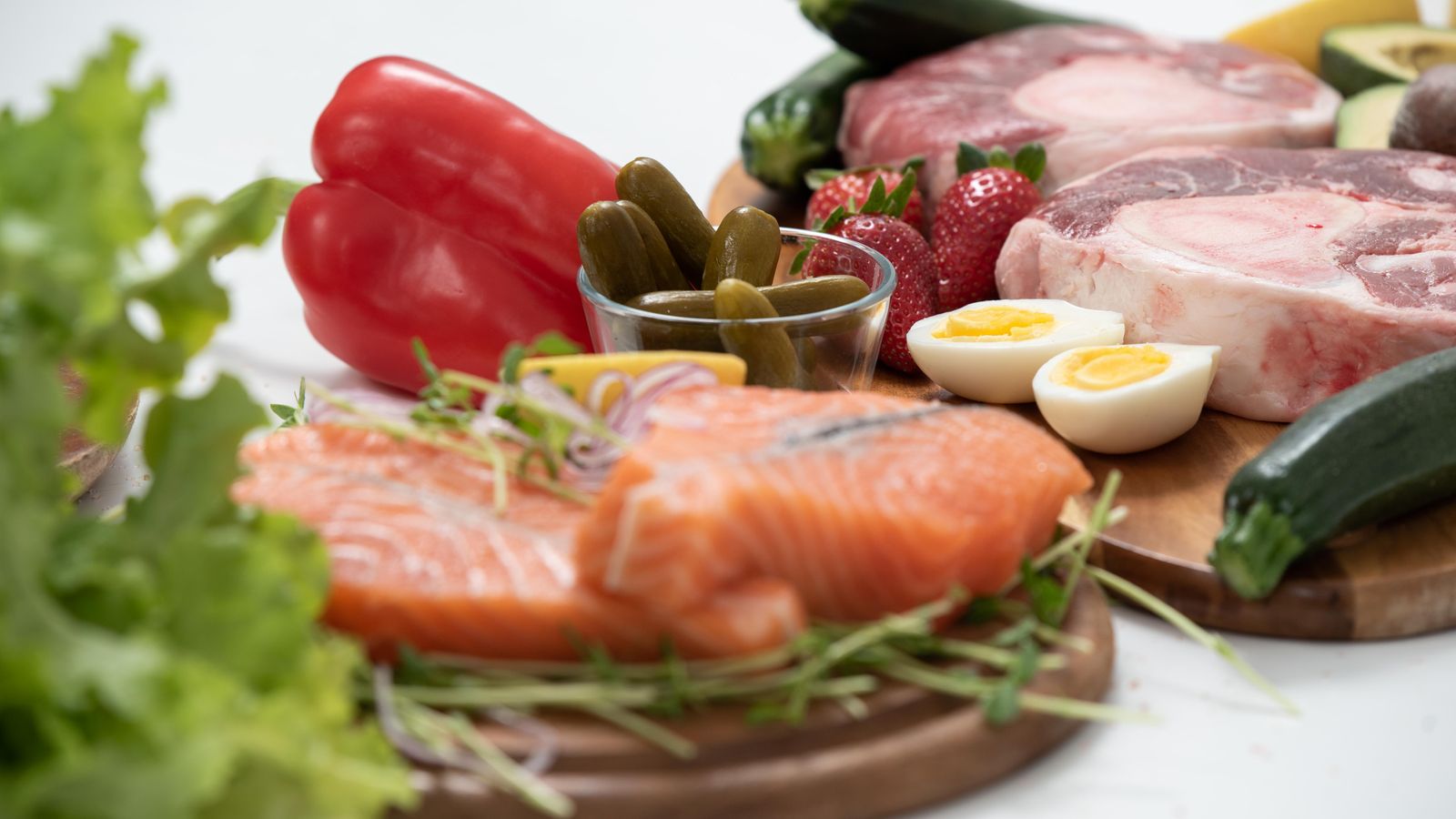
- Food first: eggs, salmon, beans, nuts, leafy greens and seeds cover most hair nutrition.
- Supplements earn their place when diet has gaps or life makes consistency hard.
- Iron deserves special mention for women, low ferritin is one of the most common testable causes of shedding.
- Give any nutritional change 3 to 6 months, hair only shows improvements in new growth.
The nutrients that matter, and where to get them
Biotin (vitamin B7): the keratin builder
Biotin sits in the enzymes that build keratin, the protein your hair is made of, and it contributes to the maintenance of normal hair. Eat it: eggs (cooked), almonds, sweet potatoes, seeds. Deficiency is uncommon but shows up quickly in hair and nails when it happens.
Zinc: the follicle's repair crew
Zinc supports the constant cell division and repair a growing follicle depends on, and keeps the oil glands around follicles working properly. It too contributes to the maintenance of normal hair. Eat it: meat, shellfish, beans, pumpkin seeds. Low zinc is a recognised, testable contributor to shedding.
Iron: the oxygen carrier (especially for women)
Follicles are oxygen-hungry, and low ferritin (iron stores) is one of the most common findings behind female shedding, worth a GP test before guessing. Eat it: red meat, lentils, spinach, fortified cereals, with vitamin C alongside for absorption.
Protein: the raw material
No amino acids, no keratin, it is that direct. Skimping on protein is the single most common dietary reason hair grows thin and slow. Eat it: a palm-sized portion at every meal, from eggs, fish, poultry, dairy, beans or tofu.
Saw palmetto: the botanical extra
A palm-berry extract with early research interest around pattern thinning. The evidence is preliminary rather than proven, so treat it as a supporting botanical rather than a treatment, and see a GP about established pattern loss.
Silica and horsetail: the strength-and-shine pair
Silica is associated with hair elasticity and glossiness and supports the body's collagen toolkit; horsetail is the traditional herb prized for delivering it naturally. Useful supporting players for hair that snaps and dulls.
Food first, gummy second: how to think about it
| Nutrient | Best food sources | Supplement worth it when... |
|---|---|---|
| Biotin | Eggs, almonds, sweet potato | Diet is processed-food heavy or egg-free |
| Zinc | Meat, shellfish, pumpkin seeds | Mostly plant-based eating (zinc absorbs less well from plants) |
| Iron | Red meat, lentils, spinach | A blood test says so, do not supplement iron blind |
| Protein | Eggs, fish, beans, dairy | Rarely, food does this job best |
| Botanicals (saw palmetto, horsetail) | Not practical from food | You want the supporting extras in one dose |

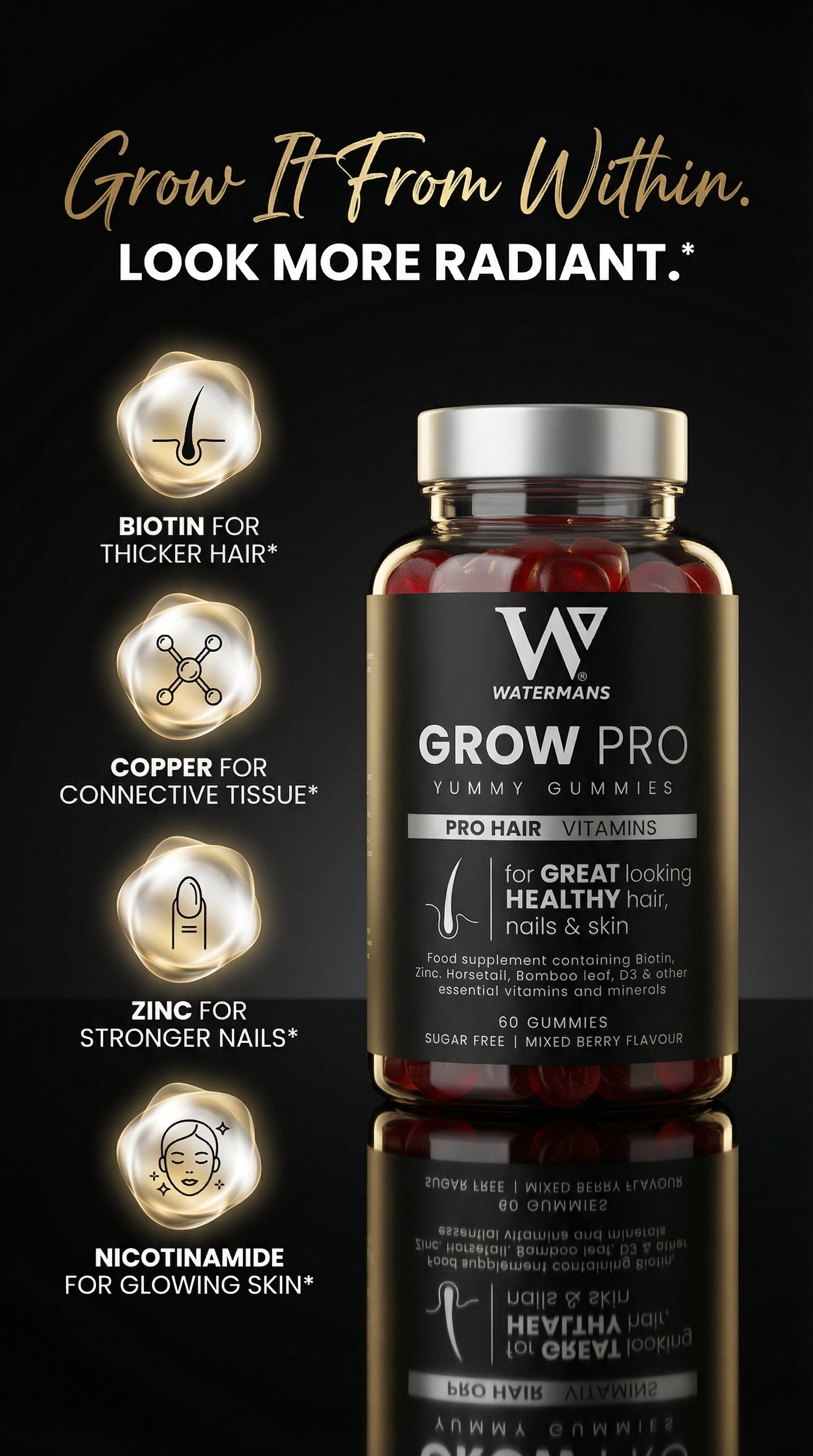
Biotin, zinc, saw palmetto, silica and horsetail in one daily mixed-berry gummy, the practical way to cover the gaps this article describes. Vegan and cruelty-free. Full ingredient breakdown in our GrowPro deep-dive.
Shop GrowProWatermans is a UK family business that has sold over 5 million bottles since 2012. The range is vegan and cruelty-free.
Frequently asked questions
Which vitamin matters most for hair growth?
There is no single winner: biotin and zinc carry the recognised claims, protein is the raw material, and iron is the most common deficiency behind female shedding. Coverage beats megadosing.
Are hair vitamins suitable for both men and women?
Yes, the nutrients are identical regardless of gender. Women should pay extra attention to iron; men with pattern loss should pair nutrition with a GP conversation.
Can I get everything from food?
Mostly yes, and food should lead. Supplements exist for the gaps: restrictive diets, busy seasons, or simply making consistency easy.
How long until vitamins improve my hair?
Three to six months, benefits arrive in new growth at the roots, and hair only grows about 1.25 cm a month.
Can too many vitamins harm hair?
Megadoses help nothing and some (vitamin A, selenium) can actually trigger shedding in excess. Stick to sensible formulated doses and check with a pharmacist if you combine products.
Feed the follicles and they repay you in kind: protein on the plate, biotin and zinc covered daily, iron tested rather than guessed, and a gummy where convenience helps. Pair the inside work with the outside habits in our six top tips for healthy hair and give it a season to show.