Biotin for Hair Growth: What It Does and How to Use It
Does biotin for hair growth work? It works properly in one case: when your biotin is genuinely low, in which case topping it up improves hair and nails quite quickly. If your levels are already normal, which they are for most people eating a mixed diet, extra biotin does very little you would notice. It supports the structure of the hair being built. It does not act on the cause of hormonal thinning.
The biotin product we make
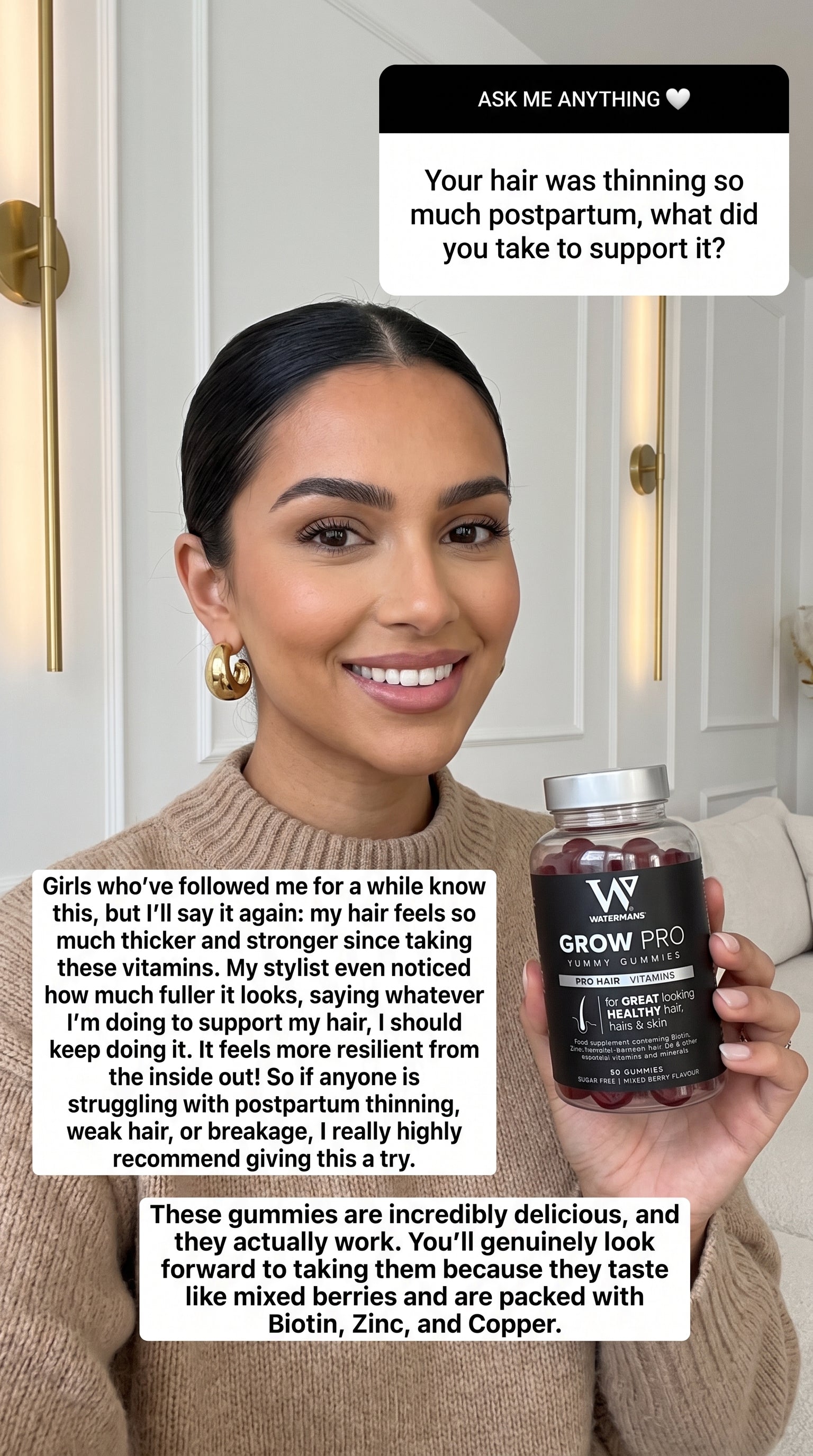
GrowPro Hair Growth Gummies, £22.95, are our biotin supplement, with zinc, MSM and bamboo silica alongside it. Biotin contributes to the maintenance of normal hair. How long it takes, and who it helps, is below.
Biotin is the most famous hair nutrient in the shop, and the gap between its fame and its actual job is where most of the money gets wasted. This guide covers what biotin really does inside the follicle, how to tell whether yours is low, how much you need and where to get it, whether the oral or topical version is worth it, and the blood test warning that almost nobody mentions on the label.
Key takeaways
- Biotin sits inside the enzymes that build keratin, the protein hair is made from, and carries the authorised claim that it contributes to the maintenance of normal hair.
- That is a maintenance claim, not a growth promise, and the difference is the whole story.
- Genuine deficiency is uncommon. Where it exists, hair and nails respond well and fairly quickly.
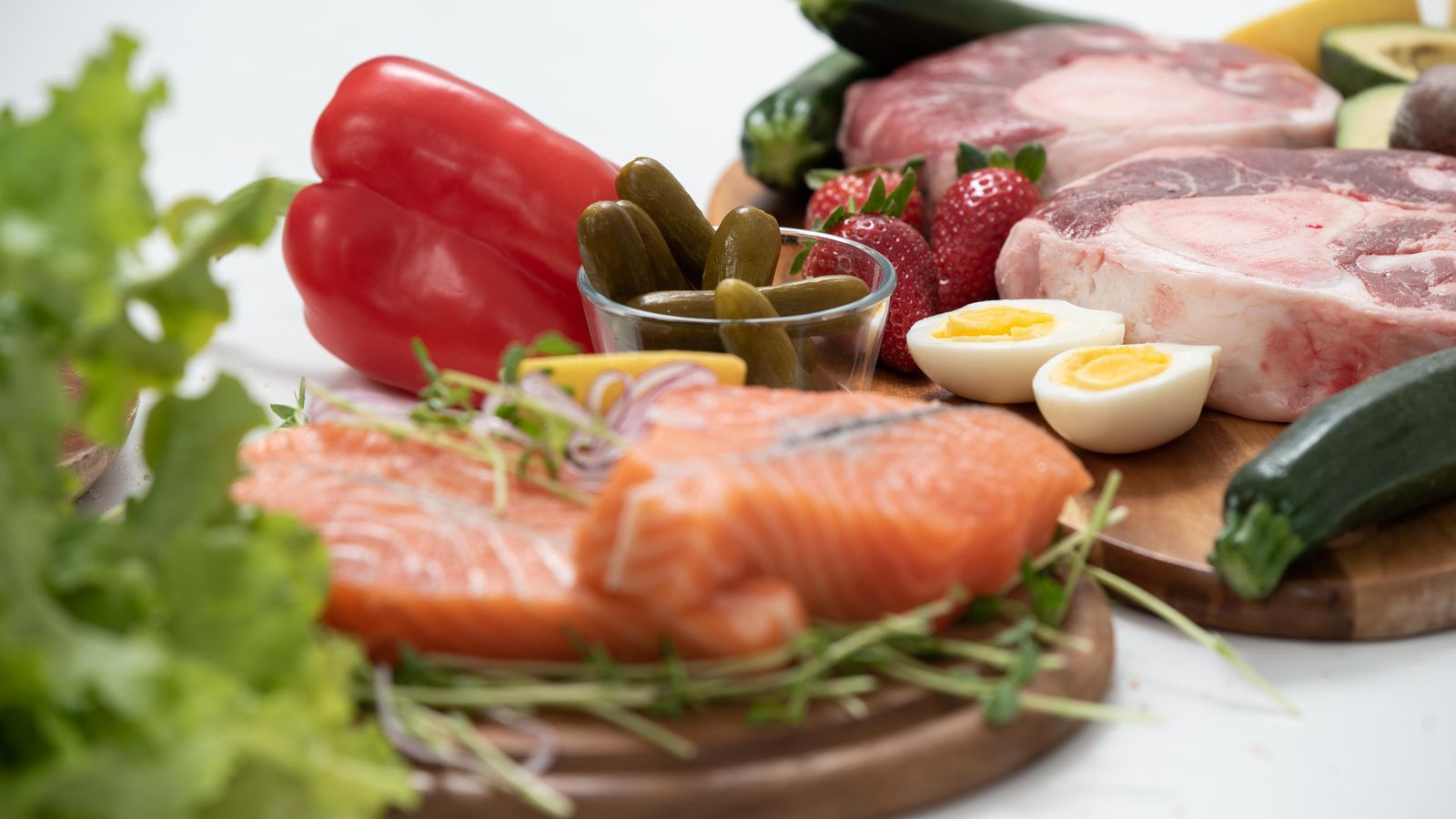
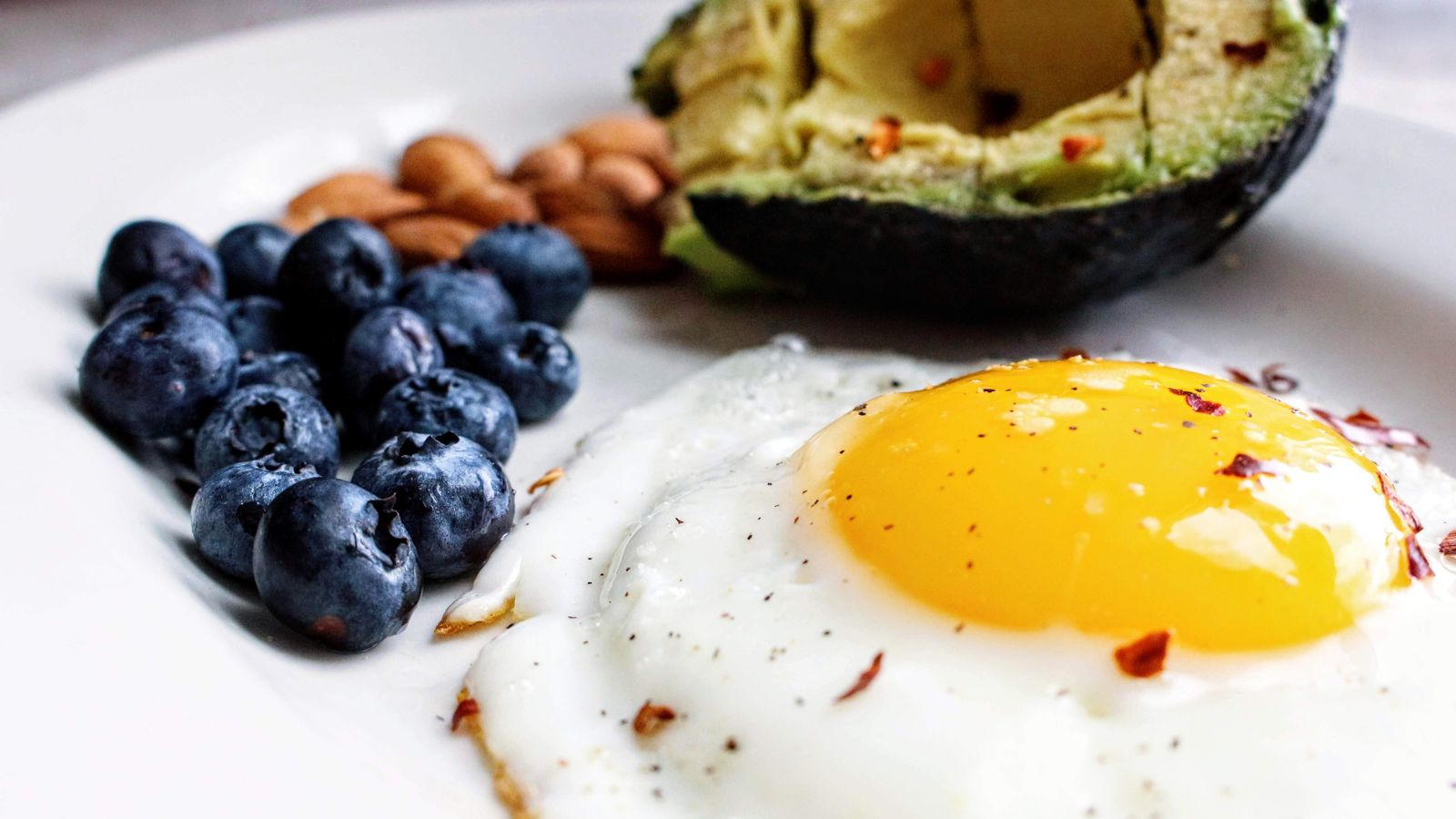
- Food first: eggs, nuts, seeds, cauliflower and sweet potato cover most people without a capsule.
- High dose biotin distorts some blood tests, including thyroid and cardiac markers. Tell your GP you take it.
- Biotin helps with breakage and structure. It does nothing about a widening parting.
- Judge it at around four months, because benefit only arrives in new growth.

What is biotin, and what does it actually do?
Before judging biotin for hair growth it helps to know what the vitamin is for. Biotin, also called vitamin B7, is a water soluble B vitamin found in eggs, seeds, nuts, cauliflower and liver. Its day job is metabolic: it helps break down the protein, fat and carbohydrate you eat and convert them into usable energy and amino acids. Hair follicle cells are among the fastest dividing in the body, so they draw on that supply constantly.
The hair specific part is keratin. Hair is keratin, and keratin production leans on biotin dependent enzymes. With adequate biotin, strands are built with sound structure: stronger, more flexible, and less inclined to snap under a brush. Because breakage is where most people actually lose length, hair that survives to length reads as hair that grew faster, even though the growth rate at the root has not changed at all.
Which problem does biotin for hair growth actually touch?
Hair loss, hair shedding and hair breakage are three different problems, and biotin is relevant to one of them. Hair loss means the follicle is producing finer hair or has stopped. Hair shedding means whole hairs are completing their cycle and releasing from the root. Hair breakage means the fibre is snapping partway along while the follicle beneath is perfectly healthy.
| Which one | The tell | Does biotin help? |
|---|---|---|
| Hair loss | Parting widening over months, new hairs finer and shorter than the old ones | No. This is hormonal or medical and needs a GP, not a vitamin |
| Hair shedding | Lots of full length hairs with a small white bulb at one end, often after a trigger | Only if a genuine deficiency is the trigger, which is uncommon for biotin specifically |
| Hair breakage | Short broken fragments with no bulb, split ends, a frizzy halo along the parting | Yes, indirectly. Sound keratin structure is exactly what biotin supports |
The bulb test settles it in about ten seconds. A hair with a small pale swelling on one end released from the follicle and belongs in the shedding column. A hair that is blunt or frayed at both ends snapped, and that is the column where biotin has something to offer. If most of what you are finding is fragments, your problem is structural and a nutrient plus gentler handling is a sensible response.
How do you know if your biotin is low?
This is the question that decides whether biotin for hair growth is worth your money, and low biotin has a recognisable cluster of signs that rarely appear alone. Hair is usually the thing people notice, but nails and skin generally join in.
- Thinning, fragile hair that snaps easily
- Brittle nails that split or peel
- Skin prone to irritation, or a scaly rash
- Soreness or cracking around the eyes, nose and mouth
True deficiency is genuinely uncommon in the UK, because biotin turns up in a lot of ordinary food and gut bacteria produce some of it too. A few situations raise the odds: long term antibiotic use, some anti seizure medicines, pregnancy, heavy alcohol use, and regularly eating raw egg white, which contains a protein that binds biotin and blocks its absorption. Cooking the egg destroys that protein, so this is a raw egg problem rather than an egg problem.
If several of those signs apply together, a GP can test rather than guess. That is a better first move than buying a supplement and hoping, because the same cluster of symptoms has other causes worth ruling out.
How much biotin do you need, and where does it come from?
Anyone buying biotin for hair growth is usually surprised by how little the body actually requires. Adults need only a small amount, in the region of 30 to 40 micrograms a day, which an ordinary mixed diet covers comfortably. Most supplements contain many multiples of that. Biotin is water soluble, so the excess is largely excreted, which is why megadosing tends to be expensive rather than dangerous, with one important exception covered below.
| Food | Why it counts | Easy way to eat it |
|---|---|---|
| Eggs (cooked) | One of the richest everyday sources, concentrated in the yolk | Two eggs at breakfast covers a good share of the day |
| Nuts and seeds | Almonds and sunflower seeds carry biotin plus useful zinc | A small handful as a snack, not a whole bag |
| Cauliflower and sweet potato | Reliable plant sources that fit ordinary meals | Roasted alongside whatever else is in the oven |
| Liver | By far the densest source there is | Occasionally. It is also very high in vitamin A, which has its own ceiling |
| Salmon and dairy | Moderate biotin plus the protein hair is built from | Two portions of oily fish a week does several jobs at once |
Get a discount on the hair breakage range
Join the Watermans mailing list and we will email a discount code straight to your inbox, so you can try the hair breakage range for less. Vegan, made in the UK, over 6.5 million bottles sold since 2012.
Food, supplement or shampoo: which form is worth it?
All three deliver biotin for hair growth in different ways, and they are not interchangeable. Food is the default, a supplement is a gap filler, and a topical formula is doing a slightly different job from either.
| Route | What it is good for | When it makes sense |
|---|---|---|
| Food | Covering the actual requirement, alongside the protein and zinc hair also needs | Always. This is the default and it is enough for most people |
| Oral supplement | Closing a genuine gap when diet is restrictive or inconsistent | Restricted diets, or where the signs of low biotin are present |
| Shampoo or leave-on serum | Scalp condition and the feel and body of the fibre, not your biotin status | As part of a routine you are doing anyway, for breakage rather than density |
One honest note about topical biotin, since the category is not always straight about it. A shampoo does not meaningfully raise your body's biotin levels, and it is not intended to. What a well formulated wash does is clean the scalp without stripping it and leave the fibre in better condition, which reduces breakage. That is a real benefit and worth paying for. It is simply a different benefit from correcting a nutritional shortfall.

What is the blood test warning nobody puts on the label?
High dose biotin interferes with a range of laboratory tests, and this is the one genuine safety point in the whole topic. Many common immunoassays use a biotin and streptavidin binding step, and a large amount of circulating biotin disrupts it. Depending on the test design, that can push a result falsely high or falsely low. Before buying a supplement, our guide to which tests to run before taking hair vitamins lists the blood tests usually worth raising with your GP.
The tests most often affected include thyroid function and troponin, the cardiac marker used when someone arrives at hospital with chest pain. A distorted thyroid panel can look like a thyroid disorder that is not there, and a distorted troponin can mask one that is. Neither is a hypothetical.
What to do: tell your GP, nurse or the phlebotomist that you take biotin before any blood test, and ask whether to pause it beforehand. It is a thirty second conversation that prevents a misleading result and possibly an unnecessary investigation.
How long before biotin for hair growth shows anything?
Around four months, and the reason is purely mechanical. Nutrition affects hair as it is being built, so any improvement appears in new growth emerging from the root. Hair grows roughly a centimetre a month, which means better built hair is physically below the surface, or too short to notice, for a long while after you start.
That makes the two week verdict meaningless. Photograph the same section in the same light on day one, then look again at three and six months. If you were genuinely low, you will often notice nails before hair, because nails grow visibly from a smaller starting point. If nothing has changed by six months, biotin was not the thing holding your hair back, and the honest move is to stop buying it and look elsewhere.
What can biotin not do?
Being clear about the ceiling is what makes the rest of this useful. Biotin does not act on the hormone sensitivity behind pattern thinning, so it will not narrow a widening parting or fill in a receding hairline. It does not repair a hair that has already snapped, because that fibre is dead protein and cannot be healed, only smoothed and protected. And it does not compensate for a shortfall in a different nutrient, so if the real problem is low iron, biotin will do nothing at all.
If your parting is widening rather than your hair simply feeling weaker, the useful reading is our guide to what triggers androgenic alopecia, and the useful action is a GP appointment. For the wider nutritional picture across every nutrient rather than this one, see our nutrient by nutrient guide to vitamins for hair growth. And if length rather than density is the goal, how to grow hair faster covers the retention side properly. Biotin is also the supplement most likely to distort a blood test, which matters if you are being checked for vitamin B12 deficiency and hair loss. There is more on how to grow hair faster black male in a separate guide.

Grow Me® Biotin Shampoo, £14.95
Biotin with caffeine, argan oil and rosemary extract in a gentle sulfate free wash. Massage into a lather on wet hair, give thinning areas a little extra attention, then rinse thoroughly.
What it is not: a medicine, and not a way to raise your biotin levels. It is a cosmetic shampoo for scalp condition, reduced breakage and fuller-looking hair.

Grow More® Elixir, £25.50
A leave-on overnight scalp serum with biotin, hydrolysed lupine protein and allantoin. Because it is not rinsed away, the actives get hours of contact rather than seconds.
What it is not: a medicine. It is cosmetic support for scalp condition and fuller-looking hair.

GrowPro Yummy Hair Gummies
Biotin with zinc and supporting botanicals in one daily mixed berry gummy, for closing a genuine dietary gap rather than topping up something you already have enough of.
What it is not: a medicine. A food supplement fills dietary gaps and is no substitute for a blood test. Remember the blood test warning above.
Shop GrowPro If a diet or a big change in eating is part of your timeline, our guide to how to protect your hair while losing weight covers the protein and pacing side.
Frequently asked questions
How much biotin do I need per day?
Adults need roughly 30 to 40 micrograms a day, which an ordinary mixed diet reaches without effort. Supplements usually contain many times that. Biotin is water soluble so the excess is mostly excreted, which is why the main downside of a megadose is cost rather than harm, with the blood test caveat above.
How long does biotin for hair growth take to work?
About four months of consistent intake before better built new growth is visible, and six months before you can judge it fairly. Anything you assess at week two is hair that was already built before you started, so it tells you nothing.
Does biotin help with pattern hair loss?
No. Pattern hair loss is driven by hormone sensitivity acting on the follicle, and no vitamin changes that. Biotin supports the structure and strength of the hair you do grow. If you are noticing a widening parting or a receding hairline, see your GP rather than adding another supplement.
Is topical biotin or oral biotin better?
They do different jobs rather than competing. Oral biotin contributes to your actual nutritional status. A topical formula conditions the scalp and the fibre, which reduces breakage but does not change your biotin levels. Using both is fine, and neither substitutes for the other.
Can you take too much biotin?
Excess biotin is largely excreted, so toxicity is not the concern. The real issue is that high doses interfere with laboratory tests, including thyroid function and the cardiac troponin test. Always mention biotin supplements to your GP before blood work.
Do raw eggs really block biotin?
Raw egg white contains avidin, a protein that binds biotin and stops it being absorbed. Eating raw egg white regularly, in large quantities and over a long period, can genuinely lower biotin status. Cooking destroys avidin, so cooked eggs are one of the best biotin sources rather than a problem.
Will biotin help my nails as well as my hair?
If your levels are low, yes, and nails often show it first because they grow from a smaller visible starting point. Brittle, splitting nails alongside fragile hair is one of the more useful clues that biotin is genuinely worth investigating.
Should I get tested before taking biotin?
If you have several of the signs together, testing is a better first step than guessing, because the same symptoms have other causes. If you simply want to cover the base, food does that at no cost and with no risk of distorting a future blood test.
What is the bottom line on biotin for hair growth?
Biotin for hair growth is worth attention when your levels are genuinely low and worth very little when they are not, which for most people on a mixed diet is the case. Cover it with cooked eggs, nuts, seeds and cauliflower, and add a supplement only if your diet is restricted or the signs are there. Expect help with breakage and structure, not with a widening parting. Tell your GP you take it before any blood test. Then judge it at four to six months from a photograph, not from memory. Diet does more for hair than most topicals, which is the point of our guide to chia seeds for hair growth.
Watermans has sold over 6.5 million bottles since 2012. The range is cruelty free and made in the UK.
Most routines fall over because they are complicated, so start with the Grow Me hair growth shampoo and nothing else.
Sources & References
- NHS, B vitamins and folic acid. Biotin intakes, food sources and why deficiency is uncommon.
- NHS, Vitamins and minerals. The overview of requirements and upper limits.
- NHS, Hair loss. What is normal, what is not, and when to see a GP.
- NHS, Vitamin A. Relevant because liver is the densest biotin source and also very high in vitamin A.
- British Association of Dermatologists, Alopecia areata. A pattern no nutrient addresses, for comparison.
Watermans products are 100% cosmetic and do not treat medical hair loss. Individual results may vary.
This article is general information about nutrition and cosmetic hair care, not medical advice. Speak to a GP or pharmacist before starting a supplement, particularly if you take other medicines, are pregnant, or have blood tests scheduled. If your question is about products or a routine rather than a medical one, you can talk to Gail Waterman, our co-founder, as an AI avatar on the Watermans homepage.