

Rosemary Oil vs Finasteride: Which Is Better for Hair Growth?

Rosemary oil vs finasteride is really a choice between a gentle natural option and a proven prescription medicine. Finasteride is a doctor-prescribed tablet with strong clinical evidence for male pattern hair loss, but it carries possible sexual side effects. Rosemary oil is a natural essential oil with one encouraging trial suggesting it performed similarly to 2 percent minoxidil, though the overall evidence is thinner. This guide compares how each works, what the research shows, safety, and how to fold rosemary into a sensible daily hair care routine.
Key Takeaways
- Finasteride is a prescription medicine that lowers DHT to slow male pattern hair loss, with solid clinical evidence but possible sexual side effects.
- Rosemary oil is a natural essential oil; one 2015 trial found it comparable to 2 percent minoxidil over six months, but the evidence base is far smaller.
- Finasteride is not suitable for women who are or may become pregnant; rosemary oil is a gentler, more accessible option for many people.
- Rosemary oil should always be diluted in a carrier oil before it touches the scalp, or used in a ready-formulated shampoo.
- Neither is a guaranteed cure. Consistency and scalp health matter as much as the active you pick.
- Speak to a GP or pharmacist before starting finasteride, and see a doctor for sudden or patchy hair loss.
What you will learn
- What is finasteride and how does it work?
- What is rosemary oil and how does it help hair?
- Rosemary oil vs finasteride: side-by-side comparison
- What does the research actually say?
- How to use rosemary oil for hair
- An easy daily routine (with rosemary built in)
- Frequently asked questions
What is finasteride and how does it work?
Finasteride is a prescription-only medicine, taken as a daily tablet, mainly used for male pattern baldness (androgenetic alopecia) and an enlarged prostate. It works by blocking the enzyme 5-alpha-reductase, which converts testosterone into dihydrotestosterone (DHT). DHT is the hormone that gradually shrinks genetically sensitive follicles, so lowering it helps keep hairs in the anagen (growth) phase for longer.
Because it is a licensed medicine, finasteride has been through formal clinical trials and has a well-documented benefit for many men. That evidence is its biggest strength.
Possible side effects of finasteride
Finasteride can cause side effects in a minority of users, which is why it needs medical supervision:
- Reduced libido
- Erectile difficulties
- Problems with ejaculation
- Breast tenderness or enlargement
Most men tolerate it well, but you should always discuss the benefits and risks with a doctor before starting, and report any side effects. It is not prescribed to women who are or may become pregnant, because it can harm a developing baby.

What is rosemary oil and how does it help hair?
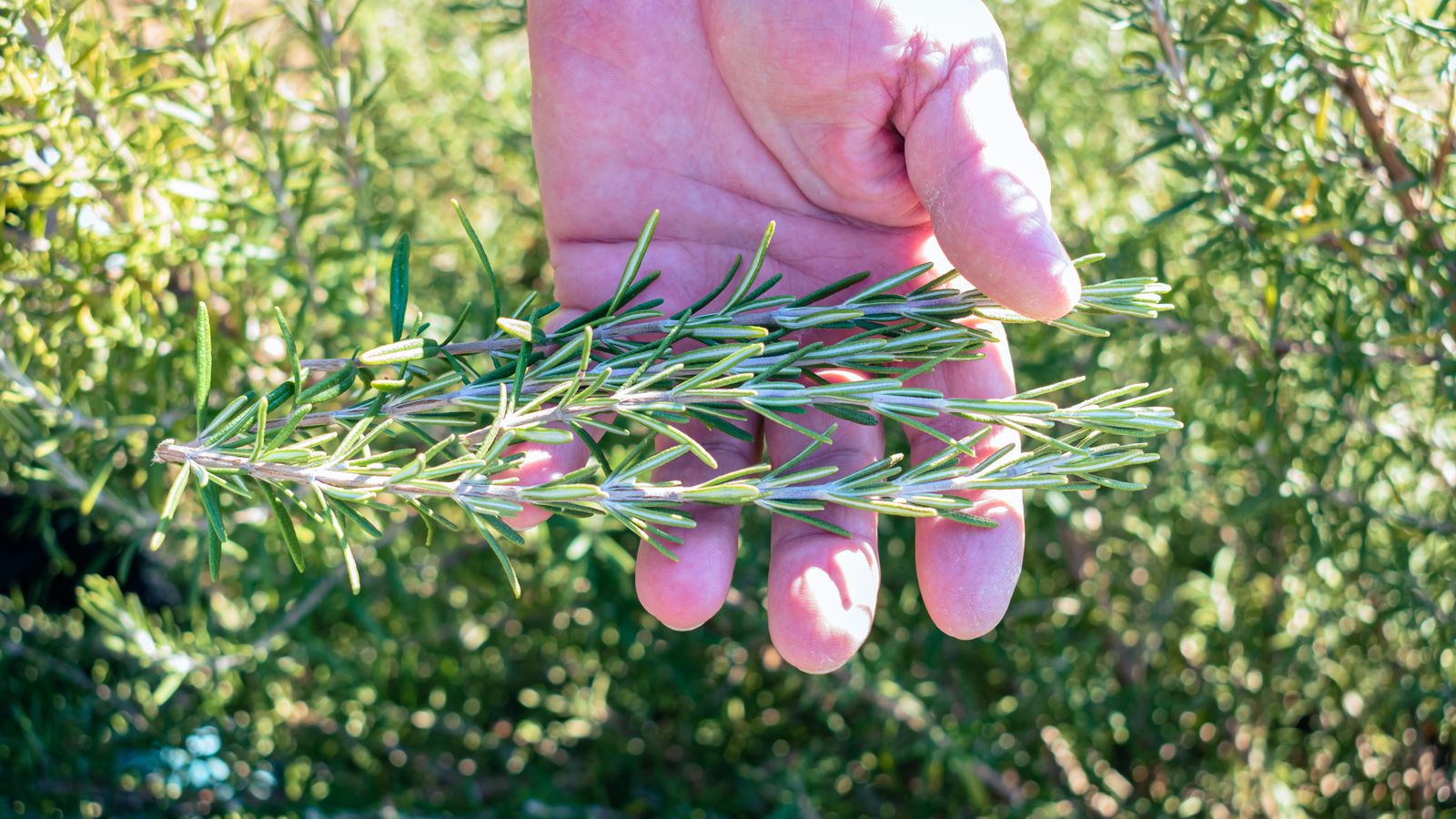
Rosemary oil is an essential oil steam-distilled from the leaves of the rosemary plant (Salvia rosmarinus, formerly Rosmarinus officinalis). It has a long history in traditional hair care and has become popular for scalp and hair use. Here is how it is thought to help, framed honestly:
- Supports scalp circulation: massaging diluted rosemary oil into the scalp may encourage local blood flow, and the massage itself helps.
- Soothes the scalp: rosemary has antioxidant and anti-inflammatory properties that can support a calmer, more comfortable scalp.
- May influence DHT: some early laboratory research suggests a component of rosemary could have a mild effect on DHT-related pathways, but this is far from settled and should not be treated as proven.
Why people like rosemary oil
- It is natural, widely available, and inexpensive.
- It slots easily into an existing routine, either as a diluted oil or inside a formulated shampoo.
- It has a fresh, herbal scent many people enjoy.
Rosemary oil vs finasteride: side-by-side comparison
Neither option is best on every measure. This table lays out the honest trade-offs.
| Factor | Rosemary oil | Finasteride |
|---|---|---|
| What it is | Natural essential oil (cosmetic) | Prescription medicine |
| Evidence | One promising trial, limited overall | Extensive clinical evidence |
| How you get it | Buy freely in shops | Doctor's prescription required |
| Main risks | Skin irritation if undiluted | Possible sexual side effects |
| Suitable for women | Generally yes (patch test first) | No, not if pregnant or may conceive |
| Time to see change | Several months of steady use | 3 to 6 months |
What does the research actually say?
The most cited evidence for rosemary is a 2015 randomised trial (Panahi and colleagues) in men with androgenetic alopecia. It compared rosemary oil with 2 percent minoxidil over six months and found the two groups had a similar increase in hair count, with rosemary users reporting less scalp itching. That is a genuinely encouraging result, and it is the reason rosemary gets taken seriously.
However, one trial is not the same as the large, repeated body of evidence behind finasteride. Rosemary should be viewed as a promising natural option with limited proof, not a like-for-like replacement for a prescription medicine. If you have significant or fast-moving hair loss, the sensible path is to talk to a GP about the proven options and use rosemary as a gentle, everyday support rather than the whole plan.
Tip: Whichever route you choose, take a clear photo of your hairline and crown each month in the same light. Slow change is hard to judge by memory, and photos keep you honest about what is working.

How to use rosemary oil for hair
Pure essential oil is strong, so never apply it neat. Follow these steps:
- Dilute it. Mix a few drops of rosemary essential oil into a carrier oil such as jojoba, coconut, or a nourishing hair oil.
- Patch test. Apply a little to your inner arm and wait 24 hours to check for any reaction, especially if you have sensitive skin.
- Massage the scalp. Work the blend in for 5 to 10 minutes to spread it evenly and enjoy the circulation-boosting massage.
- Leave and rinse. Leave it on for 30 minutes to an hour, or overnight on a towel, then wash out with a gentle shampoo.
- Or keep it simple. Use a shampoo that already contains rosemary at a sensible cosmetic level, so you skip the mixing entirely.
An easy daily routine (with rosemary built in)
If you like the idea of rosemary but not the faff of diluting oils every day, a ready-formulated routine does the work for you and keeps your scalp healthy so any active you use has the best chance.

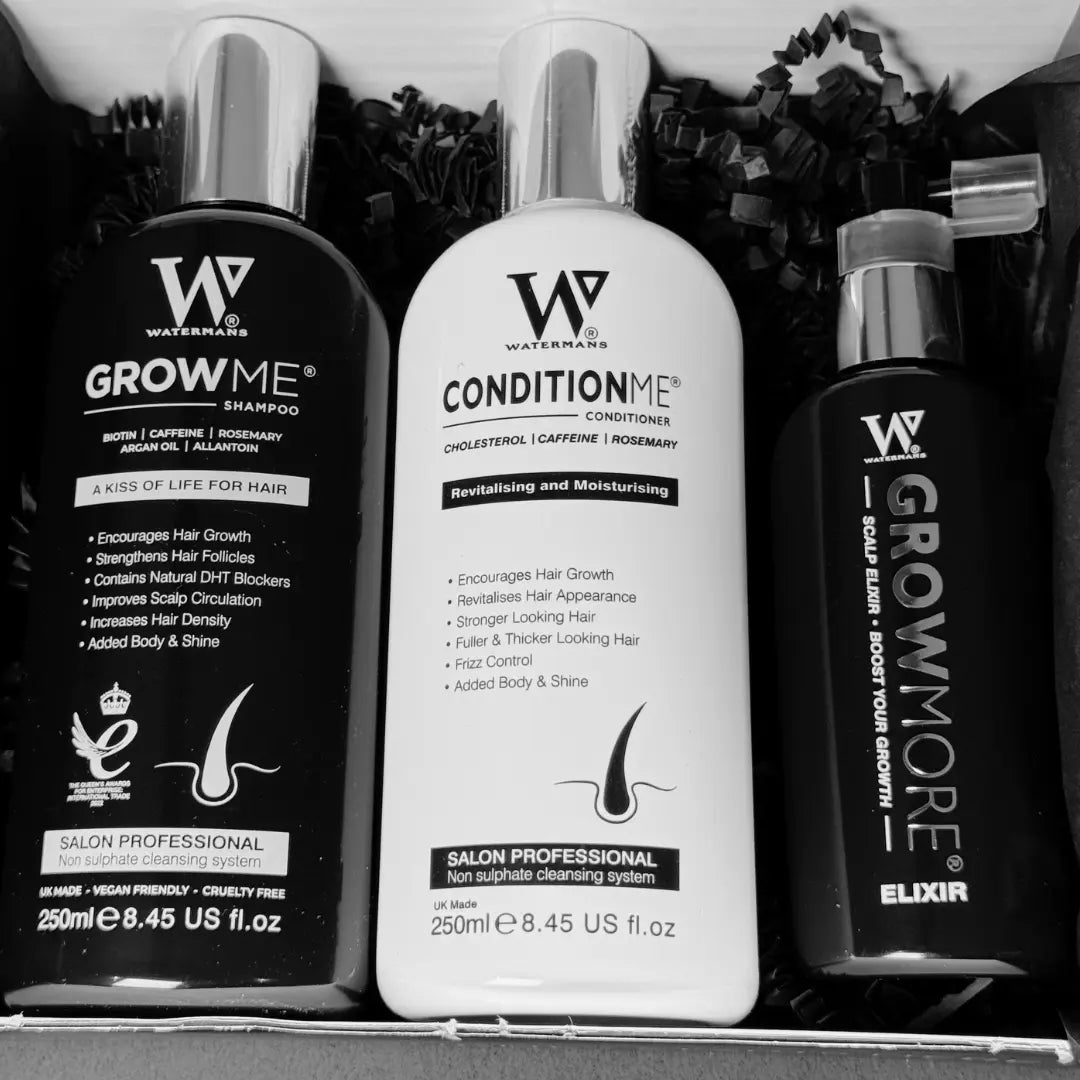
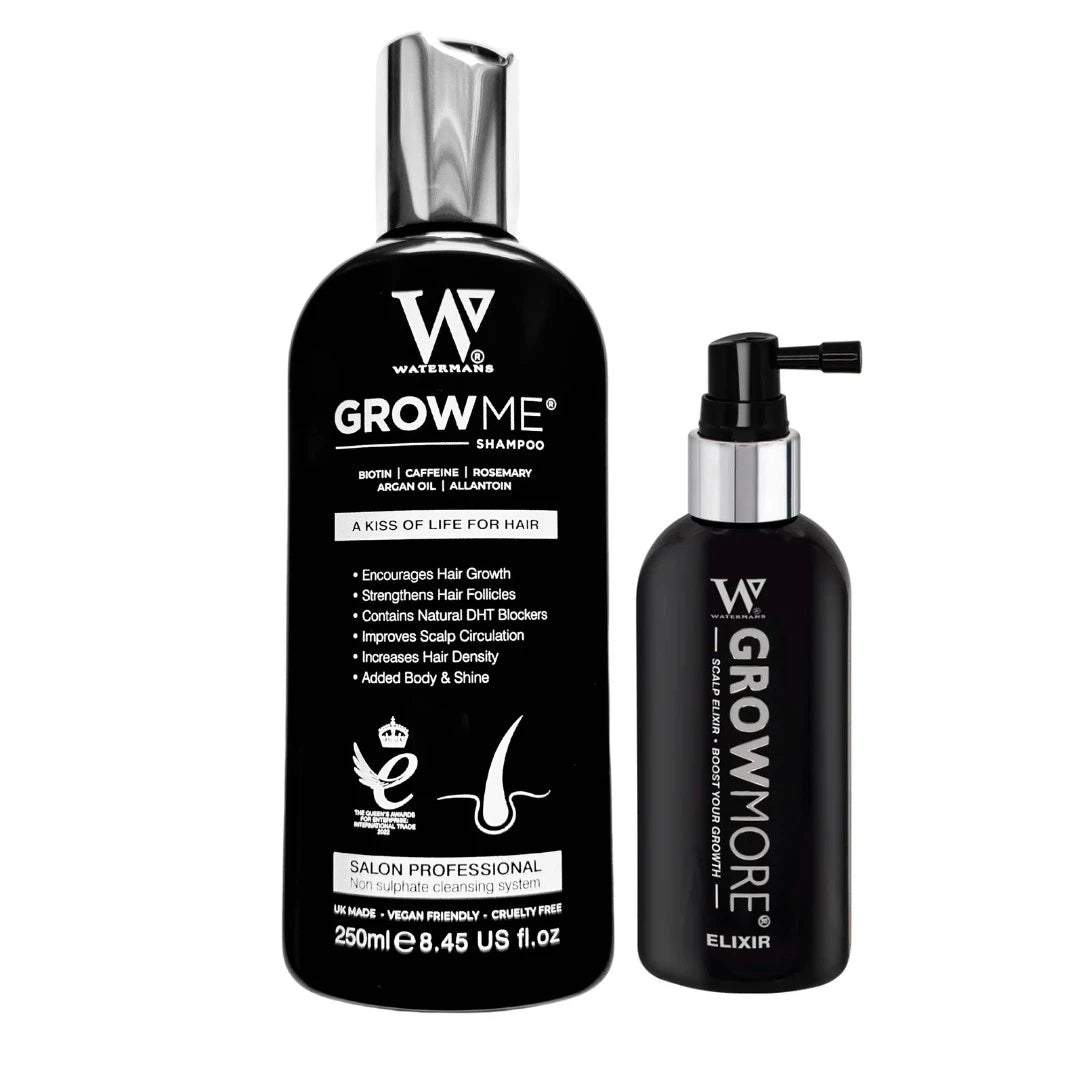
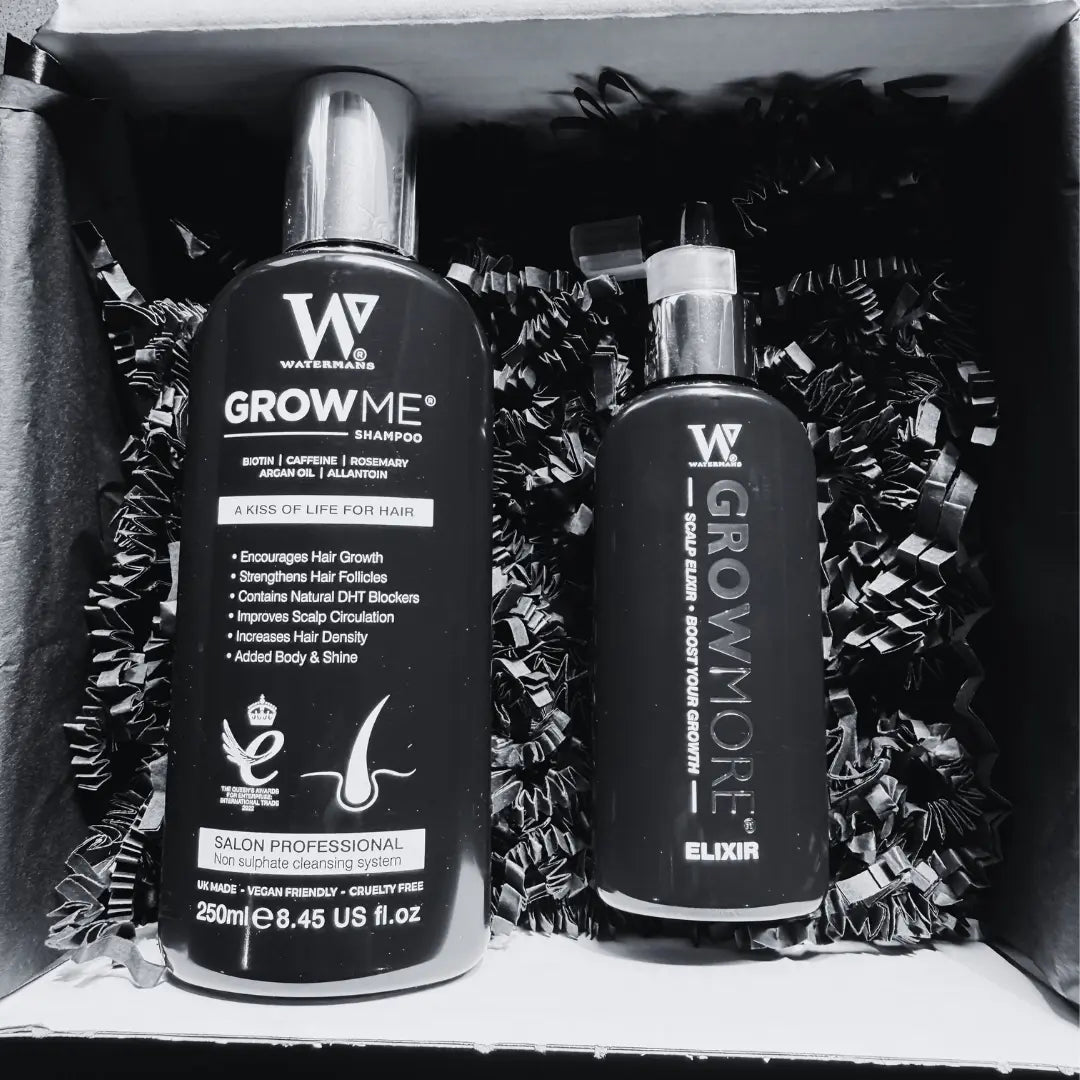
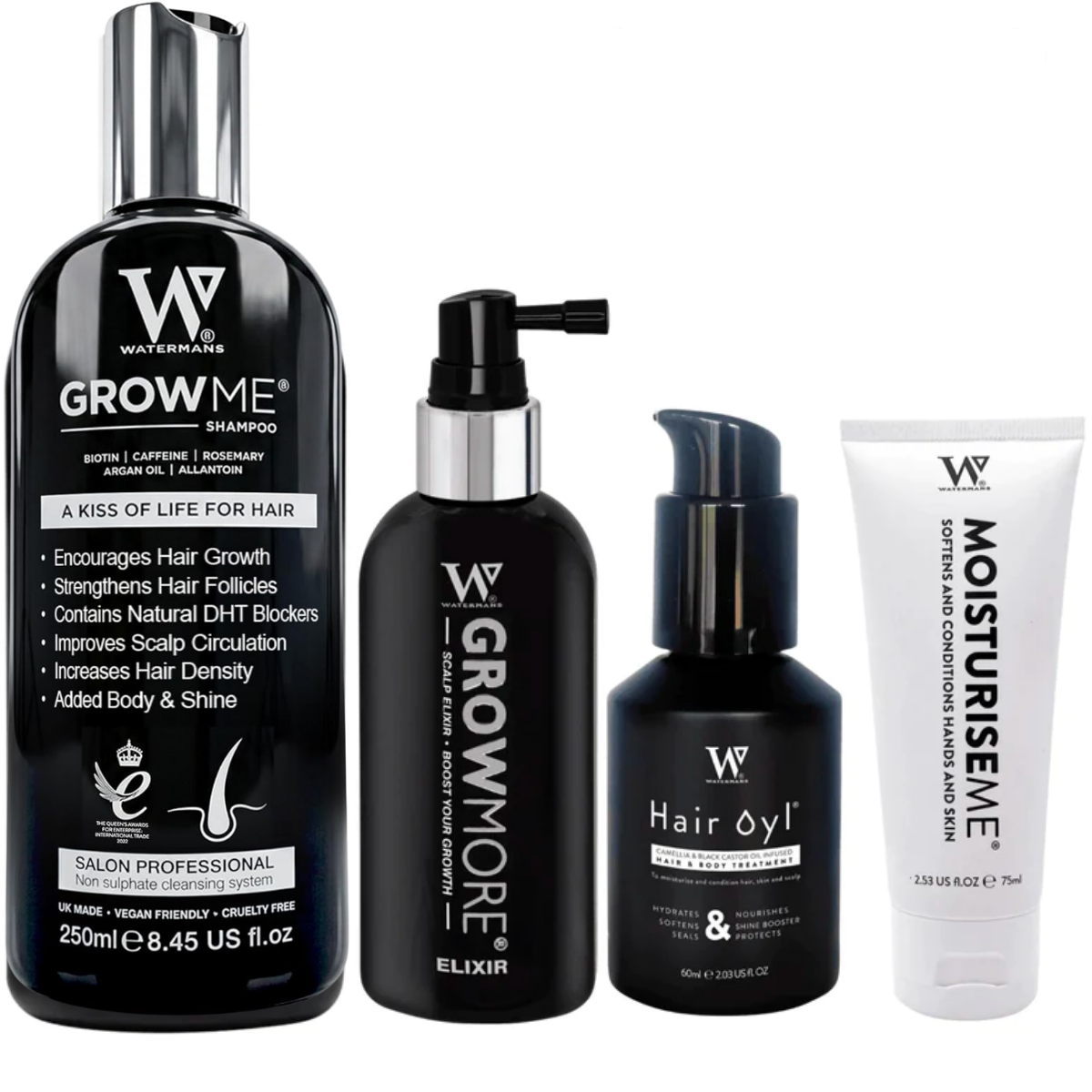
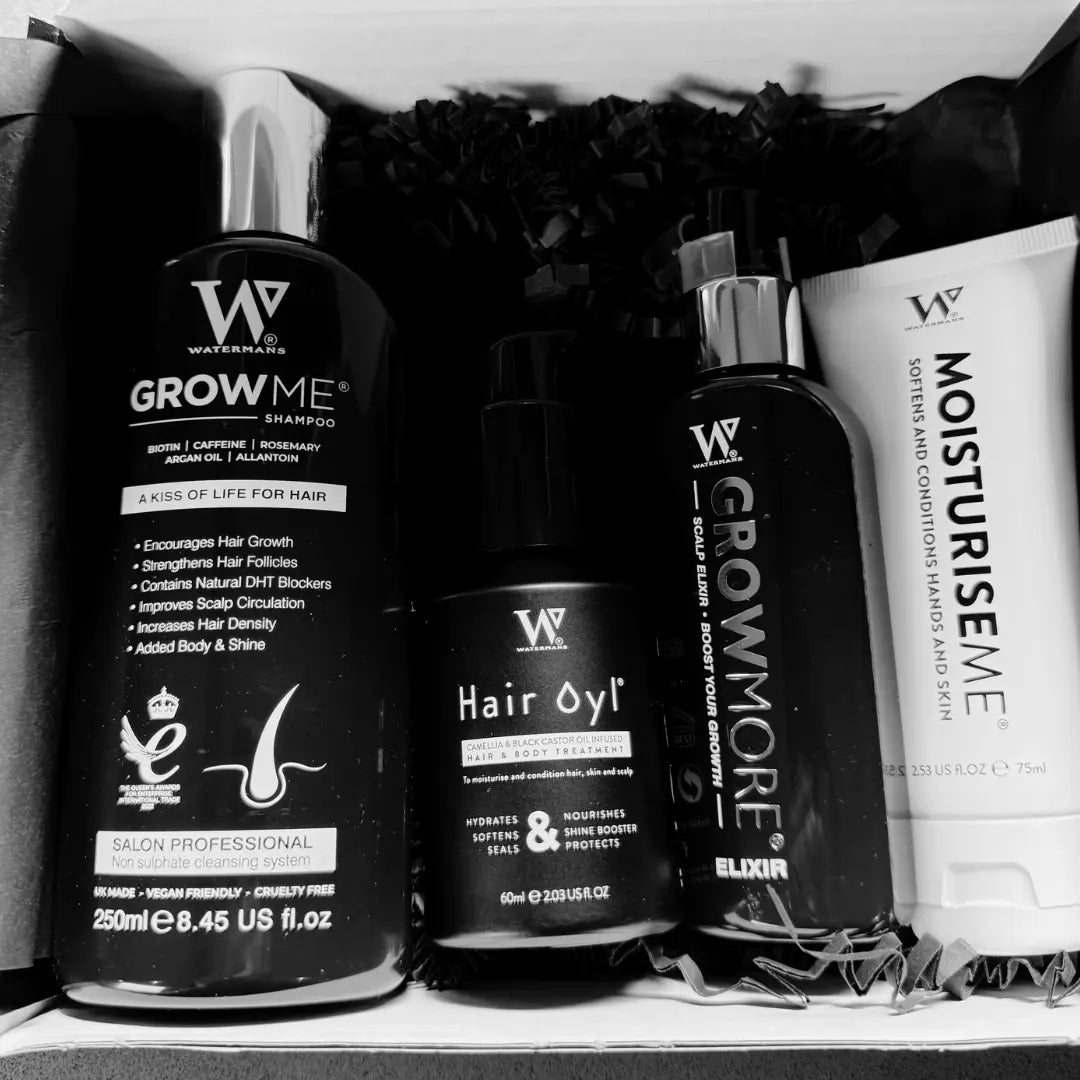
Grow Me® Hair Growth Shampoo (£14.95)
A sulfate-free daily shampoo that blends Rosemary with Biotin, Caffeine, Niacinamide and Argan Oil. It is the easiest way to get rosemary into your routine at a balanced level, cleaning gently and helping hair look fuller.
Shop Grow Me Shampoo
Grow More® Elixir Leave-In Scalp Serum (£25.50)
A leave-on overnight serum with Rosemary, Caffeine and Niacinamide for lower-density areas. A tidy alternative to mixing your own rosemary oil, applied straight to the scalp and left to work.
Shop Grow More Elixir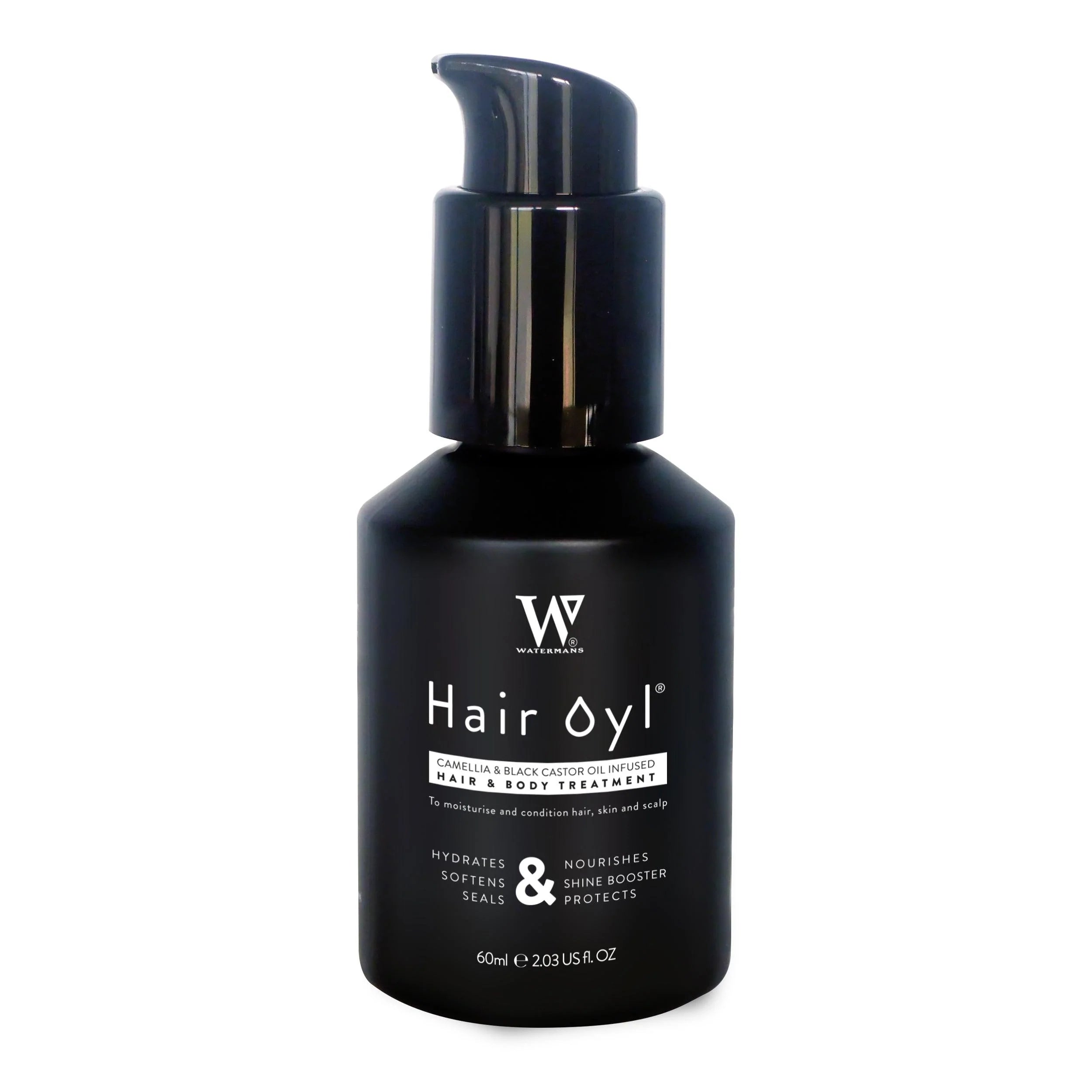
Camellia & Black Castor Hair & Body Oil (£24.95)
If you prefer to make your own blend, this nourishing Camellia and Black Castor oil is a lovely carrier for a few drops of rosemary, for a pre-wash scalp and length treatment.
Shop Camellia Hair OilWant to see how rosemary stacks up against other actives? Read our honest comparisons of Redensyl versus Minoxidil and Trioxidil versus Minoxidil, or explore the best scalp serums for healthy hair.
Over 5 million bottles sold since 2012. Watermans is vegan and made in the UK. These are cosmetic hair care products that support healthy-looking hair, not medical treatments for hair loss.

Frequently asked questions
Is rosemary oil as good as finasteride?
One trial found rosemary oil comparable to 2 percent minoxidil, but there is far less evidence for it than for finasteride. Rosemary is a reasonable natural option, not a proven replacement for a prescription medicine. For significant loss, discuss the proven treatments with a doctor.
Can rosemary oil be used every day?
Yes, when properly diluted in a carrier oil or used in a formulated shampoo. Watch your scalp for irritation and patch test first if your skin is sensitive.
Does finasteride work for women?
Finasteride is not usually prescribed to women, and it must be avoided by anyone who is or could become pregnant because it can harm a developing baby. Women have other options and should speak to a doctor.
How long before rosemary oil shows results?
Most people give it several months of consistent use before judging. Hair grows slowly, so patience and monthly photos help.
Can I use finasteride and rosemary oil together?
Possibly, but check with your doctor first so your overall plan is safe and you can tell what is helping. Do not change or stop a prescribed medicine without medical advice.
What are the best carrier oils for rosemary oil?
Jojoba, coconut and camellia oils are all good choices. They dilute the essential oil and help it spread evenly across the scalp.
Will diet and stress affect my results?
Yes. A balanced diet with enough protein, iron, zinc and B vitamins supports normal hair, and high stress is linked to increased shedding. Sleep, exercise and stress management all help.
When should I see a doctor about hair loss?
See a GP if your hair loss is sudden, patchy, comes with a sore or itchy scalp, or follows illness, pregnancy or a new medication. These can signal causes that need specific treatment.