

Do Lash Extensions Damage Your Lashes? Signs and Recovery
Last updated: August 2026
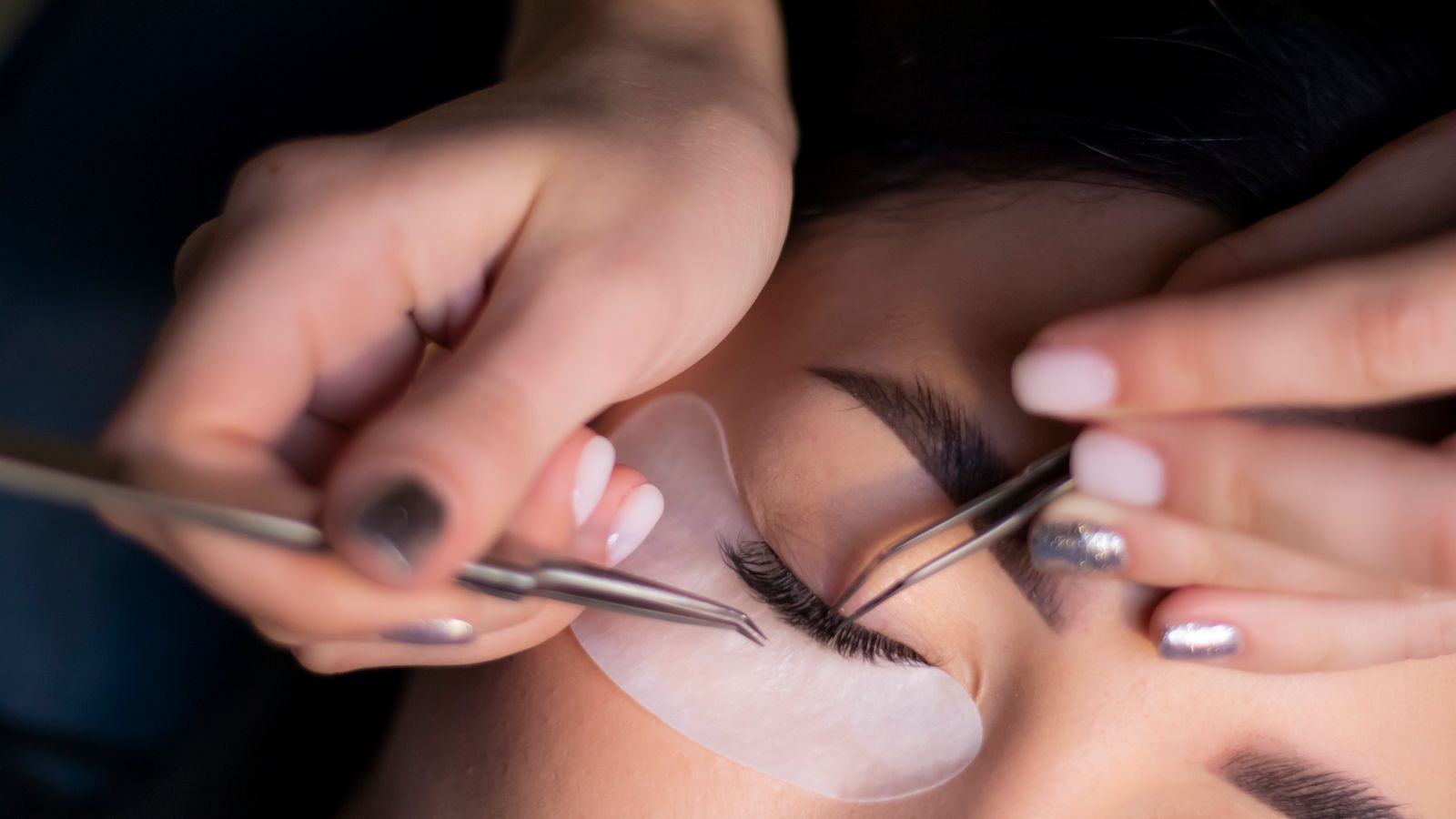
Lash extensions do damage natural lashes for a lot of people, but the damage is mechanical rather than permanent, and it comes from four specific things: extensions that are too heavy for the lash they are glued to, wearing them continuously with no break, adhesive removed by force, and picking or rubbing at them. Fix those four and most people keep their lash line intact. Ignore them for a year or two of back to back infills and the line thins visibly. The good news is that a lash runs a full cycle in about three months, so a lash line that has been left alone usually looks normal again within one season.
If you landed here because you are worried about something a lash product has done to your eyes rather than to your lashes, please speak to an optometrist or your GP rather than to a beauty brand. We make cosmetic hair care, we do not sell medicines, and anything involving pain, light sensitivity or a change in vision needs a proper eye examination, not an article. What follows is the part we can genuinely help with: the mechanical damage side of lash and brow care, which is the part almost entirely within your control.
Key takeaways
- Weight is the main culprit. A natural lash can carry an extension of roughly its own thickness and about 1 to 2mm more length. Beyond that the extension pulls the lash out early.
- Continuous wear is the second culprit. Infills every two to three weeks with no break means your lash line never gets an undisturbed cycle to rebuild.
- Never pull extensions off. Forced removal takes the natural lash with the extension. Professional dissolving removal is worth the cost every single time.
- Damage looks like sparseness, stubby ends and gaps, usually worst at the outer corners where the longest extensions go.
- Recovery takes one cycle to look better and two to look normal: roughly three months, occasionally six if the line has taken years of wear.
- Brows follow the same rules, with lamination and threading as their version of the same mechanical stress.
- This is the same mechanism as traction damage on the scalp. Tight styles pull scalp hair out for exactly the same reason heavy extensions pull lashes out.
- Sudden, patchy or one sided loss is a GP question, not a salon question.
Do lash extensions actually damage your lashes?
Yes, commonly, and no, not inevitably. Those two answers sit together because the damage is not caused by extensions existing. It is caused by load and by time, and both of those are set by choices made in the salon chair and in the weeks afterwards.
Think of a single natural lash as a fine wire anchored in a follicle. That anchor is designed to hold one short hair for about six to eight weeks. Glue a second hair to it that is longer, thicker and heavier, and you have added leverage to a structure that was never engineered for it. Every blink, every pillow, every face wash now tugs on the follicle a little harder than it was built to withstand. Do that for six weeks and most lashes cope. Do it continuously for two years and a measurable number of follicles give up early, and some stay dormant for a long time afterwards.
The reason so many people are convinced extensions ruined their lashes is that the evidence only appears at removal. While you are wearing them you cannot see your own lashes at all. The day they come off, you see a line that has been quietly thinning for months, and it reads as sudden catastrophic loss when it was actually gradual.

What does lash damage actually look like?
Damaged lashes have a recognisable look, and it is different from simply having naturally sparse lashes. Run through this list in a mirror, in daylight, with no mascara on.
- Stubby, blunt ends. Healthy lashes taper to a fine point. A lash that snapped mid shaft ends abruptly and flat.
- Visible gaps, especially at the outer third. That is where the longest and heaviest extensions are placed, so it is where follicles are stressed most.
- Lashes growing at odd angles. A follicle that has been repeatedly pulled sideways by a badly isolated extension can produce a hair that no longer sits in line with its neighbours.
- Very fine, pale baby lashes with nothing behind them. New growth is normal and good. New growth with almost no mature lashes above it means the mature ones went early.
- A sore, itchy or flaky lid margin. Adhesive residue and poor cleaning cause irritation at the base, and an inflamed lid margin makes shedding worse.
- Lashes that feel weak and bend rather than spring. Chemical processes such as repeated lifts leave the lash porous.
The test that settles it. Take a close, well lit photograph of your bare lash line today, then another in exactly the same light in eight weeks. Memory is useless here, because the change happens too slowly to notice and too fast to argue with once you have two photographs side by side.
Which lash and brow services carry the most risk?
Not all of them are equal, and the ranking is not the one most people assume. Colour is low risk. Weight and force are high risk.
| Service | How it stresses the hair | Risk level | How to reduce it |
|---|---|---|---|
| Classic lash extensions | Added weight and leverage on one natural lash | Moderate | Match thickness to your own lash, cap extra length at 2mm |
| Russian volume fans | Several fine lashes on one natural lash, so total load is higher | High if the fan is too dense | Insist on genuinely fine 0.03 to 0.05 fibres, not a heavy fan |
| Strip lashes worn daily | Adhesive along the whole lash line, peeled off nightly | High with daily wear | Dissolve the glue with oil, never peel a dry strip |
| Lash lift | Chemical restructuring of the lash, leaving it porous | Moderate, cumulative | Leave at least 8 weeks between lifts, never overlap with a tint the same day |
| Lash or brow tint | Colour only, no mechanical load | Low | Patch test 48 hours before, every time, without exception |
| Brow lamination | Chemical straightening, then repeated brushing into place | Moderate, cumulative | Space sessions at least 6 to 8 weeks apart |
| Threading and waxing | Pulls hairs out at the root, resetting the follicle clock | Moderate over years | Shape the outline only, leave the brow body alone |
| Heated lash curlers | Heat plus clamping force on a fine dry hair | High if used on product coated lashes | Curl clean, bare lashes only, before mascara, never after |
The four things that actually cause the damage
1. Weight your lashes cannot carry
This is the whole ball game. A good technician assesses the thickness and strength of your natural lashes and picks extensions accordingly, which is why a proper set takes two hours and a cheap set takes forty minutes. The rule of thumb is that an extension should be no thicker than your natural lash and no more than about 1 to 2mm longer. The dramatic 14mm set on someone with fine 8mm lashes looks spectacular for three weeks and costs real follicles over a year.
2. Never taking a break
A lash line worn continuously never gets a full undisturbed cycle. Because each lash lives around three months, an eight to twelve week break roughly once a year lets the whole line turn over unloaded. Most people who wear extensions long term and keep good lashes are the ones who take a break every summer or after Christmas, not the ones who found a gentler technician.
3. Removal by force
Extensions are bonded to the lash. If you pull one off, the bond does not fail first, the follicle does. Professional removal uses a gel or cream that dissolves the adhesive over a few minutes. At home, warm compresses and an oil based cleanser will loosen the bond slowly. It takes patience and it will feel like nothing is happening. Keep going. The alternative costs you the lash.
4. Picking, rubbing and sleeping face down
Once an extension is half grown out it catches on things and gets itchy, and hands go up to the face automatically. Rubbing an eye that has extensions on it is the single most efficient way to remove several natural lashes at once. Sleeping face down does the same thing more slowly, over a whole night, every night.

What about brows? Lamination, threading and the slow disappearing act
Brows take longer to recover than lashes and the damage is easier to make permanent, which is a bad combination. A brow hair also grows for only about four to six weeks, so it is short lived by design, but the follicles are more easily exhausted by decades of repeated plucking than lash follicles are by a couple of years of extensions.
Three specific things to watch:
- Lamination stacked too close together. The chemistry is a straightening process. Done twice a year it is fine. Done every four weeks it leaves brow hairs frizzy, porous and prone to snapping halfway along.
- Threading the brow body rather than the outline. Shaping under the arch is normal. Thinning the body of the brow to make it neater is how people arrive at a brow that never fills back in.
- Daily hard brushing with a stiff spoolie. Brushing brows upward is genuinely the fastest way to make them look fuller, but it should be light. Scrubbing at them undoes the point.
An over plucked brow needs four to six months of being completely left alone before you can judge it, and it will look worse for the first two of those. If a specific patch has been bare for a decade, it may not return, and cosmetic tattooing is a legitimate answer rather than an admission of defeat.
How long do lashes take to recover?
A useful timeline, assuming the extensions are properly off and you stop everything that adds load:
| Time since removal | What is happening | What you will see |
|---|---|---|
| Week 1 to 2 | Lid margin settles, residual adhesive clears | The worst point. Sparse, stubby, discouraging |
| Week 3 to 6 | New lashes entering the growing phase | Fine short hairs appearing along the base |
| Week 7 to 12 | Those lashes reaching full length | Noticeably fuller line, gaps closing |
| Month 4 to 6 | A second full turnover | Back to your genuine baseline for most people |
The reason week one feels so bleak is that it is the low point of a cycle you interrupted, not the new normal. Nearly everyone who reports permanent loss is describing week two.
The recovery routine, in five habits
- Dissolve, never scrub. Saturate a pad with a gentle bi phase or oil based remover, hold it against the closed lid for a full fifteen seconds, then wipe once downward in the direction the lashes grow. The holding step is the one everybody skips and the one that matters.
- Clean the lid margin properly. Use a cotton bud along the base of the lashes. Residue at the root keeps the margin irritated, and an irritated margin sheds more.
- Put the curler and the mascara down for a fortnight. Not forever, just long enough to stop adding force to a line that is already short of hairs.
- Condition the brows, keep oils away from the lash line. A rice grain of conditioning oil on a clean spoolie, brows only, at night. Anything that migrates into the eye overnight will simply irritate it.
- Sort out iron and protein if there is any chance they are low. Fine facial hair is the first thing the body deprioritises. Ask your GP for a blood test rather than guessing.


Lashology 15ml Conditioning Black Mascara
A volumising black mascara with conditioning built in, formulated with black castor oil, biotin, a peptide complex, aloe vera and grape seed oil. Hypoallergenic and suitable for contact lens wearers. If you want the look while a recovering lash line fills back in, a conditioning mascara that comes off easily is a far kinder option than another set of extensions.
Vegan and made in the UK
Get the 12 week lash recovery plan
A one page timeline for growing a lash line back after extensions: what to stop immediately, the week by week milestones so you know whether you are on track, how to fake fullness while you wait, and the checks that tell you it is not the extensions at all. Sent once, free.
One email at a time, no spam, unsubscribe whenever you like.
How to keep having extensions without wrecking your lash line
Plenty of people wear extensions for years and keep perfectly good lashes. They are not lucky, they are doing a specific set of things.
- Choose the technician on isolation, not on Instagram. Isolation means gluing one extension to one natural lash. Poor isolation sticks two or three lashes together, so a mature lash that is ready to shed drags a younger one out with it. This is the technical difference between a set that damages and one that does not, and it is invisible to you at the time.
- Ask for a weight appropriate map and be willing to accept a less dramatic look than the reference photo you brought in.
- Book infills at three weeks, not two. More frequent infills means more adhesive, more tweezer work and more disturbance.
- Take a real break once a year. Eight to twelve weeks, bare. This is the single highest impact habit on this list.
- Clean them daily with a dedicated foam. Skipping cleaning does not preserve the set, it inflames the lid margin and makes both retention and shedding worse.
- Sleep on your back if you can, or on a silk pillowcase if you cannot, which at least reduces the friction.
The same thing happens on your scalp, and it has a name
Everything above is a description of traction damage: hair pulled out early by sustained mechanical load rather than lost for any internal reason. On the scalp the load comes from tight ponytails, braids, weaves, extensions and clip ins rather than from lash glue, but the mechanism is identical and so is the fix, which is to take the tension off and give the follicles an undisturbed cycle.
Scalp hair is the more forgiving case in one way and the less forgiving in another. More forgiving because you have far more room to improve the environment, since you can wash, condition and massage a scalp in ways you would never do around the eye. Less forgiving because the growing phase runs for years rather than weeks, so damage accumulates for a long time before you see it, and recovery is measured in seasons rather than months. Our guide to what causes thinning hair covers how to tell mechanical damage apart from the other common triggers, and why is my hair thinning walks through working out which one applies to you.
If breakage rather than shedding is your issue, the way you condition matters more than any other single habit, and most of us do it in the wrong place. How to use conditioner properly covers the mid lengths and ends rule.

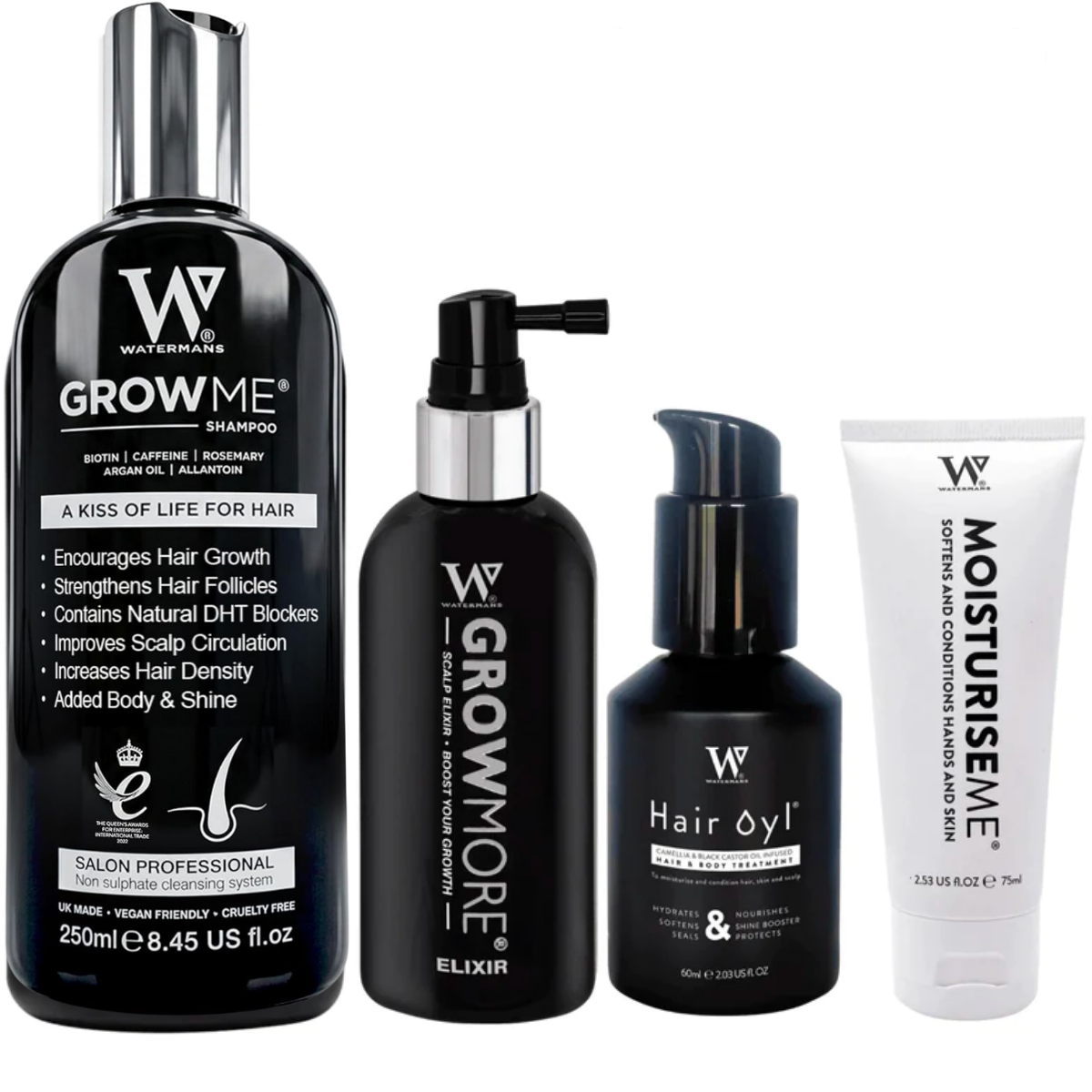
Grow Me Hair Growth Shampoo
A sulfate free daily shampoo with biotin, caffeine, rosemary, niacinamide and hydrolysed lupine protein. Reduces breakage for fuller looking hair and supports a comfortable scalp environment. Relevant here if the tight styles that caused traction on your scalp are the same habit as the extensions on your lashes.
Sulfate free, vegan, made in the UK
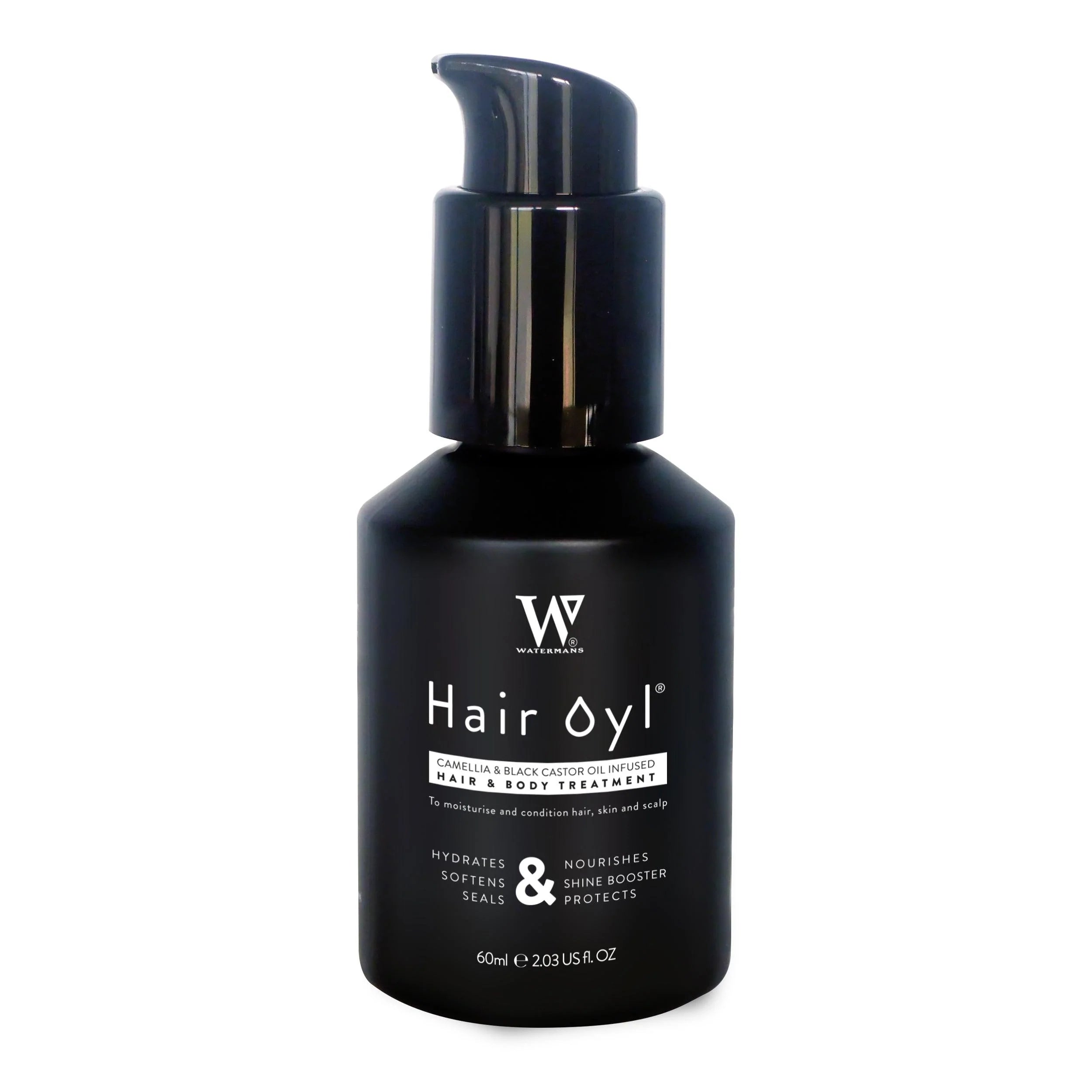
Camellia and Black Castor Hair and Body Oil
Black castor and camellia oil with omega 3, 6 and 9 and vitamins A, B, D and E. For the brow side of this article: a rice grain amount on a clean spoolie at night keeps brow hairs flexible and darker looking while an over plucked shape grows back. Brows only, and keep it away from the eye.
Vegan and made in the UK
When it is not the extensions
It is easy to blame the most recent thing you did, and sometimes that is wrong. Speak to your GP rather than your technician if you notice any of the following, because these patterns are not mechanical.
- A smooth, coin shaped bare patch on the lash line, brow or scalp
- Loss of the outer third of both brows, which can be associated with thyroid changes
- Loss on one side only
- Lash or brow loss alongside redness, crusting, scaling or a persistently sore lid
- Rapid loss across scalp, brows and body hair at the same time
- Any of the above alongside fatigue, weight change, low mood or changes to your periods
- Compulsive pulling that you find difficult to stop, which is a recognised condition and very manageable with the right support
None of those are cause for alarm on their own, and all of them are worth a proper opinion and a blood test rather than working through a shelf of products. Anything involving eye pain, light sensitivity or changed vision needs to be seen the same day.
Frequently asked questions
Do lash extensions permanently ruin your lashes?
For most people, no. The loss is mechanical and the follicle recovers once the load is removed, so a lash line usually looks normal again within three to six months of stopping. Permanent thinning is possible after many years of heavy sets worn continuously, particularly where extensions were repeatedly pulled off rather than dissolved, but it is far less common than the panic at week two of recovery suggests.
How long should I take a break from lash extensions?
Eight to twelve weeks gives your whole lash line one full undisturbed cycle, which is the point of the break. Anything shorter than about six weeks means a good proportion of your lashes go straight back under load without ever having grown unencumbered. Once a year is a sensible rhythm for regular wearers.
Can I remove lash extensions at home?
You can, slowly and with oil, but it is genuinely worth paying a professional. Warm compresses followed by an oil based cleanser worked gently along the lash line over several sessions will loosen the bond. What you must never do is pull, and if a stubborn extension will not budge, leave it and try again the next day rather than forcing it.
Does mascara damage your eyelashes?
Mascara itself does not, but three habits around it do: sleeping in it, dragging it off with a dry pad, and using the same tube for more than about three months. Old mascara dries out, which means a stiffer brush and more force through fine hairs. Change it seasonally and remove it by dissolving rather than scrubbing.
Are lash lifts safer than extensions?
They add no weight, which removes the main cause of extension damage, but they are a chemical process and the effect is cumulative. Lifts spaced eight weeks or more apart are reasonable for most people. Lifts every four to six weeks, especially stacked with a tint on the same day, leave lashes porous and brittle over time.
Why are my lashes falling out but my brows are fine?
That pattern points strongly at something mechanical and local, because a systemic cause would usually affect both. The likely culprits are extensions, curler use, a heavy nightly makeup routine, rubbing one eye more than the other, or an irritated lid margin. If it really is only the lashes and you have changed nothing, that is worth mentioning to your GP.
Will my brows grow back after years of plucking?
Often, but slowly, and not always completely. Allow four to six months of leaving them entirely alone before you judge, and expect the first two months to look untidy rather than better. A patch that has been bare for a decade may not return, in which case microblading is a reasonable answer.
Does castor oil make lashes grow?
It does not change the length a lash is genetically capable of reaching, because that is set by how long the growing phase lasts. What a conditioning oil does is keep existing hairs flexible and darker looking so fewer of them snap, which usually reads as a fuller line. That is a real cosmetic benefit and a different claim from added length. Use it on brows and keep it out of the eye.
Should I use a lash serum while recovering?
A conditioning cosmetic serum with peptides or plant oils is unlikely to do harm and may help lashes look glossier and break less, so it is a reasonable thing to try if you patch test it and stop at any sign of redness. What will make more difference over the same twelve weeks is simply not adding load: no extensions, no curler, gentle removal. Anything making a stronger claim than conditioning is a question for a medical professional rather than for us.
Watermans products are 100% cosmetic and do not treat medical hair loss. Individual results may vary.
Where to start
If your lashes look damaged today, the whole plan is take the load off and wait one cycle. Get the extensions professionally dissolved rather than pulled, park the curler and the waterproof mascara for a fortnight, dissolve your eye makeup instead of scrubbing it, and photograph your bare lash line so that in eight weeks you are comparing evidence rather than mood. If you want the look while you wait, a conditioning mascara that comes off easily is the kind option. If your brows are involved too, a little oil at night and no tweezers at all.
And if the same tension habit is showing up on your scalp, handling it the same way works there too: less pull, more retention, judged over months. Watermans is a British hair care brand, vegan and made in the UK, with over 5 million bottles sold since 2012.