Estrogen Receptor Polymorphisms and Hair: What the Genetics Show
Estrogen receptor polymorphisms come up whenever people ask whether thinning hair runs in the family and whether hormones are to blame. This guide explains, in plain English, what these gene variants are, what the research on them and female pattern hair loss has actually found, why the studies disagree, and what that means for the hair on your head today.
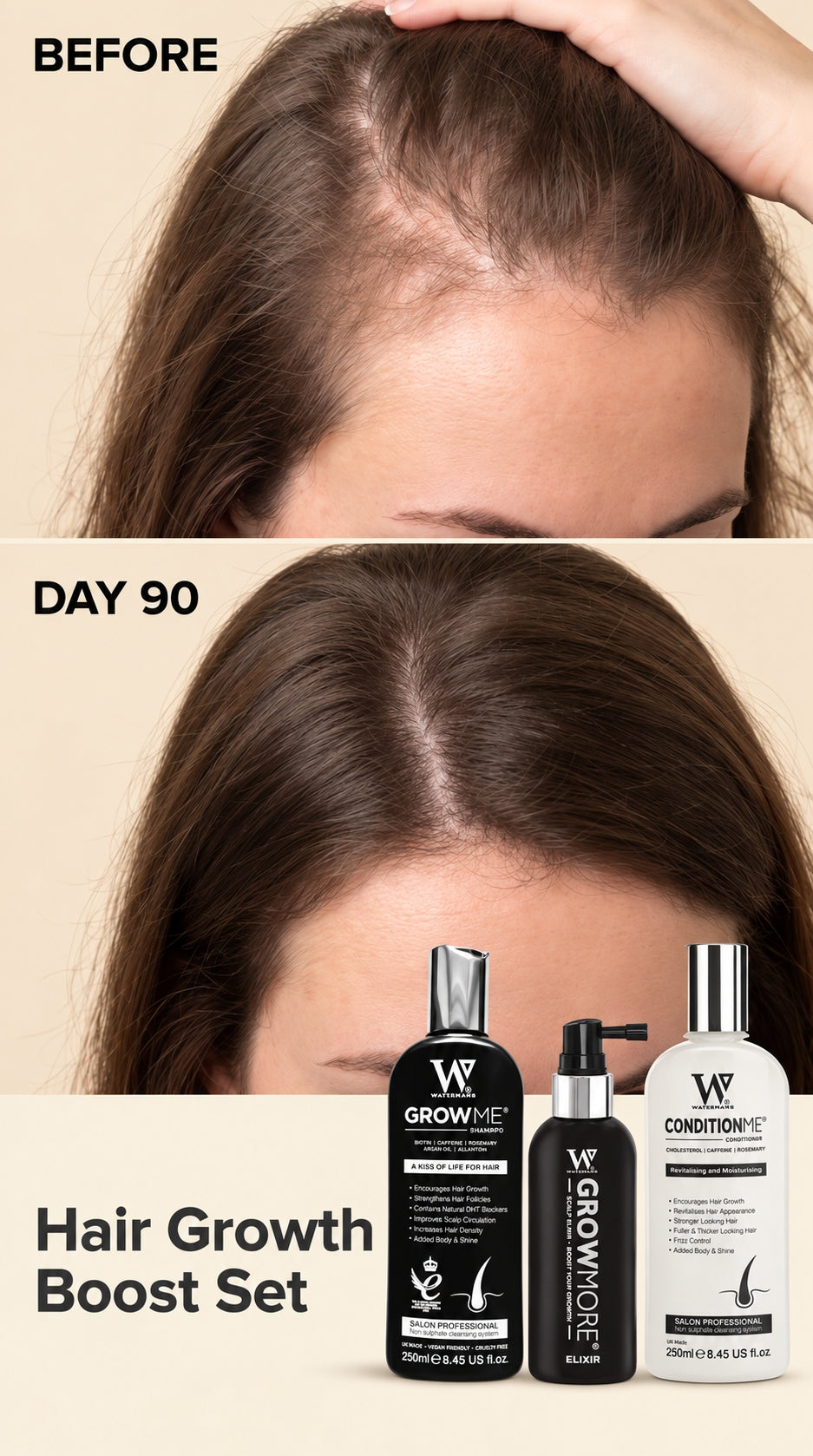
Our hair growth shampoo
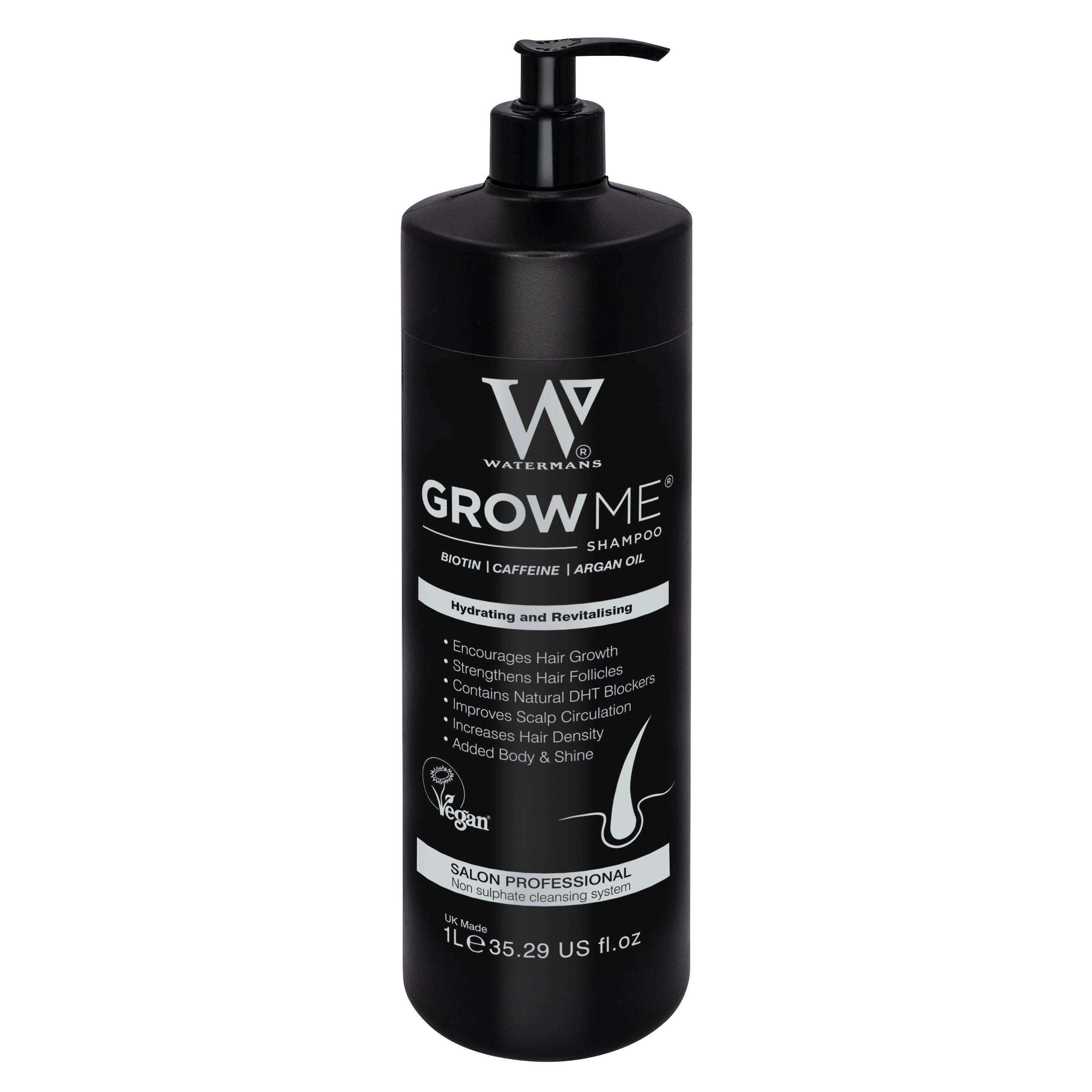
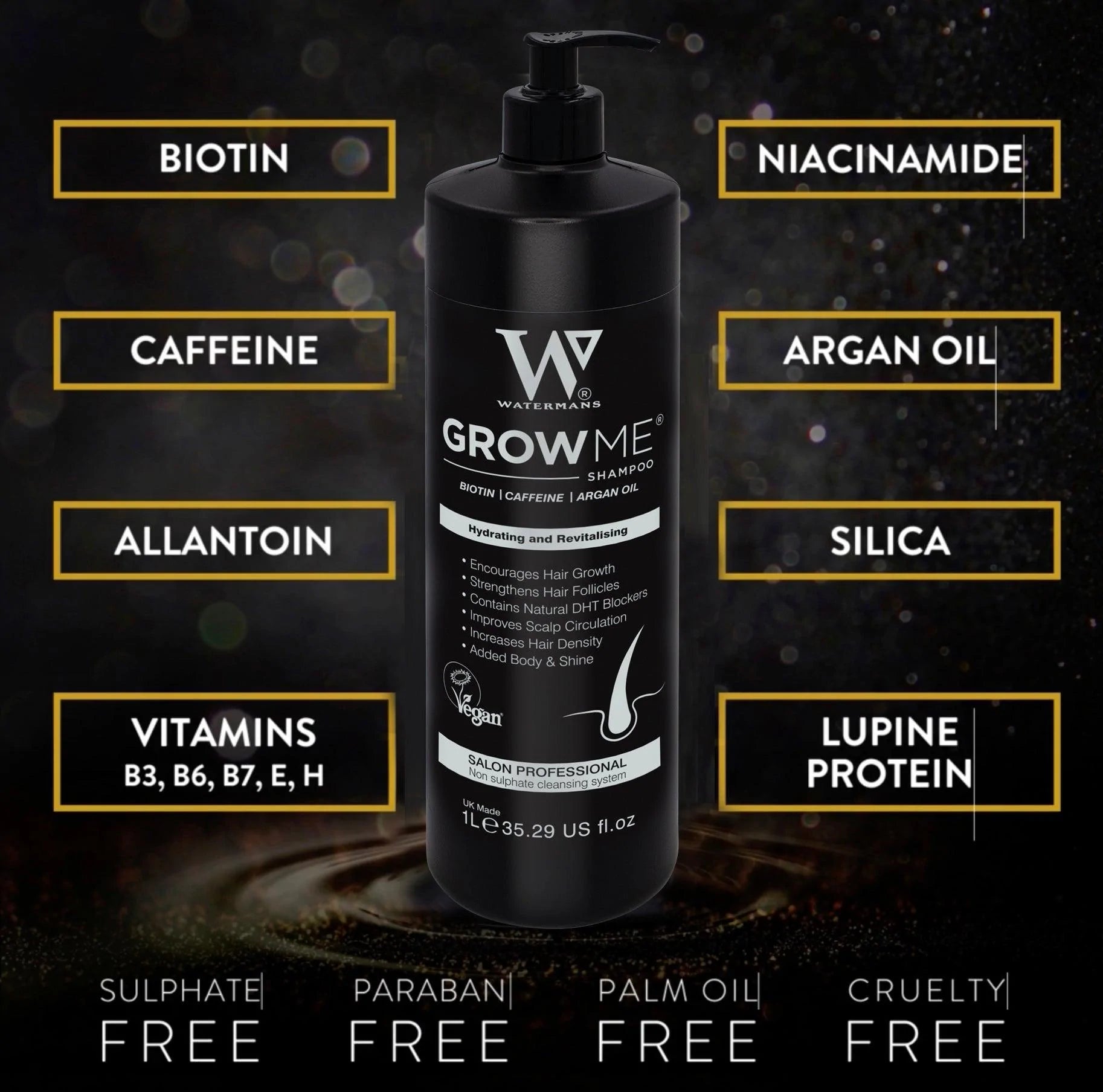
Grow Me® Hair Growth Shampoo, £14.95. A sulphate free daily shampoo that supports a healthy scalp environment and helps reduce breakage, so lengths hold on and look fuller.
Estrogen receptor polymorphisms are common, small differences in the genes that build the body's two oestrogen receptors, ESR1 and ESR2. Studies have looked at whether they affect female pattern hair loss: a 2012 study and a 2014 German replication linked an ESR2 variant with it, while larger UK, German and Polish panels found no link. The honest answer is that the genetics are still unclear.
Key takeaways
- A polymorphism is a common gene variant; MedlinePlus says most such variants have no effect on health.
- The body has two main oestrogen receptors, made from the ESR1 and ESR2 genes.
- A 2012 study and a 2014 German replication linked one ESR2 variant, rs10137185, with female pattern hair loss.
- Other studies of 198 women in the UK and Germany, and of 117 women in Poland, found no link for the variants they tested.
- DermNet calls the role of oestrogen in female pattern hair loss uncertain, and says genetic testing to predict balding is unreliable.
What is a gene polymorphism?
A gene polymorphism is a variation in DNA that is common in the population, and the most frequent type is a single-letter change called a SNP, pronounced snip. MedlinePlus, the US National Library of Medicine's genetics guide, says SNPs occur roughly once in every 1,000 DNA letters, giving each person about 4 to 5 million of them.
To count as a SNP, a variant has to be found in at least 1% of people, so these are not rare mutations. MedlinePlus explains that most SNPs sit in the DNA between genes and have no effect on health or development. A few sit inside a gene, or near the switches that control it, and may change how that gene works, which is why researchers study them as possible clues to conditions that run in families.
That is the frame for everything that follows. Finding a variant that is slightly more common in people with a condition is a clue, not a cause, and it rarely tells an individual much about their own future.
What are the ESR1 and ESR2 genes?
ESR1 and ESR2 are the genes that carry the instructions for the body's two main oestrogen receptors, often called oestrogen receptor alpha and oestrogen receptor beta. A receptor is a protein that sits in or on a cell and responds when a hormone binds to it, so these receptors are how cells, including those in and around hair follicles, respond to oestrogen.
Researchers have been interested in these genes for hair because of an old observation. DermNet notes that female pattern hair loss is more common after the menopause, which suggests oestrogens may support hair growth, yet laboratory experiments have also suggested that oestrogens may suppress hair growth. If people carry different versions of the receptor genes, the thinking goes, their follicles might respond to the same hormone levels in different ways.
For how these receptors are thought to work in the scalp itself, see our guide to scalp estrogen receptors. This page stays with the genetic side: whether differences in the genes matter.

What have studies found about estrogen receptor polymorphisms and hair?
Studies of estrogen receptor polymorphisms and hair have produced mixed results, with one variant in the ESR2 gene showing an association in two studies and several other studies finding nothing. A 2012 study in the British Journal of Dermatology by Yip and colleagues analysed ESR2 variants in women with female pattern hair loss, and a 2014 German study by Redler and colleagues reported replicating an association with the variant rs10137185.
Other groups looked and did not find a link. A 2012 study in Experimental Dermatology tested 21 variants across five genes, including ESR1 and ESR2, in 198 women with female pattern hair loss from the UK and Germany and 329 controls, and none showed a significant association. A 2022 Polish study tested 11 ESR2 variants and 13 variants in a related hormone gene in 117 women and 128 controls, and again found no significant association, noting that ethnic differences and small sample sizes may explain the conflicting results.
| Study | Who was studied | What it reported |
|---|---|---|
| Yip and colleagues, 2012, British Journal of Dermatology | Women with and without female pattern hair loss | Association analysis of ESR2 variants |
| Redler and colleagues, 2014, British Journal of Dermatology | German women | Replicated an association with ESR2 variant rs10137185 |
| Redler and colleagues, 2012, Experimental Dermatology | 198 women (UK and Germany), 329 controls | No association for 21 variants incl. ESR1 and ESR2 |
| Łukasik and colleagues, 2022, Postepy Dermatol Alergol | 117 Polish women, 128 controls | No association for 11 ESR2 variants |
When good sources disagree like this, it is better to say so than to pick the more exciting result. A replicated finding for one variant is interesting. Several negative studies, all small by genetic standards, mean nobody can yet say how much, if anything, these variants change a woman's risk of thinning hair.
Is it hair shedding, hair breakage or hair loss?
Hair shedding, hair breakage and hair loss are different problems, and the gene research above is only about the third. Hair loss here means female pattern hair loss, a gradual thinning over the top of the scalp in which follicles produce finer, shorter hairs over years. DermNet describes it as common and says the term is preferred to female androgenetic alopecia because the role of androgens is unclear.
Hair shedding means whole hairs falling out from the root after many follicles enter their resting phase together, often two to three months after childbirth, illness, stress or a crash diet. DermNet calls this telogen effluvium, and it usually settles. Hair breakage means the hair fibre snapping part-way along from heat, bleach or friction. Neither shedding nor breakage is explained by your receptor genes, and both are far more common reasons for noticing hair in the brush.
Where this leaves you
If you are seeing more hair on the pillow after a stressful few months, genetics is unlikely to be the story. If your parting has slowly widened over years, family history is more relevant, and a GP is the place to discuss it.
Get a discount on the thinning hair range
Join the Watermans mailing list and we will email a discount code straight to your inbox, so you can try the thinning hair range for less. Made in the UK, over 6.5 million bottles sold since 2012.
Does family history matter more than a single gene?
Family history matters more than any single gene variant, because pattern hair loss is shaped by many genes acting together. DermNet explains that several genes are involved in male pattern hair loss, inherited from both the mother and the father, and that they account for differences in age of onset, pattern and severity within families.
Female pattern hair loss is less well understood, but the same principle applies: no single variant decides the outcome. Noticing that your mother, aunts or grandmothers had thinner hair in later life is more useful information than any one result on a genetic report, and it is free. It also helps you set realistic expectations about how your own hair may change with age and at the menopause.

For the genetic side of the male hormone story, our guide to androgen receptor polymorphisms covers the AR gene, which has a clearer link with male pattern hair loss.
Should you get a genetic test for hair loss?
A genetic test for hair loss is unlikely to tell you anything useful at present, because the variants studied so far have small or inconsistent effects. DermNet states plainly that genetic testing for the prediction of balding is unreliable, and the mixed findings on oestrogen receptor genes give no reason to think they are an exception.
Consumer DNA kits sometimes include a hair-loss score. Treat it as entertainment rather than advice: it cannot see your hormone levels, your iron stores, your thyroid, your stress levels or how your hair has actually changed over the years, all of which matter more. A clear photo of your parting every few months is a better early-warning system than any report.

Grow Me® Hair Growth Shampoo £14.95
A daily shampoo for thinner-looking hair that leaves the scalp clean and hair looking fuller. Cosmetic care you can start today, whatever your genes turn out to be.
What can you do for thinning hair around the menopause?
Around the menopause you can look after thinning hair by tracking changes, protecting the hair you have from breakage, eating well and talking to a GP about how you feel overall. The NHS lists thinning hair among the possible symptoms of the menopause and perimenopause, and a GP can discuss your options, including HRT, based on your whole health picture.
At home, gentle care makes a visible difference. Wash as often as your scalp needs, use a conditioner on the lengths, detangle from the ends, turn heat tools down, and choose a cut that lifts at the root. Our guide to HRT and hair covers what hormone therapy can and cannot change for hair.

See a GP if your hair is falling out suddenly or in patches, if your scalp is itchy, sore or red, or if hair changes come with other symptoms. Watermans does not offer consultations or medical assessments, and nothing here replaces medical advice. If your question is about products or a routine rather than a medical one, you can talk to Gail Waterman, our co-founder, as an AI avatar on the Watermans homepage.

Menopause Relief Hair Care Kit £69.99
A shampoo, conditioner and scalp care set put together for hair that has changed around the menopause, to help it look and feel fuller and stronger.

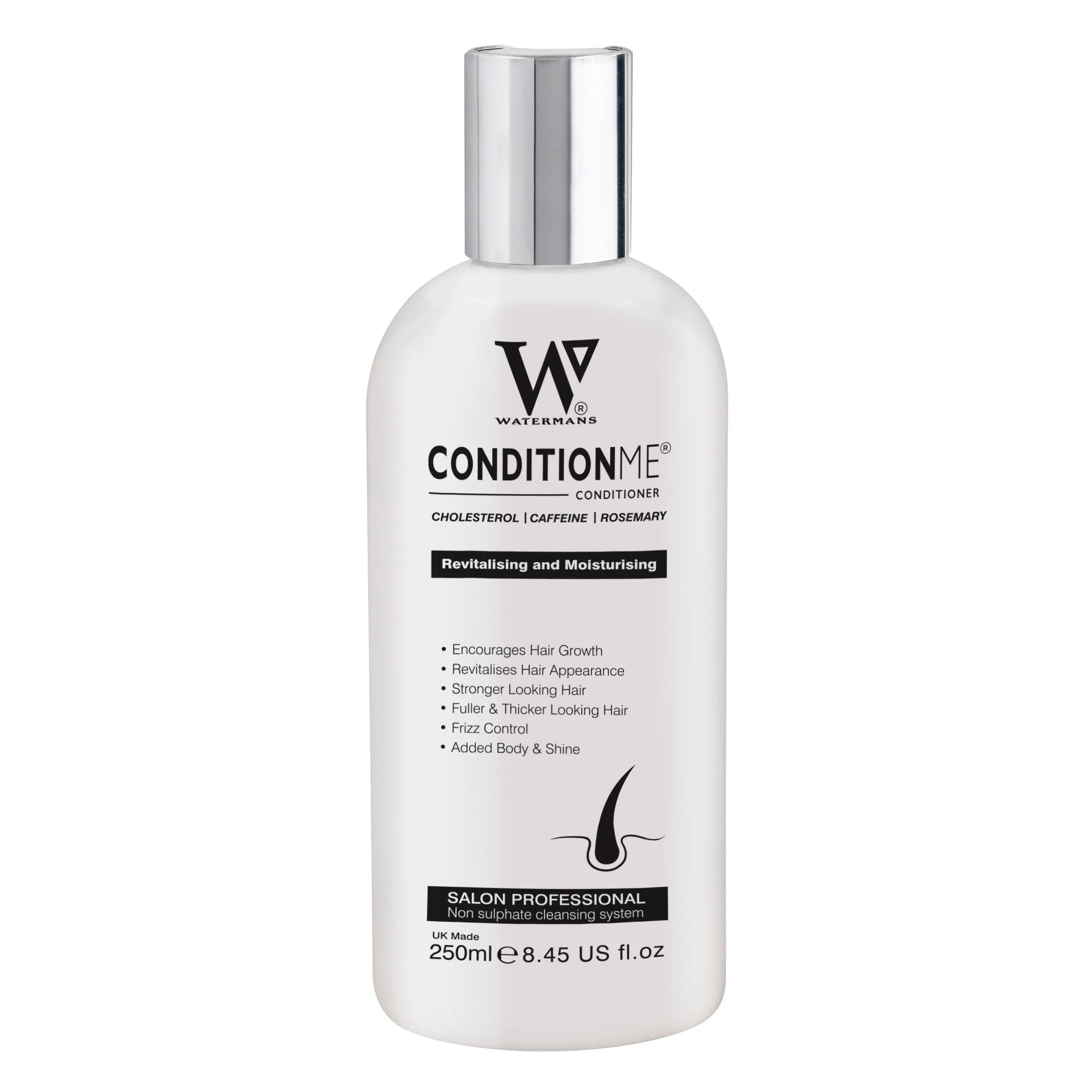
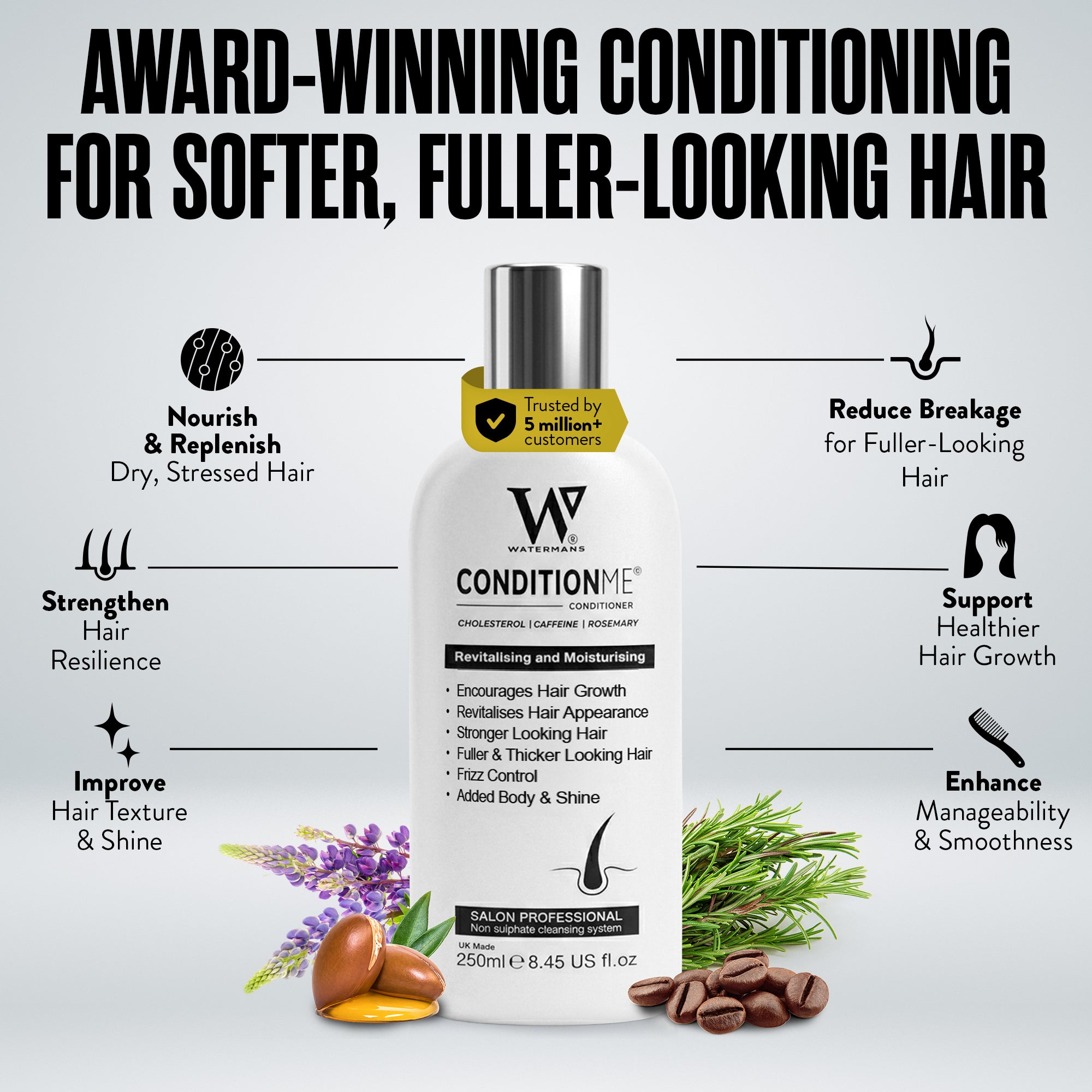
Condition Me® Hair Growth Conditioner £13.95
A lightweight conditioner that smooths the lengths and reduces breakage-related hair fall, useful when hair becomes finer and more fragile with age.
What are the frequently asked questions about estrogen receptor polymorphisms?
What are estrogen receptor polymorphisms?
They are common variations in the ESR1 and ESR2 genes, which build the body's two oestrogen receptors. Most gene variants of this kind have no effect on health, according to MedlinePlus.
Do estrogen receptor genes cause hair loss?
There is no clear evidence that they do. One ESR2 variant was linked with female pattern hair loss in a 2012 study and a 2014 German replication, but UK, German and Polish studies of other variants found no link.
What is rs10137185?
It is the label for one single-letter variant in the ESR2 gene. A 2014 German study reported replicating an association between it and female pattern hair loss. On its own it does not predict whether a person will lose hair.
Can a DNA test predict female hair loss?
Not reliably. DermNet says genetic testing to predict balding is unreliable, and the oestrogen receptor findings are too inconsistent to change that. Family history and photographs over time are more useful.
Is female pattern hair loss hormonal?
Partly, but the details are unclear. DermNet says most women with it have normal androgen levels and that the role of oestrogen is uncertain, which is why it prefers the term female pattern hair loss.
Does the menopause cause thinning hair?
The NHS lists thinning hair among possible menopause and perimenopause symptoms, and DermNet notes female pattern hair loss is more common after the menopause. A GP can talk through options.
Can shampoo change how my genes affect my hair?
No. A shampoo cannot change genes or hormone receptors. A good cosmetic shampoo and conditioner help hair look fuller and reduce breakage, which improves how the hair you have looks.
What is the bottom line on estrogen receptor polymorphisms?
The bottom line on estrogen receptor polymorphisms is that they are an interesting research lead, not a verdict on your hair. One ESR2 variant has been linked with female pattern hair loss in two studies, others found nothing, and DermNet says genetic prediction of balding is unreliable. Family history, tracking changes and a conversation with a GP will tell you far more.
For a practical step today, a gentle routine with a hair growth shampoo keeps the scalp clean and helps thinning hair look fuller, whatever your genes say.
Sources & references
- MedlinePlus Genetics, What are single nucleotide polymorphisms (SNPs)?, checked 18 September 2026.
- DermNet, Female pattern hair loss, checked 18 September 2026.
- DermNet, Male pattern hair loss, checked 18 September 2026.
- DermNet, Telogen effluvium, checked 18 September 2026.
- Yip L et al. Association analysis of oestrogen receptor beta gene (ESR2) polymorphisms with female pattern hair loss. Br J Dermatol, 2012, checked 18 September 2026.
- Redler S et al. The oestrogen receptor 2 (ESR2) gene in female-pattern hair loss: replication of association with rs10137185. Br J Dermatol, 2014, checked 18 September 2026.
- Redler S et al. Selected variants of SRD5A1, SRD5A2, ESR1, ESR2 and PGR: no association with female pattern hair loss identified. Exp Dermatol, 2012, checked 18 September 2026.
- Łukasik A et al. The role of CYP19A1 and ESR2 gene polymorphisms in female androgenetic alopecia in the Polish population. Postepy Dermatol Alergol, 2022, checked 18 September 2026.
- NHS, Menopause symptoms, checked 18 September 2026.
Watermans products are 100% cosmetic and do not treat medical hair loss. Individual results may vary.