Scalp Oxygenation: How Oxygen Really Reaches Your Hair Follicles
Scalp oxygenation is a phrase you will find on shampoo labels, salon menus and scalp devices, usually with a promise of thicker hair attached. This guide explains how oxygen really reaches the skin and the hair follicle, what the research on skin oxygen shows, which claims hold up, and what genuinely helps a scalp stay healthy and hair look its best. What actually gets through the skin is a separate question, which we answer in how scalp absorption works.
Our hair growth shampoo
Grow Me® Hair Growth Shampoo, £14.95. A sulphate free daily shampoo that supports a healthy scalp environment and helps reduce breakage, so lengths hold on and look fuller.
Scalp oxygenation means the supply of oxygen to the skin of the scalp and its hair follicles. A 2002 study in the Journal of Physiology found the top 0.25 to 0.40mm of skin gets its oxygen almost entirely from the air, while deeper tissue, where follicle roots sit, depends on the blood. Products that claim to oxygenate the scalp work on the surface, so circulation, general health and gentle care matter more.
Key takeaways
- Skin takes up a little oxygen straight from the air, which has been known since 1851, but it is a negligible share of breathing overall.
- A 2002 study found only the top 0.25 to 0.40mm of skin is supplied mainly by air; deeper layers depend on blood flow.
- Hair follicle roots sit deeper than that surface layer, so they rely on the scalp's blood supply for oxygen.
- No shampoo or serum delivers oxygen to the follicle root; oxygen claims on labels describe surface effects at best.
- Regular activity, not smoking, eating well and gentle scalp care support the blood supply the follicles actually use.
What does scalp oxygenation mean?
Oxygenation of the scalp is not a medical term; it is a marketing phrase for the idea that giving the scalp more oxygen will make hair healthier. In biology, every living cell in the scalp needs oxygen to make energy, including the fast-dividing cells at the base of each hair follicle, so the idea starts from something true.
The problem is the jump that follows. Needing oxygen does not mean that extra oxygen from a bottle, a foam or a salon machine reaches the cells that need it, or that those cells were short of it to begin with. In a healthy person, oxygen reaches the follicle the same way it reaches every other organ: carried by red blood cells through a network of tiny vessels. To judge any product, you have to know which layer of skin it can actually reach.
How does oxygen reach your skin and hair follicles?
Oxygen reaches the skin by two routes: directly from the air into the outermost layers, and from the blood into everything deeper. A 2002 study in the Journal of Physiology by Stücker and colleagues measured the first route on the forearms of 20 volunteers and concluded that the top 0.25 to 0.40mm of skin is supplied almost exclusively by oxygen from the air, with blood having only a minor influence there.
The same paper notes that skin uptake of oxygen from the air has been known since 1851, and that its contribution to the body's total breathing is negligible. It matters locally for the thin surface layers of the skin, not for the body as a whole. Below that surface layer, the balance flips and the blood supply takes over, which is where the hair follicle comes in.
A scalp hair follicle is a tube of cells that reaches down through the skin, with its growing bulb deep in the lower skin and fat, well below the thin top layer that air can supply. The bulb is wrapped in small blood vessels, and that blood supply brings oxygen and nutrients to the rapidly dividing cells that build the hair. For more on that network, see our guide to scalp blood flow and hair.
| Skin layer | Main oxygen source | Can a product reach it? |
|---|---|---|
| Top 0.25 to 0.40mm of skin | Air (Stücker and colleagues, 2002) | Yes, surface products touch this layer |
| Deeper skin | Blood | Very little |
| Hair follicle bulb | Blood, from vessels around the bulb | No, rinse-off products do not reach it |

Is it hair shedding, hair breakage or hair loss?
Hair shedding, hair breakage and hair loss are different problems, and none of them is usually caused by a lack of oxygen in the scalp. Hair shedding means whole hairs falling from the root after many follicles enter the resting phase at once. DermNet says it is normal to lose up to about 100 hairs a day, and that triggers such as illness, childbirth and crash dieting can push up to 70% of growing hairs into rest.
Hair breakage means the hair fibre snapping part-way along from heat, bleach, friction or tight styles. The fibre above the scalp is not living tissue, so oxygen has nothing to do with it; conditioning and gentler handling do. Hair loss in the medical sense includes pattern hair loss, which DermNet explains as follicles gradually shrinking under hormonal and genetic influence, and conditions such as alopecia areata. None of these is described by DermNet as a problem of scalp oxygen supply.
A useful test for any scalp claim
Ask three questions. Which layer of skin does this product reach? Is that layer short of what the product claims to supply? Is there a study in people, not just in a dish, showing a difference in hair? Most scalp oxygenation claims fall at the first question.
Get a discount on the scalp care range
Join the Watermans mailing list and we will email a discount code straight to your inbox, so you can try the scalp care range for less. Vegan, made in the UK, over 6.5 million bottles sold since 2012.
Do oxygenating shampoos and treatments work?
Oxygenating shampoos and salon treatments cannot deliver oxygen to the hair follicle, because rinse-off products stay on the surface for a minute or two and the follicle bulb is supplied by blood, not by air. What they can do is clean the scalp, leave it feeling fresh and tingly, and remove the oil and product build-up that make roots look flat.
Many of these products rely on ingredients that release tiny bubbles or create a cooling tingle, such as menthol or peppermint oil. The tingle feels like something is happening, and a clean, comfortable scalp is genuinely good for how hair looks. But a tingle is a nerve sensation, not a sign of oxygen reaching the root. Judge them as good cleansers, not as hair growth devices.
The same logic applies to spa oxygen facials and scalp oxygen sprays. They may feel pleasant and leave skin looking fresh for a while, but the 2002 skin research suggests the surface layer already gets its oxygen from the air around us, so spraying more on adds little. Anyone offering high-pressure oxygen therapy for hair is describing a medical procedure that belongs with a doctor, not a hair product.

Grow Me® Hair Growth Shampoo £14.95
A daily shampoo for thinner-looking hair that cleans the scalp thoroughly and leaves roots looking fuller. Honest scalp care: a clean, comfortable scalp without the oxygen promises.
Does scalp massage improve oxygen supply to hair follicles?
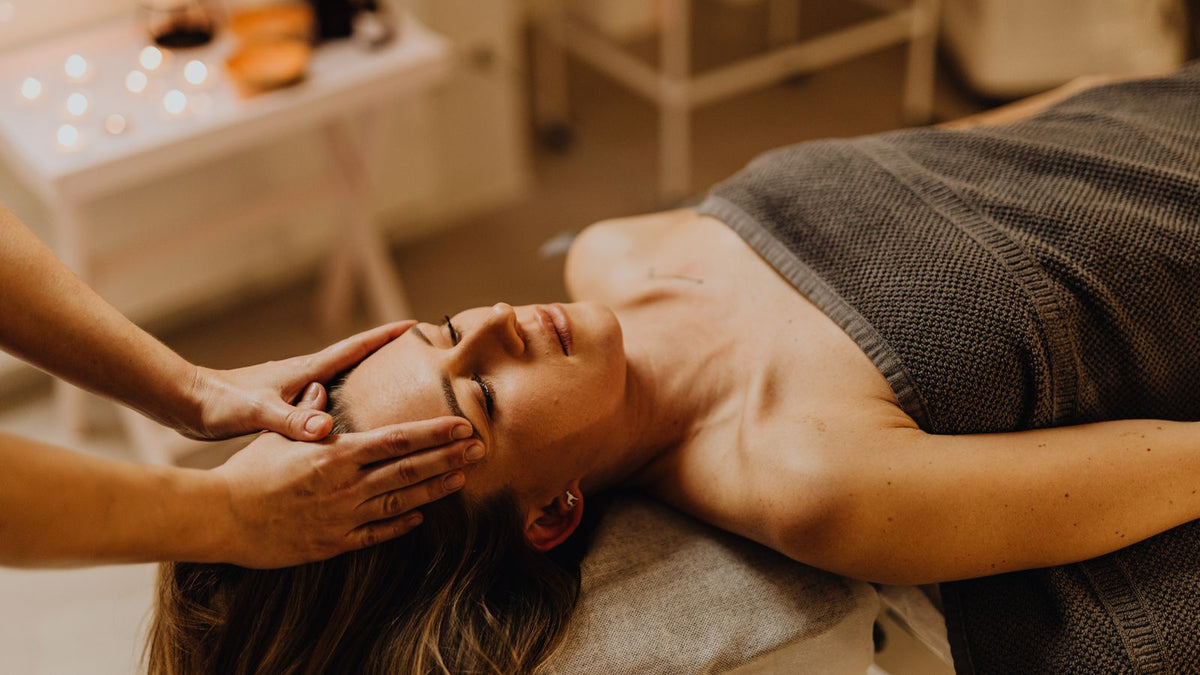
Scalp massage can briefly increase blood flow to the skin being rubbed, which is the route that actually carries oxygen to follicles, but there is no good evidence that a few minutes of massage changes how much oxygen follicles receive over the long term or that it makes hair grow. It is a pleasant, low-risk habit rather than a hair fix.
If you enjoy it, massage with the pads of your fingers rather than your nails, keep the pressure light, and avoid rough tools that scratch the skin or tug at fragile hair. Pairing massage with a leave-in scalp product can make it part of a relaxing routine. Our guide to scalp massage for hair covers technique and what the evidence does and does not show, and our page on scalp microcirculation explains the small vessels involved.

Grow More® Leave-In Scalp Elixir £25.50
A leave-in scalp elixir to massage into the roots as part of a calming evening routine, leaving the scalp cared for and hair looking fuller. Cosmetic care, not an oxygen treatment.

What supports healthy blood flow to the scalp?
Healthy blood flow to the scalp is supported by the same habits that support circulation everywhere: regular physical activity, not smoking, a balanced diet and managing long-term conditions. The NHS recommends adults do at least 150 minutes of moderate activity or 75 minutes of vigorous activity a week, spread over four to five days or more.
Iron matters because red blood cells carry oxygen using haemoglobin, which needs iron. The NHS lists tiredness, shortness of breath and pale skin among the signs of iron deficiency anaemia, and low iron stores are a common, checkable factor in hair shedding. If you are tired and shedding, a GP blood test is a far better step than any scalp product. Our guide to reading a ferritin result explains the numbers.
Stress, sleep and sudden weight loss matter too, not because they starve the scalp of oxygen but because DermNet lists severe stress and crash dieting among the triggers for telogen shedding. Looking after your general health is the most reliable way to look after the scalp.
When should you see a GP about your scalp?
You should see a GP about your scalp if you have sudden hair loss, bald patches, a scalp that is sore, burning, red or scaly, or shedding that lasts more than a few months. The NHS advises seeing a GP for sudden hair loss, bald patches, or hair loss with itching or burning, and whenever you are worried.
A GP can check for common causes such as iron deficiency, thyroid problems or scalp conditions, and refer you to a dermatologist if needed. If you also feel breathless or unusually tired, mention it, because those symptoms matter for your health well beyond your hair. Watermans does not offer consultations or medical assessments. If your question is about products or a routine rather than a medical one, you can talk to Gail Waterman, our co-founder, as an AI avatar on the Watermans homepage.


Masque Me® Hair Mask £24.95
A rich weekly hair mask that softens the lengths and reduces breakage, for hair that has been stressed by heat, colour or dry weather. Care for the fibre, where oxygen plays no part.
What are the frequently asked questions about scalp oxygenation?
Is scalp oxygenation a real thing?
Scalp skin and follicles do need oxygen, but the phrase is marketing language, not a medical term. The top fraction of a millimetre of skin gets oxygen from the air; follicle roots get it from the blood.
Can shampoo add oxygen to the scalp?
No shampoo delivers oxygen to the hair follicle. Rinse-off products stay on the surface briefly, and the follicle bulb is supplied by blood. A good shampoo cleans the scalp and helps hair look fuller, which is what it is for.
Does lack of oxygen cause hair loss?
In healthy people, there is no evidence that ordinary hair loss is caused by a shortage of oxygen in the scalp. DermNet links shedding to triggers like illness, childbirth and crash dieting, and pattern loss to hormones and genes.
Does scalp massage increase oxygen to hair follicles?
Massage can briefly raise blood flow in the skin being rubbed, and blood carries oxygen. There is no good evidence that this changes long-term oxygen supply to follicles or makes hair grow.
What is the tingle in scalp products?
Usually ingredients such as menthol or peppermint oil, which trigger cooling nerve sensations. The tingle feels active, but it is not a sign of oxygen reaching the root of the hair.
Can exercise help my scalp?
Regular activity supports circulation throughout the body, including the scalp. The NHS recommends at least 150 minutes of moderate activity a week for adults. It is good for your health, even if it does not change hair on its own.
Could low iron affect scalp oxygen?
Iron is needed to make haemoglobin, which carries oxygen in the blood, and low iron stores are a common factor in hair shedding. If you are tired and shedding, ask a GP about a blood test.
What is the bottom line on scalp oxygenation?
The bottom line on scalp oxygenation is that follicles get their oxygen from the blood, not from products, and a 2002 study found only the top fraction of a millimetre of skin is supplied by air. Look after circulation with activity and diet, get iron checked if you are tired and shedding, and use scalp products for what they really do: keep the scalp clean and comfortable.
For a calm, cared-for scalp without inflated claims, a leave-in scalp elixir massaged into the roots makes a simple, pleasant nightly step.
Sources & references
- Stücker M et al. The cutaneous uptake of atmospheric oxygen contributes significantly to the oxygen supply of human dermis and epidermis. J Physiol, 2002, checked 18 September 2026.
- DermNet, Telogen effluvium, checked 18 September 2026.
- DermNet, Male pattern hair loss, checked 18 September 2026.
- DermNet, Alopecia areata, checked 18 September 2026.
- NHS, Hair loss, checked 18 September 2026.
- NHS, Iron deficiency anaemia, checked 18 September 2026.
- NHS, Physical activity guidelines for adults aged 19 to 64, checked 18 September 2026.
Watermans products are 100% cosmetic and do not treat medical hair loss. Individual results may vary.