

Is Garnier Fructis Bad for Your Hair? A Fair Look
Is Garnier Fructis bad for your hair? The fair answer: no, not for most people. It is a long-running, widely used high-street range, and mainstream shampoos like it are safety-assessed and perfectly fine for many hair types. The honest nuance is about formulation trade-offs common at its price point: many (not all) of its formulas use sulphate cleansers and silicones, which suit some hair and leave other hair, particularly dry, curly, coloured or fragile hair, feeling stripped or weighed down over time. Whether it suits you comes down to your hair type and the specific bottle's ingredient list. Here is how to judge it properly.
Key Takeaways
- Garnier Fructis is not "bad", it is a budget-friendly mainstream range that works well for many people.
- Many of its formulas use sulphates and silicones: great cleansing and instant shine, but drying or build-up-prone for some hair types.
- Dry, curly, coloured and fragile hair generally does better with gentler, sulphate-free formulas.
- Formulas vary across the range (and change over time), judge the bottle in your hand by its label, not the brand name.
- No mainstream shampoo causes hair loss, that worry is a myth.
What Is Garnier Fructis?
Garnier Fructis is L'Oréal's affordable, fruit-scented hair care line, sold since the early 2000s in dozens of variants for volume, smoothing, damage repair and colour care. Its strengths are genuine: low price, easy availability, effective cleansing and a huge choice of formulas. Those are real virtues, and for people with resilient, oily or straight hair, it often performs perfectly well.
The Ingredients Conversation, Fairly

Sulphates
Sulphate surfactants (like SLS/SLES) are powerful, lathery cleansers used in many budget shampoos, including much of the Fructis range. They clean brilliantly, which oily scalps often love, but they can strip natural oils from hair that is already dry, curly, coloured or porous, leaving it rough and frizz-prone with frequent use. That is a fit issue, not a toxicity issue.
Silicones
Silicones coat the strand for instant smoothness and shine. The trade-off: some build up over time (especially without thorough cleansing), which can leave fine or wavy hair flat and dull until a clarifying wash resets it.
Fragrance
The fruity scent is a signature and most people enjoy it trouble-free, but strong fragrance is a common irritant for sensitive scalps. If your scalp itches or flakes with a product, fragrance is a usual suspect.
The fair bottom line
These are ordinary, regulator-assessed cosmetic ingredients, not dangers. The question is suitability: a formula built to clean hard and shine instantly is a great match for some hair and a poor match for hair that needs gentleness and moisture retention.

Who It Suits, and Who Should Think Twice
| Hair type | Likely experience |
|---|---|
| Oily or resilient straight hair | Usually fine, effective cleansing, fresh feel, good value |
| Fine hair | Watch for silicone build-up flattening volume; clarify occasionally |
| Dry, curly or coily hair | Sulphate formulas can feel stripping; gentler sulphate-free routines usually suit better |
| Coloured or chemically treated hair | Strong cleansers fade colour faster; choose colour-safe, sulphate-free options |
| Sensitive scalp | Fragrance may irritate; patch test or choose low-fragrance formulas |
If Your Hair Wants Something Gentler
If your hair fits the "think twice" rows above, the practical move is a sulphate-free routine that cleans without stripping. That is exactly the gap gentler formulas fill.

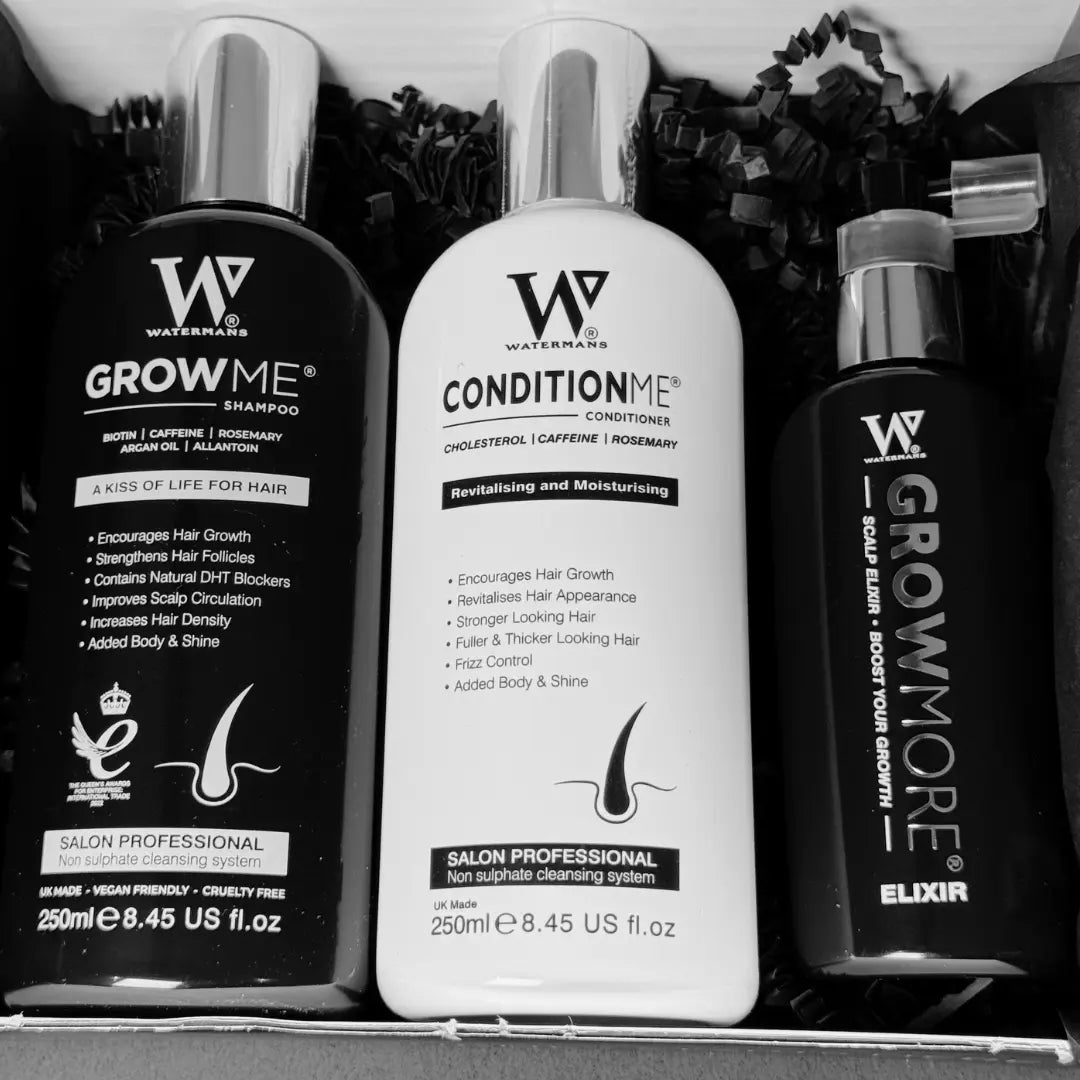
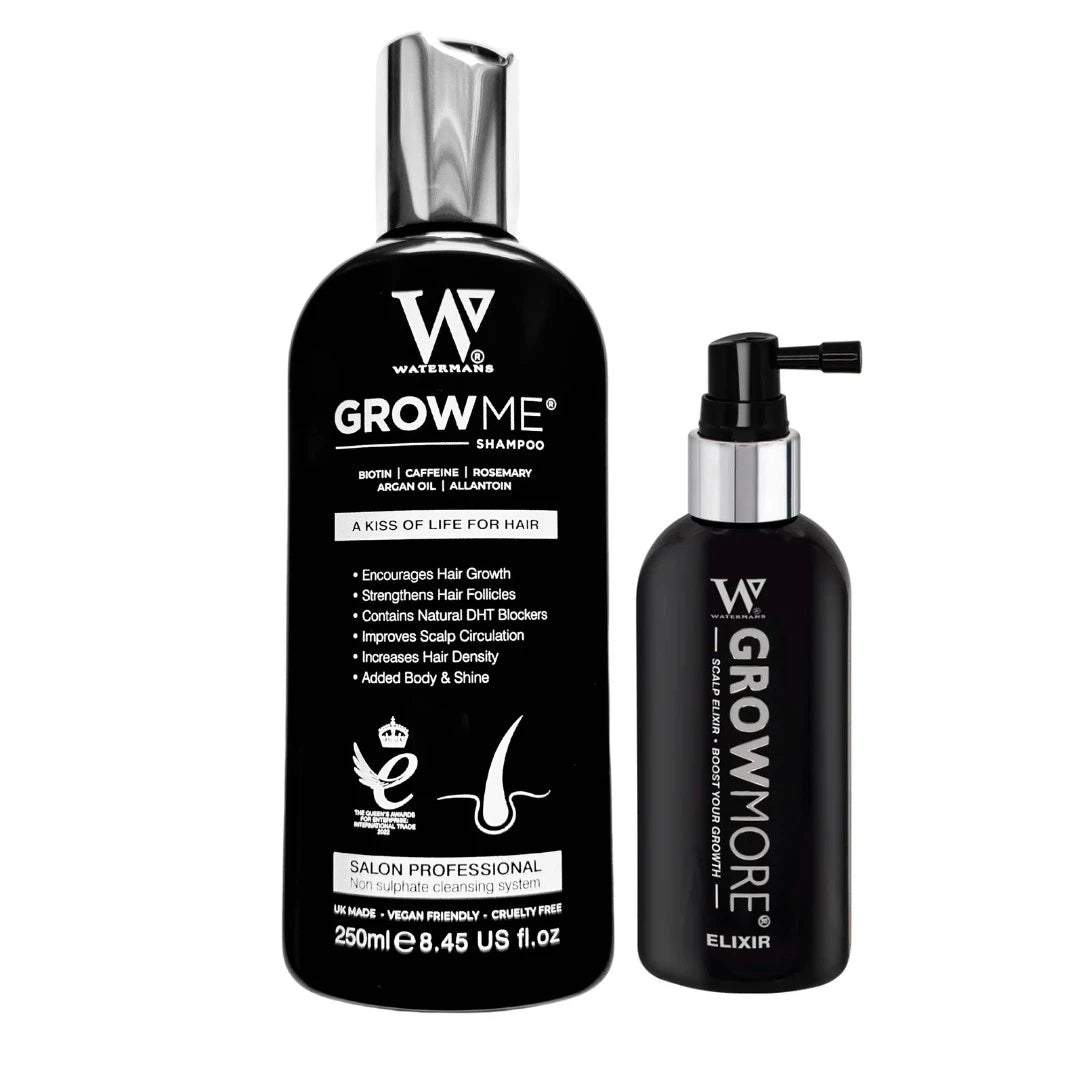
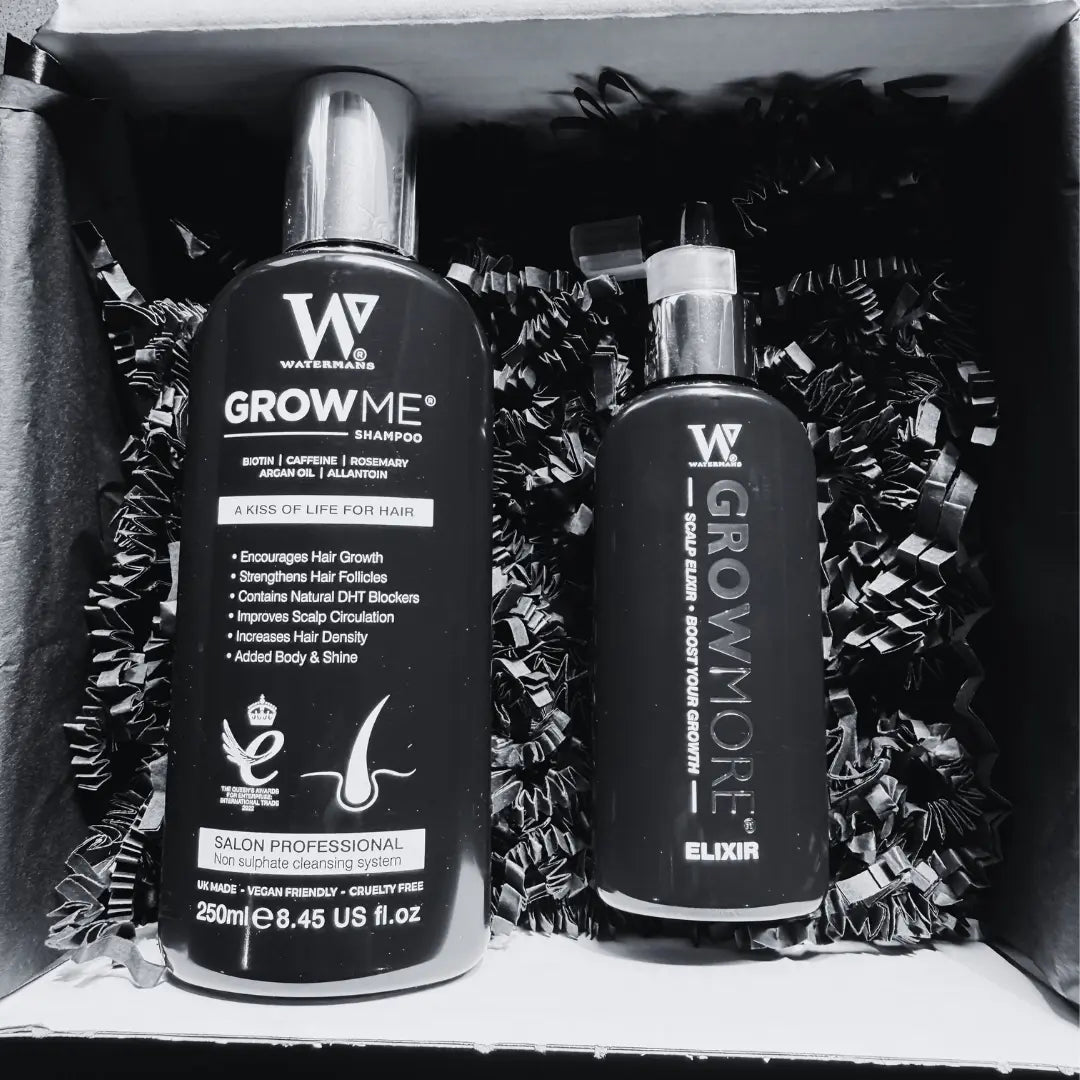
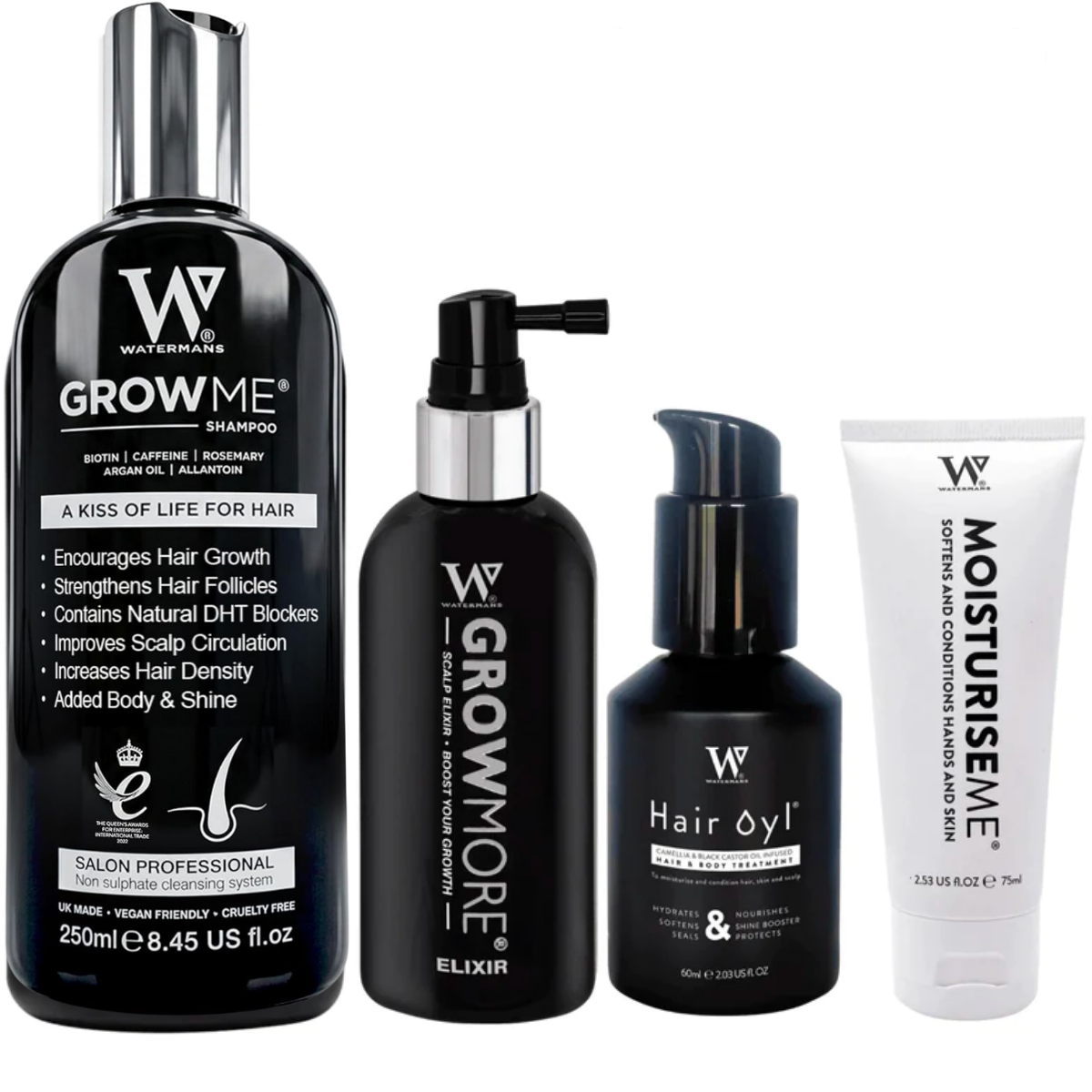
Grow Me® Shampoo
A sulphate-free daily shampoo with biotin, caffeine, rosemary and argan oil, gentle cleansing that respects natural moisture, for soft, fuller-feeling hair. Cosmetic care, honestly framed.
View Grow Me ShampooCurly or coily? A moisture-first routine matters even more, see the Curly Hair Shampoo & Conditioner Set, built for textured hair.
Watermans is a UK family business that has sold over 5 million bottles since 2012. The range is vegan and cruelty-free.
Healthy Hair Habits, Whatever You Use
- Wash 2 to 3 times a week for most hair types, and always condition afterwards.
- Clarify occasionally if you use silicone-heavy products, then deep condition.
- Go easy on heat, and use protection when you style.
- Trim regularly, conditioners smooth split ends but only scissors remove them.
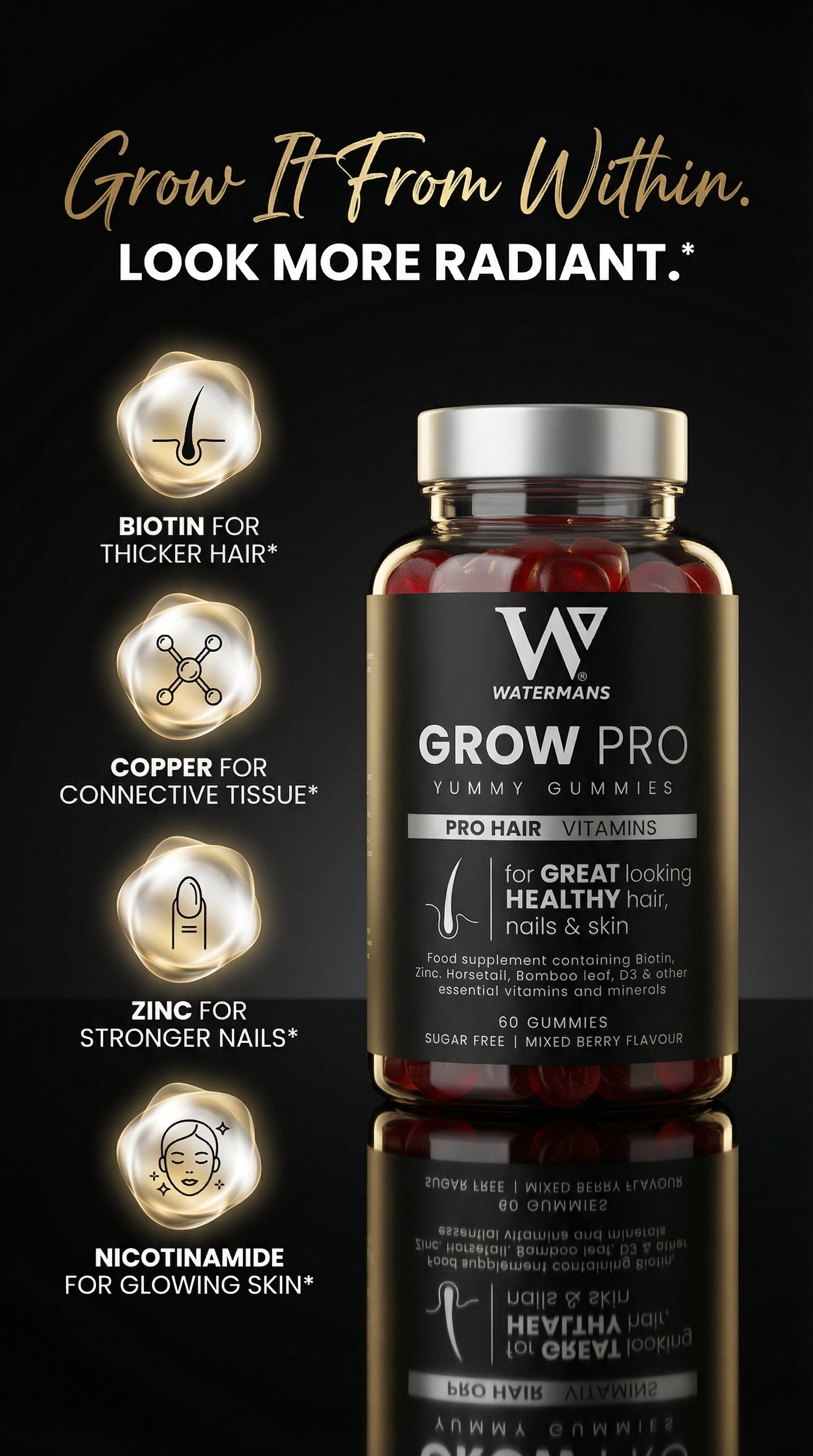
- Feed your hair from within: protein, iron and zinc; biotin and zinc contribute to the maintenance of normal hair.
Frequently Asked Questions
Does Garnier Fructis damage your hair?
Not inherently. Its sulphate-and-silicone formulas suit resilient and oily hair well; dry, curly, coloured or fragile hair may find them stripping or build-up-prone. Match the formula to your hair.
Does Garnier Fructis cause hair loss?
No. No mainstream shampoo causes hair loss. Genuine shedding has medical or lifestyle causes worth checking with a GP.
Is it OK for coloured hair?
Choose their colour-specific or any sulphate-free formula, strong cleansers fade colour faster whatever the brand.
Why does my hair feel greasy or flat after weeks of use?
Likely silicone build-up. An occasional clarifying wash resets it; then consider a lighter or silicone-free routine.
Is sulphate-free actually better?
For dry, curly, coloured or fragile hair, usually yes, gentler cleansing preserves moisture and colour. For oily, resilient hair, sulphates are fine and clean efficiently.
How do I judge any shampoo quickly?
Read the first five ingredients, that is most of the bottle. Then judge by how your hair behaves over a few weeks, not by marketing on the front.
So no, Garnier Fructis is not bad for your hair, it is a capable budget range whose sulphate-and-silicone style suits some hair beautifully and others poorly. Read the label on the specific bottle, match it to your hair type, and switch to gentler sulphate-free care if your hair is telling you it wants it. For the ingredient deep-dive, see our guides to why sulphate-free shampoo is worth it and how to use a hair cleanser properly.