

Why You Should Switch to Sulphate-Free Shampoo
Here is the fair version of the sulphate story: sulphates are not poison, they are simply strong detergents, and strong is exactly what most hair does not need. The same cleaning agents used in washing-up liquid create that rich lather in conventional shampoo, and they clean brilliantly, so brilliantly they strip away the natural oils your hair and scalp rely on. If your hair is dry, curly, coloured, afro-textured or your scalp runs sensitive, switching to a sulphate-free shampoo is one of the simplest upgrades you can make. Here is what sulphates are, who should avoid them, and what to expect when you switch.
Key takeaways
- Sulphates (SLS, SLES on your label) are aggressive detergents that strip natural oils along with dirt.
- Dry, curly, afro, coloured and sensitive-scalp hair benefit most from going sulphate-free.
- Colour fades faster with sulphates, every wash lifts a little dye out.
- Less lather does not mean less clean, foam is theatre, not cleaning power.
- Expect an adjustment week or two while your scalp's oil production rebalances.
What are sulphates?
Sulphates are salt-based cleaning agents, most commonly sodium lauryl sulphate (SLS) and sodium laureth sulphate (SLES), used across household cleaners, detergents and conventional shampoos. Their job is to bind to oil and dirt so water can rinse them away, and the dense, soapy lather they whip up is why traditional shampoo feels so satisfying. Check your current bottle: if SLS or SLES appears in the first few ingredients, you are washing with the strong stuff.

Is sulphate bad for hair?
1. They strip more than they should
Sulphates cannot tell the difference between yesterday's styling product and the sebum your scalp produces to protect itself. Every wash removes both, and hair without its natural oil coat loses moisture fast, exactly like skin after a too-harsh cleanser.
2. They dry hair and irritate scalps
Repeated stripping leads to dryness, frizz and, for many people, an itchy, tight-feeling scalp. The more moisture-hungry your hair type, curly, coily and afro hair top the list, the more a sulphate wash costs you, which is why sulphate-free is the standard recommendation for textured hair.
3. They fade colour
Colour-treated hair holds its dye inside a cuticle that sulphates repeatedly force open. The result is vibrancy that washes out visibly faster. A gentler surfactant keeps more colour in for more weeks, cheaper than re-colouring sooner.
What you gain by switching
- Natural oils left where they belong, so hair retains moisture
- Noticeably less frizz over a few weeks
- A calmer scalp, especially if yours itches after washing
- Longer-lasting colour
- Gentler, typically more plant-based formulas that are kinder downstream too
The lather worry, answered: sulphate-free shampoos foam less, and clean just as well. Lather is a sensory habit, not a measure of cleaning, massage the shampoo through properly and rinse well, and your hair is exactly as clean, minus the stripping.

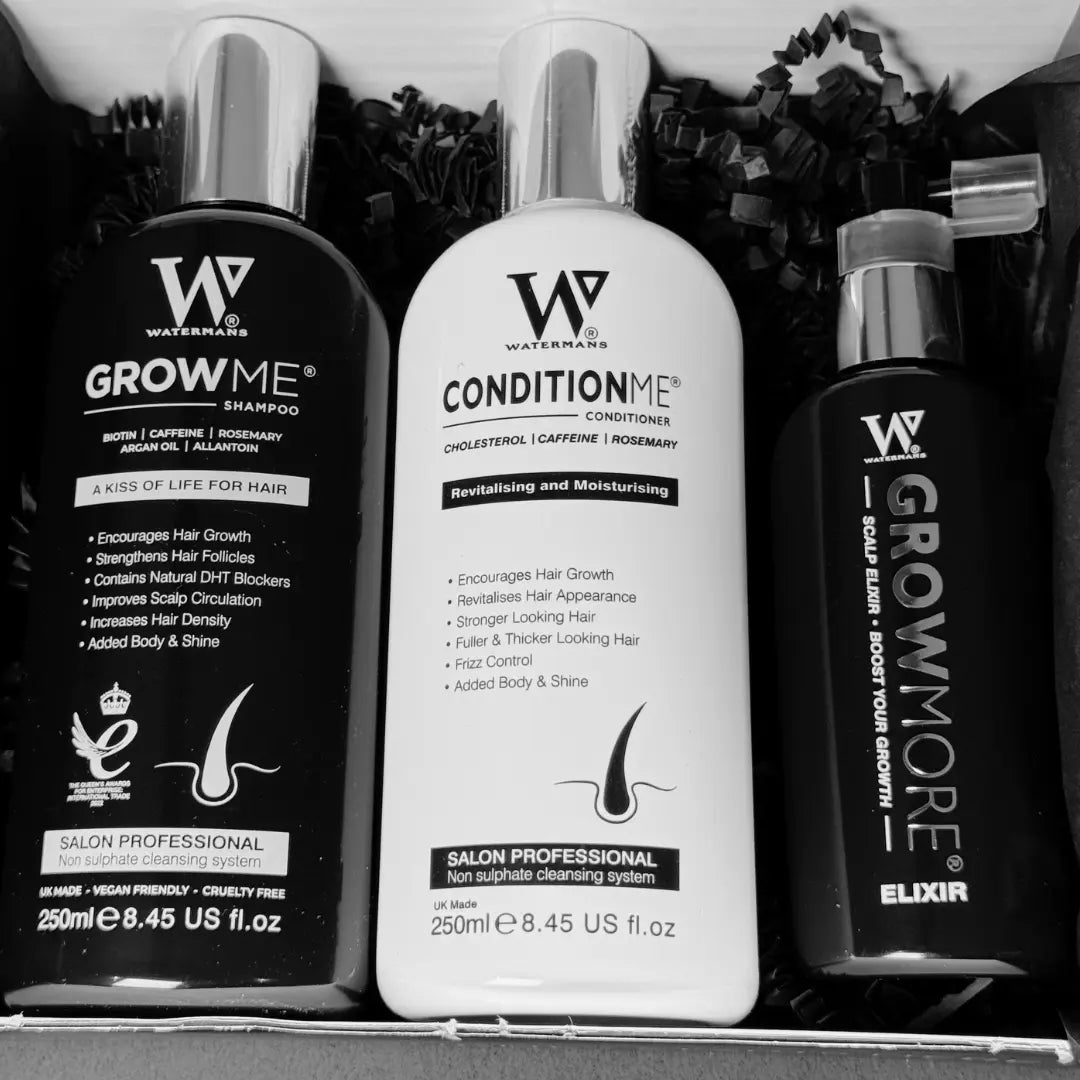
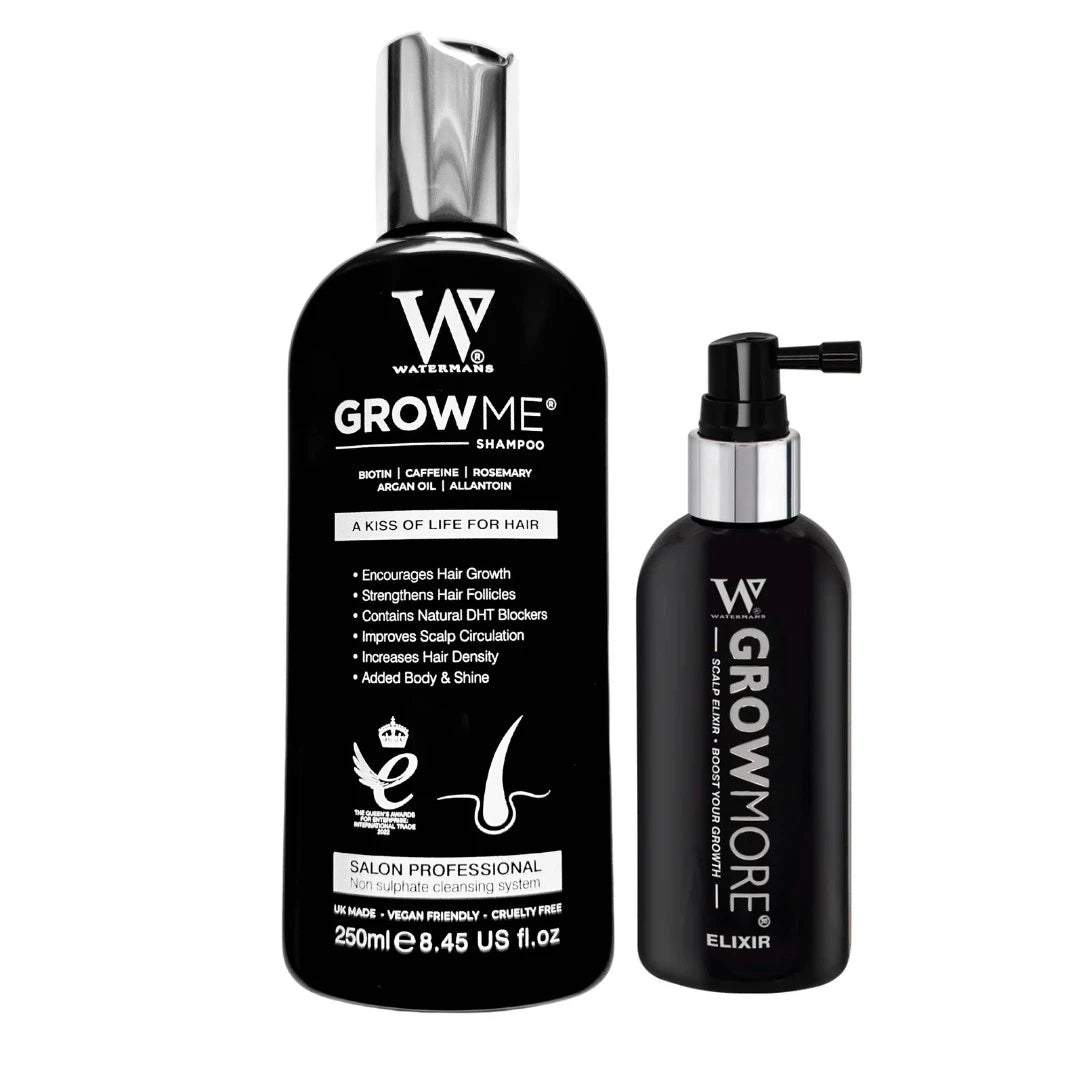
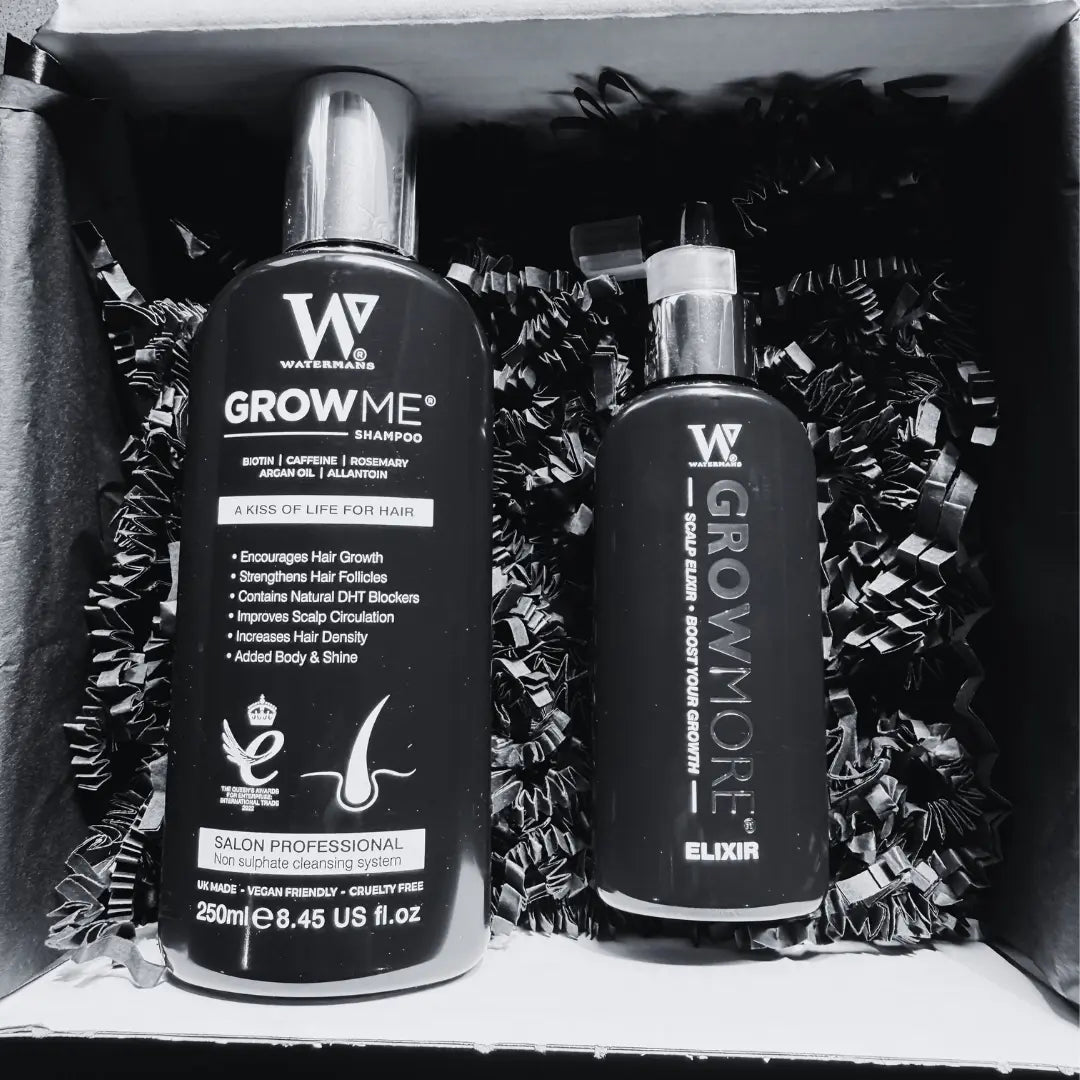
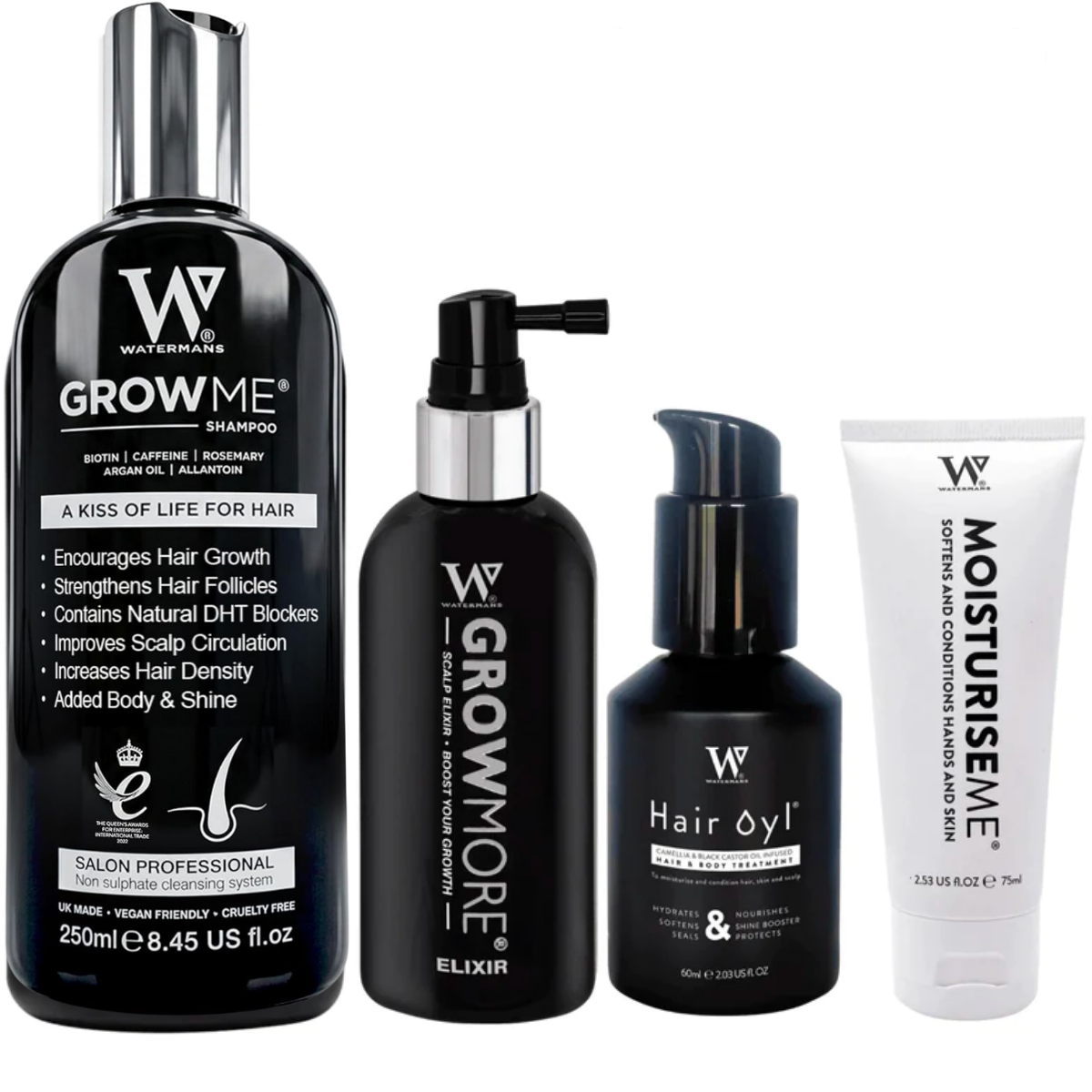
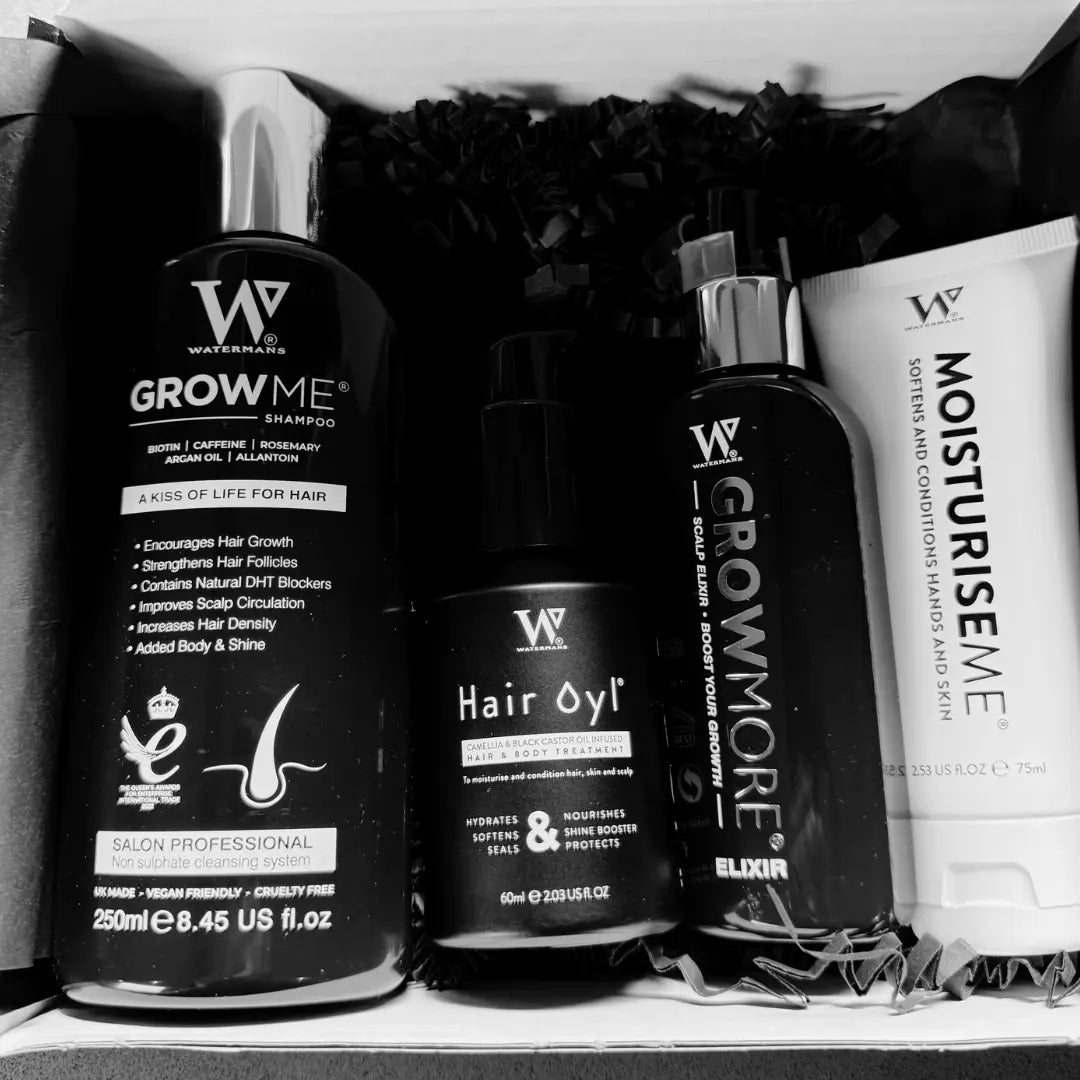
A gentle UK-made wash with biotin, caffeine, rosemary and argan oil, cleansing without stripping, protecting moisture and caring for the scalp with every wash. Suitable for all hair types, men and women.
Shop Grow MeWatermans is a UK family business that has sold over 5 million bottles since 2012. The range is vegan and cruelty-free.
Frequently asked questions
How do I know if my shampoo has sulphates?
Read the first five ingredients: sodium lauryl sulphate (SLS) or sodium laureth sulphate (SLES) means yes. The higher up the list, the more of it there is.
Who benefits most from sulphate-free shampoo?
Dry, curly, coily, afro-textured, coloured or chemically treated hair, and anyone with a sensitive or itchy scalp. Very oily, fine hair sometimes prefers an occasional deeper cleanse.
Does sulphate-free shampoo clean properly?
Yes, gentler surfactants remove dirt and oil effectively, they just foam less doing it. Massage thoroughly and rinse well.
Will sulphate-free shampoo stop hair loss?
No shampoo changes the biology of hair loss, but reducing scalp irritation and breakage genuinely helps hair look and stay fuller, see our guide to keeping your scalp healthy.
Is sulphate-free better for coloured hair?
Clearly yes: gentler washing keeps dye in the cuticle longer, so colour stays vibrant for more washes.
Sulphates clean like industrial tools because they are industrial tools. Swap them for a gentler wash, give your scalp a fortnight to rebalance, and pair the switch with the habits in our dry hair rescue guide, your hair will tell you the rest.