Puberty blockers: The essential guide to safety, myths, and options
Puberty Blockers: The Essential Guide to Safety, Myths, and Options
Puberty blockers sit at the center of many debates in medicine. Parents, teens, and curious readers face facts mixed with fear. This guide explains blockers, how they work, what science shows about safety, and ways to care for hair, scalp, and confidence when hormones change.
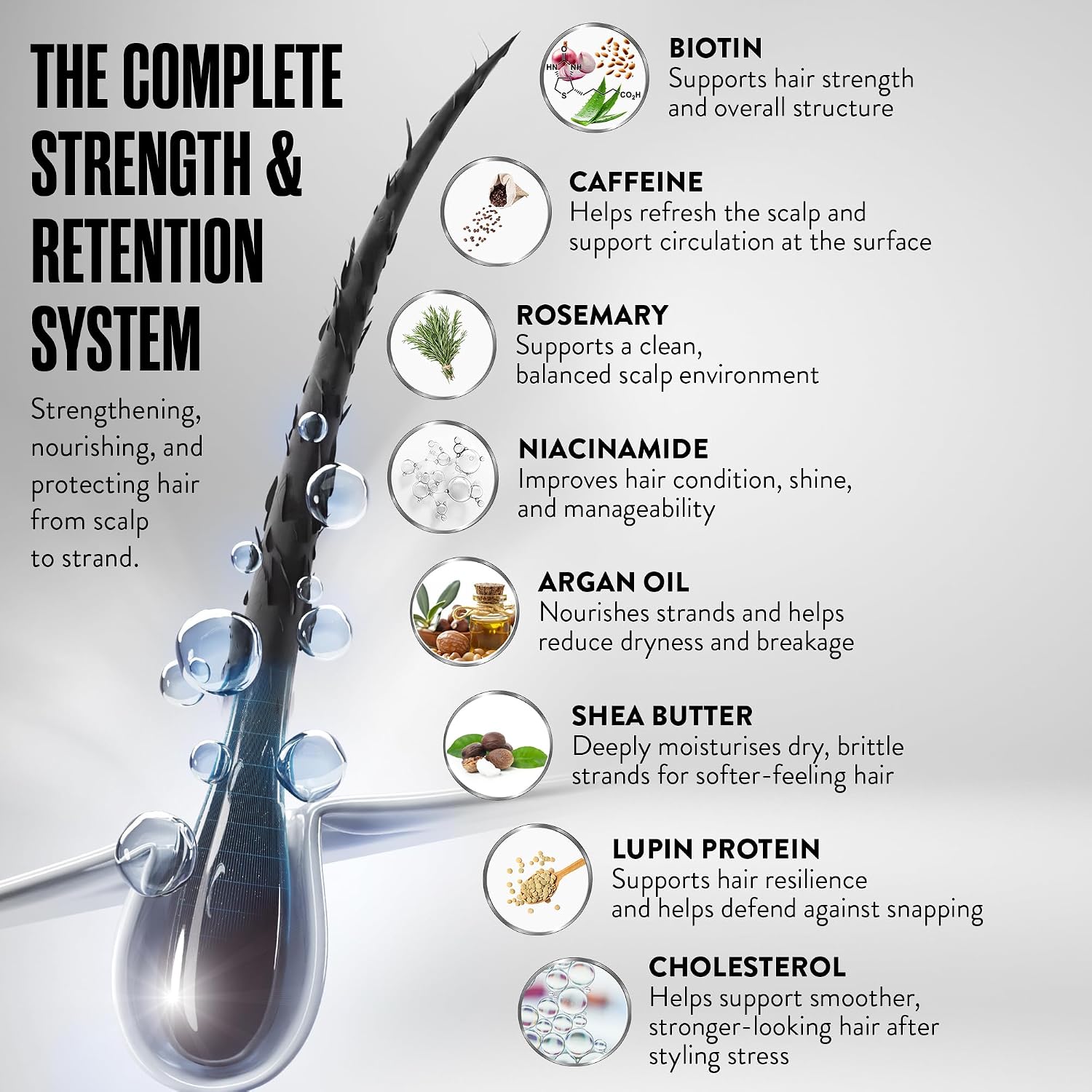
If you see hair thinning or notice shedding and other hormone-linked changes, try a non-medical option. One popular choice is Watermans Grow Me Shampoo. It has Biotin, Rosemary, Caffeine, Niacinamide, Argan Oil, Allantoin, and Lupin Protein. People use it to boost scalp energy and add volume at the roots.
What Are Puberty Blockers?
Puberty blockers are drugs that pause the changes of puberty for a time. They serve two main groups:
- Children who start puberty very early; the blockers help slow development to a usual age.
- Transgender and gender-questioning youth; the blockers give more time to learn about who they are before permanent changes appear.
Doctors most often use GnRH agonists. These drugs act on brain signals and lower the levels of sex hormones:
- Estrogen (made mostly by ovaries)
- Testosterone (made mostly by testes)
When hormone levels drop, signs like breast growth, facial hair, or voice deepening slow or stop. When treatment ceases, hormone levels rise and puberty resumes.
How Do Puberty Blockers Work?
The brain drives puberty with a chain of signals through the hypothalamic–pituitary–gonadal axis:
- The hypothalamus sends out GnRH.
- The pituitary gland makes LH and FSH in response.
- LH and FSH tell the gonads (ovaries or testes) to produce estrogen or testosterone.
GnRH agonists, or puberty blockers, come as injections or implants. They initially trigger GnRH receptors, then cause these receptors to tire. This change drops the release of LH and FSH. With lower hormone signals:
- Menstruation may stop
- Breast growth slows
- Testicular and penile growth slow
- Facial and body hair growth slow
- Voice deepening can stop if it has not advanced very far
The design is simple: the effect reverses when treatment ends.
Why Are Puberty Blockers Used?
1. Precocious Puberty
Some children begin puberty too soon (before age 8 for assigned girls and age 9 for assigned boys). Early puberty may make children:
- Taller than peers at first but then stop growing early
- Face emotional and social challenges
- Experience extra health risks
Blockers can slow puberty so that growth continues and emotional strain lessens.
2. Gender Dysphoria and Transgender Youth
For some transgender or non-binary youth, unwanted body changes cause deep distress. Puberty blockers can:
- Give time for personal reflection and support
- Slow the onset of physical traits like an Adam’s apple, breast development, or heavy facial hair
- Help reduce anxiety, depression, and thoughts of self-harm
Major health groups, like the Endocrine Society and WPATH, include blockers as an option when a young person meets the set rules.
When Are Puberty Blockers Started?
Doctors start blockers once puberty begins and before it advances too much. They assess physical signs (often using Tanner staging) and measure hormone levels. Key points include:
- Signs like breast budding or testicular enlargement
- Changes that continue over months
- Clear distress or health risks
- Usually around Tanner Stage 2–3
For gender dysphoria, the guidelines call for:
- Clear and steady gender discomfort
- Evaluation by a team of experts in mental health, hormones, and child care
- Consent by both the young person and their parents or guardians
Forms of Puberty Blockers: What Options Exist?
Puberty blockers come in several forms:
GnRH Agonist Injections
- Often given monthly, every 3 months, or every 6 months
- Many use leuprolide-based drugs (the brand name changes by country)
- They require regular visits to a clinic
Subcutaneous Implants
- A small rod is placed under the skin of the upper arm
- The implant releases the drug slowly over 1–2 years
- A minor procedure places and later removes the implant
Nasal Sprays (Less Common)
- These sprays are more common for other hormone issues
- Doses are taken several times each day, which can be hard to keep up with
The choice depends on age, comfort with needles, local drug availability, and medical advice.
Benefits of Puberty Blockers
For Precocious Puberty
Studies show that blockers can:
- Help improve adult height by preventing early bone fusion
- Reduce early menstruation and breast growth
- Ease the emotional stress of untimely changes
For Gender Dysphoria
Research finds that many young people show:
- Fewer signs of anxiety and depression
- Less self-harm thoughts in some cases
- Better school and social performance
- More time to choose the next steps in their care
These gains come with a need to watch for risks and work with a trusted health team.
Risks and Side Effects of Puberty Blockers
Every treatment has risks. With puberty blockers, the long-term effects—especially for transgender youth—are still under study.
Common Side Effects
- Hot flashes or night sweats
- Headaches
- Mood changes or irritability
- Low energy or tiredness
- Pain at the injection site or discomfort from an implant
Bone Density
A main concern is bone strength:
- Puberty builds bone strength
- Lower sex hormones can slow bone building
- Some studies show a temporary drop in bone density until puberty or hormone use begins
Doctors may advise:
- Regular weight-bearing activities
- Enough vitamin D and calcium
- Bone scans when needed
Growth and Height
For early puberty, blockers help protect adult height. For those who begin later, the data is mixed:
- Some youth grow slower during treatment
- Most eventually reach a height within their genetic range
Fertility and Sexual Development
Blockers pause the development of the reproductive system. Over time:
- They delay rather than remove fertility
- When used with cross-sex hormones, fertility may decline or stop
- Long-term sexual development changes may occur
This is why doctors now often suggest counselling on fertility options, such as freezing sperm or eggs before treatment changes the body further.
Do Puberty Blockers Affect the Brain or Emotions Long-Term?
Puberty is a key time for brain and emotional growth. Many wonder if pausing puberty changes these processes:
- The current evidence shows no clear harm to intelligence or overall brain growth.
- Some studies report better mental health in the short to medium term for youth with heavy gender distress.
- Researchers still study very long-term effects.
Experts advise:
- Thorough mental health checks before treatment
- Ongoing support while on blockers
Puberty Blockers and Hair: What You Should Know
Hormones strongly affect hair. During puberty:
- Androgens (such as testosterone) change scalp and body hair.
- Estrogen and progesterone alter hair thickness, its growth cycle, and shedding.
Blockers change these patterns by changing hormone levels.
Possible Hair-Related Changes
Many youth do not see large changes. Some may note:
- Slower growth of body or facial hair
- Changes in scalp oil due to hormone shifts
- Temporary shedding as the body settles to new levels
These effects tend to be mild. Those who worry about hair thinning or slow growth sometimes choose extra hair care. A popular choice is Watermans Grow Me Shampoo. Its mix of Biotin, Rosemary, Caffeine, Niacinamide, Argan Oil, Allantoin, and Lupin Protein works to:
- Stimulate the scalp
- Add lift at the hair roots
- Support hair that looks thicker and fuller
It is a non-medical step that many use while on treatment.

Myths and Misconceptions About Puberty Blockers
There are many mixed ideas about puberty blockers. Here are common myths with what research shows.
Myth 1: Puberty Blockers Are Irreversible
Blockers are meant to be turned off:
- When treatment stops, GnRH receptors work again.
- The body soon makes LH, FSH, and then more sex hormones.
- Puberty will then continue from where it paused.
If blockers are used before starting cross-sex hormones, lasting changes may happen. These changes come from future hormone use, not from the blockers by themselves.
Myth 2: Puberty Blockers Are Experimental for All Uses
For early puberty, blockers have been used for many years. For gender dysphoria, doctors have used them more recently. Health experts support their use when careful rules are met and studies continue to update the practices.
Myth 3: Puberty Blockers Change Gender Identity
Blockers do not alter a person’s core identity:
- They do not spark new feelings of gender discomfort.
- They do not make someone transgender.
- They help pause unwanted bodily changes and ease distress.
Myth 4: Everyone Regrets Using Puberty Blockers
Most youth who use blockers along with care feel satisfied:
- Studies show low regret rates overall.
- Ongoing evaluation and support are key to short-term and long-term satisfaction.
Ethical and Social Questions Around Puberty Blockers
Blockers stand where medicine meets ethics and society. Debates include:
Autonomy and Informed Consent
- Can a young person fully understand long-term effects?
- What roles do parents, guardians, and doctors play?
- How are a teen’s wishes balanced with adult consent and guidance?
Harm Reduction vs. Watchful Waiting
Some doctors act early to prevent harm. Others wait longer before starting treatment. Most teams now:
- Give a careful check by experts
- Make choices that fit the individual
- Balance the risks of treating early and waiting too long
Access and Equity
Not every young person can easily see a specialist:
- Some face barriers to clinics and mental health support
- Political and legal rules change by region
Alternatives and Adjuncts to Puberty Blockers
Blockers form one part of a larger care plan. Other steps can include:
Psychological Support
- Regular counseling or therapy
- Family sessions to improve communication
- Peer groups for shared support
Social Transition
Sometimes teens change their social look before or in place of medical treatment:
- Trying new clothing or hairstyles
- Using a different name or set of pronouns
- Changing school or work settings
Later Hormone Therapy Without Blockers
Some youth start hormone therapy when older. Others may choose no medicine and focus on social and mental support.
Small, steady choices can make a difference. A regular hair care routine using Watermans Grow Me Shampoo and the Watermans Hair Survival Kit can keep hair looking thicker. These non-medical steps help youth feel better about their look when facing big body changes.
Practical Considerations: Monitoring and Follow-Up
When blockers start, care does not stop. Ongoing checks are needed.
Medical Monitoring
Doctors may track:
- Height and weight
- Physical signs of puberty change
- Hormone levels through blood tests
- Bone strength scans if treatment is long
- Any side effects or new issues
Duration of Treatment
Blockers last only for a set time:
- For early puberty, until an age when natural puberty can resume
- For gender dysphoria, usually until a choice is made about starting hormones
Long use over years calls for regular review so that bone and overall health stay in check.
Puberty Blockers and Body Image
Puberty is a hard time for body image. With blockers, feelings may mix:
- You might feel behind peers or different.
- You may feel relief from unwanted changes.
- Some worry about the future or their looks.
Support from family, friends, and counselors can help. Daily choices, such as:
- Wearing clothes that feel true to you,
- Following a grooming routine that boosts confidence,
- Caring for your skin and hair,
Frequently Asked Questions About Puberty Blockers
1. Are puberty blockers safe in the long term?
Studies show that blockers are generally safe when a doctor watches their use. The main concern is bone strength. Bone building may slow while on blockers, but bones often recover once puberty or hormone treatment begins. Lifetime effects are still studied. Regular check-ups, bone scans, and a balanced diet with exercise help keep risks low.
2. How long can someone stay on puberty blockers?
Blockers are meant for temporary use. For early puberty, medicine stops when the child reaches an age to let puberty start normally. For gender discomfort, treatment may continue until youth decide on further hormone steps. Long use needs careful monitoring for growth, bone health, and feelings. Decisions should come from a specialist team.
3. Can natural methods or lifestyle changes replace puberty blockers?
No lifestyle change stops puberty like blockers do. Yet, many non-medical methods can ease stress and boost well-being. Therapy, family support, and social changes help. For hormone side effects on hair or skin, extra care like using Watermans Grow Me Shampoo or the Watermans Hair Survival Kit can help keep you feeling in control.
Your Next Steps: Making Informed, Compassionate Choices
If you or your child think about blockers, start by gathering clear facts and building a strong support team. This team might include:
- A pediatric hormone expert
- A mental health specialist who knows child and teen care
- Parents or guardians who are well informed
- Trusted teachers or community members who support you
Ask questions and get written information. Seek a second opinion if needed.
Along with the bigger medical and emotional talks, daily care also helps. If you notice hair shedding or texture changes, a steady hair care routine may help keep hair full and healthy. Using Watermans Grow Me Shampoo can boost your hair and scalp during these times. For a full hair care plan, the Watermans Hair Survival Kit gives you a set of products that work together to support thicker, fuller hair.
Combining clear medical advice with simple self-care can make the path through puberty and any treatments easier and more within your control.