Rosemary and Mint for Hair: What the Pairing Really Does
Rosemary and mint for hair is a scalp oil pairing that combines rosemary, the herb with the strongest human evidence in the natural hair category, with peppermint, whose menthol gives that cool tingle and helps calm an itchy scalp. Used properly, diluted in a carrier oil, two or three times a week, it supports scalp comfort and circulation. It is cosmetic support, not a medicine, and it works on the scalp rather than on the strand.
Our hair growth shampoo
Grow Me® Hair Growth Shampoo, £14.95. A sulphate free daily shampoo that supports a healthy scalp environment and helps reduce breakage, so lengths hold on and look fuller.
Key takeaways
- Rosemary carries the human evidence. One six month randomised trial in androgenetic alopecia found rosemary oil performed comparably to the topical it was measured against.
- Peppermint's famous study was in mice. Promising mechanism, still unproven in people. Treat it as a scalp comfort ingredient with a plausible upside.
- Dilution is the whole game. 2 to 3 drops of each essential oil per tablespoon of carrier oil, patch tested 24 hours before the first full application.
- Menthol earns its place on an itchy scalp. The cooling effect is real and immediate, which is why the blend feels like it is doing something from day one.
- Timeline: texture and comfort in 4 to 6 weeks, anything density related at 3 to 6 months.
What does rosemary and mint for hair actually do?
Rosemary and mint for hair works on the scalp, not the hair you can already see. The hair above your scalp is dead keratin, so nothing you rub into it changes how it grows. What an oil blend can do is change the environment the living follicle sits in: how comfortable the skin is, how much you scratch it, how much friction and flaking there is, and how well you tolerate a regular massage. All four of those quietly matter, because a scalp you are constantly scratching is a scalp that sheds more hair mechanically.
Rosemary brings antioxidant and anti irritant activity plus a long association with scalp circulation. Peppermint brings menthol, which activates cold sensitive nerve endings and produces the tingle, along with a light antimicrobial effect that helps with the flaky, itchy scalp many people are actually dealing with when they think they have a growth problem. Neither ingredient is a medicine and neither will do anything for a medical cause of hair loss.

What does the evidence say about rosemary oil?
Rosemary oil has the single strongest piece of human research in the whole natural hair category. A 2015 randomised comparative trial published in Skinmed followed adults with androgenetic alopecia for six months and found rosemary oil performed comparably to the 2 percent topical it was measured against, with less scalp itching reported in the rosemary group. That is one trial, in one population, with a modest sample. It is a genuine result and it is also not a large evidence base, and both halves of that sentence are true at once.
A separate line of research looks at oxidative stress in the follicle. Rosemary is rich in rosmarinic acid and carnosic acid, both antioxidants, and reviews of hair biology describe oxidative stress as one of the mechanisms that ages the follicle. That is a mechanism argument rather than an outcome, so it belongs in the plausible column rather than the proven one.
Where the good sources disagree: dermatology bodies generally place botanical oils well below established options for pattern thinning, while the trial above suggests rosemary is not nothing. The sensible reading is that rosemary is a reasonable, low cost, low risk addition to a routine, and a poor substitute for seeing a GP if hair is genuinely thinning.
What does peppermint bring to the blend?
Peppermint's reputation rests on a 2014 study in Toxicological Research titled "Peppermint Oil Promotes Hair Growth without Toxic Signs". It is quoted everywhere and almost never with its most important detail: it was conducted in mice, at a 3 percent concentration, over four weeks. Mouse skin and mouse hair cycles are not human ones. The mechanism is interesting and the result has never been replicated in people.
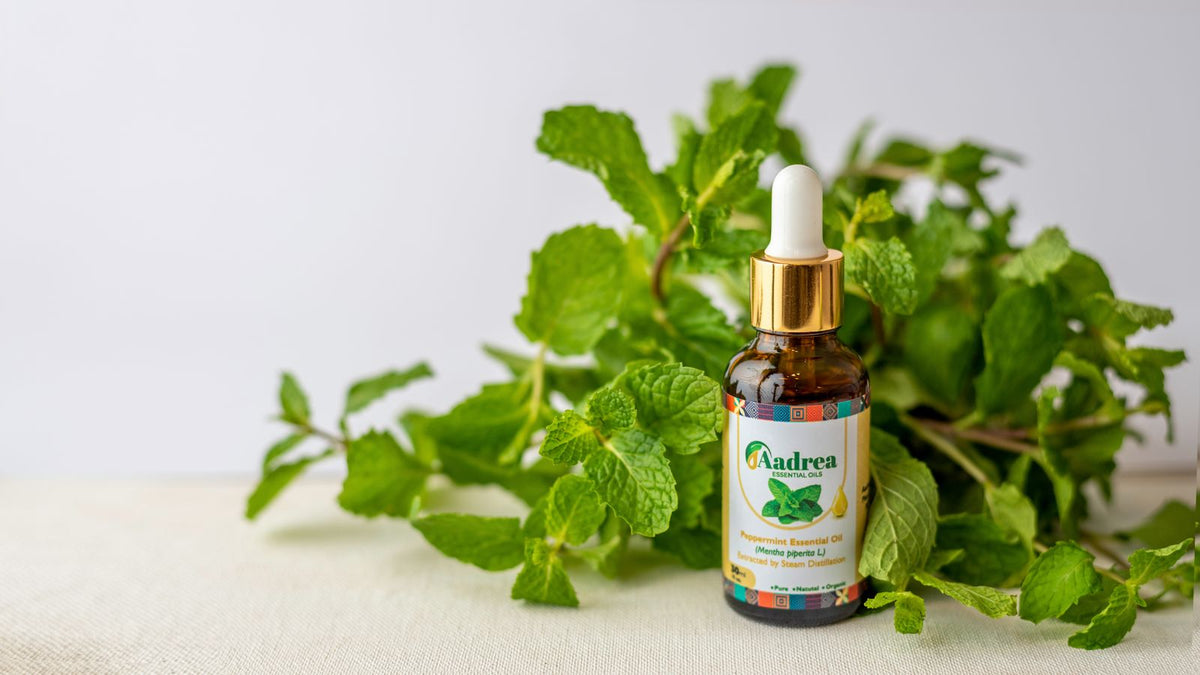
What peppermint genuinely delivers for a human scalp is menthol. Menthol produces a cooling sensation that reduces the urge to scratch, and an itchy scalp that gets scratched all day loses hair to simple mechanical damage. If your scalp is uncomfortable, the mint half of rosemary and mint for hair is doing real, if unglamorous, work.

How do you mix rosemary and mint for hair at home?
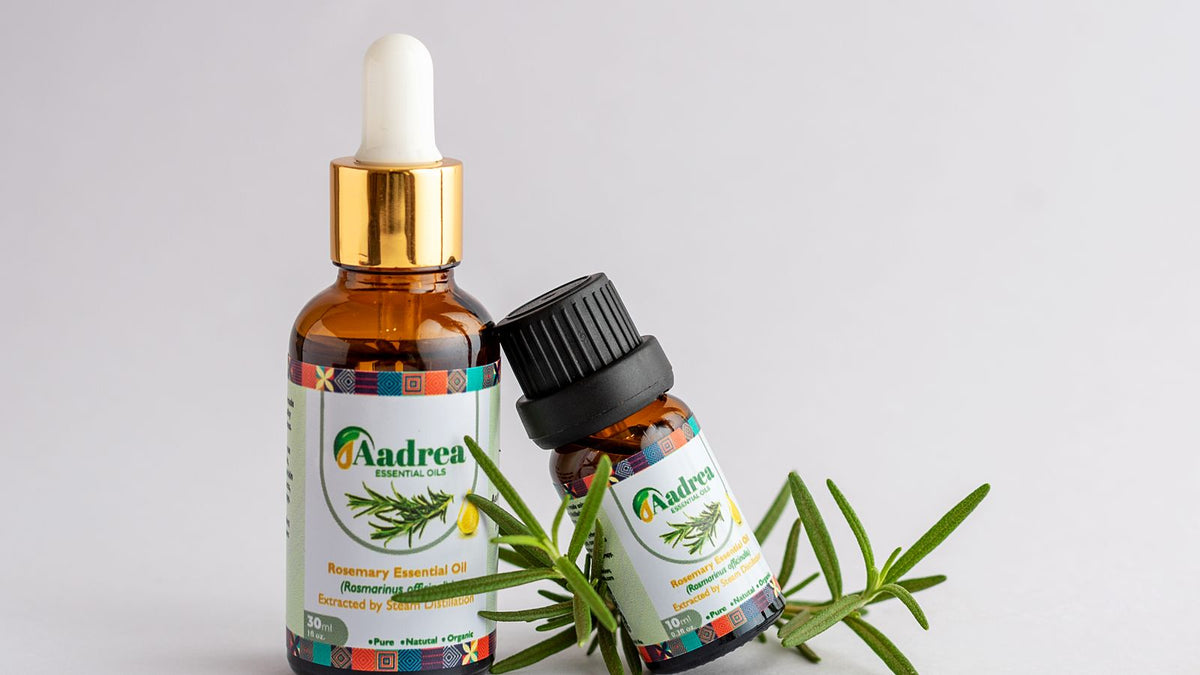
The recipe is simple and the dilution is not negotiable. Per one tablespoon (15ml) of carrier oil, add 2 to 3 drops of rosemary essential oil and 2 to 3 drops of peppermint essential oil. Warm the carrier slightly between your palms, part the hair in sections, apply to the scalp rather than the lengths, and massage with the pads of your fingers for three to five minutes. Leave for 30 to 60 minutes, then wash out with a gentle shampoo.
| Carrier oil | Best for | Watch out for |
|---|---|---|
| Jojoba | Oily or congested scalps. Closest to skin sebum, rinses cleanly. | Pricey per millilitre. |
| Sweet almond | Normal to dry scalps. Light, cheap, easy to find. | Avoid with a nut allergy. |
| Argan | Dry, coarse or coloured hair. Adds shine to the mid lengths. | Can weigh fine hair down. |
| Coconut | Pre wash use on lengths, where it reduces water swelling damage. | Clogs some scalps. Solid below 24C. |
| Castor | Those who want slip and a heavier, coating feel. | Thick. Cut it 50/50 with a lighter oil. |
The patch test nobody does
Put one drop of the finished blend behind your ear or on your inner elbow and leave it 24 hours before the first scalp application. Essential oil sensitisation is uncommon but it is genuinely unpleasant, and a 24 hour wait is a cheap insurance policy.
Get a discount on the rosemary and mint hair care range
Join the Watermans mailing list and we will email a discount code straight to your inbox, so you can try the rosemary and mint hair care range for less. Vegan, made in the UK, over 6.5 million bottles sold since 2012.
How often should you use it, and when will you see a change?
Two to three scalp applications a week is the sweet spot. More than that and fine hair starts looking greasy at the roots, which is exactly the opposite of what most people are aiming for. Less than once a week and you are unlikely to notice much beyond a pleasant afternoon.
The timeline is set by biology, not by the bottle. Scalp comfort and itch relief show up within days. Texture, shine and manageability show up at four to six weeks. Anything density related takes three to six months, because a hair follicle needs that long to move through its cycle and push a visibly different hair to the surface. Anyone selling you a two week transformation is selling you a photograph.

Is it hair loss, shedding or breakage?
This distinction decides whether an oil blend is the right tool at all, and most articles skip it.
- Hair loss is a follicle level change. In pattern hair loss the follicle miniaturises over years and produces progressively finer hairs. In alopecia areata the immune system attacks the follicle. Neither responds to a cosmetic oil, and both deserve a GP appointment rather than a shopping list.
- Shedding is a hair cycle change. Telogen effluvium pushes an unusual number of follicles into their resting phase at once, typically two to three months after illness, surgery, childbirth, crash dieting or a period of severe stress. It is usually self limiting. Scalp care makes the wait more comfortable and does not shorten it. Our guide to what causes telogen effluvium covers the timeline properly.
- Breakage is a fibre level problem. The hair snaps part way along its length from heat, bleach, tight styling or friction, so you see short broken pieces and a thin, wispy ends rather than a thinner parting. This is the one that responds fastest to what you do at home. See what causes hair damage.
Rosemary and mint for hair sits squarely in the scalp comfort and general care column. If you are dealing with a widening parting or patchy loss, use it if you enjoy it, and see a GP about the actual cause. Why is my hair thinning walks through the self check.
Important: Watermans products are 100% cosmetic and do not treat medical hair loss. Individual results may vary.
Which products give you the same ingredients without the mixing?
Home blending is cheap and satisfying, and it is also messy, hard to dose consistently and easy to get wrong. If you would rather have rosemary already formulated at a sensible level, these two do the same job on a wash day schedule.

Grow Me® Shampoo £14.95
Sulphate free, with rosemary, caffeine, biotin and niacinamide. Cleanses without stripping, which matters when you are washing an oil blend out two or three times a week. Reduces breakage for fuller looking hair.

Grow More® Elixir £25.50
A leave on scalp serum for lower density areas, with rosemary, caffeine and hydrolysed lupine protein. Use it on dry or barely damp hair on the nights you are not oiling.
Watermans is a family run British brand. Every formula is vegan, cruelty free and made in the UK, and we have sold over 6.5 million bottles since 2012.
What are the safety rules?
Five rules cover almost everything that goes wrong. Never apply either essential oil neat. Patch test 24 hours ahead. Keep both oils away from the eyes, and wash your hands before you touch your face, because menthol in an eye is memorable for the wrong reasons. Do not use peppermint oil on babies or young children, where menthol can affect breathing. And if you are pregnant, breastfeeding, epileptic or on medication, ask your GP or pharmacist before adding concentrated essential oils to your routine. Before you mix any blend, our rosemary oil starter guide covers dilution, patch testing and who should be careful.
Stop immediately if you get redness, burning, a rash or increased flaking. A cool tingle is the menthol working. Anything sharper is your skin telling you the blend is too strong.
Frequently asked questions
Does rosemary and mint for hair actually make hair grow faster?
No blend makes hair grow faster on demand. Rosemary has one six month human trial behind it and peppermint has an encouraging mouse study, so the honest position is that rosemary and mint for hair supports scalp comfort and circulation while the follicle does its own work at its own pace. Hair grows roughly 1cm a month whatever you put on it.
How many drops of each oil should I use?
Two to three drops of rosemary essential oil and two to three drops of peppermint essential oil per tablespoon (15ml) of carrier oil. That is a dilution of roughly 2 percent, which is the usual cosmetic range for leave on scalp use on an adult. Never apply either oil neat.
Can I leave rosemary and mint oil on overnight?
Yes, if your scalp tolerates it and the oils are properly diluted. Many people prefer 30 to 60 minutes before washing, because a full night of oil on fine hair can leave the roots limp for a day. Start with a short contact time and build up.
Will peppermint oil sting?
A cool tingle is normal and is simply menthol acting on cold receptors in the skin. Stinging, burning or redness is not normal and means the blend is too strong or your skin does not agree with it. Rinse it off and dilute further next time.
Is rosemary and mint safe during pregnancy?
Advice varies between sources and there is no strong evidence either way, so the cautious answer is to ask your midwife or GP before using concentrated essential oils on the scalp during pregnancy or while breastfeeding. A rosemary infused shampoo is a much gentler way to get the scent and the scalp comfort.
Does a rosemary shampoo work as well as the oil?
They do different jobs. A shampoo has a short contact time and rinses away, so it mainly cleanses and leaves a light deposit. An oil blend sits on the scalp for far longer. Most people get the best of both by washing with a rosemary containing shampoo and doing an oil massage once or twice a week.
How long before I can judge whether it is doing anything?
Judge texture, shine and scalp comfort at four to six weeks. Judge anything density related at three to six months, because that is one full hair cycle turn. Take a photo in the same light on day one so you are comparing evidence rather than memory.
Can I use rosemary and mint for hair on colour treated hair?
Yes. Neither oil strips colour. The bigger risk to colour is the hot water and harsh detergent you wash the oil out with, so use a sulphate free shampoo and lukewarm water when you rinse the blend away.
Sources & references
- Panahi Y and colleagues (2015). Randomised comparative six month trial of rosemary oil in androgenetic alopecia. Skinmed, 13(1). PubMed record: pubmed.ncbi.nlm.nih.gov/25842469
- Oh JY, Park MA, Kim YC (2014). Peppermint Oil Promotes Hair Growth without Toxic Signs. Toxicological Research, 30(4). Animal study. PubMed record: pubmed.ncbi.nlm.nih.gov/25584150
- Trueb RM (2015). The impact of oxidative stress on hair. International Journal of Cosmetic Science, 37(S2). PubMed record: pubmed.ncbi.nlm.nih.gov/26574302
- NHS. Hair loss: causes, when to get advice and what the NHS offers. nhs.uk/conditions/hair-loss
What is the bottom line on rosemary and mint for hair?
Rosemary and mint for hair is worth doing for the right reasons: a comfortable scalp, a weekly massage habit you will actually keep, and one ingredient with a real human trial behind it. It is not worth doing as a substitute for finding out why your hair is changing. Dilute properly, patch test, use it two or three times a week, judge texture at six weeks and density at six months, and see a GP if the parting is widening. Start with the ingredient that has the evidence, and keep your expectations honest. If your question is about products or a routine rather than a medical one, you can talk to Gail Waterman, our co-founder, as an AI avatar on the Watermans homepage.
The shampoo is the step you actually repeat, which is why our sulphate free hair growth shampoo is the one worth getting right. Made in the UK, with over 6.5 million bottles sold since 2012.