Hair Loss Consultation: What to Expect and How to Prepare
Ten minutes of preparation is what turns a worried mirror check into a useful answer.
A hair loss consultation is an appointment with a GP, dermatologist or registered trichologist to work out why your hair is changing. In the UK the GP comes first, because that visit is free and unlocks the blood work that explains a large share of cases. Expect a history, a scalp examination and usually blood tests. Most people who delay that appointment lose a year, not their hair.
Our hair growth shampoo
Grow Me® Hair Growth Shampoo, £14.95. A sulphate free daily shampoo that supports a healthy scalp environment and helps reduce breakage, so lengths hold on and look fuller.
Key takeaways
- The GP is the correct first stop in the UK. Free, and able to order the blood panel that explains most reversible causes.
- Bring a timeline, old photographs of your parting and crown, and a list of every medicine and supplement you take.
- Hair loss, hair shedding and hair breakage are three different problems. Working out which one you have changes everything that follows.
- Rapid, painful, inflamed or scarring loss needs an urgent appointment, not a routine one.
- High dose biotin supplements distort thyroid blood results, so declare them and pause them beforehand if advised.
What is a hair loss consultation, and who should have one?
A hair loss consultation is a structured appointment in which a clinician takes your history, looks closely at your scalp and hair, and orders any tests needed to explain what is happening. It is not a sales pitch and it is not a hair transplant assessment, although both of those exist and are sometimes confused with it. It is also worth going in having thought about the timing questions to settle first, since stability and lead time shape the whole conversation.
Anybody whose hair has visibly changed over more than a few weeks is a reasonable candidate. That includes people seeing more strands in the shower, a parting that keeps widening, a crown that photographs differently than it did last year, or patches that appeared without warning. You do not need to be losing a dramatic amount of hair to justify the visit. Early information is worth more than late information, because several causes are far easier to correct while they are still recent.

When is the right time to arrange a hair loss consultation?
The honest answer is earlier than most people choose. The average delay in the UK runs to a year or more of watching and hoping. Use this list as your trigger rather than your own tolerance for worry.
- Shedding clearly above your normal for more than six to eight weeks.
- A parting that is measurably wider, or a crown that looks different in photographs taken months apart.
- Any patch of loss, whether smooth, scaly, itchy or sore.
- Hair changes alongside fatigue, weight change, irregular periods, low mood or scalp pain.
- Hair changes that began within three months of a new medicine, a serious illness, surgery, childbirth or a crash diet.
Ask for an urgent slot rather than a routine one if loss is rapid, if the scalp is painful, red or scaly, or if the skin looks shiny and smooth where hair used to be. Those patterns can point to scarring conditions, where early specialist care protects follicles that would otherwise be lost permanently. Children with hair loss should always go straight to the GP, as covered in our guide to hair loss in children.
What does the UK pathway look like: GP, dermatologist or trichologist?
| Who | Cost | Best for | What they can order |
|---|---|---|---|
| GP | Free on the NHS | Everyone, as the first step | Blood panel, referral onward, review of your medicines |
| Dermatologist | NHS via referral, or private | Patches, inflammation, scarring, unclear cases | Scalp biopsy, specialist medicines, dermoscopy |
| Registered trichologist | Private, typically 50 to 150 pounds | Detailed scalp and hair analysis, ongoing management | Scalp analysis and care plans, not NHS prescriptions |
Start with the GP even if you intend to go private later, because the blood results travel with you and stop you paying twice for the same information. If you choose a trichologist, check that they are registered with the Institute of Trichologists or a comparable body, since the title itself is not legally protected in the UK. Watermans does not run clinics and does not offer appointments, so nothing on this page replaces that visit. If you are booking in Northern Ireland, our guide to what to check before seeing a trichologist in Newtownards covers the verification and costs specific to that area. If your question is about products or a routine rather than a medical one, you can talk to Gail Waterman, our co-founder, as an AI avatar on the Watermans homepage.
Hair loss, hair shedding or hair breakage: which one are you actually dealing with?
This distinction does more work than any other single idea in the whole subject, and it is the thing a good consultation settles first.
- Hair loss means the follicle itself is affected, as in androgenetic alopecia or alopecia areata. Hairs come out with a root, density falls in a pattern, and the change is gradual or patchy.
- Hair shedding means the growth cycle has been disturbed, as in telogen effluvium after illness, childbirth or stress. A large group of hairs leave the anagen phase early, and around three months later they fall together. Density recovers once the trigger passes.
- Hair breakage means the fibre is snapping along its length rather than leaving the scalp. You find short broken pieces of varying length, white ends rather than bulbs, and the culprit is usually heat, bleach, tight styling or friction.
Breakage is the one people most often mistake for something worse, and it is also the one everyday cosmetic care genuinely helps with. Loss and shedding belong to the clinician. Watermans products are 100% cosmetic and do not treat medical hair loss. Individual results may vary.
What happens in the room during a hair loss consultation?
Nothing in a standard consultation hurts, and the whole appointment usually fits inside fifteen minutes at a GP surgery or thirty to sixty minutes privately. Expect four things.
- The history. When it started, how it progressed, what happened in the three months before, your family pattern on both sides, your medicines, your diet and any recent illness.
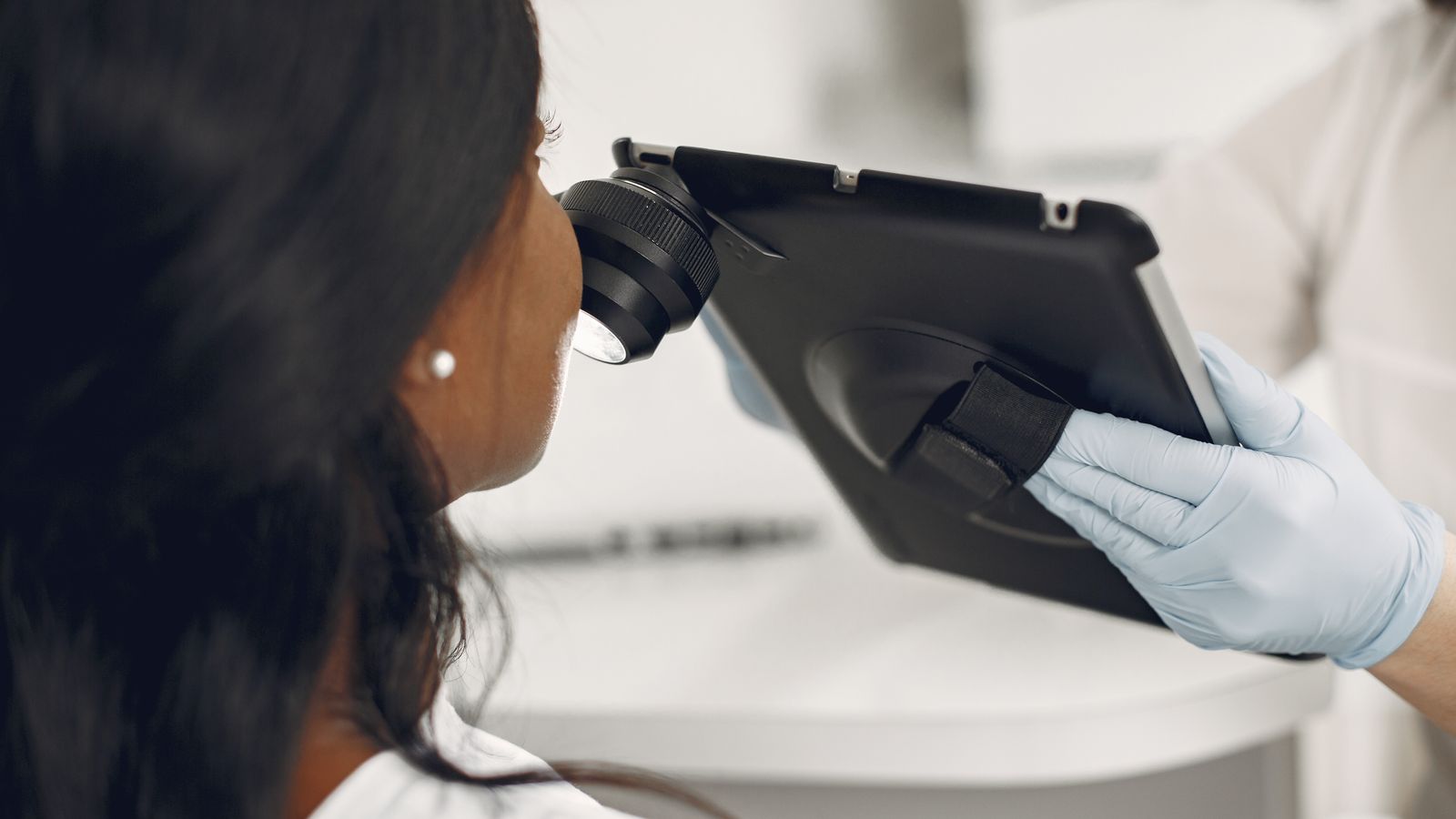
- The examination. A close look at the scalp, often with a dermatoscope, which magnifies the follicle openings and shows whether hairs are miniaturising, whether the skin is inflamed, and whether follicle openings are still present.
- The pull test. A gentle tug on a bundle of around sixty hairs. More than about six coming away suggests active shedding rather than settled pattern change.
- The blood work. Usually taken the same day or booked at the practice nurse.

A scalp biopsy is occasionally taken where the picture is unclear or scarring is suspected. It is a small punch of skin under local anaesthetic, it takes a few minutes, and it is the only way to settle certain questions. It is not routine and you will not be surprised with one.
How do you prepare for a hair loss consultation in ten minutes?
Preparation is the highest return activity in this entire process, because the clinician can only work with what you can tell them. Ten minutes the night before is enough.

- Write a timeline. Month by month, starting three months before you first noticed anything. Include illness, surgery, bereavement, job change, new medicines, childbirth, dieting and any large change in eating.
- Find old photographs. Anything from six to twelve months ago showing your parting, crown or hairline from above. Comparison beats memory every time, and memory is unreliable about hair.
- List every medicine and supplement. Include the dose. High dose biotin in hair, skin and nail supplements interferes with thyroid and some hormone assays, so it matters that they know.
- Note your family history. Both sides, not just your father's. Pattern hair loss is inherited from both parents.
- Wash your hair normally. Arrive with your hair in its everyday state. Do not style it to hide anything, and do not scrub the scalp raw the morning of the appointment.
Get a discount on the thinning hair range
Join the Watermans mailing list and we will email a discount code straight to your inbox, so you can try the thinning hair range for less. Made in the UK, over 6.5 million bottles sold since 2012.
Which tests are usually run, and what do the results mean?
The standard UK panel is short and cheap, and it explains a surprising proportion of cases on its own.
| Test | What it is looking at | Why it matters for hair |
|---|---|---|
| Ferritin | Stored iron | Low stores are common in menstruating women and are linked with diffuse shedding |
| Full blood count | Anaemia and general health | Sits alongside ferritin to show the whole iron picture |
| Thyroid function | TSH, sometimes T4 | Both underactive and overactive thyroid disturb the hair cycle |
| Vitamin D | 25-hydroxyvitamin D | Widely low in the UK, and associated with several hair conditions |
| Hormone panel | Testosterone, SHBG, sometimes prolactin | Ordered where there are other signs such as irregular cycles or acne |
Two honest caveats. First, a normal panel is genuinely useful information and not a wasted appointment, because it rules things out and points the answer towards pattern change. Second, experts disagree about the ferritin level below which hair suffers, with commonly quoted thresholds ranging from 30 to 70 micrograms per litre and no settled consensus in the literature. If your result sits in that grey band, that disagreement is worth raising rather than assuming either extreme.
What questions are worth asking before you leave?
- What do you think is causing this, and how confident are you in that view?
- Is this type usually temporary or progressive?
- Which tests are we running, and what would each result actually change?
- What are my options, and what happens if I do nothing for six months?
- When should I come back, and what would make you refer me on?
Write the answers down in the room. People remember roughly a third of what is said in a medical appointment, and the third they remember is rarely the useful third.
What happens after the hair loss consultation?
What follows depends entirely on the cause. A low ferritin result is corrected and reviewed. A thyroid result goes down its own pathway. Pattern change is managed with the options your clinician sets out, which our comparison of hair growth options puts in context. A shedding episode after illness or childbirth often needs nothing but time and reassurance.
Whatever the plan, measure it. Take a photograph of your parting and crown in the same light on the first of every month, as set out in our guide to tracking hair progress. Hair moves too slowly for the mirror to be a fair judge over six months.
Alongside that plan, the daily routine still matters, because breakage sits on top of everything else and makes any density change look worse than it is. Gentle cleansing, a conditioner that lets a comb move without snapping strands, and less heat are the unglamorous parts that keep the length you already have. For a closer look at what is genuinely worth paying for with hair loss, see our guide to what is genuinely worth paying for with hair loss.

A sulphate free daily wash with biotin, caffeine, niacinamide and rosemary. It supports a healthy scalp environment and helps hair look and feel fuller while your clinician led plan does its own work.
Shop Grow Me
Built around breakage defence, with shea butter, glycerin, hydrolysed lupine protein and silica. Detangling without tugging is the single easiest way to keep the length you have.
Shop Condition MeWatermans is a UK family business that has sold over 6.5 million bottles since 2012. The range is cruelty free and made in the UK.
Watermans products are 100% cosmetic and do not treat medical hair loss. Individual results may vary. This article is general information and is not a substitute for advice from a qualified clinician.
Frequently asked questions
Should I see a GP or a trichologist first?
The GP comes first in the UK. The visit is free and the GP can order the blood panel that explains a large share of cases, then refer you on to a dermatologist if the picture is unclear. A trichologist is a useful second step for detailed scalp analysis and ongoing management.
What tests are usually done at the appointment?
Ferritin, full blood count, thyroid function and vitamin D are the usual panel, with hormone tests added where there are other signs such as irregular cycles or acne. A scalp biopsy is held back for unclear or scarring cases.
How much does a private hair loss consultation cost in the UK?
A registered trichologist typically charges between 50 and 150 pounds for a first appointment, and a private dermatologist commonly charges between 150 and 300 pounds. The NHS route through your GP costs nothing, which is why it is the sensible first move even if you plan to go private afterwards.
What should I bring to the appointment?
A month by month timeline going back three months before the change started, photographs of your parting and crown from six to twelve months ago, a list of medicines and supplements including doses, and your family hair history on both sides.
Does hair grow back once the cause is found?
It depends on the cause. Shedding driven by illness, childbirth, stress or low iron usually recovers once the trigger is corrected. Pattern change is progressive and is managed rather than resolved. Scarring conditions need prompt specialist care, because follicles that scar over do not come back.
How quickly should sudden hair loss be seen?
Urgently. Rapid loss, a painful or inflamed scalp, or smooth shiny skin where hair used to be can indicate scarring conditions where early specialist care protects follicles permanently.
Can a shampoo replace a proper assessment?
No. Cosmetic hair care works on the fibre and the scalp environment, which is why it helps with breakage and with how full hair looks. It cannot tell you why density is falling. Only an examination and blood tests can do that. If surgery does come up, the two harvesting methods differ more than most clinics explain, starting with follicular unit transplantation.
Will the GP take it seriously?
Most do, and the ones who move quickly are the ones given something concrete to work with. Turning up with a written timeline, dated photographs and a supplement list changes the tone of the appointment more than any phrasing you could rehearse.
Sources and references
- NHS, Hair loss, for the UK pathway, common causes and when to see a GP.
- NICE Clinical Knowledge Summaries, Alopecia areata, for the assessment and investigation a GP works from when patches appear.
- British Association of Dermatologists information leaflets, for condition specific detail on alopecia areata and scarring alopecias.
- The Institute of Trichologists, for checking that a private trichologist is registered.
What is the bottom line on hair loss consultation?
A hair loss consultation is the cheapest and fastest step in the whole process, and it is the one most people postpone. Spend ten minutes writing a timeline, dig out photographs from last year, list your supplements honestly, and ask the five questions. Let the examination and the blood results decide what happens next, and keep the daily routine gentle so breakage is not quietly adding to the problem while you wait.
For the cosmetic side of a fuller look, our sulphate free hair growth shampoo is the step that does the heavy lifting. Made in the UK, with over 6.5 million bottles sold since 2012.