


Rosemary Oil Benefits for Hair: All 10, Ranked by Evidence
The rosemary oil benefits for hair that hold up best are scalp circulation support, antioxidant protection, scalp comfort and a genuine six month human trial showing increased hair count in pattern thinning. The benefits that do not hold up are darkening hair and delaying grey. Rosemary is unusual among botanicals in having real human research behind it, so it deserves to be taken seriously and to be described accurately, which is what this ranking does.
Key takeaways
- Strongest evidence: a 2015 randomised six month trial found rosemary oil comparable to the standard topical option for hair count in pattern thinning, with less scalp itching.
- Well supported: antioxidant content, scalp circulation when massaged in, and anti irritant scalp comfort.
- Plausible but thinner: flake control, light conditioning, fuller looking hair.
- Weak: darkening hair and delaying grey. These are folk traditions, not findings.
- Never apply the essential oil neat. Dilute to about 2%, or use a shampoo with rosemary already formulated in.
- Judge results at three to six months. Nothing in hair biology moves faster.
What are the strongest rosemary oil benefits for hair?
1. Supporting hair count in pattern thinning
This is the claim with real weight behind it. A 2015 randomised controlled trial ran rosemary oil against the standard 2% topical option for six months in androgenetic alopecia and found comparable increases in hair count, with rosemary causing noticeably less scalp itching. One trial is not a body of evidence and the study had a small sample, but it is far more than almost any other botanical in hair care can point to.
2. Antioxidant protection
Rosemary is rich in rosmarinic acid and carnosic acid, both well characterised antioxidants. Follicles sit in skin exposed to sun, pollution and heat styling, all of which generate oxidative stress, so an antioxidant applied to the scalp has a sensible mechanism behind it even where the direct hair evidence is limited.
3. Scalp circulation when you massage it in
Some of the benefit attributed to rosemary belongs to the massage that delivers it. Regular fingertip scalp massage has its own small evidence base for supporting the scalp environment, and rosemary gives you a reason to do it consistently for a few minutes. Take the combination, and be honest that the oil is only half of it.
4. A calmer, more comfortable scalp
Diluted rosemary oil has anti irritant properties that suit scalps running itchy or tight. This matters more than it sounds. A scalp you are constantly scratching is a scalp where hair gets damaged mechanically, so comfort is not a soft benefit.

Which rosemary oil benefits for hair are plausible but less proven?
5. Fewer flakes on a dry or oily scalp
Rosemary has antimicrobial activity in laboratory work, and many people report fewer flakes using it. For persistent, greasy, yellowish scaling, that is seborrhoeic dermatitis and a botanical oil is not the answer. Our guide to a flaky scalp covers what actually helps and when to see a pharmacist or GP.
6. Light conditioning and shine
Applied in a carrier oil, it smooths the cuticle and adds shine. This is a finishing benefit, not a substitute for a conditioner, and the carrier oil is doing most of the work here rather than the rosemary.
7. Hair that looks fuller
Between the scalp support and the smoothing, consistent users typically describe fuller looking, better textured hair after a few months. That sits comfortably alongside the trial's hair count finding without overstating it.
8. Less breakage
Better conditioned, more flexible fibres snap less under a comb, and length you do not lose is length you keep. The same retention logic runs through our guide to growing hair faster.
Which claimed benefits do not stand up?
9. Darkening hair
Rosemary rinses to deepen dark hair are a genuine folk tradition across the Mediterranean, and there is essentially no modern evidence for it. Any effect is likely a slight surface tint from a strong infusion, not a change to the hair itself. Enjoy it as tradition and expect nothing.
10. Delaying grey hair
The antioxidant story makes this sound plausible, which is exactly why it spreads. No good human study supports it. Greying is overwhelmingly genetic and timed by the pigment cells in each follicle, and no topical product has been shown to change that schedule.
Hair loss, shedding and breakage: which one does rosemary help?
Rosemary is sold as an answer to all three, and it is not. Separating them tells you whether it is worth your time.
- Hair loss in the pattern sense is follicular miniaturisation, where each cycle produces a finer hair at the parting or crown. This is the one the 2015 trial looked at, so it is where rosemary has its best case, and it works only where living follicles remain.
- Hair shedding is telogen effluvium, whole hairs released together after illness, childbirth, crash dieting or low iron. Rosemary does not shorten it, because those follicles committed to resting months ago. Our telogen effluvium explainer covers the timeline.
- Hair breakage is the fibre snapping mid length, leaving blunt ended pieces with no bulb. Here the carrier oil and conditioning help, modestly and reliably.
Check the root end of a hair on your brush. A pale bulb means it was released. A blunt end means it broke. That one look tells you which of the three you are dealing with.

How do you actually use rosemary oil safely?
Most bad experiences come from using the essential oil neat. It is potent, and undiluted application on skin is how people end up with a burning, red scalp and conclude the ingredient is useless.
| Method | How | Effort and risk |
|---|---|---|
| Diluted scalp oil | 3 to 5 drops of essential oil per tablespoon of jojoba, almond or coconut. Massage in, leave 30 to 60 minutes, wash out. One to three times a week. | Highest effort. Needs a patch test. Greasy until washed. |
| Rosemary in your shampoo | Use a wash formulated with rosemary. Work into the scalp, leave two minutes, rinse. | Lowest effort, sensible dosing, nothing to measure. Shorter contact time. |
| Rosemary water rinse | Steep fresh or dried sprigs, cool, pour through after washing. | Cheap and gentle, but very dilute and spoils within days in the fridge. |
| Neat essential oil | Do not. | Irritation, contact dermatitis, sensitisation. No added benefit. |
Patch test on your inner forearm and wait 24 hours before the first scalp application. If you are pregnant, breastfeeding or have epilepsy, ask your GP or pharmacist before regular use of any essential oil, rosemary included.
Free: the rosemary oil routine card
One page you can keep in the bathroom. It has the safe dilution ratios for each carrier oil, the patch test method, a three to six month tracking grid so you judge results on evidence instead of memory, the signs you are using too much, and which of the ten benefits above to actually expect at each month. We will email it to you.
How long before the rosemary oil benefits for hair show up?
Three to six months, and the trial that gives rosemary its best evidence ran for six. Hair grows about 1.25 cm a month and follicles work on a cycle measured in months, so nothing useful can be judged at four weeks. Two practical points. Take a photograph of your parting on day one, in the same light and at the same angle, because memory is unreliable over a season. And expect an initial period where nothing appears to change at all, which is normal and is where most people abandon the routine.

When should you see a GP instead?
Rosemary is a reasonable thing to add to a routine, and a poor thing to rely on if something else is going on. Speak to your GP if shedding started suddenly and heavily, if there is a smooth completely bare patch, if your scalp is sore, scaly or painful, if the parting is widening month on month, or if hair changes arrive with exhaustion, weight change or very heavy periods. Iron stores and thyroid function are ordinary blood tests and are the two most worth asking about. Our guide to sudden hair loss in women sets out when to be seen. Watermans products are 100% cosmetic and do not treat medical hair loss. Individual results may vary.
Where does Watermans fit?
We formulate rosemary into our everyday wash, which is the low effort route in the table above. That is a commercial interest, so judge it on the ingredients list rather than on our say so.

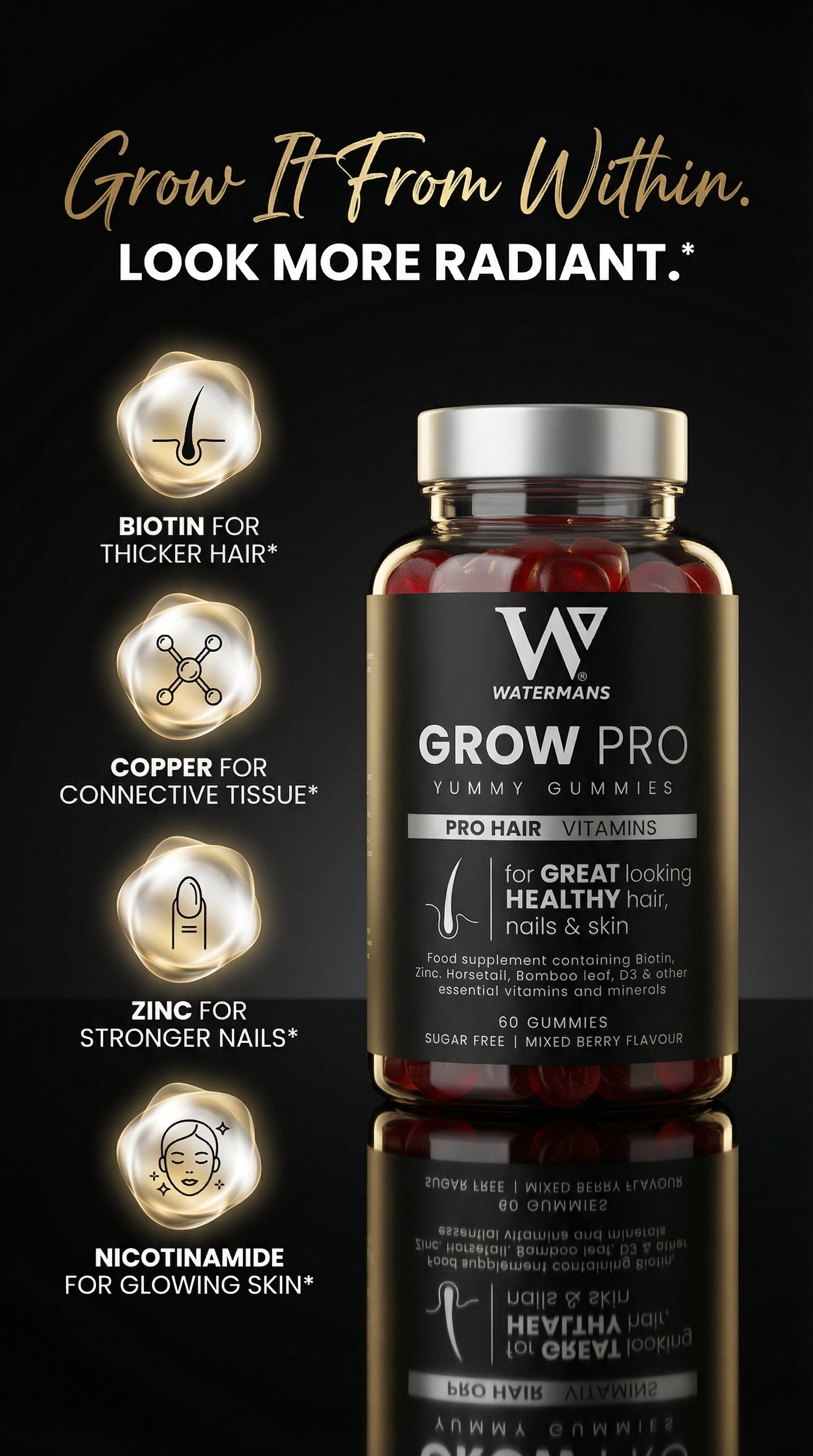
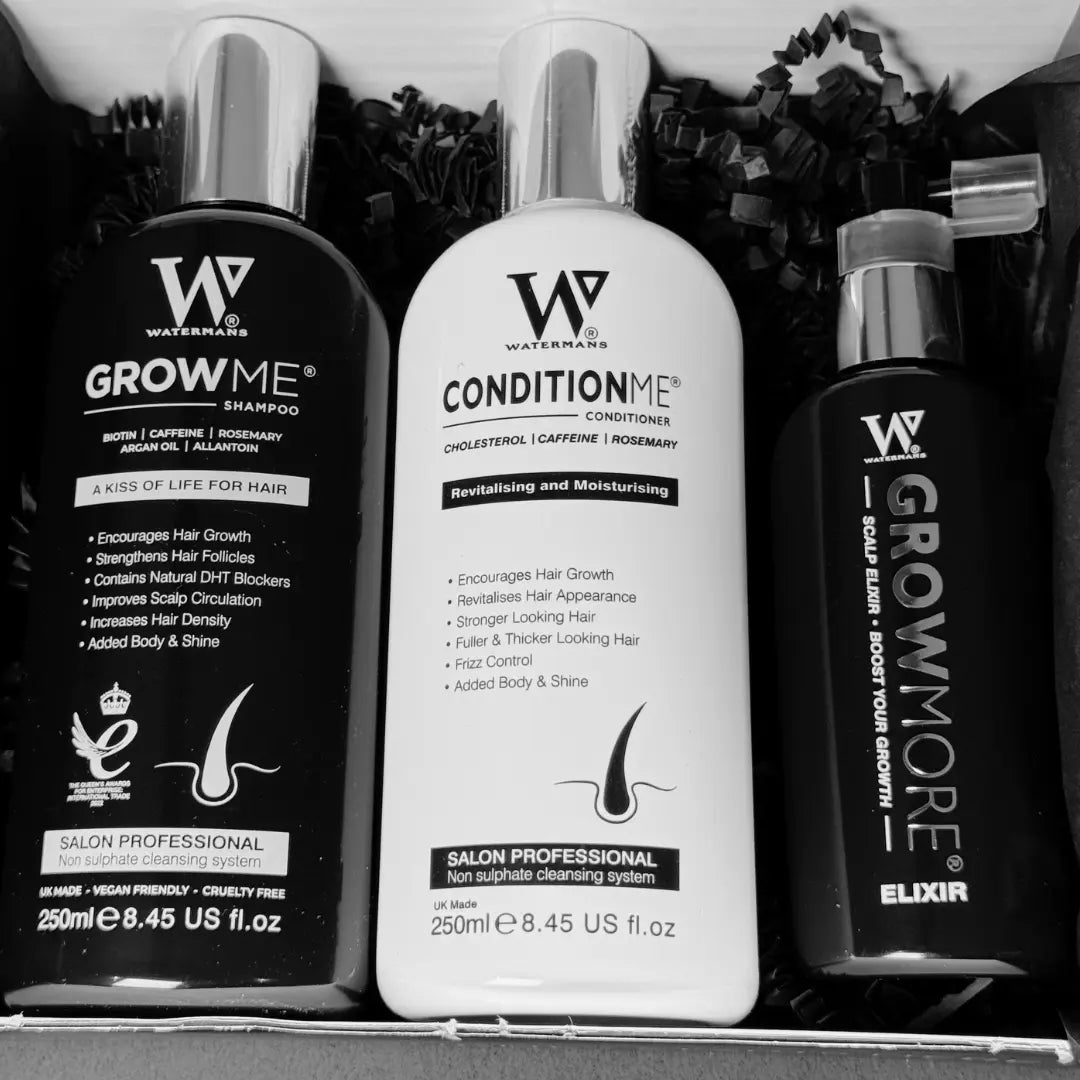
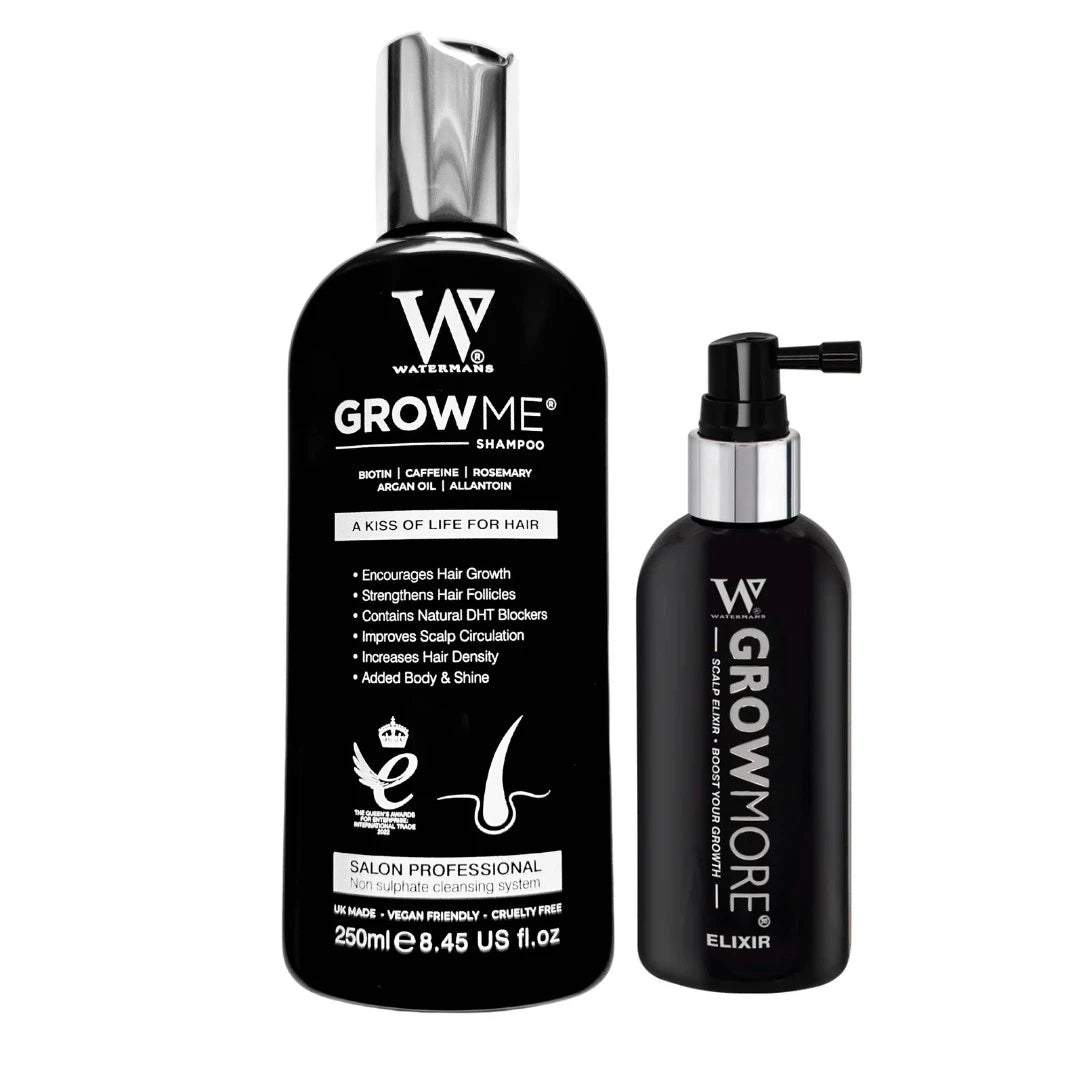
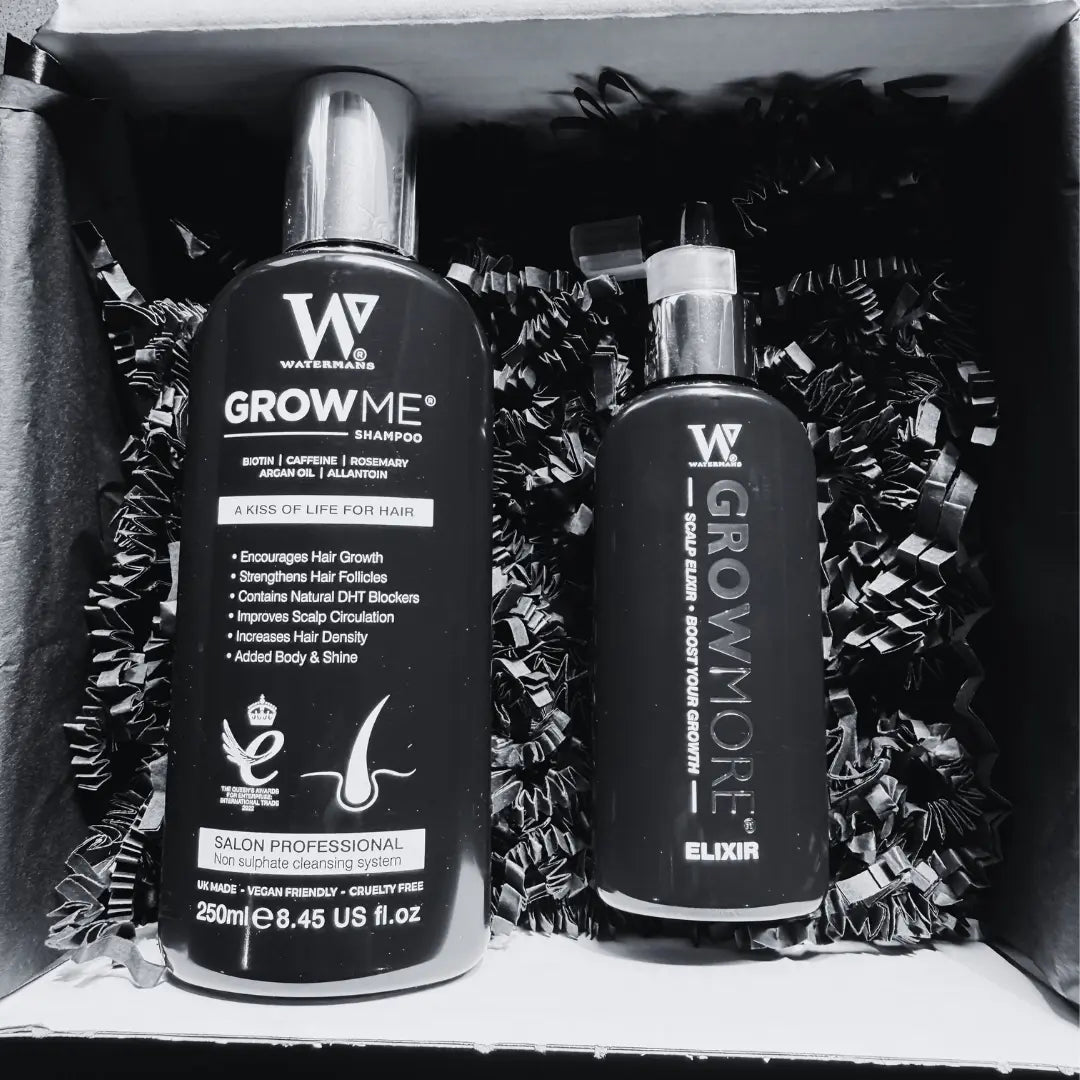
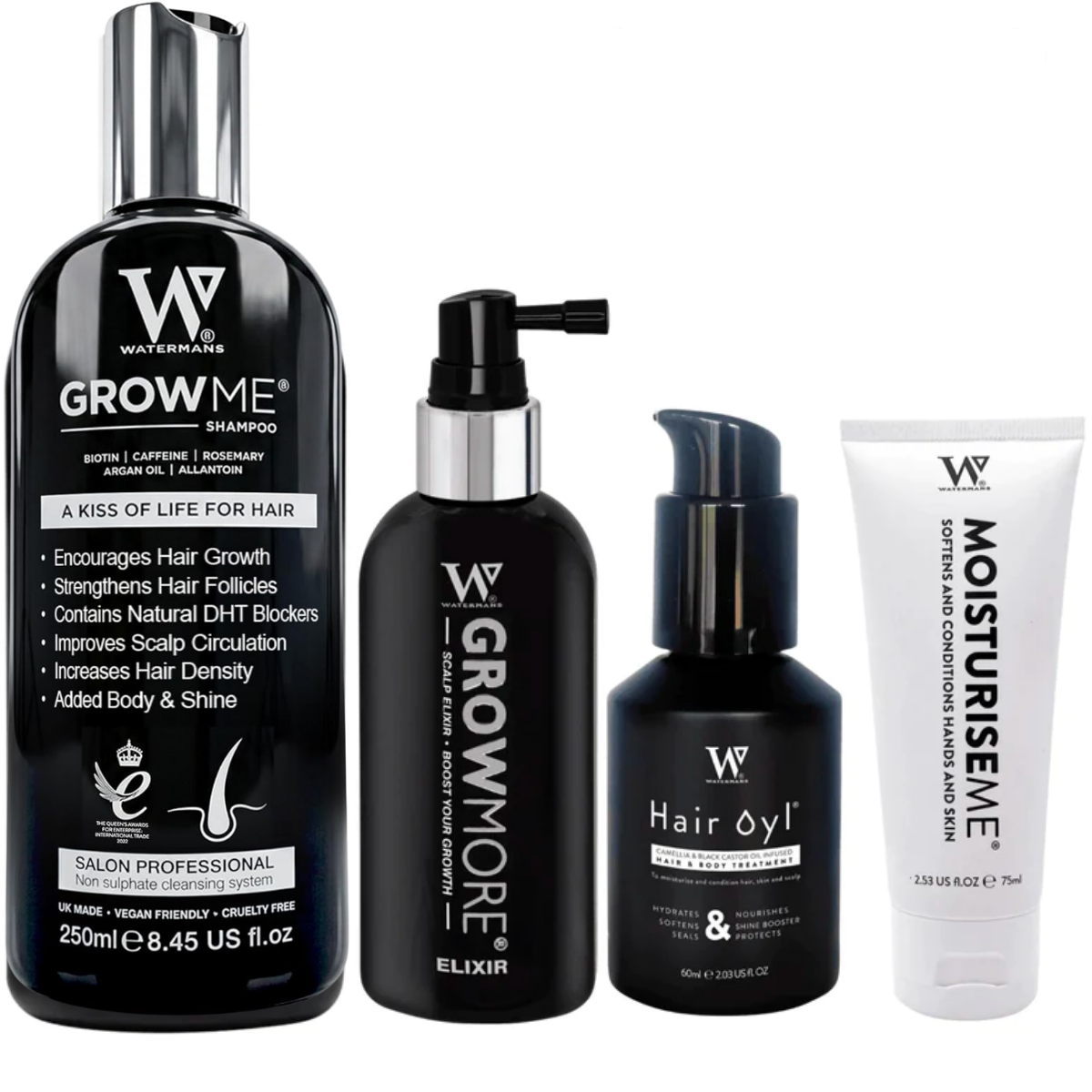
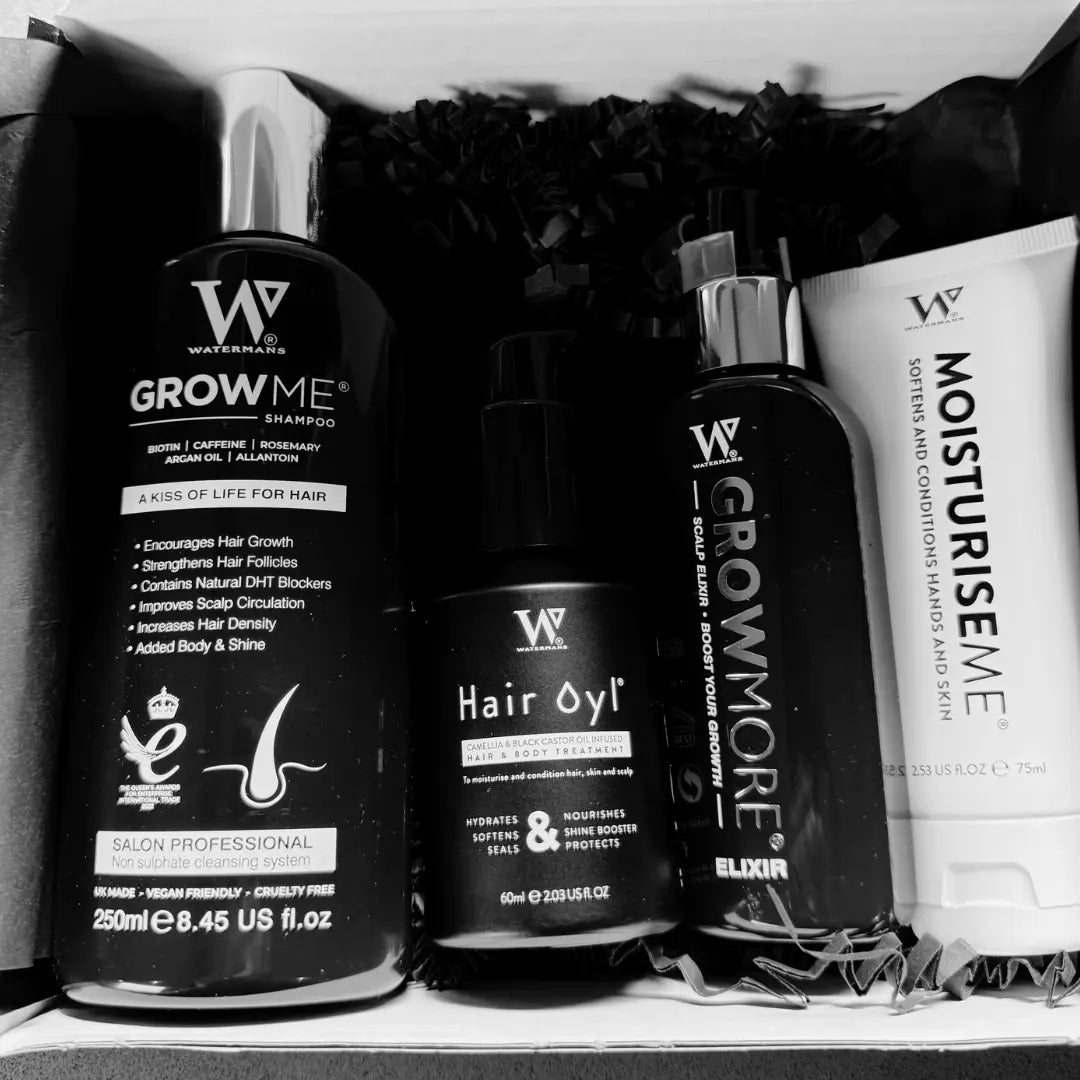
Rosemary alongside biotin, caffeine, niacinamide and argan oil in a sulfate free daily wash, formulated to support a comfortable scalp environment and leave finer hair looking fuller. Nothing to dilute and nothing to measure. Vegan, cruelty free, made in the UK, over 5 million bottles sold since 2012.

Condition Me Hair Growth Conditioner
If breakage is your actual problem rather than thinning, this does more than any oil will. Slip through the mid lengths is what lets a comb pass without taking length with it.
Frequently asked questions
What are the main rosemary oil benefits for hair?
The best supported are hair count in pattern thinning, shown in a six month randomised trial, plus antioxidant protection, scalp circulation support when massaged in, and scalp comfort. Flake control, light conditioning and fuller looking hair are plausible. Darkening hair and delaying grey are folk claims with no good evidence.
How often should I use rosemary oil?
One to three times a week as a diluted scalp oil, or every wash if it is already formulated into your shampoo. More often is not better and raises the chance of irritation.
Can I use rosemary oil on all hair types?
Yes, from oily to very dry and from straight to coily. Match the carrier to your hair weight: jojoba or grapeseed for fine hair, a richer coconut or castor blend for thick or coily hair.
Does rosemary oil work on a bald scalp?
No. It acts on follicles that are still producing hair, however fine. Areas that have been smooth and bare for years no longer have working follicles for anything topical to act on.
Are there side effects?
Mostly irritation, redness and itching from using it neat or too frequently. Dilute it, patch test first, and check with your GP or pharmacist during pregnancy, while breastfeeding, or if you have epilepsy.
Is rosemary water as good as the oil?
It is much weaker. A steeped rinse contains a fraction of the active compounds and spoils within days without refrigeration. It is gentle and cheap, but do not expect the trial result from it.
Can I use rosemary oil with other hair products?
Generally yes. Stagger applications rather than layering everything at once, and if your GP or pharmacist has given you something for your scalp, mention the oil to them first.
Does rosemary oil help with postpartum shedding?
Not meaningfully. That shedding is the release of hair the follicles committed to months earlier and it resolves on its own. Nutrition, iron stores and gentle handling matter far more in that window.
The bottom line
Rosemary oil benefits for hair are real at the top of the list and thin at the bottom, and knowing which is which is the whole value of the ingredient. One decent trial supports hair count in pattern thinning, the antioxidant and scalp comfort claims are well founded, the conditioning benefits are modest and reliable, and the darkening and anti grey claims are folklore. Dilute it properly or let a formulated shampoo handle the dosing, photograph your parting on day one, give it six months, and see your GP rather than a bottle if the shedding is sudden, patchy or painful.
Sources & References
- Panahi Y, Taghizadeh M, Marzony ET and Sahebkar A, Rosemary oil vs 2% topical solution for the treatment of androgenetic alopecia: a randomized comparative trial, Skinmed, 2015, the six month human trial behind the hair count claim.
- Begum A and colleagues, An in depth review on the medicinal flora Rosmarinus officinalis, Acta Scientiarum Polonorum Technologia Alimentaria, 2013, on rosmarinic and carnosic acid antioxidant content.
- Koyama S and colleagues, Standardised scalp massage results in increased hair thickness, Eplasty, 2016, on the contribution of massage itself.
- NHS, public information on hair loss, on which causes are temporary and when to speak to a GP.
- NICE Clinical Knowledge Summaries, alopecia scenario guidance, on the investigations commonly considered for diffuse shedding, including ferritin and thyroid function.
- British Association of Dermatologists, public information leaflets on female pattern hair loss and telogen effluvium, on distinguishing patterned thinning from diffuse shedding.