






Moringa Powder for Hair: Honest Benefits and How to Use It
Moringa is a genuinely nutrient-dense plant, and here is the honest way to think about it for hair: eating moringa (rich in vitamins A, C and E, iron and protein) supports your hair from within, while moringa masks and rinses are pleasant conditioning treatments, but the topical "boosts blood flow and stops hair loss" claims are overstated. Enjoy it as good nutrition plus a nice conditioning extra, not a miracle growth cure. Here is how.
Key takeaways
- Moringa is nutritious, eating it supports hair via vitamins, iron and protein.
- Topical moringa masks and rinses condition and soothe, but do not "feed" follicles from outside.
- Growth and anti-hair-loss claims are not clinically proven, keep expectations realistic.
- Patch test topically, and take care with moringa supplements in pregnancy.
- For genuine hair loss, see a professional rather than relying on a powder.
What is moringa powder?
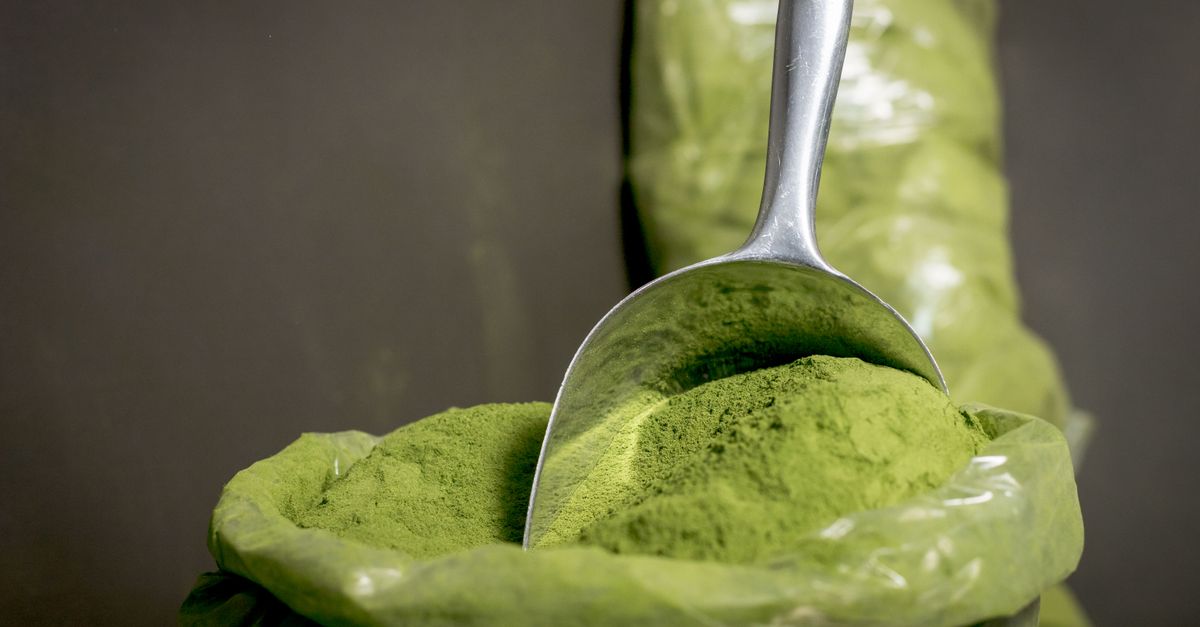
Moringa powder is made from the dried leaves of Moringa oleifera, often called the "miracle tree" for its nutrient density. The leaves are genuinely rich in vitamins A, C and E, iron, calcium, antioxidants and amino acids, which is why it is valued as a food. Those nutrients support overall health, including hair, mainly when eaten.
Honest benefits
- Nutritional support (eaten): as part of a balanced diet, its vitamins, iron and protein support healthy hair from the follicle.
- Conditioning (topical): moringa masks add moisture, softness and shine.
- Scalp soothing: it can help calm a dry, irritated scalp.
- Growth/anti-loss: not proven topically. A mask does not deliver nutrients into the follicle, growth comes from within.
How to use moringa powder
1. Eat it (the effective bit)
Stir a teaspoon into smoothies, soups or dressings. As part of a varied diet it supports hair nutrition, more reliably than any mask.
2. Moringa conditioning mask
Mix 2 tbsp moringa powder with 4 tbsp coconut oil or plain yoghurt, apply to damp hair and scalp, leave 30 to 45 minutes, rinse and shampoo. Weekly.
3. Moringa-infused oil
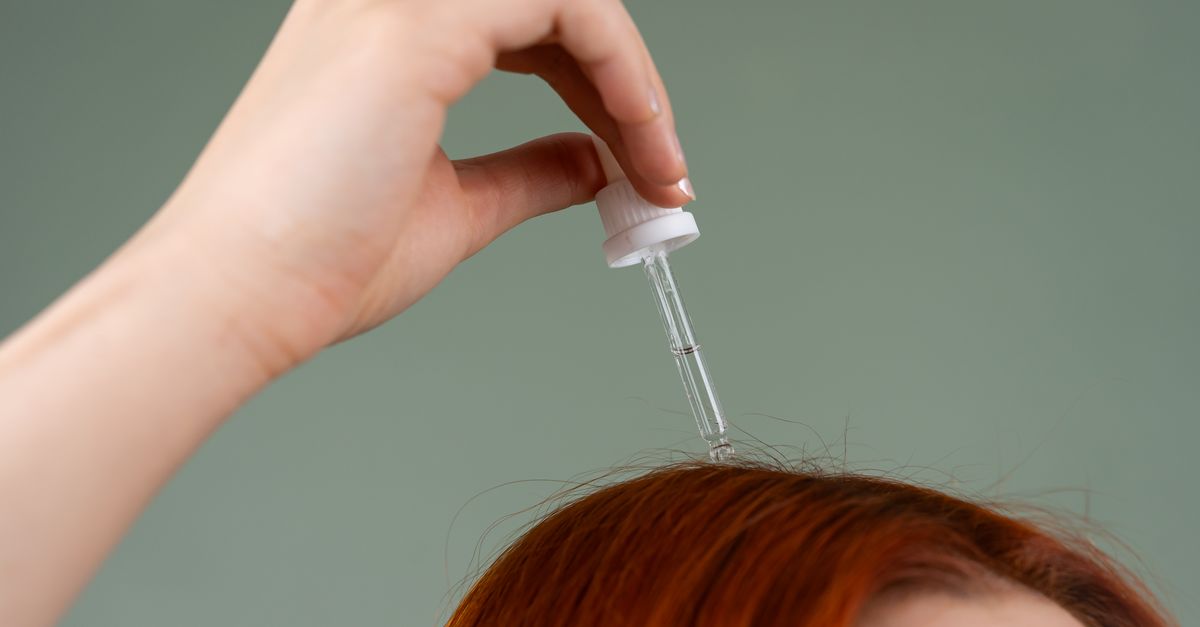
Warm a cup of carrier oil with 2 tbsp moringa powder for 5 to 10 minutes on low, cool, strain, and use as a scalp-and-lengths oil.
4. Moringa and aloe treatment
Blend 2 tbsp moringa with 2 tbsp aloe vera gel, apply, leave 30 minutes, rinse, for lightweight moisture.
5. Moringa rinse
Simmer 2 tbsp moringa in 4 cups water for 15 to 20 minutes, cool, strain, and use as an after-shampoo rinse for shine.

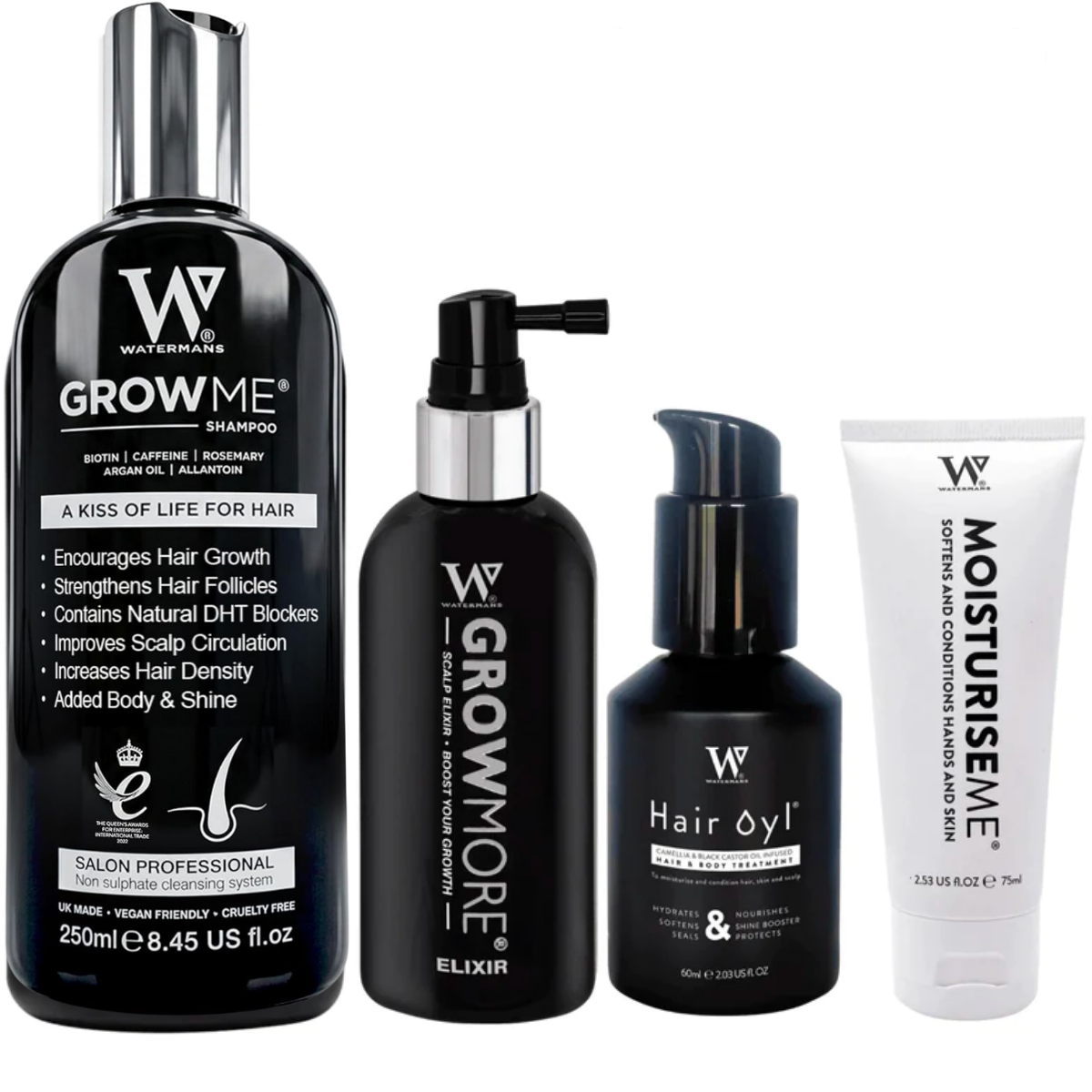
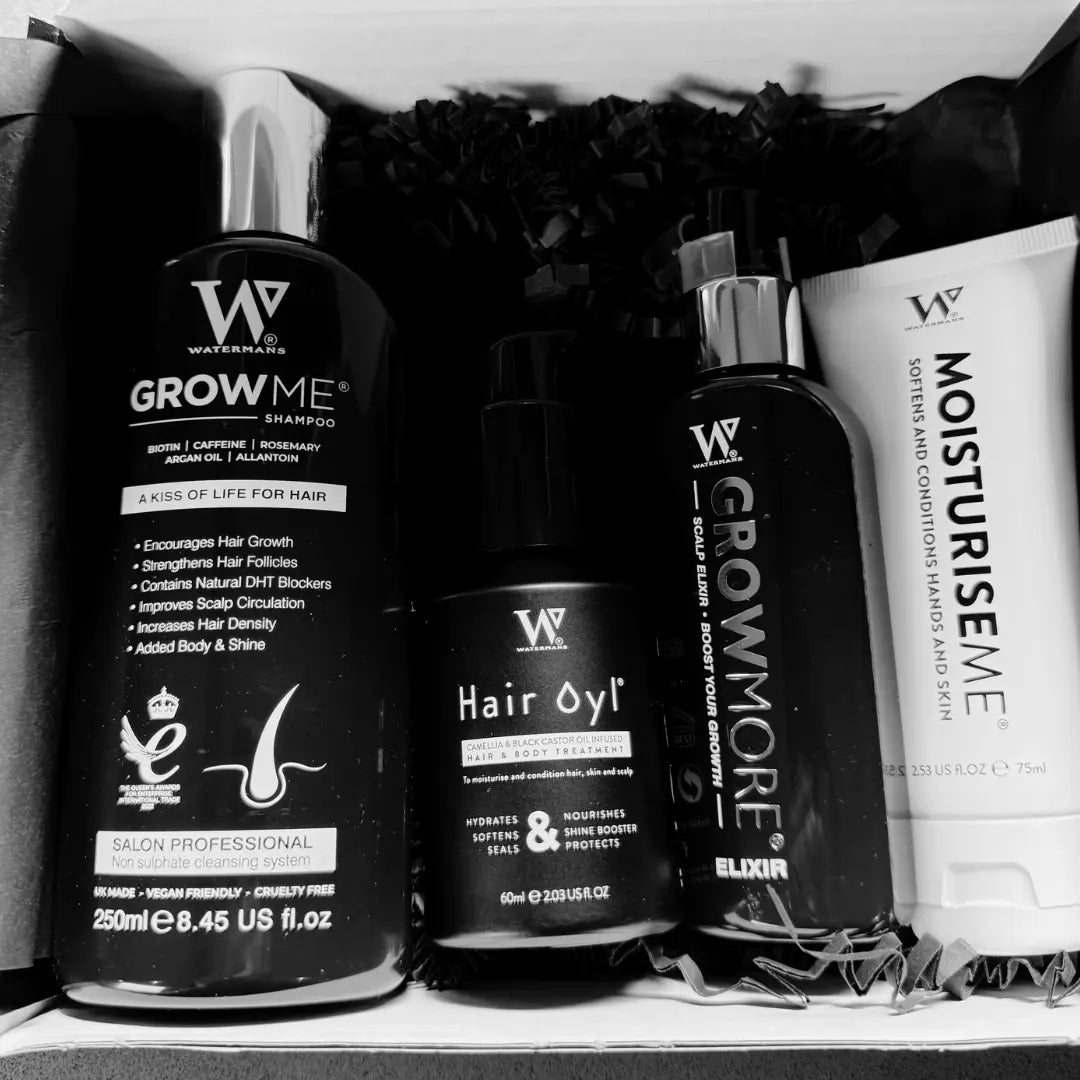
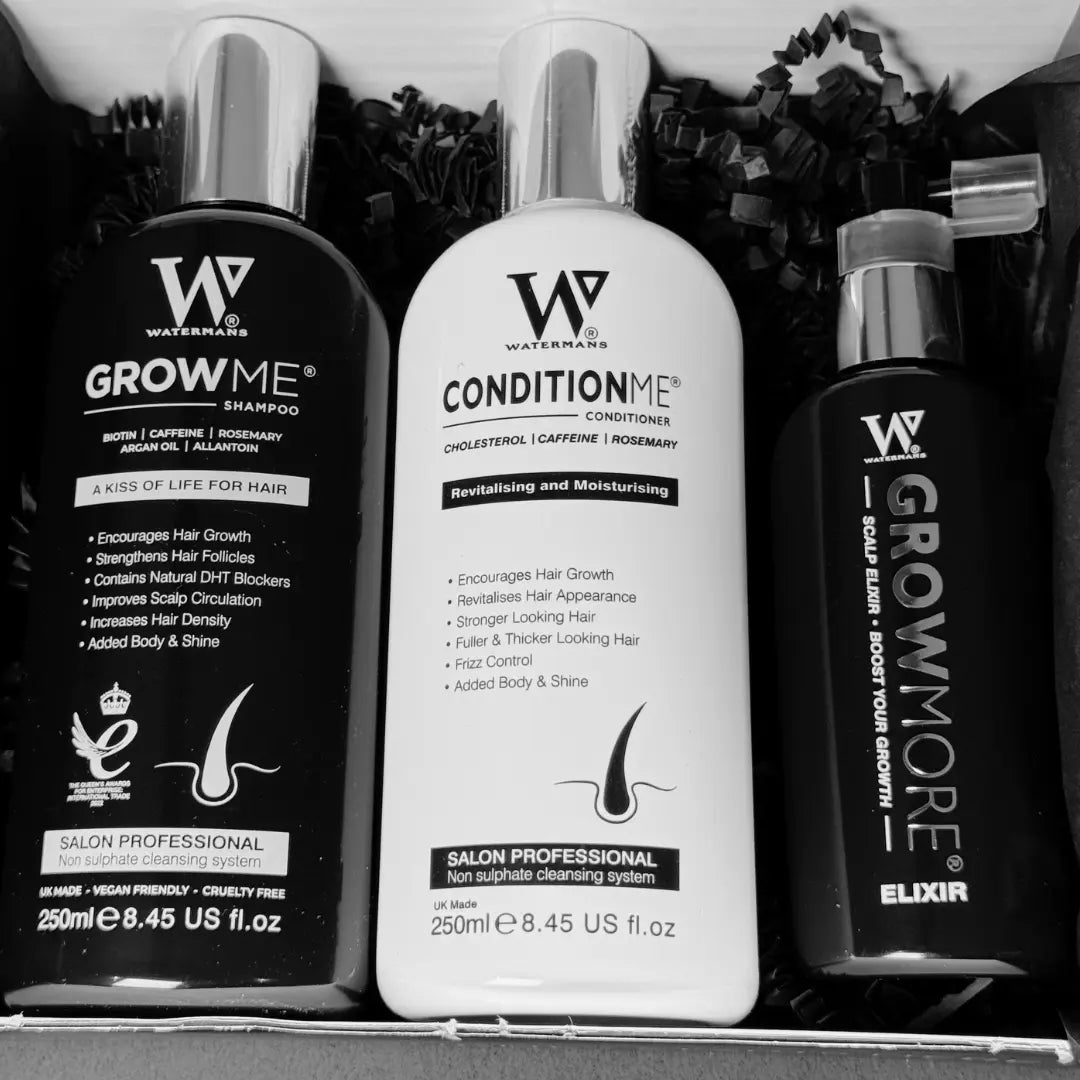
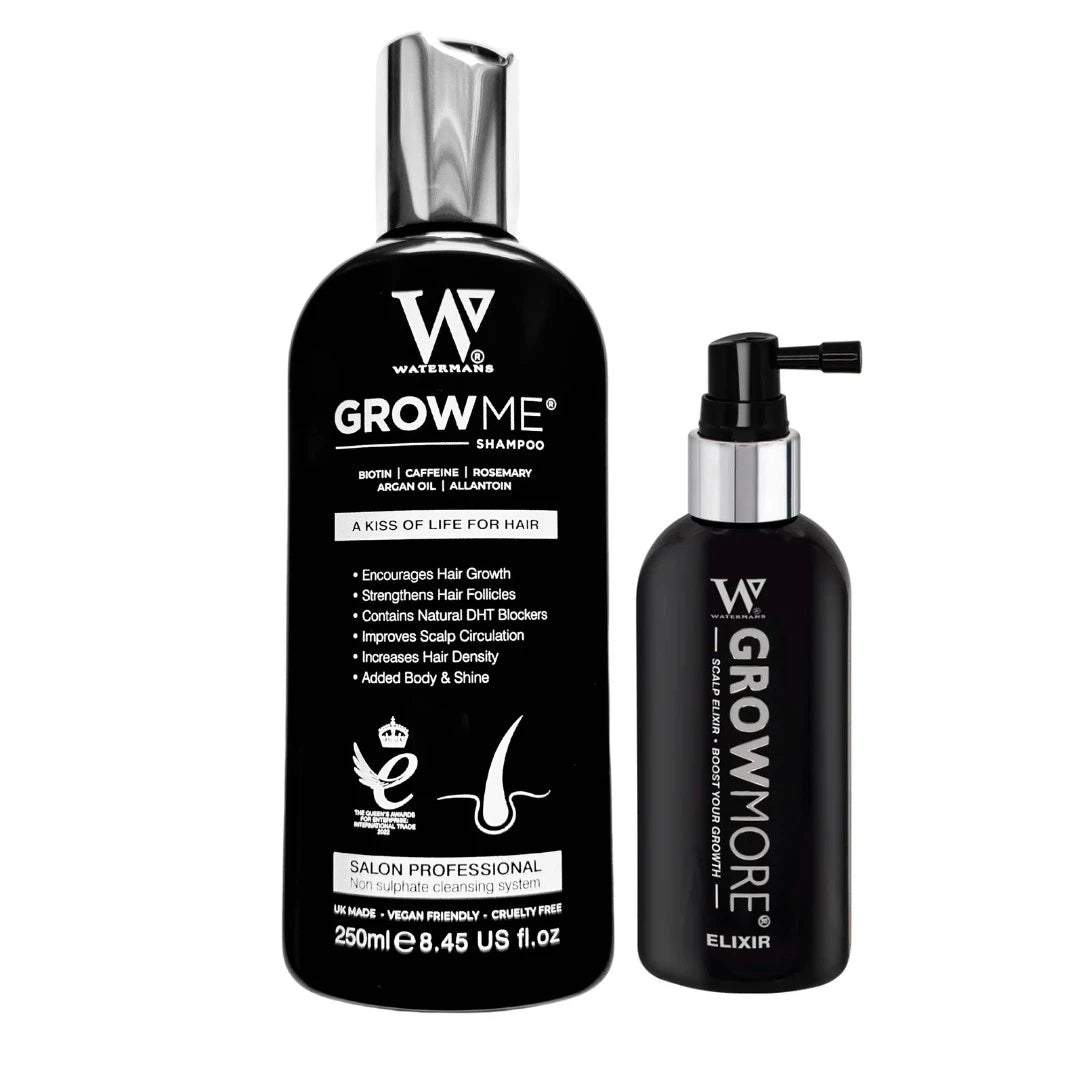
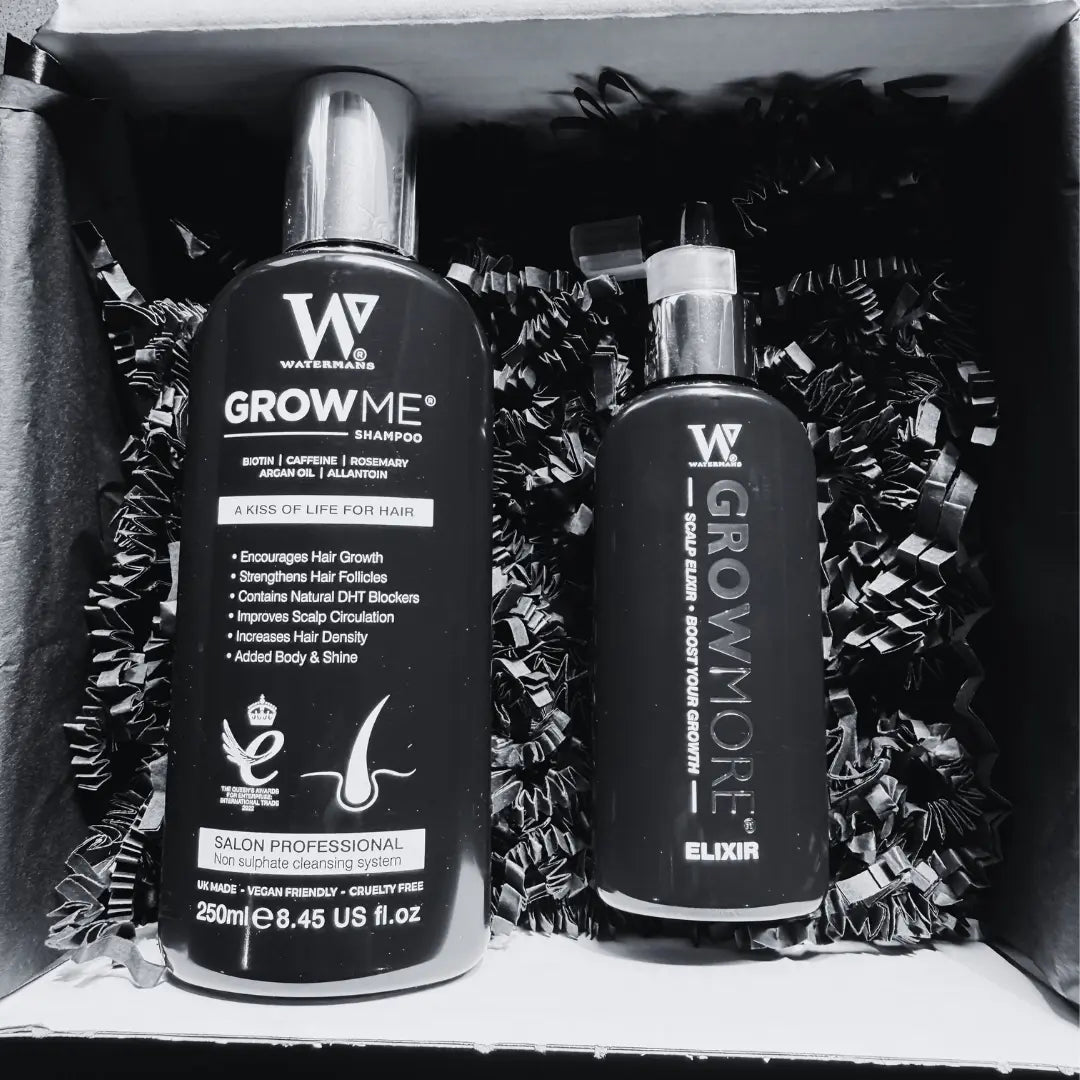
A gentle, sulphate-free cleanser with biotin, argan oil and rosemary, an easy everyday base alongside a good diet and the occasional moringa mask. A cosmetic support, not a medical treatment.
View Grow MeWatermans is a UK family business that has sold over 5 million bottles since 2012. The range is vegan and cruelty-free.
Frequently asked questions
Does moringa powder grow hair?
Eating it supports hair nutritionally; applying it conditions hair. Neither is a proven way to regrow hair or reverse hair loss, treat growth claims with caution.
Is eating or applying moringa better?
Eating, for hair health from within. Topical moringa is a nice conditioner but does not feed the follicle.
How often should I use topical moringa?
Once a week as a mask, rinse or oil is plenty. Patch test first.
Is moringa safe to take as a supplement?
Leaf powder is widely used as a food, but check with a GP or pharmacist before supplementing, especially in pregnancy or with medication.
Does it work for all hair types?
Yes, as a conditioning treatment it suits most hair types. Fine hair needs lighter application.
Moringa powder earns its "superfood" name mostly at the table: eat it for genuine nutritional support, and enjoy moringa masks and rinses as a conditioning extra. Keep growth claims realistic and let good nutrition do the heavy lifting. For another nutritious hair food viewed honestly, see our guide to chia seeds for hair.





%20supports%20your%20hair%20from%20within,%20wh...)