

Fatty Liver Diet: What Actually Reduces Liver Fat, and Why Detox Shakes Do Not
Last updated: August 2026
The only dietary approach with strong evidence for reducing liver fat is sustained weight loss combined with a Mediterranean style eating pattern, not a detox shake. Guidelines commonly cite losing around 5 percent of body weight to reduce liver fat, 7 to 10 percent to improve inflammation, and 10 percent or more before fibrosis tends to improve. Cutting sugary drinks, moving 150 minutes a week and moderating alcohol all contribute independently. No single food, juice or smoothie flushes or detoxifies the liver, because the liver is the organ that does the detoxifying, and it does not need help from a blender.
Key Takeaways
- Weight loss is the single most effective intervention. Around 5 percent reduces liver fat, 10 percent or more may improve scarring.
- The Mediterranean pattern is the dietary pattern most consistently recommended in liver guidelines.
- Sugar-sweetened drinks are the highest-yield single thing to cut, because fructose is processed largely in the liver.
- Coffee is repeatedly associated with lower fibrosis risk in observational studies, which is unusual for a pleasant habit.
- No supplement is proven to treat fatty liver, and some herbal "liver detox" products have caused liver injury.
- Lose weight gradually. Rapid loss can trigger diffuse hair shedding about three months later.

Can a shake or juice detox your liver?
No. The liver is the body's detoxification organ, and no food, drink or supplement flushes it, cleanses it or resets it. "Liver detox" is a marketing category rather than a physiological process, and there is no clinical evidence that any detox drink removes fat from liver cells or reverses liver disease.
What a well-built smoothie can do is be a decent breakfast. If it displaces a pastry and a sugary coffee, adds fibre, and helps you eat fewer calories overall, it contributes to the thing that genuinely works, which is gradual weight loss. That is a real but modest benefit, and it comes from the calories and the fibre, not from a detoxifying property.
What is fatty liver disease, and what is it now called?
Fatty liver disease is the accumulation of excess fat inside liver cells, which can progress to inflammation, scarring and, in a minority of people, cirrhosis. In 2023 an international multi-society consensus renamed non-alcoholic fatty liver disease (NAFLD) to metabolic dysfunction-associated steatotic liver disease, or MASLD, to describe the condition by its cause rather than by what it is not.
The rename matters for a practical reason. The new name puts metabolic dysfunction at the centre: excess weight around the middle, insulin resistance or type 2 diabetes, high blood pressure, and abnormal blood lipids. It is that cluster you are treating, and the liver improves as a consequence. This is also why most people are diagnosed by accident, through routine liver blood tests or an unrelated ultrasound, since early disease has no symptoms at all.
How much weight do you need to lose to reduce liver fat?

Liver specialist guidelines describe a dose response. Roughly 5 percent of body weight reduces the amount of fat in the liver, 7 to 10 percent improves the inflammation that drives damage, and 10 percent or more is where improvement in fibrosis, the scarring, becomes more likely. For someone weighing 90 kilograms, 5 percent is about 4.5 kilograms.
| Weight loss | What typically improves |
|---|---|
| 3 to 5 percent | Liver fat content falls |
| 7 to 10 percent | Inflammation (steatohepatitis) improves in many people |
| 10 percent or more | Fibrosis regression becomes more likely |
Pace matters as much as the target. Aim for around 0.5 to 1 kilogram a week. Very rapid loss, and particularly crash dieting or very low calorie diets undertaken without supervision, can transiently worsen liver inflammation, and it is also one of the most common triggers of diffuse hair shedding, which shows up around three months later. Our guide to what causes telogen effluvium explains that delay and why the shedding usually resolves on its own.
Which eating pattern has the best evidence?
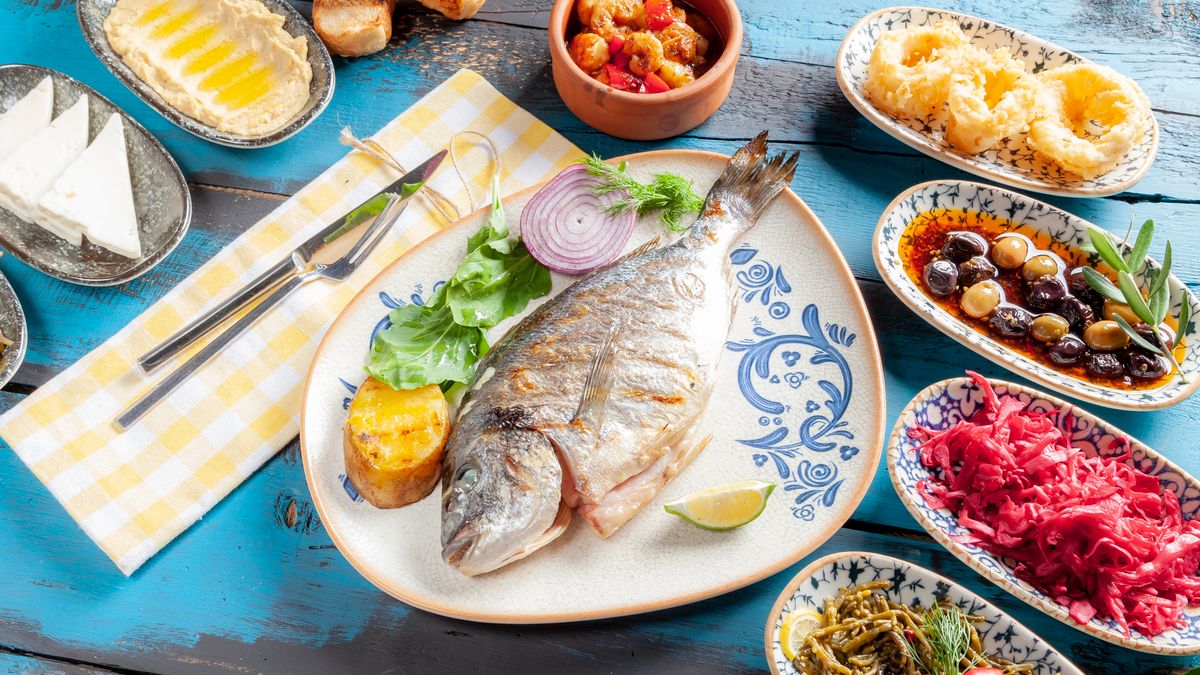
The Mediterranean pattern is the dietary pattern most consistently recommended in European liver guidance for MASLD. It is characterised by olive oil as the main fat, plenty of vegetables, legumes, wholegrains, nuts and fish, moderate dairy and poultry, and little red or processed meat and refined sugar. It reduces liver fat even in studies where people did not lose weight.
| Increase | Reduce |
|---|---|
| Olive oil as the main added fat | Sugar-sweetened drinks and fruit juice |
| Vegetables and legumes at most meals | Refined carbohydrates and white bread |
| Oily fish twice a week | Processed and red meat |
| Wholegrains and high fibre foods | Deep fried foods and ultra-processed snacks |
| Nuts and seeds in modest portions | Alcohol, which adds an independent liver insult |
Why are sugary drinks singled out?
Fructose is metabolised largely in the liver, and in liquid form it arrives fast, in quantity, and without the fibre or chewing that would slow it down. High intakes of sugar-sweetened drinks are consistently associated with increased liver fat, which makes cutting them the highest-yield single change most people can make.
That applies to fruit juice and smoothies bought ready-made as well as to fizzy drinks. Whole fruit behaves differently, because the fibre and the physical structure change the rate of absorption and the amount people consume. Eating two oranges is easy to stop at. Drinking the juice of six is not.
Does coffee genuinely help the liver?

Regular coffee drinking is repeatedly associated with lower rates of liver fibrosis and lower liver-related mortality across large observational studies, including in people who already have fatty liver disease. The association is unusually consistent, and it appears with caffeinated coffee in particular rather than with caffeine from other sources.
Two honest caveats. These are observational studies, so they show association rather than proof of cause, and no guideline recommends starting coffee as a treatment. The practical read is that if you already drink black coffee, this is one habit you do not need to feel conflicted about. Adding several sugary lattes a day would work against you through the sugar.
Do liver supplements and detox products work?
No supplement is proven to treat fatty liver disease, and some carry real risk. Milk thistle (silymarin) has been studied extensively with inconsistent and largely unconvincing results. More importantly, herbal and dietary supplements are a recognised cause of drug-induced liver injury, and high dose green tea extract and some bodybuilding supplements have been implicated in serious cases.
Vitamin E has evidence in a specific group, non-diabetic adults with biopsy-proven steatohepatitis, but it is a prescribing decision made by a specialist who weighs it against known risks. It is not a self-treatment, and the dose used in trials is far above what you would take casually. The general rule for this condition is that anything sold to you as a liver treatment in a shop is not one.
The shake recipe, honestly framed

This is a high fibre, no added sugar breakfast that fits comfortably inside a Mediterranean style pattern. It does not detoxify anything, and it will not reverse fatty liver on its own. It is useful only if it replaces something worse and helps you eat fewer calories across the day.
Ingredients (one serving)
- 2 cups frozen kale, roughly chopped
- 1 cup frozen blueberries
- 1 cup plain kefir with no added sugar, or plain unsweetened yoghurt
- Water or unsweetened plant milk to loosen
Method
- Add the kale to the blender first, breaking up any large frozen clumps.
- Add the blueberries, then the kefir.
- Blend until smooth, adding water a little at a time until it pours.
- Drink it as a meal, not in addition to one. That distinction is the whole point.
What each ingredient actually brings. Kale supplies fibre, vitamin K and polyphenols including quercetin. Blueberries supply anthocyanins, the pigments responsible for the colour, which are being studied for effects on metabolic health with promising but early evidence. Kefir supplies protein and live cultures; research on the gut-liver axis is genuinely interesting and genuinely early, so treat any probiotic benefit as unproven for now.
If you take warfarin, speak to your GP or pharmacist before adding a large daily serving of kale or other dark leafy greens. They are high in vitamin K, which affects how warfarin works. The issue is sudden change in intake rather than the vegetables themselves.
What else moves the needle besides food?
- Exercise, around 150 minutes a week of moderate activity. This reduces liver fat even without weight loss, and resistance training adds benefit. Brisk walking counts.
- Alcohol. Even where the primary driver is metabolic, alcohol is an additional and avoidable insult to the same organ. UK guidance is no more than 14 units a week, spread out, with drink-free days.
- Sleep and sleep apnoea. Untreated obstructive sleep apnoea is associated with worse liver outcomes and is very common in this group, and it is treatable.
- Treating the metabolic conditions. Blood pressure, cholesterol and type 2 diabetes management all matter, and the biggest cause of death in fatty liver disease is cardiovascular, not liver related.
- Medication review. Some prescribed medicines affect the liver. Never stop one yourself. Raise it at a review.
When should you see a doctor?
See your GP if a blood test has shown abnormal liver function, if you have been told you have a fatty liver on a scan, or if you have risk factors such as type 2 diabetes, a large waist measurement or high blood pressure. Seek urgent medical attention for yellowing of the skin or eyes, swelling of the abdomen or legs, vomiting blood, black tarry stools, or confusion.
Ask specifically about a fibrosis assessment. A FIB-4 score can be calculated from blood tests you may already have had, and depending on the result your GP may arrange further testing such as transient elastography. Knowing whether you have scarring changes how closely you need monitoring, and it is the question that actually determines your outlook.
Nothing on this page is a substitute for that assessment. Fatty liver disease is a medical condition with a real trajectory, and it is one where early, unglamorous changes work considerably better than anything sold in a bottle.
Frequently asked questions about fatty liver and diet
Can fatty liver be reversed?
Early fatty liver, where there is fat but little or no scarring, is generally reversible with sustained weight loss and dietary change. Once significant fibrosis has developed, improvement is slower and less certain, though studies show fibrosis can regress with 10 percent or more weight loss. Cirrhosis is not reversible.
How long does it take to reduce liver fat?
Liver fat responds relatively quickly. Measurable reductions have been seen within 4 to 12 weeks of consistent dietary change and weight loss. Inflammation takes longer, usually months, and fibrosis is measured in years. Blood tests may not change in step with the underlying picture, in either direction.
Is a green smoothie good for fatty liver?
It can be a useful breakfast if it is unsweetened, high in fibre and replaces a higher calorie meal. It has no detoxifying effect on the liver. Watch out for shop-bought smoothies and juices, which are often high in free sugars and work against you rather than for you.
What is the worst food for fatty liver?
Sugar-sweetened drinks are the strongest single candidate, because fructose is processed largely in the liver and liquid calories are easy to over-consume. Ultra-processed foods high in refined carbohydrate and fat, and alcohol, come next. There is no single food to eliminate, and the overall pattern matters more.
Does fatty liver cause hair loss?
Fatty liver disease itself is not a recognised direct cause of hair loss. What commonly connects them is rapid weight loss, crash dieting or nutritional deficiency during a lifestyle change, which can trigger diffuse shedding around three months later. Losing weight gradually largely avoids it.
Is milk thistle worth taking?
The evidence for milk thistle in fatty liver disease is inconsistent and not strong enough for any guideline to recommend it. It is generally well tolerated, but taking it can create a false sense that the condition is being treated. The weight and diet changes are what actually alter the disease course.
Can you drink alcohol with fatty liver?
Discuss it with your doctor, as advice depends on how much scarring you have. In general, alcohol adds a second injury to an already stressed liver, and in people with significant fibrosis abstinence is usually advised. Where drinking continues, staying well within 14 units a week with drink-free days is the baseline.
Do I need a special liver diet plan?
No specialist plan is required. A Mediterranean style pattern with fewer free sugars, less alcohol and a modest calorie deficit covers what the evidence supports. If you have diabetes, kidney disease or take warfarin, ask for a referral to a dietitian so the plan is tailored rather than generic.
One thing to watch while you make these changes
Weight loss is the right target here, and gradual is the right pace, partly because rapid loss commonly triggers diffuse hair shedding around three months later. If that happens, it is usually temporary. Our guides to telogen effluvium and working out why your hair is thinning explain what to expect and when it is worth seeing a GP. We have deliberately not attached a product to this article, because fatty liver disease is a medical condition and nothing we sell treats it.