

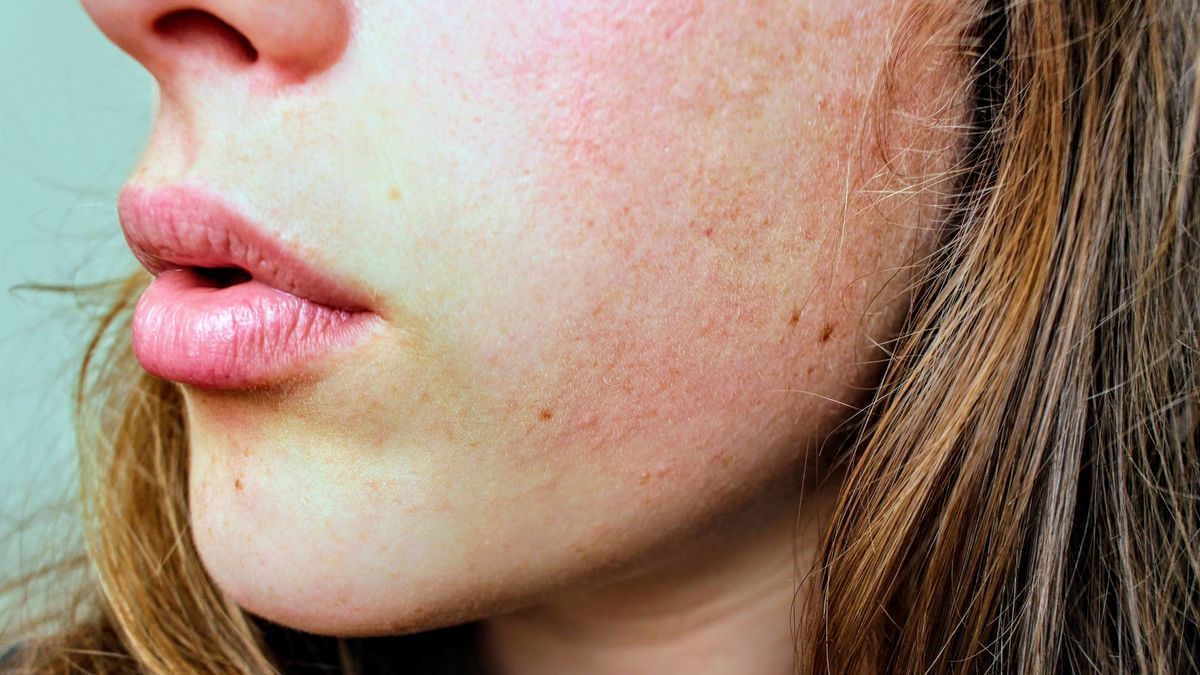
Rosacea Treatment: What Works, What to Avoid, and the UK Pathway
Last updated: August 2026
Rosacea treatment in the UK starts with a GP, not a shop. Prescribed topicals such as ivermectin, metronidazole and azelaic acid are the mainstay for the bumps and pustules, oral doxycycline is added for more stubborn or ocular disease, and laser or intense pulsed light is the option for fixed redness and visible vessels. Everything else, the gentle cleansing, the sun protection and the trigger diary, makes those treatments work better. One thing to avoid outright: topical steroid creams, which calm rosacea briefly and then make it considerably worse.
Key takeaways
- Rosacea is manageable but not curable. The realistic goal is long stretches of control, not permanent clearance.
- Bumps and pustules respond best to prescribed topicals and oral antibiotics. Fixed redness and thread veins respond least to creams and usually need light-based treatment.
- Never use a topical steroid on rosacea unless a dermatologist has specifically told you to. It causes a rebound flare that is harder to treat than the original problem.
- A two-week trigger diary beats guesswork. Common triggers are heat, sun, alcohol, spicy food, hot drinks, stress and exercise, but yours are personal.
- Gritty, watering or light-sensitive eyes are rosacea too. Ocular rosacea is under-recognised and needs treating, not eye drops alone.
What is rosacea, and how do you know you have it?
Rosacea is a long-term inflammatory condition of facial skin, producing flushing, persistent redness across the cheeks, nose, chin and forehead, visible small blood vessels, and often acne-like bumps and pustules. It typically begins after the age of 30 and is more often diagnosed in women, although men more often develop the skin-thickening form. A 2018 systematic review in the British Journal of Dermatology estimated it affects roughly 5 percent of adults worldwide.
The single most useful distinguishing feature is that rosacea has no blackheads. If you have blackheads, you are probably looking at acne, or at both conditions together. Rosacea also tends to burn or sting rather than itch, and it flushes in response to a trigger and then settles, which acne does not do.
Doctors no longer sort rosacea into four rigid subtypes, because most people have features of more than one. The current approach describes what your skin is actually doing, because different features respond to completely different treatments.
| Feature | What it looks like | What actually treats it |
|---|---|---|
| Flushing | Sudden heat and colour that comes and goes | Trigger avoidance, sometimes prescribed medication |
| Persistent redness | Background colour that never fully fades | Laser or IPL, brimonidine gel for temporary cover |
| Bumps and pustules | Red papules and whiteheads, no blackheads | Topical ivermectin, metronidazole, azelaic acid, oral doxycycline |
| Visible vessels | Fine thread veins on cheeks and nose | Vascular laser or IPL, creams do very little |
| Skin thickening | Enlarged, bumpy nose or chin, more common in men | Specialist referral, sometimes low-dose oral isotretinoin or surgery |
| Eye involvement | Gritty, dry, watering, light-sensitive eyes, crusted lids | Lid hygiene, warm compresses, oral doxycycline, ophthalmology if severe |

What is the UK treatment pathway for rosacea?
In the UK, rosacea is diagnosed and usually managed by a GP, who can prescribe the topical and oral treatments that do most of the work. Referral to dermatology is for diagnostic doubt, severe or resistant disease, or skin thickening. The main effective treatments are prescription only here, which is why buying another over-the-counter cream is rarely the step that changes anything.
| Treatment | Used for | How you get it in the UK | Time to judge it |
|---|---|---|---|
| Topical ivermectin | Bumps and pustules, often first choice | Prescription | 8 to 12 weeks |
| Topical metronidazole | Bumps and pustules, and maintenance | Prescription | 8 to 12 weeks |
| Azelaic acid | Bumps, redness, uneven tone | Prescription at treatment strength | 8 to 12 weeks |
| Oral doxycycline | Moderate to severe bumps, ocular rosacea | Prescription | 6 to 12 weeks |
| Brimonidine gel | Temporarily reducing redness | Prescription | Hours, wears off daily |
| Vascular laser or IPL | Fixed redness and thread veins | Usually private, several sessions | After a course, not one session |
| Low-dose oral isotretinoin | Resistant disease, skin thickening | Dermatologist only | Months, with monitoring |
A note on brimonidine: it constricts blood vessels and visibly reduces redness for several hours, which is useful before an event. Some people get rebound redness worse than baseline when it wears off, particularly at first. Trial it on a quiet day rather than the morning of a wedding.
Why do steroid creams make rosacea worse?
Topical steroids suppress inflammation, so a hydrocortisone or stronger cream will often calm rosacea impressively for a few days. Used on facial skin over weeks, they thin the skin, widen blood vessels and provoke a flare that is redder and bumpier than the original condition, a pattern known as steroid-induced rosacea. Stopping then causes a rebound, which tempts people back onto the cream.
This is one of the commonest reasons rosacea gets out of control, and the original version of this article did not mention it at all. If you have been using a steroid cream on your face for facial redness, do not simply stop overnight without advice, and tell your GP how long you have used it, because the withdrawal flare needs managing.
How do you find your rosacea triggers?
Keep a simple two-week diary of flushes alongside what you ate, drank, did and applied in the hour before, then look for repeats. Guessing produces long lists of foods people avoid unnecessarily, while the real trigger is often something structural such as a hot commute, an overheated office, or a shower that is too hot.

The triggers reported most often, roughly in order:
- Sun and heat. Consistently the number one trigger, and the reason sun protection is treatment rather than an optional extra.
- Alcohol, particularly red wine and spirits.
- Hot drinks, where the temperature matters more than the caffeine.
- Spicy food, especially capsaicin and cinnamaldehyde containing dishes.
- Stress and embarrassment.
- Exercise, which is worth adapting rather than avoiding. Train cooler, earlier, and use a cold flannel afterwards.
- Temperature swings, such as coming indoors into central heating on a cold day.
- Skincare containing alcohol, menthol, camphor, witch hazel or fragrance.
Aim to modify rather than eliminate. Cooling a hot drink for five minutes, or scheduling a run for the evening, keeps your life intact while removing the flush.
What skincare routine suits rosacea?
Keep it short. A gentle non-foaming or low-foaming cleanser, a bland fragrance-free moisturiser, and a broad-spectrum SPF 30 or higher every morning is the whole evidence-based routine, and adding steps usually makes things worse rather than better.

- Wash with lukewarm water, never hot, using fingertips rather than flannels or brushes.
- Pat dry. Do not rub.
- Moisturise while slightly damp, which supports the skin barrier that is often impaired in rosacea.
- Apply prescribed treatment as directed, usually after the moisturiser has absorbed unless told otherwise.
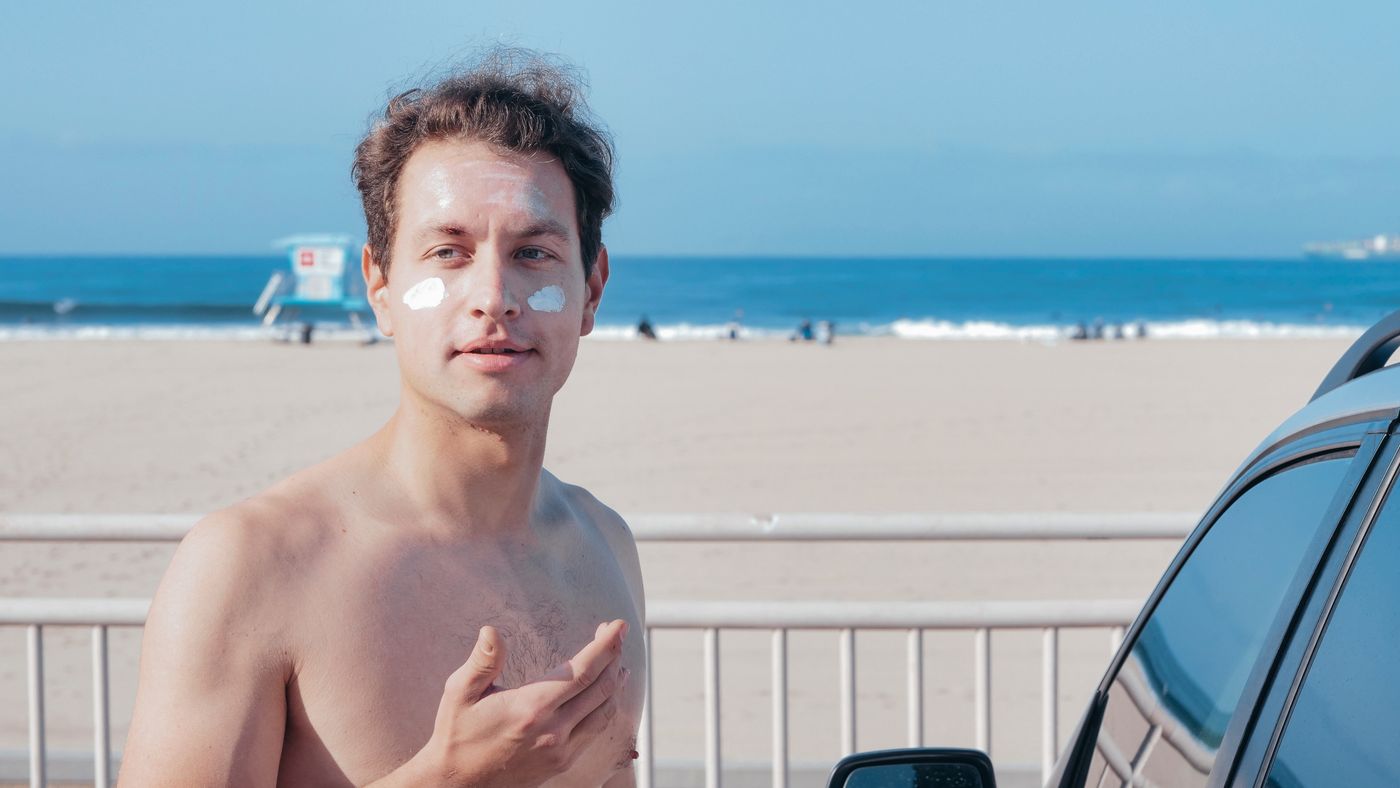
- Use mineral-based SPF if chemical filters sting. Zinc oxide and titanium dioxide formulas are often better tolerated.
- Introduce one new product at a time, with at least two weeks between changes, or you will never know what caused a flare.

Green-tinted primers and mineral makeup neutralise redness visually and are entirely reasonable to use. There is nothing unserious about camouflage, and for many people it does more for daily confidence than any cream.
Rosacea, your scalp and your hairline
Rosacea frequently sits alongside seborrhoeic dermatitis, and the two together produce a face that is red and a scalp that is flaky and itchy. Treating only the face leaves half the problem in place, and shampoo running down the forehead and cheeks is a genuinely common cause of unexplained facial flares.
Three practical points that get missed:
- Rinse hair leaning forward or at the end of a cool shower, so medicated or fragranced shampoo spends as little time on facial skin as possible.
- Check your shampoo, not just your face cream. Fragrance and harsh detergents in a shampoo reach your face every wash.
- Treat the scalp as well. If flaking and itch are part of the picture, our guide to seborrhoeic dermatitis and a flaky scalp covers the antifungal actives that help, and why sulphate-free shampoo suits reactive skin explains the detergent side.
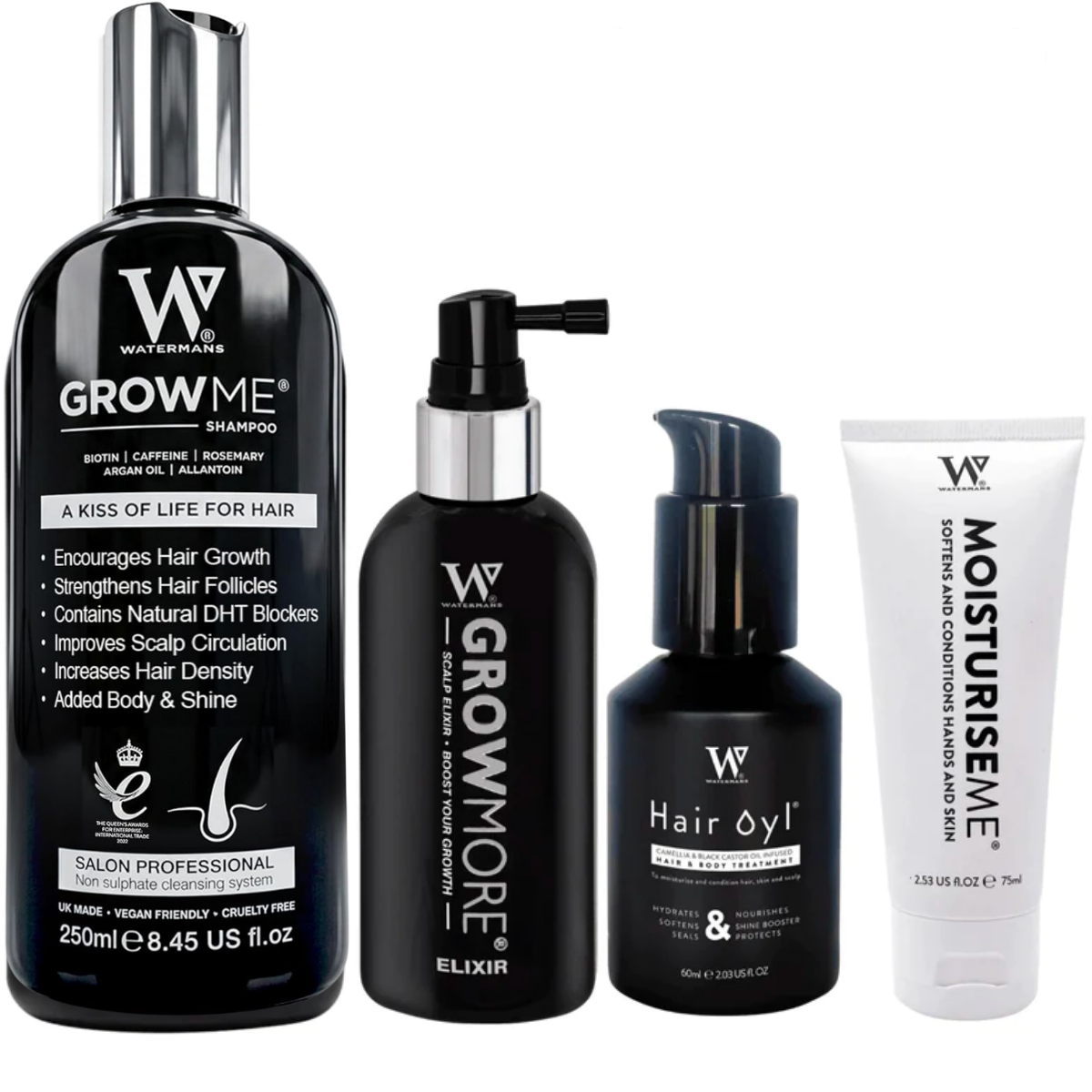
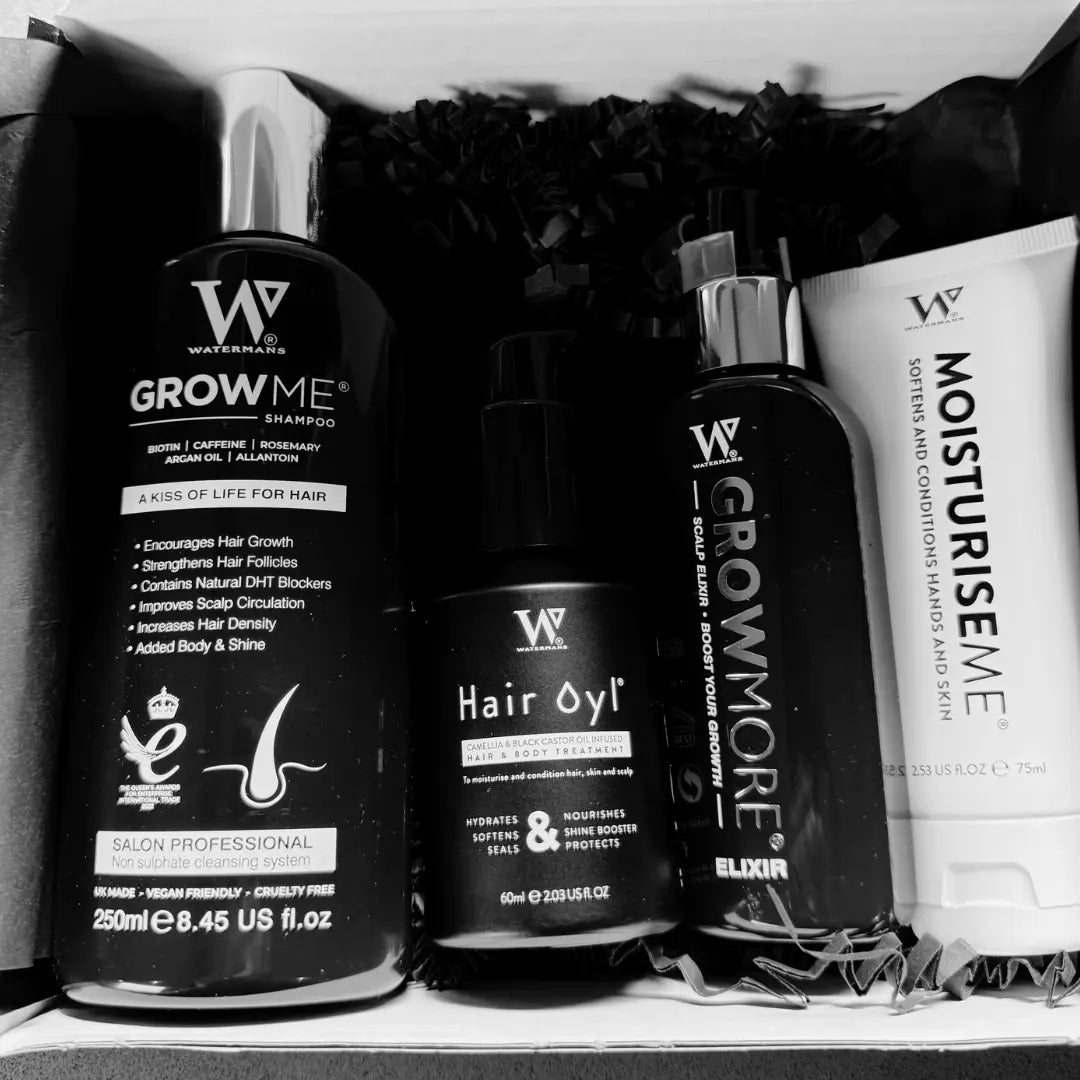
What we are and are not claiming. Rosacea is a medical condition and we do not make a rosacea product, so there is no facial product card on this page. Where we can honestly help is one step back: a fragrance-light, sulphate-free shampoo such as Grow Me means gentler run-off across facial skin at every wash. That is a sensible choice for reactive skin, not a treatment for rosacea, and it will not replace anything your GP prescribes.
What about ocular rosacea?
Eye involvement affects a substantial minority of people with rosacea and is regularly missed, partly because the symptoms sound like ordinary dry eye. Grittiness, burning, watering, light sensitivity, recurrent styes and crusted lid margins in someone with facial rosacea should be treated as ocular rosacea until proven otherwise.
Basic management is daily lid hygiene with warm compresses and gentle lid cleaning, plus preservative-free artificial tears. Oral doxycycline is the usual step up. Any change in vision, significant eye pain or corneal involvement needs urgent ophthalmology assessment rather than a wait-and-see approach.
See a GP rather than self-treating if
- You have not had a formal diagnosis, since lupus, seborrhoeic dermatitis, contact dermatitis and acne all mimic rosacea
- Your eyes are gritty, painful or light-sensitive
- You have been using a topical steroid on your face
- Redness is spreading, with a butterfly pattern across the nose and cheeks alongside joint pain or fatigue
- The nose or chin skin is visibly thickening, which is easier to treat earlier
- The condition is affecting your mood, work or social life, which is a legitimate reason to be referred
Frequently asked questions
Can rosacea be cured?
No, rosacea is a long-term condition, but it can be controlled well enough that most people have long symptom-free stretches. Treatment usually works in two phases: a clearing course over 8 to 12 weeks, then a lower-intensity maintenance routine that keeps it settled.
Does diet cause rosacea?
Diet does not cause rosacea, though specific foods can trigger flushing in individual people. Rather than adopting a restrictive elimination diet, keep a short diary and remove only what repeatedly provokes a flush for you. Hot temperature and alcohol are far more consistent triggers than any particular ingredient.
Is rosacea caused by demodex mites?
Demodex mites live on everyone's skin and are found in higher numbers in rosacea, particularly the papulopustular form. Whether they cause it or thrive because of the inflamed environment is still debated. Their role is one reason topical ivermectin, which targets them, works well for the bumps.
Can I use retinol or vitamin C with rosacea?
Many people cannot tolerate them, especially during a flare. If your skin is settled and you want to try, introduce a low-strength formulation once or twice weekly on top of moisturiser, and stop if it stings. Prescribed treatments should always take priority over adding actives.
Does rosacea affect the scalp?
Rosacea itself is generally a facial condition, but scalp symptoms are common because seborrhoeic dermatitis frequently coexists with it. If your scalp is flaky and itchy alongside facial redness, treat both, and check whether shampoo running onto your face is contributing to flares.
Will laser treatment get rid of my redness permanently?
Vascular laser and IPL can substantially reduce fixed redness and visible vessels, usually over a course of sessions rather than one. New vessels can develop over time, so many people have occasional top-up treatments. It is generally not funded on the NHS for cosmetic redness.
Why did my rosacea suddenly get worse?
Common explanations are a change of season, a new skincare product, a course of a topical steroid, a stressful period, or a holiday with more sun and alcohol than usual. If nothing obvious has changed and treatment has stopped working, ask for review rather than doubling the dose.
Is rosacea contagious or a sign of poor hygiene?
Neither. Rosacea is an inflammatory condition with genetic and vascular components, it cannot be passed to anyone, and washing more aggressively makes it worse rather than better. That myth causes real distress and is worth correcting.
This article is general information about skin and hair care, not medical advice. Rosacea overlaps with several conditions that need different treatment, including lupus, so get a proper diagnosis from a GP rather than self-treating, and never apply a topical steroid to facial redness without medical advice.