

Garlic and Cholesterol: Why Garlic Is Not a Statin Alternative
Garlic is not an alternative to a statin, and you should never stop a prescribed statin in favour of it. The best controlled trial of garlic and cholesterol, run over six months, found no effect on LDL from raw garlic or from commercial supplements. Statins, by contrast, have decades of large outcome trials showing they reduce heart attacks, strokes and deaths. This article explains what the garlic evidence actually shows, corrects a widespread misunderstanding about calcium scores that is often used to argue statins do not work, and sets out what genuinely lowers cardiovascular risk.
This is general information, not medical advice. Do not start, stop or change any prescribed medicine on the basis of an article. If you are worried about your statin or your cholesterol, speak to your GP or pharmacist, who can review it properly.
Please do not stop your statin
Raised cholesterol causes no symptoms whatsoever. You will feel exactly the same the day you stop your medication as the day before, and that is precisely what makes stopping so risky. If you have concerns about side effects, cost, or whether you still need it, those are all reasonable things to raise, and a GP has real options including changing the dose, switching to a different statin, trying alternate-day dosing, or adding or substituting another agent. Have the conversation rather than simply stopping.
Call 999 immediately for chest pain or tightness spreading to the arm, neck or jaw, or for sudden face drooping, arm weakness or slurred speech, which is the FAST test for stroke.
Key takeaways
- The best trial found nothing. A six month randomised trial published in the Archives of Internal Medicine in 2007 compared raw garlic, a powdered supplement and aged garlic extract against placebo and found no meaningful effect on LDL cholesterol.
- Statins have outcome data, not just lab numbers. Pooled trial evidence shows roughly a fifth fewer major vascular events for each 1 mmol/L that LDL is lowered.
- The calcium score argument is backwards. Statins can increase measured coronary calcium precisely because they stabilise dangerous soft plaque into denser, safer calcified plaque. A rising score on a statin is not treatment failure.
- Garlic does have one reasonable benefit, a modest blood pressure reduction in people who are already hypertensive. That is worth knowing, and it is not the same as a cholesterol treatment.
- Garlic supplements interact with medicines, particularly anticoagulants and antiplatelets, which many heart patients also take. Tell your pharmacist.
- Muscle aches on statins are common to report but blinded n-of-1 trials found most such symptoms occurred just as often on placebo. Your GP can test this properly rather than you guessing.
What does the evidence on garlic and cholesterol actually show?
The garlic and cholesterol story is a good case study in how evidence improves over time and how the early, optimistic version keeps circulating long after it has been overtaken.
In the 1990s several meta-analyses of small, short, often poorly blinded trials reported that garlic lowered total cholesterol by around 10 percent. That figure entered popular health writing and never left. The trials behind it, though, were mostly a few weeks long, frequently used unstandardised preparations, and had the sort of methodological weaknesses that reliably produce optimistic results.
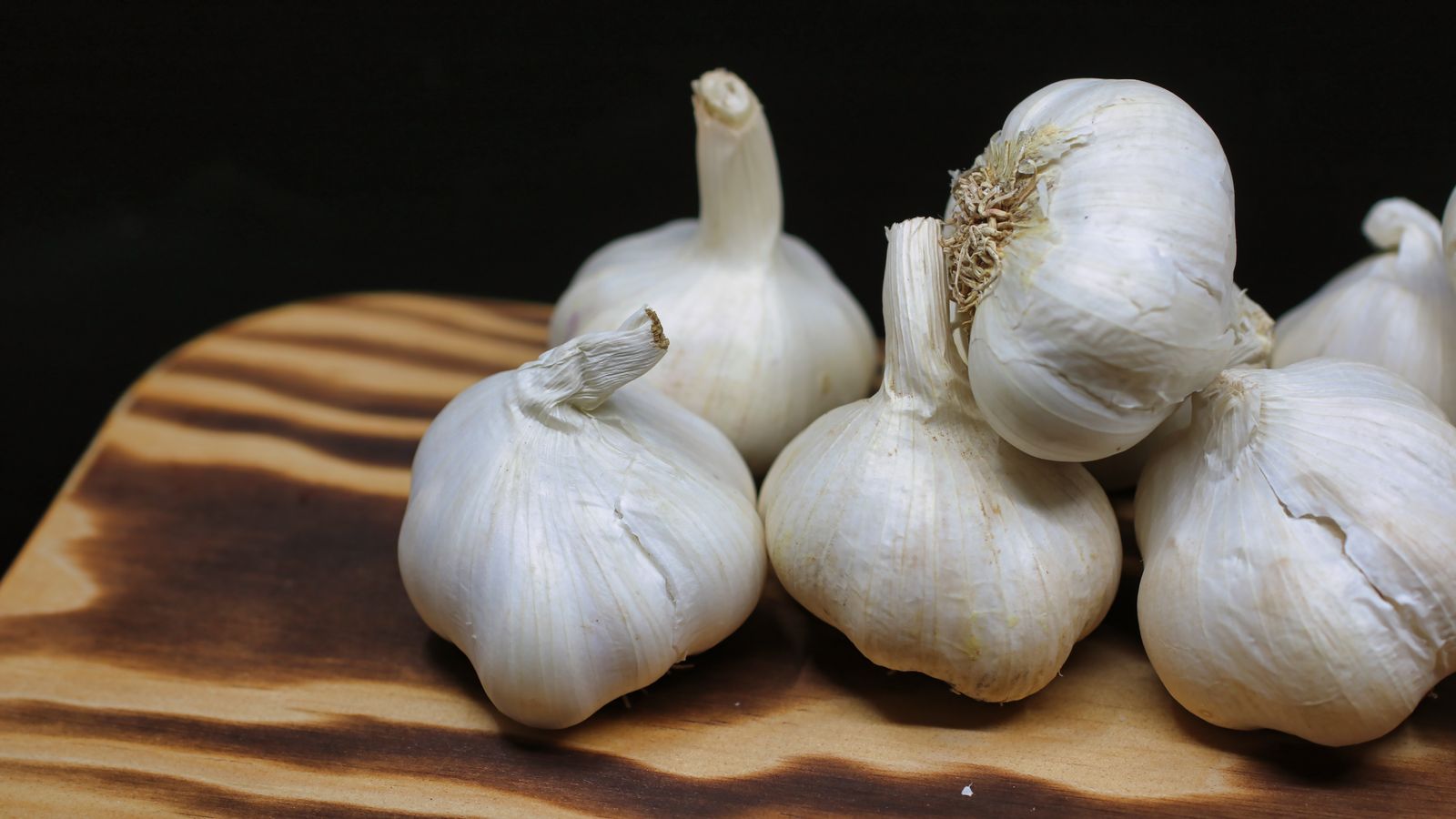
The question was then tested properly. A randomised trial led by Christopher Gardner, published in the Archives of Internal Medicine in 2007, followed adults with moderately raised LDL cholesterol for six months. It compared three things against placebo: raw garlic eaten as food, a commercial powdered garlic supplement, and aged garlic extract, each at roughly the equivalent of a four gram clove daily, six days a week. None of the three produced a statistically significant effect on LDL cholesterol.
Later systematic reviews have remained mixed, with some finding small reductions in total cholesterol and little consistent effect on LDL specifically. The honest summary is that if garlic does anything to cholesterol, the effect is small, inconsistent, and nowhere near the scale of what a statin does. For the wider picture of what garlic is and is not good for, see our guide to garlic health benefits and what the evidence supports.

The coronary calcium argument, and why it is backwards
This deserves its own section because it is the single most persuasive-sounding claim made against statins, and it rests on a genuine finding that is being read the wrong way round.
A coronary artery calcium score is a CT measurement of how much calcified plaque sits in the coronary arteries. A higher score is associated with higher risk in an untreated population, so at first glance it seems obvious that a good drug should lower it.
Statins do not lower it. In several studies they are associated with more measured calcium, not less. That fact is real, and it is where the argument starts. What gets left out is why.
Plaque comes in different forms. Soft, lipid-rich plaque with a thin fibrous cap is the dangerous kind, because it can rupture suddenly and trigger the clot that causes a heart attack. Dense, calcified plaque is comparatively stable. It narrows the artery but it is far less likely to rupture. One of the things statins do is convert the first kind into the second, a process called plaque stabilisation. So a statin can increase the calcium score while substantially reducing the risk of the event that score was being used to predict.
This is why calcium score is a useful risk stratification tool in an untreated person and a poor treatment monitoring tool in a treated one. Using the second reading to conclude that statins do not work misunderstands what is being measured. It is worth adding that CT calcium scoring is not part of routine NHS practice anyway. UK cardiovascular risk assessment uses the QRISK3 calculator alongside a lipid profile, blood pressure and history.
As for garlic and calcium scores, there have been small preliminary studies of aged garlic extract suggesting it might slow the progression of calcium scores. Those studies are small, they are surrogate measurements rather than heart attacks and deaths, and slowing the progression of a marker is a very long way from the claim that garlic outperforms statins. It is a hypothesis worth further research, not a basis for changing your treatment.
Garlic versus statins, side by side
| Garlic | Statins | |
|---|---|---|
| Effect on LDL | No significant effect in the best controlled six month trial | Reliable, dose dependent, typically 30 to 50 percent reduction |
| Effect on heart attacks and strokes | Never demonstrated. No outcome trials. | Demonstrated repeatedly in large randomised trials with hard endpoints |
| Blood pressure | Modest reduction in people already hypertensive | Not their purpose |
| Dose consistency | Highly variable between cloves, brands and preparations | Standardised and regulated |
| Monitoring | None | Lipid and liver blood tests, with review |
| Main drawback | Interacts with blood thinners, and may delay real treatment | Muscle symptoms commonly reported, rarely drug-caused when tested blind |
The row that matters most is the second one. Plenty of things move a number on a blood test. Very few have been shown to make people less likely to have a heart attack. That distinction, between a surrogate marker and a real outcome, is the whole game in cardiovascular medicine, and it is exactly what the garlic-beats-statins claim skips over.

What about statin side effects?
It would be dishonest to defend statins without addressing this, because concern about side effects is the most common reason people look for alternatives in the first place.
Muscle aches are the symptom most often reported. What makes this complicated is that when researchers have tested it rigorously, using n-of-1 designs in which the same patient takes statin, placebo and nothing in a blinded random order, most reported symptoms occurred just as often during the placebo months as the statin months. The SAMSON and StatinWISE trials both pointed this way.
That finding is frequently misreported as meaning the symptoms are imaginary. They are not. The aches are genuinely experienced and genuinely unpleasant. What the trials show is that they are often not caused by the drug, which is useful news, because it means many people who stop a statin because of symptoms would have had those symptoms anyway and have given up the protection for nothing. A GP can run something similar to this in practice, by stopping and rechallenging, or by switching agent.
Serious muscle problems do exist. Rhabdomyolysis is rare but real, and severe unexplained muscle pain and weakness, especially with dark urine, needs urgent medical attention rather than a watchful wait. Statins also interact with a number of drugs and with grapefruit juice for some of them, which is another reason a pharmacist is worth talking to.
So what actually lowers your cardiovascular risk?
Quite a lot, as it happens, and none of it involves choosing between a food and a medicine.
- Stopping smoking. The single highest-impact change available to anyone who smokes.
- Controlling blood pressure. This is where garlic has a legitimate, if small, supporting role alongside proper treatment.
- Physical activity. The recommended target is 150 minutes of moderate activity a week, and most of the benefit arrives in the move from doing nothing to doing something.
- Diet pattern rather than single foods. The PREDIMED trial found a Mediterranean-style diet reduced major cardiovascular events. Note that it tested an overall pattern of vegetables, pulses, olive oil, nuts and fish, not one ingredient. Garlic belongs in that pattern.
- Weight, alcohol and sleep, all of which feed into blood pressure and metabolic risk.
- Taking prescribed treatment as prescribed, which is unglamorous and consistently underrated.
Eating garlic generously as part of a good diet is entirely sensible. Using it as a reason to stop a statin is not, and the two positions are often confused.

If you want to take garlic supplements alongside treatment
That is usually fine, but tell your GP or pharmacist first, for three specific reasons. Garlic affects platelet stickiness, and many people on statins are also on aspirin, clopidogrel or an anticoagulant. Garlic supplements are normally stopped 7 to 10 days before surgery or a dental extraction. And garlic can reduce blood levels of certain medicines, notably the antiretroviral saquinavir. None of that makes garlic dangerous as a food. It makes a concentrated supplement worth declaring.
Do statins cause hair loss?
This comes up often enough to be worth answering directly. Alopecia is listed among the rare or very rare adverse reactions in the product information for some statins, so it is not an invented concern. But it is uncommon, and there are far more likely explanations for hair shedding in the age group typically taking them.
The most common by some distance is telogen effluvium, a temporary diffuse shed that starts around two to three months after a trigger such as an illness, an operation, significant stress or rapid weight loss. Notably, a cardiac event or cardiac surgery is exactly the sort of trigger that causes it, which means people frequently start a statin and lose hair at around the same time for entirely unrelated reasons. Thyroid problems and low ferritin are the other two worth ruling out with a blood test. Our guides to telogen effluvium and its timeline and to the most common causes of hair loss cover how to tell these apart.
If you suspect your statin, raise it with your GP rather than stopping. There are several statins and they are not interchangeable in how individuals tolerate them, so a switch is often possible. Stopping a cardiovascular medicine over a cosmetic concern, without discussing it, trades a small and uncertain problem for a large and well documented one.

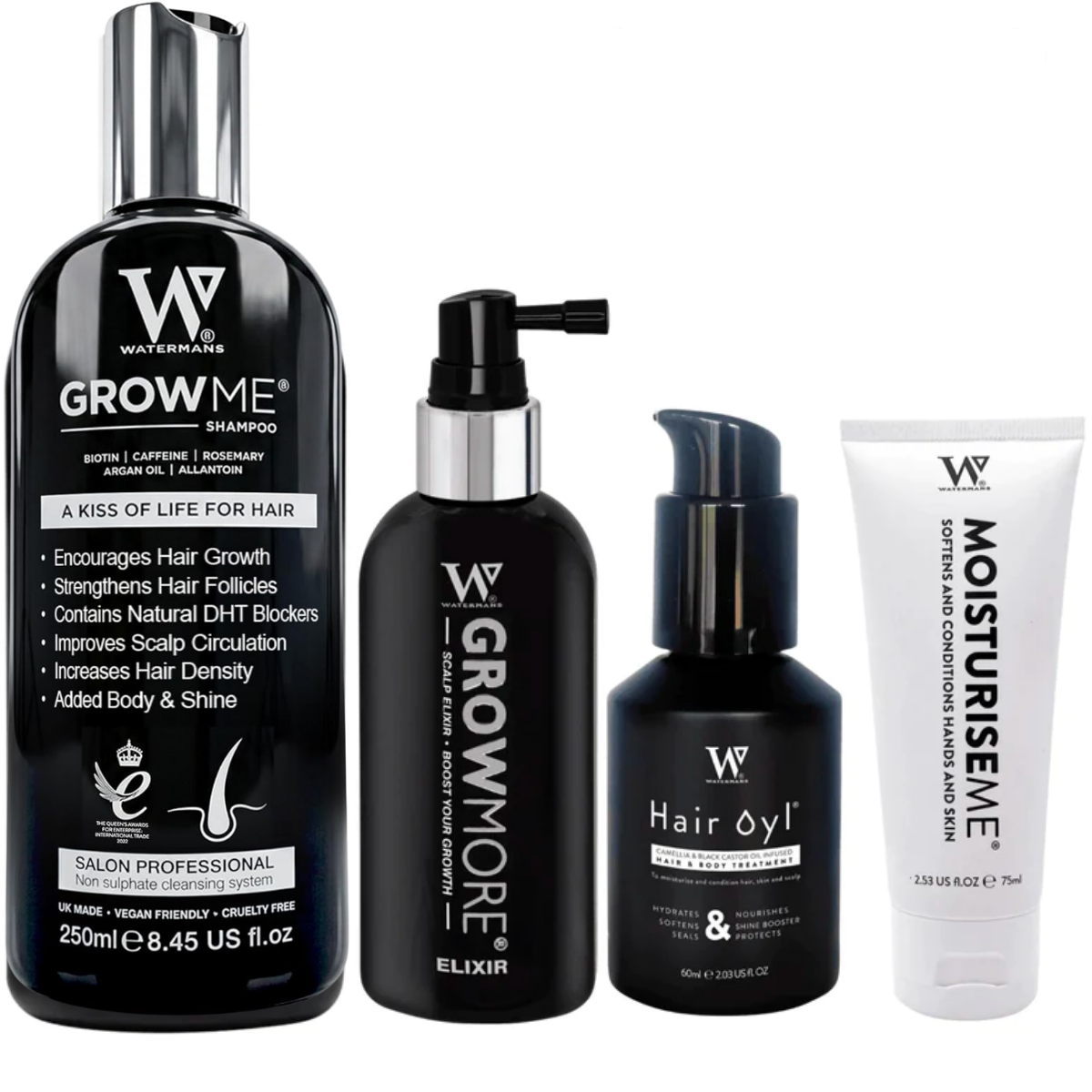
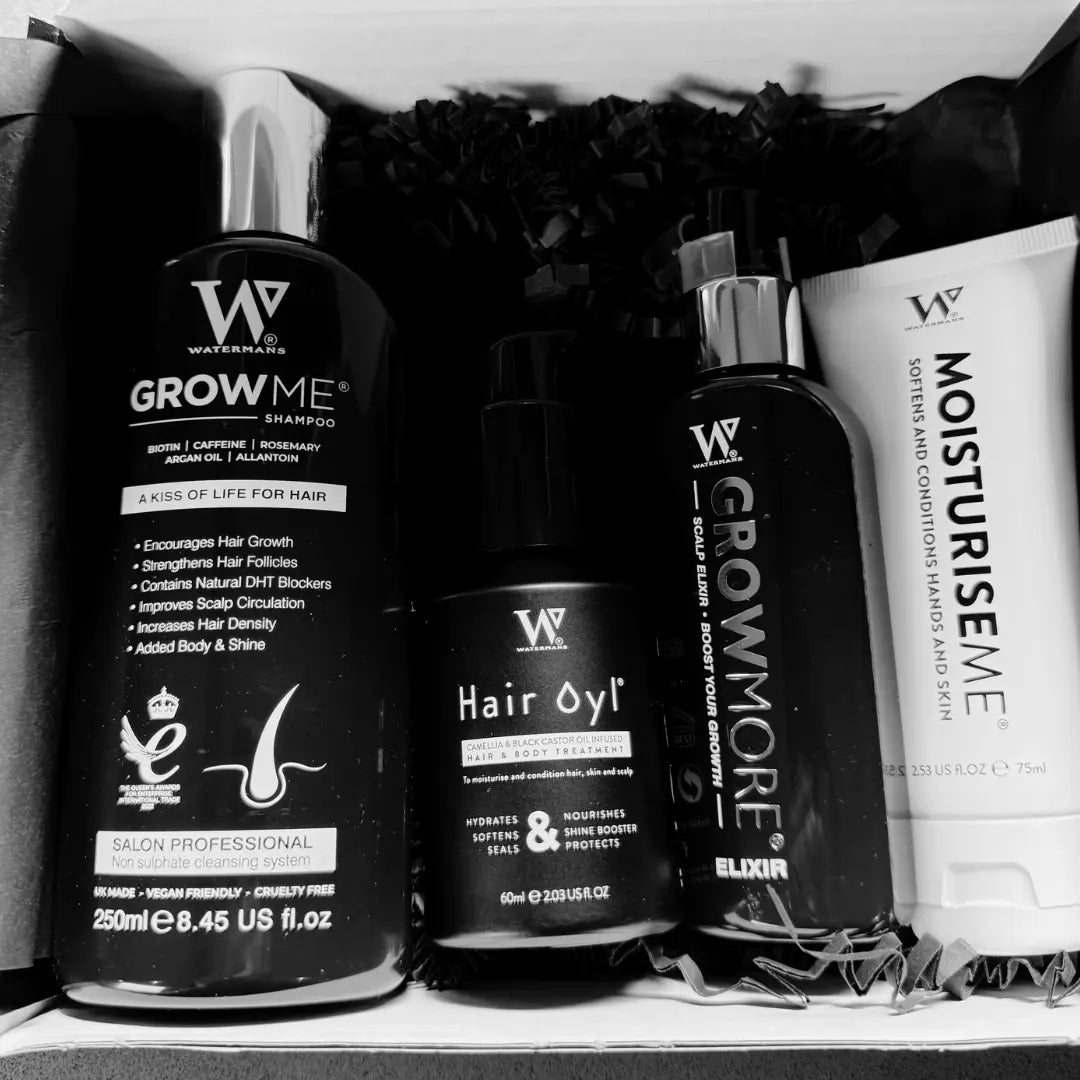
Grow Me® Shampoo, for gentle everyday washing
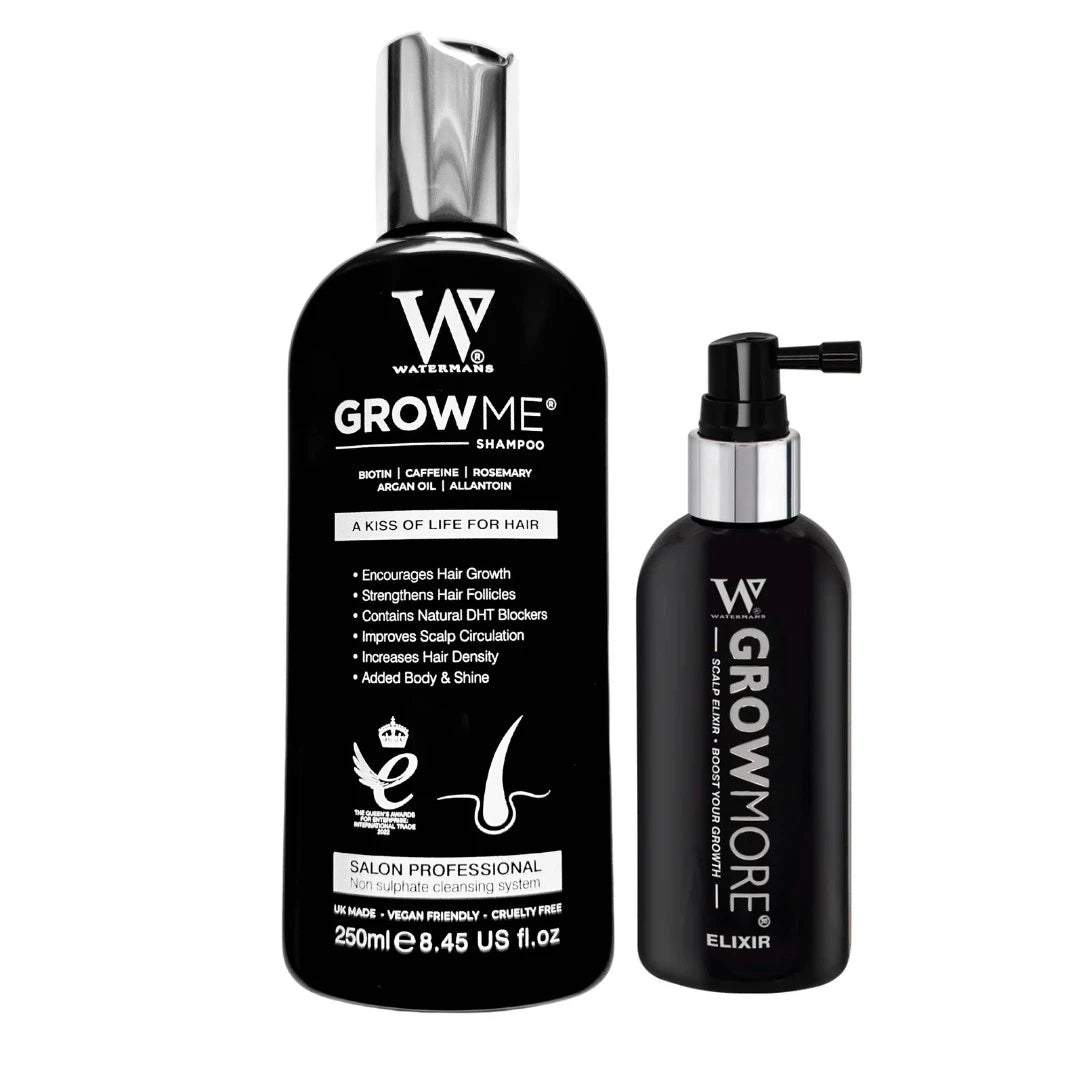
While you and your GP work out what is behind a shed, being kind to the hair you have is the sensible holding position. This is a sulfate free, vegan everyday shampoo with biotin, caffeine and rosemary that cleanses without stripping and leaves hair looking fuller. It is a cosmetic product. It is not a medicine, it does not treat hair loss, and it is emphatically not a substitute for any prescribed medication.
View Grow Me® ShampooFrequently asked questions
Can garlic replace statins?
No. The best controlled trial of garlic and cholesterol, running six months and testing raw garlic, a powdered supplement and aged garlic extract, found no significant effect on LDL. Garlic has never been shown to reduce heart attacks or strokes. Statins have been shown to do so repeatedly in large randomised trials. Stopping a statin in favour of garlic swaps a proven treatment for an unproven one.
Does garlic lower cholesterol at all?
The evidence is mixed and weak. Some reviews find a small reduction in total cholesterol, others find nothing, and the effect on LDL specifically is the least consistent of all. Early 1990s meta-analyses were more positive but rested on short, small, poorly blinded studies. Whatever effect exists is far too small to manage raised cholesterol with.
Is it true that statins do not lower coronary artery calcium?
It is true, but it does not mean what it is usually claimed to mean. Statins convert soft, rupture-prone plaque into denser calcified plaque, which is more stable and less likely to cause a heart attack. That process can raise the measured calcium score while lowering actual risk. Calcium scoring is useful for assessing risk in untreated people, not for judging whether a statin is working.
Can I take garlic supplements with my statin?
Usually yes, but tell your GP or pharmacist first. Garlic affects platelet function, which matters if you also take aspirin, clopidogrel or an anticoagulant, and supplements are normally stopped 7 to 10 days before surgery. Eating garlic as food is not a concern.
What should I do if my statin gives me muscle aches?
Tell your GP rather than stopping. Blinded n-of-1 trials such as SAMSON and StatinWISE found most reported muscle symptoms occurred just as often on placebo, which means many people give up the protection unnecessarily. Your GP can stop and rechallenge, lower the dose, or switch you to a different statin. Seek urgent medical help for severe muscle pain or weakness with dark urine.
Does garlic lower blood pressure?
This is garlic's best supported benefit. Standardised supplements have produced reductions of around 8 mmHg systolic, but only in people who already have raised blood pressure, and taken consistently over eight to twelve weeks. It is a useful addition alongside treatment, not a replacement for it.
How much garlic would I need to eat for any heart benefit?
Studies showing a blood pressure effect generally used the equivalent of one to two cloves daily, or standardised aged garlic extract, taken every day for at least two to three months. Consistency matters far more than quantity, and a single garlicky meal achieves nothing. Even at that intake, the benefit is on blood pressure rather than cholesterol.
Can statins cause hair loss?
Alopecia is listed as a rare or very rare adverse reaction for some statins, so it is possible but uncommon. Telogen effluvium triggered by a cardiac event, surgery or stress is a far more likely explanation, and it typically begins two to three months after the trigger, which often coincides with starting the medication. Ask your GP about ferritin and thyroid testing, and discuss a switch rather than stopping.
The bottom line
Garlic is a good food with one modest, reasonably evidenced benefit on blood pressure. It is not a cholesterol treatment, it has no outcome evidence behind it, and the calcium score argument used to promote it over statins misreads what that score measures. The genuinely useful version of the advice is unremarkable: eat well, move, do not smoke, get your blood pressure treated, and take the medication your GP has prescribed while asking them about anything that concerns you. That combination is what actually reduces the chance of a heart attack.
Watermans has been making vegan, UK-made hair care since 2012, with over 5 million bottles sold. Our products are cosmetics for the look and feel of your hair, and on anything medical we would always rather point you to your GP. Read our full evidence review of garlic health benefits next.