Hair Loss Solutions: What Actually Works, Honestly
Hair loss solutions fall into six tiers, and they are worth trying roughly in that order because the cheap ones are also the ones most people skip. Free habit changes come first, then cosmetic products, then devices, then nutrition where a deficiency genuinely exists, then the medical route through your GP, then surgery and concealment. What matters far more than any of them is knowing which problem you actually have, because the right answer for shedding is the wrong answer for pattern loss.
Our complete hair growth routine
Hair Growth Shampoo, Conditioner & Scalp Elixir Set, £53.40. The full three step routine, cleanse, condition and an overnight scalp elixir, bought together for less than buying each alone.
Key takeaways
- Identify the problem before you buy anything. Loss, shedding and breakage need three different responses.
- The free tier genuinely works for breakage and traction, and costs nothing to try for six weeks.
- Cosmetic products improve the hair you have. They do not change follicle behaviour, and no honest brand says otherwise.
- Supplements only help when you are short of something. Taking them without a deficiency does nothing for your hair.
- Only a doctor can discuss medicines with you. We are a cosmetics company and we do not advise on them at all.
- Concealers are underrated. They change how you feel today, which is often what people actually want.
- Anything you try needs ninety days minimum and comparable photographs, or you will never know whether it worked.
Before you choose: which problem do you have?
This is the single most valuable paragraph on the page, because most money wasted on hair loss solutions is spent on the wrong category.
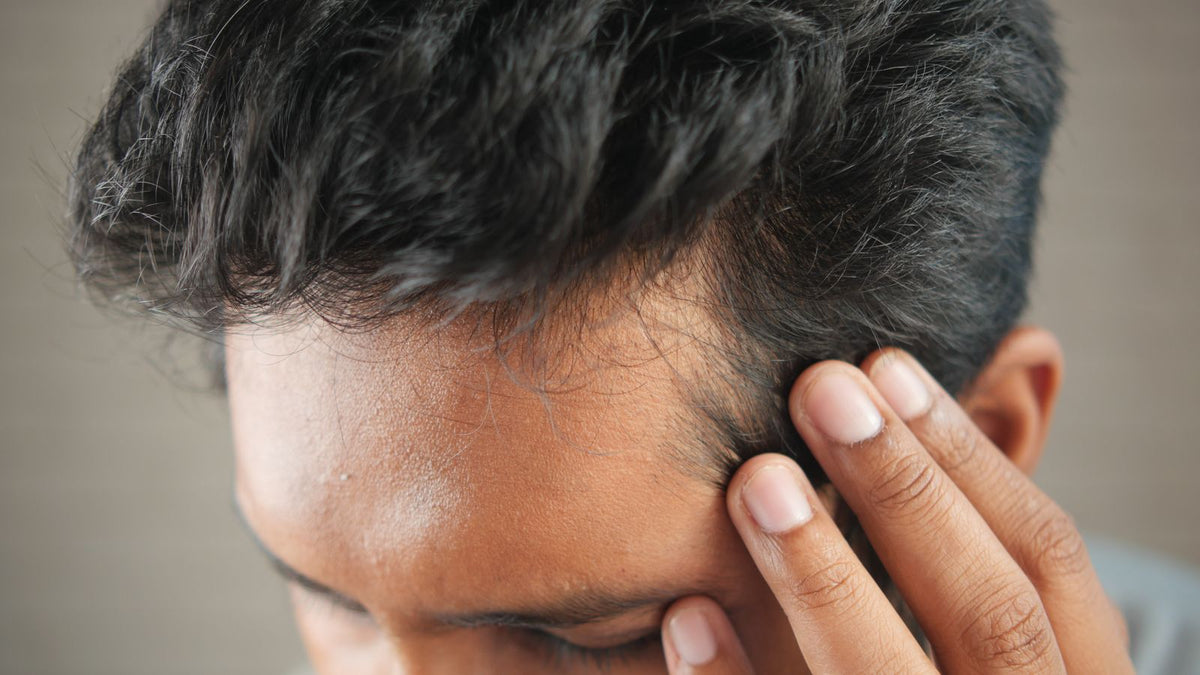
Hair loss means the follicle producing finer hair or stopping altogether. It is gradual, measured over years, and shows as a widening parting, a receding hairline or a thinning crown. Pattern hair loss, alopecia areata and scarring conditions all sit here.
Hair shedding means more hairs than usual leaving the head because the growth cycle was disturbed, typically two to three months after illness, childbirth, surgery, crash dieting or serious stress. It arrives suddenly, it is frightening, and it usually recovers on its own. The full picture on that pattern is here.
Hair breakage means the fibre snapping partway along its length. Bleach, heat, tight styles and rough detangling cause it. It looks exactly like thinning and it is completely different.
The two minute test: collect what comes out over one wash and look at the root ends on a white surface. A shed hair carries a small pale bulb. A broken one has a blunt or frayed end and nothing at the root. If you are still unsure, working out why your hair is thinning takes it step by step.
What are the six tiers of hair loss solutions?
Here is the whole landscape in one table, with an honest note on what each tier is actually good for.
| Tier | Cost | Best for | Honest limits |
|---|---|---|---|
| 1. Habit changes | Free | Breakage, traction, scalp comfort | Does nothing for pattern loss |
| 2. Cosmetic products | £10 to £60 | Retention, thickness of appearance, scalp condition | Works on the fibre and the skin, not the follicle |
| 3. Devices | £20 to £600 | People who want to add something with a plausible mechanism | Evidence is mixed and mostly manufacturer funded |
| 4. Nutrition | Free to £25 a month | Anyone with a genuine deficiency | Useless, and occasionally harmful, without one |
| 5. The medical route | Free on the NHS | Patchy loss, sudden shedding, broken skin, suspected internal cause | Only a doctor can have this conversation with you |
| 6. Surgery and concealment | £15 to several thousand | Established loss where you want a visible answer | Concealers are instant and temporary, surgery is neither |
Tier one: which free changes are worth six weeks?
Nobody sells these, which is exactly why they are underused. They are the highest value hair loss solutions available to most people.
Take the tension off. Loosen ponytails, buns, braids and extensions, sleep with hair down, and move where the elastic sits. Sustained pulling at the hairline causes damage that eventually stops recovering, and any style that hurts on day one is too tight.
Detangle from the ends upwards. Most root pain and a great deal of breakage comes from dragging a brush through a knot while it is anchored at the scalp.
Turn the heat down and the water down. Lower dryer settings, fewer straightener passes, warm rather than hot water. Heat damage is cumulative and invisible until it snaps.
Wash regularly, gently. Frightened non washing lets oil and product build up on the skin, which makes flaking and itching worse rather than better. Fingertips, never nails.
Sort out sleep, eating and the obvious stressors. This sounds like filler and is not. Shedding follows a disturbance by two to three months, so the shedding you are seeing today reflects the spring you had.
Move your parting. A centimetre either way redistributes both the tension and the sun exposure that have been landing on one strip of skin for years.
Get a discount on your next order
Join the Watermans mailing list and we will email a discount code straight to your inbox. Made in the UK, over 6.5 million bottles sold since 2012.
Tier two: what do cosmetic products genuinely do?
Cosmetic products are the hair loss solutions we ourselves sell, so this tier deserves the most sceptical writing on the page.
Cosmetic hair care works on two surfaces: the hair fibre and the scalp skin. On the fibre, conditioning agents and hydrolysed proteins reduce snapping and improve how hair looks and behaves, which matters because a real share of apparent thinning is breakage. On the scalp, gentle cleansing and comfort ingredients keep the skin in reasonable condition.
What cosmetic products do not do is change the genetic programme driving pattern hair loss, restore a follicle that has scarred over, or correct an internal cause. A rinse off product has about two minutes of contact before it goes down the drain, which is the honest boundary. Our guide to choosing a hair growth shampoo covers how to read a label and spot the claims that mean nothing.

Tier three: are devices worth it?
Three device categories come up constantly in any list of hair loss solutions, and they deserve different verdicts.
Low level light devices, sold as caps, bands and combs. There is a real body of published work here and there is also a real problem with it: a large share is funded by device manufacturers, the studies use different wavelengths, doses and durations, and independent replication is limited. Reviewers genuinely disagree about how much weight to give the results. At £200 to £600 that disagreement matters.
Microneedling rollers. Some published work exists, mostly in combination with other things rather than alone, which makes the contribution of the roller itself hard to isolate. There is also a hygiene issue that gets skipped: a shared or poorly cleaned roller on a scalp is an infection risk, and needle length matters.
Scalp massage. Free, pleasant, low risk, and supported mostly by small studies and self reported outcomes. Worth doing for two or three minutes because it costs nothing, not because it is established.
The pattern across all three: plausible mechanisms, thin independent evidence, and prices that outrun the certainty. None of them is a scam. None is a sure thing either.
Tier four: what does nutrition do, and what is the supplement trap?
Nutrition matters for hair in one specific way: if you are genuinely short of something, correcting it helps, and if you are not, taking more of it does nothing at all.
The deficiencies with a real link to hair change are iron and ferritin, vitamin D, zinc, B12 and protein intake, plus thyroid function which is not a nutrient but sits in the same blood panel. All of those are testable free through your GP, which is why the blood test comes before the supplement rather than after it. The same logic runs through what genuinely supports your follicles day to day.
Two honest warnings. Biotin supplements are widely sold for hair and genuine biotin deficiency is rare, so most people taking it are correcting nothing. High dose biotin can also interfere with some laboratory blood tests, including thyroid and cardiac ones, so tell whoever is taking your blood that you are on it. And more is not better: zinc and vitamin A in excess are both associated with hair problems of their own.
Tier five: what is the medical route, and where do we stop?
We are a cosmetics company. We do not name medicines, we do not advise on them, and we do not have a medical professional on record. That boundary is not modesty, it is the correct place for a shampoo brand to stop talking.
What we will say is when to go. Arrange an ordinary appointment with your own GP if hair is coming out in round smooth patches, if the scalp is painful, weeping, crusting or spreading, if the shedding began suddenly after illness, surgery, childbirth, rapid weight loss or a new medicine, if there is hair loss in a child, or if the skin has gone smooth and shiny where follicle openings used to be. That last one matters most, because it suggests scarring and the window closes.
Your GP can request the blood tests, can refer you into hospital dermatology, and can discuss options that nobody selling hair care is qualified to raise. All of that is free, and in Northern Ireland and Wales the prescriptions are free too.
Tier six: what do surgery and concealment offer?
Surgical hair restoration moves follicles from an area that keeps its hair to an area that has lost it. It is genuine surgery, it costs thousands, results depend heavily on the surgeon, and the sector has a real problem with under regulated overseas clinics. Anyone considering it should establish the qualifications of the person actually performing the procedure, not the brand advertising it.
Concealment gets dismissed and should not be. Fibres, root sprays, toppers and wigs change how you look today for a fraction of the price, with no risk and no waiting. For someone who mainly wants to stop feeling self conscious at a wedding next month, that is a better answer than a six month experiment. For the separate question of whether entirely new follicles can be created, see our page on follicular neogenesis and what the research really shows.
Watermans products are 100% cosmetic and do not treat medical hair loss. Individual results may vary.

Where do our own products sit in this list?
Tier two and part of tier six, and nowhere else. Here they are on those terms.

The three step routine set, tier two done properly
Shampoo, conditioner and a leave on scalp elixir. The reason to buy a routine rather than a single bottle is that consistency is what makes a ninety day test meaningful. Cleanse without stripping, condition to cut breakage, and give the leave on product the contact time a shampoo never gets.

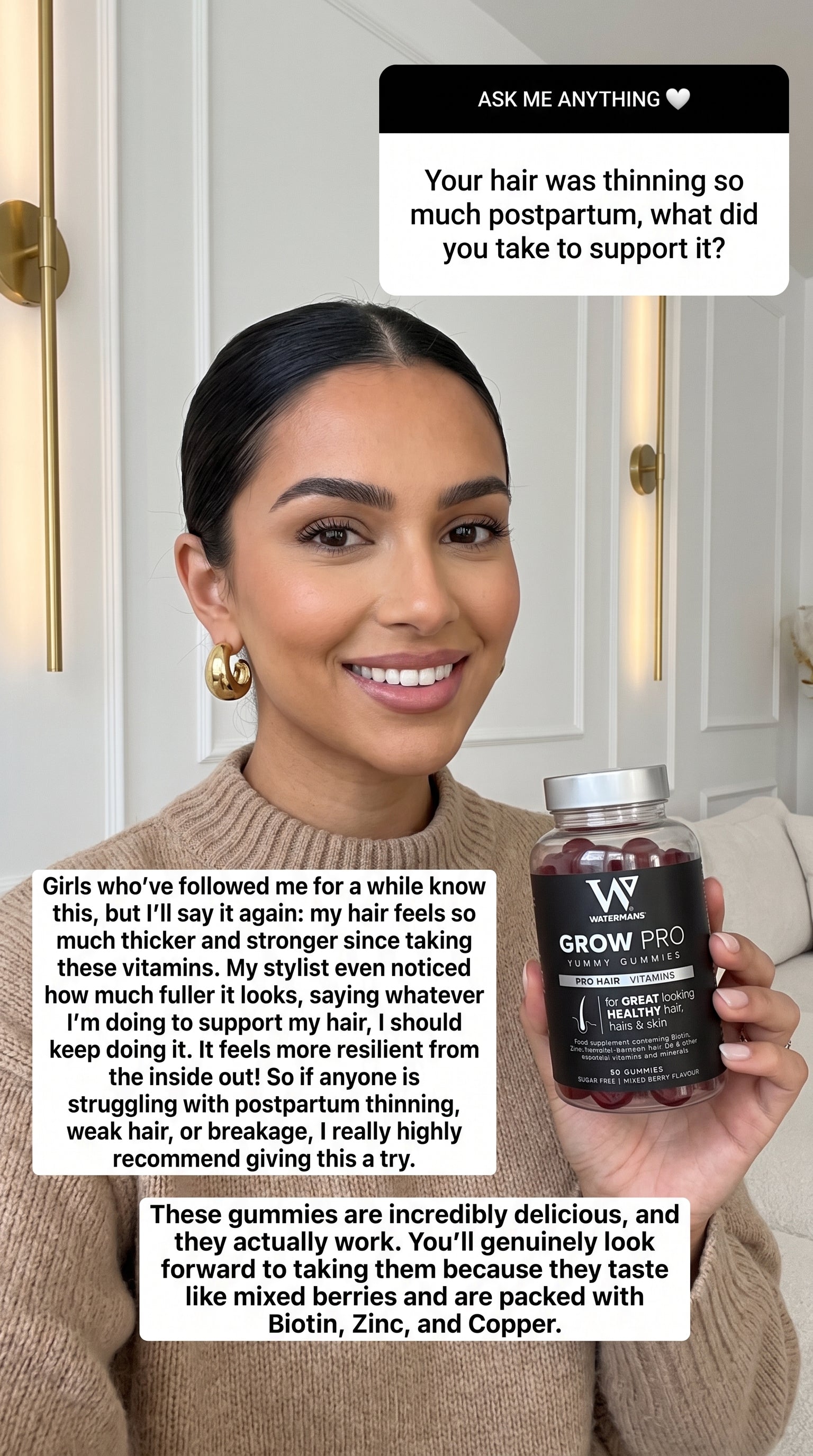
GrowPro Hair Gummies, tier four, with the caveat attached
Biotin, zinc, selenium and the B vitamins, in a sugar free vegan gummy. Nutrients contribute to the maintenance of normal hair, and that is the honest claim. If you have not had a blood test yet, have the blood test first, because correcting a deficiency you actually have beats topping up one you do not.

Hair Building Fibres, tier six, the instant answer
Keratin fibres that cling to existing hair and hide the scalp showing through at a parting or crown. It washes out, it changes nothing underneath, and it works in thirty seconds. If what you need is to feel fine at an event on Saturday, this is the honest recommendation rather than a bottle you will judge in three months.
How do you test any of it properly?
Whichever of these hair loss solutions you pick, the method is the same and it is what separates a decision from a hope.
Photograph on day one. Parting, crown and hairline, same window, same time of day, dry hair, parted identically, then monthly.
Change one thing. Six changes at once teaches you nothing about any of them.
Give it ninety days minimum, six months preferably. Hair grows about a centimetre a month, so nothing meaningful happens faster.
Judge on the photographs. Not the mirror, not the plughole, and not on a bad morning.
Frequently asked questions
What are the most effective hair loss solutions?
It depends entirely on the cause. For breakage and traction, free habit changes outperform anything you can buy. For a deficiency, correcting it after a blood test is the answer. For pattern hair loss, cosmetic products improve the hair you have while only a doctor can discuss the rest, and concealers change how it looks immediately.
Do hair loss shampoos work?
They work on the hair fibre and the scalp surface, which genuinely reduces breakage and improves how hair looks. They do not change follicle behaviour. Judged against what they can actually do, a good one is worth having. Judged against the marketing, most disappoint.
Should I get a blood test?
If your shedding started suddenly, or you are tired alongside it, or your diet has changed, yes, and it is free through your GP. Iron, ferritin, thyroid, vitamin D and B12 are the usual panel, and the results change what any sensible next step would be.
Are laser caps worth the money?
The evidence is genuinely mixed, a large proportion of it is manufacturer funded, and independent reviewers disagree with each other. At several hundred pounds, that uncertainty is the main thing to weigh. It is not a scam and it is not a certainty.
Do supplements help hair loss?
Only where a deficiency exists. Taking iron or zinc without being short of them does not help hair and can cause problems of its own. Note also that high dose biotin can interfere with some blood tests, so mention it before any blood is taken.
How long before I know if something is working?
Ninety days at the absolute minimum and six months for anything aimed at follicle behaviour. Take baseline photographs on day one, because comparing to memory is worthless.
Is a hair transplant a permanent answer?
Transplanted follicles usually persist, but the hair around them can carry on thinning, which is why people sometimes need more than one procedure. Check the qualifications of whoever will actually perform it, particularly abroad, because the sector is unevenly regulated.
Can Watermans tell me which medicine to use?
No, and we will not try. We are a cosmetics company with no medical professional on record. Medicines are a conversation for your GP or a dermatologist, and anyone selling shampoo who offers to have it instead is overstepping. If your question is about products or a routine rather than a medical one, you can talk to Gail Waterman, our co-founder, as an AI avatar on the Watermans homepage.
Sources and references
- NHS guidance on hair loss, for the presentations that warrant a GP appointment and the free blood tests available through general practice.
- NICE Clinical Knowledge Summaries on hair loss and on alopecia areata, for the patterns that separate diffuse change from patchy change and the referral thresholds.
- British Association of Dermatologists public information on traction alopecia and on scarring alopecias, for the reversible early stage and the significance of losing visible follicle openings.
- Systematic reviews of low level light therapy in androgenetic alopecia, for both the reported effects and the repeated criticism that a large share of trials are industry funded and heterogeneous in wavelength, dose and duration. Reviewers reach different conclusions from the same body of work.
- Published work on microneedling in hair loss, mostly in combination with other interventions, which limits what can be attributed to the device alone.
- Peer reviewed literature and regulatory notices on biotin interference in immunoassay blood tests, including thyroid and cardiac markers.
- UK and EU authorised nutrition claims, for the permitted wording that nutrients contribute to the maintenance of normal hair.
What is the bottom line on hair loss solutions?
Work out which problem you have before you spend a penny, because hair loss solutions that are right for shedding are wrong for pattern loss and irrelevant to breakage. Start with the free tier for six weeks: less tension, gentler detangling, less heat, regular washing, and a parting that moves. Add cosmetic products for what they genuinely do, which is protecting the hair you already have. Get the blood test before the supplement. Devices are plausible and expensive and the evidence is contested, so buy one with your eyes open. Anything patchy, painful, sudden, in a child, or on skin that has gone smooth and shiny goes to a GP, and that route is free. And if what you actually want is to feel fine at an event next month, a concealer answers that in thirty seconds where a bottle will take you three months. Before paying anyone privately, our guide to what a hair and scalp specialist can genuinely do covers the questions worth asking first. There is more on kratom and hair loss in a separate guide.
The three steps work better together, which is why our hair growth routine set exists.
Watermans is UK made, and has sold over 6.5 million bottles since 2012.