How to Make Lash Serum at Home, Safely
How to make lash serum at home comes down to three things, and only one of them is the recipe. A workable DIY blend is a clean carrier oil, a soothing humectant and a sterile applicator, mixed in a small sanitised bottle and replaced every four weeks. The recipe matters far less than the hygiene, because the eyelid is the thinnest skin on the body and the most common outcome of a homemade lash blend is not longer lashes but an irritated lid margin.
Our hair and body oil
Camellia & Black Castor Hair & Body Oil, £24.95. Adds hydration and shine to dry lengths and smooths the hair before a blow dry, without weighing fine hair down.
Key takeaways
- A DIY lash serum can condition lashes and reduce breakage. It cannot lengthen the lash beyond its genetic maximum.
- Hygiene beats formulation. Sterilise the bottle, never double-dip, and bin the batch after four weeks.
- Castor oil is the usual base. It is heavy, it coats well, and there is a documented risk of hair felting if you overuse it.
- Lashes have a short growth cycle of roughly one to four months, so give any routine at least eight weeks before judging it.
- If your lid is red, itchy, crusted or swollen, stop everything and see your GP or optometrist.
What can a homemade lash serum honestly do?
Lashes are hair, and they follow the same three-phase cycle as scalp hair, only much faster. A scalp hair can grow for years. A lash grows for roughly thirty to forty-five days, rests, then falls, which is why you cannot grow lashes to your eyebrows no matter what you put on them. The length a lash reaches is set by how long its growing phase runs, and that is genetic.
What a conditioning oil can plausibly do is different and more modest. It coats the lash fibre, reduces friction from mascara wands and cotton pads, and makes lashes less likely to snap mid-length. Lashes that break less reach their natural full length more often, which reads to the eye as fuller and longer lashes. That is a cosmetic effect and a real one. It is not growth.
Anything promising dramatic lengthening from a kitchen recipe is overselling. Products that genuinely change lash length in trials do it through pharmacology and are a matter for a clinician, not a mixing bowl.
How to make lash serum at home: what is the three-ingredient method?
This is the version worth making, because every component earns its place and none of it is exotic.
Read the whole method before you start. Most of the ways how to make lash serum goes wrong happen at the bottle stage, not the mixing stage.
What you need
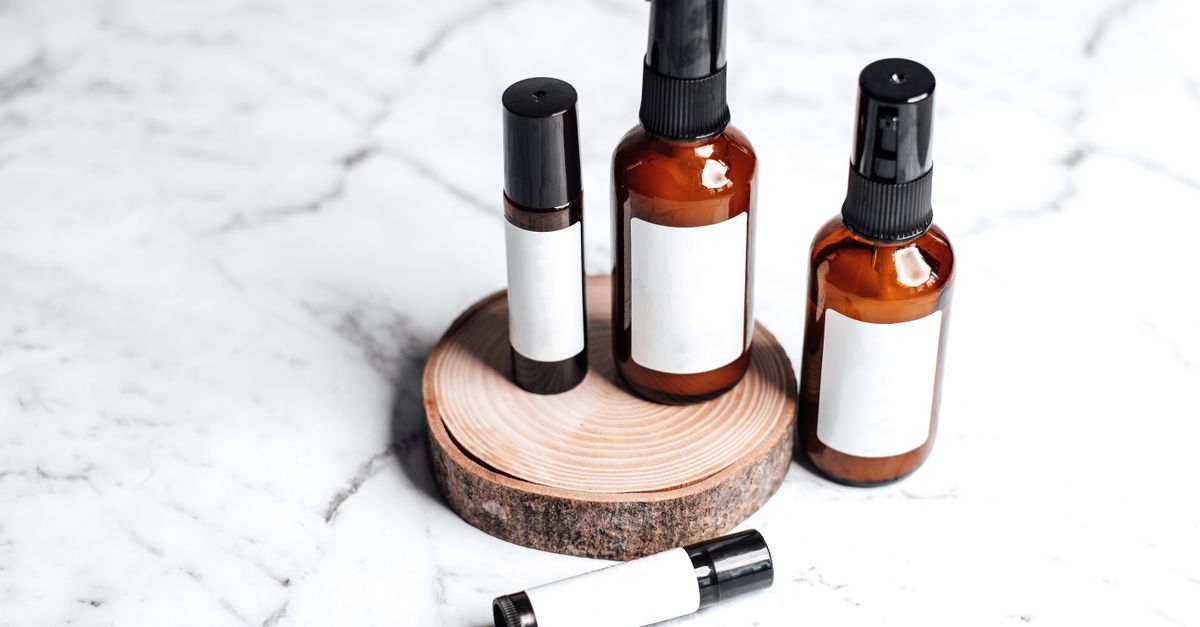
- A 5ml or 10ml amber glass bottle with a mascara-style wand or a fine brush. Amber glass because light degrades oils. New, never a washed-out old mascara tube.
- Castor oil, cold pressed, about 60 per cent of the blend. It is thick and it clings, which is exactly what you want on a 10mm hair.
- A lighter carrier at about 35 per cent. Sweet almond, jojoba or camellia oil all work. This thins the castor oil enough to brush on without gluing the lashes together.
- Vitamin E oil, about 5 per cent. Mostly it slows the blend going rancid. Skip it if you have ever reacted to it.
The method
- Wash your hands. Sterilise the bottle and wand by soaking in just-boiled water for five minutes, then dry completely. Any water left inside is where bacteria will grow.
- Measure the oils straight into the bottle. For a 10ml bottle that is roughly 6ml castor, 3.5ml light carrier, 0.5ml vitamin E.
- Cap and roll it between your palms for thirty seconds. Do not shake hard, you only make bubbles.
- Label it with the date you made it. This is the step everyone skips and the one that keeps you safe.
- Patch test on your inner forearm and leave it 24 hours before it goes anywhere near your eye.

How to apply it without causing yourself a problem
Apply at night on a completely clean, dry, makeup-free lash line. Wipe the wand against the neck of the bottle until it is barely damp, then sweep it along the upper lash from mid-length to the tips. You are coating the hair, not the lid. Oil that migrates into the eye overnight is the usual cause of morning puffiness and blurred vision, and it is entirely avoidable by using far less than feels right.
Never put the wand back in the bottle after it has touched your lashes if you can avoid it. If you must, accept that the batch is now contaminated and hold firmly to the four-week rule.
The four-week rule, and why it is not negotiable
A homemade oil blend has no preservative system. Every dip introduces skin flora and every day it sits warm in a bathroom it degrades further. Four weeks, then make a fresh batch and sterilise the bottle again. Rancid oil on an eyelid is a fast route to blepharitis, which is inflammation of the lid margin and genuinely miserable to shift.
Get a discount on the lash and brow care range
Join the Watermans mailing list and we will email a discount code straight to your inbox, so you can try the lash and brow care range for less. Made in the UK, over 6.5 million bottles sold since 2012.
Is castor oil safe for lashes, and what is the catch?
Castor oil is the backbone of almost every DIY lash recipe and it is reasonable as a conditioning agent. It is rich in ricinoleic acid, it is occlusive, and it makes fine hair look glossier and darker while it is on. There is no good evidence that it lengthens lashes.
There is one documented catch worth knowing before you learn how to make lash serum with it. A 2017 case report in the International Journal of Trichology described acute hair felting, where hair matted into an irreversible solid mass, following heavy castor oil use. That report concerns scalp hair rather than lashes, and it is a single case, so keep it in proportion. The sensible reading is simply that more castor oil is not better, and that a thin nightly film is the whole intervention.
The other honest caveat: castor oil is a known contact allergen for a minority of people. That is what the forearm patch test is for.
What should you never put near your lashes?
Half of learning how to make lash serum is knowing what to leave out. DIY beauty forums recommend some genuinely dangerous things for the eye area. The following do not belong in a lash serum at any concentration:
- Essential oils of any kind, including lavender, tea tree and peppermint. They are volatile, they sting, and the eye area is the wrong place to find out you are sensitive.
- Lemon juice or any citrus. Photosensitising and acidic. No.
- Petroleum jelly used nightly. It will not harm the lash but it readily migrates into the tear film and blurs vision.
- Anything prescription-only borrowed from someone else. If a product needs a clinician behind it, that is where it needs to stay.
- Old mascara tubes as a container. You cannot sterilise them properly.
When is buying honestly the better option?
Buy rather than mix if any of these describe you. A shop-bought conditioning serum from a reputable brand is formulated at a stable pH, preserved so it does not spoil, and safety assessed for the eye area under the UK Cosmetic Products Regulation, which a kitchen blend is not.
- You wear contact lenses.
- You have had blepharitis, styes or chronically dry, gritty eyes.
- You have lash extensions. Oil dissolves the adhesive and your extensions will slide off.
- You are pregnant or breastfeeding and would rather not improvise.
- You will realistically not sterilise a bottle every four weeks. Most people will not, and that is fine, but be honest with yourself.

How do you look after brows and lashes beyond the serum?
Working out how to make lash serum is the small half of the job. Most people lose lashes to friction rather than to any failure of growth. The routine below costs nothing and does more than any recipe.
- Take mascara off properly, every night. Press a damp pad on the lashes for ten seconds to soften, then wipe downwards. Do not scrub sideways.
- Give waterproof mascara a rest. It needs the most aggressive removal, and that is where lashes snap.
- Clean the lash line. A weekly wash of the lid margin with a mild cleanser keeps the little oil glands along the lid working properly.
- Curl before mascara, never after. Clamping a coated lash tears it.
- Rest between sets of extensions. Constant weight on a fine hair causes traction damage.

The same logic applies to the hair on your head, which is why the Watermans range is built around reducing breakage rather than promising growth. If you already keep a conditioning oil in the bathroom, one bottle can reasonably do brows, ends and body. Before you apply anything, our lash and brow care guide covers the everyday habits that decide how full lashes look. For why lashes only grow so long, our eyelash and eyebrow hair guide explains the short growth cycle. There is more on hair growth guide in a separate guide.

Camellia & Black Castor Hair & Body Oil £24.95
A hair and body oil built on black castor and camellia oil, the same conditioning family used in most DIY lash blends. It is formulated for hair, lengths and skin, and it is the honest answer if you want one properly made bottle rather than a jar you mixed yourself. It is a cosmetic product and is not intended for use in or around the eyes.
When should you stop and see someone?
Stop the serum immediately and speak to your GP, pharmacist or optometrist if you notice any of the following. None of these are things to wait out. If your question is about products or a routine rather than a medical one, you can talk to Gail Waterman, our co-founder, as an AI avatar on the Watermans homepage.
- Redness, swelling, crusting or scaling along the lid margin.
- Persistent grittiness, watering or blurred vision.
- Lashes falling out in numbers, or bald gaps along the lash line.
- Any lash loss alongside eyebrow loss or scalp hair loss, which is worth a proper look.
- A lump on the lid that does not settle within a week.
Please note. Watermans products are 100% cosmetic and do not treat medical hair loss. Individual results may vary.
Frequently Asked Questions
How long does a DIY lash serum take to work?
Give it eight to twelve weeks before you judge anything. A lash grows for roughly thirty to forty-five days and then rests, so you are waiting for close to a full cycle of lashes to turn over. Photograph your lashes in the same light on day one, because memory is unreliable over that span.
Can I use coconut oil instead of castor oil to make lash serum?
Yes, and it is a lighter option that some people tolerate better. Coconut oil is one of the few oils shown to penetrate the hair shaft rather than just sit on it, which makes it a reasonable conditioner. It solidifies below about 24 degrees, so in a cold bathroom it will go firm in the bottle.
Will a homemade lash serum make my lashes longer?
It will not extend the genetic maximum length of your lashes. What it can do is reduce breakage so more of your lashes reach that maximum, which looks like longer, fuller lashes. That distinction is the difference between an honest cosmetic claim and a false one.
How often should I make a fresh batch?
Every four weeks, with a fresh sterilisation of the bottle and wand. A homemade blend has no preservative system, so it is only as clean as the day you made it, minus every dip since.
Is it safe to use a lash serum with eyelash extensions?
No. Oils break down the cyanoacrylate adhesive that holds extensions on, so you will shorten the life of an expensive set. Wait until you are between sets, use the recovery time to condition your natural lashes, and then start again.
Can I put the same serum on my eyebrows?
Yes, and brows are the easier win because they are further from the eye and take a heavier application. Brows also recover slowly from over-plucking, so give a brow routine six months rather than six weeks.
My eyes are puffy in the morning after using it. What went wrong?
Almost always too much product, applied too close to the lid margin. Wipe the wand nearly dry, apply from mid-lash to tip only, and apply an hour before bed rather than as you get in. If puffiness continues after correcting that, stop and see your optometrist.
Is castor oil the best base for a lash serum?
It is the most popular because it is thick, cheap and conditions well. Best is doing a lot of work in that question. Jojoba is lighter and less likely to feel heavy, and there is no evidence any of them lengthen lashes, so pick on comfort rather than on claims.
What is the bottom line on how to make lash serum?
If you want to know how to make lash serum properly, the recipe is the easy half: roughly 60 per cent castor oil, 35 per cent a lighter carrier such as jojoba or camellia, 5 per cent vitamin E, in a sterilised amber bottle with a clean wand. The half that matters is the discipline around it. Patch test first, apply a barely damp wand from mid-lash to tip at night, never let it pool on the lid, and bin the batch after four weeks. Expect conditioned lashes that break less and therefore look fuller, and do not expect length that is not in your genes. If your lids get sore, stop and get them looked at.
Prefer a properly formulated bottle to a kitchen batch? See the Camellia and Black Castor Hair and Body Oil. Made in the UK, over 6.5 million bottles sold since 2012.
Related reading: how to stop fine lash and brow hairs breaking, why eyelashes fall out and what actually helps, and whether lash extensions damage your natural lashes.
Sources & References
- Sonthalia S, Sharma P. Castor Oil: The Culprit of Acute Hair Felting. International Journal of Trichology, 2017.
- NHS. Blepharitis: symptoms, causes and lid hygiene.
- NHS. Dry eyes: causes, self-care and when to get help.
- Martel JL. et al. Physiology, Hair. StatPearls, NCBI Bookshelf.
- The College of Optometrists. Clinical Management Guidelines.
- Office for Product Safety and Standards. UK cosmetic product safety regulation.