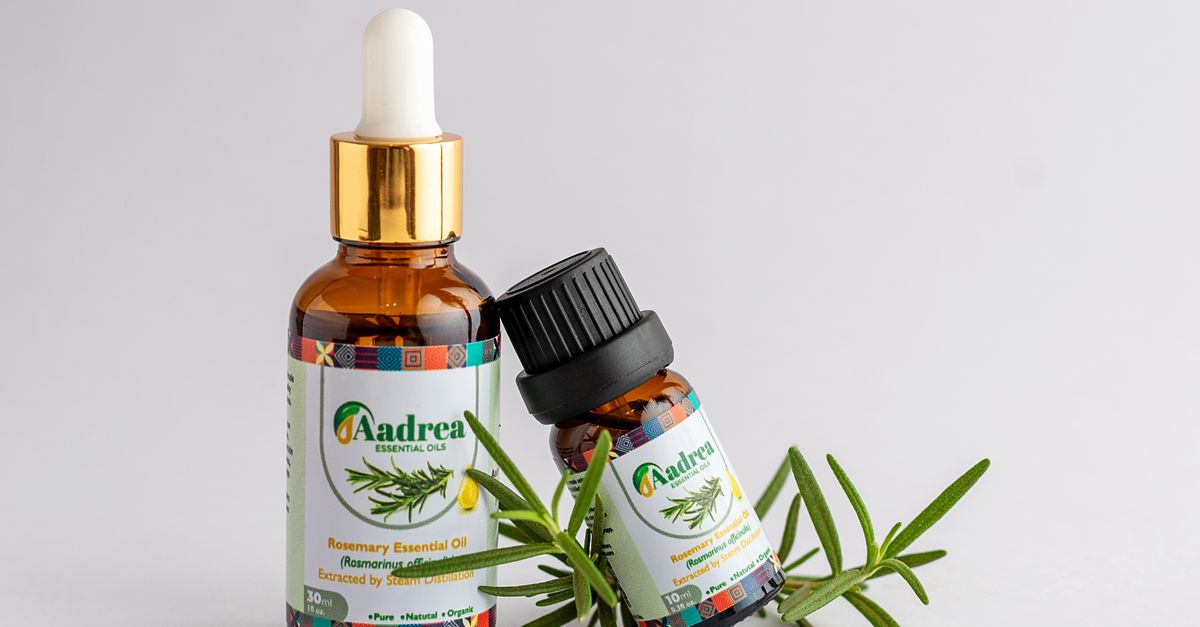
How to Make Hair Growth Oil to Sell: The UK Rules
To make hair growth oil to sell in Great Britain you need more than a good recipe. Legally your oil is a cosmetic product, which means it needs a Responsible Person, a safety assessment signed by a qualified assessor, a Product Information File, compliant labelling and a notification to the Office for Product Safety and Standards before you sell a single bottle. The blending is the easy part. The paperwork is what separates a real product from a jar you cannot legally put on a shelf.
Our hair and body oil
Camellia & Black Castor Hair & Body Oil, £24.95. Adds hydration and shine to dry lengths and smooths the hair before a blow dry, without weighing fine hair down.
Key takeaways
- In GB an oil for hair is a cosmetic product, so the Cosmetics Regulation applies from your very first sale.
- You cannot legally make hair growth oil to sell without a Cosmetic Product Safety Report from a qualified safety assessor.
- You must notify OPSS before the product is made available, and keep a Product Information File for 10 years.
- Labels must carry the Responsible Person, quantity, durability, precautions, batch number, function and INCI ingredients.
- Claims are policed. Saying an oil makes hair grow back moves you towards a medicinal claim you cannot support.

What does it legally mean to make hair growth oil to sell?
A hair oil intended to clean, perfume, protect or keep the hair and scalp in good condition is a cosmetic product. In Great Britain that places it under Regulation (EC) No 1223/2009 as retained and amended, enforced through the Cosmetic Products Enforcement Regulations 2013. The rules apply whether you sell 10,000 bottles through a retailer or 12 through a market stall, and they apply to free samples as well as paid sales.
Two words carry most of the weight. First, "available", which means supplied to a member of the public, so the obligations bite before money changes hands. Second, "Responsible Person", the named business established in the UK that carries legal accountability for the product. If you make and sell your own oil, that is you.
What paperwork do you need before the first sale?
Three documents, in this order. The Cosmetic Product Safety Report comes first. It has two parts: Part A, the safety information you compile, covering ingredients and their concentrations, toxicological properties, stability, packaging, microbiological quality and how the product will be used. Part B is the safety assessment itself, which must be completed by a qualified safety assessor. You cannot sign Part B yourself unless you hold the relevant qualifications.
Second, the Product Information File. It holds the safety report, a description of the product, your manufacturing method and evidence for any effects you claim. It must be kept for 10 years after the last batch was made available, and be accessible to enforcement officers at the address on your label.
Third, notification. The Responsible Person submits product information to the Office for Product Safety and Standards through the Submit cosmetic product notifications service before the product goes on sale. Skipping this is not a technicality, it is the step that makes your product lawful to supply.
Budget realistically
A safety assessment is the main fixed cost and is usually charged per formulation, not per batch. Every meaningful change to the recipe, including swapping a fragrance or changing a preservative level, can require a fresh assessment. This is the single biggest reason small brands launch with two or three products rather than ten.
What has to go on the label?
GB labelling rules are specific and the container and packaging both need to comply. You must show the name and address of the Responsible Person, the country of origin if imported, the weight or volume, the date until which the product can be used, any precautions for use, a batch identification number, what the product does, and the ingredient list. Ingredients are given in INCI names in descending order of weight, and nanomaterials are followed by "(nano)".
Small packs get some relief. Where contents are under 5 grams or 5 millilitres, the durability date and quantity may not be required, which is why sample sizes are labelled more sparsely. Where there is genuinely not enough room for precautions and ingredients, they can go on an enclosed leaflet with the hand symbol on the pack pointing to it.

What can you actually claim on the bottle?
This is where most new brands get into trouble, and it is worth understanding before you write a word of packaging copy. Labelling and advertising must not imply a product has functions it does not have, and you must hold evidence for the effects you claim. Separately, the CAP Code governs your marketing, and a product presented as restoring hair by acting on the body risks being treated as an unlicensed medicine rather than a cosmetic.
In practice: cosmetic language describes appearance, feel and condition. Fuller looking hair, added shine, reduced breakage, a comfortable scalp. Medicinal language describes changing a disease process. Once you claim an oil brings hair back where it has been lost, you have crossed a line that is expensive to defend, and you would need evidence to match. Write for what the oil genuinely does to the fibre and the scalp.
Get a discount on the hair growth range
Join the Watermans mailing list and we will email a discount code straight to your inbox, so you can try the hair growth range for less. Vegan, made in the UK, over 6.5 million bottles sold since 2012.
What should actually go in the formula?
Keep it simple, because every ingredient adds cost to the safety assessment. A carrier oil does most of the work: jojoba and grapeseed are light and spread well, coconut oil penetrates the fibre and reduces protein loss during washing, castor oil adds slip and shine but needs blending because it is thick. On top of that, one or two actives with some evidence behind them, most obviously rosemary, and an antioxidant such as vitamin E to slow rancidity.
Essential oils need particular care. They carry allergen labelling obligations, some are restricted by concentration, and they must be properly diluted. If you want a worked example of an infusion done properly, our guide to making horsetail infused hair oil covers method and safety, and our round up of key ingredients for hair growth separates the evidenced from the fashionable. For rosemary specifically, the evidence is worth reading before you build a brand on it.
Water is the enemy of an anhydrous oil
A pure oil blend has no water, so it does not need a preservative in the usual sense, only an antioxidant. The moment you add anything water based, including a botanical infusion made with water or fresh plant material, you have created a product that can grow bacteria and mould and you need a full preservative system. Keep the formula anhydrous unless you have the expertise to do otherwise.
How do you make it consistently, batch after batch?
Almost everyone who sets out to make hair growth oil to sell underestimates this stage. Good manufacturing practice for a small maker is mostly discipline. Work in a clean, dedicated space rather than a family kitchen mid dinner. Weigh by mass rather than volume so batches are reproducible. Record every batch: date, ingredient lot numbers, quantities, yield and the batch code you print on the label. Keep retention samples so that if a complaint arrives you can examine the exact batch.
You will also need product liability insurance, and most insurers will ask to see your safety report before quoting. If a user has a reaction serious enough to stop them doing their normal daily activities, that is a serious undesirable effect and must be reported to OPSS immediately.
Should you make it yourself or buy a finished product?
Be honest with yourself about the numbers. Between the safety assessment, compliant packaging, insurance and your own time, the first bottle of a properly compliant product costs a great deal more than the oil in it. Making your own makes sense if you want a brand and intend to sell steadily. It rarely makes sense if you simply want a good oil for your own hair.

Camellia & Black Castor Hair & Body Oil £24.95
If you got here wanting a good hair oil rather than a business, this is the shop bought version: a light camellia base carrying black castor oil, so it conditions and adds shine without the sticky feel of neat castor. Fully assessed, notified and labelled, which is the part that takes the time.

Grow Me® Hair Growth Shampoo £14.95
And if the interest was really the rosemary angle, our sulfate free shampoo is built around rosemary, caffeine, biotin and niacinamide, in the step you repeat two or three times a week. Vegan, made in the UK, over 6.5 million bottles sold since 2012.
This article is about the product and the compliance behind it. If your question is really about pricing, margins, branding and where to sell, that is a different job and we cover it separately in how to start a hair growth oil business in the UK.
What can a hair oil do, and what can it not do?
Worth separating three things your customers will confuse, because your claims depend on it. Hair loss means follicles are producing progressively finer hair, as in androgenetic alopecia, and an oil does not change that. Hair shedding is a cycle event, often three months after a stress or illness, and it usually resolves on its own. Hair breakage is the fibre snapping from heat, bleach or rough handling, and this is the one an oil genuinely helps with, by adding lubrication so hair bends instead of snapping.
Selling honestly against breakage is a stronger long term position than overclaiming against hair loss, because customers can actually feel the difference and you can defend the claim.
Frequently asked questions
Do I need a licence to make hair growth oil to sell in the UK?
Not a licence as such, but you must meet the Cosmetics Regulation: a safety assessment by a qualified assessor, a Product Information File, compliant labelling and notification to OPSS before you sell.
How much does a cosmetic product safety report cost?
It varies by assessor and formulation complexity, and it is charged per formulation. Because each recipe change can require reassessment, most small brands launch with a very small range.
Can I sell homemade hair oil at a craft market or on Etsy?
Only if it meets the same rules. Selling in small volumes, in person, or giving free samples does not exempt you. The obligations start when the product is made available to the public.
Do I need a preservative in an oil?
A pure oil blend contains no water, so it needs an antioxidant such as vitamin E rather than a preservative. Add anything water based and you need a full preservative system.
Can I say my oil makes hair grow back?
No. That moves you towards a medicinal claim, which requires evidence you almost certainly do not have. Describe appearance, feel and condition instead, such as fuller looking hair and reduced breakage.
Who can be the Responsible Person?
A person or business established in the UK. If you make and sell your own product from here, it is you, and your name and address go on the label.
How long must I keep records?
The Product Information File must be kept for 10 years after the last batch was made available, and be accessible at the address shown on your label.
What is the most common mistake first time makers make?
Using fresh plant material or a water based infusion in what they believe is an anhydrous oil. It introduces water, invites microbial growth, and invalidates the safety assumptions.
What is the bottom line on how to make hair growth oil to sell?
To make hair growth oil to sell lawfully in Great Britain, treat it as a cosmetic product from day one. Get a Cosmetic Product Safety Report from a qualified assessor, build and keep a Product Information File, label to the GB requirements, notify OPSS before you sell, and insure yourself. Keep the formula anhydrous and simple, keep batch records, and write claims about appearance and condition rather than about bringing hair back. The recipe is a weekend. The compliance is the business.

If you would rather start small, swap the wash first and see how the scalp feels on the Grow Me hair growth shampoo. Vegan and made in the UK.
Sources & References
- Office for Product Safety and Standards. Making cosmetic products available to consumers in Great Britain. gov.uk
- Office for Product Safety and Standards. Submit a cosmetic product notification. gov.uk
- The Cosmetic Products Enforcement Regulations 2013. legislation.gov.uk
- Committee of Advertising Practice. CAP Code section 12: medicines, medical devices, health-related products and beauty products. asa.org.uk
- Panahi Y and others (2015). Randomised comparative trial of rosemary oil in androgenetic alopecia. Skinmed. PubMed 25842469
Watermans products are 100% cosmetic and do not treat medical hair loss. Individual results may vary.